Introduction: The Chromium Connection
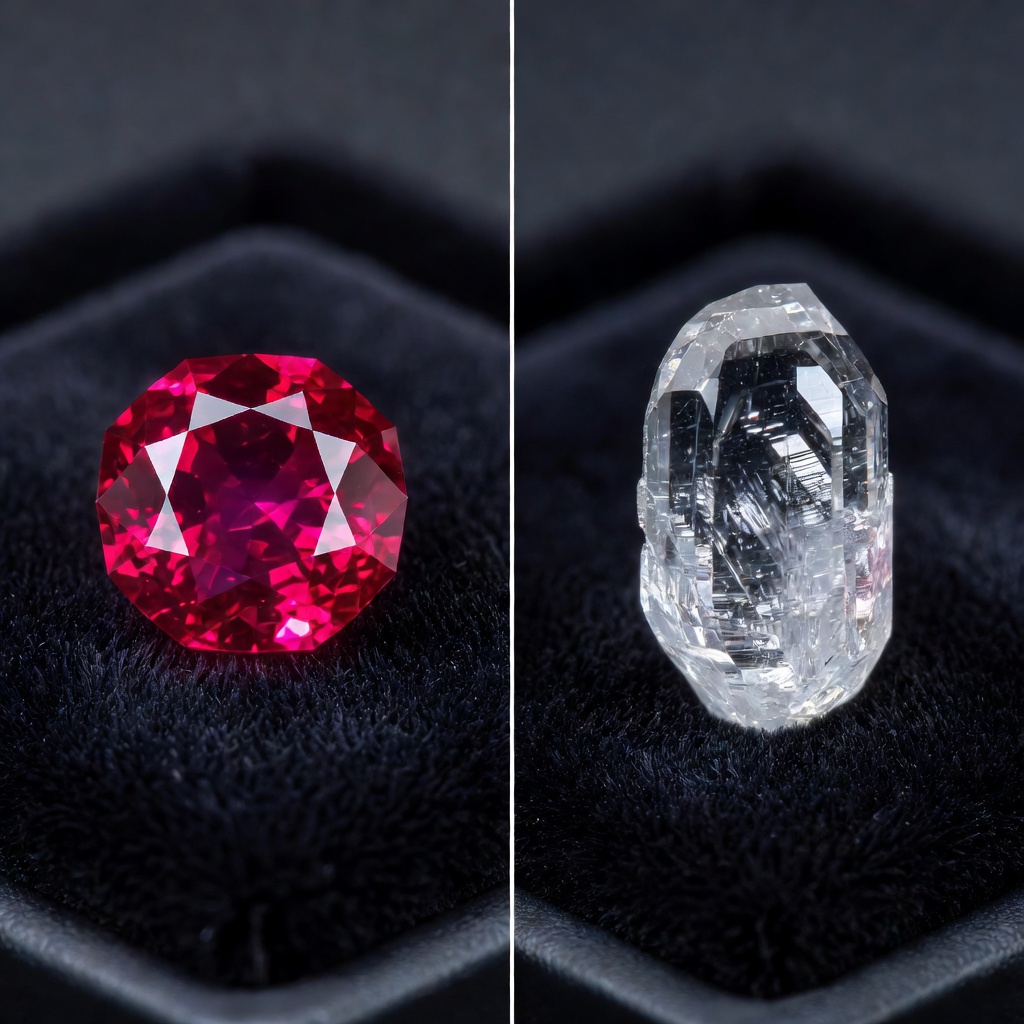
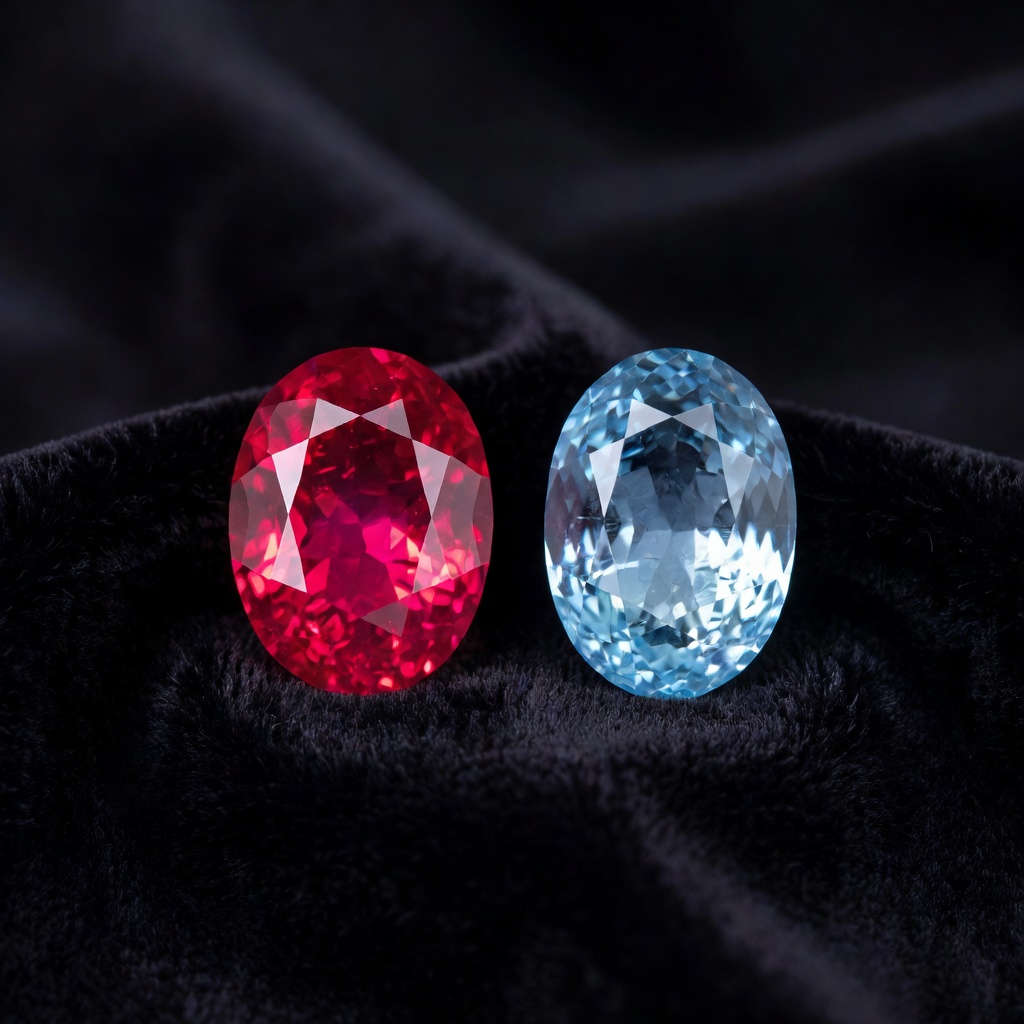
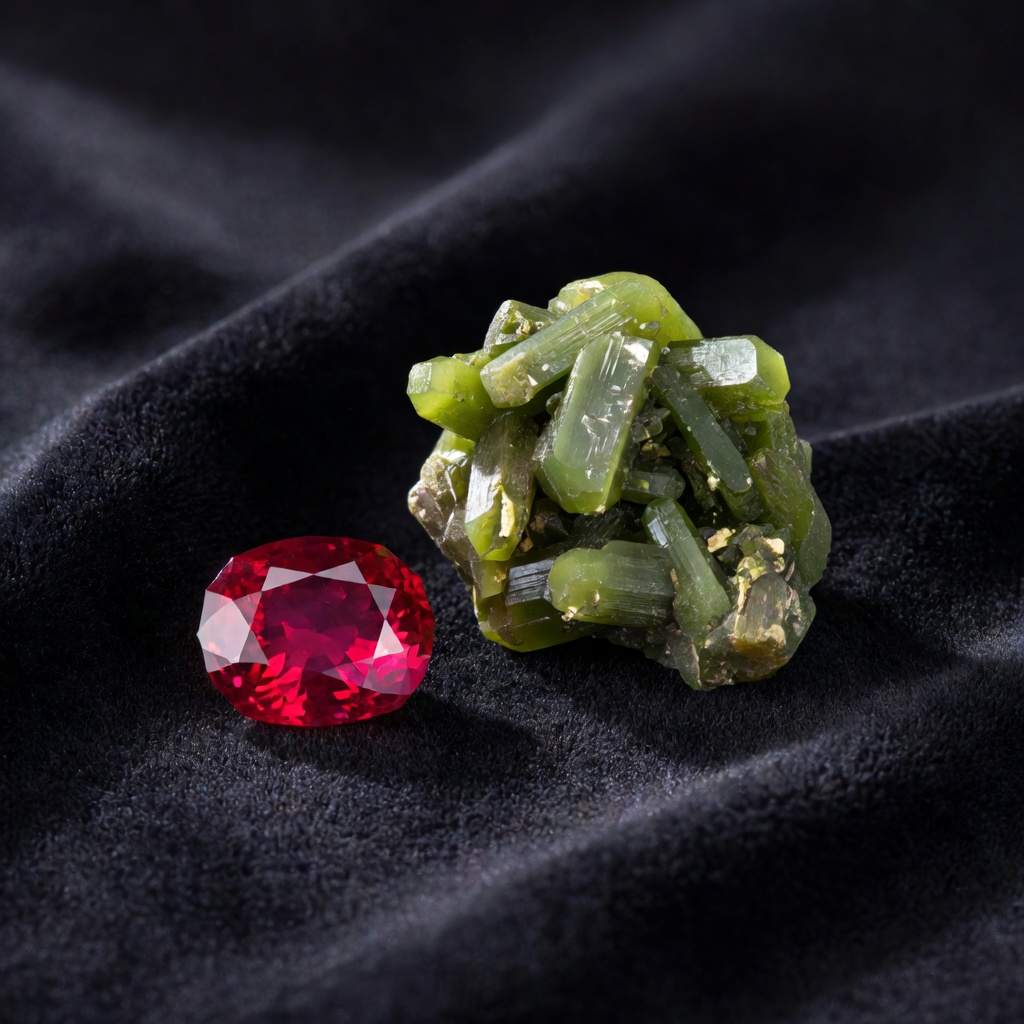
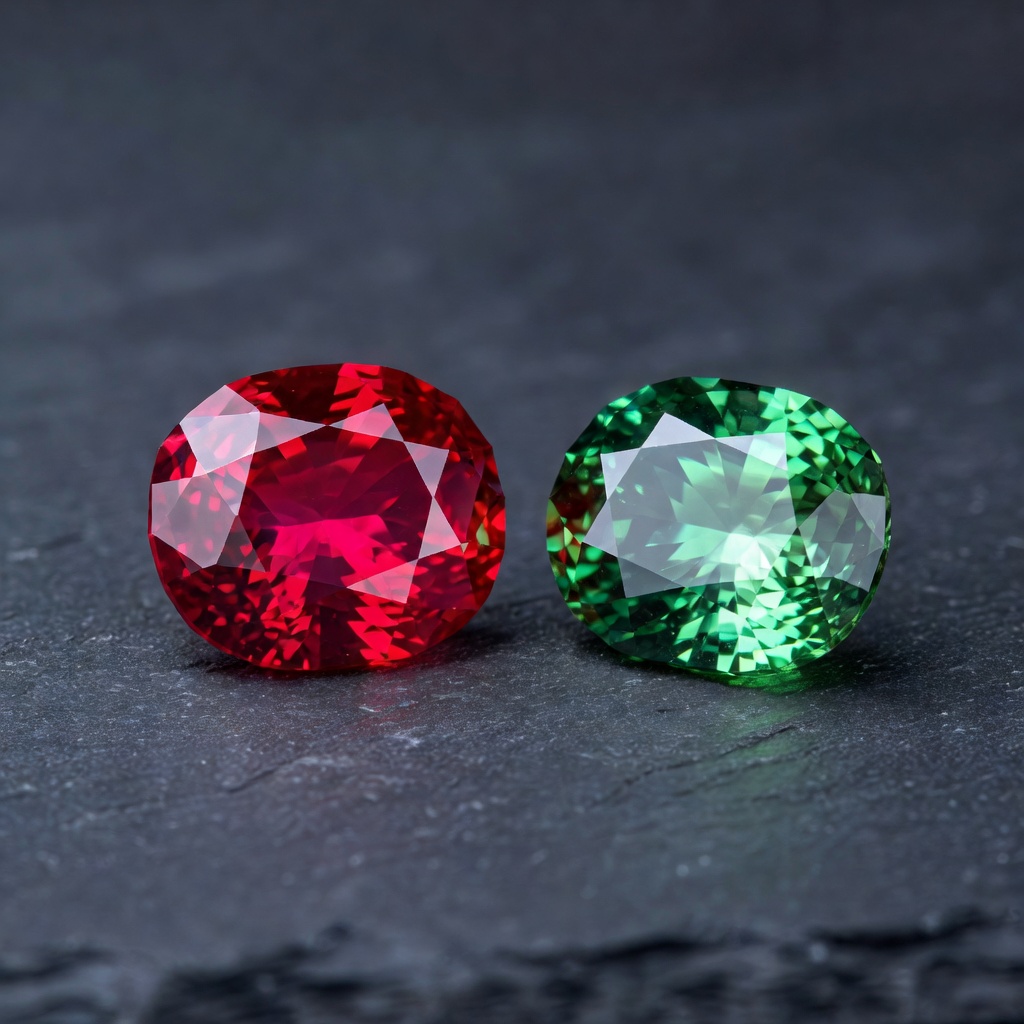
When collectors discuss Ruby vs Hiddenite, they often highlight one fascinating similarity: both belong to the exclusive club of chromium colored gemstones. While ruby captivates with its intense pigeon blood red hue, hiddenite mesmerizes with delicate emerald-green to yellowish-green tones, creating a striking chromatic contrast despite sharing the same coloring agent. Ruby represents the pinnacle of the corundum mineral family, prized for millennia as one of the cardinal gems, while hiddenite remains a relatively modern discovery within the spodumene group, offering collectors a rare green gemstone alternative that few jewelry enthusiasts encounter.
The comparison between these two gems might seem unusual at first glance, given their dramatically different market positions and historical significance. However, mineralogists and serious gem collectors frequently examine them side by side because both demonstrate how chromium interacts with distinct crystal structures to create magnificent color phenomena. Understanding this relationship provides insight into crystal field theory while helping buyers make informed decisions between a time-tested jewelry staple and a delicate collector's treasure.
Geological Origins and Discovery History
The story of hiddenite North Carolina begins in 1879 when mineralogist William Hidden identified this green spodumene variety in Alexander County, specifically within the lithium-rich pegmatite deposits of the Brushy Creek area. Unlike ruby's ancient pedigree spanning centuries of mining activity, hiddenite emerged during America's mineralogical golden age when exploratory mining for lithium-bearing minerals drew scientific attention to the Appalachian region. The type locality remains the most significant source for fine specimens, though subsequent discoveries in Brazil, Madagascar, and Afghanistan have supplemented the market with additional material.
In contrast, ruby mining locations span multiple continents and millennia, with documented extraction beginning in Myanmar's Mogok Stone Tract as early as 600 AD. Historical records indicate that traders transported Burmese rubies along the Silk Road to reach European and Asian courts, while Thailand's Chanthaburi province and Cambodia's Pailin district became significant sources during the nineteenth and twentieth centuries. Modern mining operations in Mozambique's Montepuez region and Madagascar have transformed the commercial ruby landscape, providing the market with material that ranges from commercial grade to exceptional fine quality.
These distinct formation environments create fundamentally different hunting grounds for prospectors and profoundly influence gem characteristics. Hiddenite crystallizes in lithium-rich pegmatite cavities where slow cooling allows large crystal formation, often resulting in substantial rough specimens that present unique cutting challenges. Rubies develop under intense heat and pressure within metamorphic marbles or basaltic rocks, where aluminum-rich minerals interact with chromium-bearing fluids to create the compact, durable crystals that define the variety. This geological divergence explains why rubies typically occur in alluvial deposits secondary to their primary metamorphic origins, while hiddenite requires hard-rock mining of specific pegmatite veins.
Chemical Composition and Crystal Structure
Understanding the Spodumene vs corundum distinction reveals why these chromium-bearing gems display such different characteristics despite sharing a coloring element. Ruby consists of aluminum oxide (Al₂O₃) arranged in a trigonal crystal system that creates exceptional hardness and structural stability, while hiddenite comprises lithium aluminum silicate (LiAlSi₂O₆) crystallizing in the monoclinic system with distinct prismatic habits. The fundamental difference in gemstone chemical composition explains why ruby ranks among the most durable gemstones available for jewelry, whereas hiddenite requires careful handling and protective settings.
The chromium ions responsible for coloration occupy different structural positions within these contrasting lattices, creating distinct optical effects through crystal field theory. In corundum's compact trigonal structure, chromium substitutes for aluminum in octahedral coordination, absorbing yellow-green light and transmitting the characteristic red wavelengths that define fine ruby, accompanied by strong red fluorescence under ultraviolet illumination. Conversely, in spodumene's more open monoclinic framework, chromium occupies distorted octahedral sites that absorb different portions of the visible spectrum, generating the green to yellowish-green pleochroic effects that distinguish high-quality hiddenite from its kunzite and spodumene counterparts.
Practical gem identification relies heavily on these structural differences, as refractive index readings differ significantly between the materials. Ruby typically exhibits refractive indices between 1.760 and 1.778 with a birefringence of 0.008, while hiddenite shows lower refractive indices ranging from 1.655 to 1.680 with higher birefringence around 0.015. These optical properties, combined with specific gravity measurements (ruby approximately 4.00, hiddenite approximately 3.18), allow gemologists to distinguish between the species even when color variations might cause confusion with other green or red gemstones.
Color Characteristics and Optical Properties
Examining green hiddenite properties reveals a complex optical personality defined by pronounced pleochroism, where the crystal displays emerald-green, yellowish-green, and occasionally colorless sectors depending on the viewing angle relative to the crystallographic axes. This pleochroism presents significant challenges for cutters, who must orient the table perpendicular to the vertical axis to minimize the yellowish component and maximize the desirable emerald-green face-up color. High-quality specimens exhibit a saturated green reminiscent of fine emerald but with a slightly more yellowish secondary tone that distinguishes the material from chrome diopside or tsavorite garnet.
Ruby color grades center on the coveted "pigeon blood" red, a vivid saturated red with a hint of blue that creates an almost fluorescent appearance, particularly in Burmese material from the Mogok region. Unlike hiddenite's trichroic nature, ruby exhibits dichroism showing orange-red and purplish-red tones when viewed through the dichroscope, with the most valuable stones minimizing the purple component. The presence of chromium in ruby's corundum structure creates strong red fluorescence under long-wave ultraviolet light, a diagnostic feature that helps gemologists identify natural rubies and distinguish them from certain synthetics or simulants.
While ruby's rutile silk inclusions create desirable optical phenomena like asterism (the star effect) when cut en cabochon, hiddenite frequently presents color zoning challenges where uneven chromium distribution creates patchy green areas that cutters must navigate carefully. Advanced lapidaries working with hiddenite often sacrifice weight to avoid windows or color concentrations, sometimes opting for step cuts that display the color evenly rather than brilliant cuts that might emphasize zoning. Ruby cutters face different decisions regarding silk preservation, as lightly included material might be heated to dissolve rutile needles and improve clarity, whereas heavy silk might indicate potential for star stone creation.
Durability, Hardness, and Wearability
Ruby gemstone hardness ratings of 9 on the Mohs scale place these gems second only to diamond, providing exceptional resistance to scratching and surface abrasion that suits daily wear in engagement rings, bracelets, and other high-impact jewelry pieces. This remarkable hardness combines with excellent toughness—the resistance to breaking and chipping—making ruby one of the few gemstones that truly withstands generational wear without significant degradation. Jewelry professionals routinely recommend rubies for active individuals who desire colored gemstone jewelry capable of withstanding gym workouts, gardening, and daily household activities without requiring special precautions.
Conversely, hiddenite's 6.5-7 hardness combined with perfect cleavage in two directions creates significant vulnerability to impact and thermal shock, requiring protective settings and occasional wear rather than daily exposure. The perfect cleavage parallel to the prismatic faces means that hiddenite can split cleanly with a single sharp blow, much like diamond or topaz, making it unsuitable for rings that might encounter hard surfaces during normal wear. Spodumene durability concerns extend to thermal sensitivity, as sudden temperature changes can cause internal stress fractures in lithium-bearing silicates, necessitating careful cleaning procedures that avoid steam or ultrasonic methods.
Practical gemology testing demonstrates these durability differences through everyday wear simulations. While ruby withstands ultrasonic cleaning, steam cleaning, and incidental bumps against door frames or countertops, hiddenite demands bezel settings and careful handling to prevent cleavage fractures along its distinct parting planes. Collectors should consider hiddenite primarily for pendant designs, earrings, and occasional-wear cocktail rings with protective halo settings, whereas ruby offers the versatility necessary for tennis bracelets, daily-wear solitaires, and heirloom pieces intended for continuous use across decades.
Clarity, Cut, and Typical Inclusions
The phenomenon of Star ruby vs hiddenite inclusions illustrates their divergent optical characteristics, with rubies frequently containing rutile needle inclusions that align along hexagonal crystal faces to create six-rayed asterism when cut en cabochon. These silk inclusions, consisting primarily of titanium dioxide, scatter light within the stone and can improve color by diffusing light through the body of the gem, though excessive silk reduces transparency and brilliance. Gemologists value distinct star rubies with sharp, well-centered rays that move across the dome as the stone tilts, with Burmese star rubies commanding particular premiums due to their fine color and sharp ray definition.
Hiddenite typically contains liquid inclusions, two-phase inclusions, and internal fractures rather than organized needle arrays, though these rarely create optical phenomena like chatoyancy or asterism. The most common inclusions appear as fingerprint patterns or veil-like structures that, while affecting clarity grades, generally prove less objectionable than the black carbon inclusions sometimes found in rubies. Master cutters face distinct challenges with each material: ruby's toughness allows brilliant cutting styles, high crowns, and thin girdles that maximize light return, while hiddenite requires emerald cuts, step cuts, or protective bezels that minimize exposure to cleavage planes.
Practical cutting examples demonstrate these constraints clearly. A 10-carat ruby rough might yield a 4-carat oval brilliant that showcases the material's color and brilliance in an engagement ring setting, whereas a similar-sized hiddenite crystal might be fashioned into a 3-carat emerald cut with a protective bezel and thicker girdle to prevent chipping. Valuable cuts for ruby include oval, cushion, and round brilliants that emphasize fluorescence and color saturation, while hiddenite achieves maximum value in emerald cuts and step cuts that display the green color evenly while protecting vulnerable corners and edges.
Market Value, Rarity, and Investment Potential
Analyzing Ruby value per carat reveals a stratified market where untreated Burmese pigeon blood specimens command $10,000 to $100,000+ per carat for exceptional stones over five carats, while commercial heated rubies from Mozambique or Thailand range from $500 to $5,000 depending on color saturation and clarity. The price disparity reflects both rarity and cultural demand, with Asian markets particularly driving prices for fine unheated material that exhibits the classic "pigeon blood" fluorescence. Investment-grade rubies require documentation of Burmese origin, absence of heat treatment, and minimal clarity enhancement to maintain value appreciation over time.
Rare green gemstones like hiddenite occupy a specialized collector's niche, with fine North Carolina specimens ranging from $500 to $3,000 per carat for faceted material, though exceptional large crystals or pristine rough specimens may command premium prices at mineral shows and specialty auctions. While fine hiddenite is actually rarer than commercial-grade ruby in terms of absolute occurrence in nature, the limited mainstream demand keeps prices accessible to serious collectors seeking unique American-mined gemstones. Large, clean hiddenite crystals exceeding ten carats faceted weight represent significant rarities that appreciate steadily within the collector community, though they lack the liquidity of fine ruby investments.
Investment considerations favor untreated stones of both varieties, with documentation of North Carolina origin adding provenance value to hiddenite specimens. Ruby investments require laboratory certification from respected institutions like GIA, SSEF, or Gübelin confirming Burmese origin and absence of heating, whereas hiddenite investments benefit from association with the original Hiddenite, North Carolina locality. Practical portfolio diversification might include both: rubies for stable, liquid stores of value recognized globally, and hiddenite for specialized mineral collections emphasizing American gemological heritage and unique green coloration unavailable in more common gemstones.
Ruby vs Hiddenite: Detailed Comparison
| Characteristic | Ruby (Corundum) | Hiddenite (Spodumene) |
|---|---|---|
| Mineral Family | Corundum (Aluminum Oxide) | Spodumene (Lithium Aluminum Silicate) |
| Chemical Formula | Al₂O₃ with Cr³⁺ | LiAlSi₂O₆ with Cr³⁺ |
| Hardness (Mohs) | 9 | 6.5 - 7 |
| Crystal System | Trigonal | Monoclinic |
| Primary Sources | Myanmar, Mozambique, Thailand, Madagascar | North Carolina (USA), Brazil, Afghanistan |
| Color Range | Red to Purplish-Red (Pigeon Blood) | Emerald-Green to Yellowish-Green |
| Cleavage | None (Conchoidal Fracture) | Perfect in Two Directions |
| Durability | Excellent (Daily Wear Suitable) | Fair to Good (Requires Protection) |
| Best Jewelry Uses | Rings, Bracelets, Daily Wear | Pendants, Earrings, Occasional Rings |
| Price Range (per carat) | $1,000 - $100,000+ | $200 - $3,000 |
| Key Inclusions | Rutile Silk, Crystal Inclusions | Liquid Inclusions, Fingerprints |
| Optical Phenomena | Asterism (Star Effect), Fluorescence | Strong Pleochroism (Green/Yellow) |
Jewelry Design Applications and Settings
Ruby jewelry settings embrace remarkable versatility, accommodating everything from delicate pavé bands to substantial cocktail rings and intricate vintage reproductions. Jewelry designers frequently select yellow gold to enhance the gem's warm red fluorescence and create a cohesive color story, while platinum and white gold settings provide modern contrast that makes the red appear more vivid through complementary color opposition. Prong settings work excellently for rubies due to the stone's durability, allowing maximum light exposure while maintaining security for daily wear engagement rings and anniversary bands.
Hiddenite engagement ring designs require thoughtful engineering and protective strategies that acknowledge the material's physical limitations. Bezel settings, halo designs with diamond accents, and V-prong arrangements that protect the girdle and corners prove essential for longevity, typically executed in white gold or platinum that complement the stone's cool green tones. Practical design examples include ruby tennis bracelets that withstand daily activity versus hiddenite pendant designs that minimize impact risk, with the latter often paired with diamonds to enhance the green color through complementary contrast while adding structural protection to the setting.
Metal pairing considerations extend beyond aesthetics to practical wearability factors. While ruby's durability allows mixed metal designs and intricate gallery work without structural concerns, hiddenite settings must minimize points of stress and avoid sharp corners that could focus impact forces. Case studies from high-end jewelry houses demonstrate successful hiddenite implementations in Art Deco-inspired geometric pendants where the stone sits recessed within a protective frame, whereas ruby examples showcase elevated prong settings that display the gem's brilliance and fluorescence to maximum advantage in rings designed for continuous daily wear.
Metaphysical Properties and Symbolism
Ruby metaphysical properties associate this cardinal gem with the root chakra, promoting vitality, passion, protection from negative energies, and courageous leadership according to Vedic traditions and modern crystal healing practices. Ancient Sanskrit texts describe ruby (ratnaraj, or "king of precious stones") as a gemstone that safeguards the wearer from misfortune while enhancing life force energy and blood circulation. Crystal healers often recommend ruby for individuals seeking motivation, confidence in leadership roles, or protection during travel, with the stone's red color symbolizing the blood of life and the fire of transformation.
Hiddenite crystal meaning connects deeply with heart chakra healing, encouraging gratitude, emotional growth, and the release of attachment to past traumas, reflecting its lithium content's association with mood stabilization in both metaphysical circles and pharmaceutical applications. Practitioners value hiddenite for meditation practices focused on opening the heart to receive love and abundance, with the green color representing growth, renewal, and the vitality of nature. Unlike the energizing properties attributed to ruby, hiddenite typically associates with calming, soothing energies that promote emotional balance and the gentle release of negative patterns.
Birthstone significance creates another distinction between these gems: ruby serves as July's official birthstone with centuries of regal symbolism and traditional anniversary associations (15th and 40th wedding anniversaries), while hiddenite carries no official birthstone status but attracts modern spiritual practitioners seeking unique energy signatures unavailable in more common green stones like emerald or peridot. Practical applications in crystal therapy might include placing ruby on the base of the spine during meditation to ground energy, while hiddenite might be positioned over the heart center to facilitate emotional healing work, with both stones occasionally used together to balance passionate action (ruby) with heart-centered wisdom (hiddenite).
Final Verdict: Which Gemstone Should You Choose?
This Ruby vs Hiddenite buying guide ultimately reveals two gemstones serving distinctly different purposes despite their shared chromium heritage. Choosing between these gems requires honest assessment of lifestyle factors: active individuals, those seeking daily-wear engagement stones, or buyers prioritizing investment liquidity should prioritize ruby's exceptional durability and timeless market recognition. The gemstone's ability to withstand generations of daily wear without significant damage makes it the clear choice for heirloom jewelry, wedding sets, and pieces intended for continuous use.
Budget-conscious collectors desiring rare green gemstones with American heritage might select hiddenite for occasional wear pieces that showcase unique color characteristics unavailable in emeralds or tsavorites. The stone appeals particularly to mineral collectors who appreciate geological provenance and lapidary artists seeking material for protected settings where color rather than durability takes precedence. However, buyers must commit to appropriate settings (bezels, protective halos) and wearing habits (removing before physical activity) to preserve these more delicate specimens.
Color preference guide considerations suggest that those drawn to classic, passionate red with strong fluorescence and cultural significance will find ruby irreplaceable, while individuals seeking distinctive green stones with yellowish undertones and American mining history will treasure fine hiddenite. Ultimately, the decision balances practical wearability against aesthetic preferences and collection goals, with ruby offering classic elegance suitable for daily heirloom creation, while hiddenite provides distinctive beauty for the educated collector who appreciates protective settings and limited wearing occasions. Many serious collectors eventually acquire both, recognizing that each occupies a unique niche in the spectrum of fine gemstones.
Frequently Asked Questions
What is the main difference between ruby and hiddenite?
The primary difference is their mineral composition: ruby is corundum (aluminum oxide) with a hardness of 9, while hiddenite is spodumene (lithium aluminum silicate) with a hardness of 6.5-7. Both get their color from chromium, but ruby appears red while hiddenite displays green to yellowish-green hues.
Is hiddenite rarer than ruby?
Fine quality hiddenite is actually rarer than commercial-grade ruby, as significant deposits are limited primarily to North Carolina. However, high-quality Burmese rubies with pigeon blood color are among the rarest gemstones on earth, commanding much higher prices than hiddenite.
Can hiddenite be worn every day like ruby?
Hiddenite is not recommended for daily wear due to its perfect cleavage and moderate hardness (6.5-7 on the Mohs scale), making it prone to chipping and breaking. Ruby, with its hardness of 9 and excellent toughness, is ideal for daily wear including engagement rings.
Why is hiddenite sometimes called the 'lithia emerald'?
Hiddenite earned the nickname 'lithia emerald' because it contains lithium (lithia refers to lithium oxide) and displays a rich green color similar to emerald. However, it's actually a variety of spodumene, not beryl like true emeralds.
Which gemstone is more valuable: ruby or hiddenite?
Generally, high-quality rubies are significantly more valuable than hiddenite. Fine Burmese rubies can command thousands per carat, while even high-quality hiddenite typically ranges from hundreds to low thousands per carat. However, large, flawless hiddenite specimens are highly prized by collectors.
Do both ruby and hiddenite contain chromium?
Yes, both gemstones owe their color to chromium. In rubies, chromium creates the characteristic red color and strong fluorescence. In hiddenite, chromium produces the green to yellowish-green coloration, though the crystal structure of spodumene results in a different hue than corundum.
Can hiddenite show color change like alexandrite?
No, hiddenite does not show color change like alexandrite. However, it does exhibit strong pleochroism, meaning it shows different colors (green, yellow-green, and sometimes colorless) when viewed from different angles. This is different from true color change under different lighting conditions.
Is hiddenite a good alternative to emerald?
Hiddenite can be an excellent alternative to emerald for those seeking a green gemstone. It often has better clarity than emerald and is untreated, whereas most emeralds are oiled or fracture-filled. However, hiddenite is softer and requires more careful handling than emerald (which is 7.5-8 on the Mohs scale).