Understanding Ruby and Hessonite Garnet: A Comprehensive Guide
When exploring the fascinating world of precious red gemstones, the comparison between Ruby and Hessonite Garnet frequently arises among collectors, jewelry enthusiasts, and Vedic astrology practitioners. Ruby, scientifically classified as corundum (Al2O3), represents the pinnacle of red gemstones with its legendary pigeon blood hue, while Hessonite belongs to the grossularite garnet species, displaying distinctive cinnamon to honey-orange tones that often create market confusion. Despite both stones occasionally overlapping in reddish-orange color ranges, they differ fundamentally in chemical composition, physical properties, metaphysical associations, and market value. Understanding these distinctions proves crucial whether you seek a powerful astrological remedy, a durable investment piece, or simply wish to appreciate the unique characteristics that separate these captivating gems.
The confusion between these stones often stems from unscrupulous dealers marketing Hessonite as "cinnamon ruby" or inexperienced buyers mistaking high-quality orange-red Hessonite for lower-grade Ruby. This misidentification carries significant consequences, particularly in Vedic astrology where Ruby represents the Sun (Surya) and Hessonite governs Rahu (the North Node), two planetary forces with vastly different energetic signatures. Furthermore, from an investment perspective, confusing a $100 per carat Hessonite with a $10,000 per carat Ruby could result in substantial financial loss. Proper identification requires understanding not just color, but the complete gemological profile that distinguishes Red corundum vs cinnamon stone.
Visual Identification: Color, Clarity, and Luster Distinctions
Color Characteristics and Hue Variations
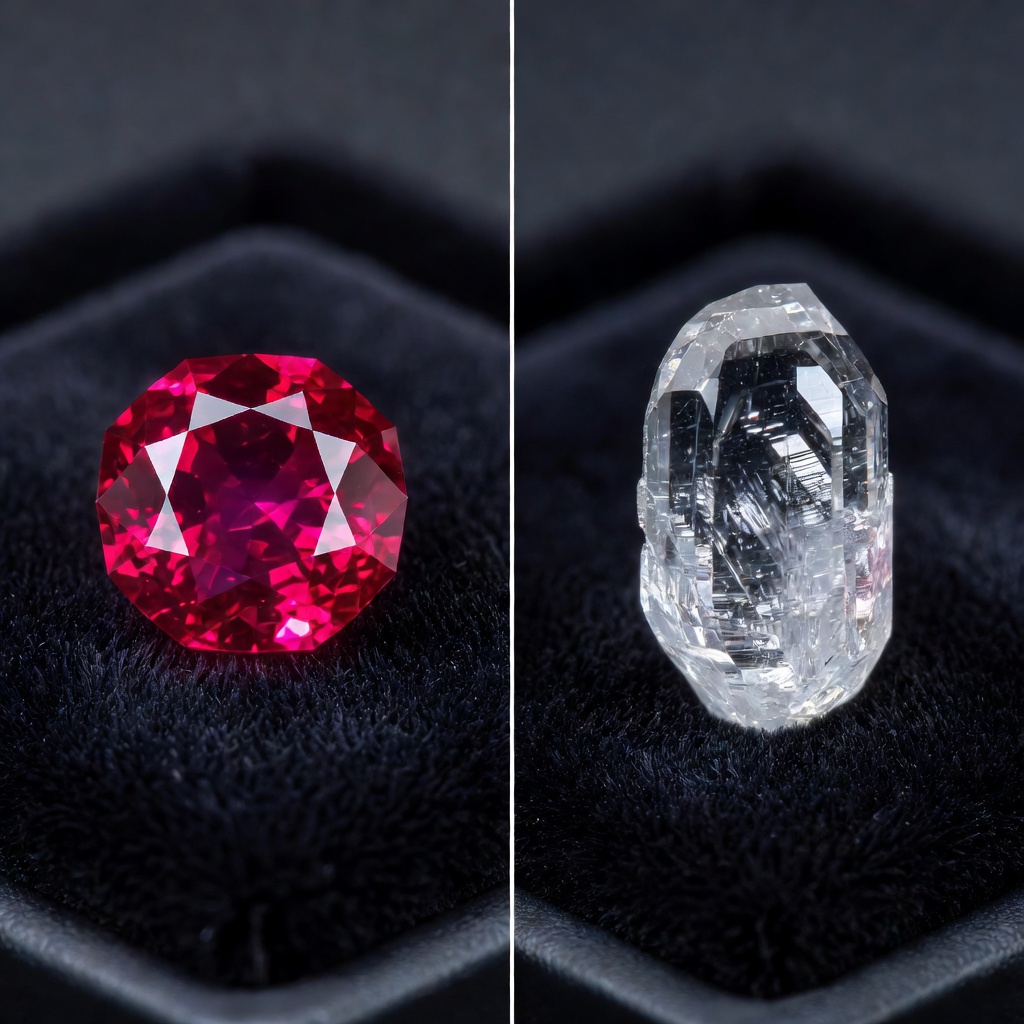
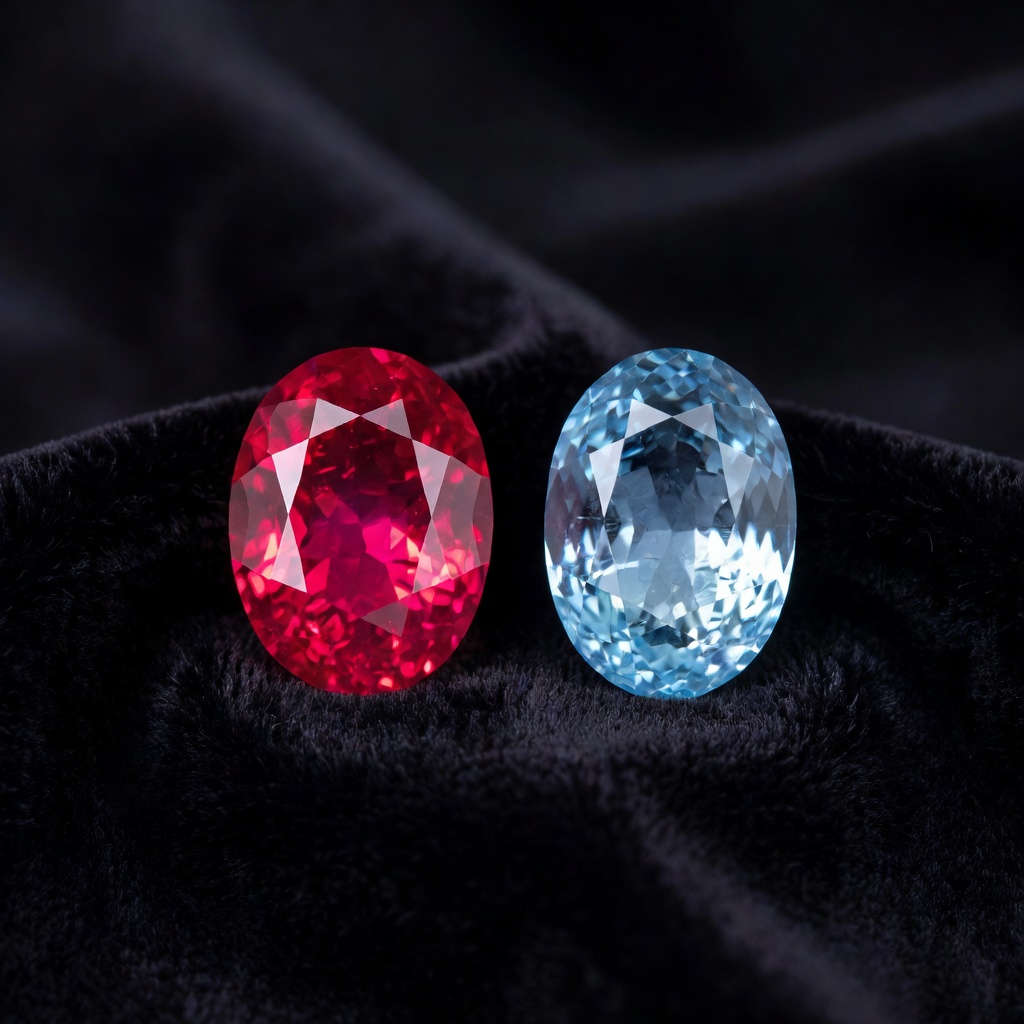
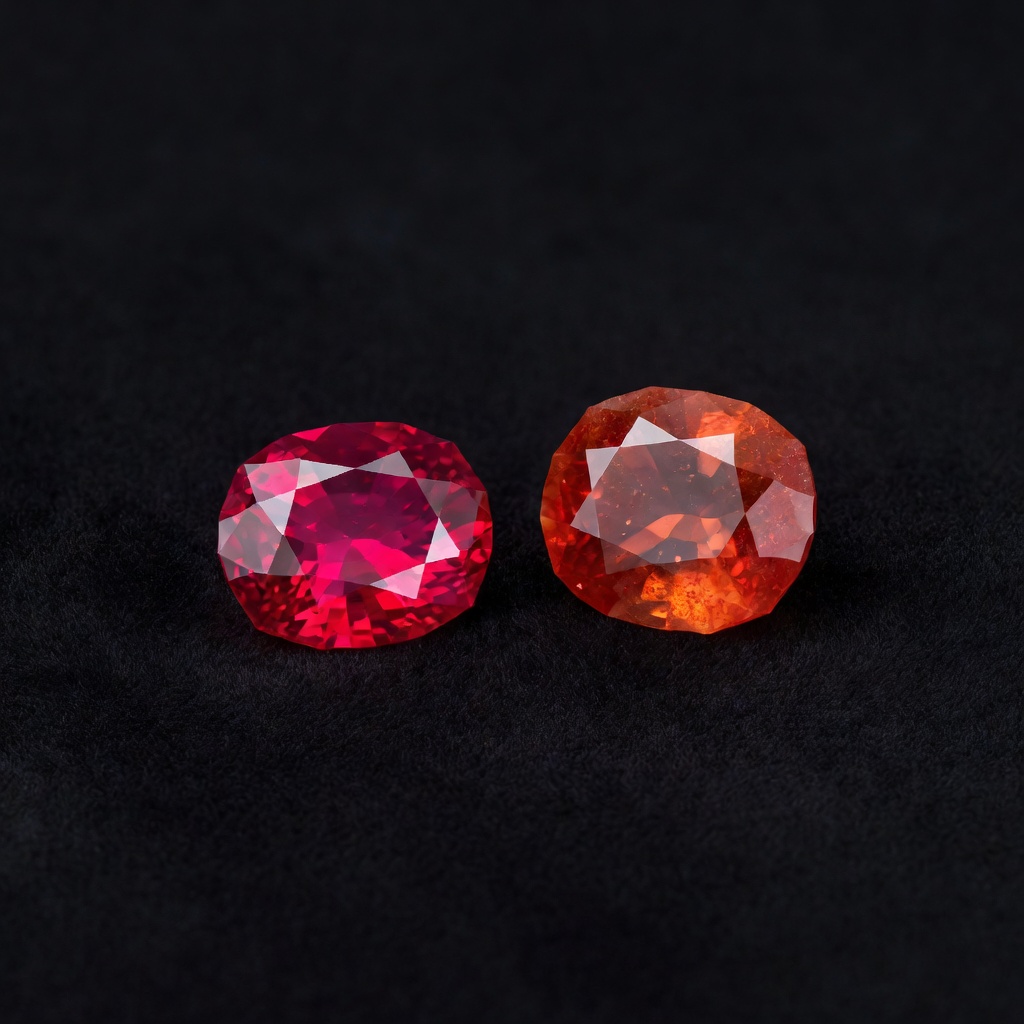
The primary visual differentiator between these gemstones lies in their fundamental color expression, despite both occupying the red-orange spectrum. True Ruby exhibits the coveted pigeon blood red to pinkish-red hues, often displaying strong fluorescence under UV light that creates an internal glow described as "red fluorescence" or "crimson fire." This fluorescence results from chromium content within the corundum structure, causing the stone to appear more vivid in daylight. In contrast, Hessonite displays characteristic cinnamon, honey, or orange-red "whisky" colors that never achieve the pure red saturation of fine Ruby, instead presenting warm, earthy tones that shift dramatically under different lighting conditions.
When examining Manik stone vs Gomed color differences under various light sources, Ruby maintains its red integrity under incandescent, fluorescent, and natural daylight, while Hessonite often appears brownish or dull under artificial lighting yet glows beautifully in sunlight. Professional gemologists use this photoluminescence behavior as a preliminary identification tool, noting that Ruby's chromium-induced fluorescence creates a distinct "stoplight red" appearance absent in Hessonite. For collectors seeking the July birthstone vs January birthstone distinction, remember that Ruby's color symbolizes passion and vitality, whereas Hessonite's warm cognac tones represent grounding and karmic clarity.
Inclusion Patterns and Internal Characteristics
Microscopic examination reveals dramatically different internal worlds within these gems, providing definitive identification markers even when color similarities exist. Ruby typically contains "silk"—fine networks of rutile needles that intersect at 60 and 120 degrees, creating a soft, velvety appearance in high-quality stones from Myanmar. These inclusions sometimes form star patterns (asterism) when properly oriented, creating the coveted star ruby effect. Conversely, Hessonite exhibits what gemologists term "treacle" or "heat-wave" patterns, appearing as roiled, swirling internal structures reminiscent of stirred honey or heat mirages, resulting from the stone's anomalous double refraction properties.
Practical identification tips for consumers include holding the stone against bright light: Ruby transmits clearer red light with potential silk visible as fine lines, while Hessonite displays a characteristic oily or turbid luster with internal swirling effects. When purchasing loose stones, request a jeweler's loupe examination to spot these distinctive inclusions. Case studies from gemological laboratories show that 90% of Hessonite specimens display these treacle patterns, while Ruby inclusions typically appear as distinct crystals, fingerprints, or silk rather than the continuous roiled effect seen in grossularite garnets.
Physical Properties and Durability Assessment
The chemical and physical divergence between these gemstones directly impacts their suitability for various jewelry applications and long-term wear. Ruby consists of aluminum oxide (Al2O3) with chromium traces, crystallizing in the trigonal system, while Hessonite comprises calcium aluminum silicate (Ca3Al2Si3O12), belonging to the cubic garnet family. This fundamental compositional difference manifests most noticeably in hardness and durability metrics that every buyer should understand before making a purchase decision.
Mohs Hardness and Wear Resistance
On the Mohs hardness scale, Ruby ranks 9, making it second only to diamond in natural gemstone hardness and exceptionally suitable for daily wear jewelry including engagement rings and bracelets. This superior hardness translates to excellent scratch resistance and the ability to withstand accidental impacts that would damage softer stones. Hessonite, ranking 6.5-7.5 on the same scale, offers moderate durability sufficient for jewelry but requires more protective settings and careful handling to prevent surface scratching or chipping during regular activities.
When considering Ruby hardness vs Hessonite durability for specific jewelry pieces, think about your lifestyle and wearing habits. A corporate professional working in an office environment might successfully wear Hessonite in a ring with a protective bezel setting, while someone with active hands-on work should choose Ruby for daily wear pieces. Fracture resistance also differs: Ruby possesses no cleavage planes, making it resistant to breaking along specific directions, whereas Hessonite's garnet structure, while generally tough, can fracture under sharp impacts. Jewelry designers typically recommend Hessonite for pendants, earrings, or occasional-wear rings, while Ruby accommodates any setting including high-exposure daily wear designs.
| Characteristic | Ruby (Manik) | Hessonite Garnet (Gomed) |
|---|---|---|
| Chemical Composition | Aluminum Oxide (Al2O3) | Calcium Aluminum Silicate (Ca3Al2Si3O12) |
| Mohs Hardness | 9 (Excellent) | 6.5-7.5 (Moderate) |
| Color Range | Pigeon blood red to pinkish-red | Cinnamon, honey, orange-red |
| Primary Inclusions | Rutile silk, crystals, fingerprints | Treacle/heat-wave patterns, oily luster |
| Fluorescence | Strong red under UV light | Generally inert or weak |
| Vedic Planet | Sun (Surya) | Rahu (North Node) |
| Zodiac Association | Leo (Simha) | Aquarius (Kumbha) |
| Price Range (per carat) | $1,000 - $50,000+ | $50 - $500 |
| Best Jewelry Use | Daily wear rings, bracelets | Pendants, earrings, occasional wear |
| Primary Sources | Myanmar, Mozambique, Sri Lanka | Sri Lanka, India (Gaya), Africa |
| Common Treatments | Heat treatment (common) | Generally untreated |
| Investment Potential | High (precious gemstone) | Moderate (semi-precious) |
Astrological Significance: The Cosmic Divide Between Sun and Rahu
In Vedic astrology, the distinction between these stones transcends physical beauty, entering the realm of planetary energies and karmic influences. Ruby serves as the primary gemstone for the Sun (Surya), representing the soul, father figure, authority, vitality, and leadership qualities. Wearing a high-quality Ruby strengthens the wearer's connection to solar energy, enhancing confidence, administrative capabilities, and overall life force (prana). This makes it particularly beneficial for individuals with weak Sun placements in their natal charts, those seeking political or executive success, or anyone wishing to boost their masculine, active energy in the cosmic balance.
Hessonite Garnet, known as Gomed in Sanskrit, governs Rahu, the North Node of the Moon and a shadow planet associated with illusion, materialism, foreign influences, and karmic debts. Unlike the Sun's straightforward, illuminating energy, Rahu represents the unconscious, mysterious forces that drive obsessions and unconventional desires. Hessonite Garnet astrology benefits include protection from negative energies, sudden losses, and mental confusion while providing clarity regarding one's true karmic path. This stone proves particularly powerful during Rahu dasha periods (planetary cycles lasting 18 years) or for those born under Aquarius, where Rahu's influence requires balancing.
Zodiac Compatibility and Timing Considerations
When examining Ruby astrology vs Hessonite Rahu stone applications, zodiac alignment plays a crucial role in determining efficacy. Ruby traditionally benefits Leo (Simha) ascendants and those with Sun in the 1st, 5th, or 9th houses, though individual chart analysis remains essential. Conversely, Hessonite specifically supports Aquarius (Kumbha) natives and individuals undergoing challenging Rahu periods marked by instability, addiction tendencies, or confusion regarding life direction. Practical application involves consulting a qualified Vedic astrologer who can analyze your Lagna (ascendant) and current dasha periods before selecting either stone.
Case studies from astrological practice reveal distinct patterns: a CEO wearing a Burmese Ruby reported enhanced decision-making authority and recognition within six months, while a software engineer wearing Ceylon Hessonite during Rahu Mahadasha experienced reduced anxiety and protection from workplace politics. However, wearing both stones simultaneously generally proves inadvisable in Vedic tradition, as Sun and Rahu represent opposing cosmic forces—Rahu eclipses the Sun during solar eclipses, symbolizing the conflict between illusion and truth, materialism and soul consciousness.
Geographic Origins and Quality Sources
The provenance of these gemstones significantly impacts both their market value and astrological potency, with specific mining regions producing specimens possessing distinct characteristics. Premium Rubies originate primarily from Myanmar (formerly Burma), specifically the Mogok Valley, where centuries of mining have produced the legendary "pigeon blood" stones prized for their pure red hue with slight blue undertones. Mozambique has emerged as a major modern source, offering excellent clarity and size though typically lacking the historic prestige of Burmese material. Sri Lanka (Ceylon) produces Rubies ranging from pinkish-red to raspberry tones, generally commanding lower prices than Burmese specimens but offering excellent transparency.
Fine Hessonite Garnet traditionally comes from Sri Lanka (Ceylon), specifically the gem gravels of Ratnapura and Elahera, producing stones with the highly valued "cinnamon" color considered most effective for astrological purposes. India contributes significant quantities from the Gaya region of Bihar, where local markets have traded Hessonite for centuries, though these often display darker, browner tones than Ceylon material. Recent African deposits from Tanzania and Madagascar have increased global supply, offering affordable options though many lack the transparency and color saturation of traditional Asian sources. When considering Burmese Ruby vs Ceylon Hessonite origin, understand that Burmese rubies command significant premiums due to historical scarcity and color superiority, while Ceylon Hessonite maintains astrological preference despite more affordable pricing.
Origin Effects on Value and Energy
Gemological research indicates that trace element variations between regions create subtle differences in appearance and purported metaphysical properties. Burmese Rubies contain higher chromium and lower iron content, creating the pure red fluorescence absent in Thai or Cambodian stones which often show brownish or purplish tints. For Hessonite, Ceylon material typically shows better clarity and the preferred honey-orange color compared to Indian stones that may appear too dark or muddy. Investment collectors should prioritize documented Burmese Ruby origins with GIA or GRS certification, while astrology practitioners often insist on Ceylon Hessonite regardless of price, believing the island's gem fields produce stones with superior energetic clarity for Rahu pacification.
Market Value and Investment Considerations
The economic disparity between these gemstones reflects their relative rarity, historical prestige, and durability factors, creating vastly different investment profiles for buyers. Natural Rubies range from $1,000 to $50,000+ per carat for exceptional untreated specimens, with record-breaking Burmese stones fetching over $1 million per carat at auction. This pricing structure places Ruby firmly in the "Big Four" precious gemstones alongside diamond, sapphire, and emerald, offering strong long-term appreciation potential and liquidity in international markets. Factors determining Ruby value include color saturation (with pure red commanding highest prices), clarity levels (eye-clean stones rare and valuable), and carat weight (stones over 3 carats exceptionally rare).
Hessonite occupies a more accessible price bracket, typically ranging from $50 to $500 per carat for fine quality stones, with exceptional large specimens occasionally reaching $1,000 per carat. This affordability makes Hessonite an excellent entry point for gemstone collectors or those seeking astrological remedies without substantial capital investment. However, the stone's semi-precious classification and abundant supply limit its appreciation potential compared to Ruby. When conducting a Ruby price comparison Hessonite value analysis, consider your financial goals: Ruby functions as a "king of gems" investment asset and family heirloom, while Hessonite serves as an affordable alternative for fashion jewelry or immediate astrological needs without significant resale value appreciation.
Value Determinants and Purchase Strategies
Smart buyers evaluate several key factors beyond basic pricing when selecting either stone. For Ruby, heat treatment represents an accepted industry practice if properly disclosed, with heated stones offering beauty at 30-50% lower prices than untreated equivalents, though investment collectors should seek unheated natural specimens. Glass-filled or lead glass-filled Rubies (fracture-filled) command minimal value and prove unsuitable for astrology or investment. For Hessonite, clarity significantly impacts value more than color consistency, with transparent "crystal" grade stones fetching premiums over included material. Practical tip: Allocate 70% of your gemstone budget toward the stone itself rather than elaborate settings, ensuring you acquire the highest quality specimen possible within your price range.
Treatments, Enhancements, and Authentication Protocols
Modern gemology faces significant challenges from treatment processes and synthetic simulants that require sophisticated authentication methods to ensure buyers receive genuine, properly represented stones. Heat treatment prevalence in Rubies represents the most common enhancement, with estimates suggesting 90-95% of commercial Rubies undergo heating to improve color and clarity—an accepted practice if disclosed but requiring price adjustment. More concerning, lead glass-filled Rubies (composite Rubies) entered markets in the 2000s, offering attractive red stones at bargain prices but possessing virtually no durability or value. These treated stones appear heavily fractured under magnification, with surface-reaching cracks filled with high-lead-content glass that can deteriorate during routine cleaning or jewelry repair.
Hessonite Garnet generally receives fewer treatments than Ruby, with most specimens sold in entirely natural states, though occasional dyeing of pale material or oiling to mask surface-reaching fractures occurs in lower market segments. Common simulants include dyed quartz, glass, or orange sapphire passed off as Hessonite, particularly in tourist markets. Essential certification requirements from reputable laboratories such as GIA (Gemological Institute of America), GRS (GemResearch Swisslab), or IGI (International Gemological Institute) provide verification of species, treatments, and origin claims. When seeking Certified Ruby vs natural Hessonite, insist on reports specifically stating "Natural Corundum" or "Natural Grossularite Garnet" with treatment disclosure (heated vs unheated for Ruby, natural for Hessonite).
Authentication Tips for Consumers
Protect yourself from fraudulent purchases by requesting independent laboratory certification rather than relying solely on dealer guarantees. For Ruby, examine the stone under magnification for gas bubbles (indicating glass filling), unnatural color concentrations in fractures, or surface iridescence suggesting heat treatment without proper disclosure. For Hessonite, verify the characteristic "heat wave" or "treacle" inclusions under magnification, as simulants like glass will show conchoidal fractures while dyed stones may display color concentrations along facet junctions. Practical case study: A buyer in Jaipur purchased what was claimed as "natural Burmese Ruby" for $5,000, only to discover through GIA certification that it was lead glass-filled composite material worth less than $50. Always factor certification costs ($100-300) into your budget as essential insurance for significant purchases.
Jewelry Applications and Maintenance Guidelines
Practical jewelry design considerations differ substantially between these stones due to their hardness disparities and optical properties. Setting recommendations emphasize protective designs for Hessonite, including bezels, halo settings, or thicker prongs that shield the girdle edges from impact, while Rubies accommodate any setting style including delicate four-prong solitaires or tension settings that expose maximum stone surface. Rubies suit daily wear rings, tennis bracelets, and heavy-use jewelry items, maintaining their polish and integrity through decades of constant wear. Hessonite performs better in pendants, earrings, or occasional-wear rings where exposure to hard knocks remains minimal, preserving its surface luster and preventing chips that commonly afflict softer gemstones in ring applications.
Cleaning protocols require different approaches based on treatments and hardness levels. Untreated Rubies generally tolerate ultrasonic cleaners and steam cleaning, though heated stones or those with significant inclusions should avoid mechanical cleaning to prevent thermal shock. Warm soapy water with a soft brush remains the safest universal cleaning method for both stones. For Hessonite, strictly avoid ultrasonic and steam cleaning due to potential liquid inclusions that could expand and fracture the stone; stick to gentle warm water cleaning with mild detergent and soft cloth drying. Ruby jewelry care Hessonite maintenance routines should include annual professional inspections to check for loose settings or developing chips, particularly for Hessonite pieces worn regularly.
Storage and Handling Best Practices
Proper storage prevents damage that could compromise beauty or value. Store Ruby and Hessonite jewelry separately in soft cloth pouches or lined compartments, as Ruby's superior hardness (9) can easily scratch Hessonite (6.5-7.5) if pieces contact each other in a jewelry box. Consider storing Hessonite pendants and earrings in individual boxes to prevent abrasion from harder gemstones or metal settings. When traveling, carry valuable Ruby pieces in rigid cases with foam padding, while Hessonite requires similar protection plus humidity considerations—avoid leaving it in hot cars or direct sunlight for extended periods, as thermal shock from rapid temperature changes can cause fractures in included specimens.
Making Your Final Decision: Selection Strategies
Choosing between these distinctive red gemstones requires honest assessment of your budget, intended purpose, and personal aesthetic preferences. Budget allocation strategies suggest that if your spending limit falls below $1,000, high-quality Hessonite offers superior size and clarity compared to small, heavily included Rubies available at similar prices. In the $1,000-$5,000 range, you might choose between a smaller, treated Ruby of good color or a large, exceptional Hessonite with astrological-grade clarity. Above $5,000, investment-grade untreated Rubies from Myanmar or Mozambique provide tangible assets with appreciation potential, while Hessonite remains affordable even in large sizes, allowing budget allocation toward elaborate settings or accompanying diamond accents.
Purpose-driven selection forms the cornerstone of satisfactory purchase decisions. For Vedic astrological remedies, consult a qualified astrologer to determine whether your chart requires Solar (Ruby) or Rahu (Hessonite) strengthening—wearing the wrong stone can potentially aggravate planetary imbalances. For fashion accessories, consider your wardrobe palette: Ruby provides bold red statements complementing evening wear and formal attire, while Hessonite's earthy cinnamon tones pair beautifully with autumn colors, business casual wear, and bohemian styles. Investment collectors should prioritize certified, untreated Burmese Rubies over 2 carats with documented provenance, while spiritual practitioners might prefer natural Ceylon Hessonite regardless of size for meditation and karmic healing work.
Personal Style and Lifestyle Integration
Evaluate your daily activities and aesthetic preferences when Choosing Ruby or Hessonite Garnet for wearable jewelry. Active individuals or those working with their hands should select Ruby for rings due to its exceptional durability, while office professionals or those seeking spiritual stones for meditation might prefer Hessonite pendants that remain protected from physical impacts. Color psychology also plays a role: Ruby's intense red stimulates energy, passion, and assertiveness—ideal for leaders and entrepreneurs—while Hessonite's warm orange-brown promotes grounding, stability, and mental clarity, suiting students, writers, and those seeking emotional balance. Ultimately, both stones offer unique beauty and metaphysical benefits; the "right" choice depends on aligning the gemstone's properties with your specific needs, chart requirements, and lifestyle constraints.
Frequently Asked Questions
Can Ruby and Hessonite Garnet be worn together according to Vedic astrology?
No, astrologers generally advise against wearing Ruby (Sun) and Hessonite (Rahu) together as Sun and Rahu are considered enemies in Vedic astrology, potentially creating conflicting energies in the wearer's birth chart. This enmity stems from the astronomical reality that Rahu (the North Node) causes solar eclipses by "swallowing" the Sun, symbolizing the cosmic struggle between truth/authority (Sun) and illusion/materialism (Rahu). Wearing both stones simultaneously may create internal confusion, authority issues, or conflicting energetic signals that negate the beneficial effects of either stone. If your chart requires both planetary strengthenings, consult an experienced astrologer who might recommend wearing them on different days, different hands, or during different dasha periods rather than simultaneously.
Why is Ruby significantly more expensive than Hessonite Garnet?
Ruby commands higher prices due to superior hardness (9 vs 7-7.5), greater rarity of fine specimens, historical prestige as one of the 'Big Four' precious gems, and consistently high global demand for investment-grade stones. The extreme rarity of untreated, high-clarity Rubies over 3 carats creates supply constraints that drive auction prices into millions of dollars, while Hessonite remains relatively abundant in nature, allowing production of large, clean stones at accessible prices. Additionally, Ruby's durability ensures multi-generational heirloom quality, while Hessonite requires more careful handling, limiting its long-term investment appeal. The chromium content necessary for Ruby's red color also occurs less frequently in nature than the iron and manganese combinations creating Hessonite's orange tones.
How can I distinguish between Ruby and Hessonite at home?
Hold the stone against bright light: Rubies often show stronger fluorescence and clearer red transmission, while Hessonite displays a characteristic 'roiled' or 'heat wave' internal effect and appears more turbid or oily. You can also perform a simple scratch test on an inconspicuous surface using a steel knife (hardness 5.5): Ruby will remain unaffected while Hessonite might show slight scratching, though this test risks damage and should be performed carefully. Observe the color under different lighting: Ruby maintains consistent red color under incandescent and fluorescent light, while Hessonite typically shifts from orange-red in daylight to brownish or dull under artificial bulbs. For definitive identification, examine inclusions with a 10x jeweler's loupe: look for intersecting rutile needles (silk) in Ruby versus swirling treacle patterns in Hessonite.
Is Hessonite Garnet durable enough for an engagement ring?
While Hessonite (6.5-7.5 Mohs) can be used in engagement rings, it requires protective settings (bezels) and careful wear, unlike Ruby (9 Mohs) which withstands daily abuse better; consider Hessonite for occasional wear or pendant designs instead. If you choose Hessonite for an engagement ring, select a bezel or flush setting that protects the girdle and corners from impacts, avoid wearing during sports, cooking, or cleaning activities, and plan for potential repolishing every few years to remove surface scratches. Many jewelers recommend Hessonite for right-hand rings or anniversary bands rather than primary engagement rings, or suggest it as a center stone in necklace designs where it receives less physical contact. Couples choosing Hessonite should appreciate its unique beauty while understanding it requires more mindful care than traditional diamond or sapphire engagement rings.
Do Ruby and Hessonite have different birthstone associations?
Yes, Ruby is the modern and traditional July birthstone, while Hessonite is not a primary birthstone but is associated with January (as a garnet variety) and specifically recommended for those undergoing Rahu dasha periods. As a July birthstone, Ruby connects to the zodiac sign Cancer and Leo, offering summer-born individuals a gem that symbolizes passion, protection, and prosperity. Hessonite, as a variety of grossular garnet, technically qualifies as a January birthstone alternative alongside the more common red pyrope or almandine garnets, making it suitable for Capricorn and Aquarius natives. However, its primary associations remain astrological rather than calendar-based, with Vedic practitioners recommending Hessonite based on Rahu's position in the natal chart rather than birth month alone.
Which stone is better for meditation and spiritual healing?
Ruby energizes the base chakra and enhances life force (prana) for active meditation, while Hessonite calms the mind, removes confusion, and is preferred for deep introspective practices and karmic healing work. Ruby stimulates the Muladhara (root) and Manipura (solar plexus) chakras, making it ideal for dynamic meditation practices, visualization exercises, and energy work requiring vitality and courage. Conversely, Hessonite specifically targets the Sahasrara (crown) and Ajna (third eye) chakras, facilitating connection to higher consciousness, past life regression, and understanding of karmic patterns. For morning meditation or active practices requiring alertness, choose Ruby; for evening reflection, anxiety relief, or shadow work, select Hessonite. Some practitioners alternate between the stones based on lunar phases or specific energetic needs.
Does heat treatment affect the astrological properties of Ruby?
Traditional Vedic astrologers prefer untreated natural rubies for maximum metaphysical benefit, though some accept slightly heated stones; heavily treated or glass-filled rubies are considered astrologically ineffective regardless of beauty. The reasoning suggests that heating alters the natural crystalline structure and elemental balance, potentially diminishing the stone's ability to transmit solar frequencies effectively. However, practical considerations acknowledge that 90% of available Rubies undergo heat treatment, leading many modern astrologers to accept low-temperature heating (below 1500°C) if the stone retains natural inclusions and hasn't been flux-healed or glass-filled. For maximum astrological potency, seek "old mine" untreated Burmese Rubies or certified unheated Mozambique stones, accepting that these command significant premiums. Glass-filled or lead glass-filled Rubies should be avoided entirely for astrological purposes, as the foreign material blocks energetic transmission.
Which red stone shows better color under different lighting conditions?
Ruby maintains its red color consistently under incandescent and daylight, while Hessonite can appear brownish or dull under artificial light but glows beautifully in natural sunlight, displaying its signature cinnamon hues. This phenomenon relates to Ruby's chromium content creating strong red fluorescence that remains visible across lighting spectrums, while Hessonite's iron and manganese color centers absorb different wavelengths depending on the light source. When shopping for either stone, always examine it under multiple lighting conditions: jewelry store lighting often enhances colors artificially, while natural daylight reveals true body color. For Hessonite specifically, request to view the stone outdoors or near a window to appreciate its full honey-orange potential, as indoor lighting may disappoint compared to its solar brilliance. Ruby buyers should verify that the stone doesn't appear too purple or brown under incandescent light, signs of lower quality origin or excessive iron content.