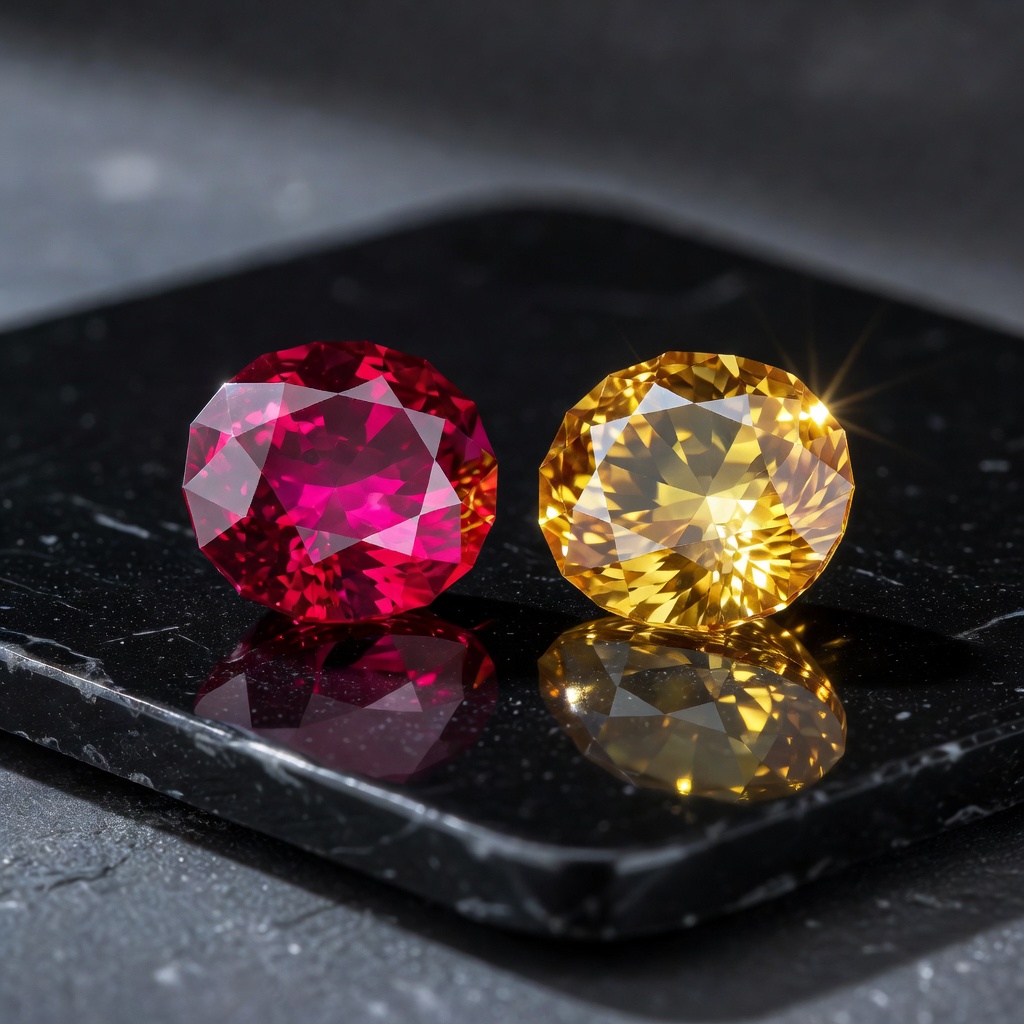
Understanding the Ruby vs Heliodor Debate
When collectors and jewelry enthusiasts explore the fascinating world of colored gemstones, the comparison between Ruby vs Heliodor often emerges as an intriguing study in contrasts. While ruby represents the pinnacle of the Corundum vs beryl family debate with its legendary status among precious stones, heliodor offers a compelling alternative within the beryl group that shares lineage with emerald and aquamarine. These two distinct mineral species captivate buyers for surprisingly similar reasons: both exhibit exceptional clarity, impressive durability, and rich historical significance that spans ancient civilizations. Understanding the fundamental differences between these gems requires examining their unique chemical compositions, formation environments, and the distinct visual characteristics that make each stone suitable for specific jewelry applications and investment portfolios.
Chemical Composition and Geological Origins
The geological distinction between these gemstones begins at the molecular level, where ruby exists as aluminum oxide (Al₂O₃) within the corundum family, achieving its signature crimson color through chromium ion substitution. In contrast, heliodor belongs to the beryl family with the chemical formula Be₃Al₂Si₆O₁₈, deriving its golden to lemon-yellow hues from iron impurities trapped within the crystal structure during formation. Ruby typically crystallizes in metamorphic marble deposits or alkali basalts under intense heat and pressure, with primary deposits located in Myanmar's Mogok Valley and Mozambique's Montepuez region, where specific geological conditions create the perfect environment for chromium-rich corundum growth. Heliodor forms in granitic pegmatites and hydrothermal veins, with significant heliodor mining locations discovered in Brazil's Minas Gerais state, Namibia's Erongo Mountains, and the Volyn region of Ukraine, where beryllium-rich solutions permeate host rocks to create these solar-colored crystals.
Formation Environment Differences
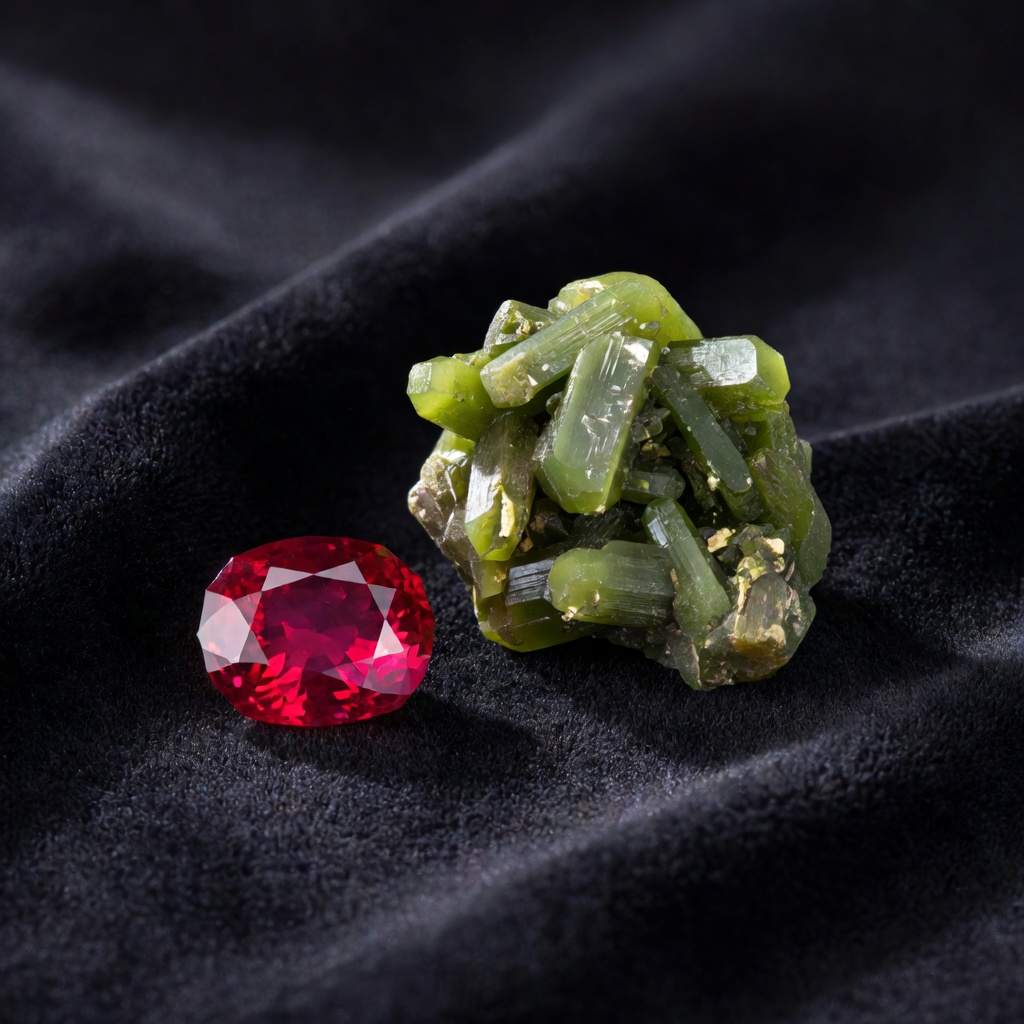
The ruby formation process requires specific metamorphic conditions where limestone interacts with aluminum-rich minerals under extreme heat, creating the marble-hosted deposits famous for producing pigeon blood varieties. Basaltic rubies found in Southeast Asia and Africa form through magmatic processes that transport corundum xenocrysts to the surface, often resulting in larger crystal sizes but different inclusion patterns than their marble-hosted counterparts. Heliodor crystallizes in the final stages of pegmatite formation when volatile-rich fluids concentrate beryllium and iron within pockets large enough to form gem-quality crystals, explaining why exceptional specimens often occur alongside tourmaline and spodumene in the same mining districts.
Visual Characteristics: Color, Clarity, and Cut
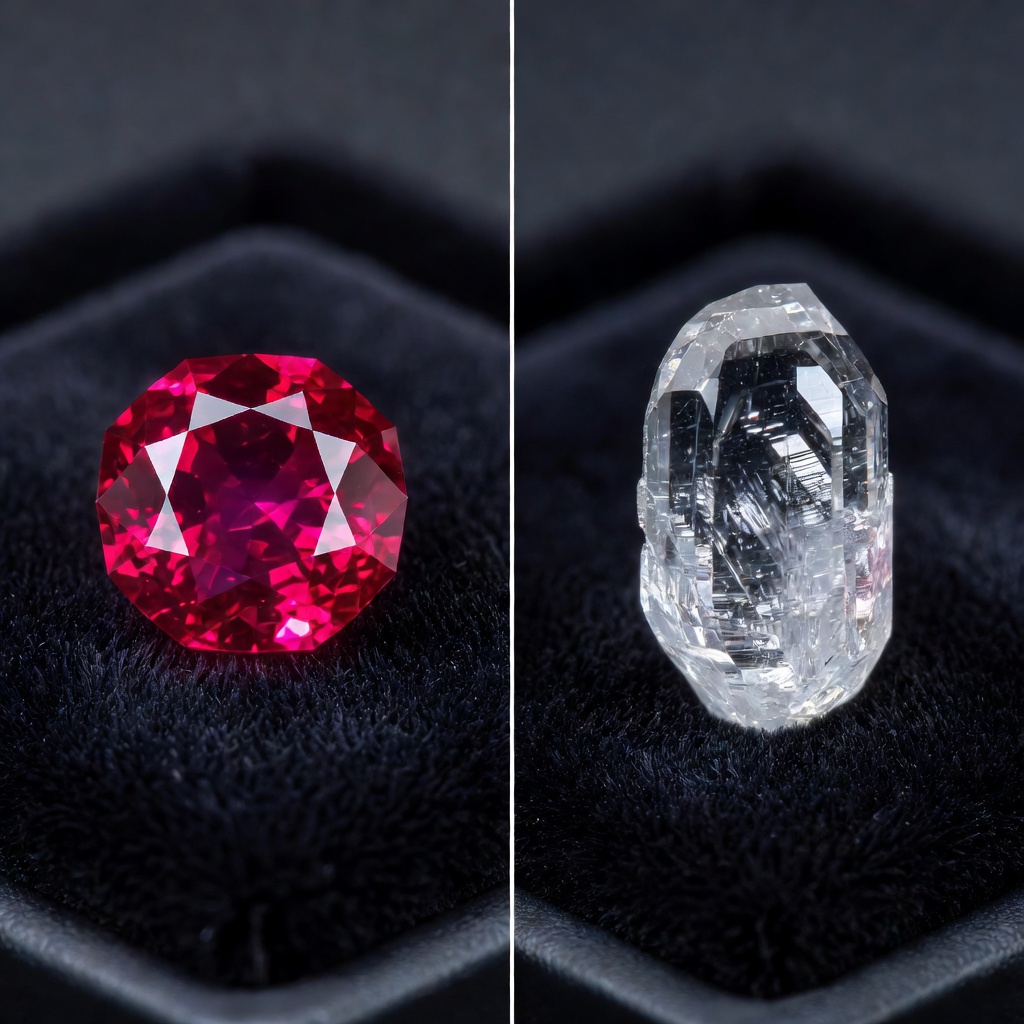
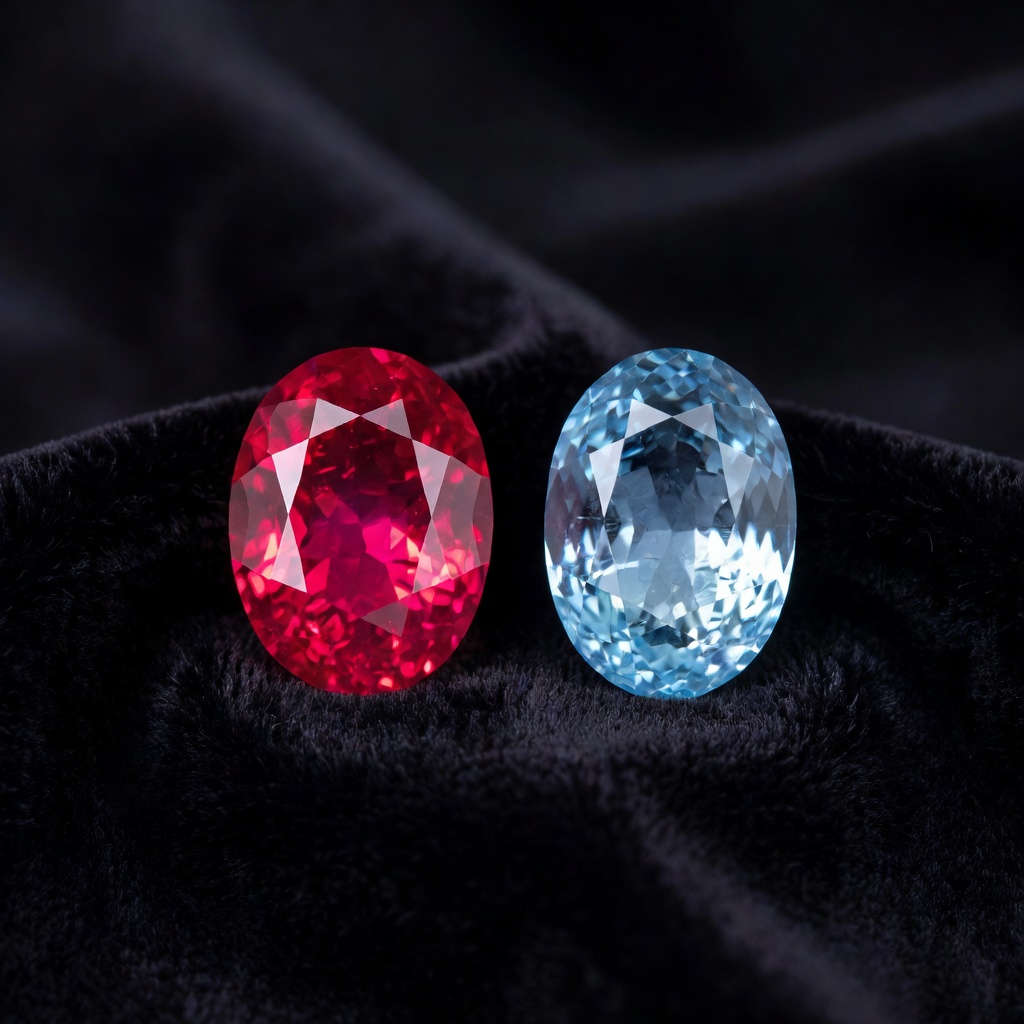
Ruby displays a remarkable spectrum of red saturation ranging from delicate pinkish-red tones to the highly coveted pigeon blood ruby, a vivid pure red with a hint of blue that commands premium prices in international markets. Heliodor presents an equally impressive but distinctly different palette, showcasing golden beryl properties through colors ranging from pale lemon and bright canary yellow to deep golden honey and greenish-gold variations that gemologists classify based on tone and saturation levels. Ruby often contains diagnostic rutile needle inclusions known as silk, which can create asterism in star rubies or indicate untreated natural origin in faceted stones, while heliodor typically harbors liquid inclusions, two-phase inclusions, or occasionally tubular cavities that require careful examination under magnification. Master cutters approach these materials differently, orienting rubies to maximize color saturation through the table facet while often cutting heliodor with deeper pavilions to enhance the stone's golden body color and minimize the window effect common in lighter beryl varieties.
Optimal Cutting Strategies
Professional lapidaries utilize step cuts and mixed cuts for rubies to emphasize color depth and minimize the appearance of inclusions, often choosing oval or cushion shapes over rounds to preserve carat weight from rough crystals. Heliodor responds exceptionally well to emerald cuts and radiant cuts that highlight its glassy luster and clean crystal structure, though Portuguese cuts can maximize light return in lighter-colored specimens that might otherwise appear washed out. When evaluating gemstone clarity grades, buyers should note that rubies typically accept some silk or included crystals as proof of natural origin, while heliodor commands higher clarity standards due to the beryl family's tendency toward cleaner crystal formation.
Durability and Wearability Comparison
Understanding the Ruby hardness Mohs scale rating of 9 positions this gemstone as one of the hardest natural materials on earth, second only to diamond, making it exceptionally resistant to scratching and suitable for daily wear in engagement rings and active lifestyle jewelry. Heliodor registers between 7.5 and 8 on the Mohs scale, providing adequate hardness for jewelry use but requiring more thoughtful consideration regarding setting protection and wearing conditions to prevent surface abrasion over decades of use. Despite ruby's superior hardness, the mineral exhibits distinct brittleness along certain cleavage planes, meaning that while it resists scratches from daily contact, a sharp impact could potentially fracture the stone, whereas heliodor displays moderate toughness but greater susceptibility to chipping at facet junctions due to its lower hardness rating. Both stones resist heat damage during standard jewelry repair procedures, though yellow beryl durability concerns require more caution around hydrochloric acid exposure and sudden temperature changes that might stress internal inclusions.
Practical Wearability Considerations
Active individuals who work with their hands or participate in sports should prioritize ruby for rings and bracelets, as its superior hardness prevents the surface scratching that inevitably affects heliodor after years of daily contact with household dust containing silica particles. Heliodor performs admirably in pendant necklaces and earrings where impact risk remains minimal, though bezel settings become essential for heliodor rings to protect vulnerable girdle edges from chipping during accidental impacts against hard surfaces. When assessing gemstone wearability for heirloom pieces intended for future generations, ruby's durability advantage becomes particularly significant, as it maintains polish and facet integrity across centuries whereas heliodor may require professional repolishing after decades of heavy wear.
Rarity, Market Value, and Investment Potential
The Precious vs semi-precious stones classification becomes starkly apparent when examining market values, with fine untreated rubies commanding ruby value per carat figures ranging from $1,000 to over $100,000 depending on origin, color saturation, and clarity, while exceptional heliodor specimens typically fall within a heliodor price guide range of $50 to $500 per carat. Ruby maintains its position among the "Big Three" colored gemstones alongside sapphire and emerald, driven by extreme scarcity of gem-quality material, historical royal associations, and consistent demand from Asian markets particularly China and India where red symbolizes prosperity and luck. Investment-grade rubies from Burmese mines or the new Mozambique deposits appreciate steadily, often outperforming traditional investments, whereas heliodor offers accessible luxury for collectors seeking large, clean specimens without the premium pricing associated with precious stone status, though fine examples from depleted Namibian mines show modest appreciation potential.
Red Gemstone Value Comparison Factors
When conducting a red gemstone value comparison, collectors must consider that untreated Burmese rubies exceeding five carats can surpass diamond prices per carat, whereas even the finest golden beryl rarely exceeds the cost of a mid-range sapphire. The investment outlook for ruby remains bullish due to depleting primary deposits and increasing export restrictions from Myanmar, creating supply constraints that drive prices upward for existing high-quality inventory. Heliodor represents an alternative investment strategy focused on aesthetic uniqueness rather than appreciation, as its semi-precious classification limits liquidity in auction markets despite its genuine rarity compared to common quartz or citrine alternatives.
Symbolism, Metaphysical Properties, and Cultural History
Ruby symbolism meaning extends across millennia as the July birthstone, with ancient Hindus calling it the "King of Gems" and believing it offered protection from evil spirits, while Burmese warriors implanted rubies beneath their skin to render them invincible in battle. Heliodor meaning and uses derive from its name combining Greek words for "sun" (helios) and "gift" (doron), earning monikers like the "Gift from the Sun" and "Stone of the Gods" among metaphysical practitioners who associate its golden color with solar deities and divine benevolence. Energy healers align ruby with the root chakra to stimulate life force, passion, and grounded vitality, making it a July birthstone alternative for those seeking intense emotional connection, while heliodor resonates with the solar plexus chakra to enhance personal power, mental clarity, and confident decision-making.
Cultural Significance Through History
Medieval European royalty prized rubies for maintaining health and wisdom, believing the stones darkened when danger approached the wearer, whereas Victorian-era collectors sought heliodor for its association with hope and the successful completion of new beginnings. In Vedic astrology, ruby (manikya) represents the Sun and bestows leadership qualities upon the wearer, while crystal healing traditions view heliodor as a manifestation of solar energy that dispels lethargy and seasonal affective disorders. Modern practitioners often recommend ruby for those seeking to overcome timidity or lack of motivation, while suggesting heliodor for individuals facing important decisions or requiring enhanced willpower to achieve specific life goals.
Jewelry Design Applications and Setting Recommendations
Ruby jewelry settings typically feature platinum or white gold mountings that accentuate the stone's red intensity through color contrast, though yellow gold remains traditional in Indian and Southeast Asian designs where it complements the gem's warm undertones. Heliodor ring design benefits enormously from yellow gold settings that amplify the stone's natural golden hues, creating a monochromatic sophisticated look, while bezel settings provide essential protection for this slightly softer beryl variety against everyday knocks and abrasions. For active wearers, rubies excel in solitaire engagement rings, tennis bracelets, and statement earrings that withstand daily rigors, while heliodor performs optimally in pendants, brooches, and cocktail rings worn on special occasions rather than during manual labor or sports activities.
Gemstone Mounting Techniques
Prong settings work beautifully for rubies due to their hardness, though heliodor requires v-prongs or full bezel mounts to protect vulnerable girdle edges and pavilion facets from chipping during accidental impacts. Halo designs surrounding rubies with diamonds create dramatic color contrast and protect the girdle perimeter, whereas heliodor halos using yellow sapphires or citrine create harmonious golden ensembles that enhance the center stone's solar appearance. When designing mixed gemstone pieces, jewelers must consider hardness differentials, ensuring that protective barriers separate rubies from heliodor to prevent the harder corundum from scratching the softer beryl over time.
Care, Cleaning, and Maintenance Requirements
Ruby care instructions generally permit ultrasonic cleaning for stones without significant fractures or glass-filled cavities, though steam cleaning requires caution with heat-treated specimens that might have residual stress within the crystal lattice. Heliodor maintenance demands gentler approaches, with warm soapy water and soft brushes representing the safest cleaning method, as ultrasonic vibrations can potentially expand liquid inclusions and cause internal fracturing in beryl specimens with visible clarity characteristics. Storage protocols necessitate separating these gemstones from each other and from softer materials like pearls or opals, as ruby's superior hardness could easily scratch heliodor if stored together in jewelry boxes without individual compartments or soft pouches.
Professional Maintenance Schedules
Professional jewelers recommend annual inspections for heliodor-set jewelry to check for loose prongs or wear patterns, while ruby pieces typically require less frequent maintenance though re-polishing every decade helps maintain optimal luster on facet junctions subjected to decades of wear. When utilizing gemstone cleaning methods at home, create separate stations for each stone type to prevent accidental cross-contamination that could result in scratches. Insurance appraisals should reflect the different value tiers of these stones, with ruby requiring specialized riders due to high replacement costs, while heliodor remains more affordable to replace if lost or damaged.
Buyer's Guide: How to Choose Between Ruby and Heliodor
Choosing gemstones between these two varieties requires honest assessment of budget parameters, as heliodor provides substantial visual impact and large carat weights at accessible price points where a comparable-sized ruby might require significant financial investment. Lifestyle compatibility plays a crucial role in this decision matrix, with construction workers, athletes, and medical professionals who wear gloves daily benefiting from ruby's superior durability, while office professionals or those seeking occasional statement pieces might find heliodor's unique golden color perfectly suited to their wearing patterns. Color preference psychology influences many buyers, with ruby appealing to those seeking bold, passionate statements and traditional romantic symbolism, while heliodor attracts individuals drawn to warm, approachable yellow tones associated with optimism, creativity, and solar energy.
Decision-Making Framework
Consider origin documentation carefully when following a ruby vs heliodor buying guide, as Burmese rubies face import restrictions in some jurisdictions, while Ukrainian heliodor commands premium pricing due to current geopolitical limitations on mining operations. gemstone selection criteria should include examination of treatment disclosures, as heat-treated rubies remain industry standard but significantly affect value compared to untreated specimens, whereas heliodor rarely requires enhancement beyond standard cutting and polishing. For engagement ring shoppers prioritizing uniqueness, heliodor offers distinctive coloration rarely seen in bridal jewelry, while those seeking traditional investment value and permanence should prioritize ruby despite the higher entry cost.
Final Verdict: Which Gemstone Reigns Supreme?
The Ruby vs Heliodor comparison ultimately reveals two exceptional but distinctly different gemstones suited to different purposes, budgets, and aesthetic preferences rather than a simple hierarchy of quality. Rubies excel as heirloom investments, engagement centerpieces, and symbols of passionate commitment, while heliodor offers accessible luxury, unique golden coloration rarely found in other gem families, and metaphysical properties aligned with confidence and personal power. When determining the best gemstone to buy for your specific needs, consider that ruby represents centuries of regal tradition and financial security, whereas heliodor provides opportunity for individual expression without the pressure of extreme financial investment.
Comprehensive Gemstone Comparison
| Characteristic | Ruby (Corundum) | Heliodor (Golden Beryl) |
|---|---|---|
| Chemical Family | Corundum (Aluminum Oxide) | Beryl (Beryllium Aluminum Silicate) |
| Mohs Hardness | 9 (Excellent) | 7.5-8 (Good) |
| Primary Colors | Red to Pinkish-Red (Pigeon Blood) | Yellow to Golden Honey |
| Price Range (Per Carat) | $1,000 - $100,000+ | $50 - $500 |
| Toughness | Good (Brittle) | Fair to Good |
| Best Setting Types | Prong, Bezel, Tension | Bezel, V-Prong, Halo |
| Ideal Usage | Daily Wear, Engagement Rings | Pendants, Occasional Rings |
| Metaphysical Association | Root Chakra, Passion | Solar Plexus, Confidence |
| Investment Potential | High Appreciation | Stable/Modest |
| Primary Sources | Myanmar, Mozambique | Brazil, Namibia, Ukraine |
This gemstone comparison summary demonstrates that while ruby dominates in durability, prestige, and investment potential, heliodor offers distinct advantages in affordability, size availability, and unique color expression. The optimal choice depends entirely upon your lifestyle requirements, budget constraints, and whether you prioritize traditional precious stone status or distinctive aesthetic appeal.
Frequently Asked Questions
Is heliodor rarer than ruby?
While high-quality heliodor is relatively uncommon, fine rubies are significantly rarer and command much higher prices. Heliodor occurs more frequently in nature than gem-quality rubies, though large, clean specimens of both are scarce.
Can heliodor be worn daily like ruby?
Ruby (Mohs 9) is suitable for daily wear including rings, while heliodor (Mohs 7.5-8) requires more protective settings and is better suited for pendants or occasional wear to prevent scratching and chipping.
Why is ruby more expensive than heliodor?
Ruby commands higher prices due to its status as one of the 'Big Three' precious gemstones, exceptional hardness, historical significance, and extreme rarity of fine specimens, whereas heliodor is classified as semi-precious beryl.
Do ruby and heliodor have different meanings?
Yes, ruby symbolizes passion, courage, and love (July birthstone), while heliodor represents hope, confidence, and solar energy, often called the 'Stone of the Gods' for its golden color associated with the sun.
Which is better for an engagement ring: ruby or heliodor?
Ruby is generally preferred for engagement rings due to superior hardness (9 vs 7.5-8) and durability for lifelong daily wear. Heliodor works better for occasional wear rings or pendants with protective bezel settings.
Can you tell ruby and heliodor apart easily?
Yes, the color difference is distinct—ruby displays red to pinkish-red hues while heliodor shows yellow to golden-green colors. Additionally, rubies often show strong fluorescence under UV light, which heliodor typically lacks.
Is heliodor a type of ruby?
No, heliodor is not a type of ruby. They are completely different mineral species: ruby is corundum (aluminum oxide), while heliodor is the yellow variety of beryl (beryllium aluminum silicate), making them chemically unrelated.
What is the spiritual difference between ruby and heliodor?
Ruby activates the root chakra, grounding energy and stimulating passion and vitality. Heliodor resonates with the solar plexus chakra, enhancing personal power, mental clarity, and alignment with divine will or life purpose.