Corundum Meets Silicified Crocidolite: Understanding Ruby vs Hawk's Eye
When exploring the vast world of colored gemstones, the comparison between Ruby vs Hawk's Eye presents a fascinating study in contrasts. Ruby, the precious red variety of corundum (Al₂O₃), stands as one of the "big three" colored stones alongside sapphire and emerald, commanding reverence for its fiery brilliance and exceptional hardness. In stark opposition, Hawk's Eye represents the metamorphic quartz family (SiO₂), specifically silicified crocidolite properties that create a mesmerizing blue-gray gemstone with entirely different optical characteristics. Despite both stones adorning jewelry collections worldwide, they occupy vastly different market positions—one as a luxury investment-grade precious gem, the other as an accessible semi-precious stone prized for its chatoyant effects. Understanding these distinctions helps collectors and jewelry enthusiasts make informed decisions based on durability, value, aesthetic preferences, and intended use cases.
Geological Origins and Formation Process
The High-Pressure Birth of Ruby
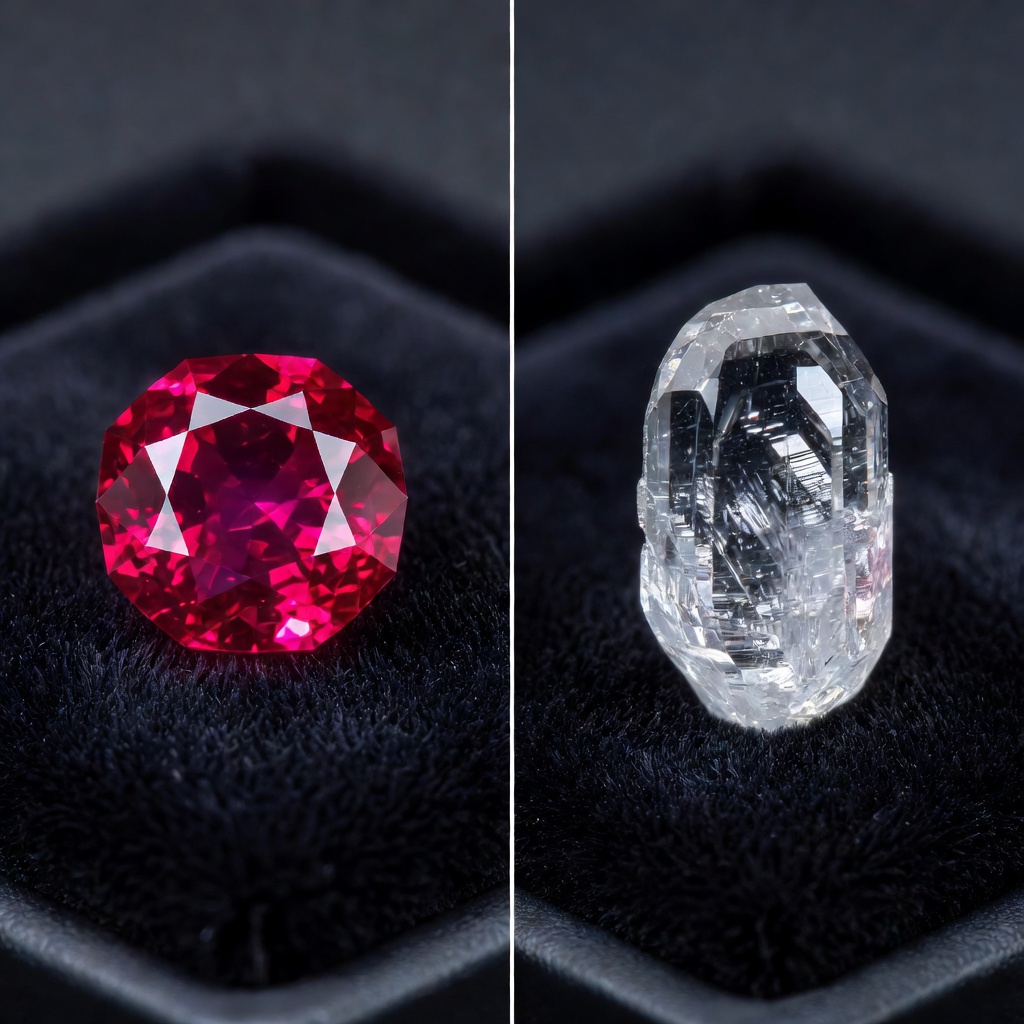
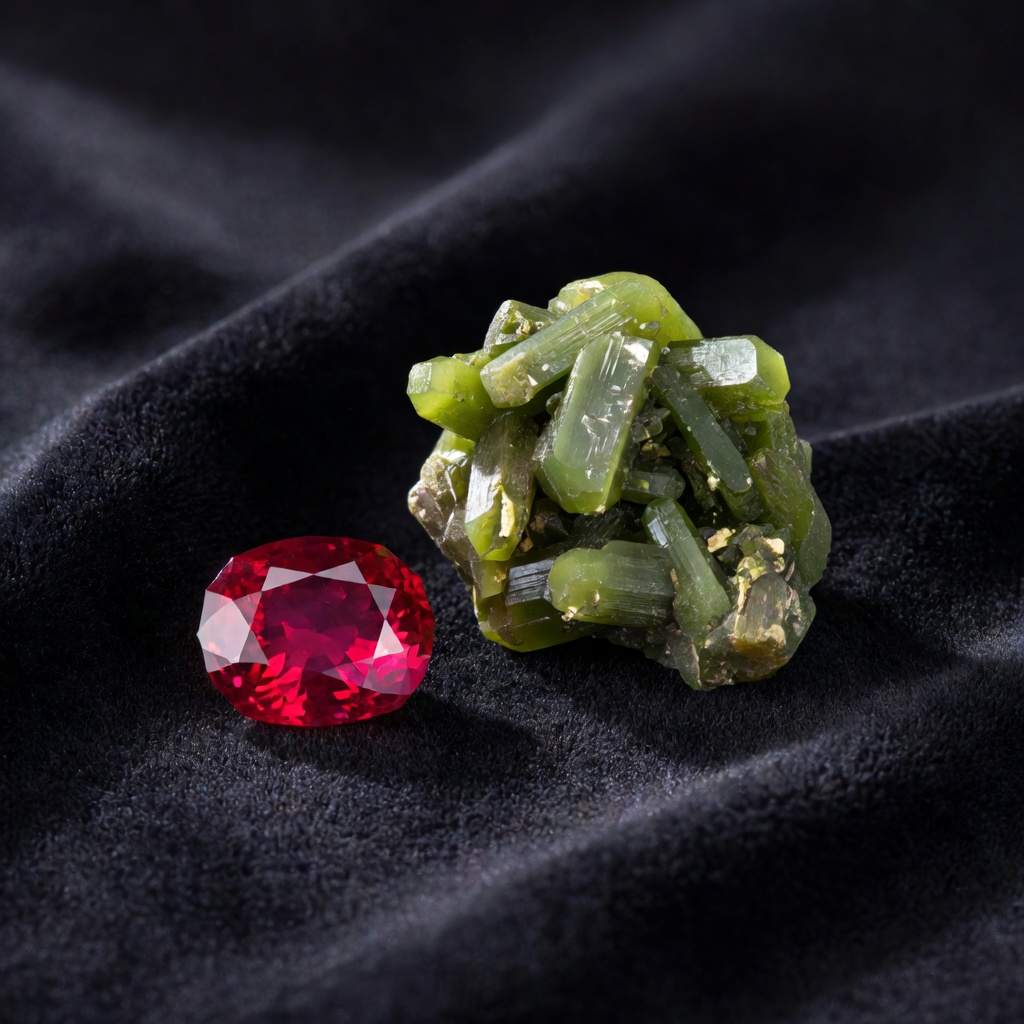
Ruby formation occurs under extreme geological conditions that require precise combinations of high pressure, elevated temperature, and specific chemical environments. These precious gems crystallize within metamorphic marble rocks or basaltic environments where aluminum-rich minerals interact with chromium deposits—the element responsible for the stone's signature red hue. The red ruby gemstone properties emerge from this complex dance of elements, with the finest specimens developing in Myanmar's Mogok Valley marble deposits or Mozambique's Montepuez ruby mines. Geologists note that marble-hosted rubies typically contain fewer iron impurities, resulting in the highly coveted "pigeon blood" red with strong fluorescence, while basalt-hosted varieties often display darker, more garnet-like tones due to higher iron content.
Pseudomorphosis and the Creation of Hawk's Eye
Hawk's Eye forms through a fascinating geological process called pseudomorphosis, where the original mineral composition transforms while maintaining the original crystal structure. Beginning as blue asbestos (crocidolite) fibers embedded in host rock, groundwater rich in dissolved silica gradually replaces the asbestos fibers through a slow dissolution-precipitation process. This silicification preserves the parallel fibrous structure of the original crocidolite while converting the material into microcrystalline quartz. The resulting gemstone retains the blue-gray coloration of unoxidized iron within the crocidolite fibers, distinguishing it from the golden-brown Tiger's Eye that forms when these same fibers oxidize. Major deposits occur in South Africa's Northern Cape province and Western Australia's Hamersley Basin, where ancient asbestos veins underwent this remarkable transformation millions of years ago.
Global Mining and Sourcing Considerations
Practical sourcing realities significantly impact availability and pricing for both stones. Ruby mining operations in Myanmar, Mozambique, Madagascar, and Thailand require significant capital investment, complex extraction techniques, and often navigate challenging political environments. Conversely, Hawk's Eye mining remains relatively straightforward, utilizing open-pit methods in South Africa's Griquatown region where the asbestos-quartz seams remain accessible near the surface. For jewelry designers, this distinction means rubies require documented provenance and ethical sourcing verification, particularly regarding Burmese stones and international sanctions, while Hawk's Eye offers consistent supply chains with minimal geopolitical complications.
Visual Characteristics: Color and Optical Phenomena
Ruby's Chromium-Derived Spectrum and Asterism
The visual allure of high-quality rubies stems from chromium impurities within the corundum crystal lattice, creating absorption bands in the blue and yellow portions of the spectrum while transmitting deep red wavelengths. Exceptional specimens display "pigeon blood" red—a vivid, slightly purplish-red with strong fluorescence under daylight that seems to glow from within. Beyond basic coloration, some rubies exhibit asterism, a six-rayed star pattern that appears when the stone is cut as a cabochon and viewed under direct lighting. This phenomenon results from microscopic rutile inclusions (titanium dioxide) arranged at precise 60 and 120-degree angles within the crystal, reflecting light in a star-like pattern. When evaluating asterism quality, gemologists look for sharp, well-centered rays that reach the stone's edge without breaking, with the best examples coming from Sri Lankan deposits.
Hawk's Eye Chatoyancy and Blue Tiger Eye Meaning
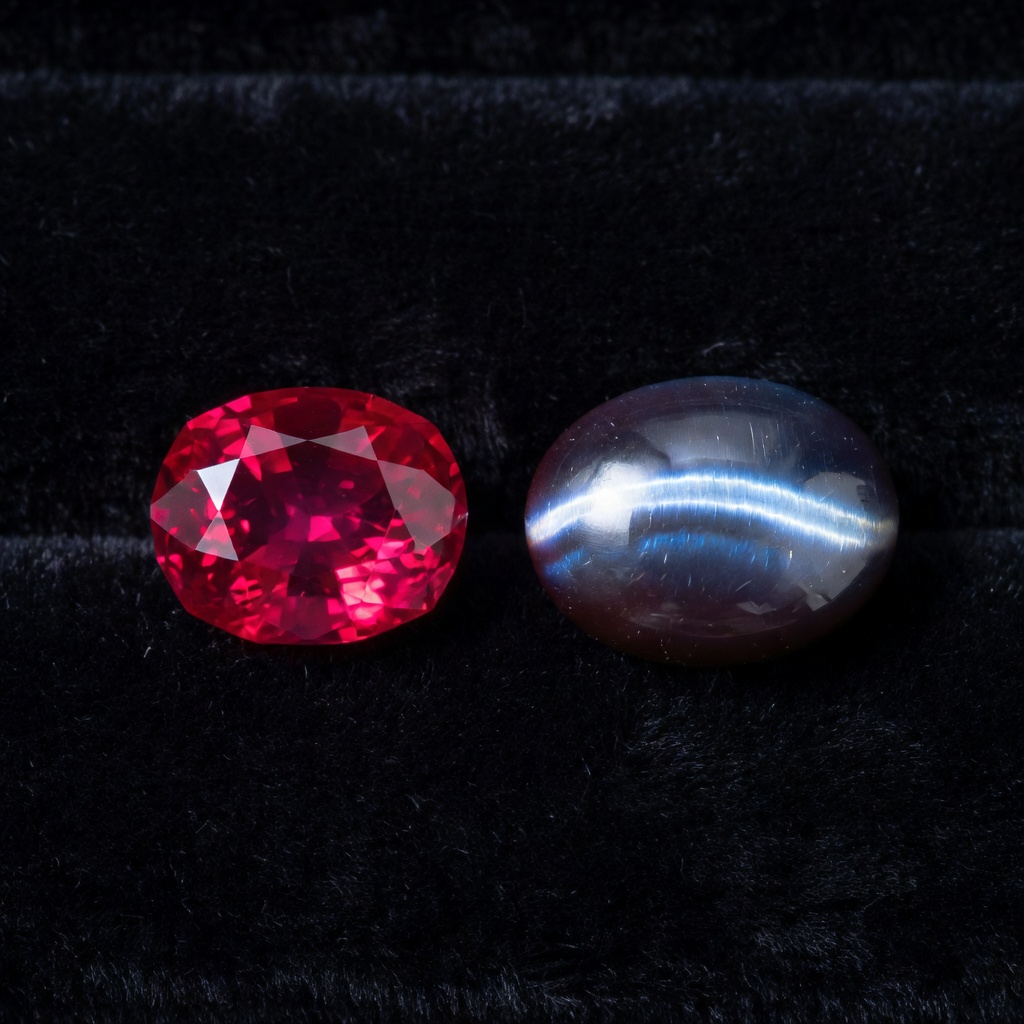
Hawk's Eye captivates viewers through chatoyancy—a single band of reflected light that moves across the stone's surface as it rotates, resembling the slit pupil of a cat's eye. This optical effect results from the parallel alignment of silicified crocidolite fibers within the quartz matrix, creating a silky luster distinct from ruby's vitreous to adamantine brilliance. The blue tiger eye meaning extends beyond aesthetics in metaphysical circles, where practitioners associate the stone's steady, watchful energy with hawk-like perception and intuition. Color variations range from deep navy blue to grayish-blue, with the most valued specimens displaying uniform coloration and a sharp, silver-white eye that contrasts dramatically against the dark background. Unlike ruby's potential for asterism, Hawk's Eye exclusively displays chatoyancy; attempting to cut it to reveal a star pattern would destroy the fibrous alignment necessary for the cat's eye effect.
Distinguishing Luster and Transparency
Practical identification relies heavily on observing luster differences under magnification. Ruby typically exhibits vitreous (glass-like) to adamantine (diamond-like) luster with high transparency in quality specimens, allowing light to penetrate and reflect from internal facets. Hawk's Eye presents a silky to vitreous luster with translucent to opaque transparency, depending on the density of fibrous inclusions. When designing jewelry, these characteristics dictate setting choices—rubies showcase beautifully in open-backed prong settings that maximize light return, while Hawk's Eye performs best in closed-back bezel settings that enhance the chatoyant band's visibility against a dark background.
Durability and Hardness: Wearability Comparison
Mohs Hardness Scale Comparison
Understanding the mohs hardness scale comparison proves essential for determining appropriate jewelry applications. Ruby ranks 9 on the Mohs hardness scale, making it second only to diamond in terms of scratch resistance among natural gemstones. This exceptional hardness stems from the strong aluminum-oxygen bonds within the corundum crystal structure. Hawk's Eye registers between 6.5 and 7 on the same scale, comparable to ordinary glass or steel. While this hardness suffices for many jewelry applications, it renders Hawk's Eye vulnerable to scratching from harder materials including quartz dust, household cleaners, and yes—rubies themselves. For active individuals or those seeking daily-wear engagement rings, this hardness differential represents the primary deciding factor between the two stones.
Toughness and Structural Integrity
Beyond hardness, toughness—the resistance to breaking or chipping—varies significantly between these materials. Despite its extreme hardness, ruby exhibits conchoidal fracture patterns and can cleave along specific crystal planes if struck sharply, particularly stones with prominent inclusions or fractures. Hawk's Eye possesses excellent toughness due to its fibrous, interlocking quartz structure that resists shattering, though individual fibers may separate under stress. Case studies from insurance claims reveal that while rubies rarely scratch, they occasionally chip at girdle edges when worn in rings during manual labor. Hawk's Eye, conversely, shows surface abrasion before structural failure, developing a dull patina over years of ring wear rather than sudden catastrophic breaks.
Wearability Guidelines for Different Settings
Practical jewelry application guidelines suggest reserving rubies for rings, bracelets, and daily-wear pieces where hardness matters most. Their durability justifies the investment in engagement rings or heirloom pieces intended for generational transfer. Hawk's Eye suits pendants, earrings, brooches, and occasional-wear rings where impact risk remains minimal. When setting Hawk's Eye in rings, protective bezel settings with elevated walls safeguard the stone's surface from direct contact with desks, doorframes, and other abrasion sources. For rubies, delicate prong settings maximize light exposure without compromising security, though protective v-prongs at corners prevent chipping in emerald or pear cuts.
| Characteristic | Ruby | Hawk's Eye |
|---|---|---|
| Chemical Composition | Aluminum Oxide (Al₂O₃) with Chromium | Silicon Dioxide (SiO₂) - Silicified Crocidolite |
| Mohs Hardness | 9 | 6.5 - 7 |
| Optical Phenomena | Asterism (Star Effect) possible | Chatoyancy (Cat's Eye) definitive |
| Primary Color | Red (Pigeon Blood to Pinkish-Red) | Blue-Gray to Navy Blue |
| Formation Process | High-pressure metamorphism in marble/basalt | Pseudomorphosis of asbestos fibers |
| Average Price Range | $1,000 - $15,000+ per carat (fine quality) | $5 - $50 per carat |
| Best Jewelry Applications | Engagement rings, daily wear bracelets | Pendants, earrings, occasional rings |
| Chakra Associations | Root Chakra, Heart Chakra | Throat Chakra, Third Eye |
| Toughness | Good to excellent (brittle if included) | Excellent (fibrous structure) |
| Luster | Vitreous to Adamantine | Silky to Vitreous |
Market Value, Rarity, and Investment Potential
Gemstone Value Comparison and Price Analysis
The gemstone value comparison between these materials reveals stark economic disparities reflecting their relative rarity and market positioning. Fine untreated Burmese rubies command prices exceeding $10,000 per carat for stones over one carat with vivid saturation and minimal inclusions, with record-breaking specimens selling for over $1 million per carat at auction. Mozambique rubies offer relatively accessible entry points at $1,000-$5,000 per carat for high-quality material, while heat-treated or fracture-filled stones provide budget options under $500 per carat. Conversely, Hawk's Eye remains perpetually affordable, with cabochons ranging from $5 to $50 per carat depending on size and chatoyancy quality, making it accessible to beginning collectors and costume jewelry manufacturers alike.
Rarity Factors and Supply Dynamics
Ruby rarity stems from the geological specificity required for formation—inclusion-free crystals of significant size remain extraordinarily scarce, with estimates suggesting less than 1% of mined rough suitable for fine jewelry without treatment. The decline of Myanmar's Mogok mines and increasing difficulty of extraction in Mozambique further constrain supply of premium material. Hawk's Eye enjoys abundant supply from extensive South African deposits, with commercial quantities readily available. This abundance eliminates investment speculation in Hawk's Eye markets, while untreated, certificate-bearing rubies from reputable mines appreciate steadily, often outperforming traditional investments during economic uncertainty. Collectors seeking precious vs semi-precious stones for portfolio diversification should note that only ruby carries recognized investment-grade status among these two options.
Heirloom Value and Generational Transfer
When considering pieces intended for family legacy, ruby's superior hardness ensures physical survival through decades of wear, while its established market maintains liquidity for estate sales or remounting. A case study involving a 1920s Burmese ruby ring demonstrated 400% value appreciation over thirty years, adjusted for inflation. Hawk's Eye pieces, while emotionally significant, rarely appreciate monetarily and may show surface wear when passed between generations. However, for families prioritizing symbolic meaning over monetary value, Hawk's Eye offers accessible entry points for creating tradition-building pieces without significant financial risk.
Metaphysical Properties and Crystal Healing
Ruby: The Stone of Passion and Vitality
In crystal healing traditions, red ruby gemstone properties center on stimulating life force energy and enhancing vitality. Practitioners associate ruby with the root chakra (Muladhara) and heart chakra (Anahata), believing it grounds spiritual energy into physical action while simultaneously opening the heart to passionate love. Historical texts from ancient India describe rubies as "ratnaraj" or king of gems, capable of warning wearers of impending danger by darkening in color. Modern energy workers utilize ruby for boosting confidence, enhancing leadership qualities, and overcoming exhaustion. For those seeking July birthstone alternatives with similar energetic properties, red spinel or garnet offer comparable vibrational frequencies, though purists maintain ruby's unique chromium-derived energy signature remains unmatched for fiery, transformative work.
Hawk's Eye: Insight, Protection, and Communication
Hawk's Eye metaphysical associations emphasize mental clarity, perspective, and protective grounding. Linked to the throat chakra (Vishuddha) and third eye (Ajna), this stone supports clear communication and intuitive insight—metaphorically granting the wearer "hawk vision" to see situations from higher perspectives. Crystal healers recommend Hawk's Eye for public speakers, writers, and those navigating complex negotiations, believing it calms the nervous system while enhancing mental acuity. Unlike ruby's stimulating energy, Hawk's Eye provides steady, grounding support particularly beneficial for Capricorn zodiac signs or individuals experiencing anxiety. The blue tiger eye meaning extends to protection during travel, with medieval European traditions carrying the stone as a talisman against evil spirits and curses.
Astrological Alignments and Birthstone Considerations
Astrologically, ruby traditionally serves Leo and corresponds to the Sun's energy, though modern associations recognize it as the primary July birthstone. Its fiery nature complements fire signs (Aries, Leo, Sagittarius) while potentially overwhelming water signs (Cancer, Scorpio, Pisces) unless balanced with grounding stones. Hawk's Eye aligns with Capricorn and the planet Saturn, offering earth signs stabilizing energy while aiding air signs (Gemini, Libra, Aquarius) in manifesting mental concepts into physical reality. For individuals born in July seeking alternatives to traditional rubies due to budget constraints, Hawk's Eye offers a cooling counterpoint to summer's heat, though it lacks official birthstone status.
Jewelry Design Applications and Settings
Metal Pairings and Color Enhancement
Successful jewelry design maximizes each stone's unique color properties through strategic metal selection. Rubies achieve maximum visual impact when set in yellow gold, which complements the stone's warm red tones and enhances the appearance of "pigeon blood" coloration through reflective contrast. Rose gold creates romantic, vintage-inspired aesthetics, while white metals (platinum, white gold) provide modern, dramatic settings that emphasize the red against cool backgrounds. Hawk's Eye performs optimally in silver, white gold, or platinum settings that amplify its cool blue-gray tones, though antiqued brass or copper settings create striking bohemian aesthetics emphasizing its organic, earthy origins. Designers should avoid yellow gold with Hawk's Eye unless specifically seeking a muted, greenish cast in the stone's appearance.
Cabochon vs Faceted Gemstones: Cut Considerations
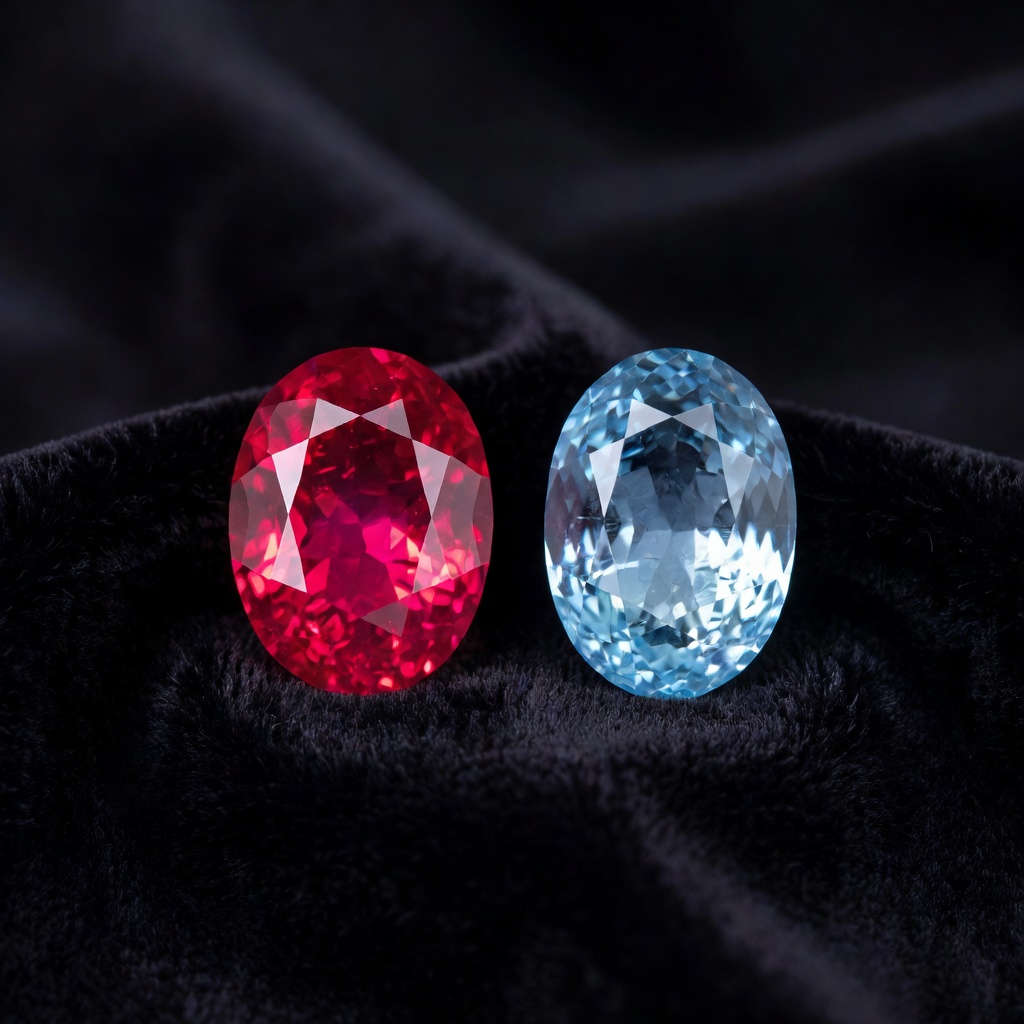
The debate between cabochon vs faceted gemstones resolves differently for each material based on their optical properties. Rubies commonly receive brilliant, step, or mixed cuts featuring multiple facets that maximize light return and color saturation, with oval and cushion cuts proving most popular for preserving weight while minimizing extinction (dark areas within the stone). However, star rubies specifically require domed cabochon cuts oriented perpendicular to the crystal's c-axis to properly display asterism. Hawk's Eye exclusively utilizes cabochon cuts—typically high-domed ovals or rounds—to properly align the fibrous structure with the surface, creating the sharp chatoyant eye. Attempting to facet Hawk's Eye destroys the visual effect that gives the stone its value, making cabochon cutting mandatory rather than optional.
Design Applications by Jewelry Type
Practical design applications vary significantly based on durability concerns. Ruby suits all jewelry categories: solitaire engagement rings withstand daily wear, tennis bracelets resist abrasion against desk surfaces, and pendant designs showcase the stone's brilliance. High-end designers like Cartier and Van Cleef & Arpels frequently feature rubies in "mystery set" designs where stones are cut to fit precisely without visible metal. Hawk's Eye excels in pendant designs where the stone hangs freely, allowing natural movement that displays the rolling chatoyant band to full advantage. Drop earrings showcase this effect beautifully as the stones swing with the wearer's movement. For rings, designers should limit Hawk's Eye to cocktail rings or occasional wear pieces with protective bezels, avoiding daily wear settings where the 6.5-7 hardness proves insufficient against modern lifestyles.
Care, Cleaning, and Maintenance Requirements
Safe Cleaning Protocols for Precious and Semi-Precious Stones
Proper gemstone care guide protocols ensure longevity for both materials, though specific restrictions apply. Clean rubies using warm soapy water (mild dish detergent) and a soft brush, with ultrasonic cleaners generally safe for untreated stones but risky for fracture-filled or lead-glass-filled specimens common in lower-priced markets. Steam cleaning works for untreated rubies but risks thermal shock in heavily included stones. For Hawk's Eye, restrict cleaning to warm soapy water and soft cloths only—ultrasonic vibrations may loosen fibers within the stone's structure over time, while steam can cause thermal shock in stones with internal fractures. When learning how to clean ruby jewelry versus Hawk's Eye, remember that ruby's superior hardness allows more aggressive cleaning methods, while Hawk's Eye requires gentler handling.
Storage Solutions to Prevent Damage
Storage requirements differ critically due to hardness disparities. Always store ruby jewelry separately from Hawk's Eye pieces—ruby's Mohs 9 hardness can easily scratch Hawk's Eye's 6.5-7 rating, permanently damaging the chatoyant surface. Utilize individual cloth pouches or compartmentalized jewelry boxes with soft linings. For traveling, carry Hawk's Eye in rigid boxes preventing compression, as fibrous stones may crack under pressure despite their toughness. Ruby travel cases should cushion against impact to prevent chipping at girdle edges or pointed corners.
Environmental Precautions and Long-Term Preservation
Environmental factors affect these stones differently. Prolonged exposure to direct sunlight can fade some rubies, particularly those with iron-heavy compositions common in Thai or Cambodian origins, though Burmese stones generally resist fading. Chemical exposure presents minimal risk to ruby but can damage surrounding metal settings. Hawk's Eye shows greater sensitivity to heat, which may alter the oxidation state of iron within the fibers, potentially shifting blue tones toward golden-brown Tiger's Eye colors. Remove both stones before swimming (chlorine affects metals), cleaning with harsh chemicals, or engaging in high-impact sports. Annual professional inspections ensure prongs secure rubies properly, while Hawk's Eye settings require checking for surface abrasions that might be buffed out by a lapidary professional.
Final Verdict: Choosing Your Perfect Stone
When deciding between Ruby vs Hawk's Eye, practical considerations should guide your selection beyond mere aesthetics. Budget constraints immediately narrow options—those seeking investment-grade jewelry or heirloom pieces should prioritize ruby, accepting the significant financial commitment for quality stones. If budget limitations restrict options to treated, heavily included rubies or synthetic alternatives, consider whether Hawk's Eye might better serve your needs with its natural, untreated beauty at accessible price points.
Lifestyle factors heavily influence this decision. Active individuals, healthcare workers, or those using their hands professionally should choose ruby for engagement rings or daily-wear pieces despite higher costs, as replacement or repair costs for damaged Hawk's Eye eventually exceed initial ruby investments. Those seeking meditation aids, occasional statement pieces, or chakra-specific healing tools may find Hawk's Eye perfectly suited to their needs without durability concerns.
Ultimately, personal preference between fiery red brilliance and mystical blue chatoyancy determines the ideal choice. Ruby offers timeless elegance, status recognition, and generational durability. Hawk's Eye provides accessible beauty, unique optical phenomena, and earthy metaphysical associations. Neither stone supersedes the other universally—instead, they serve different purposes within a comprehensive jewelry collection. Many enthusiasts eventually acquire both: ruby for significant life milestones and daily wear, Hawk's Eye for spiritual practice and artistic expression. By understanding their distinct properties, formation processes, and care requirements, you can confidently select the gemstone that aligns with your practical needs, aesthetic preferences, and energetic intentions.
Frequently Asked Questions
Is Hawk's Eye the same as Blue Tiger's Eye?
Yes, Hawk's Eye is the natural blue form of Tiger's Eye. While Tiger's Eye appears golden-brown from oxidized iron, Hawk's Eye retains the original blue-gray color of the crocidolite asbestos fibers before oxidation occurs. Both exhibit chatoyancy but differ in color chemistry.
Which stone is harder, Ruby or Hawk's Eye?
Ruby is significantly harder, ranking 9 on the Mohs scale compared to Hawk's Eye at 6.5-7. This means Ruby can scratch Hawk's Eye, but not vice versa. Ruby's exceptional hardness makes it suitable for daily wear, while Hawk's Eye requires more protective settings.
Why is Ruby so much more expensive than Hawk's Eye?
Ruby is a precious gemstone with limited high-quality deposits, requiring specific geological conditions rare in nature. Untreated, vivid red rubies command luxury prices. Hawk's Eye is a semi-precious variety of quartz that is relatively abundant and easier to mine and process, making it affordable for most budgets.
Can Hawk's Eye display a star effect like some Rubies?
No. Hawk's Eye displays chatoyancy—a single band of light across the surface—caused by parallel fibrous inclusions. Ruby can display asterism (a six-rayed star) when cut as a cabochon and containing rutile inclusions arranged at 60 and 120 degrees. These are distinct optical phenomena.
Is it safe to wear Ruby and Hawk's Eye together?
Yes, but with caution. Store them separately to prevent the harder Ruby (Mohs 9) from scratching the softer Hawk's Eye (Mohs 6.5-7). In jewelry designs, ensure they don't touch directly. Metaphysically, many believe combining Ruby's fire with Hawk's Eye's grounding creates balanced energy.
Which gemstone is better for an engagement ring?
Ruby is the superior choice for engagement rings due to its excellent hardness (9 Mohs), durability, and timeless symbolism of passion and commitment. Hawk's Eye, while beautiful, is too soft for daily ring wear and better suited for pendants, earrings, or occasional-wear pieces.
Do Ruby and Hawk's Eye have similar healing properties?
No, they serve different energetic purposes. Ruby is associated with vitality, courage, and stimulating the heart, often used for boosting energy and confidence. Hawk's Eye is linked to insight, protection, and clear communication, believed to help with perspective and nervous system calming.
How can I tell a real Ruby from Hawk's Eye if I'm unsure?
Check for chatoyancy: Hawk's Eye shows a moving line of light when rotated, while Ruby shows either transparency or asterism (star). Ruby feels colder and heavier (specific gravity 4.0 vs Hawk's Eye 2.6-2.7). A hardness test (Ruby scratches glass easily, Hawk's Eye scratches glass with difficulty) can also help distinguish them.