Ruby vs Green Beryl: Understanding the Basics
When collectors and jewelry enthusiasts explore the world of precious colored gemstones, the comparison between ruby and green beryl often emerges as a fascinating study in contrasts. Ruby, celebrated throughout history as the "King of Gems," commands attention with its fiery red presence and exceptional durability, while green beryl offers a delicate, minty alternative that belongs to the same mineral family as emerald and aquamarine. These two stones represent entirely different geological stories and mineral compositions, yet they frequently find themselves compared by buyers seeking vibrant colored centerpieces for fine jewelry. Understanding the fundamental distinctions between these gems—specifically that ruby belongs to the corundum family while green beryl shares its lineage with the beryl group—provides essential context for making informed purchasing decisions that align with lifestyle needs and aesthetic preferences.
The allure of a red ruby gemstone extends beyond mere visual impact; it represents one of the traditional "Big Three" colored stones alongside emerald and sapphire, carrying centuries of royal associations and investment prestige. Green beryl, conversely, occupies a more niche position in the gemstone market, often overlooked in favor of its deeper green cousin emerald, yet offering unique advantages in terms of clarity and affordability. When evaluating these stones side by side, potential buyers must consider not only color preference but also practical factors such as hardness, rarity, and intended use. Whether selecting a July birthstone gift or searching for an alternative engagement ring stone, understanding these foundational differences ensures satisfaction with your final selection.
Geological Origins and Mineral Composition
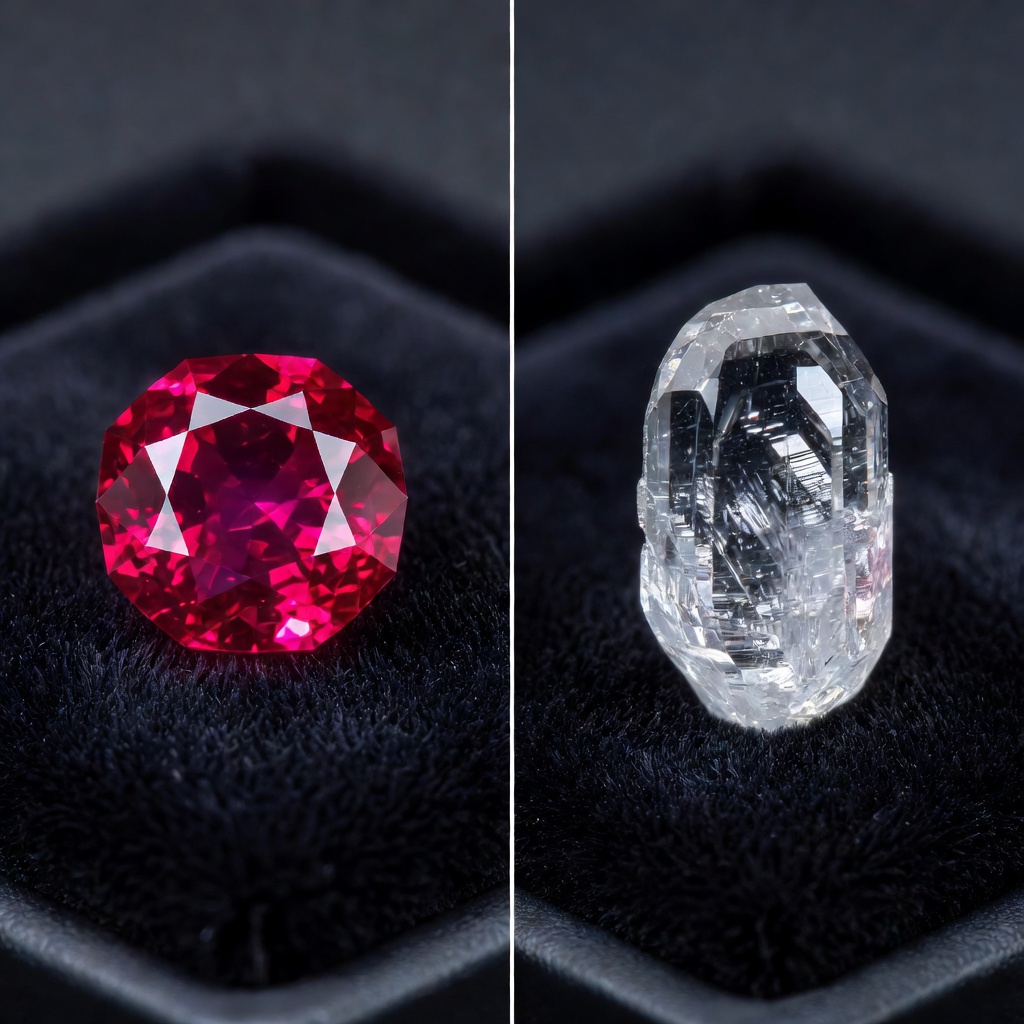
The geological journey of a ruby begins deep within the earth's crust under extreme conditions of high pressure and temperature, where aluminum oxide (Al₂O₃) crystallizes into the trigonal corundum structure. When trace amounts of chromium replace aluminum atoms within this crystal lattice, the resulting stone absorbs specific wavelengths of light to produce the characteristic red color that defines ruby. Major deposits of these precious corundum specimens occur in the Mogok region of Myanmar, the Montepuez mines of Mozambique, and various locations throughout Thailand, where metamorphic and igneous environments provide the necessary conditions for chromium-rich corundum formation. The specific geological environment determines not only color intensity but also the presence of inclusions such as rutile silk, which can enhance the stone's appearance through asterism or indicate untreated natural origin.
Green beryl forms through entirely different geological processes, crystallizing from hydrothermal fluids and pegmatite deposits as beryllium aluminum silicate (Be₃Al₂Si₆O₁₈) in the hexagonal crystal system. Unlike ruby's chromium-based coloration, green beryl derives its subtle green hues from iron ions (Fe²⁺ and Fe³⁺) or occasionally vanadium substituting within the crystal structure, resulting in colors ranging from pale seafoam to vivid grass green. Significant mining operations for green beryl exist in Colombia's Boyacá region, the Minas Gerais state of Brazil, and Madagascar, where granite pegmatites provide the beryllium-rich environments necessary for crystal growth. Understanding this corundum vs beryl mineral distinction proves crucial for gemologists and buyers alike, as the different chemical compositions directly influence hardness, care requirements, and optical properties.
Physical Properties and Hardness Analysis
The disparity in durability between these gemstones becomes immediately apparent when examining the ruby hardness Mohs scale rating of 9, placing it second only to diamond and making it exceptionally resistant to scratching and abrasion. This superior hardness stems from the strong aluminum-oxygen bonds within the corundum crystal structure, which also contributes to ruby's specific gravity of 3.97-4.05 and refractive index of 1.762-1.770, creating remarkable brilliance and fire when properly cut. Green beryl, while still relatively durable with a Mohs hardness of 7.5-8, possesses a less robust crystal structure with specific gravity ranging from 2.68-2.74 and refractive indices of 1.577-1.583, resulting in more subdued optical performance compared to its red counterpart.
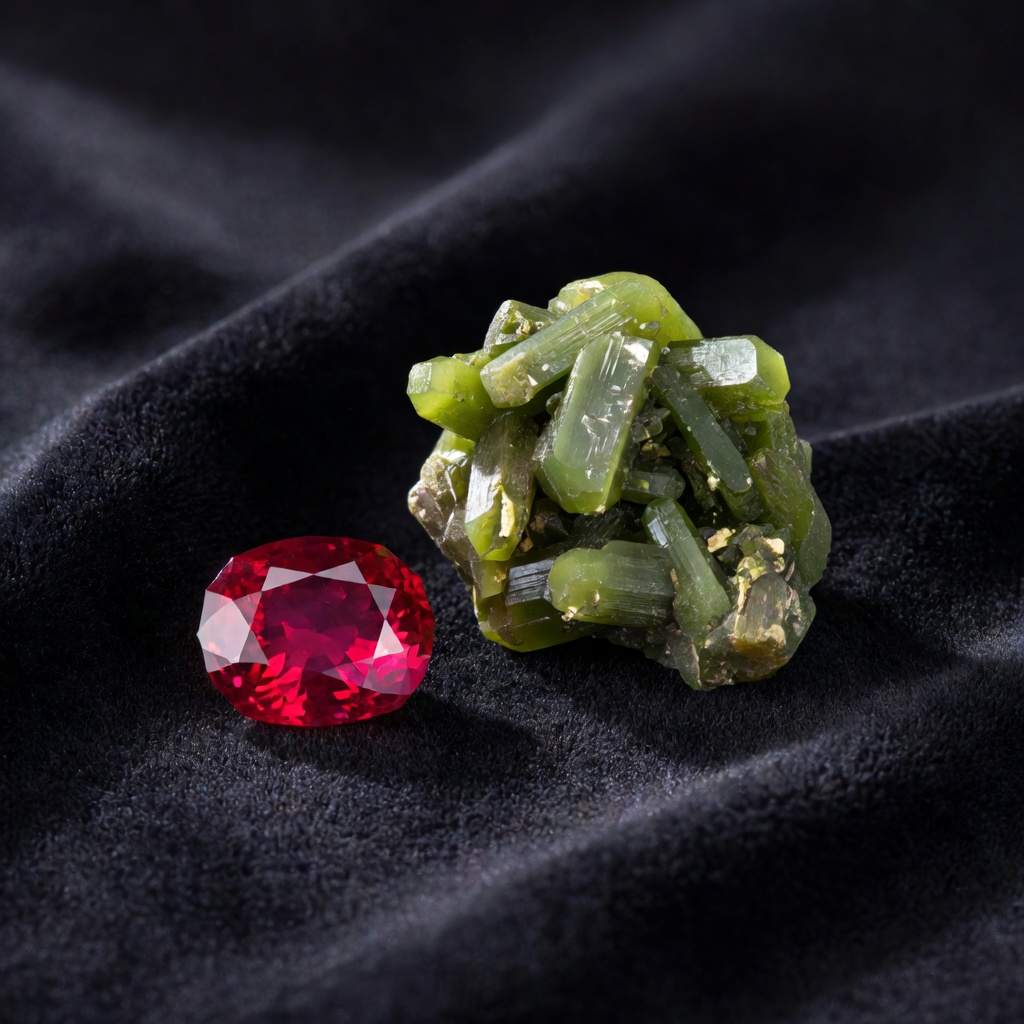
Crystal structure differences further distinguish these gems, with ruby crystallizing in the trigonal system typically forming barrel-shaped or pyramidal hexagonal prisms, while green beryl develops in the hexagonal system often producing distinctive six-sided prismatic crystals with flat terminations. These structural variations affect not only the stones' appearance under magnification but also their cleavage properties and overall toughness. For jewelry applications, ruby's exceptional hardness translates to decades of wear without surface damage, whereas green beryl requires more thoughtful setting choices to protect its relatively softer surfaces from the abrasions of daily life. When comparing precious colored gemstones for engagement rings or heirloom pieces, these physical property differences often become the deciding factor between generations of enjoyment and potential fragility.
Color Characteristics and Visual Appeal
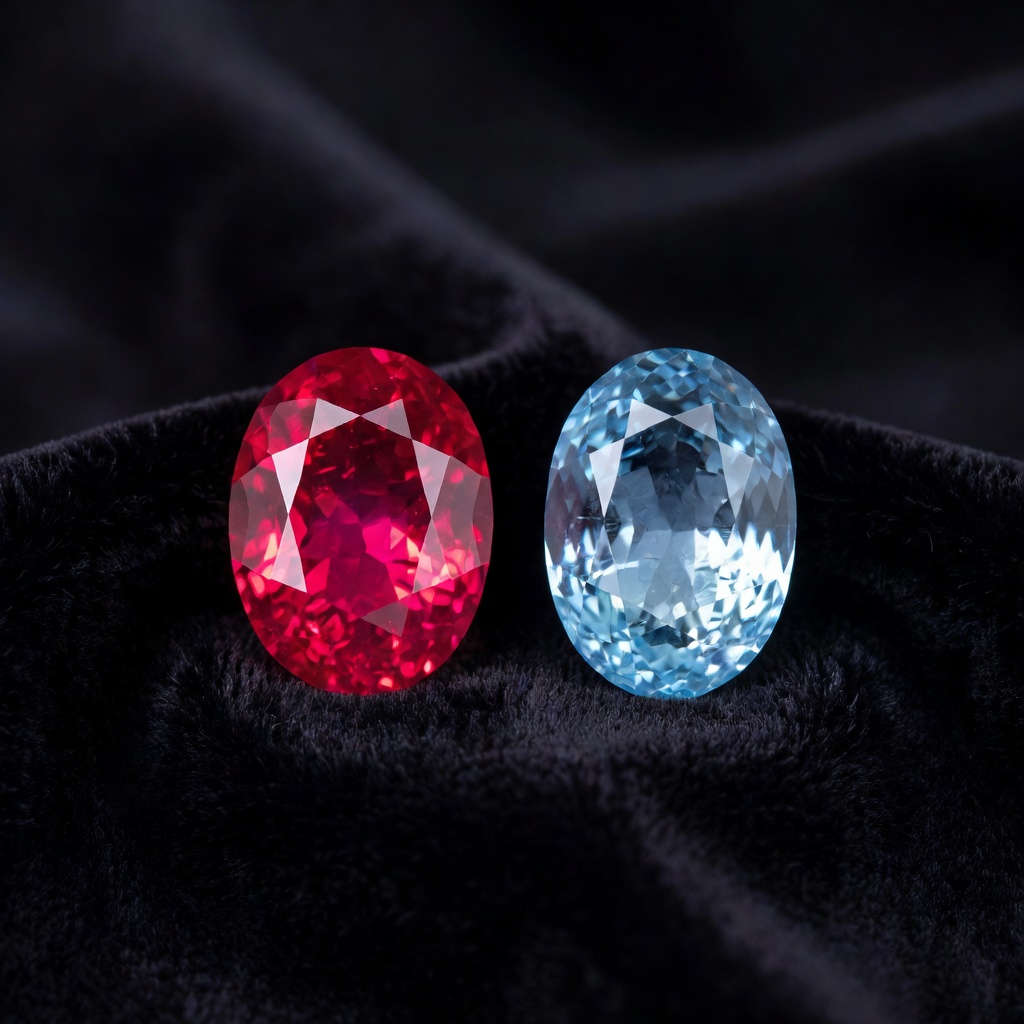
The color spectrum of rubies spans from delicate pinkish-red hues to the highly coveted deep "pigeon blood" red, with saturation and tone serving as primary value determinants in the marketplace. Premium red ruby gemstone specimens display vivid saturation with medium-dark tones, often exhibiting secondary purple or orange modifiers that influence both price and regional preferences; Burmese rubies typically command higher prices for their pure red fluorescence, while Thai stones often show darker, more garnet-like tones. Chromium content not only creates ruby's signature color but also produces strong fluorescence under ultraviolet light, causing fine stones to appear to glow from within—an optical phenomenon rarely seen in other gemstones and highly prized by connoisseurs.
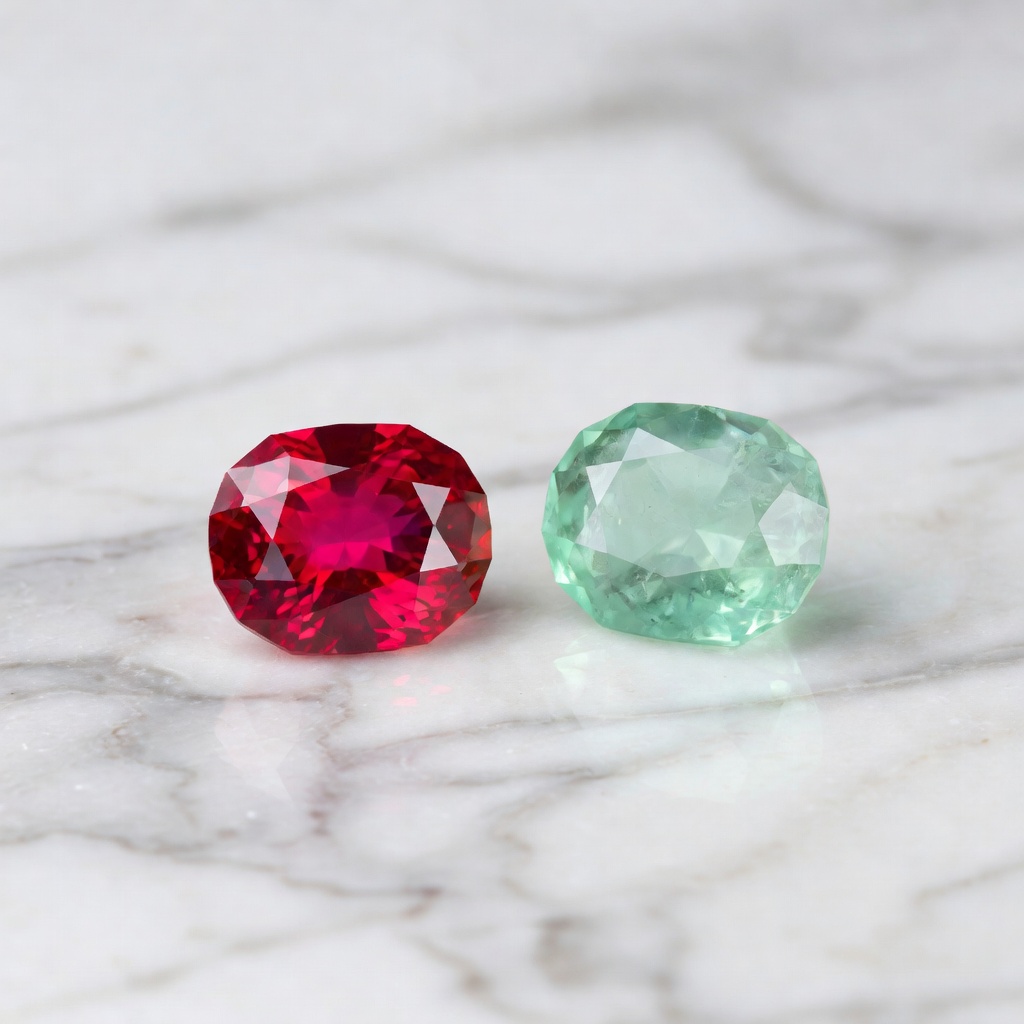
Green beryl occupies a distinct position in the green beryl vs emerald conversation, offering lighter, more pastel green tones that differ significantly from emerald's deep, verdant saturation. While emerald requires intense color saturation to qualify for its name, green beryl encompasses the lighter green specimens within the beryl family, displaying hues from pale mint to grass green caused primarily by iron rather than the chromium or vanadium that colors emerald. This distinction matters significantly for buyers seeking green stones, as green beryl typically offers superior clarity and fewer inclusions than emerald, though with less color intensity. The subtle, refreshing appearance of green beryl appeals to those preferring understated elegance over bold statements, providing an affordable entry point into precious colored gemstones without compromising on natural beauty or geological authenticity.
Durability and Daily Wear Considerations
When selecting center stones for rings and bracelets subjected to daily wear, ruby's superior toughness and lack of cleavage planes make it an exceptional choice that withstands knocks, impacts, and environmental exposure without chipping or cracking. Unlike many gemstones that require protective bezel settings, rubies perform beautifully in prong settings that maximize light exposure, making them ideal for active individuals who desire vibrant color without constant worry about damage. The absence of cleavage in the corundum structure means that rubies resist breaking along specific planes, distributing force throughout the crystal rather than fracturing under stress—a property that has made ruby the traditional choice for royal regalia and heirloom jewelry meant to survive centuries of use.
Green beryl, while suitable for jewelry, presents different durability challenges due to its basal cleavage plane vulnerability, which creates a tendency to chip or split if struck at specific angles. This characteristic necessitates protective setting styles such as bezels or halo designs that cushion the stone's edges, particularly when used in rings rather than earrings or pendants. For collectors considering green beryl for daily wear pieces, selecting cabochon cuts or lower-profile settings can mitigate risk, though the stone remains better suited for occasional wear or protected positions in jewelry designs. Understanding these durability differences helps buyers align their gemstone choices with their actual wearing habits, ensuring that precious colored gemstones remain beautiful through years of enjoyment rather than requiring frequent repairs or replacements.
Market Value and Investment Potential
The economic realities of the gemstone market reveal dramatic disparities between these two beautiful stones, with fine rubies commanding prices ranging from $1,000 to over $100,000 per carat depending on origin, treatment status, and color quality. Unheated Burmese rubies exceeding five carats with pigeon blood coloration represent some of the rarest gemstones on earth, occasionally selling at auction for millions of dollars and serving as stable stores of value during economic fluctuations. Conversely, green beryl value per carat typically ranges from $100 to $800 for fine specimens, offering accessible luxury for collectors who appreciate the beryl family's clarity and luster without the premium prices associated with emerald or high-end ruby acquisitions.
| Characteristic | Ruby (Corundum) | Green Beryl |
|---|---|---|
| Mohs Hardness | 9 | 7.5 - 8 |
| Mineral Family | Corundum (Aluminum Oxide) | Beryl (Beryllium Aluminum Silicate) |
| Color Cause | Chromium (Cr³⁺) | Iron (Fe²⁺/Fe³⁺) or Vanadium |
| Price Range (per carat) | $1,000 - $100,000+ | $100 - $800 |
| Best Jewelry Application | Daily wear rings, statement pieces | Earrings, pendants, occasional wear |
| Common Treatments | Heat treatment (standard) | Typically untreated or oil-treated |
| Care Requirements | Ultrasonic and steam safe | Warm soapy water only |
Investment potential diverges significantly between these gems, as untreated, high-quality rubies from prestigious localities like Myanmar or Kashmir appreciate consistently due to extreme scarcity and enduring cultural demand. Green beryl, while beautiful and collectible, does not typically appreciate at similar rates due to greater availability and lower market recognition, though exceptional large specimens with unusual color saturation may interest niche collectors. Treatment disclosure remains critical when assessing value; heat-treated rubies represent industry standard and maintain value if properly disclosed, whereas untreated stones command significant premiums. Green beryl rarely requires enhancement, which appeals to purists seeking natural stones, though this advantage does not offset the vast difference in rarity and historical prestige that drives ruby prices.
Symbolism, History, and Metaphysical Properties
As the ruby birthstone July, this red gemstone carries millennia of symbolic weight across diverse cultures, representing passion, protection, vitality, and prosperity in ancient Hindu texts, Burmese warrior traditions, and European royal courts. Ancient Sanskrit writings referred to ruby as "ratnaraj" or "king of precious stones," believing that offering rubies to Krishna guaranteed rebirth as an emperor, while medieval Europeans wore rubies to guarantee health, wealth, wisdom, and success in love. The stone's intense red color naturally associates with blood, fire, and the heart, making it the ultimate symbol of romantic love and courage—qualities that have ensured its presence in crown jewels from England's Imperial State Crown to the tiaras of Russian tsarinas.
Green beryl, though less historically prominent than ruby, carries its own metaphysical associations with growth, healing, and enhanced communication, earning nicknames such as the "Seer Stone" among crystal healing practitioners. During the Art Deco period, green beryl experienced particular popularity in geometric jewelry designs, offering a more affordable alternative to emerald while maintaining the sophisticated green aesthetic favored by the era's architects and designers. Metaphysical believers attribute green beryl with properties that enhance mental clarity, reduce stress, and facilitate honest expression—associations derived from its pale green color connections to nature and renewal. While lacking ruby's dramatic historical narratives of passion and power, green beryl appeals to those seeking gemstones associated with balance, rejuvenation, and gentle energy in their personal adornment.
Jewelry Design Applications and Metal Pairings
The versatility of ruby in jewelry design stems from its ability to complement both warm and cool metal tones, though traditional pairings with yellow gold and platinum particularly enhance the stone's red warmth and create timeless aesthetic appeal. Yellow gold settings amplify the fiery aspects of ruby, creating rich, warm combinations that evoke vintage glamour and Mediterranean sophistication, while platinum and white gold settings provide contemporary contrast that makes the red appear more vivid through complementary color theory. For statement rings, ruby performs exceptionally well in bold solitaire designs, three-stone arrangements, and halo settings where the surrounding diamonds amplify the center stone's natural fluorescence and brilliance.
Green beryl jewelry demands more thoughtful design considerations due to the stone's relative fragility, working beautifully in earrings and pendants where impact risk remains minimal while requiring protective settings for ring applications. White gold and rose gold pairings prove particularly flattering for green beryl, with white metals emphasizing the stone's cool, minty tones and rose gold creating romantic, vintage-inspired combinations that soften the green with warm metallic glow. Bezel settings, halo designs, or protective V-prongs become essential when incorporating green beryl into ring designs, whereas the stone's clarity and lighter coloration make it ideal for art deco-inspired filigree work or delicate pendant designs where light transmission highlights its crystalline purity. When comparing precious colored gemstones for specific jewelry projects, ruby offers greater design freedom and durability, while green beryl rewards careful setting choices with unique color and exceptional transparency rarely found in its more expensive emerald counterpart.
Care, Cleaning, and Maintenance Requirements
Maintaining the brilliance of a ruby requires minimal effort due to the stone's exceptional hardness and chemical stability, allowing owners to utilize ultrasonic cleaners and steam cleaning methods without risk of damage to the gem itself. However, disclosure of heat treatment status remains important before professional cleaning, as extreme thermal shock could potentially affect fracture fillings in treated stones, though natural rubies withstand standard jewelry cleaning protocols easily. Regular maintenance should include inspection of prongs and settings every six months, particularly for daily-worn ruby rings, ensuring that the secure mounting continues to protect this valuable investment through years of active wear.
Green beryl demands significantly more delicate care protocols, requiring only gentle cleaning with warm soapy water and a soft brush to remove accumulated oils and dirt without risking thermal shock or vibration damage. Ultrasonic cleaners and steam cleaning pose serious threats to green beryl due to the presence of natural inclusions and cleavage planes that can expand or propagate under vibrational stress, potentially causing internal cracking or surface-reaching fractures to worsen. Storage recommendations differ substantially between these gems: rubies should be stored separately from other jewelry to prevent them from scratching softer stones, while green beryl requires individual soft pouches or padded compartments to prevent impact damage from harder materials. These distinct care requirements reflect the fundamental physical differences between corundum and beryl, necessitating that owners adjust their maintenance routines accordingly to preserve beauty and value across generations.
Making Your Final Choice: Lifestyle and Budget Factors
Selecting between these magnificent stones ultimately requires honest assessment of lifestyle factors, budget constraints, and intended use cases that will determine long-term satisfaction with your purchase. Choose ruby for heirloom investment pieces requiring daily durability, bold color statements that command attention, or meaningful July birthstone gifts that carry deep symbolic significance and potential appreciation in value over time. The initial higher investment in a fine ruby typically justifies itself through decades of worry-free wear and the security of owning one of the world's most historically significant precious colored gemstones.
Choose green beryl when seeking affordable luxury with delicate, feminine aesthetics suitable for occasional wear jewelry, earrings, or pendants where the stone's fragility poses minimal risk. This option particularly appeals to collectors building diverse gemstone portfolios or those drawn to the subtle, mint-green hues that distinguish green beryl from more common emerald offerings. Final buying tips emphasize the critical importance of certification for ruby purchases, with reports from GIA, SSEF, or Gübelin providing essential documentation of origin, treatment status, and quality parameters that significantly affect value. While green beryl requires less rigorous authentication due to lower price points and minimal treatment, reputable dealers should still provide disclosure of any enhancements and country of origin when available.
Frequently Asked Questions
Is Ruby more expensive than Green Beryl?
Yes, typically rubies are significantly more expensive than green beryl. Fine-quality rubies can command $1,000 to over $100,000 per carat, especially untreated Burmese stones, while high-quality green beryl generally ranges from $100 to $800 per carat. The price difference reflects ruby's superior hardness, rarity, and historical prestige as one of the 'Big Three' colored gemstones.
Is Green Beryl the same as Emerald?
No, green beryl and emerald are different varieties of the same mineral family (beryl), but they have distinct color requirements. To be classified as emerald, a green beryl must exhibit a deep, vivid green color caused by chromium or vanadium with medium to dark tone. Green beryl refers to lighter-toned, pale green specimens that don't meet emerald's strict color saturation standards, though both share similar hardness and care requirements.
Which is harder: Ruby or Green Beryl?
Ruby is significantly harder than green beryl. Ruby ranks 9 on the Mohs hardness scale, making it second only to diamond, while green beryl ranks 7.5 to 8. This means ruby resists scratching better and is more suitable for daily wear in rings and bracelets. Green beryl requires more careful handling and protective settings to prevent surface damage.
Can Green Beryl be used in engagement rings?
While green beryl can be used in engagement rings, it requires careful consideration due to its moderate hardness (7.5-8) and cleavage planes. It's best suited for protective settings like bezels or halos rather than exposed prong settings. For active lifestyles, ruby is the safer choice for daily-worn engagement rings, while green beryl works better for occasional wear or pendant-style engagement pieces.
How can I tell Ruby and Green Beryl apart?
The most obvious difference is color—ruby displays red to pinkish-red hues while green beryl shows green tones. Under magnification, ruby often shows silk inclusions (rutile needles) and has a higher refractive index creating more brilliance. Green beryl typically displays hexagonal crystal growth patterns and different inclusion types. A gemologist can definitively distinguish them using refractive index testing and spectroscopic analysis.
What causes the color in Ruby vs Green Beryl?
Ruby's red color comes primarily from chromium ions replacing aluminum in the corundum crystal structure, with iron sometimes modifying the tone to purplish or brownish red. Green beryl's color derives from iron (Fe²⁺ and Fe³⁺) or sometimes vanadium ions within the beryl crystal structure. The different coloring agents result in ruby's intense saturation versus green beryl's typically lighter, more pastel appearance.
Is Ruby better for daily wear than Green Beryl?
Yes, ruby is superior for daily wear due to its exceptional hardness (9 Mohs), lack of cleavage planes, and excellent toughness. It withstands knocks, scratches, and household chemicals better than green beryl, which has visible cleavage (making it prone to chipping) and softer surface durability. Green beryl is better reserved for earrings, pendants, or occasional wear rings rather than everyday pieces.
Do Ruby and Green Beryl require different cleaning methods?
Yes, their care differs significantly. Ruby can safely withstand ultrasonic cleaners and steam cleaning due to its hardness and durability, though heated stones should be disclosed to jewelers. Green beryl should only be cleaned with warm soapy water and a soft brush; ultrasonic and steam cleaning can cause damage due to its inclusions and cleavage planes. Both should avoid harsh chemicals and prolonged sun exposure.