Understanding Ruby vs Goshenite: A Comprehensive Gemstone Comparison
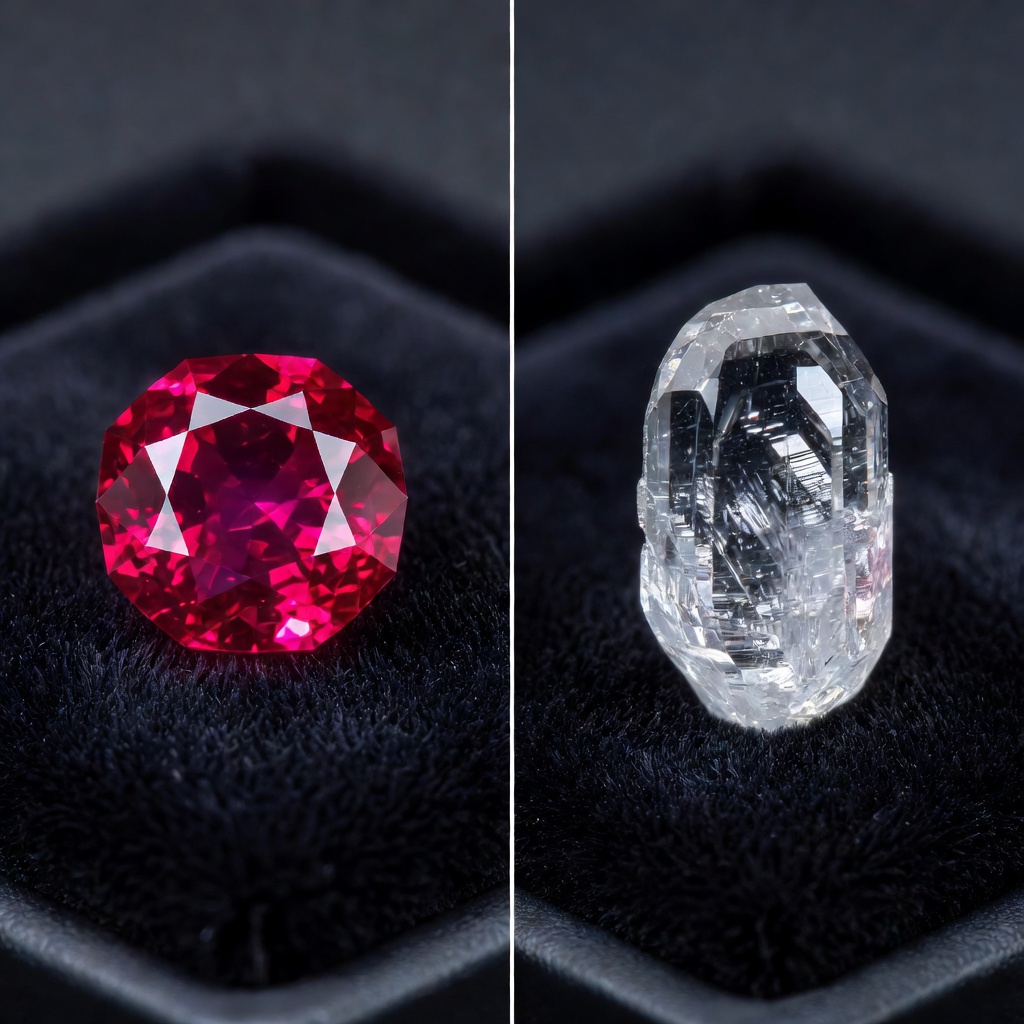
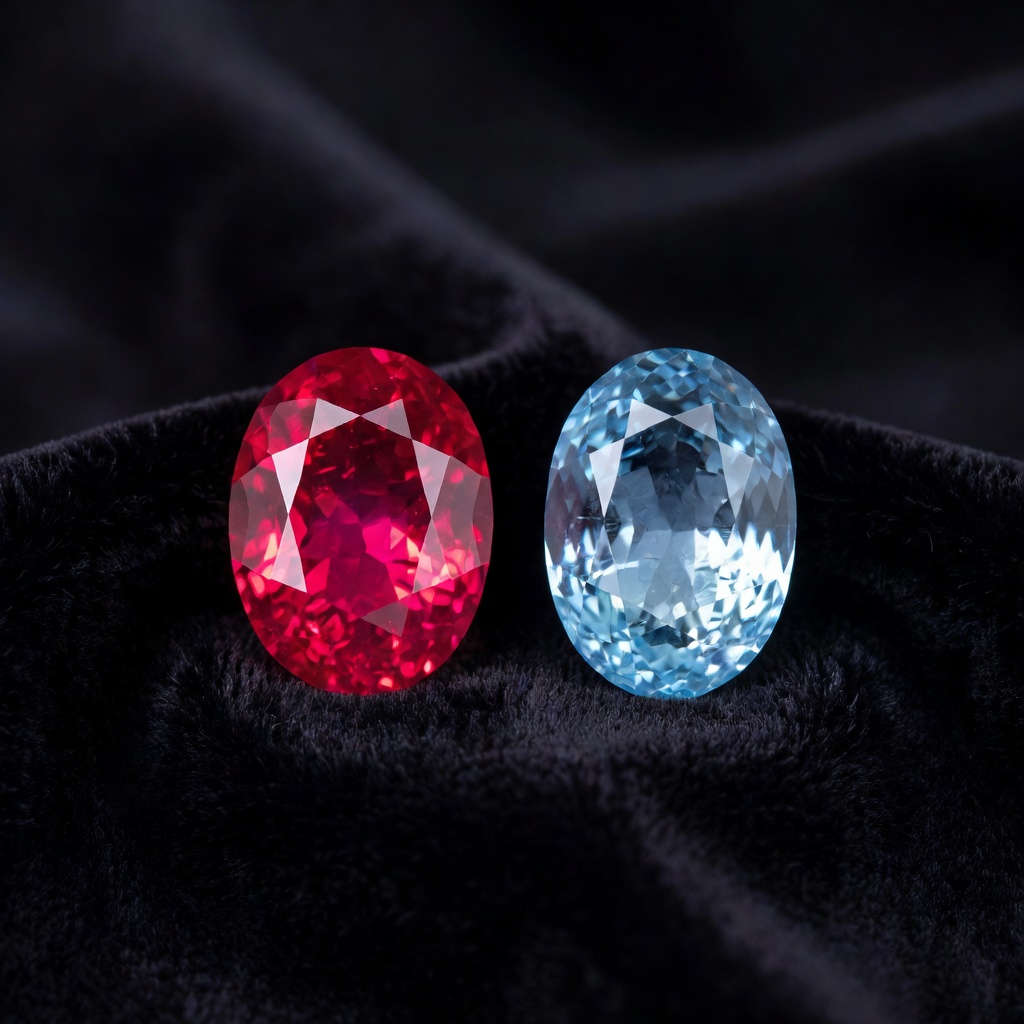
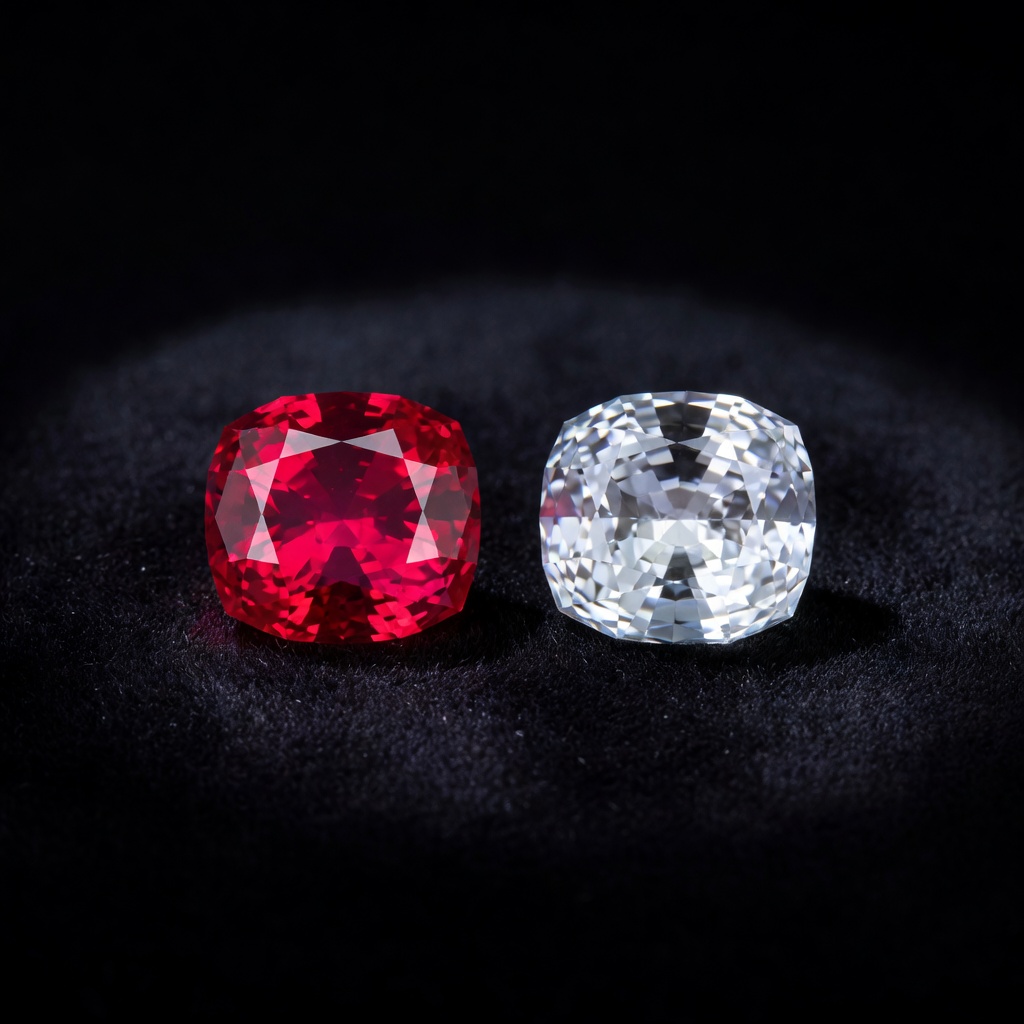
When exploring the fascinating world of colored stones, the comparison between Ruby vs Goshenite presents a striking study in contrasts that captures the imagination of both novice collectors and seasoned gemologists. Ruby, known scientifically as red corundum, represents the pinnacle of passion and intensity with its fiery crimson hues, while Goshenite stands as the purest expression of colorless beryl, offering diamond-like clarity without the premium price tag. These two gemstones occupy opposite ends of the color spectrum within the precious stone market, yet both hold unique positions in jewelry history and contemporary design. Understanding their distinct mineral compositions, durability characteristics, and value propositions enables buyers to make informed decisions whether seeking a July birthstone centerpiece or an affordable alternative for bridal jewelry.
Chemical Composition and Mineral Classification
The fundamental distinction between these gemstones begins at the molecular level, where their differing mineral families create distinct physical properties and visual characteristics. Ruby belongs to the corundum family, consisting primarily of aluminum oxide (Al₂O₃) with trace amounts of chromium responsible for its signature red coloration, crystallizing in the trigonal system to form hexagonal prisms with distinctive barrel-shaped habits. Goshenite, conversely, represents the purest form of beryl, composed of beryllium aluminum silicate (Be₃Al₂Si₆O₁₈) that remains colorless precisely because it lacks the iron, manganese, or chromium impurities that tint its famous cousins emerald and aquamarine, instead crystallizing in the hexagonal system with different optical properties.
These structural differences explain why corundum vs beryl comparisons reveal significant variations in hardness, density, and optical performance despite both being highly regarded gemstone materials. Ruby's trigonal crystal structure contributes to its exceptional durability and resistance to fracturing, while goshenite's hexagonal formation includes perfect basal cleavage that requires careful consideration during cutting and setting processes. Gemology students often use these two stones as textbook examples to understand how minor variations in mineral composition create vastly different market values and practical applications in fine jewelry.
Color Variations and Visual Characteristics
The visual distinction between red ruby specimens and colorless beryl varieties could not be more dramatic, offering jewelry designers complementary options for dramatically different aesthetic statements. Ruby exhibits a spectrum ranging from delicate pinkish-red to the coveted deep crimson known as ruby pigeon blood, with the most valuable stones displaying a vivid, saturated red with subtle blue undertones that seem to glow from within due to chromium fluorescence. Goshenite presents a naturally colorless to white appearance that rivals diamond in its purity, occasionally displaying faint yellow or greenish tints when trace elements are present, but generally maintaining exceptional clarity that makes it ideal for intricate cuts and large statement pieces.
Inclusion patterns further differentiate these stones, with ruby often containing microscopic rutile needles called "silk" that can create asterism in star rubies or indicate natural origin in transparent stones, while goshenite typically harbors liquid-filled inclusions or two-phase inclusions that appear as tiny bubbles within the crystal. When selecting stones for specific jewelry applications, consider that a Burmese pigeon blood ruby with minimal silk commands premium prices for its rarity and intensity, whereas a loupe-clean goshenite offers affordable elegance for those seeking the brilliance of a colorless stone without the investment required for high-clarity diamonds or white sapphires.
Hardness and Durability for Jewelry
Durability considerations play a crucial role in determining which stone suits specific jewelry applications, with the Mohs hardness scale providing essential guidance for everyday wear decisions. Ruby ranks 9 on this scale, making it second only to diamond in hardness among natural gemstones, which translates to excellent resistance against scratching and abrasion during daily activities such as typing, hand washing, or accidental contact with household surfaces. Goshenite measures 7.5-8 on the Mohs scale, positioning it as reasonably hard but significantly more susceptible to surface wear and scratches over time, particularly when worn in rings that encounter frequent impact against hard surfaces like countertops or car keys.
Beyond hardness, gemstone durability comparison must account for toughness—the resistance to breaking and chipping—where ruby again demonstrates superior performance due to its lack of cleavage planes and exceptional tenacity. Goshenite possesses good toughness generally but features distinct basal cleavage that can cause the stone to split if struck sharply along specific crystal planes, making it less suitable for high-impact jewelry like engagement rings worn by active individuals. For practical application, a ruby solitaire withstands decades of daily wear without significant degradation, while a goshenite ring requires protective bezel settings and occasional repolishing to maintain its original brilliance, particularly for pieces worn during physical activities or manual labor.
Value, Pricing and Investment Potential
The economic disparity between these gemstones reflects their relative rarity in nature and cultural demand, creating vastly different investment profiles for collectors and jewelry enthusiasts. High-quality rubies can command thousands of dollars per carat, with exceptional Burmese stones exceeding $100,000 per carat at auction, driven by factors including origin certification, untreated status, and the specific intensity of their red coloration as measured by hue, tone, and saturation. Goshenite remains remarkably affordable, typically ranging from $20 to $100 per carat for fine specimens, offering budget-conscious buyers the opportunity to own large, eye-clean stones without the premium associated with precious gemstone value markets.
When considering ruby value as an investment, focus on untreated stones from prestigious localities like Myanmar (Burma) or Mozambique, documenting any heat treatment through certification from recognized laboratories such as GIA or SSEF, as treated stones, while beautiful, appreciate more slowly in value. Goshenite serves as an excellent entry point for beginning collectors or as accent stones in complex jewelry designs where budget constraints might otherwise limit creative vision, though it lacks the investment appreciation potential of its red counterpart. Case studies of estate jewelry sales consistently show that fine rubies from the Art Deco period command prices ten to twenty times their original purchase value adjusted for inflation, while vintage goshenite pieces typically retain aesthetic value without significant monetary appreciation.
Geographic Origins and Mining Sources
Provenance significantly influences the desirability and ethical considerations surrounding both gemstones, with specific mining regions becoming synonymous with quality and responsible sourcing practices. Premium ruby mining operations in Myanmar's Mogok Valley produce the legendary pigeon blood stones prized by collectors worldwide, though political considerations have increased demand for ethically sourced Mozambique rubies that offer comparable color at more accessible price points while adhering to modern labor standards. Goshenite sources predominantly include Brazil's Minas Gerais region and northern Pakistan's pegmatite deposits, where large crystals of exceptional clarity emerge from granitic rock formations, typically extracted through smaller-scale operations with lower environmental impact than massive industrial diamond or ruby mining.
The rarity factor distinguishing these stones becomes apparent when examining annual production statistics, as gem-quality rubies suitable for fine jewelry represent a fraction of a percent of total corundum mined, whereas goshenite occurs relatively abundantly in nature, with colorless beryl crystals sometimes weighing hundreds of carats. Ethical consumers should request chain-of-custody documentation when purchasing high-value rubies to ensure conflict-free sourcing, while goshenite buyers can generally feel confident about their stone's provenance due to the gem's primary extraction from stable, regulated mining jurisdictions. When visiting gemstone markets, understanding these geographic distinctions helps buyers identify authentic materials; for instance, a vendor claiming "Burmese-quality" goshenite likely misrepresents their stock, as this locality designation applies specifically to premium ruby mining rather than beryl extraction.
Jewelry Design Applications and Settings
Creative applications for these stones leverage their contrasting visual properties, with ruby jewelry traditionally adorning royal regalia and romantic engagement pieces while goshenite rings serve contemporary markets seeking diamond alternatives. Ruby excels in traditional solitaire settings, three-stone anniversary rings, and pendants where its intense color creates focal points against yellow gold mountings that complement its warm red tones, with designers often incorporating halo settings of colorless diamonds to enhance the center stone's apparent saturation through optical contrast. Goshenite finds its niche in Art Deco reproduction jewelry, vintage-inspired cocktail rings, and as accent stones alongside colored gems where its neutral palette provides visual rest, particularly when set in white gold or platinum to emphasize its icy clarity.
Metal pairing recommendations follow color theory principles, with yellow and rose gold enhancing the warmth of medium-quality rubies while platinum and white gold settings maximize the brilliance of fine pigeon blood specimens by providing cool contrast. For goshenite, white metals including platinum, palladium, and white gold prove optimal, though yellow gold settings create a vintage aesthetic reminiscent of early 20th-century jewelry when colorless beryl served as a diamond substitute during economic hardships. Practical design considerations include selecting protective bezel or half-bezel settings for goshenite rings worn daily, whereas ruby accommodates delicate prong settings due to its superior hardness and resistance to chipping, allowing for maximum light penetration and brilliance in elaborate gallery designs.
Symbolism, Birthstones and Cultural Significance
Cultural associations and metaphysical properties distinguish these stones in the realm of meaningful gift-giving and personal adornment, with each carrying millennia of historical significance across diverse civilizations. As the July birthstone, ruby represents passion, protection, and prosperity, with ancient Burmese warriors inserting rubies into their skin for invincibility in battle and medieval Europeans associating the stone with wisdom, health, and romantic success, making it the traditional gift for 40th wedding anniversaries. Goshenite holds historical significance as the original material for manufacturing eyeglasses and optical lenses before glass technology advanced, leading to associations with clarity of vision, truth, and intellectual foresight, though it lacks the specific birthstone designation that drives ruby's annual market demand during summer months.
Astrological traditions further differentiate these gems, with ruby serving as the primary Sun stone in Vedic astrology, believed to strengthen the wearer's leadership qualities and vital life force when set in gold and worn on the right hand's ring finger. Goshenite connects to Mercury in esoteric gemology, purportedly enhancing communication skills and mental clarity, historically favored by scholars and scribes for meditation and study aids. When selecting between these stones for meaningful jewelry, consider that ruby carries intense solar energy associations suitable for individuals seeking bold self-expression and creative vitality, while goshenite appeals to those drawn to lunar, reflective qualities emphasizing purity of intention and clear perception in decision-making.
Care, Cleaning and Maintenance Requirements
Proper maintenance protocols ensure these gemstones retain their beauty across generations, though their differing physical properties necessitate distinct care approaches to prevent damage or degradation. Ultrasonic cleaning proves safe for most rubies due to their exceptional hardness and lack of liquid-filled inclusions, making them ideal for jewelry that requires frequent professional cleaning to remove accumulated lotions and environmental grime, though stones with significant fractures or glass-filled cavities should avoid this method. Goshenite requires gentler treatment; while warm soapy water and soft brushing suffice for routine cleaning, ultrasonic and steam cleaning pose risks due to the stone's cleavage planes potentially expanding under thermal shock or vibrational stress.
Heat sensitivity affects both stones differently, with ruby tolerating the high temperatures used in jewelry repair and retipping without damage, whereas goshenite may experience internal stress or clouding when subjected to soldering heat or prolonged direct sunlight exposure that can affect its clarity over decades. Storage recommendations emphasize separating these stones in individual soft pouches or compartmentalized jewelry boxes to prevent the harder ruby (9 Mohs) from scratching goshenite (7.5-8 Mohs) when pieces jostle together in a drawer. For active wearers, remove goshenite rings before gardening, sports, or household chores involving harsh chemicals like chlorine or ammonia, while ruby jewelry withstands most daily activities though benefitting from occasional inspection of prong settings to ensure the secure retention of these valuable stones.
Final Verdict: Which Gemstone Should You Choose?
Selecting between these distinctive gems ultimately depends on personal priorities regarding budget, lifestyle, and intended use, with each stone offering compelling advantages for specific scenarios. Budget-conscious buyers seeking white stone aesthetics without diamond prices will find goshenite an excellent choice for fashion jewelry, cocktail rings, and pendants where the stone faces less mechanical stress than finger rings, providing brilliant clarity and size that would cost exponentially more in diamond or sapphire equivalents. Those seeking heirloom value, gemstone investment potential, and unmatched durability should choose ruby, particularly when selecting untreated stones with documented provenance that will appreciate in value while withstanding daily wear for multiple generations.
Lifestyle factors significantly influence this decision, as active wearers, medical professionals, or individuals working with their hands require ruby's superior hardness to prevent surface damage during professional activities, whereas goshenite suits occasional wear pieces or individuals with sedentary lifestyles who appreciate its understated elegance. Consider also the emotional resonance of each stone; ruby appeals to romantic spirits and those drawn to bold, dramatic jewelry statements, while goshenite attracts minimalists and intellectuals valuing subtlety and purity of form. When choosing gemstones for significant life events such as engagements or milestone anniversaries, prioritize ruby for its enduring symbolism and practical durability, reserving goshenite for fashion-forward pieces that complement rather than commemorate life's most precious moments.
Ruby vs Goshenite: Detailed Comparison
| Characteristic | Ruby (Red Corundum) | Goshenite (Colorless Beryl) |
|---|---|---|
| Chemical Composition | Aluminum Oxide (Al₂O₃) with chromium | Beryllium Aluminum Silicate (Be₃Al₂Si₆O₁₈) |
| Crystal System | Trigonal | Hexagonal |
| Mohs Hardness | 9 (Excellent) | 7.5-8 (Good) |
| Toughness | Excellent, no cleavage | Good to fair, perfect basal cleavage |
| Color Range | Pinkish-red to deep pigeon blood red | Colorless to white, occasionally faint tints |
| Refractive Index | 1.76-1.77 (High brilliance) | 1.56-1.60 (Subtle brilliance) |
| Typical Price per Carat | $1,000-$100,000+ (Fine quality) | $20-$100 (Commercial quality) |
| Best Jewelry Applications | Engagement rings, daily wear, heirlooms | Earrings, pendants, occasional wear rings |
| Cleaning Methods | Ultrasonic, steam, warm soapy water | Warm soapy water only (avoid ultrasonic) |
| Investment Potential | High appreciation for fine specimens | Limited, primarily aesthetic value |
| Birthstone Status | July birthstone | None specific |
| Primary Sources | Myanmar, Mozambique, Sri Lanka | Brazil, Pakistan, Russia |
Frequently Asked Questions
Which is more expensive, Ruby or Goshenite?
Ruby is significantly more expensive than Goshenite. High-quality rubies can cost thousands per carat, especially Burmese pigeon blood varieties, while Goshenite remains an affordable semi-precious stone typically costing under $100 per carat due to its abundance and lower market demand.
Is Ruby harder than Goshenite?
Yes, Ruby ranks 9 on the Mohs hardness scale while Goshenite ranks 7.5-8. This makes ruby much more resistant to scratching and suitable for daily wear, whereas Goshenite requires more careful handling due to its perfect cleavage that can cause splitting under impact.
Can Goshenite be used as an engagement ring stone?
While Goshenite can be used for engagement rings due to its diamond-like clarity and affordability, it's not recommended for daily wear without protective settings. Its hardness of 7.5-8 and cleavage planes make it susceptible to damage compared to harder alternatives like sapphires, rubies, or diamonds.
What gives Ruby its red color compared to Goshenite's clear appearance?
Ruby's red color comes from chromium impurities replacing aluminum in the corundum crystal structure. Goshenite is pure beryl without trace elements like chromium, iron, or manganese that color other beryl varieties (emerald, aquamarine), resulting in its natural colorless-to-white appearance.
Are both Ruby and Goshenite considered precious stones?
Ruby is classified as one of the four precious stones alongside diamond, sapphire, and emerald. Goshenite is considered a semi-precious stone as part of the beryl family. However, gemological associations now discourage the 'precious vs semi-precious' distinction, focusing instead on quality and rarity factors.
Which stone is better for jewelry that will be worn daily?
Ruby is superior for daily wear jewelry due to its exceptional hardness (9 Mohs), excellent toughness, and resistance to heat and chemicals. Goshenite requires protective settings like bezels and should be reserved for occasional wear or earrings/pendants that face less impact than rings.
How can you tell the difference between Goshenite and White Sapphire?
While both are colorless, White Sapphire (corundum) has higher brilliance and fire than Goshenite (beryl). Goshenite has a lower refractive index (1.56-1.60) compared to sapphire (1.76-1.77), making sapphire appear more sparkly. Additionally, sapphires often show silk inclusions while goshenite typically has liquid inclusions.
What is the meaning and symbolism of Ruby vs Goshenite?
Ruby symbolizes passion, vitality, courage, and love, serving as the July birthstone and traditional 40th anniversary gift. Goshenite represents clarity, truth, and foresight, historically used for manufacturing eyeglasses and lenses. Ruby carries intense solar energy associations while Goshenite connects to lunar, reflective qualities.