Introduction: Why Ruby and Garnet Get Confused
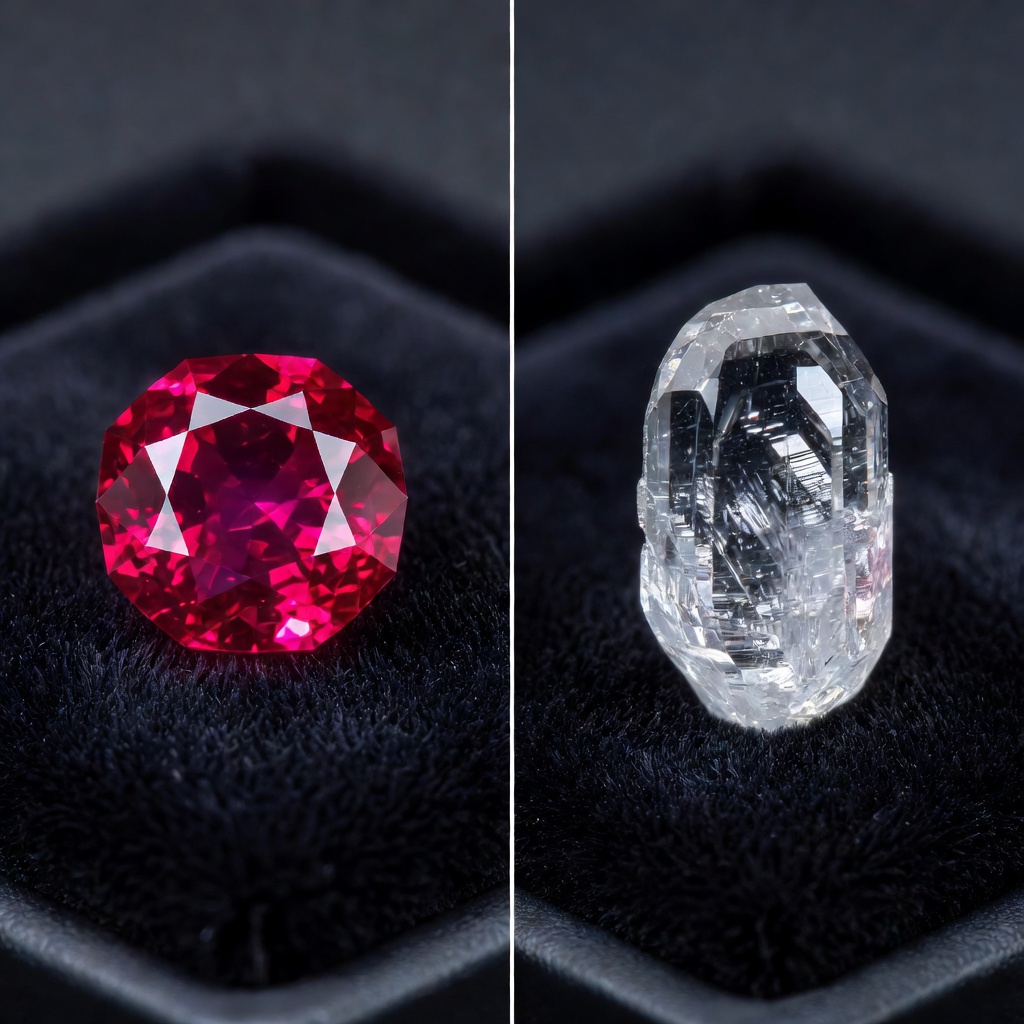
The world of red gemstones presents a fascinating paradox where two distinctly different minerals frequently masquerade as one another in the eyes of consumers and collectors alike. When examining Ruby vs Garnet, the untrained eye often struggles to distinguish between these crimson treasures, leading to common misconceptions about their value, durability, and authenticity. Both gemstones have captivated humanity for millennia, adorning royal crowns and contemporary jewelry collections with their fiery hues, yet they occupy vastly different positions in the gemological hierarchy. Understanding the critical differences between these stones becomes essential not only for making informed purchasing decisions but also for protecting investments and ensuring you receive exactly what you pay for in an often opaque marketplace.
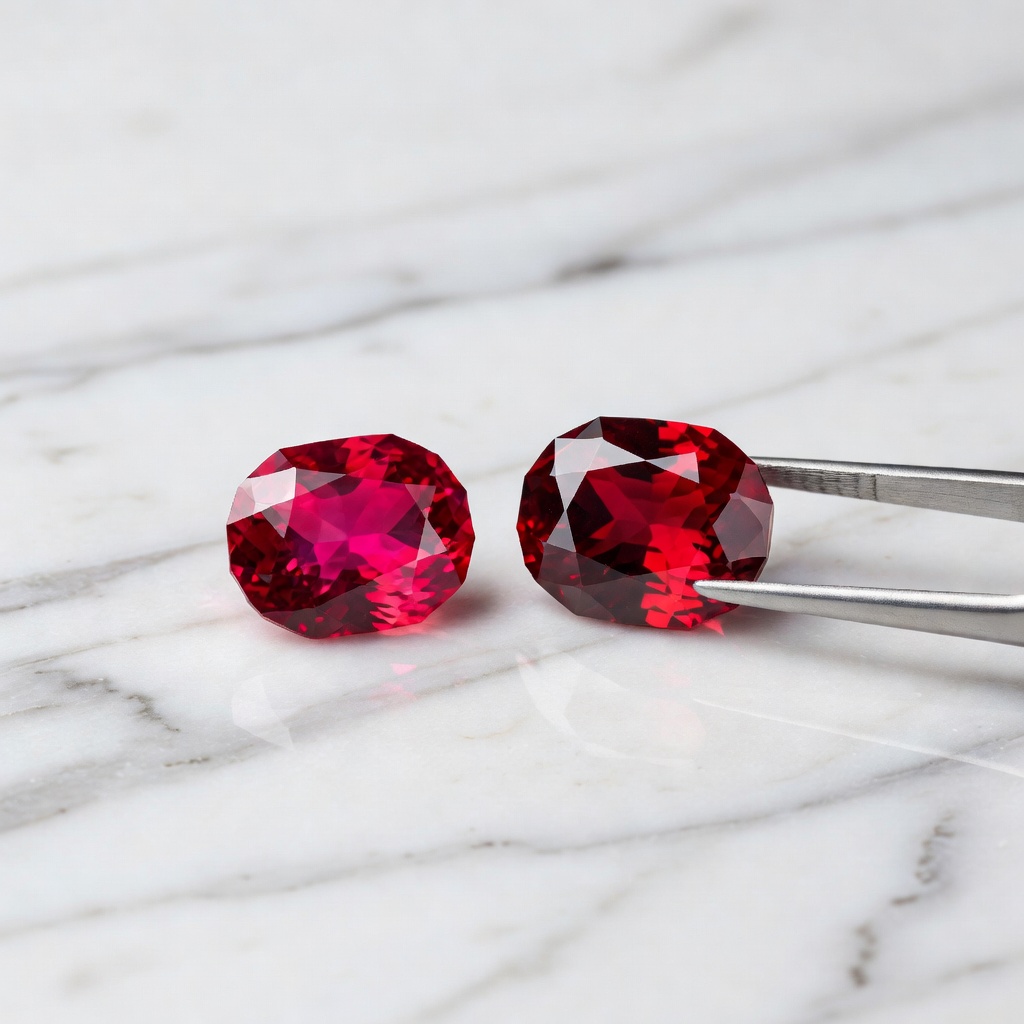
Visual similarities between medium-quality rubies and certain garnet varieties create ongoing challenges for jewelry enthusiasts and casual buyers navigating retail environments. Many red garnets, particularly pyrope and rhodolite varieties, display saturated crimson tones that closely mimic the appearance of commercial-grade rubies, especially when set in jewelry with specific lighting conditions. This confusion has historical roots dating back centuries when gemological classification systems were less sophisticated, and all red stones were often loosely categorized as "carbuncles" regardless of their actual mineral composition. Modern gemology has clarified these distinctions, yet the misconception persists because both stones can appear virtually identical to observers who lack specialized training or access to professional testing equipment.
Proper identification carries significant financial implications, as the price differential between these gemstones can span several orders of magnitude. A fine-quality Burmese ruby might command prices exceeding fifteen thousand dollars per carat, while a similarly sized garnet could retail for merely twenty to fifty dollars. This stark contrast makes accurate red gemstone identification crucial for insurance purposes, estate evaluations, and resale transactions. Furthermore, understanding these differences helps consumers align their expectations with reality, ensuring that selection criteria match intended use cases, whether for daily-wear engagement rings, occasional statement pieces, or long-term investment portfolios.
Chemical Composition and Mineral Classification
The fundamental divergence between ruby and garnet begins at the molecular level, where their distinct chemical architectures dictate everything from optical properties to durability characteristics. Ruby belongs to the corundum family, consisting primarily of aluminum oxide (Al₂O₃) with trace amounts of chromium responsible for its signature red coloration. This simple yet robust chemical formula places ruby among the most chemically stable gemstones known to science, resistant to acids and environmental degradation that might compromise other mineral species. The chromium ions replace aluminum in the crystal lattice, creating the specific absorption spectrum that produces ruby's coveted red fluorescence and pigeon blood coloration.
In contrast, garnet represents not a single mineral but rather a complex group of nesosilicate minerals sharing a common crystal structure yet varying widely in chemical composition. The general formula X₃Y₂(SiO₄)₃ accommodates numerous chemical substitutions, resulting in distinct garnet species including pyrope (magnesium aluminum silicate), almandine (iron aluminum silicate), spessartine (manganese aluminum silicate), and others. This chemical variability explains why garnets exhibit such a broad spectrum of colors, from the deep red of pyrope to the vibrant green of tsavorite and demantoid varieties. Unlike ruby's relatively uniform chemical signature, garnet's diverse composition means that two red garnets might contain entirely different dominant elements despite appearing visually similar.
These corundum vs silicate minerals distinctions create measurable differences in physical properties that gemologists exploit for identification purposes. Corundum crystallizes in the trigonal system, forming hexagonal prisms and pyramids, while garnets crystallize in the cubic system, typically producing dodecahedral or trapezohedral forms. This structural difference affects how light travels through each stone, influencing refractive indices, birefringence, and overall brilliance. Formation processes also differ significantly, with rubies typically developing in metamorphic limestone environments or alkali basaltic rocks under high temperature and pressure conditions, whereas garnets form across a wider range of geological settings from regional metamorphism to igneous crystallization.
Color Variations and Visual Characteristics
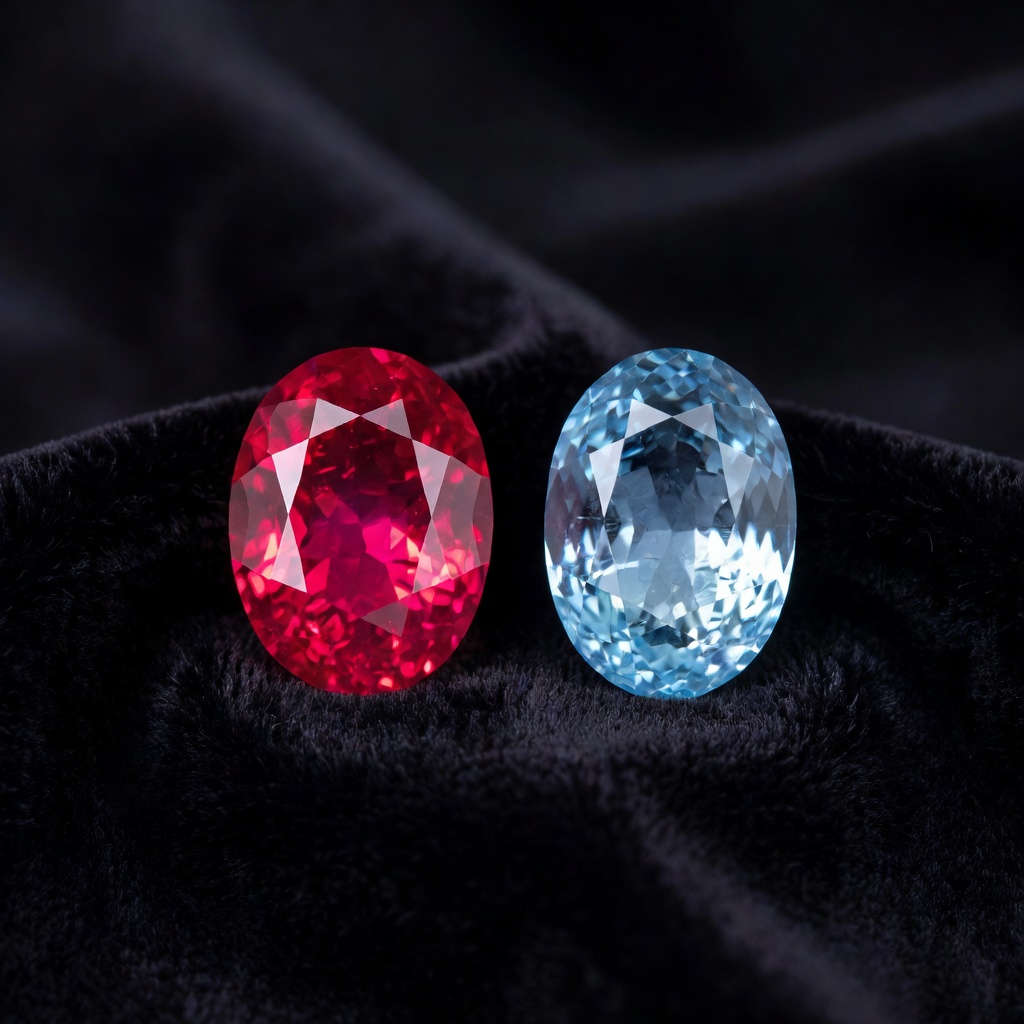
Color serves as the most immediate distinguishing factor between these red gemstones, though subtle variations require careful observation under controlled lighting conditions to appreciate fully. The legendary pigeon blood ruby vs garnet comparison reveals perhaps the most striking contrast, as true pigeon blood rubies display a pure, vivid red with a slight blue undertone that appears to glow from within the stone. This phenomenon, caused by chromium fluorescence under natural daylight, creates an almost electric quality that garnets cannot replicate regardless of quality or cut. Burmese rubies particularly exhibit this "stoplight red" saturation that remains consistent across various lighting environments, maintaining their intensity even in dim conditions where other red stones might appear black or brown.
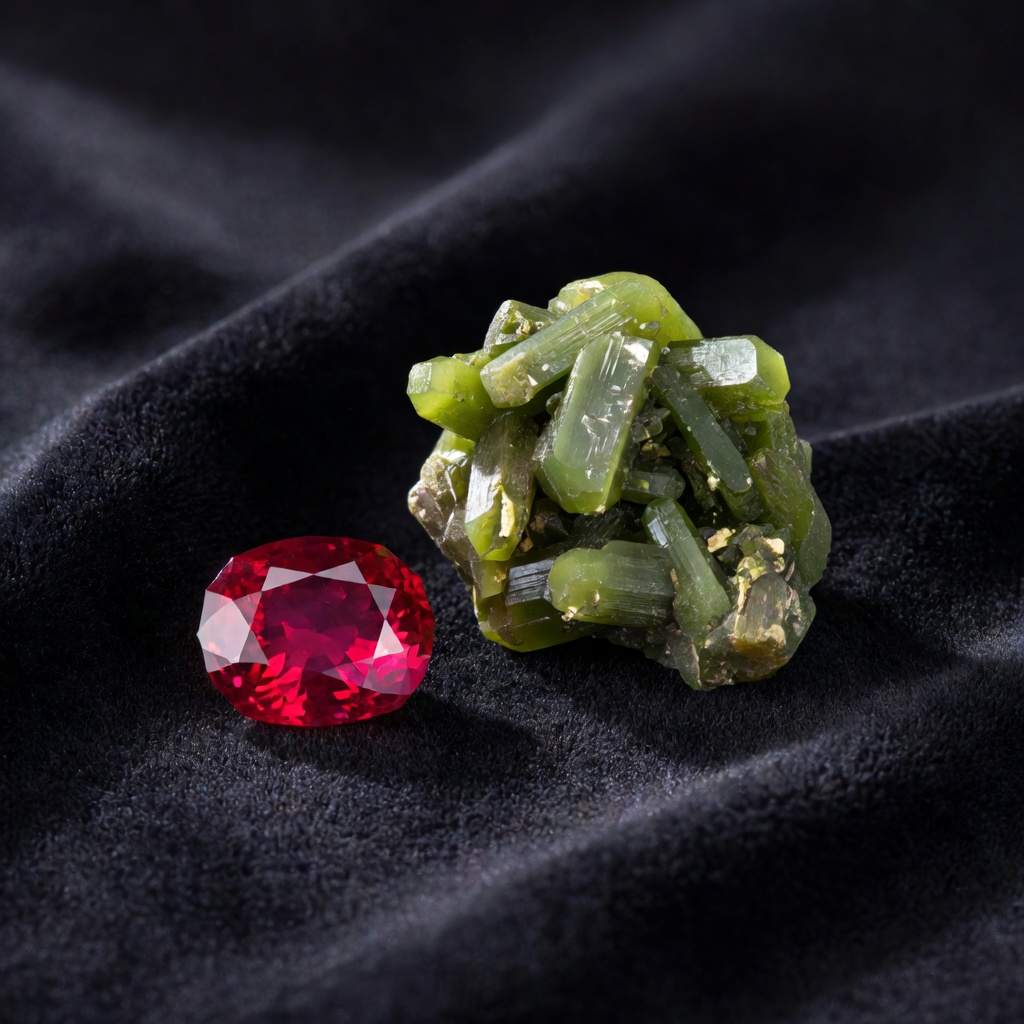
Garnets, while capable of displaying beautiful red hues, typically present different color modifiers that distinguish them from high-quality rubies. Pyrope garnets often show brownish-red or orange-red undertones, while rhodolite garnets lean toward purple-red or raspberry shades. Almandine garnets, the most common red variety, frequently exhibit darker, more brick-red tones with noticeable brown secondary hues when viewed in daylight. These color differences stem from garnet's iron and manganese content versus ruby's chromium dominance, resulting in absorption spectra that lack the blue transmission edge characteristic of fine rubies. When comparing stones side by side, garnets generally appear more subdued and earthy, whereas rubies project an internal luminosity sometimes described as "fire within the stone."
Lighting conditions dramatically affect how each gemstone presents itself to observers, creating scenarios where identification becomes particularly challenging or surprisingly simple. Under incandescent lighting, garnets often appear warmer and more orange-red, while rubies maintain their pure red character with potential blue flashes. Fluorescence testing provides definitive differentiation, as natural rubies typically fluoresce red under long-wave ultraviolet light due to chromium content, whereas garnets remain inert or show very weak fluorescence. Window testing offers another practical method: placing the stone on white paper against a window reveals that rubies transmit pure red light, while garnets often show brownish or orangeish transmission. These optical behaviors result directly from their chemical compositions and provide reliable field identification methods for gemologists and knowledgeable collectors.
Hardness, Durability and Daily Wear
When selecting jewelry intended for daily wear, understanding the gemstone hardness comparison between ruby and garnet becomes paramount for ensuring longevity and maintaining aesthetic appeal over decades of use. Ruby ranks 9 on the Mohs hardness scale, placing it second only to diamond among natural gemstones and making it exceptionally resistant to scratching from environmental dust and everyday contact. This superior hardness stems from corundum's strong atomic bonding and compact crystal structure, allowing ruby to withstand the abrasions that occur during normal activities such as typing, cooking, or handling household objects. For engagement rings and wedding bands subjected to constant wear, this durability factor often proves decisive in the selection process.
Garnet presents a more variable hardness profile depending on specific species, ranging from 6.5 to 7.5 on the Mohs scale, which places it in a vulnerable position for jewelry experiencing regular physical contact. While harder than everyday materials like steel (5.5) or glass (5.5), garnet remains susceptible to scratching from quartz dust (7) commonly found in household environments, beach sand, and urban air pollution. This relative softness means that garnet rings may develop surface scratches and lose their polish within months of daily wear, requiring professional repolishing to restore their original luster. Additionally, garnet's distinct cleavage planes and brittleness make it more prone to chipping and fracture upon impact compared to ruby's toughness and resistance to breakage.
Practical lifestyle considerations should heavily influence the choice between these gemstones for specific jewelry applications. Active individuals, healthcare workers, or those engaged in manual labor should strongly prefer ruby for rings and bracelets that encounter frequent physical stress. Garnet works beautifully for earrings, pendants, and brooches that remain relatively protected from impact, or for cocktail rings worn occasionally rather than daily. Protective setting styles, such as bezels that surround the stone with metal, can extend garnet's viability for ring wear, though even these precautions cannot overcome the fundamental hardness limitations. For heirloom-quality pieces intended to survive multiple generations, ruby's durability offers insurance against the inevitable wear that erodes softer gemstones over time.
Ruby vs Garnet Comparison Table
| Characteristic | Ruby (Corundum) | Garnet (Nesosilicate) |
|---|---|---|
| Chemical Composition | Aluminum Oxide (Al₂O₃) with Chromium | Iron/Magnesium Aluminum Silicate (varies by species) |
| Mohs Hardness | 9.0 | 6.5 - 7.5 |
| Color Range | Pigeon blood red to pinkish-red | Deep red, orange-red, purple-red, brown-red |
| Refractive Index | 1.762 - 1.778 | 1.714 - 1.888 (varies by species) |
| Specific Gravity | 3.97 - 4.05 | 3.65 - 4.30 |
| Typical Clarity | Included (silk, needles common) | Eye-clean to slightly included |
| Price Range (per carat) | $100 - $15,000+ | $20 - $500 (rare varieties higher) |
| Birthstone Month | July | January |
| Primary Sources | Myanmar, Thailand, Mozambique | India, Sri Lanka, Africa, Bohemia |
| Fluorescence | Strong red under UV | Usually inert or weak |
Clarity, Inclusions and Internal Features
Examining the internal world of these gemstones through magnification reveals distinctive inclusion patterns that serve as fingerprints for red gemstone identification and authenticity verification. Natural rubies frequently contain rutile needle inclusions, commonly referred to as "silk," which intersect at 60 and 120-degree angles creating a silk-like texture within the stone. These inclusions, while technically flaws, often prove beneficial by indicating natural origin rather than synthetic manufacture, and in some cases, they enhance the stone's appearance by diffusing light to create a velvety glow prized in Burmese specimens. Other common ruby inclusions include fingerprint patterns from partially healed fractures, crystal inclusions of minerals like spinel or apatite, and color zoning that appears as hexagonal growth bands.
Garnets generally achieve higher clarity grades than rubies, often appearing eye-clean even without magnification due to their formation processes in less chemically complex environments. When inclusions do occur in garnets, they typically manifest as rounded crystal grains, needle-like inclusions of apatite or rutile, or distinct curved striae that differ from ruby's angular silk patterns. Demantoid garnets specifically contain diagnostic horsetail inclusions composed of asbestos fibers radiating from a central point, a feature not found in any ruby variety. The relative absence of inclusions in garnet actually complicates identification for novices, as the flawless appearance might suggest a synthetic stone to those unfamiliar with garnet's naturally cleaner crystal growth.
These internal characteristics significantly affect value determination and treatment detection in both gemstone categories. In the ruby market, the presence of natural silk can actually increase value in certain contexts by proving untreated status and indicating potential for asterism (star effect), whereas heat-treated rubies often show melted or altered inclusion textures. For garnets, the clarity standards are stricter due to the stone's natural tendency toward cleanliness, meaning that heavily included garnets carry minimal value regardless of color. Advanced testing methods such as Raman spectroscopy and laser ablation inductively coupled plasma mass spectrometry (LA-ICP-MS) can analyze these inclusions chemically to determine geographic origin and detect treatments like glass filling or heat enhancement that might otherwise remain invisible to standard gemological equipment.
Price Ranges and Investment Value
The economic landscape separating these red gemstones reflects their relative rarity, cultural prestige, and durability factors, creating distinct market positions that influence collector behavior and investment strategies. Fine-quality rubies command prices ranging from $100 per carat for commercial-grade material to well over $15,000 per carat for exceptional Burmese stones exceeding five carats with pigeon blood color and minimal treatment. This pricing structure places top-tier rubies among the most valuable colored gemstones on earth, frequently surpassing diamonds of equivalent weight and occasionally approaching the value of rare colored diamonds. The investment potential of documented, untreated Burmese rubies has proven robust over decades, with prices appreciating steadily as political instability in Myanmar restricts new material from entering the market.
Garnets occupy a dramatically different price bracket, typically retailing between $20 and $500 per carat for standard varieties like pyrope and almandine, though rare demantoid and tsavorite garnets can exceed $3,000 per carat for fine specimens. This accessibility makes garnet an excellent entry point for beginning collectors or those seeking large, impressive red stones without significant financial commitment. However, the precious vs semi-precious red stones distinction becomes apparent when considering resale markets, where garnets generally depreciate from retail prices rather than appreciate like investment-grade rubies. The abundance of garnet deposits worldwide ensures steady supply, preventing the scarcity-driven price increases that characterize the fine ruby market.
Several critical factors drive value determination beyond basic species identification, requiring sophisticated evaluation skills to navigate effectively. For rubies, origin significantly impacts pricing, with Mogok Valley (Myanmar) specimens commanding premiums over Thai, Cambodian, or Mozambique material due to historical prestige and superior fluorescence. Treatment status represents another major value determinant, as untreated rubies might cost ten times more than heat-treated equivalents, whereas clarity-enhanced rubies filled with glass or lead-based compounds hold minimal investment value. Size thresholds create exponential price jumps in rubies, with stones over three carats becoming exponentially rarer and more valuable, while garnet prices increase more linearly with weight. For investors prioritizing liquidity and long-term appreciation, certified unheated Burmese rubies offer the strongest potential, while garnets serve better as wearable assets for immediate enjoyment rather than financial instruments.
Geographic Origins and Mining Sources
The journey from earth to jewelry box reveals fascinating geographical distinctions that influence both the physical characteristics and market valuations of these crimson gemstones. Premium rubies historically emanate from the Mogok Valley in Myanmar (formerly Burma), where marble-hosted deposits have produced the world's most coveted pigeon blood specimens for over eight centuries. These Burmese stones benefit from low iron content in their host rock, allowing chromium's red fluorescence to manifest fully without the iron quenching effect seen in other deposits. Thailand and Cambodia contribute significant quantities of rubies, though these typically contain higher iron levels resulting in darker, more garnet-like colors with less fluorescence, while Mozambique has emerged as a major modern source producing large, clean stones that challenge traditional Burmese dominance in the fine jewelry market.
Garnet deposits span virtually every continent, reflecting the mineral group's geological ubiquity and chemical adaptability to diverse formation environments. India remains historically significant, particularly for producing the deep red pyrope garnets known as "Cape rubies" during the Victorian era, while Sri Lanka (Ceylon) yields fine rhodolite and hessonite varieties. The Bohemian region of the Czech Republic provided the classic pyrope garnets popular in nineteenth-century European jewelry, characterized by their intense red color and excellent clarity. Modern mining focuses heavily on African sources, with Tanzania producing exceptional tsavorite and rhodolite, Madagascar yielding various species, and Namibia and Mali contributing to the global supply of grossular and andradite garnets.
Origin documentation carries substantial weight in Ruby vs Garnet valuation, particularly for rubies where provenance can multiply value several times over. Gemological laboratories such as GIA, Gübelin, and SSEF provide origin reports based on inclusion patterns, trace element chemistry, and spectroscopic data, with Burmese origin certificates adding significant premiums to auction results. For garnets, origin matters less except for rare varieties like Russian demantoid or Tanzanian tsavorite, where specific localities produce distinctive colors or inclusions that collectors prize. Ethical sourcing concerns have increasingly influenced both markets, with consumers demanding transparency about mining conditions and environmental impact, particularly regarding Burmese rubies where military junta associations have created complex trade restrictions and moral considerations for conscientious buyers.
Birthstone Significance and Symbolism
Beyond their physical properties and monetary values, these gemstones carry rich cultural narratives that have evolved over millennia, influencing their selection for commemorative jewelry and personal talismans. The July birthstone vs January birthstone comparison highlights ruby's association with the height of summer, embodying passion, vitality, and the intense energy of the season's peak. Ancient Sanskrit texts referred to ruby as "ratnaraj" or "king of precious stones," believing that its internal fire could boil water or melt wax, while medieval Europeans wore rubies to guarantee health, wealth, wisdom, and success in love. This royal connection persisted through modern history, with rubies adorning the British Crown Jewels and featuring prominently in the collections of Indian Maharajas who considered them protective talismans against evil and harbingers of peace.
Garnet, as January's birthstone, carries equally potent symbolism rooted in friendship, trust, and protection during travel. The name derives from the Latin "granatus" meaning seed-like, referencing the stone's resemblance to pomegranate seeds, a connection that inspired Greek mythology linking garnets to Persephone's annual return from the underworld and the cyclical renewal of seasons. Victorian-era jewelry frequently incorporated garnets as symbols of fidelity and enduring affection, while Native American cultures and various African traditions utilized red garnets for medicinal purposes and as protective amulets during journeys. The stone's historical use by crusaders and travelers as a safeguard against accidents and nightmares established its reputation as a "stone of safe return," making it particularly meaningful for gift-giving between separated loved ones.
Metaphysical practitioners attribute distinct energetic properties to each stone that influence their use in crystal healing and spiritual practices. Ruby resonates with the base chakra and heart chakra simultaneously, believed to stimulate life force energy, enhance courage, and promote leadership qualities while clearing emotional blockages related to passion and vitality. Garnet, conversely, focuses on grounding and regenerative energy, associated with the root chakra and believed to boost survival instincts, enhance sexuality, and revitalize feelings of joy and hope. While scientific evidence does not support these healing claims, the psychological impact of wearing stones with such rich historical associations should not be underestimated, as the placebo effect and personal belief systems can create genuine subjective benefits for wearers who connect with these ancient narratives.
Practical Identification Methods
For consumers and collectors seeking to distinguish between these red gemstones without laboratory equipment, several field-tested techniques provide reliable differentiation when performed carefully. Visual inspection begins with observing the stone's brilliance and fire under natural daylight: rubies typically display a more subdued luster with internal glow rather than high brilliance, while garnets often show higher dispersion (fire) with rainbow flashes more commonly associated with diamond. Examining the stone through its table facet toward a white light source reveals color transmission differences, with rubies showing pure red transmission and garnets transmitting more orange or brown wavelengths. The "paper test" involves placing the stone facet-down on printed text; rubies with their higher refractive index often make text appear more distorted and unreadable compared to garnets, though this method requires practice and comparison stones for calibration.
Physical testing offers additional confirmation methods accessible to cautious collectors willing to handle stones carefully. The specific gravity difference means that ruby feels noticeably heavier than garnet of equivalent size when held in the hand, a phenomenon particularly apparent in larger stones over three carats. Hardness testing, while potentially destructive if performed aggressively, can utilize the streak test principle where ruby will scratch glass and garnet plates without damage, whereas garnet may struggle to scratch harder materials or may itself become scratched by quartz-based dust. Thermal conductivity testing using simple probes can distinguish between these stones, as ruby conducts heat differently than garnet, though this requires specialized equipment beyond basic household tools.
Professional gemological evaluation remains the gold standard for definitive identification, employing sophisticated instrumentation to measure refractive index, birefringence, specific gravity, and spectroscopic absorption patterns. A refractometer reading of 1.762-1.778 indicates corundum (ruby), while garnet readings vary by species but generally fall outside this range with singly refractive characteristics that immediately distinguish cubic garnet from doubly refractive corundum. Spectroscopic analysis provides the most conclusive evidence, with rubies showing distinct chromium absorption lines at 694.2 nm (the "ruby line") and 668 nm, while garnets display iron-related absorption bands in different spectral regions. For those how to tell ruby from garnet conclusively, submitting stones to accredited laboratories like GIA or AGS for comprehensive reports represents the only method to detect treatments, synthetics, and simulants that increasingly complicate the modern gemstone market.
Making the Right Choice for Your Jewelry
Selecting between these magnificent red gemstones requires honest assessment of budget constraints, lifestyle demands, and aesthetic preferences to ensure lasting satisfaction with your purchase. Budget-conscious buyers seeking large, impressive red center stones for occasional wear jewelry will find exceptional value in garnets, which offer substantial visual impact at fractions of ruby prices. A five-carat fine rhodolite garnet might cost $500, whereas a comparable sized ruby of even modest quality could command $50,000 or more, making garnet the pragmatic choice for fashion jewelry and pieces where color rather than investment value takes priority. However, those seeking engagement rings or heirloom pieces intended for daily wear across generations should prioritize ruby despite the higher initial cost, as its superior durability ensures the stone will survive decades of wear without significant degradation.
Lifestyle factors heavily influence this decision matrix, particularly regarding occupation, hobbies, and wearing habits. Medical professionals, construction workers, or athletes should avoid garnet rings entirely due to the high probability of impact damage, whereas office professionals might safely wear garnet jewelry with appropriate care and occasional removal during strenuous activities. Climate considerations also play a role, as garnets in hot, dry environments may become electrostatically charged and attract dust more readily than rubies, potentially accelerating surface wear. For collectors building investment portfolios, allocating resources toward certified, untreated Burmese rubies over one carat offers better long-term appreciation potential than assembling collections of even fine garnets, though diversity in any gemstone portfolio should include some garnet specimens for educational and aesthetic completeness.
Final recommendations in this Ruby vs Garnet buying guide emphasize matching stone selection to specific jewelry applications and personal value systems. Choose ruby for engagement rings, daily wear bands, and investment pieces where durability and prestige outweigh cost considerations. Select garnet for earrings, pendants, brooches, and cocktail rings where the stone remains protected from impact and the wearer prioritizes size and color intensity over hardness. Consider hybrid approaches such as ruby center stones with garnet accents for multi-gemstone designs that capture the best qualities of both materials. Regardless of selection, always demand full disclosure of treatments, request laboratory certification for significant purchases, and buy from reputable dealers who provide return policies and educational support to ensure your crimson treasure brings joy for years to come.
Frequently Asked Questions
Is garnet just a cheaper version of ruby?
No, garnet is a completely different mineral species from ruby. While both can appear red, garnet is a silicate mineral while ruby is corundum. Garnet is generally more affordable due to greater abundance, but high-quality demantoid or tsavorite garnets can actually cost more than low-quality rubies. The price difference reflects fundamental differences in rarity, hardness, and cultural prestige rather than simple substitution value.
How can I tell if my red gemstone is a ruby or garnet at home?
Examine the stone under bright light—rubies often show a fluorescence glow and deeper primary red with secondary blue or purple hues, while garnets tend toward brownish-red or orange-red tones. Rubies also feel heavier due to higher specific gravity, and garnets will scratch more easily (Mohs 6.5-7.5 vs ruby's 9). The paper test, where you view text through the stone, can also help, as ruby's higher refractive index creates more distortion than garnet.
Which is better for an engagement ring, ruby or garnet?
Ruby is generally better for daily-wear engagement rings due to its superior hardness (9 on Mohs scale) and excellent durability. Garnet (6.5-7.5 Mohs) is softer and more prone to scratching and chipping with daily wear, though it can work for occasional-wear rings with protective settings. If choosing garnet for an engagement ring, select a bezel setting that surrounds the stone with metal and remove the ring during physical activities.
Do rubies and garnets have the same healing properties?
While both are associated with vitality and energy, they have distinct metaphysical properties. Ruby is linked to passion, courage, and heart energy, often called the 'stone of nobility.' Garnet is associated with grounding, protection, and regeneration, traditionally carried by travelers for safety. Ruby resonates with the heart and base chakras, while garnet primarily connects to the root chakra, making their energetic profiles complementary rather than identical.
Can a garnet scratch a ruby?
No, garnet cannot scratch ruby. On the Mohs hardness scale, ruby ranks 9 while garnet ranks 6.5-7.5. A mineral can only scratch something with an equal or lower hardness rating. Ruby can easily scratch garnet, which is why ruby is preferred for high-contact jewelry. This hardness differential also means that storing these stones together risks damage to the garnet, so they should be kept in separate compartments.
Are there red garnets that look exactly like rubies?
Some pyrope and rhodolite garnets can closely resemble medium-quality rubies with their vivid red color, but trained gemologists can distinguish them by examining brilliance, dispersion, and inclusions. Ruby typically shows stronger fluorescence and a more pure red tone, while similar garnets often display browner secondary hues. Under magnification, ruby's rutile needle inclusions differ significantly from garnet's crystal inclusions, providing definitive identification markers.
Which stone is rarer, ruby or garnet?
High-quality rubies are significantly rarer than garnets. While garnet is a common mineral found in many locations worldwide, gem-quality rubies—especially those over one carat with fine color and clarity—are among the rarest colored gemstones, often commanding higher prices than diamonds of similar size. Fine untreated Burmese rubies over five carats are exceptionally rare and appear at auction only occasionally, whereas fine garnets of similar size, while beautiful, remain relatively accessible in the marketplace.