Ruby vs Fire Opal: Understanding Fiery Gemstones
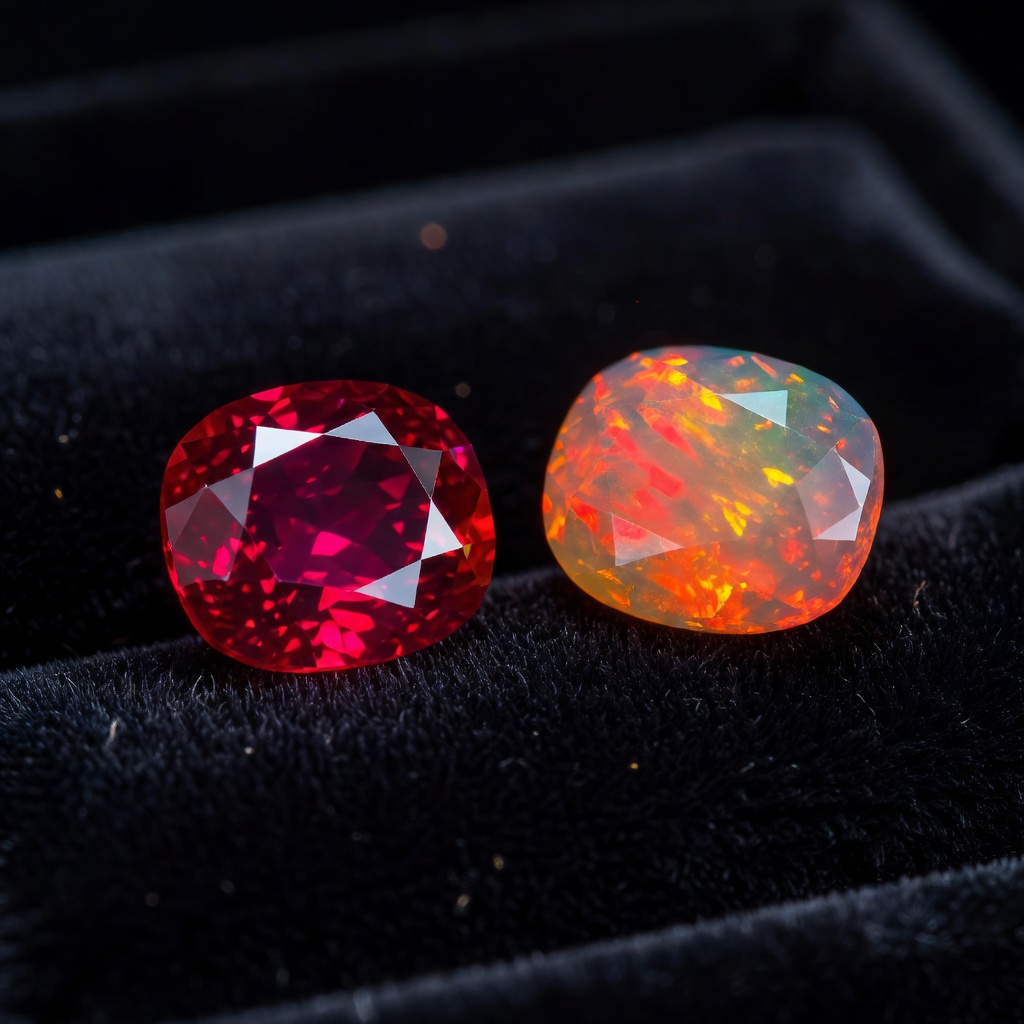
When searching for gemstones that capture the essence of flame and passion, collectors and jewelry enthusiasts frequently find themselves comparing ruby vs fire opal as their top contenders. Both stones command attention with their intense warm color palettes, ranging from deep crimson to blazing orange, making them popular choices for statement rings, pendants, and ceremonial jewelry. However, beneath their similar fiery appearances lie fundamental differences in mineral structure, durability, and value that significantly impact how these gems perform in everyday wear. Understanding these distinctions ensures that your investment aligns with both your aesthetic desires and practical lifestyle requirements, whether you seek a family heirloom or a fashion-forward accessory.
Consumers often gravitate toward these stones when they desire alternatives to traditional diamonds, seeking something that conveys personality and boldness. The choice between these red gemstones typically hinges on whether you prioritize ultimate durability and investment potential or prefer unique optical phenomena and accessible luxury. While both gems photograph beautifully and complement warm metal settings, their performance diverges dramatically under daily wear conditions, making this red gemstone comparison essential for informed decision-making.
Geological Origins and Mineral Composition
The fundamental distinction between these fiery gems begins at the molecular level, where corundum vs opal presents two radically different crystalline structures. Ruby belongs to the corundum family, consisting of aluminum oxide (Al₂O₃) that crystallizes in a hexagonal system under extreme heat and pressure deep within the Earth's crust, typically requiring temperatures exceeding 800 degrees Celsius. These formation conditions create one of the hardest natural substances available for jewelry, with chromium impurities responsible for the signature red coloration that defines fine specimens.
Fire opal, conversely, forms from hydrated silicon dioxide (SiO₂·nH₂O) in volcanic environments where silica-rich water seeps into cavities and slowly evaporates, leaving behind amorphous silica deposits with water content ranging from 3% to 21%. This unique formation process occurs in the cavities of ancient volcanic flows, particularly in regions with significant geothermal activity, resulting in the gelatinous appearance and light-diffusing properties that characterize Mexican fire opal properties. Unlike ruby's rigid crystalline lattice, fire opal's molecular structure remains amorphous, which directly impacts both its optical performance and physical vulnerability.
Primary mining locations for rubies include the Mogok Valley in Myanmar (formerly Burma), which produces the legendary pigeon blood specimens, alongside significant deposits in Thailand, Madagascar, Mozambique, and Sri Lanka. Fire opal sources center predominantly on Mexico, specifically the states of Querétaro and Jalisco, where volcanic activity created ideal formation conditions millions of years ago. Ethiopian and Australian deposits also yield significant quantities, though Mexican material typically commands premium prices due to its superior transparency and saturation.
Practical Tip: Verifying Origin Claims
When purchasing either gemstone, request documentation regarding geographic origin from reputable dealers, as Burmese rubies and Mexican fire opals often command 20-40% price premiums over stones from other localities. Laboratory certificates from recognized institutions like GIA or AGL can verify these claims and detect treatments that might affect value, ensuring you pay appropriate prices for authentic, high-quality material rather than misrepresented substitutes.
Color Characteristics and Visual Appeal
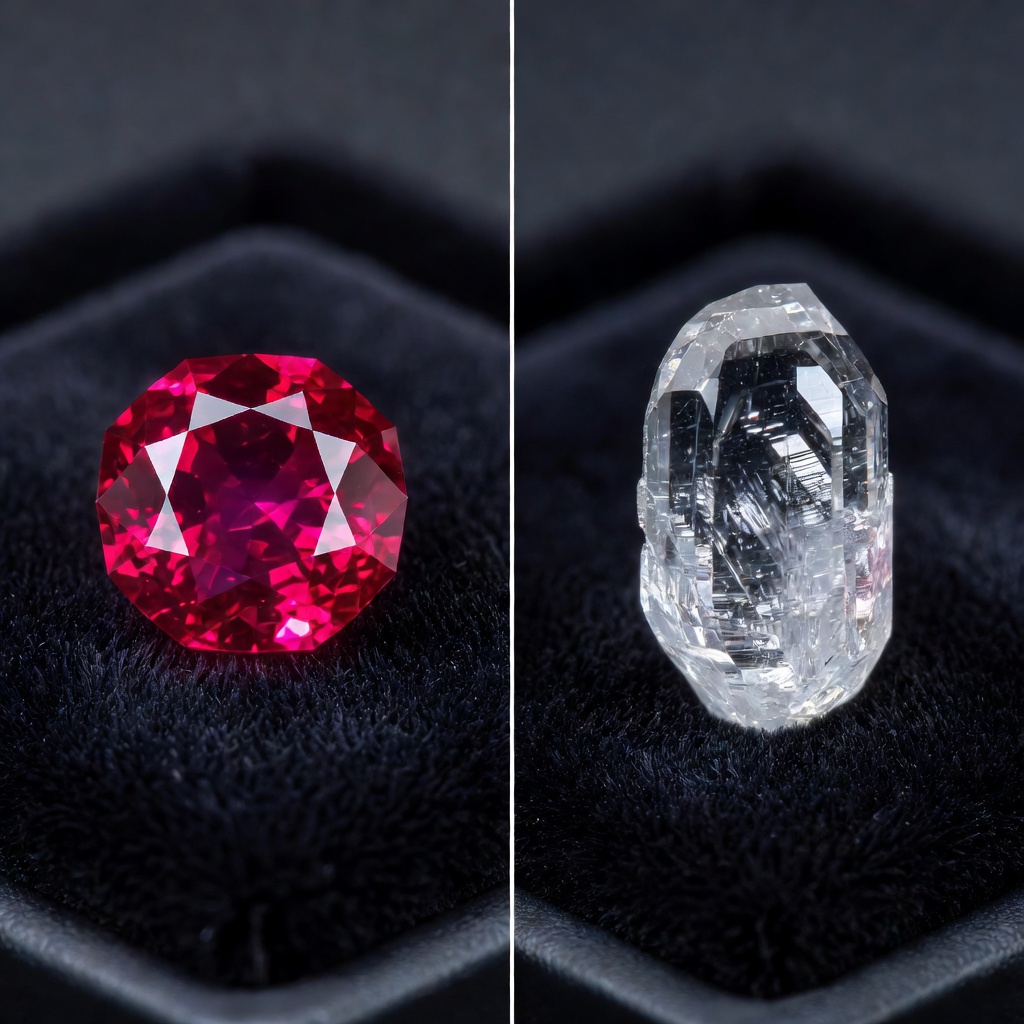
Color evaluation stands as the primary value determinant for both gemstones, though they exhibit distinctly different optical personalities that appeal to varying aesthetic sensibilities. The pigeon blood ruby represents the pinnacle of ruby color grading, describing stones that display pure, vivid red with a slight hint of blue, reminiscent of the arterial blood of a freshly killed pigeon—a grisly but historically accurate comparison used by Burmese traders. These exceptional stones appear to glow from within under natural daylight, maintaining saturation without the brownish or purplish overtones that diminish lesser qualities.
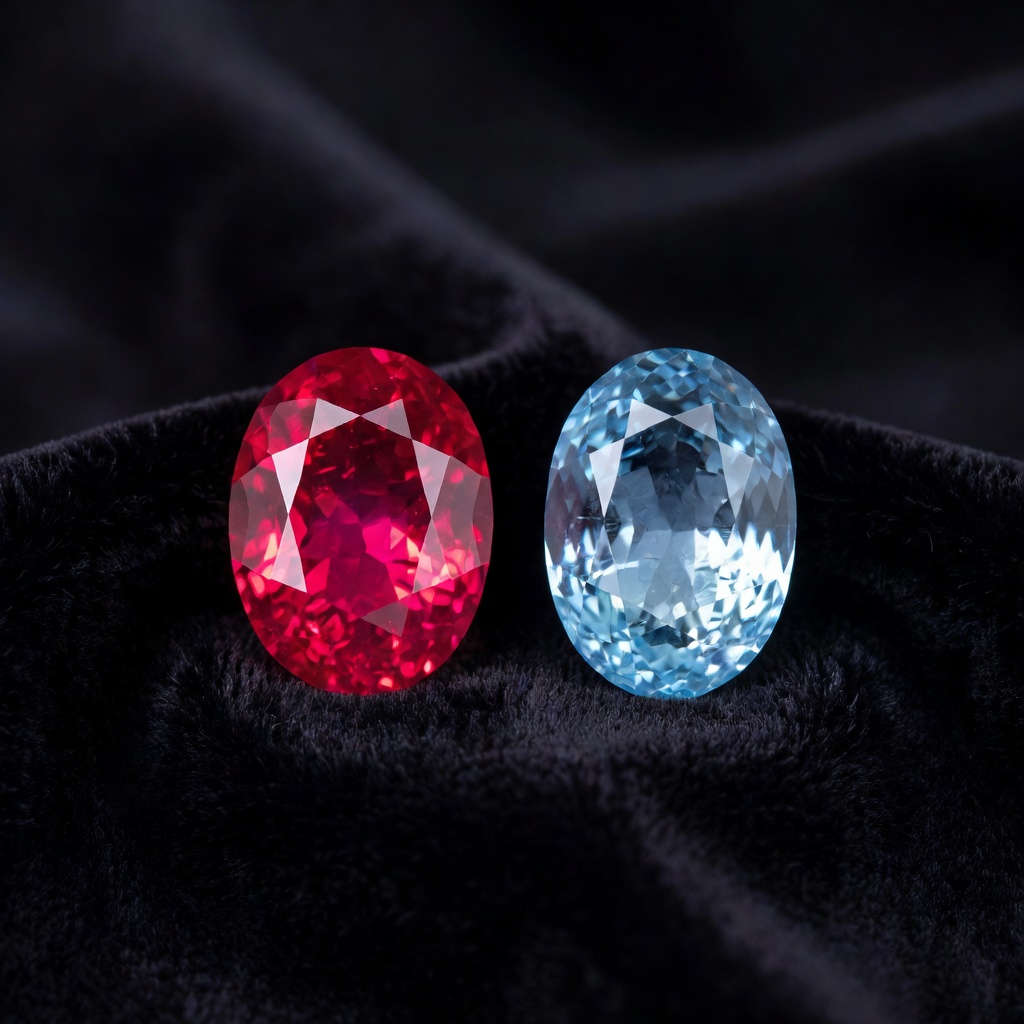
Fire opal occupies a broader color spectrum, ranging from translucent yellow and honey orange to deep reddish-orange and occasionally cherry red, with the most valuable specimens displaying intense saturation without brownish masking tones. Unlike common opal varieties, fire opal may or may not display play-of-color—the flashes of rainbow hues caused by light diffraction through silica spheres—with transparent Mexican material often exhibiting pure body color without additional optical effects. Understanding fire opal color grades helps buyers recognize that while orange-red stones traditionally command higher prices, the rare cherry-red transparent fire opals from Mexico can rival lower-grade rubies in visual impact at significantly lower price points.
Lighting conditions dramatically affect how these stones present themselves to the viewer, with rubies generally maintaining their color consistency across various light sources due to their crystalline nature and chromium content. Fire opals, however, can appear dramatically different under incandescent versus natural lighting, often showing more yellow tones indoors and burning with intense orange-red fire in sunlight, a characteristic that makes them particularly captivating for outdoor events and daytime wear.
Case Study: The Sunset Pendant Design
A jewelry designer in Santa Fe created a bestselling pendant collection pairing a 3-carat pigeon blood ruby with a 5-carat Mexican fire opal to represent sunset transitions, demonstrating how these stones complement each other despite their differences. The ruby provided consistent deep red anchoring at the pendant's base, while the fire opal above it shifted from amber to blazing orange depending on the wearer's movement and lighting, creating a dynamic piece impossible to achieve with either stone alone.
Durability and Hardness Comparison
Understanding fire opal durability versus ruby toughness proves essential when selecting jewelry intended for daily wear or occasional use, as these metrics determine resistance to scratching, chipping, and environmental damage. Ruby ranks 9 on the Mohs hardness scale, making it second only to diamond in terms of scratch resistance, while fire opal durability measures between 5.5 and 6.5, comparable to glass or steel, meaning it can be scratched by everyday objects like household dust (which often contains silica particles). This significant red gemstone hardness comparison reveals why rubies function excellently in engagement rings and bracelets exposed to constant contact, whereas fire opals require protective consideration.
Beyond hardness, toughness—the resistance to breaking and chipping—differs substantially between these materials, with ruby possessing excellent toughness due to its crystalline structure lacking cleavage planes that would encourage fracturing. Fire opals display poor to fair toughness because their amorphous structure contains microscopic water content and internal stress patterns that can lead to crazing (surface cracking) or complete fracture upon impact or temperature changes. This brittleness means that a fire opal ring worn while gardening, cleaning, or exercising faces significant risk of damage, whereas ruby withstands such activities with minimal concern.
Practical implications extend to jewelry setting choices, with ruby accommodating any setting style including high-profile prongs that expose maximum light to the stone, while fire opals demand protective bezel settings or halo designs that shield the girdle edges from impact. For active professionals or those with manual hobbies, ruby offers peace of mind that fire opal cannot match, though fire opal remains suitable for pendants, earrings, and occasional-wear rings where contact risks remain minimal.
Warning Signs of Damage
Regularly inspect fire opals for milkiness or white lines indicating dehydration or incipient cracking, particularly if stored in dry climates or low-humidity environments like heated homes during winter. Rubies require less vigilant monitoring but should be checked for loose prongs or chips along girdle edges after significant impacts, as even hard stones can fracture if struck at vulnerable angles.
Pricing, Rarity, and Investment Value
The financial investment required for these gemstones varies by orders of magnitude, with ruby gemstone value historically positioning fine specimens among the most expensive colored stones per carat in the world. Exceptional untreated Burmese rubies exceeding five carats can command $100,000 or more per carat at auction, while commercial-quality heated rubies might range from $1,000 to $15,000 per carat depending on color saturation and clarity. Fire opal price per carat remains significantly more accessible, with fine Mexican material typically ranging from $50 to $500 per carat, and commercial grades available for $20 to $100 per carat, making them attainable for younger collectors or those building jewelry wardrobes on moderate budgets.
Treatment considerations substantially affect valuation for both stones, as the majority of rubies on the market undergo heat treatment to improve color and clarity—a permanent and accepted practice that should be disclosed but does not drastically diminish value unless misrepresented as untreated. Fire opals sometimes undergo smoking (treatment with sugar or acid to darken body color) or dyeing to enhance apparent saturation, treatments that significantly reduce value compared to natural color and may be unstable over time. Untreated natural rubies of fine quality remain exponentially rarer than untreated fine fire opals, contributing to the massive price disparity and stronger investment potential for high-end ruby specimens.
Long-term value retention favors ruby as an heirloom asset, with historical price appreciation outpacing inflation and economic downturns due to consistent demand from Asian markets and limited new discoveries of fine material. Fire opals, while beautiful, function better as wearable art than investment vehicles, as their relative abundance and fragility limit secondary market demand compared to the eternal appeal of fine corundum.
Budget Maximization Strategy
For collectors with $5,000 to spend, consider purchasing a smaller, high-quality Burmese ruby (0.75-1 carat) with excellent color rather than a larger, lower-quality stone, as color drives ruby value more than size. Alternatively, this budget acquires an exceptional 10-15 carat Mexican fire opal with museum-quality transparency and saturation, offering impressive visual presence despite lower intrinsic investment value.
Symbolism, Birthstones, and Cultural Significance
The metaphysical and cultural associations of these stones span millennia, with the July vs October birthstone distinction representing only the surface of their rich symbolic histories. Ruby has served as the "King of Gems" in Sanskrit texts and Hindu culture, associated with the sun, royalty, and the power of life itself, believed to protect warriors in battle and ensure harmony in romantic relationships. Medieval Europeans wore rubies to guarantee health, wealth, wisdom, and success in love, while Burmese warriors implanted rubies into their flesh to render themselves invincible in combat.
Fire opal meaning centers on creativity, passion, and personal power, with Mexican and Central American cultures treasuring these stones long before European contact, using them in ceremonial mosaic work and believing they embodied the spirit of fire gods. As the modern October birthstone alongside tourmaline, opal (including fire varieties) symbolizes hope, innocence, and purity, though some superstitions historically associated opals with bad luck—myths largely debunked and overcome by modern appreciation for their unique beauty. The fire opal specifically resonates with artists and creative professionals who seek stones that inspire innovation and emotional expression.
In energy work and crystal healing practices, ruby stimulates the root chakra, grounding energy and enhancing vitality, sexual energy, and leadership qualities, making it popular among executives and those seeking career advancement. Fire opal aligns with the sacral and solar plexus chakras, promoting emotional release, creative fertility, and the courage to pursue one's authentic path, often recommended for those undergoing major life transitions or artistic blocks.
Cultural Wedding Traditions
In contemporary non-traditional wedding ceremonies, couples increasingly select rubies for 40th anniversary celebrations (ruby anniversaries) or as engagement stones representing passionate commitment, while fire opals appeal to autumn brides seeking October birthstone connections or Mexican heritage celebrations where the stone holds particular cultural resonance.
Jewelry Design Applications and Settings
Engagement ring suitability diverges sharply between these stones, with ruby engagement rings representing a time-tested choice worn by celebrities and royalty including Jessica Simpson and Queen Elizabeth II, offering durability for daily wear over decades. The exceptional hardness of ruby allows for delicate prong settings, tension mounts, and intricate pave work without risking stone damage during setting or daily wear. Fire opals require more careful consideration for bridal jewelry, as precious opal jewelry settings must incorporate protective bezels, partial rub-over settings, or substantial halos that shield the stone's edges while still allowing light penetration.
Metal pairing recommendations consistently favor warm tones for both stones, with yellow gold and rose gold enhancing the warm undertones of ruby and complementing the orange-red spectrum of fire opal exquisitely. White gold or platinum settings create striking contrast with ruby's red body color but may make fire opals appear washed out or emphasize any yellow tones present in the stone. For fire opals specifically, closed-back settings with reflective metal behind the stone can enhance apparent brightness and color saturation, compensating for lighter body colors.
Best jewelry types for fire opals include pendants and earrings that experience minimal physical contact, allowing the stone's delicate beauty to be displayed without risking damage from desk work or hand impacts. Brooches and cocktail rings worn only for special occasions also suit fire opal well, while ruby accommodates every jewelry category including tennis bracelets, stackable rings, and heavy link bracelets that would destroy softer gemstones.
Design Innovation: The Protective Bezel
Contemporary designers have revolutionized fire opal rings by creating "floating bezel" settings where a thin rim of metal protects the girdle while maintaining the illusion of a prong-set stone, using platinum or high-karat gold for strength without bulk. These designs often incorporate hidden galleries that allow air circulation, preventing moisture buildup that could damage the opal while providing structural support that reduces fracture risks during accidental impacts.
Care, Cleaning, and Maintenance Requirements
Proper maintenance protocols differ radically between these gemstones, with ruby maintenance allowing for aggressive cleaning methods that would destroy fire opals. Rubies tolerate ultrasonic cleaners and steam cleaning when they lack significant inclusions or fractures, making professional cleaning straightforward and effective for removing accumulated lotions and environmental grime. How to clean fire opal requires extreme gentleness: room-temperature water with mild phosphate-free soap, soft microfiber cloths, and absolutely no ultrasonic vibrations, steam, or chemical solvents that could dehydrate the stone or exploit existing fractures.
Storage requirements present particular challenges for fire opal owners, as these stones contain significant water content that can evaporate in dry climates or heated indoor environments, leading to crazing and loss of transparency. Store fire opal jewelry in soft cloth pouches with a small piece of moistened cotton (not touching the stone) inside a sealed plastic bag to maintain humidity levels, or use specialized jewelry boxes with humidity controls. Rubies face no such restrictions, storing safely in standard jewelry boxes, though they should be kept separate from diamonds that could scratch them or from softer gems that ruby might damage.
Professional maintenance schedules should include annual inspections for loose settings regardless of stone type, but fire opals benefit from biannual checks by jewelers familiar with opal care who can assess for early signs of dehydration or structural stress. Remove fire opal rings before applying hand sanitizer, lotions, or household cleaners, as chemical absorption can permanently alter the stone's appearance, whereas ruby remains chemically inert to most substances encountered in daily life.
Emergency Care Protocol
If a fire opal becomes dry or shows surface cracks, immediately place it in distilled water for several hours followed by storage in mineral oil for 24-48 hours, then consult a gemologist specializing in opals—though recovery is not guaranteed, prompt action may prevent further deterioration. For rubies showing dullness, a simple polishing cloth often restores brilliance without requiring professional intervention.
How to Choose Between Ruby and Fire Opal
Selecting between these magnificent stones requires honest lifestyle assessment and priority clarification, as choosing ruby or fire opal impacts not only your wallet but your daily routines. Active individuals who never remove their jewelry—gardeners, fitness enthusiasts, medical professionals who wash hands constantly, or parents of young children—should gravitate toward ruby for its resilience against physical and chemical abuse. Those with sedentary office jobs who appreciate changing their jewelry daily and desire something unique for social occasions may find fire opal's distinctive beauty worth the extra care requirements.
Budget considerations allow for different strategies at various price points, with $1,000 purchasing a modest but genuine ruby under one carat or a spectacular 5-8 carat fire opal with exceptional clarity and color. If maximizing visual size and impact matters more than long-term durability or investment potential, fire opal delivers extraordinary presence per dollar spent. However, if you view fine jewelry as generational wealth transfer or require something that will look identical in fifty years as it does today, ruby's stability justifies the premium investment.
Personal aesthetic preferences ultimately guide the decision, as these stones offer fundamentally different optical experiences: ruby provides opaque to translucent vitreous luster with solid, consistent coloration that anchors a jewelry piece with gravitas and classic elegance. Fire opal offers translucent to transparent glow with potential play-of-color, creating ethereal, light-filled pieces that shift and dance with movement, appealing to those who prefer organic, bohemian, or artistic expressions over traditional luxury.
Decision Matrix for Buyers
Create a simple scoring system weighing factors on a 1-10 scale: daily wear needs (ruby wins), budget constraints (fire opal wins), investment importance (ruby wins), uniqueness preference (fire opal wins), and color preference for red vs orange. If ruby scores higher in your top three priorities, select corundum; if fire opal aligns better with your lifestyle and aesthetic values, embrace the opal with appropriate care protocols.
Ruby vs Fire Opal: Quick Comparison Guide
| Characteristic | Ruby | Fire Opal |
|---|---|---|
| Mohs Hardness | 9 (Excellent for daily wear) | 5.5-6.5 (Requires protection) |
| Mineral Composition | Corundum (Aluminum Oxide) | Hydrated Silicon Dioxide |
| Best Setting Style | Prong, Bezel, or Tension | Protective Bezel or Halo only |
| Price Range (Per Carat) | $1,000 - $100,000+ | $20 - $500 |
| Ideal For | Engagement rings, Heirlooms, Daily wear | Pendants, Earrings, Occasional rings |
| Birthstone Month | July | October |
| Primary Luster | Vitreous (Glass-like) | Resinous to Waxy |
| Light Performance | Consistent color, High brilliance | Body color + potential play-of-color |
| Cleaning Method | Ultrasonic, Steam, or Soap | Mild soap and water only |
| Primary Sources | Myanmar, Thailand, Madagascar | Mexico, Ethiopia, Australia |
Frequently Asked Questions
Is fire opal as valuable as ruby?
No, fire opal is generally significantly less expensive than ruby. While high-quality Mexican fire opals can command $100-$500 per carat, fine pigeon blood rubies often exceed $10,000-$100,000 per carat. Rubies are one of the 'big three' colored gemstones with historically higher investment value and rarity.
Can I wear fire opal every day like ruby?
Fire opal is not recommended for daily wear, especially in rings, due to its 5.5-6.5 Mohs hardness and relative brittleness. Ruby, with a hardness of 9 and excellent toughness, is suitable for daily wear including engagement rings. If you choose fire opal for daily wear, select protective bezel settings and remove during physical activities.
Which is better for an engagement ring, ruby or fire opal?
Ruby is the better choice for engagement rings due to its superior durability (9 on Mohs scale) and resistance to scratching and chipping. Fire opal requires careful handling and protective settings, making it better suited for pendants or earrings, or engagement rings only for those committed to gentle wear and regular maintenance.
Do rubies and fire opals look similar?
While both exhibit warm red-orange tones, they look quite different upon close inspection. Rubies are typically opaque to translucent with a vitreous luster and pure red color. Fire opals are transparent to translucent with a gelatinous luster and often display yellow-orange body color; some exhibit 'play-of-color' (flash of rainbow colors) that rubies never show.
Why is ruby more expensive than fire opal?
Rubies command higher prices due to superior hardness (9 vs 5.5-6.5), greater rarity in fine qualities, historical significance as royal gemstones, and higher demand in the luxury market. Additionally, untreated natural rubies are extremely rare, while fire opals are more abundant and softer, limiting their long-term durability and investment appeal.
Are both ruby and fire opal considered birthstones?
Yes, but for different months. Ruby is the traditional and modern birthstone for July, symbolizing passion and protection. Opal (including fire opal) is the modern birthstone for October, associated with creativity and emotional healing. Some traditions also consider opal a Libra birthstone.
How can I tell the difference between ruby and fire opal?
Check the luster and hardness: rubies have a glass-like (vitreous) shine and will scratch glass, while fire opals have a more waxy or resinous luster and can be scratched by steel. Rubies are typically more opaque and solid red, whereas fire opals are often translucent with orange-yellow tones and may show rainbow color flashes (play-of-color).
Can fire opals display red colors like rubies?
While fire opals can show reddish-orange or red body color, they rarely achieve the pure, saturated red of fine rubies. Some exceptional Mexican fire opals approach cherry red, but they remain translucent rather than opaque. Fire opals may display red flashes through play-of-color, but this differs from ruby's solid body color.