Introduction to Ruby vs Druzy
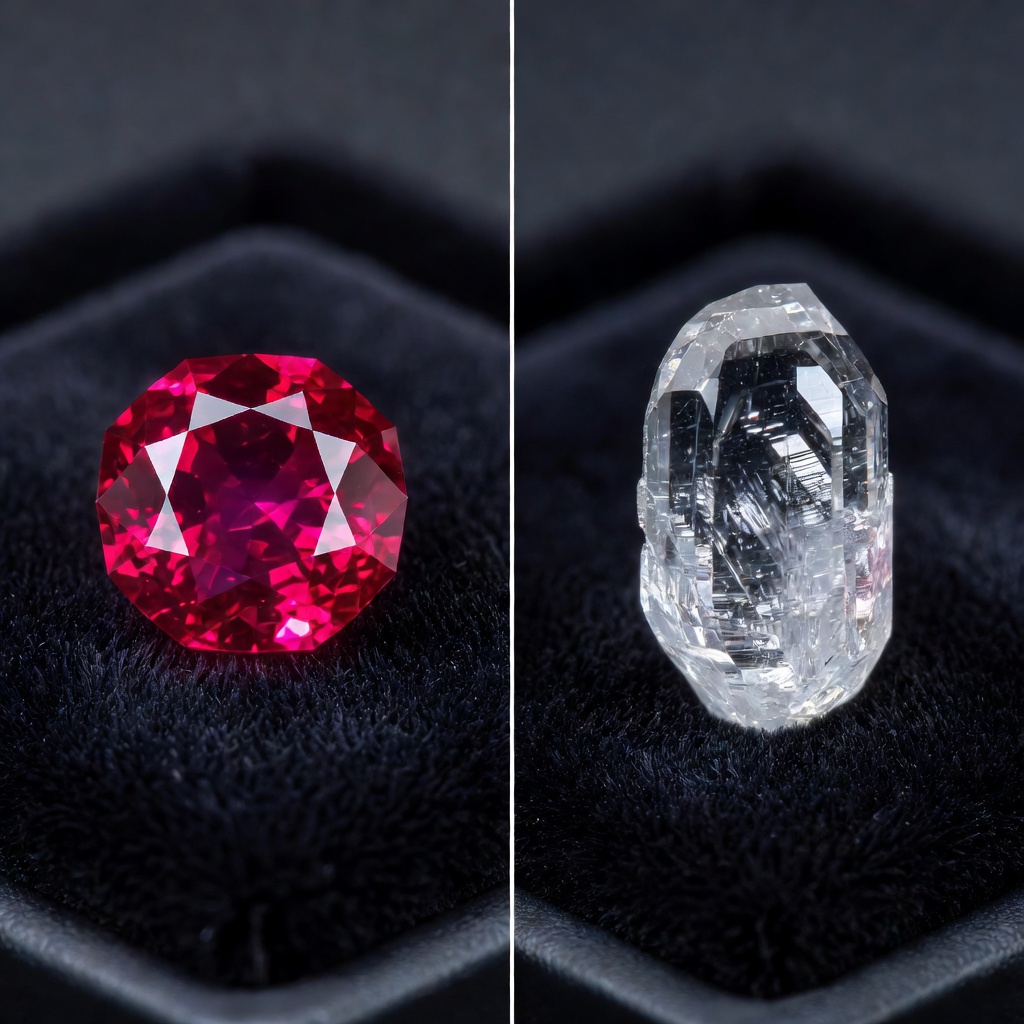
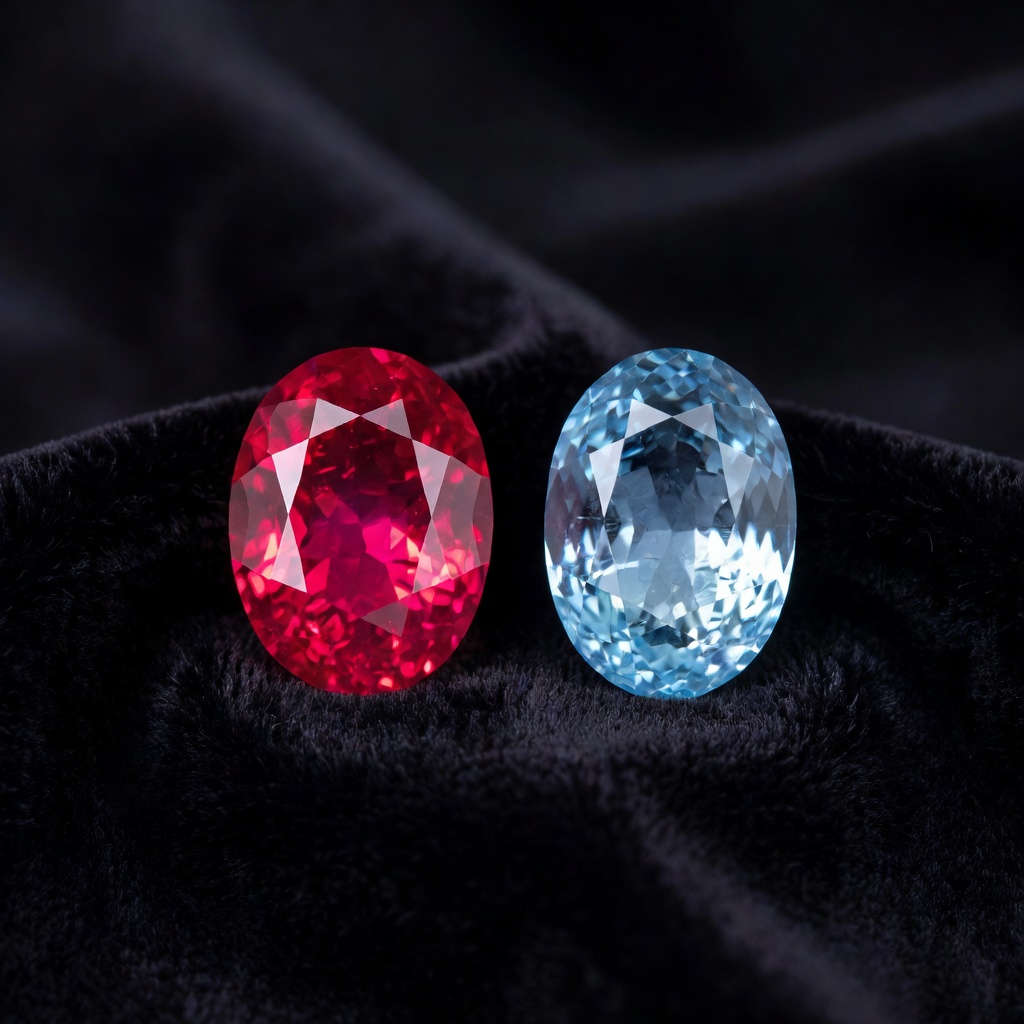
When exploring the diverse world of gemstones, the comparison between ruby and druzy presents a fascinating study in contrasts that appeals to both collectors and jewelry enthusiasts. Ruby stands as one of the four precious gemstones, a variety of corundum celebrated for its intense pigeon blood red color and exceptional durability that has adorned royalty for millennia. In contrast, druzy refers to the glittering formation of tiny crystals that blanket rock cavities, creating a sugar-like sparkle that captures light in a distinctly organic, textured manner across various base minerals including quartz and agate.
The distinction between these stones extends beyond mere aesthetics into fundamental classifications within the gemological community. While ruby maintains its status as a precious stone alongside diamond, sapphire, and emerald, druzy occupies the semi-precious category, offering accessible beauty without the premium price tag associated with rare corundum specimens. Understanding this ruby vs druzy comparison requires examining their geological origins, physical properties, and practical applications in jewelry design to determine which stone best suits your personal style and lifestyle needs.
Formation and Geological Origins
The birth of a ruby begins deep within the Earth's crust under conditions of extreme heat and pressure that transform aluminum oxide into crystalline corundum, with trace amounts of chromium imparting the signature red hue. These gemstones typically form within metamorphic rocks such as marble or basalt, where specific geological conditions allow for the slow cooling necessary to develop large, transparent crystals. Myanmar (formerly Burma) produces the most historically significant rubies, though modern deposits in Mozambique, Madagascar, and Thailand now supply the majority of the global market with varying characteristics of color saturation and clarity.
How rubies form differs dramatically from druzy quartz formation, which occurs when mineral-rich water seeps into hollow cavities and vugs within rocks, depositing microscopic crystals over thousands of years. Unlike the singular massive growth of ruby crystals, druzy develops as countless tiny hexagonal crystals coating the interior surface of geodes or fractures, creating that characteristic sparkling texture. Brazil serves as the primary source for quartz druzy, while India and Uruguay produce significant deposits often found coating agate, chalcedony, or other host rocks, with each location imparting subtle variations in crystal size and luster.
Physical Properties and Durability
Understanding the mechanical differences between these gemstones proves essential for making informed jewelry decisions, particularly regarding daily wear capabilities. Ruby hardness registers an impressive 9 on the Mohs scale, second only to diamond, which grants it exceptional resistance to scratching and makes it suitable for heirlooms meant to last generations. This remarkable durability stems from the strong chemical bonds within the corundum structure, allowing rubies to maintain their polish and integrity even under significant mechanical stress.
Conversely, while crystalline druzy stones technically measure between 6.5 and 7 on the Mohs hardness scale, their druzy durability remains compromised by the physical structure of the tiny individual crystals. Each microscopic point represents a potential vulnerability, as the crystalline coating can fracture, detach, or crush under impact despite the underlying material's moderate hardness. Ruby exhibits perfect cleavage in specific planes, meaning it can split along crystallographic directions, while druzy displays conchoidal fracture patterns similar to glass, creating curved breakage surfaces when damaged.
Comparative Analysis Table
| Property | Ruby (Corundum) | Druzy Quartz |
|---|---|---|
| Mohs Hardness | 9.0 (Excellent) | 6.5-7.0 (Moderate) |
| Crystal Structure | Single large crystal | Micro-crystal coating |
| Transparency | Transparent to translucent | Opaque to translucent |
| Typical Price Range | $1,000-$15,000+ per carat | $20-$200 per piece |
| Durability for Daily Wear | Excellent (engagement ring suitable) | Poor (special occasion only) |
| Primary Enhancement | Heat treatment common | Dyeing and coating common |
| Best Setting Type | Prong or bezel | Bezel or protective frame only |
| Cleaning Method | Ultrasonic and steam safe | Damp cloth only, no chemicals |
Visual Characteristics and Aesthetics
The optical properties of ruby and druzy create distinctly different visual experiences that cater to varying aesthetic preferences and design philosophies. Fine rubies display exceptional transparency with the most coveted specimens exhibiting the legendary "pigeon blood" red—a vivid, pure red with a hint of blue that seems to glow from within the stone. Gem cutters typically fashion rubies into faceted shapes to maximize brilliance and fire, though cabochon cuts remain popular for star rubies displaying asterism, creating smooth, domed surfaces that showcase internal phenomena.
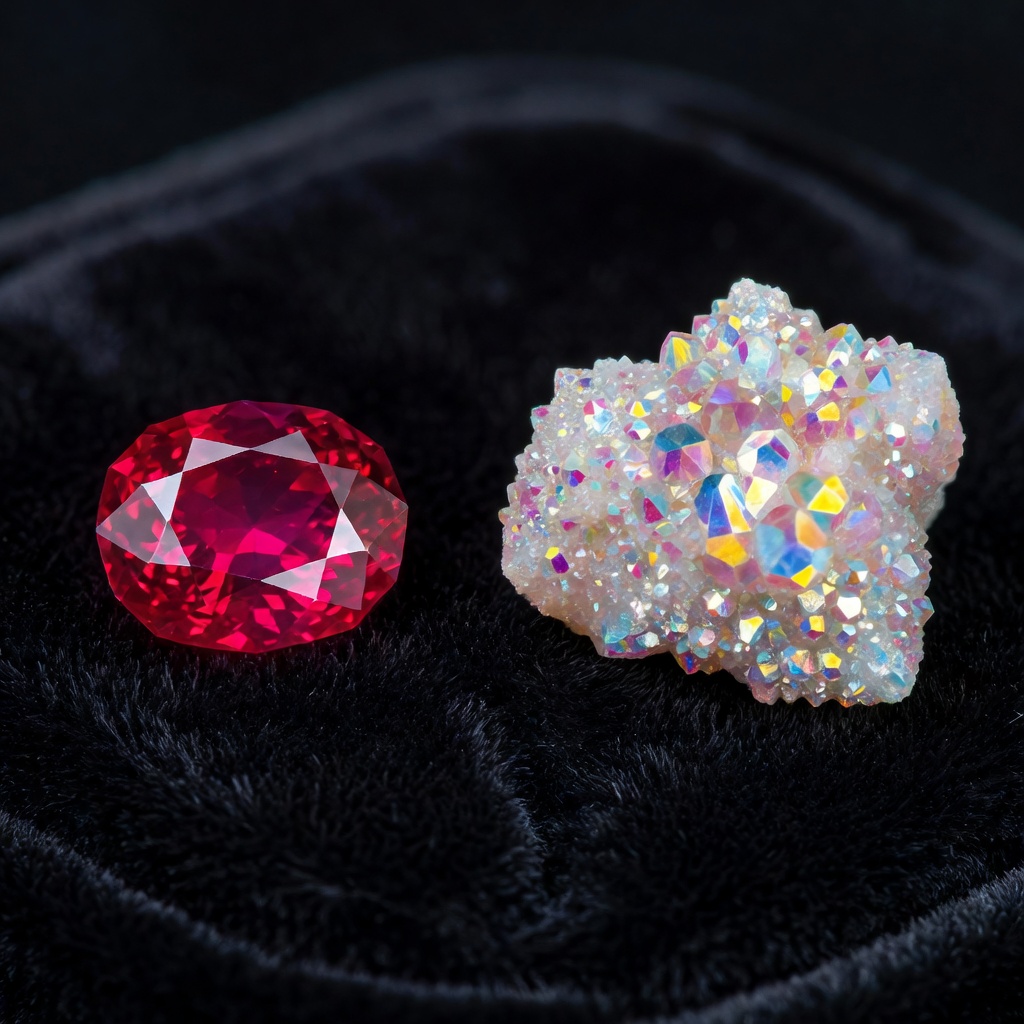
Druzy appearance offers an entirely different aesthetic rooted in natural texture and organic sparkle rather than geometric precision. The countless tiny crystal terminations create an adamantine to vitreous luster that catches light from multiple angles simultaneously, producing a glittering effect reminiscent of sugar or frost. Unlike the uniform color expected in high-quality rubies, druzy accepts dye treatments readily, appearing in vibrant blues, pinks, and metallics that natural specimens rarely achieve. Jewelry designers often leave druzy in its natural, raw state or trim it into freeform shapes, embracing irregularity rather than the calibrated precision required for ruby color grades.
Symbolism and Metaphysical Properties
Throughout history, civilizations have attributed profound ruby gemstone meaning to this fiery stone, associating it with passion, vitality, courage, and romantic love across cultures from ancient India to Medieval Europe. As the July birthstone ruby connects to the zodiac sign Cancer and Leo cusp, it represents the sun's energy, blood, and the life force itself, believed to protect warriors in battle and preserve love between partners. Crystal practitioners associate ruby primarily with the root chakra, grounding spiritual energy into physical action while stimulating the heart toward passionate endeavors.
Druzy crystal healing properties center on stress relief, harmony, and the amplification of the body's natural energy fields, attributed to the multitude of crystal terminations radiating energy in all directions. Unlike ruby's specific birthstone designation, druzy adapts to various zodiac associations depending on its base mineral, though it generally resonates with the crown or third eye chakras, facilitating spiritual connection and intuition. Practitioners often recommend druzy for meditation spaces or wear during times of emotional turmoil, suggesting its gentle, sparkling energy soothes anxiety while boosting creativity and imagination.
Jewelry Applications and Design Trends
The divergent physical properties of these gemstones dictate their placement within the jewelry market, with ruby dominating high-end luxury segments and druzy flourishing in contemporary fashion and artisan crafts. Druzy quartz jewelry appears frequently in bohemian and festival-inspired collections, where designers incorporate rough, natural specimens into statement pendants, cocktail rings, and chandelier earrings that celebrate organic imperfection. The affordability of druzy allows for bold, oversized designs without prohibitive costs, making it popular among emerging designers experimenting with asymmetrical forms and mixed-media pieces.
Ruby commands presence in fine jewelry, particularly in ruby ring settings designed for engagement rings, anniversary bands, and heirloom-quality necklaces that withstand daily wear. Prong settings remain traditional for faceted rubies, maximizing light exposure and brilliance, though bezel settings offer protection for active wearers. Metal pairing preferences diverge significantly: rubies traditionally pair with yellow gold to enhance their warm red tones, though platinum and white gold provide modern contrast, while druzy adapts readily to silver, gunmetal, or gold tones depending on the desired aesthetic, with silver particularly emphasizing the stone's natural sparkle.
Value, Pricing and Investment Considerations
The economic disparity between these gemstones reflects their relative rarity, durability, and market demand, creating distinct investment profiles for collectors. High-quality rubies command thousands to tens of thousands of dollars per carat, with untreated Burmese specimens occasionally rivaling or exceeding diamond prices on a per-carat basis. Ruby value depends heavily on color saturation, with pure vivid reds commanding premiums over pinkish or purplish tints, while clarity and origin significantly impact pricing, with Burmese stones historically fetching higher prices than African or Thai origins.
Druzy price per carat remains negligible compared to precious gemstones, with most jewelry pieces retailing between $20 and $200 depending on the size of the specimen, base mineral quality, and extent of treatments such as dyeing or metallic coating. While druzy serves the fashion jewelry market admirably, it lacks the investment potential and appreciation trajectory of rubies, which historically retain or increase value over decades. Collectors seeking long-term value should prioritize untreated or heat-only rubies with certification from recognized laboratories, while druzy purchases should be viewed as aesthetic acquisitions rather than financial investments.
Care, Cleaning and Maintenance Requirements
Proper maintenance protocols differ substantially between these stones due to their structural variations, requiring owners to adapt their care routines accordingly. Ruby care tips generally accommodate aggressive cleaning methods, with ultrasonic and steam cleaning proving safe for untreated stones and those treated only with heat, effectively removing accumulated oils and debris from behind settings. However, rubies treated with fracture filling, dyes, or leaded glass fillings require gentle cleaning with warm soapy water and soft brushes to avoid damaging enhancement substances.
Learning how to clean druzy requires a significantly gentler approach, as the tiny crystals can trap moisture, cleaning solutions, and debris between their formations, potentially causing discoloration or structural weakening. Owners should avoid ultrasonic cleaners, harsh chemicals, steam, and prolonged water exposure entirely, instead using slightly damp soft cloths to wipe surfaces gently. Storage recommendations emphasize separate soft pouches for both gemstones to prevent the harder ruby from scratching druzy or other pieces, while ruby jewelry with prong settings requires professional inspection every six to twelve months to ensure stones remain secure.
How to Choose Between Ruby and Druzy
Selecting between these gemstones requires honest assessment of lifestyle factors, budget constraints, and personal aesthetic preferences to ensure satisfaction with your purchase. Active individuals or those seeking daily-wear engagement rings should prioritize ruby for its exceptional durability, while those wanting statement pieces for occasional evening events or festival wear might prefer the unique sparkle of druzy without worrying about damage during routine activities. Budget considerations inevitably influence decisions, as a modest budget might acquire a modest druzy cocktail ring versus only a very small or included ruby.
Personal style alignment plays a crucial role in this choosing gemstones process: classic elegance and traditional luxury favor ruby's timeless appeal, while natural, bohemian, or eclectic aesthetics gravitate toward druzy's organic textures. Occasion appropriateness further distinguishes them, with rubies suiting formal events, business settings, and ceremonial occasions, while druzy excels in casual, artistic, or outdoor environments. For those undecided, consider starting with ruby vs druzy for jewelry collections by acquiring a small ruby pendant for versatile elegance and a druzy ring for fashion-forward experimentation.
Final Verdict: Making Your Decision
This comprehensive ruby vs druzy guide reveals two gemstones serving fundamentally different purposes within the jewelry ecosystem, each possessing distinct merits depending on wearer priorities. Ruby emerges as the clear choice for those seeking heirloom-quality pieces, daily durability, and investment potential, offering timeless beauty that withstands generations of wear while maintaining or appreciating in value. Druzy provides accessible entry into gemstone collecting, offering unique natural beauty and artistic expression at price points that encourage experimentation and trend-following without financial risk.
For first-time gemstone buyers, consider starting with a modest ruby stud earring or pendant to experience precious gemstone ownership, supplemented by druzy pieces to diversify your collection with textural variety. Advanced collectors might explore mixed-gemstone designs that combine both stones, utilizing protective bezel settings for the druzy while allowing ruby to take center stage in prong settings. Ultimately, consulting with a certified gemologist or experienced jeweler can provide personalized guidance based on your specific needs, ensuring your selection aligns with both your aesthetic desires and practical lifestyle requirements.
Frequently Asked Questions
What is the main difference between ruby and druzy?
Ruby is a precious corundum gemstone prized for its deep red color and exceptional hardness (9 Mohs), while druzy refers to tiny crystals that form on rock surfaces creating a sparkling, sugar-like texture with moderate hardness (6.5-7 Mohs).
Is druzy quartz natural or man-made?
Druzy occurs naturally when minerals crystallize in rock cavities, but many commercial druzy pieces are treated or dyed to enhance colors. Natural druzy is authentic, though treatments are common and should be disclosed by sellers.
Which is more expensive, ruby or druzy?
Rubies are significantly more expensive, with high-quality specimens costing thousands to tens of thousands per carat. Druzy remains an affordable fashion gemstone, typically ranging from $20 to $200 for most jewelry pieces depending on size and treatment.
Can you wear druzy jewelry every day?
Druzy is not recommended for daily wear, especially in rings, because the tiny crystals can break or detach with impact. Ruby, however, is extremely durable and suitable for daily wear including engagement rings and everyday jewelry.
What does druzy symbolize compared to ruby?
Ruby symbolizes passion, love, courage, and vitality, serving as the July birthstone. Druzy represents harmony, stress relief, and amplification of the body's natural energy, though it is not associated with traditional birthstone calendars.
How can I tell if my ruby is natural versus synthetic?
Natural rubies typically contain visible inclusions and imperfections under magnification, while synthetic rubies often show curved growth lines, fewer inclusions, and perfect clarity. Professional certification from GIA or similar labs provides definitive identification.
Can ruby and druzy be worn together in the same jewelry piece?
Yes, combining ruby and druzy creates striking visual contrast in mixed-gemstone designs. However, protective settings like bezels are recommended for the druzy to prevent damage from the harder ruby, and care must be taken during cleaning.
Does druzy have the same healing properties as clear quartz?
Since druzy is a form of quartz, it shares similar amplification properties with clear quartz but with enhanced energy due to its many crystal terminations. It is believed to radiate energy in all directions, whereas ruby focuses energy on passion and vitality.