Understanding Ruby and Diaspore: A Comprehensive Comparison
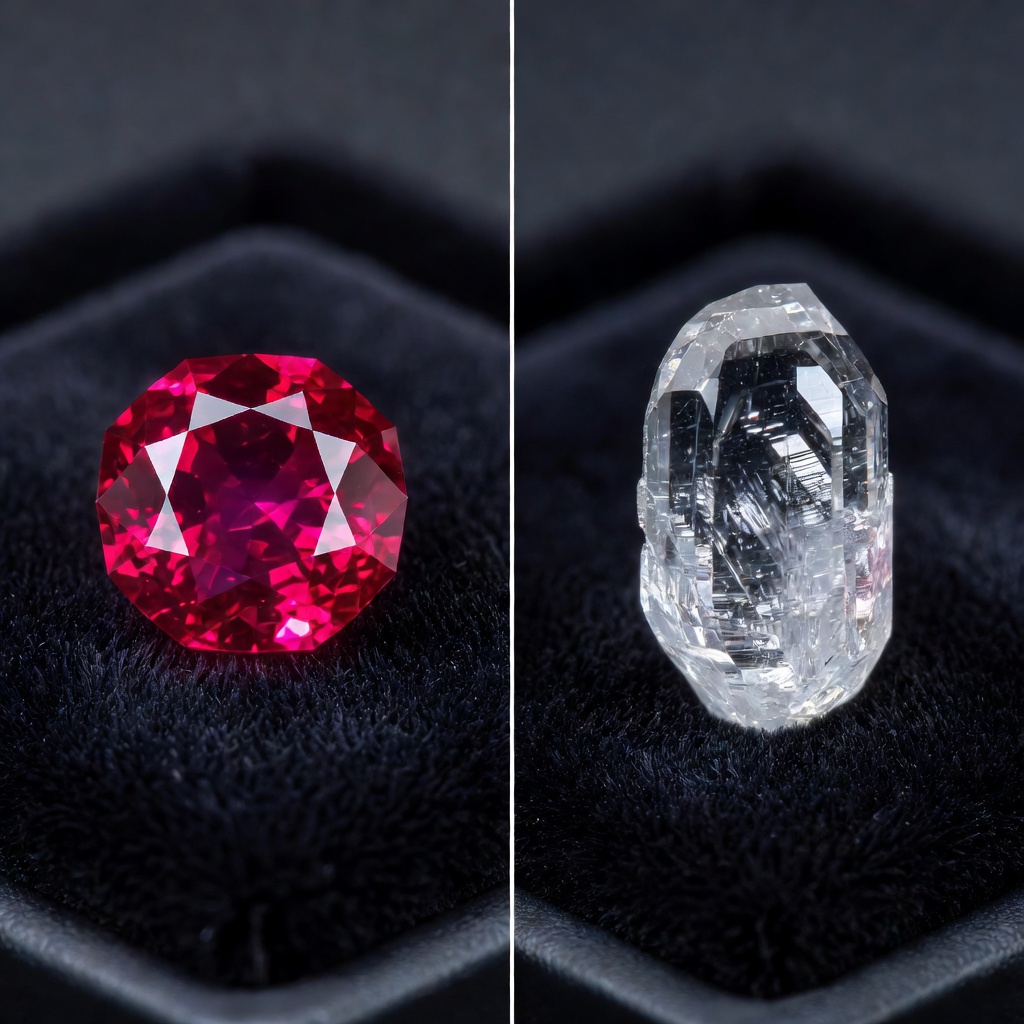
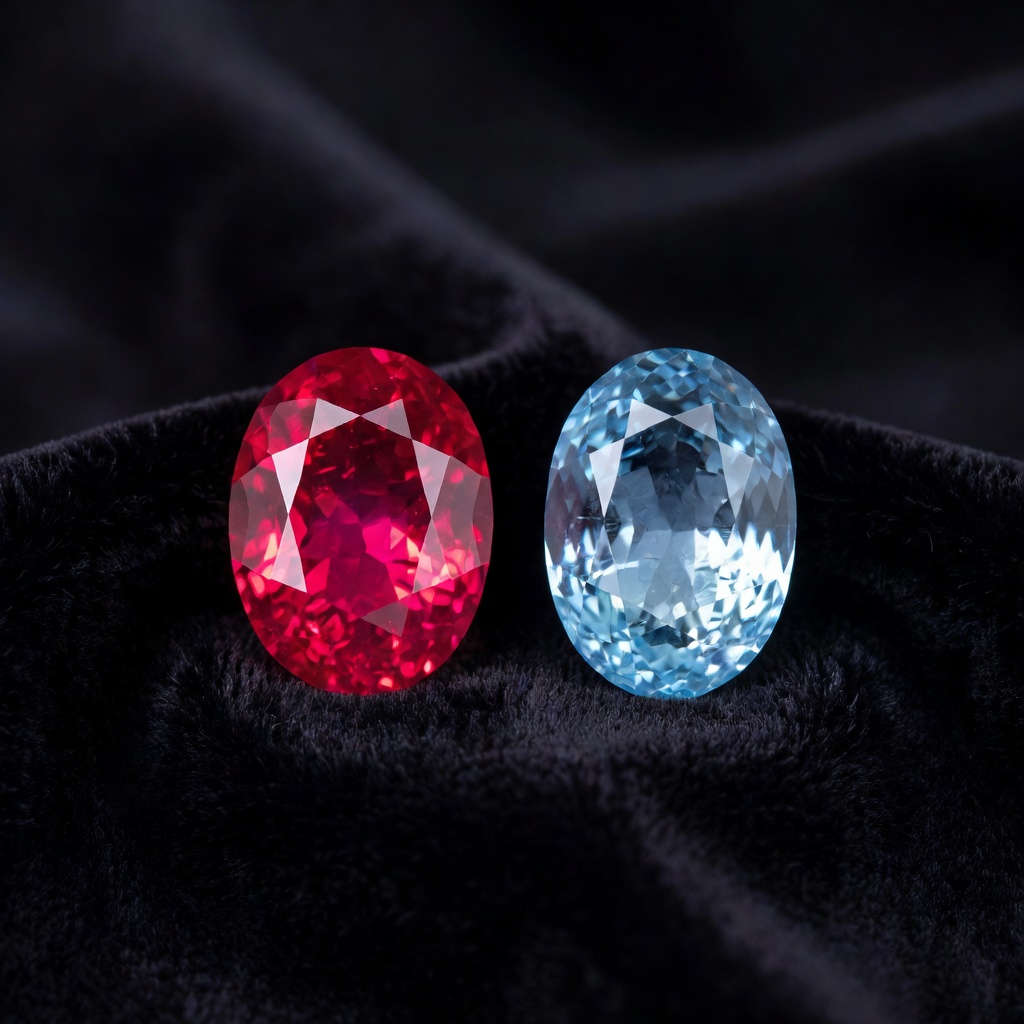
When selecting a precious gemstone for fine jewelry, collectors and enthusiasts often find themselves weighing the timeless allure of classic gems against the exotic appeal of rare newcomers. The debate surrounding Ruby vs Diaspore (Zultanite) represents one of the most fascinating discussions in contemporary gemology, pitting centuries of royal tradition against modern mineralogical wonder. Rubies have reigned as the "King of Gems" for millennia, serving as the coveted July birthstone and symbolizing passion and power across countless cultures. In contrast, Zultanite—the marketing name for gem-quality Turkish Diaspore—emerged relatively recently as a color-changing phenomenon that captivates viewers with its chameleon-like optical properties.
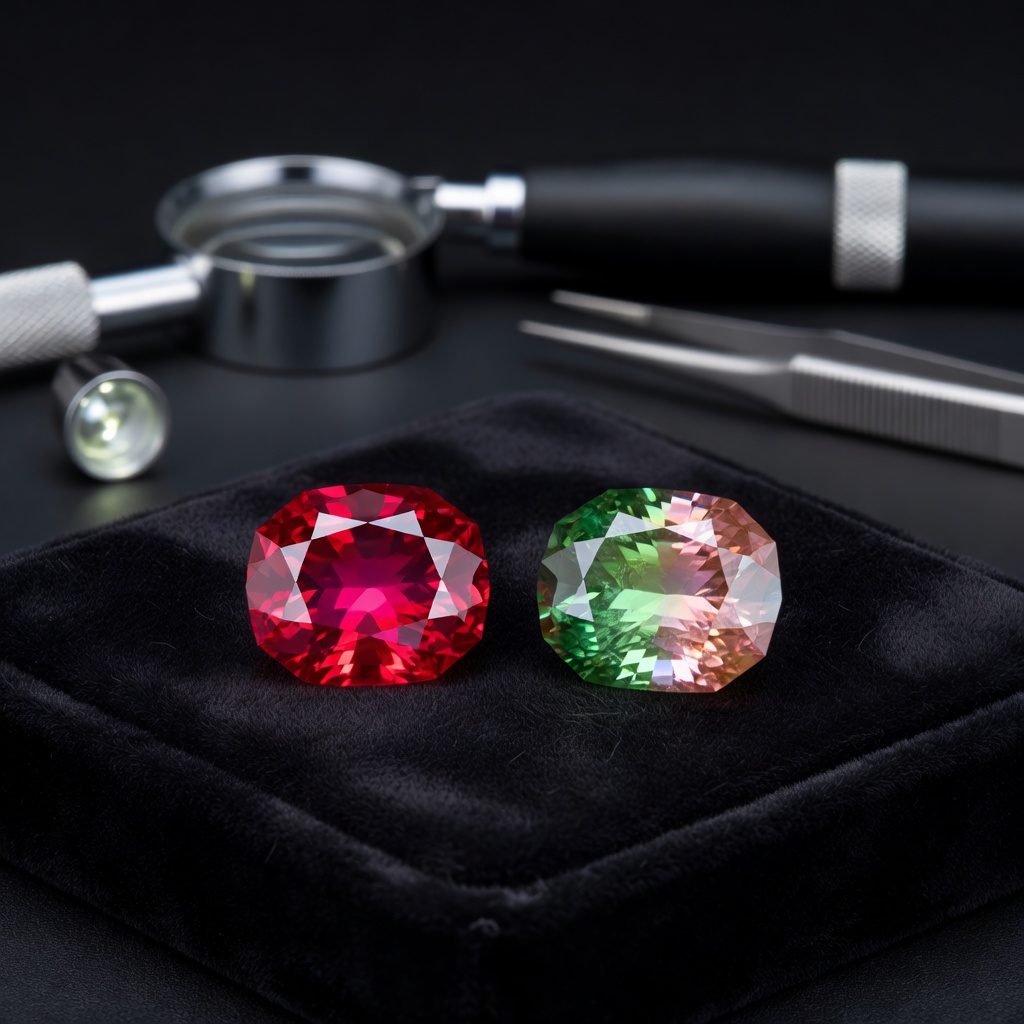
Both gemstones command significant attention in high-end jewelry markets, yet they cater to distinctly different sensibilities and practical requirements. While rubies offer unmatched hardness and classic red brilliance, Zultanite enthralls collectors with its rarity and unique pleochroism that shifts between kiwi green, champagne, and raspberry hues depending on lighting conditions. Understanding the fundamental distinctions between these stones requires examining their geological formation, physical durability, and long-term value propositions to make an informed decision that aligns with your lifestyle and aesthetic preferences.
Geological Origins and Mining Locations
Ruby Formation in Metamorphic Terrains
Rubies represent the red variety of corundum (aluminum oxide), forming under intense heat and pressure within metamorphic rocks over millions of years. The most historically significant deposits occur in Myanmar's Mogok Stone Tract, where the legendary pigeon blood rubies have been mined since ancient times, though political instability has complicated ethical sourcing from this region. Modern markets increasingly rely on substantial deposits discovered in Mozambique's Montepuez region and Madagascar's deposits, which produce rubies ranging from pinkish-red to deep crimson hues that satisfy diverse consumer preferences.
The geological conditions required for ruby formation are extraordinarily specific, requiring the presence of chromium to create the characteristic red color while avoiding silica, which would prevent corundum crystallization. These constraints mean that viable ruby deposits remain relatively scarce globally, contributing to the Red corundum value that has remained consistently high throughout recorded history. Mining operations in these regions often face significant challenges, including remote locations, difficult terrain, and the necessity for artisanal mining techniques that require careful oversight to ensure ethical labor practices and environmental protection.
The Exclusive Anatolian Source of Turkish Diaspore
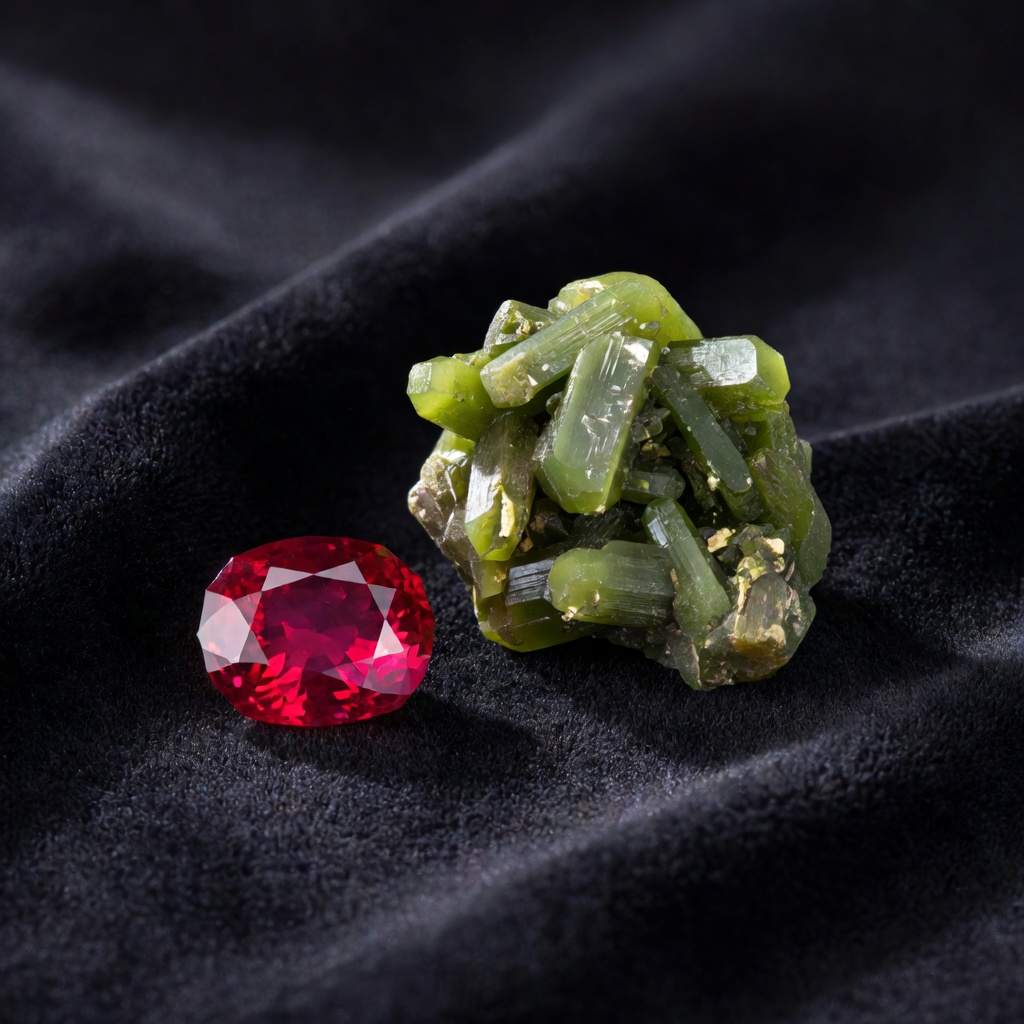
Zultanite derives its name from the 36 sultans of the Ottoman Empire, reflecting its exclusive origin in Turkey's Anatolian Mountains, specifically from a single mine in the İlbir Dağları mountain range near the city of Muğla. Unlike rubies, which occur in multiple global localities, gem-quality diaspore suitable for faceting exists only in this specific Turkish deposit, creating an extreme scarcity that drives the Turkish diaspore rarity narrative. The mineral forms in bauxite deposits subjected to low-grade metamorphism, creating orthorhombic crystals that rarely achieve the size and clarity necessary for fine jewelry.
The mining operation for Zultanite faces unique challenges, including seasonal weather restrictions, difficult mountain terrain, and the sporadic nature of gem-quality finds within the host rock. This single-source dependency creates significant supply volatility; any disruption to the Turkish mine—whether political, environmental, or geological—could potentially eliminate the global supply of this gemstone entirely. Ethical sourcing remains somewhat more straightforward than with rubies, given the concentrated nature of the operation and Turkey's relatively stable regulatory environment, though the extreme rarity naturally limits production volumes to small quantities annually.
Physical Properties and Hardness Analysis
Crystal Structure and Durability Metrics
The Ruby hardness Mohs scale rating of 9 places it second only to diamond in terms of natural mineral hardness, making it exceptionally resistant to scratching and abrasion during daily wear. This remarkable durability stems from corundum's trigonal crystal structure, characterized by strong aluminum-oxygen bonds that create a dense, robust lattice capable of withstanding significant mechanical stress. Jewelers consistently recommend rubies for engagement rings and daily-wear jewelry because this hardness ensures the stone maintains its polish and facet edges even after decades of continuous use.
Diaspore crystallizes in the orthorhombic system with a Mohs hardness of 6.5 to 7, positioning it between quartz and topaz in terms of scratch resistance. While this hardness allows for reasonable jewelry use, Zultanite possesses perfect cleavage in one direction, meaning it can split cleanly along specific planes when subjected to sharp impacts. This combination of moderate hardness and distinct cleavage creates practical limitations for jewelry applications, requiring protective settings and careful handling to prevent damage that rubies would easily withstand.
Optical Characteristics and Density Differences
Rubies typically exhibit a specific gravity between 3.97 and 4.05, feeling substantially heavy for their size due to the dense packing of aluminum and oxygen atoms within the crystal lattice. The refractive index ranges from 1.762 to 1.778, creating excellent brilliance and fire when properly cut, particularly in stones with high clarity grades. These optical properties contribute to the gem's lively appearance under various lighting conditions, though ruby does not display the dramatic color-change phenomena seen in other gemstones.
Zultanite possesses a lower specific gravity of approximately 3.3 to 3.5, resulting in a slightly lighter feel when held, while its refractive index of 1.702 to 1.750 produces good brilliance though slightly less fire than corundum. The crystal's strong trichroism—the ability to show different colors when viewed from different crystallographic directions—creates the striking color-change effect that defines the gem's appeal. This optical property, combined with the stone's transparency and vitreous luster, requires masterful cutting to orient the crystal properly and maximize the color-shift phenomenon.
| Characteristic | Ruby (Corundum) | Zultanite (Diaspore) |
|---|---|---|
| Mohs Hardness | 9.0 | 6.5 - 7.0 |
| Crystal System | Trigonal | Orthorhombic |
| Specific Gravity | 3.97 - 4.05 | 3.30 - 3.50 |
| Refractive Index | 1.762 - 1.778 | 1.702 - 1.750 |
| Cleavage | None (conchoidal fracture) | Perfect in one direction |
| Primary Color | Red (pigeon blood to pinkish) | Color-changing (green to pink/champagne) |
| Geographic Sources | Myanmar, Mozambique, Madagascar, Thailand | Single mine in Turkey (Anatolia) |
| Daily Wear Suitability | Excellent (rings, bracelets, daily jewelry) | Limited (requires protective settings) |
| Price Range (High Quality) | $1,000 - $1,000,000+ per carat | $500 - $5,000+ per carat |
| Color Phenomena | Fluorescence (red glow under UV) | Pleochroism (green/champagne/raspberry shift) |
Visual Characteristics: Color Phenomena Explained
The Enduring Red of Corundum
The most coveted rubies display a vivid, saturated red often described as "pigeon blood," characterized by a pure red hue with a hint of blue that creates an intensely vibrant appearance under natural daylight. This color results from chromium ions substituting for aluminum in the crystal lattice, with the most valuable stones containing approximately 0.5 to 1.0 percent chromium content. High-quality rubies also exhibit strong fluorescence under ultraviolet light, glowing with an internal red fire that seems to illuminate the stone from within, particularly noticeable in Burmese specimens from the Mogok region.
Inclusion patterns in rubies often feature "silk"—tiny needle-like rutile inclusions that scatter light and can create a soft, velvety appearance rather than a glassy brilliance. While traditionally considered flaws, these silk inclusions can actually enhance a ruby's value when they create the coveted asterism (star effect) in cabochon-cut stones or contribute to the soft glow prized in Burmese rubies. Unlike the Color changing gemstones comparison that defines Zultanite, ruby maintains its red hue across different lighting environments, though incandescent lighting may emphasize any purplish undertones present in the stone.
Zultanite's Chameleon Color Shift
Zultanite color change properties represent one of the most dramatic optical phenomena in the gem world, displaying kiwi green or lime colors under natural daylight, shifting to champagne or golden hues under candlelight, and revealing raspberry pink or purplish tones under incandescent bulbs. This remarkable versatility occurs due to the stone's strong pleochroism and its unique ability to absorb different wavelengths of light depending on the source, creating what gemologists call the "alexandrite effect" though through different chemical mechanisms. The intensity of this color shift varies significantly between specimens, with the most valuable stones showing distinct, vivid changes across all three color phases.
Unlike rubies, which may contain silk or crystal inclusions, Zultanite typically forms with remarkable clarity, often appearing eye-clean even in larger carat weights. This transparency allows cutters to fashion the material into brilliant cuts that maximize light return and color display, though the orientation of the rough crystal remains crucial to achieving the optimal color-change effect. When set in jewelry, Zultanite rewards observation throughout the day as the wearer moves between sunlight, office fluorescents, and evening incandescents, creating an interactive experience that static red rubies cannot replicate.
Durability for Daily Wear and Lifestyle Suitability
Ruby's Resilience in Active Lifestyles
The exceptional hardness and toughness of rubies make them ideal candidates for engagement rings, wedding bands, and other jewelry intended for continuous daily wear without special precautions. Jewelers frequently set rubies in prong settings that expose maximum surface area to light, confident that the stone will resist scratches from household dust (which contains silica at hardness 7) and minor impacts encountered during normal activities. This durability extends to cleaning procedures, as rubies can withstand ultrasonic and steam cleaning methods that would damage softer gemstones, making maintenance convenient for busy owners.
For professionals with active lifestyles—whether involved in sports, manual labor, or frequent travel—ruby offers peace of mind that the investment will remain secure and beautiful despite physical challenges. The stone's resistance to thermal shock also means it can withstand sudden temperature changes better than many gems, though extreme fluctuations should still be avoided. When considering the Gemstone durability guide for heirloom pieces intended to last generations, ruby stands as one of the few colored stones capable of surviving decades of daily wear while retaining original polish and facet integrity.
Zultanite's Protective Requirements
Zultanite's 6.5-7 hardness and perfect cleavage create significant vulnerabilities that necessitate thoughtful setting choices and lifestyle considerations for potential owners. While suitable for occasional wear in protected settings, Zultanite rings risk damage from sharp blows against hard surfaces, such as kitchen countertops, metal door handles, or car keys, which could potentially cleave the stone along its natural planes. For this reason, gemologists strongly recommend bezel settings or protective halo designs that shield the girdle and pavilion from direct impact, rather than exposed prong settings that work well for rubies.
Individuals considering Zultanite must realistically assess their daily activities; office professionals who remove jewelry before physical tasks may enjoy Zultanite without issue, while those seeking a "never remove" stone should opt for ruby instead. When worn as pendants or earrings—positions less likely to encounter hard impacts—Zultanite performs adequately for regular use, though storage requires separate compartments to prevent contact with harder gems like diamonds, sapphires, or rubies that could scratch its surface. Understanding these limitations helps prevent disappointment and ensures the stone's longevity as a cherished collector's piece rather than a compromised daily beater.
Rarity, Pricing, and Investment Potential
Market Dynamics and Auction Records
The Red corundum value hierarchy places untreated Burmese rubies at the absolute pinnacle of the colored stone market, with exceptional specimens regularly commanding prices exceeding $1 million per carat at international auction houses like Christie's and Sotheby's. The 25.59-carat "Sunrise Ruby," sold in 2015 for over $30 million, exemplifies how rarity, provenance, and exceptional quality converge to create investment-grade assets that appreciate consistently over decades. However, the market distinguishes sharply between untreated stones and those subjected to heat treatment or fracture filling, with the latter trading at significantly lower price points despite appearing visually similar to untrained observers.
Mozambican rubies have emerged as strong alternatives to Burmese material, offering fine color and clarity at more accessible price points, though they rarely achieve the same premium status as Mogok stones. The investment landscape for rubies requires careful due diligence, including laboratory certification from GIA or AGL to verify origin and treatment status, as these factors dramatically impact resale value and liquidity. Serious collectors often focus on unheated stones above two carats, as these sizes become exponentially rarer and maintain value better than smaller commercial-grade material during economic fluctuations.
Zultanite's Single-Source Scarcity
The Zultanite investment potential derives almost entirely from its extreme scarcity—namely, that all gem-quality material originates from a single mountain location in Turkey with no secondary sources discovered despite extensive geological surveys. This geological singularity creates a supply constraint that mirrors the exclusivity of tanzanite or alexandrite in their early market phases, suggesting potential for significant appreciation as existing rough is cut and the mine's reserves deplete. Current pricing ranges from approximately $500 per carat for smaller commercial grades to over $5,000 per carat for exceptional large stones with strong color change, positioning Zultanite as a mid-tier luxury gem with upside potential.
Investment collectors should note that Zultanite remains relatively unknown compared to rubies, creating both opportunity and risk; increased marketing could drive demand sharply higher, while economic downturns might see niche gems suffer liquidity issues that established stones like ruby avoid. The mine's owner, Murat Akgün, strictly controls distribution and branding, which helps maintain price stability but also means the secondary market remains less developed than for traditional gems. For speculative collectors, acquiring larger stones (five carats plus) with strong color change and excellent clarity represents the best opportunity for appreciation, as these pieces approach museum-quality rarity.
Jewelry Design Applications and Setting Recommendations
Classic Elegance with Ruby
Rubies lend themselves to timeless design aesthetics that emphasize the stone's regal red saturation, with classic solitaire settings in platinum or yellow gold allowing the gem to command full attention without distraction. The July birthstone alternatives market often sees rubies paired with diamond halos that create a "target" effect, framing the red center with brilliant white accents that enhance the perception of depth and richness. Yellow gold settings particularly complement Burmese rubies with slight blue undertones, warming the overall appearance, while platinum or white gold settings suit the slightly purplish Thai rubies by neutralizing secondary hues.
Three-stone designs featuring ruby centers flanked by diamonds or colorless sapphires represent popular anniversary gifts, symbolizing past, present, and future while showcasing the durability differences that allow ruby to serve as the protective central anchor. For maximum light return and color saturation, oval and cushion cuts predominate in fine ruby jewelry, though emerald cuts can emphasize clarity in eye-clean stones. When designing for daily wear, jewelers often recommend low-profile settings that protect the crown from direct impact while maintaining adequate light exposure, ensuring the ruby remains secure during active use.
Maximizing Zultanite's Color Shift
Designing for Zultanite requires careful consideration of how lighting interacts with the wearer throughout the day, with open-backed settings that allow light passage from multiple angles proving essential to observing the full color-change phenomenon. Rose gold has emerged as a particularly complementary metal choice for Zultanite, harmonizing with the stone's raspberry and champagne phases while providing a warm contrast to its kiwi green daylight appearance. Custom designs often incorporate articulated elements or rotating bezels that allow the wearer to manually adjust the stone's orientation relative to light sources, maximizing opportunities to display the pleochroic effect.
Protective bezel settings crafted from substantial gold or platinum walls offer the security necessary for Zultanite rings, though these designs must balance protection with light access to prevent the stone from appearing dark or "closed." Pendant designs prove particularly effective for Zultanite, as the stone hangs at chest level where it naturally encounters varied lighting conditions throughout the day—from sunlight outdoors to incandescent restaurant lighting—constantly shifting appearance and sparking conversation. Earring designs benefit from French back or secure latch mechanisms that prevent loss, as the moderate hardness makes Zultanite less suitable for daily sleep wear than ruby alternatives.
Care, Cleaning, and Maintenance Requirements
Professional and Home Care for Ruby
Rubies tolerate aggressive cleaning methods that would damage softer stones, allowing owners to utilize ultrasonic cleaners and steam systems to remove accumulated lotion, soap scum, and environmental oils that dull the surface. However, stones that have undergone fracture filling or lead glass treatment—common in lower-quality material—require gentle cleaning with mild soap and warm water only, as heat and vibration can damage these treatments. For untreated or heat-only treated rubies, annual professional inspections should check for loose prongs or channel wear, particularly in rings subjected to daily wear, ensuring the stone remains secure in its mounting.
Home maintenance for ruby jewelry involves simple practices: removing rings before handling harsh chemicals like chlorine bleach or ammonia-based cleaners, storing pieces separately to prevent scratching other jewelry (though few stones can scratch ruby), and wiping with a soft cloth after wear to remove skin oils. The stone's hardness means it requires less frequent polishing than softer gems, though professional repolishing every decade or so can restore original brilliance if microscopic scratches accumulate on the table facet. These straightforward maintenance requirements contribute to ruby's reputation as a "set it and forget it" heirloom gemstone.
Specialized Care for Color-Changing Diaspore
Zultanite demands significantly more cautious handling due to its perfect cleavage and moderate hardness, requiring owners to avoid ultrasonic cleaners, steam systems, and sudden temperature changes that could induce thermal shock. Cleaning should involve only lukewarm water, mild dish soap, and a soft-bristled brush, followed by immediate drying with a lint-free cloth to prevent water spots that might affect transparency. When traveling, Zultanite jewelry should occupy individual padded compartments in jewelry rolls, never tossed into mixed compartments where contact with diamond earrings or sapphire bracelets could scratch the surface.
Owners should remove Zultanite rings before applying hand sanitizer, household cleaners, or cosmetics, as these chemicals can potentially affect the surface luster over time, though they won't damage the interior crystal structure. Professional jewelers should inspect Zultanite settings every six months rather than annually, checking specifically for loose prongs or bezel walls that might expose the girdle to chipping hazards. By adhering to these specific care protocols, collectors ensure their Zultanite specimens remain pristine showcases of Zultanite color change properties for decades, preserving both aesthetic beauty and investment value.
Final Verdict: Choosing Your Perfect Gemstone
Selecting between Ruby vs Diaspore (Zultanite) ultimately requires honest assessment of lifestyle constraints, aesthetic preferences, and long-term ownership goals rather than simply comparing price points or popularity metrics. For individuals seeking a daily-wear heirloom that can withstand active lifestyles, celebrate July birthdays with traditional symbolism, and maintain liquidity in investment portfolios, ruby offers unmatched advantages derived from its superior hardness, established market, and timeless appeal. The classic red of fine corundum suits those drawn to royal elegance and romantic tradition, providing a connection to historical significance that Zultanite, as a newcomer, cannot yet claim.
Conversely, Zultanite rewards the collector who values rarity and optical phenomena above all else, accepting the responsibility of careful handling in exchange for owning one of nature's most dramatic color-changing minerals. This stone appeals to July birthstone alternatives seekers who find red too conventional, or to investors speculating on single-source scarcity creating future appreciation unavailable in more common gems. Regardless of choice, insist upon proper certification: GIA or AGL reports for rubies detailing treatment status and origin, and Zultanite authenticity cards verifying Turkish provenance from authorized distributors. By matching the stone's inherent properties to your personal reality—whether that means gym sessions and gardening or gala dinners and gallery openings—you ensure decades of satisfaction from whichever gem claims space in your jewelry collection.
Frequently Asked Questions
Which is harder, Ruby or Zultanite?
Ruby is significantly harder, ranking 9 on the Mohs scale compared to Zultanite's 6.5-7. This makes Ruby far more suitable for daily wear jewelry like engagement rings, while Zultanite requires protective settings and more careful handling to prevent scratches and chips.
Does Ruby change color like Zultanite does?
No, Ruby does not display color-change phenomena. While high-quality rubies show strong fluorescence (glowing red under UV light), Zultanite uniquely exhibits pleochroism, shifting between kiwi green, champagne, and raspberry pink depending on the light source.
Why is Zultanite sometimes more expensive than Ruby?
Zultanite commands premium prices due to its extreme rarity—it comes from only one mine in Turkey's Anatolian Mountains. While high-quality untreated Burmese rubies can cost more per carat, Zultanite's single-source scarcity and unique optical properties create strong collector demand that drives prices up.
Can I wear Zultanite every day like a Ruby?
Zultanite is not recommended for daily wear in rings or bracelets due to its 6.5-7 hardness and perfect cleavage, making it prone to chipping. Rubies, with their 9/10 hardness, are ideal for everyday jewelry. If wearing Zultanite daily, choose protective bezel settings in pendants or earrings instead.
How can I tell if my Zultanite is real and not a synthetic Alexandrite?
Authentic Zultanite (Turkish Diaspore) displays a specific color shift from kiwi green in daylight to champagne or raspberry in incandescent light, distinct from Alexandrite's blue-green to purple-red change. Always request a certificate of authenticity from the Zultanite mine and consult a gemologist for refractive index testing.
Is treated Ruby comparable in value to natural Zultanite?
Heat-treated rubies are common and acceptable in the trade, but heavily treated or fracture-filled rubies generally hold less value than natural, untreated Zultanite. However, untreated Burmese rubies remain significantly more valuable than Zultanite. Always disclose treatments when comparing investment pieces.
Which gemstone is better for a July birthstone gift if I want something unique?
While Ruby is the traditional July birthstone, Zultanite offers a unique alternative for those born in July who want something distinctive. Its color-changing property symbolizes adaptability, though it requires more care than Ruby. Consider the recipient's lifestyle before choosing Zultanite over the classic red corundum.
What care differences should I know between Ruby and Zultanite?
Rubies can withstand ultrasonic and steam cleaning due to their hardness, while Zultanite should only be cleaned with mild soap, warm water, and a soft brush. Avoid exposing Zultanite to sudden temperature changes or harsh chemicals, whereas Rubies are more resilient to normal wear and cleaning procedures.