Introduction to Ruby vs Danburite: Precious vs Rare
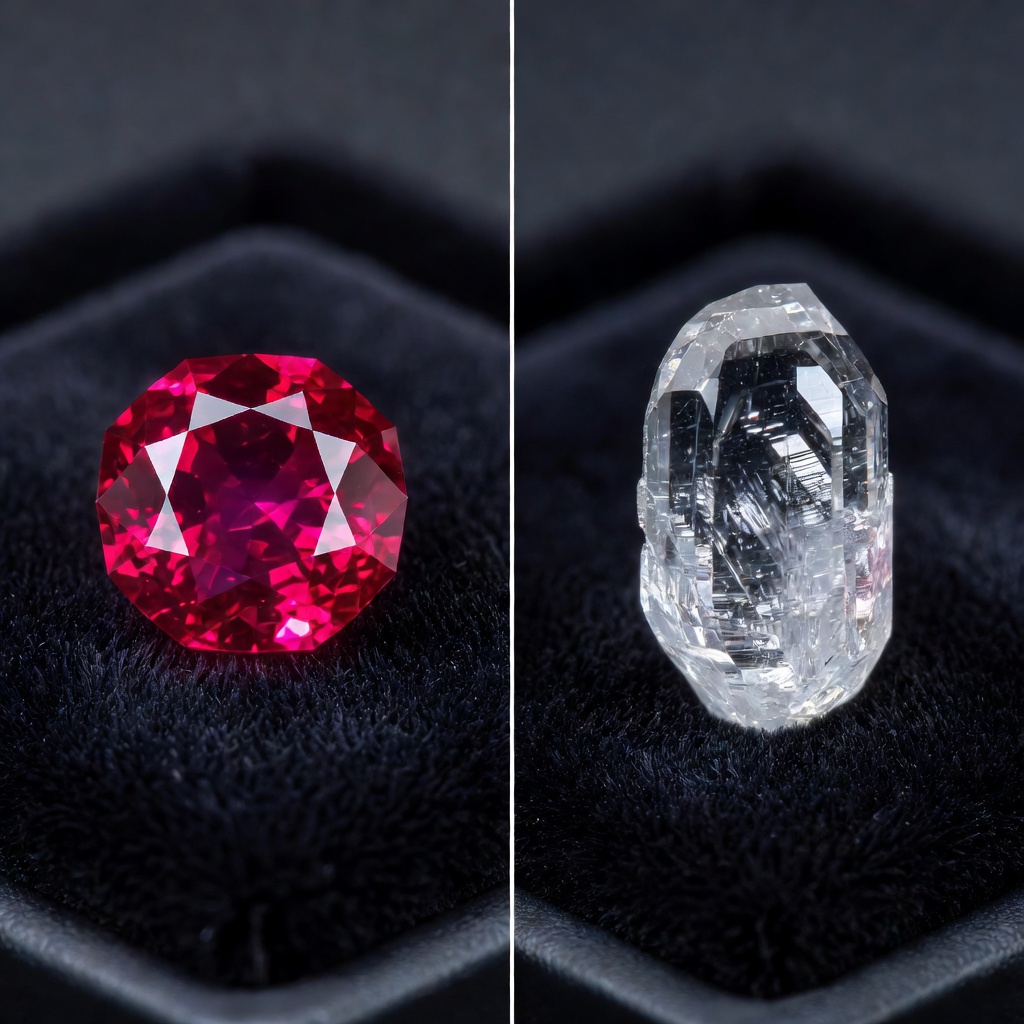
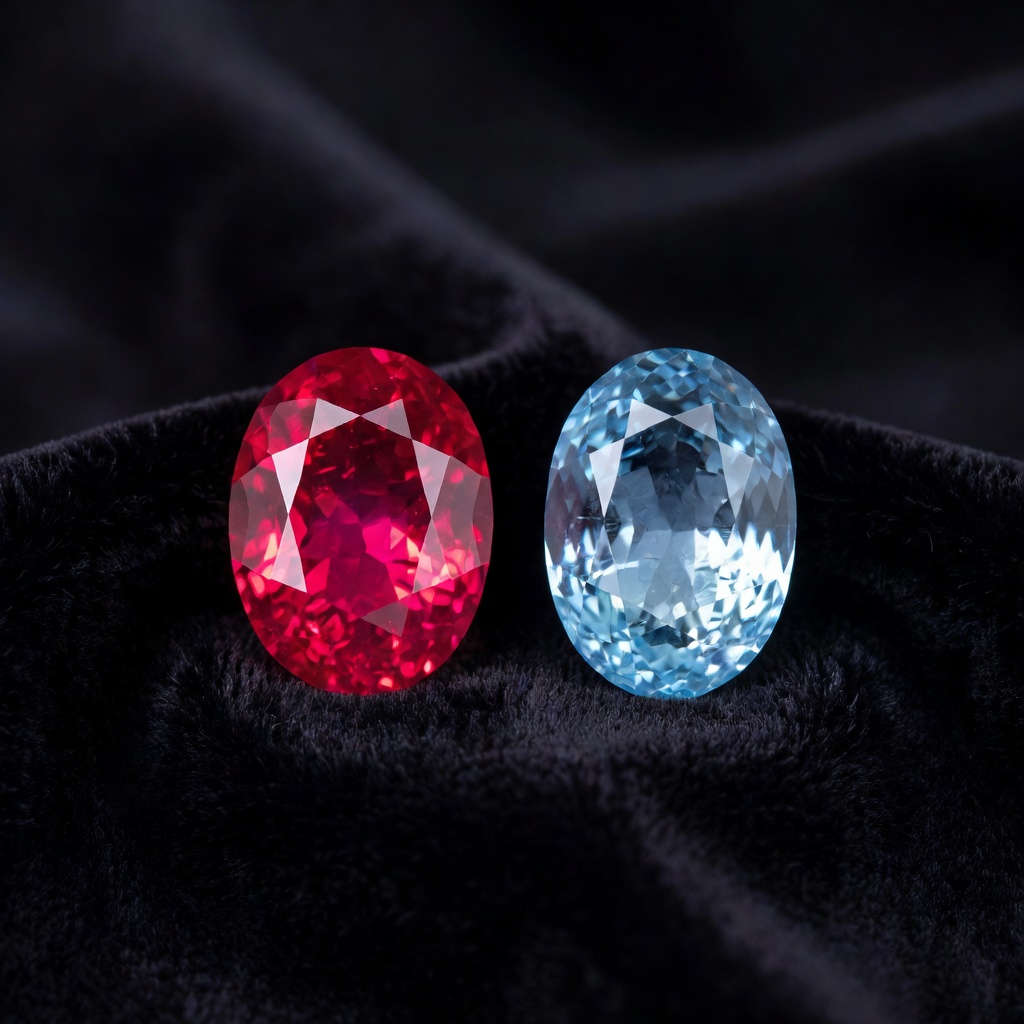
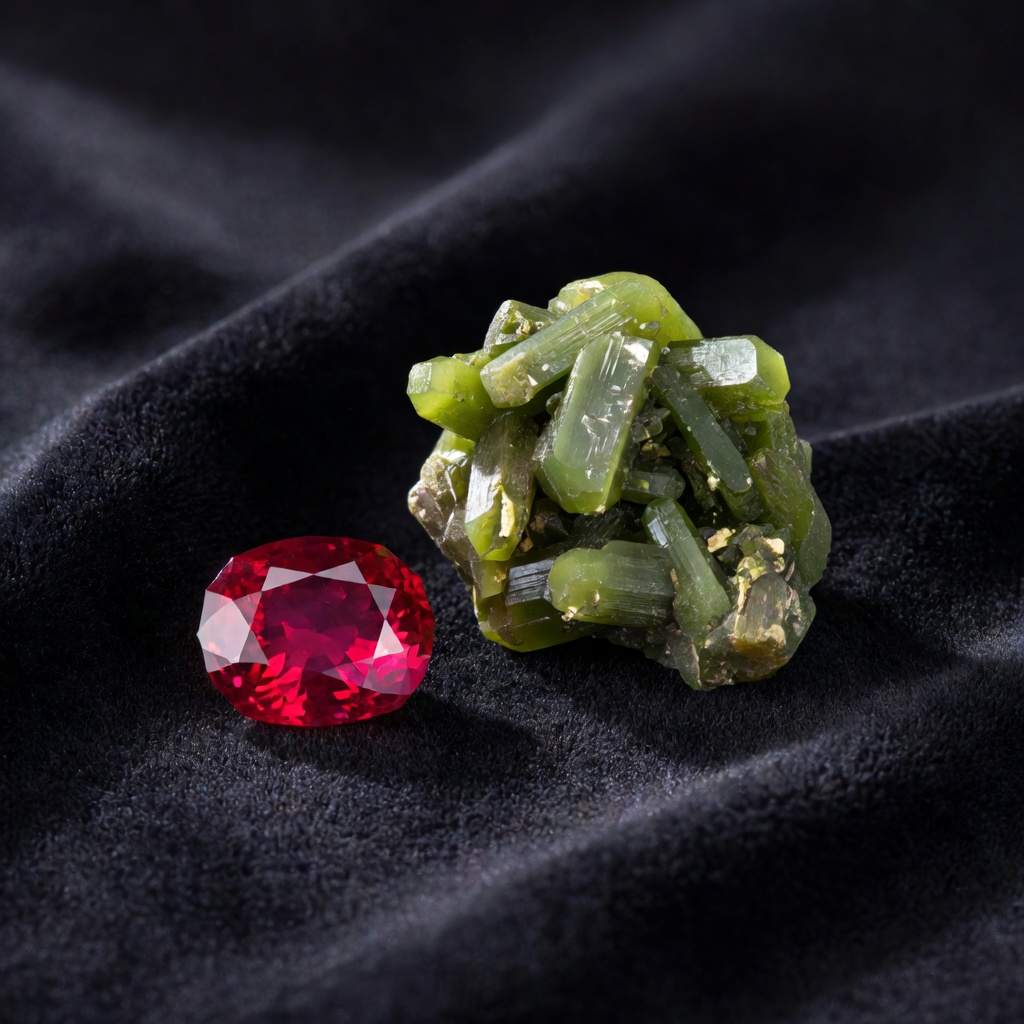
When exploring the world of colored gemstones, collectors and jewelry enthusiasts often find themselves weighing the merits of Ruby vs Danburite, two stones that occupy vastly different positions in the gemological hierarchy. Ruby stands as one of the "Big Three" precious gemstones alongside sapphire and emerald, commanding centuries of royal admiration and representing the pinnacle of luxury in the jewelry market. In contrast, Danburite remains a hidden treasure among lesser-known gems, offering exceptional brilliance and clarity at a fraction of the cost while maintaining an air of exclusivity that appeals to connoisseurs seeking unique alternatives. Despite their different market positions, consumers frequently compare these stones when seeking pink to red gemstones, creating a fascinating Precious stone comparison that reveals how rarity, durability, and optical performance influence purchasing decisions in today's diverse jewelry landscape.
The decision between these two gemstones often stems from conflicting priorities: the desire for traditional prestige and investment security versus the appeal of distinctive beauty and practical affordability. While Ruby represents the July birthstone and symbolizes passionate love in Western traditions, Danburite attracts those drawn to its diamond-like fire and spiritual associations with angelic realms. Understanding the fundamental differences between these crystals requires examining their geological origins, physical properties, and practical applications in fine jewelry, ensuring that buyers make informed choices aligned with their lifestyle needs and aesthetic preferences.
Chemical Composition and Geological Origins
Understanding the Ruby gemstone properties begins with its chemical foundation as aluminum oxide (Al₂O₃) crystallized in the trigonal system, specifically classified as corundum with chromium traces replacing aluminum atoms to create the iconic red coloration. This substitution of chromium ions within the crystal lattice produces the absorption spectrum that gives Ruby its distinctive hue, with higher chromium content generally yielding more saturated red tones and occasionally resulting in fluorescence under ultraviolet light. The formation of these gems requires specific metamorphic conditions involving high pressure and temperature within marble or basalt host rocks, creating the geological environment necessary for corundum to develop its characteristic hardness and crystal structure.
Danburite presents a completely different chemical profile as calcium borosilicate (CaB₂Si₂O₈), crystallizing in the orthorhombic system with a structure that contributes to its exceptional clarity and diamond-like appearance. Unlike Ruby, which derives its color from trace elements, Danburite typically forms in hydrothermal veins and pegmatites with minimal color-causing impurities, resulting in the pale yellow, pink, or colorless specimens most commonly encountered in jewelry. The primary mining locations for Ruby include the historic Mogok mines of Myanmar, the Montepuez deposits in Mozambique, and various sites throughout Thailand, while Danburite sources concentrate in Charcas, Mexico, the Ambatofinandrahana region of Madagascar, and notably also in Myanmar, creating an interesting geographical overlap in distribution.
Color Variations and Visual Characteristics
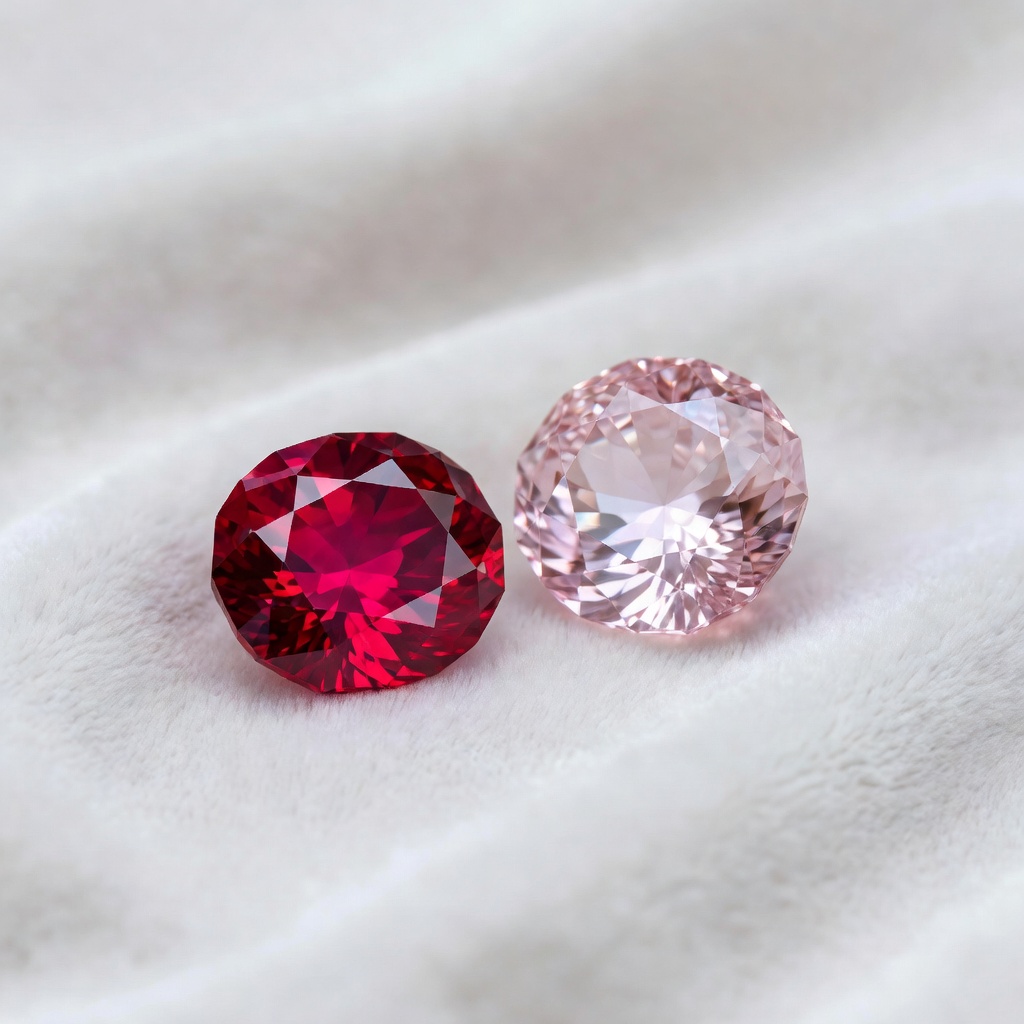
The Ruby color grades span a fascinating spectrum from delicate pinkish-red hues to the highly coveted "pigeon blood" deep red that commands premium prices in international markets, with Burmese stones traditionally setting the standard for the most desirable shade. Gemological laboratories assess these colors using precise metrics of hue, saturation, and tone, with the finest specimens displaying a pure red with minimal secondary purple or orange modifiers under various lighting conditions. When evaluating Pink gemstone alternatives, light-colored Rubies and pink Danburite sometimes compete for attention, though experienced gemologists can distinguish them immediately by Ruby's characteristic inclusion patterns and Danburite's superior transparency and lack of silk.
Danburite typically presents in colorless to pale yellow, pink, or light brown varieties, with the pink specimens offering an attractive alternative for those seeking soft feminine tones without the intense saturation of fine Ruby. The impact of lighting conditions reveals significant differences between these stones, as Ruby often exhibits strong red fluorescence in sunlight due to chromium content, creating an internal glow that seems to illuminate the stone from within. Conversely, Danburite displays remarkable transparency and glass-like clarity with minimal inclusions, allowing light to pass through with minimal obstruction, creating a brilliant appearance that rivals more expensive precious stones in well-cut specimens.
Durability and Hardness: Mohs Scale Analysis
When assessing Ruby durability for jewelry applications, gemologists point to its impressive 9 on the Mohs hardness scale, making it second only to diamond and moissanite in resistance to scratching and surface abrasion. This exceptional hardness, combined with good toughness and the absence of cleavage planes, renders Ruby an ideal candidate for daily wear jewelry including engagement rings, bracelets, and pieces that may encounter regular impact during normal activities. The crystal structure of corundum allows it to maintain its polish and facet edges over decades of wear, explaining why antique Ruby jewelry often retains its original luster even after generations of continuous use.
Danburite hardness measures 7 to 7.5 on the Mohs scale, positioning it softer than Ruby but still suitable for jewelry with appropriate precautions and protective settings. While this hardness level resists scratching from everyday dust and debris, Danburite possesses distinct cleavage planes that create natural lines of weakness within the crystal structure, making it susceptible to chipping or splitting if struck forcefully against hard surfaces. Jewelry designers recommend bezel settings or protective halos for Danburite rings rather than exposed prong settings, and suggest reserving these pieces for occasional wear or protected locations like earrings and pendants where impact risk remains minimal.
Brilliance, Fire, and Optical Properties
Ruby exhibits a refractive index ranging from 1.76 to 1.77, creating substantial brilliance though typically displaying a more subdued, velvety luster compared to stones with higher refractive indices, with strong red fluorescence under UV light serving as a diagnostic characteristic for identification. The optical performance of Ruby depends significantly on cut quality and clarity, with included specimens sometimes showing a desirable "silk" that diffuses light softly, while cleaner stones display more brilliant flashes of red light. When examining Gemstone brilliance, collectors appreciate Ruby's ability to maintain color saturation even in dim lighting conditions, a property that distinguishes fine specimens from lesser-quality red stones that appear brownish or dull in incandescent light.
The comparison of Danburite vs diamond becomes immediately apparent when observing Danburite's impressive refractive index of 1.63 to 1.63 and high dispersion that creates significant fire and spectral color separation, often causing confusion among novice buyers who mistake it for more expensive colorless diamonds. Unlike Ruby's inherent fluorescence, Danburite typically shows no reaction to ultraviolet light, though its exceptional clarity and lack of inclusions allow for maximum light return and scintillation that rivals diamond's optical performance in well-proportioned cuts. This remarkable brilliance makes Danburite an excellent choice for those seeking diamond-like sparkle without the associated cost, particularly in pendant and earring designs where the stone's cleavage presents less risk than in ring applications.
Pricing, Rarity, and Investment Value
The Ruby jewelry value proposition reflects centuries of demand combined with genuine geological scarcity, particularly for untreated stones exceeding five carats with pigeon blood coloration, which can command prices ranging from ten thousand to over one hundred thousand dollars per carat at auction. High-quality Rubies from Myanmar and Mozambique represent some of the most concentrated stores of value in the gemstone world, with prices appreciating consistently over decades due to limited new discoveries and increasing difficulty in extracting fine material from established mines. Investment-minded collectors focus on unheated stones with laboratory certifications from reputable institutions like GIA or Gübelin, recognizing that treated Rubies, while beautiful, rarely appreciate at the same rate as their natural counterparts in the secondary market.
Danburite remains remarkably accessible from a pricing perspective, with fine quality faceted stones typically ranging from fifty to five hundred dollars per carat depending on size, color intensity, and clarity, making it an attractive entry point for those new to gemstone collecting. While not traditionally considered a vehicle for Gemstone investment, rare large specimens exceeding ten carats with intense pink coloration have begun attracting attention from specialized collectors who recognize the stone's beauty and relative scarcity in the marketplace. Unlike Ruby, which carries significant prestige and resale liquidity, Danburite purchases should be viewed primarily as acquisitions for personal enjoyment rather than financial speculation, though the stone offers exceptional value when compared to other high-brilliance gems like diamond or colorless sapphire.
Comprehensive Comparison: Ruby vs Danburite
When evaluating these two distinct gemstones side by side, several key factors emerge that help clarify their respective positions in the jewelry market and collector communities. The following table presents a detailed comparison of their physical properties, market values, and ideal applications to assist buyers in making informed decisions based on objective criteria rather than emotional appeal alone.
| Characteristic | Ruby | Danburite |
|---|---|---|
| Chemical Composition | Aluminum Oxide (Al₂O₃) with Chromium | Calcium Borosilicate (CaB₂Si₂O₈) |
| Crystal System | Trigonal | Orthorhombic |
| Mohs Hardness | 9 | 7 - 7.5 |
| Refractive Index | 1.76 - 1.77 | 1.63 - 1.63 |
| Dispersion (Fire) | Low (0.018) | Moderate (0.017) |
| Color Range | Red, Pinkish-Red to Deep Pigeon Blood | Colorless, Pale Yellow, Pink, Light Brown |
| Typical Clarity | Often Included (Silk, Crystals, Feathers) | Usually Eye-Clean to Loupe-Clean |
| Price Range (Per Carat) | $1,000 - $100,000+ | $50 - $500 |
| Best Jewelry Applications | Engagement Rings, Daily Wear, Heirloom Pieces | Earrings, Pendants, Occasional Wear Rings |
| Cleaning Methods | Ultrasonic, Steam, Warm Soapy Water | Warm Soapy Water Only (No Ultrasonic) |
| Metaphysical Associations | Passion, Vitality, Protection, Root Chakra | Spiritual Enlightenment, Heart Chakra, Angelic Connection |
This comparison reveals that while Ruby offers superior durability and investment potential, Danburite provides exceptional optical performance and value for those prioritizing brilliance and clarity. Buyers seeking the llohso collection of rare specimens might consider acquiring both stones to appreciate their complementary qualities, as each brings unique characteristics to a comprehensive gemstone portfolio. Understanding these distinctions ensures that jewelry purchases align with both practical wearability requirements and personal aesthetic preferences.
Jewelry Applications and Setting Recommendations
The Precious stone comparison becomes particularly relevant when considering practical jewelry applications, as Ruby's superior hardness makes it virtually ideal for engagement rings, tennis bracelets, and statement necklaces designed for continuous daily wear without special precautions. Jewelers frequently set Rubies in yellow gold to enhance the stone's warm red undertones, though white gold and platinum settings create striking contemporary contrasts that highlight the gem's saturation against cool metal tones. Prong settings work beautifully for Rubies given their toughness and lack of cleavage, allowing maximum light exposure while maintaining security, though bezel settings offer additional protection for active individuals who engage in sports or manual labor.
Danburite requires more thoughtful consideration regarding Gemstone jewelry settings due to its cleavage planes and moderate hardness, making it best suited for earrings and pendants where impact risk remains minimal and the stone's brilliance can be appreciated without constant exposure to potential damage. When set in rings, Danburite demands protective bezel or halo settings that cushion the girdle and table from direct blows, with metal choices like white gold, platinum, or silver complementing the stone's colorless to pale pink transparency. For those seeking Pink gemstone alternatives in cocktail rings or special occasion pieces, Danburite offers an elegant solution that mimics the appearance of much more expensive pink diamonds or light sapphires at a fraction of the cost, provided the wearer understands the need for occasional rather than daily use.
Metaphysical Properties and Symbolic Meanings
Ruby metaphysical properties have been documented across countless civilizations, with ancient Hindus referring to the stone as "ratnaraj" or king of gems, associating it with the root chakra, blood circulation, and the life force itself. Modern crystal healers utilize Ruby to stimulate passion, courage, and vitality, believing that the stone's intense red frequency resonates with the heart's electromagnetic field to enhance emotional intensity and physical energy. As the July birthstone and traditional gift for fortieth wedding anniversaries, Ruby carries cultural significance representing undying love, protection against misfortune, and the fiery determination necessary to overcome obstacles in both spiritual and material realms.
Danburite meaning centers primarily on higher consciousness and angelic communication, with practitioners associating this calcium borosilicate crystal with the heart and crown chakras to facilitate emotional healing and spiritual enlightenment. Unlike the energizing stimulation of Ruby, Danburite promotes a sense of calm, peace, and connection to angelic realms, making it popular among meditation practitioners who seek to release anxiety and open channels for divine guidance. The stone's high vibrational frequency supposedly helps release karmic patterns and emotional trauma stored in the cellular memory, offering a gentler energetic experience compared to Ruby's assertive vitality, though both stones ultimately serve to enhance the wearer's connection to their authentic self and spiritual purpose.
How to Choose: Decision Guide for Buyers
Navigating the Ruby vs Danburite buying guide requires honest assessment of lifestyle factors, as active individuals who rarely remove their jewelry will find Ruby's durability far more practical than Danburite's delicate nature, which demands conscious awareness of activities and potential impacts. Budget considerations play a significant role in this decision, with Ruby representing a substantial investment that may appreciate over time, while Danburite allows for the acquisition of larger, cleaner stones without financial strain, making it ideal for fashion jewelry or experimental designs. Personal style preferences also influence this choice dramatically, as those drawn to intense, saturated colors and traditional luxury gravitate toward Ruby, while individuals favoring subtle elegance, diamond-like sparkle, and understated sophistication often prefer the gentle luminescence of pale Danburite.
When evaluating specific specimens, prioritize certification from recognized laboratories for Ruby purchases to ensure accurate disclosure of treatments and origin, as these factors significantly impact value and durability expectations. For Danburite, focus on cut quality and clarity rather than origin, seeking well-proportioned stones that maximize brilliance while minimizing the visibility of cleavage planes. Consider building a diversified jewelry wardrobe that incorporates both stones: Ruby for signature pieces and daily wear staples that withstand the test of time, and Danburite for special occasion sparkle and spiritual meditation tools that benefit from the stone's calming energetic signature and exceptional optical performance.
Care and Maintenance Requirements
Maintaining Ruby jewelry value over generations requires understanding proper cleaning protocols, with most Rubies tolerating ultrasonic cleaners and steam cleaning provided they have not been fracture-filled or treated with temporary surface enhancements such as oiling or dyeing. For untreated or heat-only treated stones, warm soapy water with a soft brush effectively removes accumulated oils and debris from behind settings and along the girdle, preserving the stone's natural brilliance without risking damage to the crystal structure. Store Ruby pieces separately from softer gemstones to prevent scratching, though Ruby itself requires minimal protection from environmental factors beyond avoiding extreme thermal shock that could potentially stress inclusions within the stone.
Danburite demands more delicate handling in the context of Ruby vs Danburite comparison care routines, as its cleavage planes make it vulnerable to damage from ultrasonic vibrations, steam pressure, and sudden temperature changes that could initiate fractures along structural weak points. Clean Danburite using only mild soapy water and soft cloths, avoiding harsh chemical cleaners, acids, or abrasive materials that might dull the surface or compromise the setting integrity. When storing gemstone collections, never place Danburite in direct contact with harder stones like Ruby, sapphire, or diamond, as these will scratch the softer calcium borosilicate surface; instead, wrap individual pieces in soft cloth or store them in compartmentalized jewelry boxes to maintain their pristine condition and brilliant luster.
Frequently Asked Questions
Is Danburite a good alternative to Ruby for jewelry?
Danburite can be an excellent alternative to Ruby if you prioritize brilliance and affordability over extreme durability. While Danburite offers diamond-like sparkle and pale pink hues similar to lighter Rubies, it requires more careful handling due to its 7-7.5 Mohs hardness compared to Ruby's 9. It's ideal for earrings and pendants rather than daily-wear rings.
Which is more durable for engagement rings, Ruby or Danburite?
Ruby is significantly more durable for engagement rings, scoring 9 on the Mohs scale and possessing excellent toughness without cleavage planes. Danburite, rating 7-7.5, is softer and has distinct cleavage, making it susceptible to chipping if struck. If choosing Danburite for a ring, select a protective bezel or halo setting and reserve it for occasional wear.
Why is Ruby so much more expensive than Danburite?
Ruby commands higher prices due to extreme rarity, especially for fine-quality stones with pigeon blood red color. Historical significance as a precious gemstone, consistent demand, and limited supply of untreated high-quality material drive values upward. Danburite, while rare in large clean crystals, has adequate supply and lacks the luxury market positioning of Ruby, keeping prices accessible.
Can Danburite look like a Diamond or Pink Sapphire?
Yes, colorless Danburite closely resembles Diamond due to its high refractive index (1.63) and excellent dispersion, often serving as an affordable diamond alternative. Pale pink Danburite can resemble light Pink Sapphire or Morganite, though it typically shows more brilliance than Morganite. However, Danburite lacks the deep saturation of fine Ruby or the hardness of Diamond.
What is the spiritual difference between Ruby and Danburite?
Ruby is associated with the root chakra, embodying passion, courage, physical vitality, and protection against negative energies. It's considered a stone of royalty and power. Danburite resonates with the heart and crown chakras, promoting emotional healing, angelic connection, spiritual enlightenment, and releasing anxiety. While Ruby energizes and stimulates, Danburite calms and elevates consciousness.
Is Danburite rarer than Ruby in nature?
While high-quality faceted Danburite is relatively rare in the jewelry market compared to common gemstones, Ruby is technically rarer in nature, particularly fine specimens without heat treatment. However, Ruby has been mined extensively for centuries with established supply chains, while Danburite remains less known despite reasonable availability from limited deposits in Mexico and Madagascar.
Which gemstone has better brilliance and fire, Ruby or Danburite?
Danburite generally displays better brilliance and fire due to its higher dispersion and clarity, often appearing more 'lively' than Ruby. Ruby exhibits a more subdued, velvety glow with strong fluorescence in sunlight. While Danburite sparkles similarly to Diamond, Ruby offers a unique depth and 'glow' from within due to its crystal structure and inclusions.
How do I clean and care for Ruby vs Danburite jewelry?
Clean Ruby jewelry using warm soapy water, soft brushes, or ultrasonic cleaners (if untreated). Avoid harsh chemicals and extreme heat. For Danburite, use only mild soapy water and soft cloths—never ultrasonic or steam cleaners due to cleavage planes. Store both separately to prevent scratching, though Ruby can scratch most other gems including Danburite.