Understanding Ruby vs Cubic Zirconia: A Detailed Introduction
Ruby represents one of humanity's most treasured precious stones, a variety of natural corundum prized for millennia for its exceptional hardness and vivid red hue that symbolizes passion and power. This July birthstone forms under specific geological conditions deep within the earth, making fine specimens rarer than diamonds and commanding premium prices in luxury markets worldwide. In contrast, cubic zirconia emerges from sophisticated laboratory environments as a synthetic diamond simulant, frequently treated with red colorants to mimic the appearance of ruby at a fraction of the cost. Many consumers encounter confusion when comparing these crimson stones, particularly when shopping online or in fast-fashion retail environments where lighting and presentation can obscure critical differences.
The distinction between these materials extends far beyond surface aesthetics, encompassing fundamental differences in chemical composition, durability, and long-term value retention that significantly impact purchasing decisions. While both stones serve legitimate purposes in the jewelry industry, understanding their inherent properties prevents disappointment and ensures appropriate selection for specific applications, whether selecting an heirloom engagement ring or assembling a versatile costume jewelry collection. Professional gemologists emphasize that informed buyers examine beyond color alone, considering factors such as optical properties, setting requirements, and maintenance expectations before committing to either material.
Origins and Chemical Composition: Natural vs Synthetic Creation
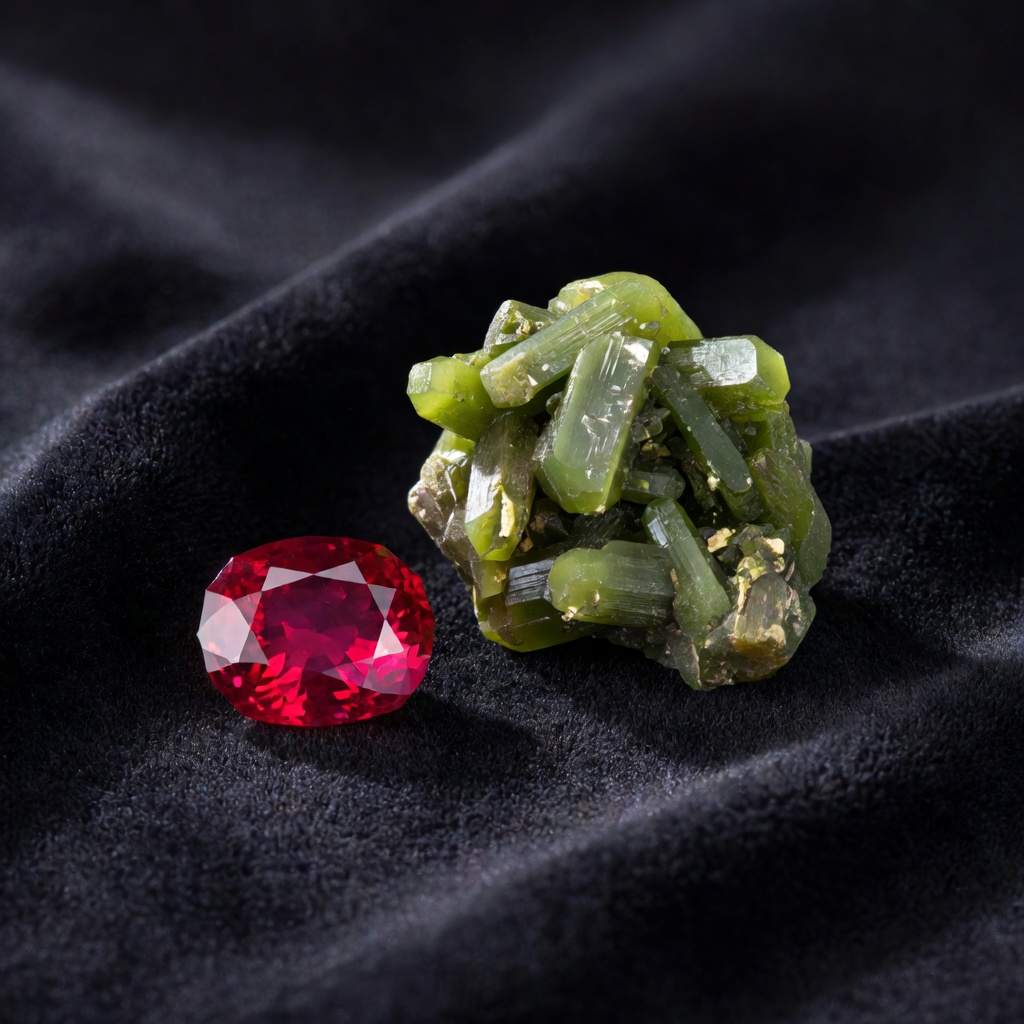
The journey from raw material to finished gemstone differs dramatically between ruby and cubic zirconia, with one originating in ancient geological processes while the other represents modern materials science achievements. Natural ruby crystals develop within metamorphic rocks such as marble or basalt over millions of years, requiring specific combinations of aluminum oxide, trace chromium for coloration, and intense heat and pressure conditions found primarily in Myanmar, Mozambique, and Madagascar. These natural corundum specimens often undergo heat treatment to enhance color saturation and clarity, a widely accepted practice that distinguishes untreated Burmese rubies as the most valuable specimens in the world.
The Science Behind Synthetic Ruby Production
Modern laboratories create synthetic ruby using two primary methods that replicate natural formation conditions while accelerating the timeline from millennia to weeks. The Verneuil flame fusion process melts aluminum oxide powder with chromium additives in a high-temperature oxyhydrogen flame, creating cylindrical boules that crystallize into rough material suitable for faceting. Alternatively, hydrothermal synthesis subjects aluminum oxide solutions to intense heat and pressure within sealed vessels, producing crystals that more closely mimic natural inclusions and growth patterns found in earth-mined specimens. These lab-created gemstones possess identical chemical, physical, and optical properties to natural ruby, distinguishing them distinctly from simulants like cubic zirconia.
Cubic Zirconia Manufacturing and Chemical Structure
Cubic zirconia production relies exclusively on the skull melting technique, wherein zirconium dioxide powder combines with stabilizing oxides such as yttrium or calcium oxide within a radio-frequency induction furnace reaching temperatures exceeding 2,750 degrees Celsius. Unlike synthetic ruby which maintains the same aluminum oxide (Al₂O₃) composition as natural specimens, CZ constitutes an entirely different chemical entity—zirconium dioxide (ZrO₂)—that crystallizes in the cubic system and bears no mineralogical relationship to corundum. This fundamental chemical distinction explains why cubic zirconia exhibits different hardness, density, and optical characteristics despite superficial color similarities to ruby.
Visual Appearance: Color Depth, Clarity, and Optical Properties
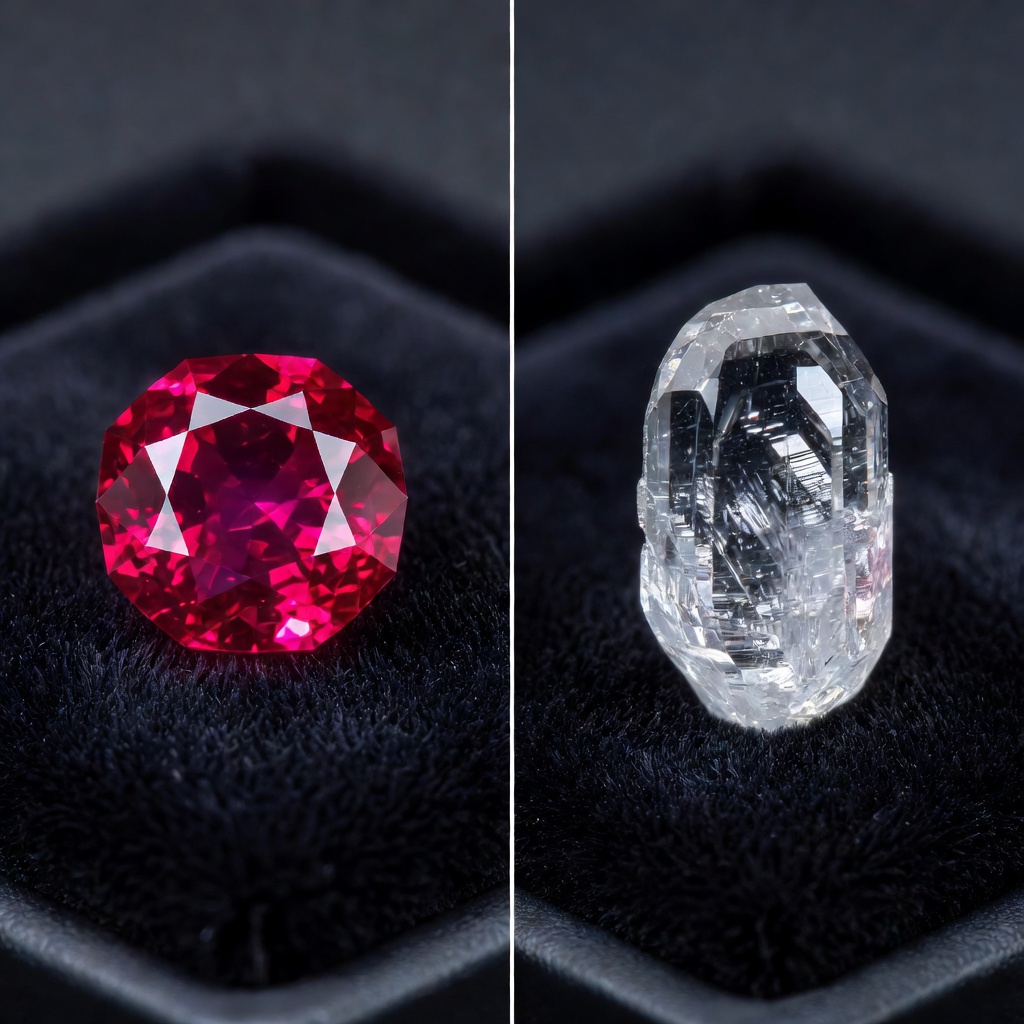
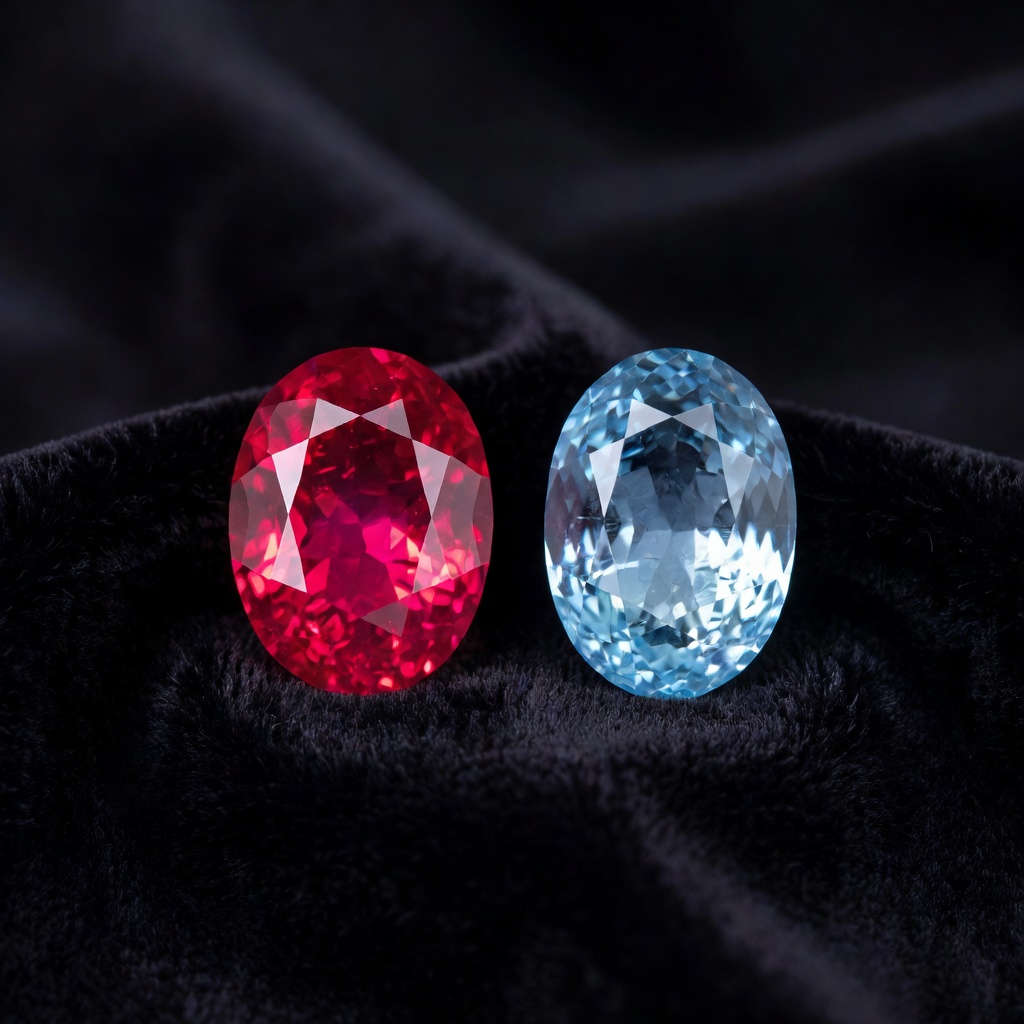
Distinguishing between ruby and cubic zirconia requires careful examination of optical characteristics that reveal their distinct internal structures and light-handling properties. Fine natural ruby displays the coveted "pigeon blood" red—a deep, slightly purplish or bluish-red with subtle translucency that seems to glow from within rather than merely reflecting surface light. Authentic specimens typically contain microscopic rutile needles known as "silk," along with fingerprint inclusions, color zoning, and growth lines that testify to their natural formation history and actually enhance value when minimal rather than indicating poor quality.
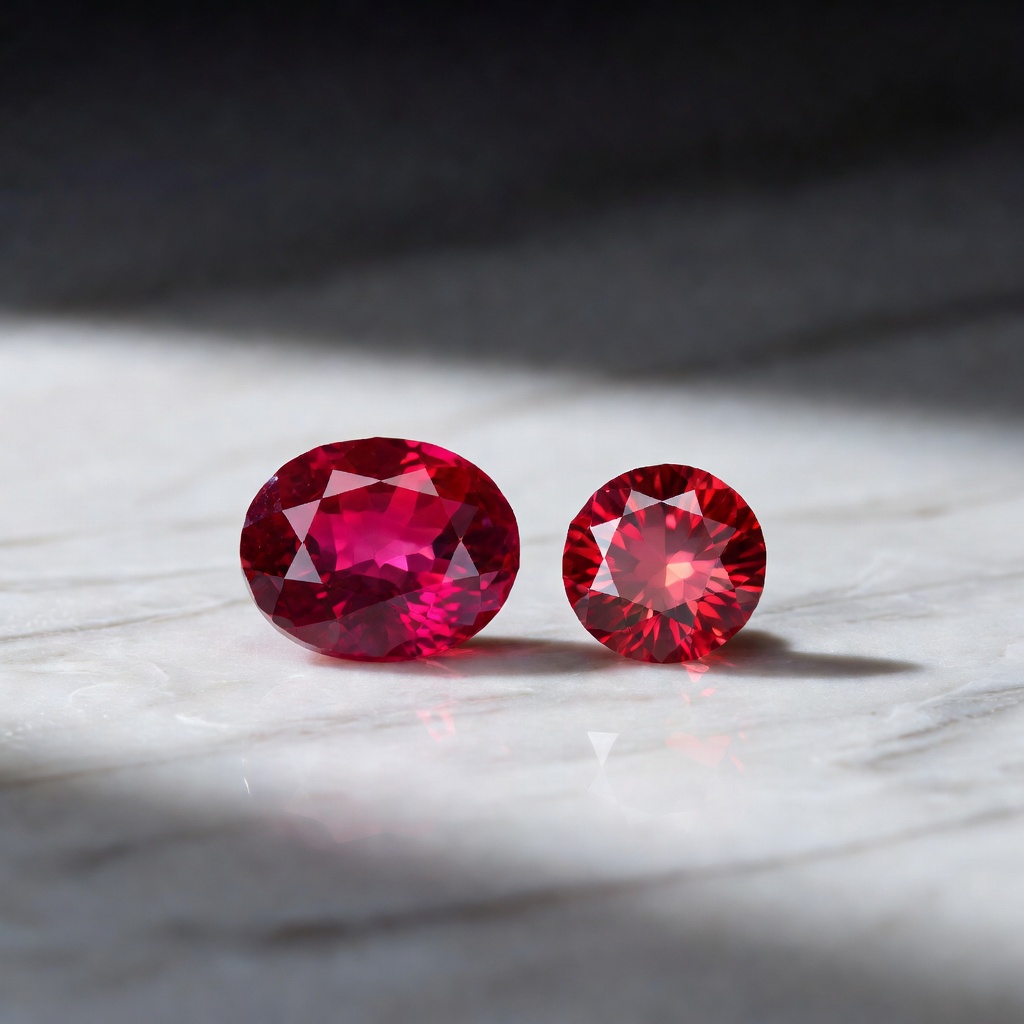
Cubic zirconia colored to imitate ruby presents an entirely different visual signature characterized by perfection that appears artificial upon close inspection. The material exhibits exceptional clarity without natural inclusions, often displaying an "orange peel" surface texture under magnification caused by polishing techniques unsuitable for the material's structure. Most notably, CZ possesses dispersion ratings of 0.058 compared to ruby's 0.018, creating excessive "fire" or rainbow flashes when moved under light sources—an optical property attractive in diamond simulants but immediately identifiable as non-ruby to trained observers.
Luster and Light Performance Differences
Ruby exhibits a vitreous to adamantine luster that produces a deep, saturated glow with limited spectral color separation, allowing the primary red hue to dominate visual perception. Conversely, cubic zirconia generates a brilliant, diamond-like sparkle with pronounced prismatic color separation that creates disco-ball effects under direct lighting. When examined under standard incandescent bulbs, ruby maintains consistent color depth while CZ may show color shifting or zoning artifacts where dye concentrations vary, particularly in larger carat weights where achieving uniform coloration proves challenging for manufacturers.
Durability and Hardness: Mohs Scale Comparison
Durability considerations fundamentally separate these materials regarding their suitability for daily wear jewelry and heirloom preservation. Ruby ranks nine on the Mohs hardness scale, placing it second only to diamond and making it exceptionally resistant to scratching, chipping, and abrasion during normal wear activities. This remarkable hardness enables ruby jewelry to withstand decades of continuous use, explaining its historical preference for royal regalia, engagement rings, and pieces intended for multi-generational inheritance without significant degradation to polish or facet integrity.
Cubic zirconia measures between eight and eight-point-five on the Mohs scale, a rating that provides reasonable resistance to minor impacts but renders the material vulnerable to surface scratching and edge abrasion over time. While household dust containing quartz (hardness seven) cannot scratch CZ, the material accumulates micro-abrasions from everyday contact with harder substances, gradually diminishing brilliance and creating a cloudy or milky appearance within two to five years of regular wear. Additionally, CZ exhibits perfect cleavage in certain orientations, making it prone to chipping along facet junctions if struck against hard surfaces, whereas ruby's toughness—though complicated by cleavage planes—generally provides superior structural integrity for ring and bracelet applications.
Comprehensive Gemstone Comparison
| Characteristic | Ruby (Natural & Synthetic) | Cubic Zirconia |
|---|---|---|
| Chemical Composition | Aluminum Oxide (Al₂O₃) with Chromium | Zirconium Dioxide (ZrO₂) with Stabilizers |
| Mohs Hardness | 9.0 | 8.0 - 8.5 |
| Specific Gravity | 3.99 - 4.05 | 5.65 - 6.00 (heavier) |
| Refractive Index | 1.762 - 1.778 | 2.15 - 2.18 |
| Dispersion (Fire) | 0.018 (subtle) | 0.058 (high/rainbow) |
| Typical Inclusions | Silk, needles, feathers, color zoning | Usually flawless or gas bubbles |
| Surface Luster | Vitreous to adamantine | Diamond-like, sometimes glassy |
| Price per Carat | $100 - $15,000+ | $20 - $50 |
| Expected Longevity | Centuries with proper care | 2-5 years before clouding |
| Investment Value | Appreciates over time | No resale value |
Price Analysis and Investment Value
The economic disparity between these red gemstones reflects fundamental differences in rarity, production costs, and market perception that influence both initial acquisition and long-term financial considerations. Natural rubies command prices ranging from one hundred dollars per carat for heavily treated or included African specimens to over fifteen thousand dollars per carat for unheated Burmese stones exceeding five carats with exceptional color saturation. Origin significantly impacts valuation, with Myanmar (Burmese) rubies historically achieving premium prices compared to newer deposits in Mozambique or Madagascar, while treatment history—documented through gemological certifications—can create tenfold price variations between otherwise similar-appearing stones.
Cubic zirconia operates within an entirely different economic model, with commercial-grade red CZ typically retailing between twenty and fifty dollars per carat regardless of size, as laboratory production faces no natural supply constraints. This accessibility makes CZ an attractive option for fashion jewelry, temporary placeholders, or situations where loss or damage remains likely, though buyers must recognize that CZ possesses zero resale value and depreciates immediately upon purchase. Unlike natural corundum which historically appreciates alongside inflation and increasing scarcity, cubic zirconia functions purely as a consumable fashion accessory rather than a store of value or transferable asset.
Market Considerations for Collectors
Investment-minded consumers should note that fine untreated rubies from prestigious localities have outperformed many traditional investments over decades, with documented cases of Kashmir and Burmese specimens appreciating five hundred percent or more across twenty-year holding periods. Conversely, synthetic ruby, while chemically identical to natural material, carries modest premiums over CZ but lacks the scarcity-driven appreciation of earth-mined stones, occupying a middle ground between investment-grade gems and disposable fashion accessories. Estate jewelry dealers consistently report that vintage ruby pieces retain or increase value while CZ jewelry, regardless of original mounting quality, typically holds value only for its precious metal content.
Jewelry Applications: Best Uses for Each Stone
Selecting appropriate jewelry applications requires honest assessment of intended use duration, wearing frequency, and emotional significance attached to the piece. Ruby excels in permanent jewelry categories including engagement rings, milestone anniversary bands, and birthday gifts for July birthstone recipients, where durability and lasting beauty justify higher initial investment. When set in protective mountings such as bezel or six-prong settings that shield vulnerable girdle edges, ruby withstands daily activities including office work, social events, and moderate physical activity while maintaining brilliance that improves with age as oils enhance the stone's natural luster.
Cubic zirconia serves distinct market needs particularly suited to trend-driven fashion jewelry, travel replicas of valuable pieces, temporary engagement ring placeholders, and costume designs where colors coordinate with seasonal wardrobes. Fashion-forward consumers appreciate CZ for cocktail rings, statement earrings, and pendant necklaces worn occasionally rather than daily, as the material's tendency toward scratching and clouding becomes less problematic in rotation-based wardrobes. The material's affordability also makes it ideal for "disaster testing" proposed ring designs before committing to expensive natural corundum versions, allowing couples to evaluate comfort and style preferences before significant investment.
Setting Requirements and Design Considerations
Ruby's value and hardness characteristics demand protective settings that secure the stone while allowing light entry, typically requiring experienced jewelers who understand corundum's cleavage planes and optimal facet angles for maximum brilliance. High-value ruby center stones warrant custom mountings with robust prongs and gallery structures that prevent impact damage during wear. Conversely, CZ's low cost and isotropic crystal structure permit experimental settings including tension mounts, pave arrangements with minimal metal support, and intricate micropave designs that might prove prohibitively expensive or risky with precious gemstones, allowing designers greater creative freedom without financial constraints.
Maintenance, Cleaning, and Longevity Expectations
Proper maintenance protocols differ significantly between these materials, reflecting their distinct responses to environmental factors, cleaning agents, and daily wear accumulation. Ruby maintenance remains relatively straightforward, requiring periodic cleaning in warm water with mild dish soap using a soft-bristled brush to remove accumulated lotions and skin oils that temporarily dull brilliance. While ultrasonic cleaners generally prove safe for untreated or heat-treated ruby, stones with fractures, cavity fillings, or lead-glass treatments require gentler hand-cleaning methods to prevent structural damage or filler removal that would dramatically impact appearance and value.
Cubic zirconia demands more frequent attention due to its propensity for attracting skin oils, soap film, and cosmetic residues that adhere tenaciousiously to the stone's surface, creating a cloudy or milky appearance within weeks of regular wear. Unlike ruby, which maintains brilliance between cleanings, CZ requires weekly washing with ammonia-based solutions or dedicated jewelry cleaners to restore temporary sparkle, though even diligent maintenance cannot prevent the gradual accumulation of micro-scratches that permanently reduce brilliance over two-to-five-year periods. Professional jewelers recommend replacing CZ center stones every three to five years for pieces worn daily, treating the material as a renewable component rather than a permanent fixture.
Professional Care Recommendations
Ruby owners should schedule annual inspections with qualified jewelers who can check prong integrity, assess wear patterns on mountings, and identify any impact damage or loosening that might risk stone loss. These inspections prove particularly crucial for estate pieces or rings worn continuously, as they prevent catastrophic loss through preventive maintenance. CZ jewelry benefits from professional cleaning using steam or ultrasonic methods that remove stubborn residues, though owners should recognize that professional polishing cannot restore material lost to abrasion, eventually necessitating stone replacement regardless of care quality.
Making the Right Choice: Budget, Ethics, and Lifestyle
Final selection between ruby and cubic zirconia ultimately depends on aligning material properties with personal values, financial parameters, and practical lifestyle considerations rather than aesthetic preferences alone. Choose natural or synthetic ruby when seeking permanence, heritage value, and genuine gemstone status that withstands daily wear for decades, particularly for milestone jewelry marking significant life events such as engagements, fortieth anniversaries, or July birthstone celebrations. The emotional significance of presenting or wearing a material that has existed for millions of years—or at least shares chemical identity with such ancient stones—resonates with consumers valuing authenticity and natural beauty over perfection.
Select cubic zirconia when budget constraints, temporary needs, or specific situational risks make expensive gemstone ownership impractical or inadvisable. Frequent travelers benefit from CZ replicas of valuable jewelry, allowing worry-free wearing in locations where theft or loss concerns might otherwise prevent enjoying fine jewelry. Similarly, individuals in active professions involving manual labor, healthcare environments with frequent hand-sanitizing requirements, or situations where jewelry damage remains likely find CZ's replaceability advantageous despite its shorter lifespan.
Ethical and Environmental Considerations
Ethical sourcing concerns influence many modern consumers, with natural ruby mining presenting documented challenges regarding fair labor practices, environmental degradation, and conflict financing in certain regions, though certified ethical sources and fair-trade programs increasingly address these issues. Synthetic ruby and cubic zirconia eliminate mining concerns but introduce environmental considerations regarding energy-intensive laboratory production and the carbon footprint associated with high-temperature manufacturing processes. Environmentally conscious buyers might prioritize lab-created gemstones for their reduced ecological impact compared to open-pit mining, while others emphasize the social benefits of supporting artisanal mining communities through ethically sourced natural corundum purchases.
Final Verdict: Which Red Gemstone Should You Choose?
The comparison between ruby and cubic zirconia ultimately reveals two materials serving fundamentally different market needs rather than competing alternatives within the same category. Ruby—whether natural corundum or synthetic ruby—offers chemical authenticity, exceptional durability, and investment potential suitable for permanent jewelry intended to last generations, while cubic zirconia provides accessible, worry-free beauty ideal for fashion experimentation and temporary applications. These distinctions in chemical composition (aluminum oxide versus zirconium dioxide), value retention (appreciating asset versus consumable good), and longevity expectations (centuries versus years) create clear decision frameworks for informed consumers.
When evaluating gemstone alternatives for your specific situation, consider the intended duration of wear, available budget, emotional significance of the piece, and practical wearing conditions you encounter daily. For engagement rings, family heirlooms, or investment purchases, ruby's superior hardness and lasting value justify premium pricing through decades of enjoyment and potential appreciation. For trend-based fashion jewelry, travel accessories, or situations where loss remains probable, cubic zirconia offers responsible accessibility without the anxiety associated with wearing valuable assets. Both materials deserve respect for their distinct contributions to jewelry design, but only ruby delivers the permanence and prestige associated with precious gemstones historically reserved for marking life's most significant moments.
Frequently Asked Questions
How can I tell the difference between ruby and cubic zirconia with the naked eye?
Look for natural inclusions—ruby typically contains silk, needles, or feathers visible under magnification, while CZ appears perfectly flawless. CZ also displays excessive 'fire' or rainbow flashes compared to ruby's deeper red glow, and feels noticeably heavier since CZ is 1.7 times denser than ruby.
Is cubic zirconia considered a fake ruby?
Cubic zirconia is not technically a 'fake' but rather a distinct synthetic material (zirconium dioxide) manufactured to simulate diamond, though it can be colored red to resemble ruby. Unlike synthetic ruby which is real corundum, CZ has a completely different chemical composition and is correctly identified as a diamond simulant or fashion gemstone.
Which is better for an engagement ring, ruby or cubic zirconia?
Ruby is superior for permanent engagement rings due to its Mohs hardness of 9 and ability to withstand daily wear for generations. Cubic zirconia is suitable only for temporary or placeholder rings, as it scratches easily, clouds over time, and typically requires replacement within 2-5 years.
Why does ruby cost thousands while cubic zirconia costs dollars?
Natural ruby pricing reflects extreme geological rarity, costly mining operations, limited supply from specific regions (Myanmar, Mozambique), and historical prestige. Cubic zirconia is mass-produced in laboratories with abundant raw materials and unlimited supply, eliminating scarcity value and making it an affordable fashion alternative.
Does red cubic zirconia look convincingly like real ruby?
To untrained observers, high-quality red CZ might initially appear similar, but gemologists easily distinguish them. CZ lacks ruby's subtle color depth, natural inclusions, and distinctive vitreous luster. Under light, CZ produces excessive prismatic fire (rainbow colors) that ruby does not display, giving it an artificial 'too perfect' appearance.
Will cubic zirconia scratch as easily as ruby?
Actually, CZ scratches more easily than ruby. Ruby rates 9 on the Mohs hardness scale (second only to diamond), making it highly scratch-resistant. CZ rates 8-8.5, meaning household dust (quartz, hardness 7) won't scratch it, but harder materials and daily abrasion will eventually mar its surface, while ruby remains pristine.
How do cleaning requirements differ between ruby and cubic zirconia jewelry?
Ruby requires gentle cleaning with warm soapy water and a soft brush; avoid harsh chemicals and ultrasonic cleaners if the stone has fractures. CZ needs frequent cleaning because it readily attracts skin oils, lotions, and soap film that cause clouding—regular washing with mild detergent restores its temporary brilliance.
Is lab-created ruby the same as cubic zirconia?
No, they are completely different materials. Lab-created ruby is genuine corundum (aluminum oxide) with the same chemical, physical, and optical properties as natural ruby. Cubic zirconia is zirconium dioxide—a diamond simulant with different hardness, density, and optical characteristics that merely imitates ruby's color.