Introduction: Understanding These Red Phenomenal Gems
When collectors and jewelry enthusiasts explore the world of crimson gemstones, the debate between Ruby vs Color Change Garnet frequently emerges as a fascinating study in contrasts. Ruby, belonging to the corundum mineral family, represents the pinnacle of classic red gemstone beauty with its chromium-rich composition delivering that coveted pigeon blood hue. In contrast, color change garnet, specifically the pyrope-spessartine variety, offers a mesmerizing optical phenomenon that transforms the stone's appearance from teal-blue daylight to raspberry-red under incandescent illumination. This Red gemstone comparison becomes particularly intriguing when considering that while both stones can exhibit rich red tones, they cater to distinctly different aesthetic preferences and practical applications in fine jewelry.
The alexandrite-like effect displayed by premium color change garnets has earned these stones recognition among serious collectors, though they remain underappreciated compared to their more famous counterparts. Unlike ruby's static, saturated crimson that remains consistent across lighting conditions, high-quality pyrope-spessartine garnet performs a chameleon-like act that captivates gem connoisseurs seeking something beyond traditional red gems. Collectors often find themselves weighing the timeless prestige of Burmese rubies against the magical, shifting personality of Tanzanian color change garnets, with each stone offering compelling arguments for inclusion in a serious gemstone portfolio or engagement ring selection.
Origins and Geological Formation
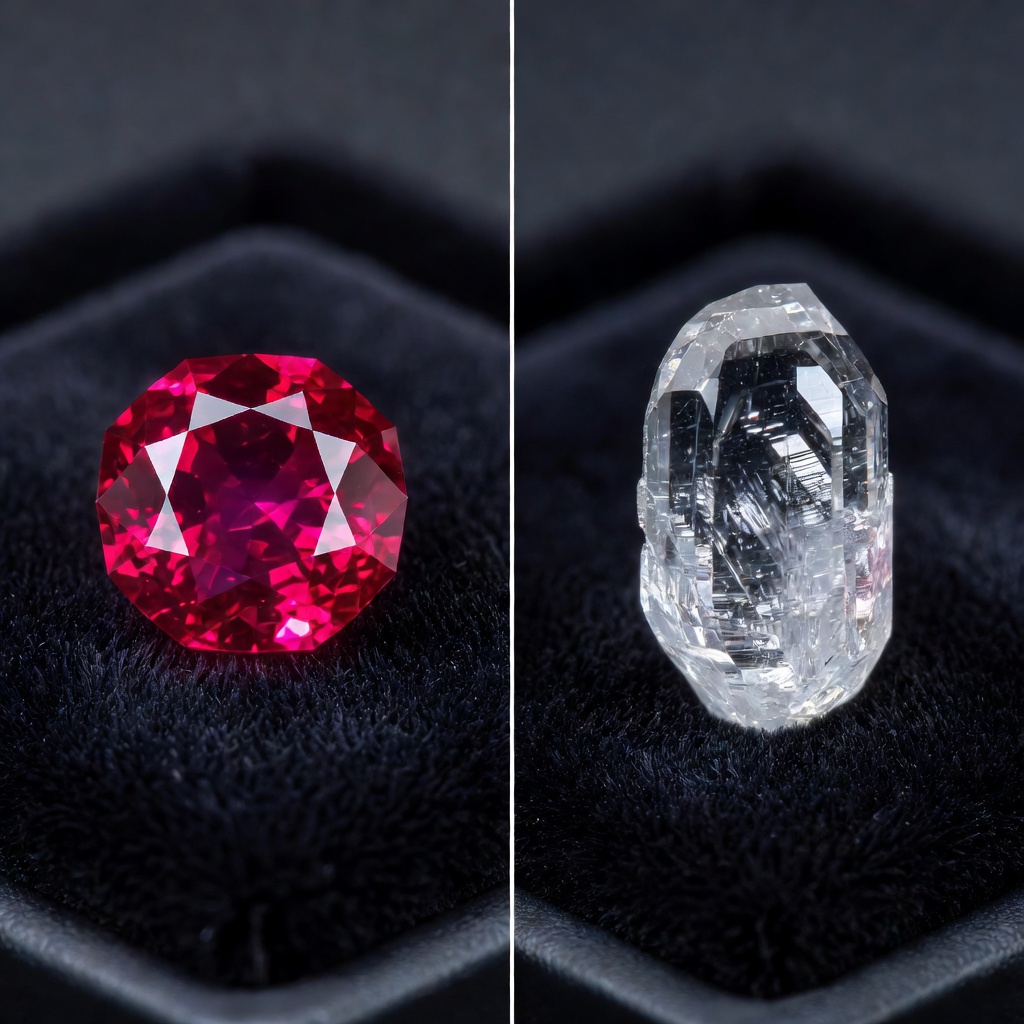
The geological journeys that create these magnificent red gemstones differ dramatically, contributing to their distinct characteristics and availability in the marketplace. Rubies form primarily within metamorphic limestone deposits under intense heat and pressure, with Myanmar's Mogok Valley producing the legendary "pigeon blood" specimens that command premium prices at international auctions. Modern mining operations in Mozambique's Montepuez region have emerged as significant sources of fine rubies, offering exceptional clarity and size that rival traditional Burmese material, while Thailand's Chanthaburi province continues to yield darker, more iron-rich rubies prized for their depth of color. Understanding these specific localities helps buyers recognize why Burmese rubies often cost significantly more than African or Thai material due to their superior fluorescence and color purity.
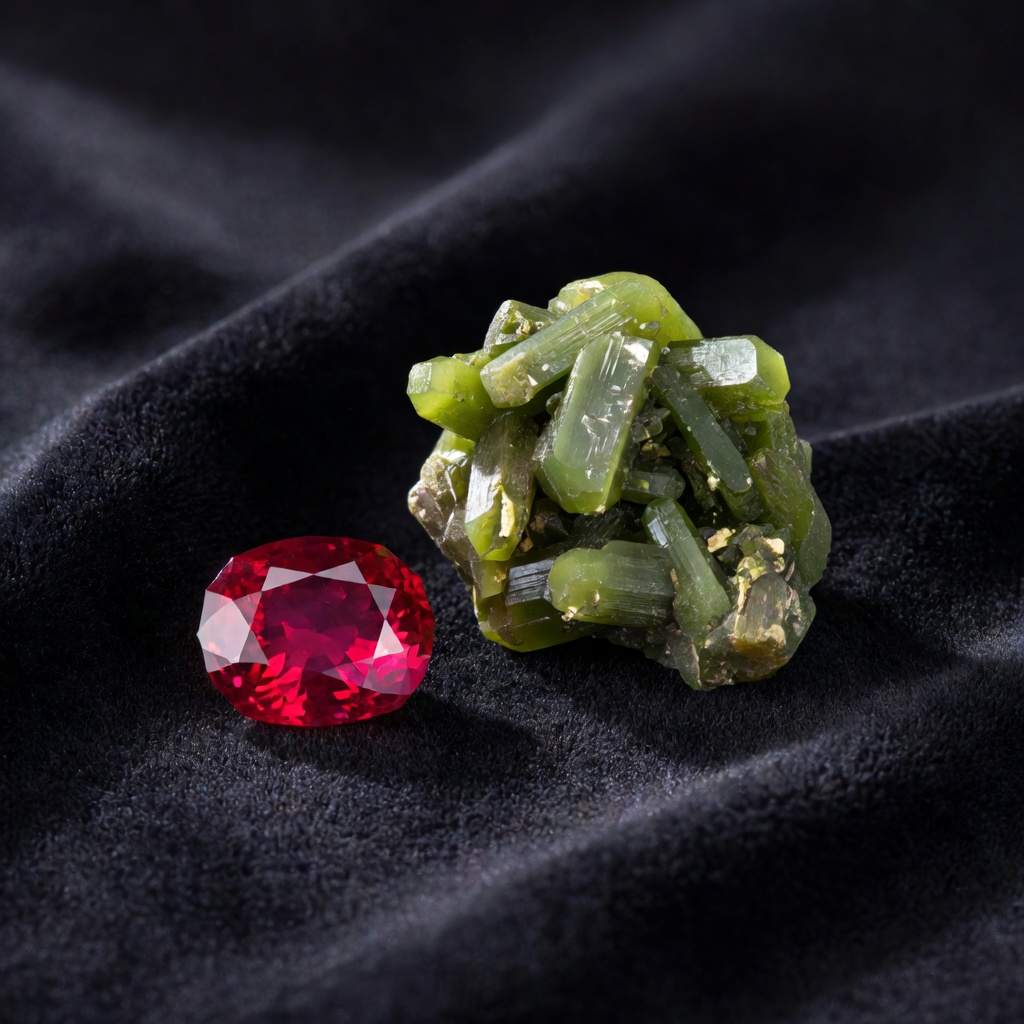
Color change garnet deposits present a different geological narrative, with the pyrope-spessartine variety requiring specific manganese and magnesium-rich environments combined with trace vanadium to create the color-shifting phenomenon. Tanzania's Umba Valley stands as the premier source for alexandrite-like garnet, producing stones that display the most dramatic daylight-to-incandescent transitions in the gem world. Madagascar's Bekily region and select alluvial deposits in Sri Lanka also yield exceptional material, though these localities typically produce smaller specimens compared to the robust crystals found in East African mines. Understanding these gemstone origins helps collectors appreciate why fine color change garnets remain rarer than standard red garnets, despite being more accessible than top-tier rubies, and why Tanzanian material specifically commands premium pricing among garnet varieties.
Physical Properties and Durability
Selecting between these red gemstones requires careful consideration of their physical characteristics, particularly when planning for long-term jewelry wear. Ruby boasts a Mohs hardness of 9, placing it just below diamond on the durability scale and making it exceptionally resistant to scratching and abrasion during daily activities. This superior hardness stems from corundum's dense aluminum oxide crystal structure, which also contributes to ruby's excellent toughness and ability to withstand impact without cleaving or fracturing. For active individuals seeking July birthstone alternatives that can endure the rigors of daily wear without showing signs of abuse, ruby presents an uncompromising solution that maintains its polish and structural integrity for generations.
Color change garnet, while reasonably durable for a silicate mineral, presents different practical considerations with its Mohs hardness ranging between 7 and 7.5. This places pyrope-spessartine garnet in the same category as tourmaline and quartz, meaning it can resist casual scratches but requires more protective settings when used in rings or bracelets exposed to hard knocks. The gemstone hardness comparison becomes particularly relevant when examining refractive indices; ruby's RI of 1.762-1.770 creates slightly higher brilliance than garnet's 1.730-1.761 range, though both stones exhibit excellent luster when properly cut. Jewelry designers must account for these durability differences when recommending settings, as a bezel or halo design might better protect a color change garnet while a prong setting suits ruby's robust nature.
Ruby vs Color Change Garnet: At a Glance
| Characteristic | Ruby (Corundum) | Color Change Garnet (Pyrope-Spessartine) |
|---|---|---|
| Mineral Species | Aluminum Oxide | Magnesium-Aluminum/Manganese Silicate |
| Mohs Hardness | 9 | 7 - 7.5 |
| Refractive Index | 1.762 - 1.770 | 1.730 - 1.761 |
| Primary Color | Red to Pinkish-Red | Blue-Green (Daylight) to Purple-Red (Incandescent) |
| Optical Phenomenon | None (Static Color) | Alexandrite-like Color Change |
| Typical Inclusions | Rutile Silk, Fingerprints, Crystal Inclusions | Minimal to Eye-Clean |
| Price Range (Per Carat) | $1,000 - $100,000+ | $500 - $5,000+ |
| Best Jewelry Applications | Engagement Rings, Daily Wear Pieces | Pendants, Earrings, Occasional Wear Rings |
The Color Phenomenon: Static Red vs. Dynamic Shift
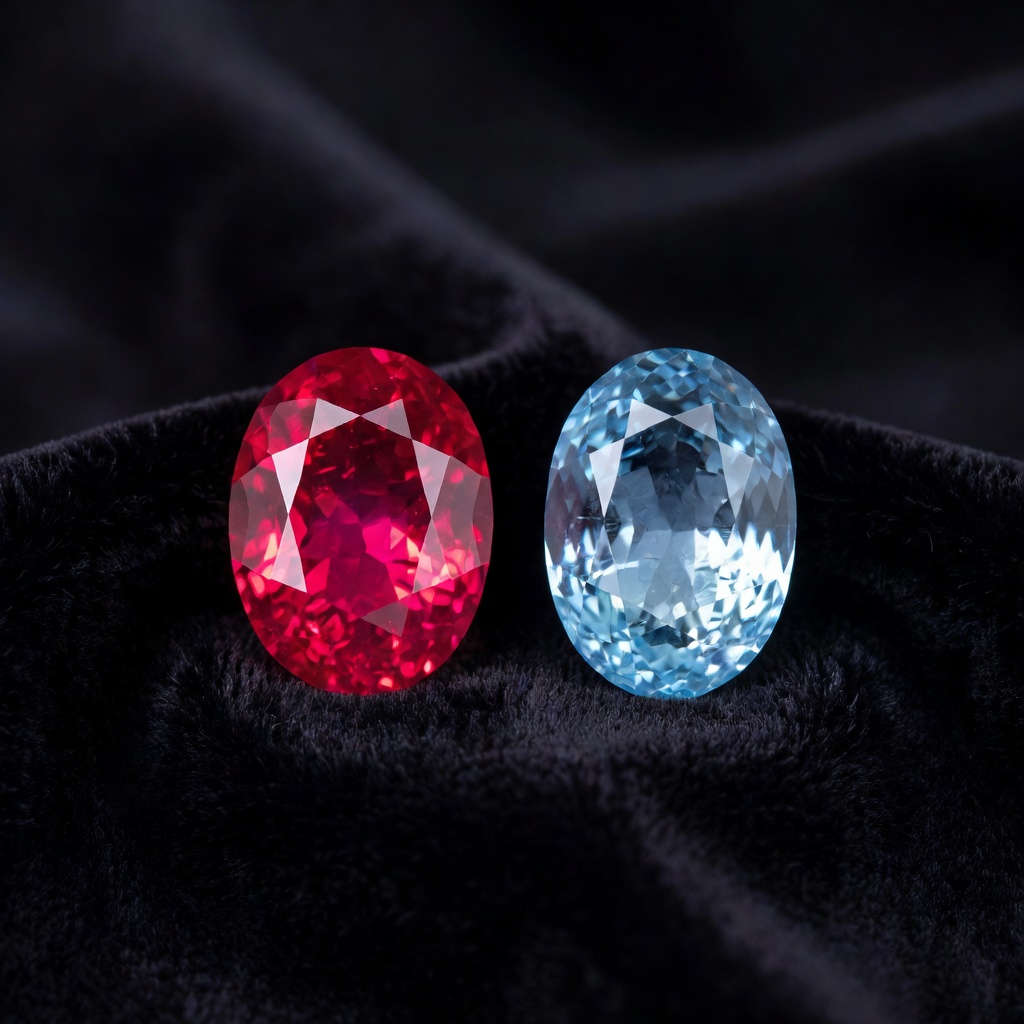
The visual experience of viewing these gemstones side by side reveals the most striking difference between them: one offers eternal crimson consistency while the other provides a theatrical light show. Ruby's color remains steadfast across lighting environments, with the finest specimens displaying that legendary "pigeon blood" red—a pure, vivid crimson with a hint of blue that seems to glow from within under any illumination. Gemologists evaluate ruby color based on hue, saturation, and tone, with Burmese stones typically exhibiting a slightly bluish-red that appears more vibrant than the darker, garnet-like reds found in Thai material. This color stability makes ruby the preferred choice for traditional jewelry where predictable, consistent appearance matters most, ensuring that the stone looks equally stunning in office fluorescent lighting, natural daylight, or romantic candlelight.
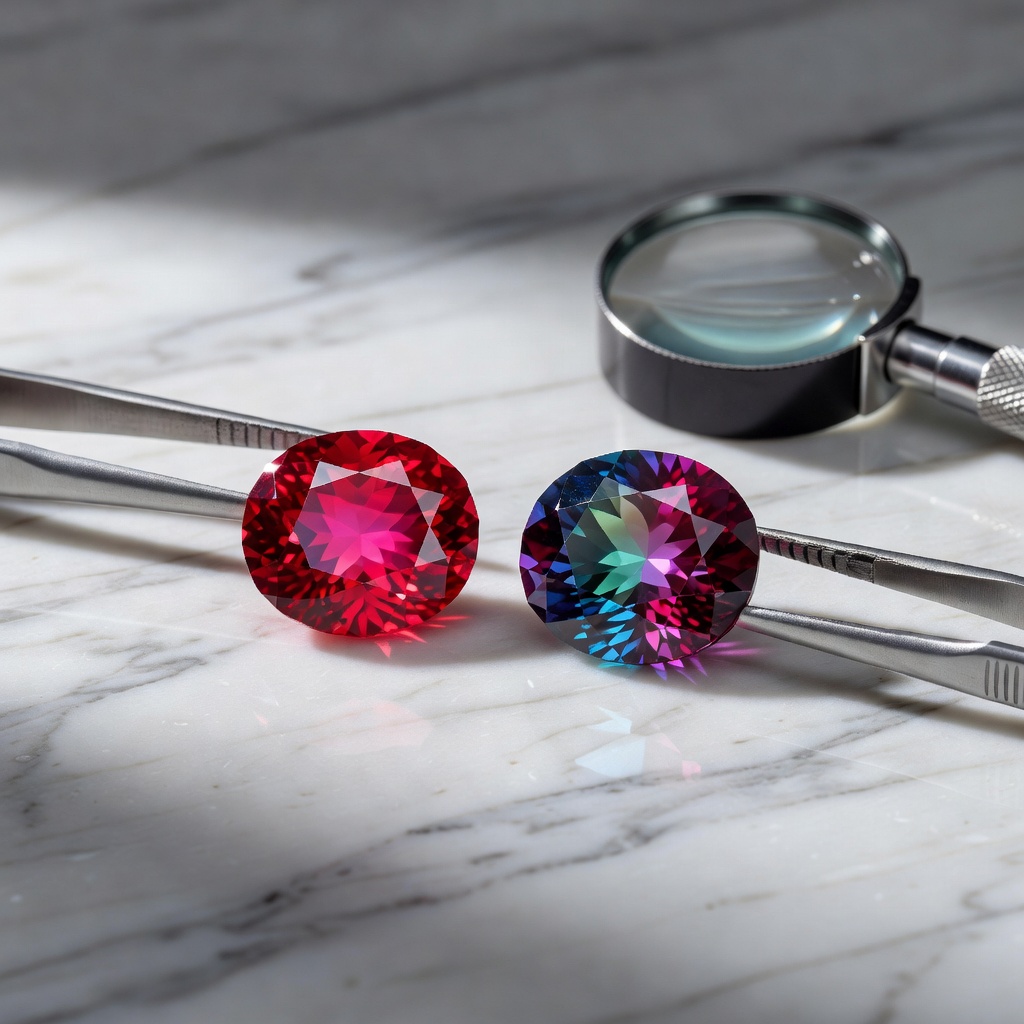
The color change phenomenon displayed by pyrope-spessartine garnet creates an entirely different emotional impact, transforming the wearer's experience throughout the day as lighting conditions shift. Under natural daylight rich in blue wavelengths, these phenomenal gemstones appear teal, blue-green, or grayish-green, often mistaken by novices for alexandrite or teal sapphire. When moved to candlelight or incandescent bulbs heavy in red wavelengths, the same stone dramatically shifts to raspberry, purple-red, or deep burgundy tones, creating the alexandrite-like effect that makes these garnets so collectible. This transformation occurs due to trace amounts of vanadium and chromium within the crystal lattice, which selectively absorb different portions of the visible light spectrum depending on the light source's color temperature, typically requiring a change of 40-60 degrees on the hue circle to qualify as true color change material.
Clarity Characteristics and Typical Inclusions
Examining these stones under magnification reveals distinct internal worlds that aid identification and influence value determinations in the gemstone market. Rubies frequently contain rutile needle inclusions known as "silk," which can create a soft, velvety appearance in Burmese material or, when aligned properly, produce the rare star ruby phenomenon. Other common ruby inclusions include fingerprint patterns (healing fractures), crystal inclusions of minerals like zircon or apatite, and color zoning that requires skilled cutting to minimize visible banding. While eye-clean rubies command significant premiums, connoisseurs sometimes prefer slightly included stones with silk, as these inclusions indicate untreated origin and can enhance the gem's velvety luster rather than detracting from its beauty.
Color change garnet typically presents cleaner clarity profiles than ruby, with many fine specimens appearing eye-clean even in larger carat weights. The pyrope-spessartine variety generally forms with fewer inclusions due to its geological formation process, though some stones may contain minor crystal inclusions or fingerprint patterns similar to those found in other garnet species. When inclusions do occur in color change garnet, they rarely affect the stone's durability significantly, unlike the tension fissures sometimes found in rubies that can weaken the crystal structure. For collectors prioritizing transparency and brilliance, color change garnet often offers better clarity per dollar spent, though the presence of certain inclusions in fine ruby can actually serve as proof of natural, unheated origin—a factor that sophisticated buyers actively seek when building investment-grade collections.
Market Value and Investment Potential
The financial considerations when choosing between these red gemstones reveal significant disparities in pricing structures and long-term appreciation potential. Fine untreated rubies from Myanmar or Mozambique routinely command prices ranging from $5,000 to over $100,000 per carat for exceptional stones above five carats, placing them firmly among the world's most valuable colored gemstones alongside diamonds and emeralds. Heat-treated rubies offer more accessible entry points starting around $1,000 per carat, though investment-minded collectors focus on unheated specimens with documentation from laboratories like GIA or AGL. The rarity of large, clean rubies ensures that top-tier material maintains strong demand at auction houses, with historic pieces often appreciating faster than traditional investment vehicles and serving as portable wealth storage for high-net-worth individuals.
Color change garnet occupies a different market position, offering exceptional beauty at more accessible price points while still providing opportunities for collectors seeking rare gemstones with growth potential. High-quality pyrope-spessartine garnets displaying strong color change typically range from $500 to $5,000 per carat, with the most dramatic shifters—those showing clear blue-green to red-purple transitions—commanding the upper end of this spectrum. Unlike rubies, which benefit from centuries of royal association and cultural significance, color change garnets represent a more speculative investment based on their rarity and the growing appreciation for phenomenal gemstones among younger collectors. Market availability favors ruby in terms of established dealer networks and standardized grading, while fine color change garnet requires more specialized sourcing through dealers familiar with East African material and the specific nuances of evaluating color change intensity.
Jewelry Design and Setting Considerations
Translating these beautiful gemstones into wearable art requires thoughtful consideration of their physical properties and optical characteristics to maximize both beauty and longevity. Ruby's exceptional hardness and toughness make it the ultimate candidate for high-impact daily wear jewelry, including engagement rings, tennis bracelets, and cufflinks that withstand constant contact with hard surfaces. Platinum and 18k white gold settings enhance ruby's blue undertones, while yellow gold warms the stone's appearance—a choice that vintage jewelry collectors often prefer for Art Deco reproduction pieces. When designing with ruby, jewelers can employ delicate prong settings or intricate filigree work without fear of the stone chipping during the setting process or subsequent wear, allowing for maximum light exposure and brilliance.
Color change garnet demands more protective design strategies due to its moderate hardness and potential vulnerability to impact damage in certain crystal orientations. Bezel settings, halo designs with protective diamond surrounds, or channel settings work best for color change garnet rings intended for occasional wear, while pendants and earrings offer safer venues for showcasing these stones without risking contact with hard surfaces. The unique color properties of pyrope-spessartine garnet influence metal selection as well: white metals emphasize the daylight blue-green component, while rose gold can enhance the purple-red incandescent phase, creating versatile pieces that display different personalities depending on the wearer's environment. For collectors seeking July birthstone alternatives that offer conversation-starting appeal without the premium price of fine ruby, color change garnet set in convertible jewelry pieces—such as pendants with removable chains or earring jackets—maximizes both protection and display opportunities while providing excellent value.
Treatments, Authentication, and Certification
Understanding the enhancement history of these gemstones proves essential for making informed purchases and ensuring fair value exchange in the colored stone market. The vast majority of rubies on the market undergo heat treatment to improve color saturation and clarity, with temperatures ranging from 800°C to 1,800°C dissolving rutile silk and healing fracture lines to create more transparent, vivid stones. While heat-treated rubies remain valuable and accepted in the trade, untreated specimens command significant premiums—sometimes ten to twenty times the price of heated equivalents—making disclosure crucial for both ethical and financial reasons. Advanced treatments such as lead glass filling or diffusion treatment require even greater scrutiny, as these processes fundamentally alter the stone's durability and value proposition, necessitating examination by experienced gemologists before purchase.
Color change garnet generally enters the market in untreated states, with the pyrope-spessartine variety rarely subjected to enhancement due to its naturally fine clarity and the difficulty of improving color change through heating. This natural status appeals to purist collectors seeking unaltered gemstones, though treatments do exist in the broader garnet family that savvy buyers should recognize. Professional gemstone certification from recognized laboratories like GIA, AGL, or GRS provides essential documentation regarding origin, treatment status, and color change intensity for these stones. For high-value purchases, insist on reports that specifically address color change percentage and lighting conditions, as these factors dramatically affect the stone's value and help distinguish natural alexandrite-like garnet from synthetic simulants or less desirable garnet varieties that may show only weak color shifts.
Making Your Final Decision
Selecting between these captivating red gemstones ultimately depends on aligning the stone's characteristics with your lifestyle, budget, and aesthetic preferences to ensure long-term satisfaction. Active professionals or those seeking heirloom engagement pieces should prioritize ruby's unmatched durability, accepting that premium prices reflect both the stone's rarity and its ability to withstand decades of daily wear without showing signs of abuse. Budget-conscious collectors drawn to the romance of red gemstones might find that color change garnet offers superior size and clarity for the investment, providing a substantial visual presence that ruby could only match at significantly higher price points. Consider your lighting environment as well; office fluorescent lighting might suppress color change garnet's dramatic shift, while ruby's consistent color performs reliably under all artificial and natural illumination, making it the safer choice for professional settings.
Personal stylistic preferences play equally important roles in this decision, as choosing gemstones represents an intimate expression of individual taste and personality. Those drawn to classic elegance and traditional jewelry history gravitate naturally toward ruby, with its associations with passion, protection, and regal authority spanning millennia and cultures worldwide. Conversely, collectors fascinated by optical phenomena and unique mineralogical properties find that pyrope-spessartine garnet satisfies their desire for something distinctive and scientifically intriguing, offering a talking point at social gatherings. When evaluating July birthstone alternatives, remember that while ruby remains the traditional choice for those born in July, color change garnet offers a modern twist that honors the red color family while providing the magical surprise of color transformation. Consulting with a gemologist who can demonstrate both stones under various lighting conditions—daylight equivalent, incandescent, and LED—helps ensure your final selection brings lasting satisfaction and suits your daily routine.
Conclusion: Which Gemstone Reigns Supreme?
The Ruby vs Color Change Garnet comparison reveals no universal winner, but rather two exceptional gemstones suited to different purposes, personalities, and practical requirements. Ruby stands as the undisputed champion of durability, traditional prestige, and consistent crimson beauty, making it the ideal selection for significant milestone jewelry and daily wear pieces intended to last generations without requiring special protection. Its status among the "big three" colored gemstones ensures lasting liquidity and cultural recognition, while its physical resilience forgives the inevitable bumps and scrapes of active lifestyles. For those prioritizing investment security, classic elegance, and the ability to wear their jewelry without constant worry, ruby remains the definitive choice among red gemstones and continues to represent the gold standard for precious red stones.
Color change garnet, however, claims victory in categories of uniqueness, optical intrigue, and value optimization for phenomenal gemstones, offering characteristics that static stones simply cannot match. The alexandrite-like effect displayed by fine pyrope-spessartine specimens offers a magical quality that creates an interactive experience between the stone, its environment, and the observer, changing personality throughout the day. While requiring more careful handling and protective settings, these garnets reward attentive owners with extraordinary beauty at accessible price points, allowing collectors to own substantial, eye-clean stones that would be prohibitively expensive in fine ruby. Regardless of your choice, both stones benefit from regular professional cleaning, avoidance of harsh chemicals and ultrasonic cleaners (particularly for garnet), and storage in soft, individual compartments to prevent scratching. By understanding the distinct personalities of these red treasures, you can select the gemstone that not only adorns your jewelry collection but resonates with your individual story and lifestyle requirements for years to come.
Frequently Asked Questions
Is color change garnet as valuable as ruby?
While fine rubies typically command higher prices per carat due to their status as one of the 'big three' precious stones, high-quality color change garnets with strong alexandrite-like effects can be quite valuable, often ranging from $500 to $5,000 per carat depending on the intensity of the color shift.
Can color change garnet be used as a ruby substitute in jewelry?
Color change garnet can serve as an affordable alternative for those seeking a red gemstone, but it differs significantly in hardness (7-7.5 vs 9) and optical properties. It's better suited for pendants and earrings rather than rings that receive heavy daily wear.
How can I tell if my red gemstone is a ruby or a garnet?
Professional gemological testing is required for definitive identification, but key differences include ruby's higher hardness (scratching glass easily), different refractive index, and presence of specific inclusions like rutile silk. Garnets typically show single refraction while rubies show double refraction.
Does color change garnet really look like alexandrite?
High-quality color change garnet (particularly pyrope-spessartine varieties from Tanzania) can display a dramatic color shift from blue-green in daylight to purple-red under incandescent light, closely mimicking the famous alexandrite effect at a fraction of the price.
Which gemstone is more durable for daily wear?
Ruby is significantly more durable with a Mohs hardness of 9 and excellent toughness, making it ideal for engagement rings and daily wear. Color change garnet, while reasonably hard at 7-7.5, is more susceptible to scratching and chipping under impact.
Are both ruby and color change garnet considered precious gemstones?
Ruby is traditionally classified as a precious gemstone along with diamond, emerald, and sapphire. Color change garnet is considered a semi-precious or collectible gemstone, though rare specimens with strong color change are highly prized by connoisseurs.
What causes the color change effect in garnet?
The color change phenomenon in garnet results from trace amounts of vanadium and chromium within the crystal structure. These elements absorb different wavelengths of light, causing the stone to appear blue-green under daylight (rich in blue wavelengths) and purple-red under incandescent light (rich in red wavelengths).
Where is the best place to buy certified ruby or color change garnet?
Purchase from reputable dealers who provide certification from recognized laboratories such as GIA, AGL, or GRS. For color change garnet, Tanzania and Madagascar produce the finest specimens, while Myanmar (Burma) and Mozambique are premier sources for high-quality rubies.