Understanding Ruby vs Chrysoberyl: A Collector's Guide to Two Remarkable Gems
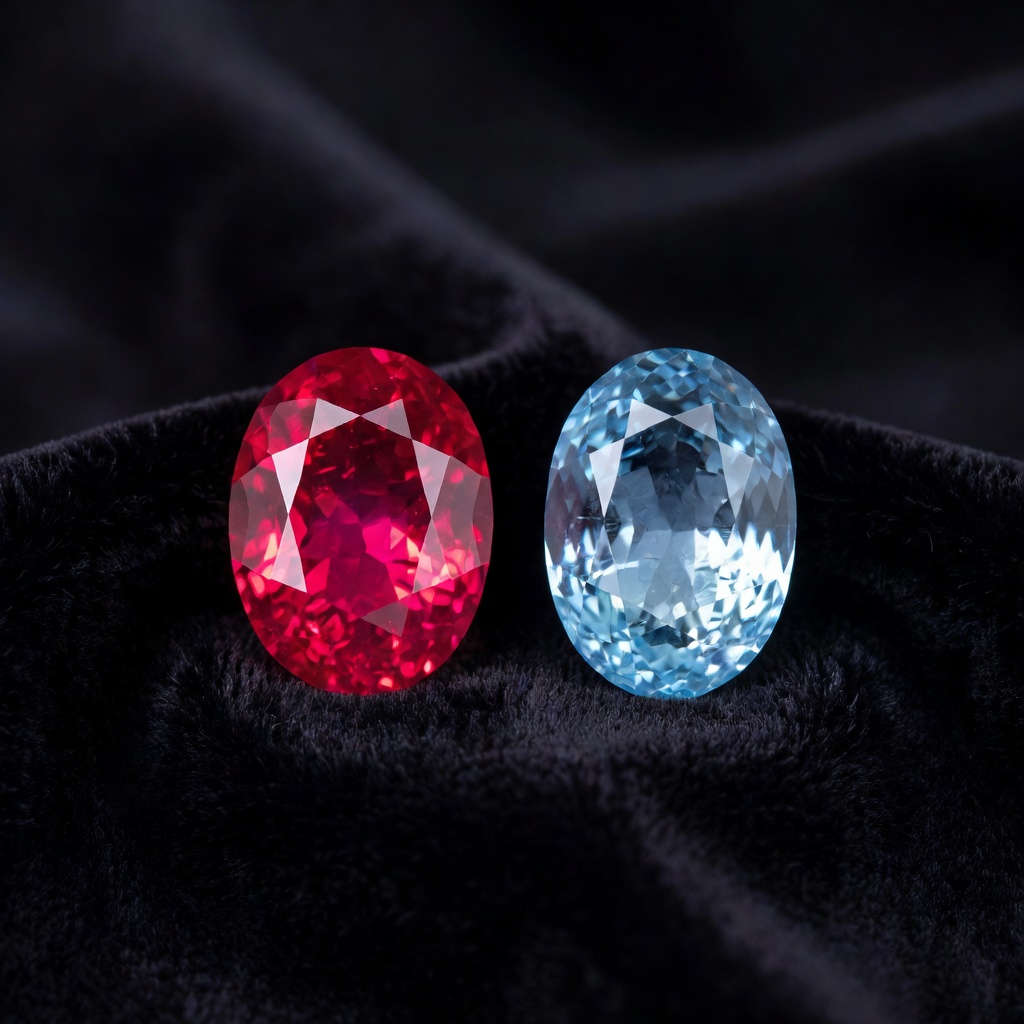
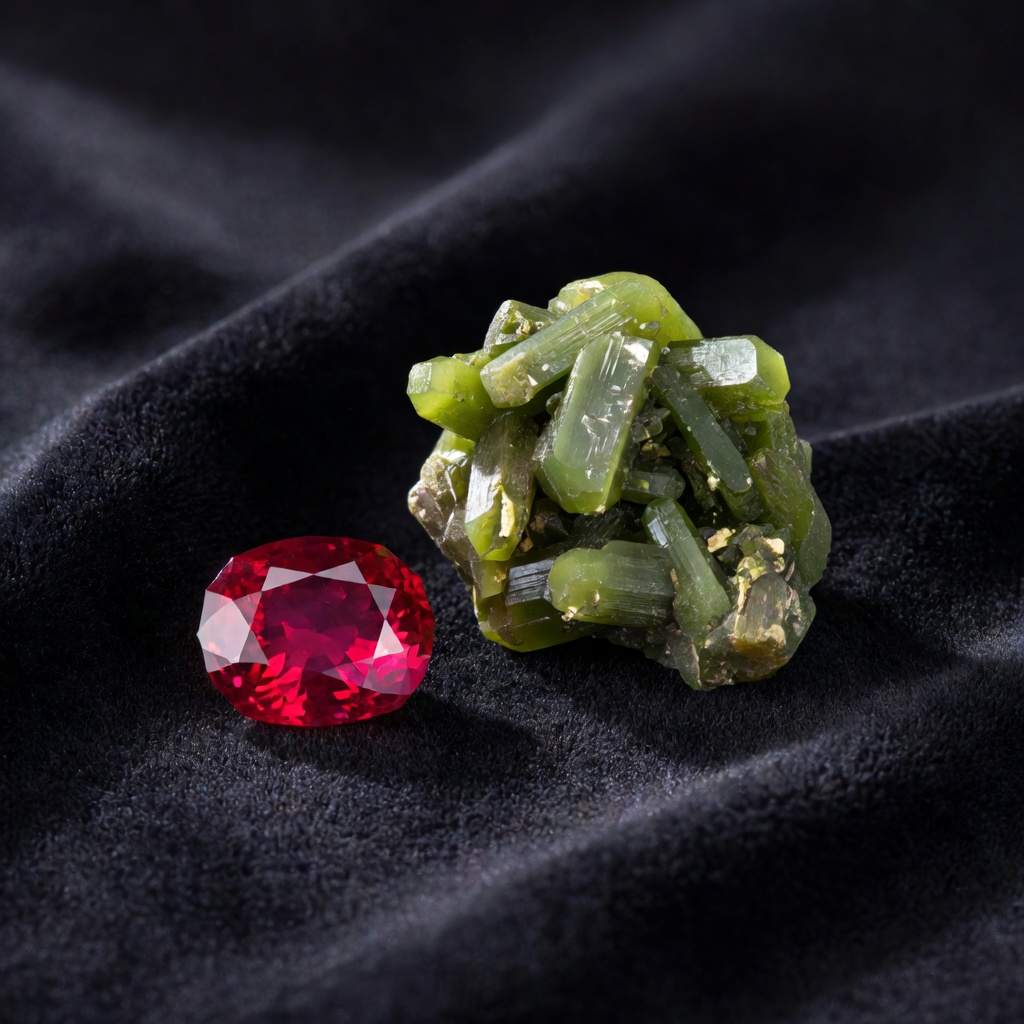
When discerning collectors and jewelry enthusiasts evaluate high-performance gemstones, the comparison between Ruby vs Chrysoberyl frequently emerges as a fascinating study in contrasts. Both stones represent the pinnacle of natural mineral creation, yet they occupy distinct niches within the luxury market due to their unique chemical properties and visual characteristics. Ruby, a member of the corundum family, has captivated civilizations for millennia with its intense crimson saturation, while chrysoberyl—a beryllium aluminum oxide mineral—offers remarkable versatility through its color-changing alexandrite variety and the mesmerizing cat's eye phenomenon. Understanding the nuanced differences between these gemstones empowers buyers to make informed decisions whether selecting an engagement center stone, building an investment portfolio, or seeking meaningful birthstone jewelry that balances durability with distinctive beauty.
Chemical Composition and Geological Origins
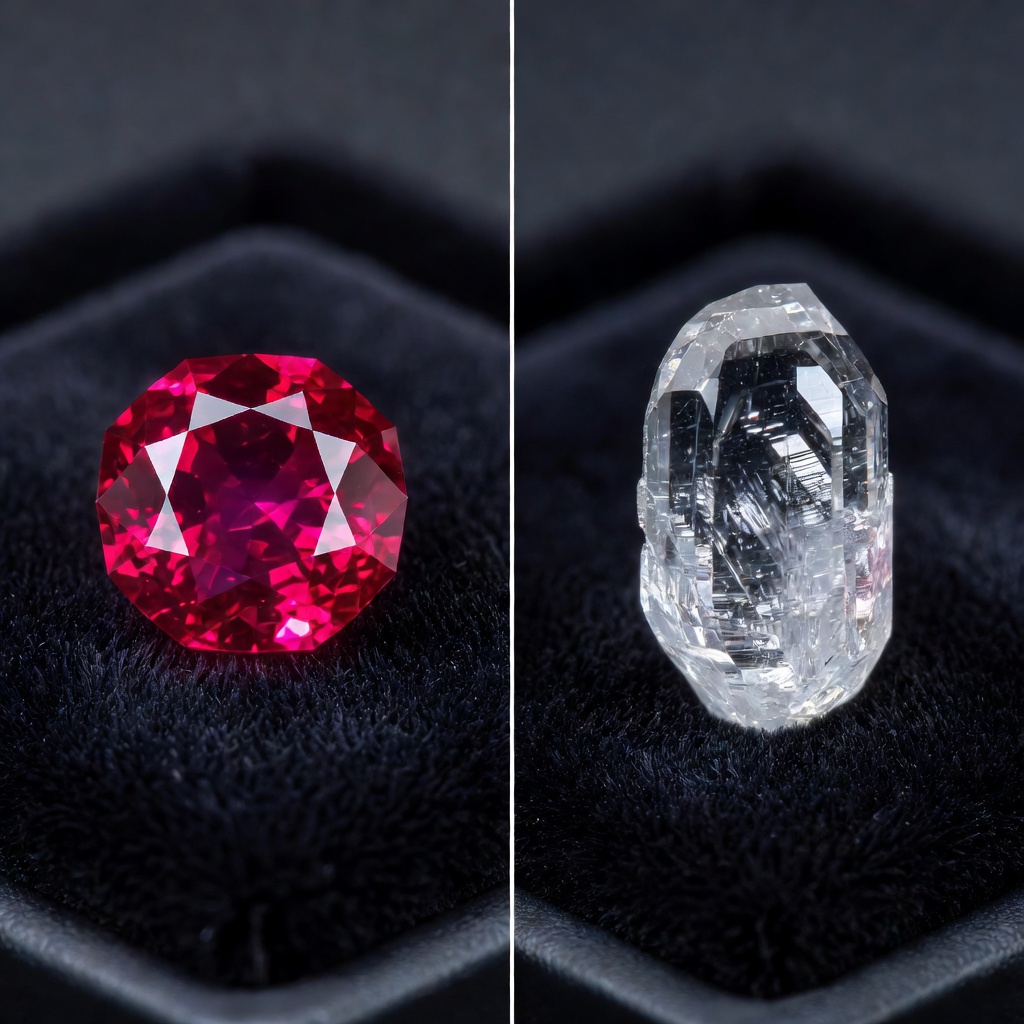
The fundamental distinction between these gemstones begins at the molecular level, where their divergent chemical structures dictate everything from color potential to crystal formation. Ruby constitutes crystalline aluminum oxide (Al2O3) belonging to the trigonal crystal system, deriving its signature red hue from chromium ion substitutions within the corundum lattice. This chromium content not only creates the color but also produces the stone's characteristic fluorescence under ultraviolet light, a feature absent in most other red gemstones. Conversely, chrysoberyl forms as beryllium aluminum oxide (BeAl2O4) within the orthorhombic crystal system, creating a distinctively different atomic arrangement that accommodates various coloring agents including iron and chromium in specific oxidation states.
Geological formation conditions vary dramatically between these species, directly influencing their global distribution and mining economics. Premium rubies typically form in high-pressure, low-temperature metasomatic zones within marble deposits, with the legendary Mogok Stone Tract in Myanmar producing the most coveted pigeon blood specimens through unique trace element combinations. Mozambique has emerged as another significant source, offering rubies with exceptional clarity but slightly different fluorescence properties. Chrysoberyl crystallizes in pegmatite formations and alluvial deposits under different thermodynamic conditions, with Brazil's Minas Gerais region and Sri Lanka's gem gravels yielding the finest examples of both standard yellow-green material and the rare alexandrite variety.
Mohs Scale Battle: Durability and Hardness
Evaluating gemstone hardness comparison data reveals important practical differences for jewelry applications, particularly regarding daily wear scenarios. Ruby ranks 9 on the Mohs hardness scale, placing it just below diamond and alongside its blue corundum counterpart, sapphire, making it one of the hardest substances available for jewelry manufacture. Chrysoberyl follows closely at 8.5 on the same scale, technically qualifying it for everyday wear but introducing subtle considerations regarding long-term durability. While both resist scratching from household dust (quartz, ranking 7), ruby's superior hardness translates to decades of pristine facet edges compared to the microscopic rounding that may affect chrysoberyl over generations of continuous wear.
Hardness alone fails to tell the complete durability story, as toughness—the resistance to breaking and chipping—depends on crystal structure and cleavage planes. Ruby possesses excellent toughness with no cleavage planes, meaning it can withstand significant impact without splitting along predetermined fracture lines, making it ideal for rings and bracelets subjected to daily knocks and bumps. Chrysoberyl exhibits perfect cleavage in one direction, creating a structural weakness that requires protective setting styles to prevent splitting if struck sharply against hard surfaces. For active individuals or those working with their hands, this distinction makes ruby the safer choice for engagement rings, while chrysoberyl performs admirably in earrings and pendants where impact risks remain minimal.
Color Spectrum and Optical Phenomena
The visual distinction between these gemstones extends far beyond basic hue preferences into the realm of extraordinary optical phenomena that define their collector appeal. Ruby displays a relatively narrow but intensely saturated color range from pinkish-red to the legendary pigeon blood red, with the finest Burmese specimens exhibiting a vivid crimson that appears to glow from within due to chromium-induced fluorescence. This fluorescence creates a distinctive "red flash" under natural daylight that enhances the stone's apparent vitality and depth. Unlike color changing gems that shift their appearance under different light sources, ruby maintains its color identity across lighting environments, providing consistent visual satisfaction regardless of ambient conditions.
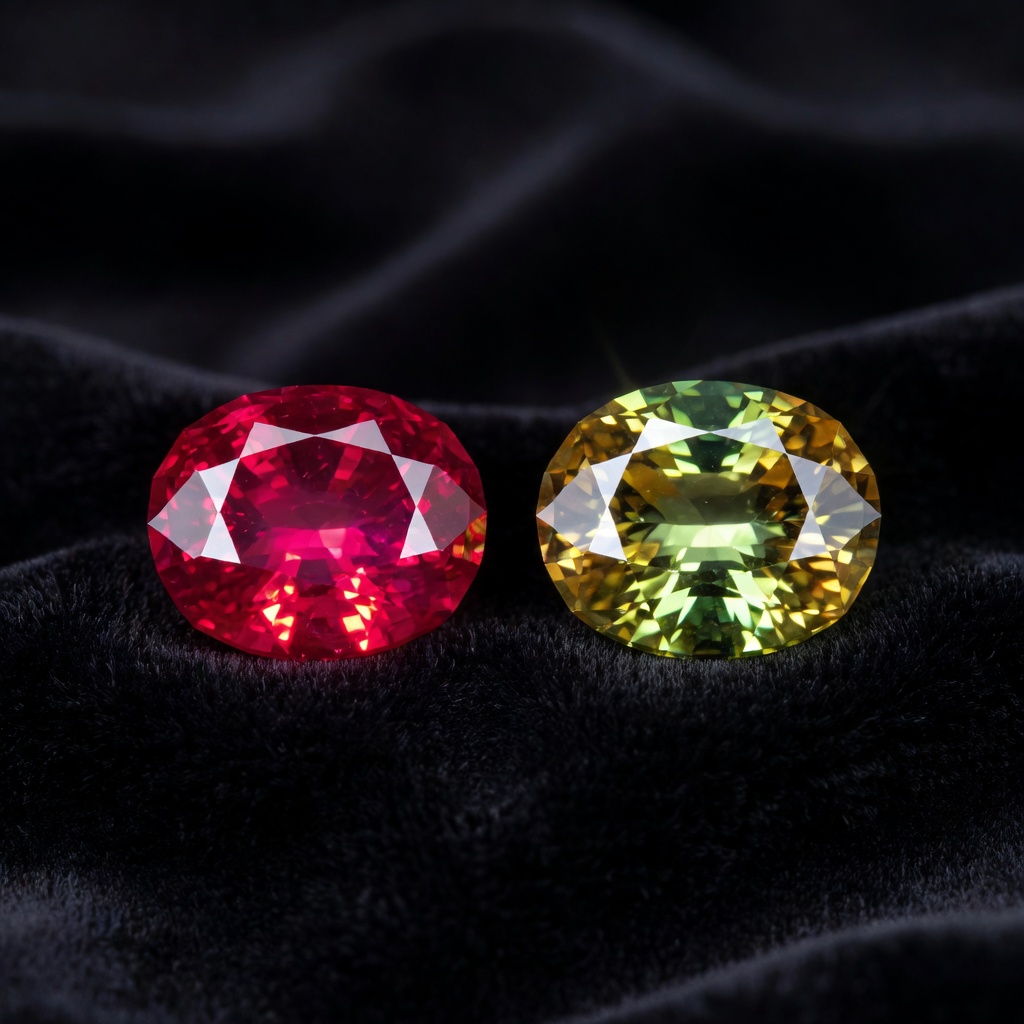
Chrysoberyl offers remarkable diversity through its various varieties, presenting collectors with options unavailable within the ruby family. Standard chrysoberyl ranges from lemon-yellow through honey-brown to olive-green, often displaying higher brilliance and fire than corundum due to its superior refractive index. The alexandrite variety represents the most spectacular expression of chrysoberyl's potential, containing chromium in a specific valence state that produces the legendary color-change phenomenon—appearing emerald green in daylight and transforming to raspberry red under incandescent lighting. This Alexandrite vs Ruby comparison becomes particularly interesting when considering that alexandrite essentially mimics ruby's red while offering an additional green identity, effectively providing two gems in one crystal. Furthermore, the cat's eye chrysoberyl variety displays chatoyancy—a moving line of light across the dome—that rivals the asterism seen in star rubies but offers distinctively different aesthetic appeal for cabochon cuts.
Rarity Grades and Market Valuation
Investment-minded collectors must navigate significantly different market dynamics when comparing these gemstones, as rarity factors and consumer demand create divergent value propositions across quality grades. Untreated Burmese rubies exceeding five carats represent some of the rarest gemstones on Earth, with auction records consistently achieving $100,000+ per carat for exceptional pigeon blood specimens with provenance documentation. Even heated rubies from Mozambique command substantial premiums when displaying vivid saturation and minimal inclusions, establishing ruby as a historically stable store of value comparable to colored diamonds. The market differentiates sharply between precious vs semi-precious categorizations, with ruby firmly entrenched in the precious category alongside diamond, emerald, and sapphire.
Standard yellow and green chrysoberyl occupies a more accessible price tier, typically ranging from $100 to $1,000 per carat depending on clarity and cut quality, making it an excellent entry point for collectors seeking durable, unusual gems without stratospheric investment requirements. However, the alexandrite exception disrupts this affordability paradigm entirely, as fine color-change chrysoberyl can exceed ruby prices due to extreme scarcity—particularly Russian-origin material or Brazilian stones showing strong dichroism. Investment portfolios benefit from diversification across both categories, with ruby providing blue-chip stability and alexandrite offering speculative appreciation potential as known deposits deplete.
| Characteristic | Ruby (Corundum) | Chrysoberyl |
|---|---|---|
| Chemical Formula | Al₂O₃ (Aluminum Oxide) | BeAl₂O₄ (Beryllium Aluminum Oxide) |
| Mohs Hardness | 9.0 | 8.5 |
| Cleavage | None (excellent toughness) | Perfect in one direction |
| Primary Colors | Red to Pink (Pigeon Blood premium) | Yellow-Green to Honey (Alexandrite: Green/Red) |
| Optical Phenomena | Fluorescence, Asterism (Star Rubies) | Chatoyancy (Cat's Eye), Color-Change (Alexandrite) |
| Price Range (High Quality) | $10,000–$100,000+ per carat | $100–$5,000 per carat (Alexandrite: $15,000+) |
| Primary Sources | Myanmar, Mozambique, Thailand | Brazil, Sri Lanka, Madagascar |
| Birthstone Status | July Birthstone | Traditional June Alternative |
| Treatment Commonality | Often heat-treated (95%+ of market) | Usually untreated |
| Best Jewelry Applications | Engagement rings, Daily wear | Earrings, Pendants, Protected settings |
Birthstone Connections and Symbolism
Cultural associations and metaphysical traditions surrounding these gemstones influence selection decisions beyond purely aesthetic considerations, particularly for commemorative jewelry marking significant life milestones. Ruby holds the distinguished position as the official July birthstone and the traditional gift for 40th wedding anniversaries, symbolizing passionate love, courage, and prosperity across numerous civilizations from ancient India to medieval Europe. Royal families have historically coveted rubies for crown jewels and imperial regalia, with the British Crown Jewels featuring several notable Burmese stones that underscore the gem's association with power and protection. Metaphysical practitioners attribute to ruby the ability to stimulate the heart chakra, enhance vitality, and shield the wearer from negative energies, making it particularly meaningful for those born in midsummer or seeking talismanic properties.
Chrysoberyl serves as a compelling July birthstone alternative for those seeking uniqueness while maintaining the crimson connection through alexandrite's red phase, and it represents the traditional 55th anniversary gemstone—a testament to enduring relationships that have transcended the golden milestone. Historical texts reference chrysoberyl as a "chrysolite" in biblical contexts, though modern gemology distinguishes between these species, with chrysoberyl specifically associated with discipline, self-control, and concentration. Unlike ruby's fiery emotional associations, chrysoberyl traditionally supports clear thinking and financial acumen, making it a thoughtful gift for entrepreneurs or those entering new professional phases. The stone's pleochroism—the display of different colors from different angles—serves as a metaphor for adaptability and multifaceted personality traits in contemporary symbolic interpretations.
Jewelry Design Applications and Metal Pairing
Contemporary jewelry designers leverage the distinct optical properties of these gemstones to create pieces ranging from timeless classics to avant-garde artistic statements, with metal selection playing a crucial role in maximizing visual impact. Ruby exhibits remarkable versatility across metal choices, though yellow gold and rose gold settings particularly enhance the warmth of Burmese stones by complementing their orange-red fluorescence, while platinum and white gold settings create striking contrast that emphasizes the gem's saturation against cool metal tones. High jewelry houses frequently feature rubies in Art Deco-inspired geometric designs or as center stones in three-stone engagement rings where their durability supports intricate prong settings and daily wear exposure. The stone's ability to maintain brilliance even under subdued lighting makes it ideal for evening wear statement pieces and cocktail rings designed for candlelit environments.
Chrysoberyl demands more thoughtful setting engineering due to its cleavage characteristics, with bezel settings and protective halo designs proving optimal for ring applications while allowing the stone's high brilliance to perform optimally. White gold and platinum settings accentuate the yellow-green varieties of chrysoberyl by creating complementary color contrast, whereas yellow gold settings harmonize with honey-colored specimens to produce cohesive, warm aesthetic effects. Vintage-inspired designs particularly suit chrysoberyl, as the stone enjoyed peak popularity during the Victorian and Edwardian eras when collectors prized its unusual optical properties. For cat's eye chrysoberyl, designers favor cabochon cuts set in elevated bezels that protect the dome while allowing light to enter from the sides, maximizing the chatoyant line's movement across the stone's surface as the wearer moves.
Treatments, Synthetics, and Authentication
Modern gem markets require sophisticated understanding of enhancement techniques and laboratory-grown alternatives to ensure informed purchasing decisions and fair value assessment. Ruby treatments include high-temperature heating to improve clarity and color, a permanent and widely accepted practice that affects approximately 95% of commercial rubies; flux-healed fractures and lead glass filling represent more invasive treatments requiring disclosure and affecting durability. Distinguishing between heated and unheated specimens demands advanced spectroscopic analysis available through major laboratories, with untreated Burmese stones commanding significant premiums due to their rarity. Synthetic corundum, produced through flame fusion or hydrothermal methods, enters the market at fraction of natural prices, necessitating certification from reputable institutions like GIA or AGL to verify natural origin and treatment status.
Chrysoberyl remains relatively free from widespread treatment practices, though collectors should remain vigilant regarding flux-grown synthetics that replicate alexandrite's color-change phenomenon with near-perfect chemical matching to natural material. Laboratory identification of synthetic chrysoberyl relies on examining growth patterns, inclusions, and trace element chemistry through energy-dispersive X-ray fluorescence (EDXRF) analysis. Natural chrysoberyl typically contains characteristic fingerprint inclusions and growth zoning patterns distinct from the curved striations seen in flame-fusion synthetics. For both gemstones, insistence on comprehensive grading reports protects consumers from misrepresentation and ensures that investment-grade purchases retain their documented provenance for future resale or insurance purposes.
Making Your Choice: Lifestyle and Budget Considerations
Selecting between these exceptional gemstones requires honest assessment of wearing habits, financial parameters, and aesthetic preferences that will satisfy the owner across decades of enjoyment. Active individuals with hands-on professions or sports enthusiasts should prioritize ruby for ring applications, as its superior toughness withstands the impacts and abrasions inherent in daily physical activity without requiring constant vigilance against damage. Those with sedentary lifestyles or seeking earrings and necklaces face fewer constraints, allowing chrysoberyl's unique phenomena—particularly color changing gems like alexandrite—to provide conversational intrigue and visual variety unavailable in static ruby hues. Budget-conscious buyers seeking large, impressive specimens may find that chrysoberyl offers greater carat weight per dollar while maintaining the prestige of a rare, natural gemstone with excellent hardness.
Consider heirloom potential when choosing gemstones intended for generational transfer, as ruby's legendary durability ensures that antique pieces often survive in pristine condition for centuries, developing patina only on the metal settings while the stone remains unchanged. Chrysoberyl requires more deliberate care protocols for heirloom status, including secure storage in individual compartments to prevent contact with harder stones and regular inspection of settings to ensure the stone remains protected. Color preference stability versus dynamic range presents another decision point: those who value consistency and the psychological impact of pure red may prefer ruby, while individuals who delight in surprises and contextual variation may find alexandrite's chameleon-like behavior more personally resonant. Ultimately, choosing gemstones represents an intersection of practical wearability, emotional connection, and financial planning that defies one-size-fits-all recommendations.
Final Verdict: Which Gemstone Reigns Supreme?
Declaring an absolute winner in the Ruby vs Chrysoberyl comparison proves impossible without context, as each stone excels in specific applications while presenting trade-offs in others. Ruby emerges as the undisputed champion for daily-wear jewelry requiring maximum durability, traditional bridal applications, and investment portfolios seeking historically stable appreciation backed by centuries of royal provenance and cultural significance. Its unmatched toughness among colored gems, combined with the immediate recognition and prestige of pigeon blood red saturation, makes it the pragmatic choice for engagement rings and heirloom pieces intended for active wearers. The stone's status as the July birthstone and its associations with passion and protection provide additional layers of meaning for those valuing gemstone symbolism.
Chrysoberyl claims superiority in scenarios demanding uniqueness, optical phenomena, and value-conscious acquisition of distinctive gems. The alexandrite variety specifically offers rarity that potentially exceeds fine ruby in the current market, while the cat's eye phenomenon provides aesthetic options unavailable in corundum. For collectors seeking July birthstone alternatives that maintain distinction while avoiding the premium prices of untreated Burmese rubies, high-quality chrysoberyl delivers exceptional brilliance and conversation-starting characteristics. Rather than following market trends or traditional hierarchies, the optimal choice aligns personal color preferences, lifestyle requirements, and budgetary realities with the specific strengths each gemstone offers, ensuring decades of satisfaction regardless of which mineral species adorns the jewelry box.
Frequently Asked Questions
Is chrysoberyl more expensive than ruby?
Generally, no. High-quality rubies, especially Burmese pigeon blood specimens, typically command higher prices ($10,000-$100,000+ per carat) compared to standard yellow or green chrysoberyl ($100-$1,000 per carat). However, fine alexandrite—the rare color-changing variety of chrysoberyl—can actually exceed ruby prices due to extreme scarcity, sometimes reaching $15,000-$20,000 per carat for top-quality stones.
Which is harder: ruby or chrysoberyl?
Ruby is slightly harder, ranking 9 on the Mohs hardness scale compared to chrysoberyl's 8.5. While both are excellent for jewelry, ruby's superior hardness makes it more resistant to scratching over decades of daily wear. However, chrysoberyl has perfect cleavage in one direction, making it more prone to chipping if struck sharply, whereas ruby has no cleavage and better overall toughness.
What is the difference between chrysoberyl and alexandrite?
Alexandrite is actually a rare variety of chrysoberyl. While standard chrysoberyl displays yellow-green to honey colors, alexandrite contains chromium that causes a dramatic color-change phenomenon—appearing green in daylight and red under incandescent light. Only chrysoberyl with this specific color-change ability can be called alexandrite. Both share the same chemical composition (BeAl2O4) and hardness (8.5), but alexandrite is significantly rarer and more valuable.
Can chrysoberyl be worn every day like ruby?
Chrysoberyl can be worn daily in protected settings like earrings and pendants, but requires more care than ruby in rings. At 8.5 on the Mohs scale, it's hard enough to resist scratching, but its perfect cleavage makes it vulnerable to splitting if knocked against hard surfaces. Ruby, being tougher with no cleavage planes, is better suited for daily-wear rings and bracelets subjected to frequent impact.
Is chrysoberyl a suitable alternative to ruby for engagement rings?
Chrysoberyl can serve as a unique alternative to ruby, particularly the alexandrite variety for those wanting color-changing magic. However, for active lifestyles, ruby remains superior due to its exceptional durability (9 Mohs, no cleavage). If choosing chrysoberyl for an engagement ring, select a protective setting like bezel or halo to guard against impacts, and be aware that while beautiful, it requires more careful handling than corundum gems.
Do rubies and chrysoberyl require different cleaning methods?
Both gemstones can be cleaned using warm soapy water and a soft brush, but rubies tolerate ultrasonic and steam cleaning better than chrysoberyl. Due to chrysoberyl's cleavage, jewelers often recommend avoiding ultrasonic cleaners for chrysoberyl jewelry. Heat-treated rubies are generally stable, but if a ruby contains significant fractures or has been glass-filled (a treatment sometimes seen in low-quality stones), it should only be cleaned with mild soap and water like chrysoberyl.
Which gemstone is rarer: natural ruby or alexandrite?
Fine-quality natural rubies and alexandrites are both exceptionally rare, but alexandrite is generally scarcer. While high-quality Burmese rubies are increasingly difficult to source, gem-quality alexandrite with strong color change and good clarity is found in only a few locations worldwide (primarily Brazil and historically Russia). A top-grade alexandrite over 3 carats is often harder to find than a comparable ruby, though untreated pigeon blood rubies over 5 carats remain among the rarest gems on Earth.