The Battle of Crimson Gems: Understanding Ruby vs Chrome Tourmaline
When searching for the perfect red gemstone, collectors and jewelry enthusiasts often face a compelling dilemma: should they invest in the legendary ruby, long celebrated as the king of gems, or consider chrome tourmaline, the sophisticated newcomer that offers remarkable visual similarity at a more accessible price point? This comprehensive red gemstone comparison examines two of the most captivating crimson stones available in today's market, each possessing unique characteristics that appeal to different types of buyers. While ruby has dominated high jewelry for centuries with its unmatched hardness and cultural prestige, chrome tourmaline has emerged as a legitimate pigeon blood ruby alternative for those seeking intense red coloration without the astronomical price tag. Understanding the critical distinctions between these chromium-rich beauties requires careful examination of their chemical structures, durability profiles, color behaviors, and long-term value propositions to make an informed decision that aligns with your lifestyle, budget, and aesthetic preferences.
Chemical Composition and Crystal Structure
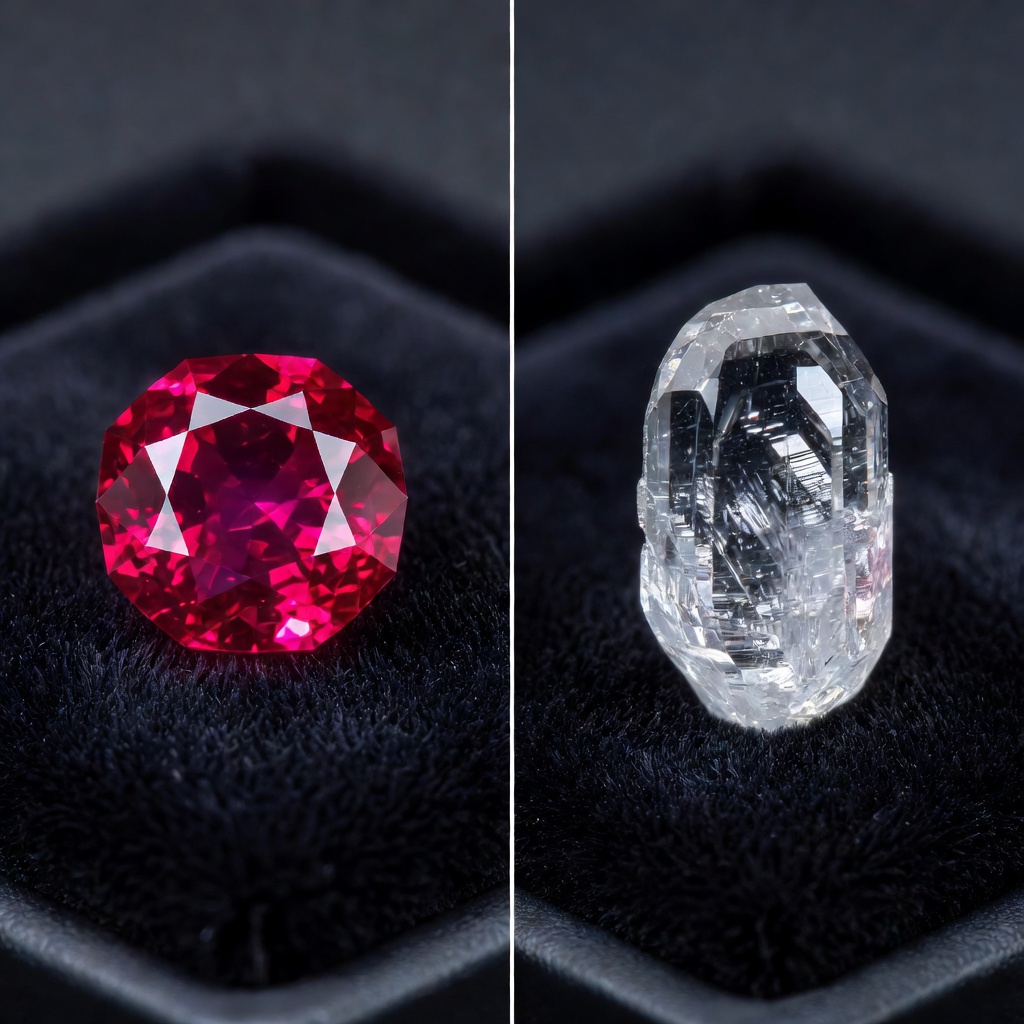
Ruby belongs to the corundum mineral family, consisting primarily of aluminum oxide (Al₂O₃) that achieves its coveted red coloration through the presence of chromium impurities replacing aluminum atoms within the crystal lattice. This substitution creates the pure red hue that has captivated civilizations for millennia, with the hexagonal crystal system contributing to ruby's exceptional optical properties and structural integrity. In contrast, chrome tourmaline represents the elbaite variety of tourmaline, a complex borosilicate mineral containing aluminum, lithium, and sodium, where both chromium and vanadium contribute to its color expression within a trigonal crystal system. The fundamental corundum vs tourmaline structural differences significantly impact how each gemstone interacts with light, with ruby's hexagonal symmetry producing consistent coloration from all viewing angles while tourmaline's trigonal structure creates the phenomenon known as pleochroism.
The distinct chemical architectures of these gemstones influence their brilliance, dispersion, and overall visual performance in jewelry settings. Ruby's relatively simple chemical formula allows for excellent light return and high refractive index values between 1.762 and 1.770, creating that characteristic "pigeon's blood" glow that seems to emanate from within the stone itself. Chrome tourmaline properties include a lower refractive index ranging from 1.624 to 1.644, resulting in slightly less brilliance but often displaying fascinating optical effects including strong dichroism where the stone shows different colors—typically brownish-red and pure red—when viewed from different crystallographic directions. For jewelry designers, these optical variations present creative opportunities: rubies perform exceptionally in precision-cut designs that maximize brilliance, while chrome tourmalines often benefit from custom cuts that minimize the visibility of pleochroic effects or strategically utilize them for artistic impact.
Color Characteristics and Visual Identification
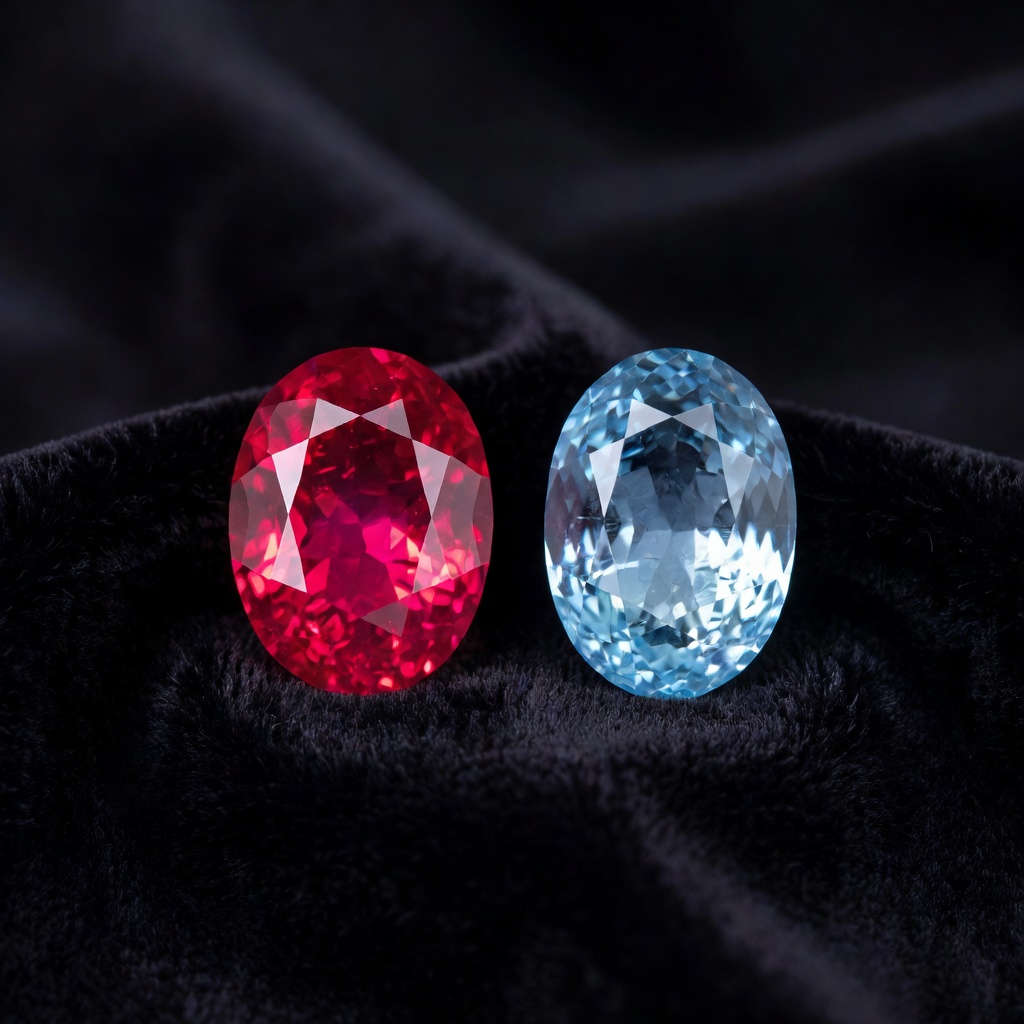
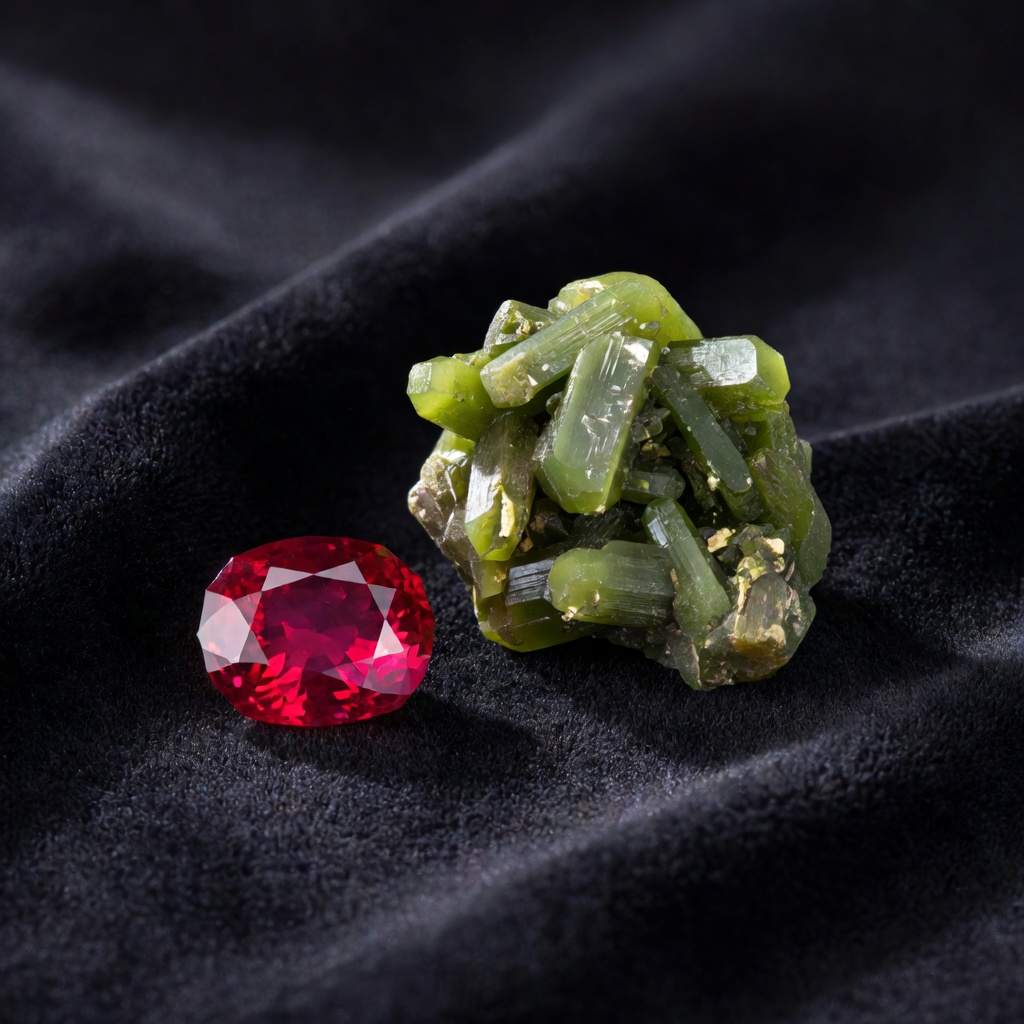
The most coveted rubies display the legendary "pigeon blood" red—a pure, vivid crimson with subtle blue undertones that appears to glow with an almost internal fluorescence, particularly in stones originating from Myanmar's Mogok Valley. Chrome tourmaline typically presents a slightly different color palette, ranging from pure red to slightly brownish-red or orangy-red tones, with the finest specimens achieving a saturation that genuinely rivals mid-quality rubies at first glance. Discerning between these stones requires understanding pleochroism, a characteristic absent in ruby but prominent in chrome tourmaline; when you rotate a chrome tourmaline, you will observe distinct color shifts from reddish-orange to deep red or purplish-red depending on the viewing angle, whereas ruby maintains consistent coloration regardless of orientation.
Fluorescence testing provides another reliable identification method for distinguishing these red gemstones, particularly when examining unset stones or working with loose material. Natural rubies typically exhibit strong red fluorescence under long-wave ultraviolet light due to chromium content within the corundum structure, creating that distinctive glow that enhances their appearance in daylight conditions. Chrome tourmaline shows weak to negligible fluorescence under UV light, appearing relatively dark or showing only minimal reaction, which explains why these stones sometimes appear slightly "flatter" in dim lighting compared to their ruby counterparts. Additionally, color zoning—the presence of visible bands or areas of different color intensity—occurs frequently in tourmaline due to its complex growth patterns, while high-quality rubies typically display uniform coloration throughout the crystal, though some Burmese stones may show slight silkiness that actually enhances their desirability.
Durability, Hardness, and Wearability
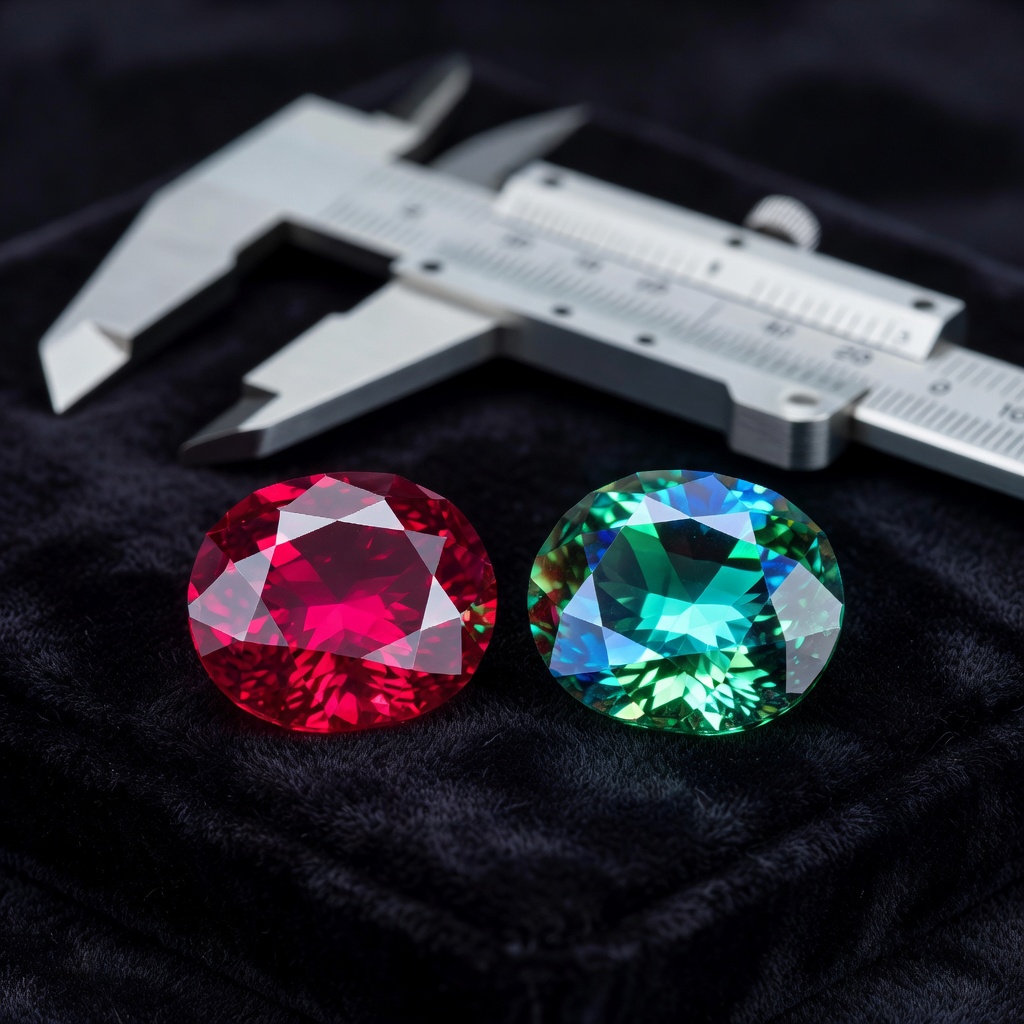
When evaluating gemstones for daily wear jewelry, particularly engagement rings or bracelets that endure constant physical contact, understanding the gemstone Mohs hardness comparison between these two materials becomes crucial for long-term satisfaction. Ruby ranks 9 on the Mohs hardness scale, second only to diamond, providing exceptional resistance to scratching and abrasion that allows it to maintain its polish and surface integrity through decades of daily wear. Chrome tourmaline registers between 7 and 7.5 on the Mohs scale, which while suitable for jewelry, places it in a category where surface scratches and facet junction wear become concerns over time, particularly for pieces worn during physical activities or household chores.
Beyond simple hardness measurements, toughness—the resistance to breaking, chipping, or cracking—reveals another critical distinction in the corundum vs tourmaline durability debate. Ruby possesses excellent toughness due to its lack of cleavage planes and strong atomic bonding, making it highly resistant to impacts and sudden temperature changes that might damage more brittle gemstones. Chrome tourmaline exhibits moderate toughness with a degree of brittleness; the crystal structure contains natural tension and potential cleavage planes that make it susceptible to damage from sharp blows, ultrasonic cleaning, or rapid temperature fluctuations that can cause internal fracturing. For practical application, this means ruby suits any jewelry design including unprotected solitaire rings and bracelets, while chrome tourmaline requires protective bezel or halo settings when used in rings, and performs better in earrings, pendants, or occasional wear pieces where physical impact risks remain minimal.
Setting Recommendations for Maximum Protection
When incorporating chrome tourmaline into ring designs, jewelers recommend full bezel settings that wrap the gemstone's girdle completely, protecting vulnerable edges and corners from direct impact during daily activities. Partial bezel or heavy prong settings with protective v-shaped prongs at the corners provide acceptable alternatives for those seeking more light penetration, though these require more frequent maintenance checks to ensure stones remain secure. Ruby's versatility allows for any setting style including delicate shared-prong designs, tension settings, and intricate pavé arrangements without compromising the stone's safety, making it the superior choice for active lifestyles or heirloom pieces intended for daily transmission between generations.
Clarity, Inclusions, and Treatment Disclosures
Examining the internal characteristics of these gemstones reveals fascinating differences in inclusion types and their impact on both beauty and value. Rubies frequently contain rutile needle inclusions known as "silk," which when densely packed and properly oriented can create the spectacular asterism phenomenon (star rubies) that commands premium prices in the collector market. Chrome tourmaline typically displays characteristic tube-like or thread-like inclusions, two-phase inclusions containing liquid and gas bubbles, and growth tubes that run parallel to the crystal's length, which while interesting under magnification rarely create optical phenomena but may affect transparency in lower quality specimens.
The treatment disclosure landscape differs dramatically between these stones, representing one of the most significant practical considerations for informed buyers. Approximately 90% or more of rubies on the market undergo heat treatment to improve color saturation, reduce purplish overtones, and dissolve rutile silk to enhance clarity, with unheated Burmese rubies commanding extreme premiums due to their rarity. Conversely, chrome tourmaline clarity is typically presented in its natural state, as heating does not significantly improve these stones' appearance and may actually damage the crystal structure; this means buyers can generally assume their chrome tourmaline is untreated, appealing to purists seeking completely natural gemstones. When purchasing either stone, insist on reports from reputable laboratories such as GIA, SSEF, or AGL that specifically address treatment status, as undisclosed heating in rubies or rare oil treatments in either stone can significantly impact valuation and resale potential.
Price, Value, and Market Analysis
The chrome tourmaline vs ruby price differential represents one of the most striking disparities in the colored gemstone market, offering significant opportunities for budget-conscious buyers to acquire impressive red stones without the investment required for fine ruby. Top-quality Burmese rubies exhibiting pigeon blood coloration and no heat treatment routinely command prices exceeding $10,000 per carat, with exceptional specimens over five carats reaching auction prices of $100,000 or more per carat at major houses like Sotheby's and Christie's. Chrome tourmaline typically ranges from $500 to $3,000 per carat for fine quality stones, with exceptional specimens from specific localities like Tanzania's Umba Valley occasionally reaching $5,000 per carat for large, clean, intensely colored gems, representing a 70-90% savings compared to equivalent visual impact in ruby.
Size availability further distinguishes these markets, influencing design possibilities and value propositions for different jewelry applications. While rubies over two carats with fine color become exponentially rare and command disproportionate premiums, chrome tourmaline crystals frequently yield cut stones in the 3 to 5 carat range with excellent color saturation, allowing designers to create bold statement pieces without prohibitive costs. This size accessibility makes chrome tourmaline particularly attractive for red tourmaline buying guide priorities that emphasize visual presence and carat weight over investment liquidity, though buyers should note that the market for resale remains significantly more robust for ruby, particularly for certified untreated Burmese material.
Comparative Analysis Table
| Characteristic | Ruby (Corundum) | Chrome Tourmaline |
|---|---|---|
| Chemical Composition | Aluminum Oxide (Al₂O₃) with Chromium | Complex Borosilicate with Chromium/Vanadium |
| Mohs Hardness | 9 | 7 to 7.5 |
| Refractive Index | 1.762 - 1.770 | 1.624 - 1.644 |
| Crystal System | Hexagonal | Trigonal |
| Pleochroism | None | Strong (Red/Orange-Brown) |
| Typical Treatments | Heat Treatment (90%+ of market) | Usually Untreated |
| Price Range (Fine Quality) | $10,000 - $100,000+ per carat | $500 - $3,000 per carat |
| Optimal Jewelry Use | Daily Wear Rings, Heirloom Pieces | Earrings, Pendants, Occasional Rings |
| Fluorescence | Strong Red under UV | Weak to None |
| Size Availability | Rare over 2 carats | Common 3-5 carats |
Geographic Origins and Ethical Sourcing
Understanding the provenance of these gemstones provides crucial context for both valuation and ethical consumption decisions in today's conscientious market. Premier ruby mining locations include Myanmar's legendary Mogok Valley, which has produced the finest pigeon blood specimens for centuries, alongside significant modern deposits in Mozambique's Montepuez region, Madagascar, and Thailand's Chanthaburi province. Chrome tourmaline sources concentrate primarily in East Africa, with Tanzania's Umba Valley and Merelani Hills producing the most desirable material, supplemented by deposits in Kenya, Nigeria, and Namibia's Erongo Mountains, each locality imparting subtle color variations due to differing trace element chemistries in the host rocks.
Mining methods and environmental impact vary significantly across these locales, influencing the ethical profile of your potential purchase. Burmese ruby mining has faced longstanding scrutiny regarding labor practices and political sanctions, though recent changes have improved market access, while Mozambican operations increasingly adopt mechanized extraction that reduces environmental footprint but requires careful monitoring for community impact. Most chrome tourmaline emerges from small-scale artisanal mining operations in East Africa, where individual miners use hand tools to minimize ecological disruption, though traceability remains challenging and buyers should seek dealers who maintain direct relationships with cutting houses in Nairobi or Arusha to ensure fair trade practices. Regardless of origin, insist on conflict-free certification and documentation that verifies your gemstone's journey from mine to market, particularly for high-value ruby purchases where documentation from laboratories like SSEF or GIA may include origin reports that significantly impact value.
Jewelry Design Applications and Setting Recommendations
The practical applications of these gemstones in jewelry design reflect their distinct durability profiles and optical characteristics, guiding informed decisions about appropriate settings and wear patterns. Ruby jewelry settings enjoy virtually unlimited versatility, accommodating daily wear engagement rings, tennis bracelets, and statement necklaces that withstand active lifestyles without compromising the stone's integrity. Chrome tourmaline ring design requires more strategic planning, with protective bezel settings, recessed mountings, or halo designs that shield the girdle and pavilion from direct impact during wear, making these stones ideal for earrings and pendants where they remain protected from physical contact.
Metal color selection significantly impacts the visual presentation of both stones, with traditional wisdom suggesting warm yellow gold enhances ruby's inherent warmth and classic appeal, while white metals such as platinum or white gold highlight chrome tourmaline's cooler red tones and modern aesthetic. However, contemporary designers increasingly pair fine Burmese rubies with white metals for a crisp, modern look, or set chrome tourmaline in rose gold to emphasize any subtle pinkish undertones present in the material. Cutting styles significantly influence color perception in both stones, with oval, cushion, and emerald cuts maximizing color saturation while minimizing the appearance of inclusions; for chrome tourmaline specifically, skilled cutters orient the table perpendicular to the c-axis to minimize the visibility of pleochroism, ensuring the stone displays its best red face-up.
Creating matched pairs or suites presents unique challenges when working with chrome tourmaline due to its natural color variability and pleochroic nature, requiring skilled gemologists to sort rough carefully before cutting to ensure consistency. Ruby, with its more uniform coloration and availability of calibrated melee sizes, facilitates easier matching for eternity bands, cluster earrings, or intricate pavé work where consistency remains paramount. For custom commissions involving chrome tourmaline, designers often recommend selecting slightly larger stones than necessary and having them custom-cut simultaneously from the same rough crystal to ensure color matching, particularly important for earring pairs where slight variations become immediately noticeable when worn.
Investment Potential and Collector Considerations
The ruby investment landscape has demonstrated remarkable resilience and appreciation over centuries, with fine untreated Burmese stones representing genuine alternative investment vehicles that rival colored diamonds in terms of value retention and liquidity. Historical auction records consistently show top-tier rubies outperforming many traditional investments, with the "Sunrise Ruby" fetching $30.3 million in 2015 (over $1 million per carat) and establishing benchmarks that continue rising as Burmese mines deplete. Chrome tourmaline rarity, while increasing as collector recognition grows, has not yet achieved the same investment-grade status, though exceptional specimens over five carats with intense saturation and East African provenance show promising appreciation potential for early adopters in the collector market.
Certification requirements differ significantly between these stones based on their respective values and treatment prevalence. High-value ruby purchases demand reports from prestigious laboratories including SSEF (Swiss Gemmological Institute), Gübelin, or AGL (American Gemological Laboratories) that confirm origin, treatment status, and in the case of Burmese material, the absence of heating, with such documentation often representing 10-15% of the stone's total value but essential for resale. Chrome tourmaline typically requires only standard GIA or local laboratory identification reports confirming natural origin, as the absence of treatment is assumed and locality information, while interesting to collectors, does not yet command the premiums seen in ruby origin determination. Looking forward, long-term rarity projections suggest that as Burmese ruby deposits continue depleting and political situations fluctuate, prices for fine material will likely escalate further, while chrome tourmaline discoveries in East Africa may temporarily increase supply before eventual depletion creates scarcity for this beautiful but underappreciated gemstone.
Final Verdict: Which Red Gem Should You Choose?
Selecting between ruby vs chrome tourmaline ultimately requires honest assessment of your lifestyle, budget parameters, and intended use for the jewelry piece. Active individuals who lead physically demanding lives or those seeking heirloom engagement rings intended for daily wear should prioritize ruby despite the higher investment, as its superior hardness and toughness ensure the piece remains pristine for generations with minimal maintenance requirements. Budget-conscious buyers seeking maximum visual impact for special occasion jewelry, or those drawn to the unique optical character of pleochroic stones, will find chrome tourmaline offers extraordinary satisfaction and size availability at accessible price points, provided they commit to protective settings and mindful wearing habits.
Color preference nuances also guide this decision, with purists seeking the legendary pigeon blood red and strong fluorescence of fine Burmese ruby having only one true option despite the cost premium. Those who appreciate subtle undertones, slightly brownish-red hues, or the visual interest of color shift when viewing stones from different angles may actually prefer chrome tourmaline's more complex color personality, particularly when set in designs that allow light to pass through the stone and reveal its dichroic nature. When making your final decision, prioritize the checklist of hardness requirements, budget constraints, treatment preferences (natural vs. heated), and intended wear frequency to ensure your chosen crimson gemstone brings lasting joy and value aligned with your personal priorities.
Frequently Asked Questions
Can chrome tourmaline be used as an affordable ruby alternative?
Yes, chrome tourmaline offers a similar vivid red color at a fraction of ruby's price, typically 70-90% less per carat. However, it's softer (7-7.5 Mohs vs 9) and requires protective settings for rings. It's excellent for earrings and pendants where durability is less critical.
How can I tell the difference between ruby and chrome tourmaline with the naked eye?
Look for pleochroism: chrome tourmaline shows different shades when tilted (reddish-orange to deep red), while ruby maintains consistent color. Under UV light, ruby typically glows bright red (fluorescence), whereas chrome tourmaline shows little to no reaction. Ruby also appears more brilliant due to higher refractive index.
Is chrome tourmaline durable enough for an engagement ring?
While chrome tourmaline can be used in engagement rings, it requires protective bezel settings and careful wear due to its 7-7.5 Mohs hardness and moderate brittleness. It's better suited for occasional wear rings or alternative jewelry like earrings. Ruby is the superior choice for daily-wear engagement rings.
Why is ruby significantly more expensive than chrome tourmaline?
Ruby commands higher prices due to extreme rarity of fine specimens (especially unheated Burmese), historical prestige dating back thousands of years, superior hardness (9 Mohs), and consistent demand in Asian markets. Chrome tourmaline, while beautiful, has greater availability and lacks ruby's cultural significance.
Does chrome tourmaline have the same chromium content as ruby?
Both contain chromium responsible for their red color, but in different chemical structures. Ruby's corundum structure with chromium creates pure red fluorescence, while tourmaline's complex borosilicate structure with chromium and vanadium produces slightly different color tones and pleochroic effects.
Which gemstone holds value better over time, ruby or chrome tourmaline?
Fine untreated Burmese rubies historically appreciate better and maintain liquidity in resale markets. Chrome tourmaline, while stable in value, lacks the investment-grade status of top-tier rubies. However, exceptional large chrome tourmalines over 5 carats with intense color may appreciate as collector interest grows.
Can chrome tourmaline be heat-treated like ruby to improve color?
Unlike rubies where heat treatment is standard practice (90%+ of market), chrome tourmaline is rarely heat-treated because its color is naturally stable and heating doesn't significantly improve appearance. Most chrome tourmaline on the market is completely natural and untreated, which appeals to purist collectors.
What causes the color similarity between ruby and chrome tourmaline?
Both gemstones owe their vivid red color to chromium impurities within their crystal structures. In ruby, chromium replaces aluminum in corundum, while in tourmaline, chromium occupies specific sites in the crystal lattice. This shared chromophore creates the visual similarity, though tourmaline often shows secondary brownish or orangy tones.