Introduction: Understanding Ruby and Chocolate Diamonds
The Allure of Precious Corundum
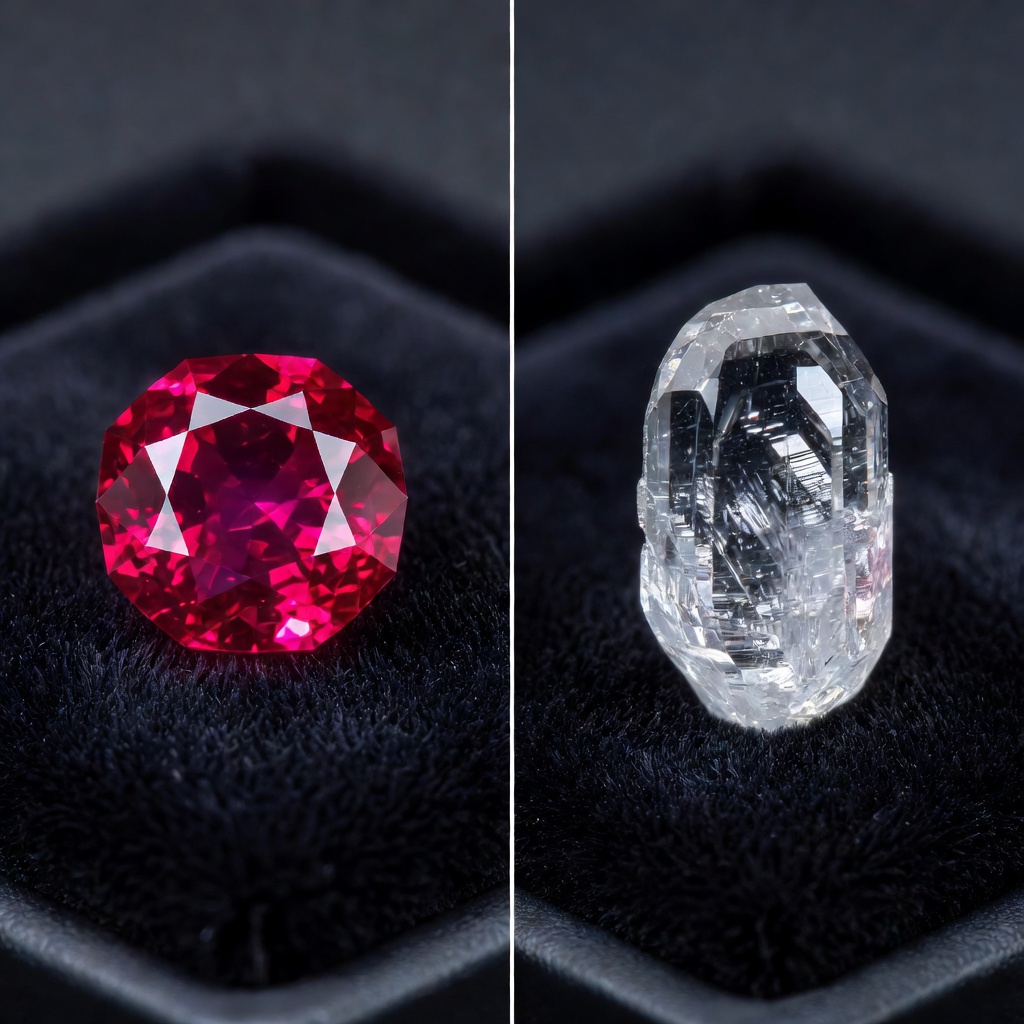
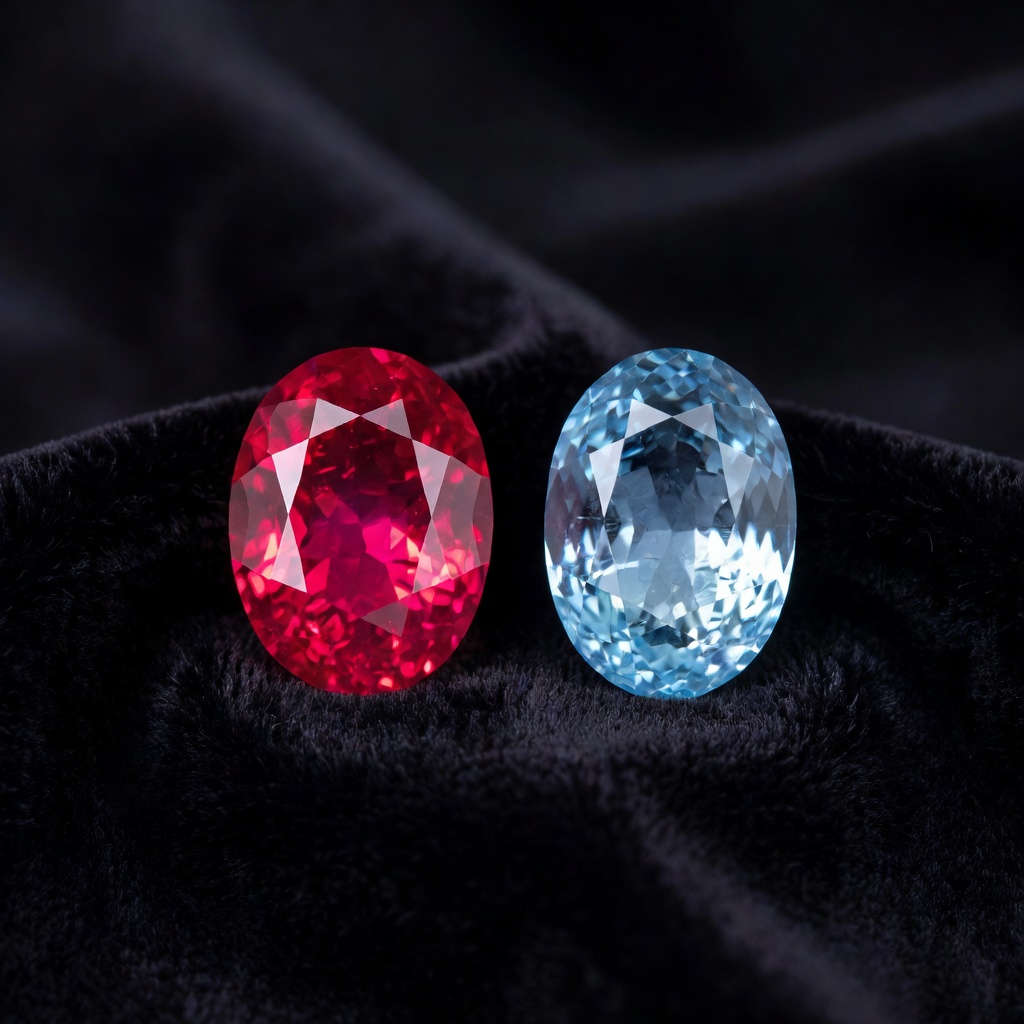
Rubies represent one of the most coveted gemstones in human history, distinguished as precious corundum crystals that derive their intense red coloration from trace amounts of chromium within the aluminum oxide structure. These gemstones have adorned the crowns of emperors and the jewelry collections of royalty for millennia, commanding attention through their fiery passion and exceptional rarity. When evaluating Ruby vs Chocolate Diamond options, understanding that rubies belong to the same mineral family as sapphires—yet stand apart due to their specific chromic chemistry—provides essential context for potential buyers seeking colored gemstone investments.
Demystifying Fancy Brown Diamonds
Chocolate diamonds, marketed effectively by specific jewelry brands but scientifically categorized as fancy brown diamonds, offer a distinctly earthy alternative to traditional colorless stones and red gems alike. These diamonds acquire their rich, warm hues through unique geological conditions involving nitrogen inclusions and structural lattice deformations during formation deep within the earth's mantle. Unlike their colorless counterparts, chocolate diamonds embrace their natural color variations ranging from light champagne to deep cognac, appealing to consumers seeking individuality and grounding aesthetics in their fine jewelry selections.
Establishing the Comparison Framework
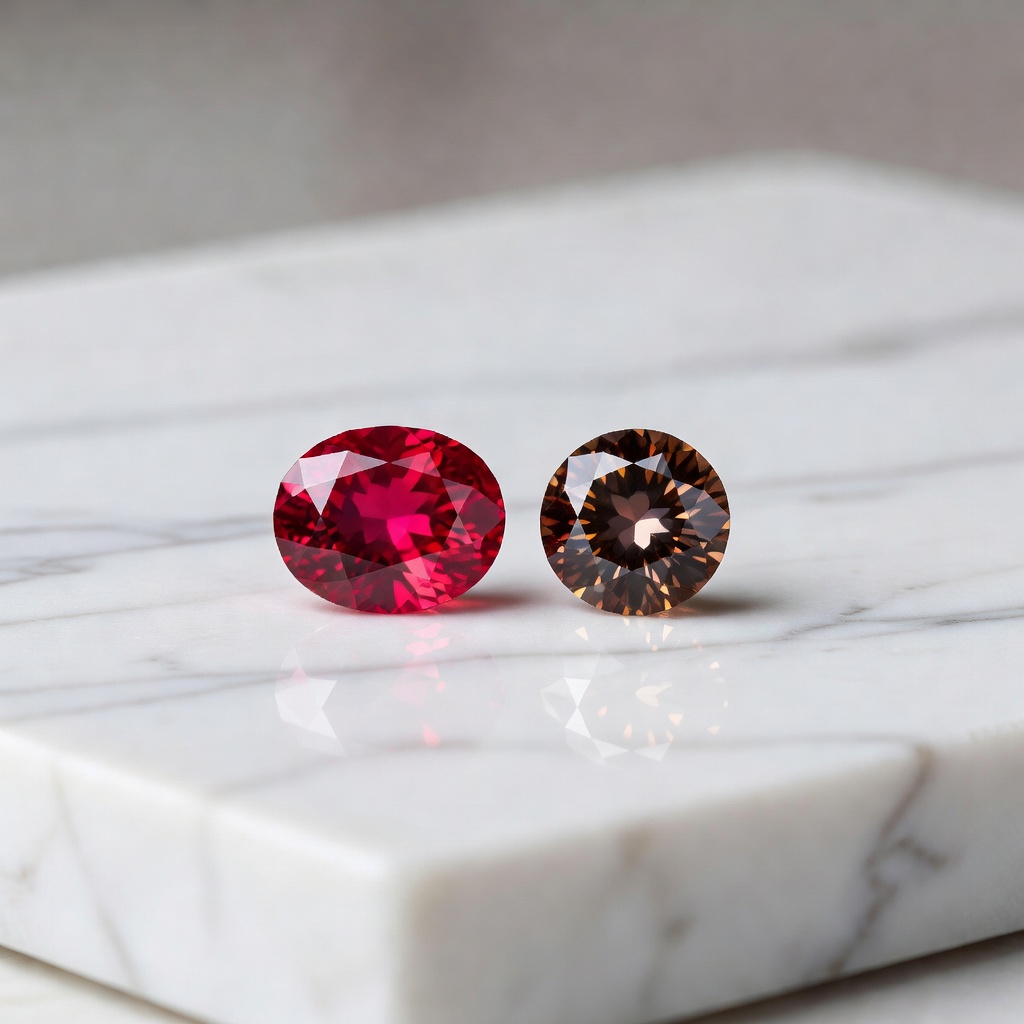
Consumers frequently debate between these two warm-toned colored gemstones when selecting engagement rings, anniversary gifts, or personal statement pieces due to their shared earth-tone palettes yet distinctly different optical properties. While rubies project bold, passionate energy through saturated red hues, chocolate diamonds offer subtle, sophisticated elegance with their natural brown coloration and superior hardness ratings. This comprehensive comparison examines critical factors including geological origins, durability metrics, pricing structures, and symbolic meanings to guide informed purchasing decisions between these remarkable precious stones.
Geological Origins and Chemical Composition
Ruby Formation and Chromium Influence
Rubies crystallize from aluminum oxide (Al₂O₃) under extreme heat and pressure conditions typically found in metamorphic rock formations or basaltic environments, with chromium atoms replacing aluminum in the crystal lattice to create the characteristic red spectrum. The concentration and distribution of chromium directly influence color intensity, with the most prized specimens exhibiting the legendary pigeon blood ruby saturation—a vivid, pure red with slight blue undertones found primarily in Myanmar's Mogok Valley. These formation processes require specific geological conditions lasting millions of years, resulting in the corundum hardness that makes rubies second only to diamonds in natural mineral hardness.
Carbon Structures Creating Chocolate Hues
Chocolate diamonds form from pure carbon subjected to immense pressure and temperature deep within the earth's mantle, typically 87 to 120 miles below the surface, where plastic deformation of the crystal lattice creates structural defects that absorb light differently than colorless diamonds. Nitrogen impurities within the carbon structure contribute to yellowish tones, while natural irradiation and graining patterns produce the brown coloration ranging from light golden champagne to deep coffee shades. Understanding that these fancy brown diamond specimens undergo the same billion-year formation process as white diamonds—merely with different chemical inclusions and structural variations—helps establish their legitimacy as genuine precious gemstones rather than merely industrial-grade material.
Global Mining Locations and Extraction
Primary ruby deposits concentrate in Myanmar (historically Burma), Thailand, Sri Lanka, and Madagascar, with Burmese rubies commanding premium prices due to their historically superior color saturation and fluorescence properties under various lighting conditions. Chocolate diamonds predominantly originate from the Argyle mine in Australia (now closed) and various African deposits including the Congo and Botswana, where geological conditions favor the nitrogen-rich environments necessary for brown color development. Mining operations for both gemstones employ sophisticated extraction techniques including alluvial mining, hard rock mining, and marine diamond retrieval, with ethical sourcing certifications becoming increasingly important for conscious consumers evaluating chocolate diamond value and ruby provenance.
Color Grading and Visual Characteristics
From Pinkish-Red to Pigeon Blood Ruby
Ruby color grading evaluates three primary factors: hue, tone, and saturation, with the most valuable stones displaying a pure, vivid red without excessive orange or purple secondary hues that diminish value in the collector's market. The term pigeon blood ruby specifically describes stones exhibiting a saturated, fluorescent red color with a hint of blue, traditionally associated with Burmese origins but now applied to any ruby meeting strict colorimetric standards regardless of geographic source. Laboratory grading from institutions like the American Gemological Laboratories (AGL) and GIA assess these color characteristics alongside clarity and cut parameters, with untreated natural color rubies receiving premium designations that significantly impact market pricing and collectibility.
Navigating the Brown Spectrum: Champagne to Chocolate
The champagne diamond vs chocolate diamond distinction primarily involves color intensity, with champagne describing lighter, yellowish-brown stones (C1-C3 on Argyle's scale) while chocolate or cognac refers to deeper, richer brown hues (C4-C7) that offer more dramatic visual impact in jewelry settings. GIA grading for fancy colored diamonds uses terms like Fancy Light Brown, Fancy Brown, Fancy Dark Brown, and Fancy Deep Brown to categorize intensity levels, with the most valuable chocolate diamonds exhibiting uniform color distribution without zoning or greenish undertones. Unlike rubies where pure saturation increases value uniformly, chocolate diamonds occupy a nuanced market where very light stones may be less desirable than medium-toned specimens that maximize the warm, earthy aesthetic appealing to modern jewelry designers.
Luster and Light Performance Differences
Rubies display vitreous to adamantine luster depending on cut quality and clarity, with high-quality stones exhibiting a silky sheen particularly evident in Mogok specimens containing fine rutile needle inclusions (silk) that scatter light softly through the gemstone. Diamonds, including fancy brown varieties, demonstrate superior adamantine luster and higher refractive indices (2.42 vs corundum's 1.76-1.77), resulting in greater brilliance and fire despite the brown coloration potentially masking some light return in darker specimens. When selecting between these gemstones for jewelry applications, consider that rubies offer a distinctive glow and depth from within, while chocolate diamond engagement rings provide exceptional surface brilliance and scintillation that rivals their colorless counterparts.
Durability, Hardness, and Daily Wearability
Mohs Scale Comparison and Scratch Resistance
The corundum hardness of 9 on the Mohs scale makes rubies exceptionally resistant to scratching and abrasion, suitable for daily wear in rings and bracelets that encounter frequent contact with hard surfaces during normal activities. Diamonds maintain their position as the hardest known natural substance at 10 Mohs, meaning chocolate diamonds resist scratching even from corundum and other hard materials, making them theoretically superior for lifetime wear in chocolate diamond engagement rings that must withstand decades of daily use. Both gemstones significantly outperform softer colored stones like emeralds (7.5-8) or opals (5.5-6.5), though the one-point Mohs difference between ruby and diamond represents a substantial gap in absolute hardness due to the logarithmic nature of the scale.
Toughness Versus Brittleness in Daily Wear
Despite impressive hardness ratings, rubies can exhibit toughness issues due to potential cleavage planes and internal stress fractures, particularly in stones containing significant inclusions or those subjected to heat treatment that may create internal tensions. Diamonds, while harder, possess perfect cleavage in four directions and can chip or fracture when struck at specific angles, though their isometric crystal structure generally provides excellent toughness for jewelry applications. For active individuals or those working with machinery, chocolate diamonds may offer practical advantages due to their isometric stability, while ruby owners should consider protective bezel settings or reserve ring wear for special occasions to prevent cleavage damage from sharp impacts.
Heat Sensitivity and Chemical Concerns
Both gemstones resist heat damage better than most colored stones, with rubies enduring temperatures up to 1,800°C before potential damage and diamonds remaining stable until approximately 800-900°C in oxygen-containing environments (higher in inert atmospheres). However, treated rubies containing glass fillings or lead-based flux residues may suffer damage during jewelry repair procedures requiring heat application, while irradiated chocolate diamonds require protection from extreme heat that could potentially alter their color treatment. Chemical resistance proves excellent for both materials against common acids and bases, though chlorine exposure in swimming pools may affect metal settings more than the gemstones themselves, regular professional inspections remain essential for maintaining secure mountings.
Pricing, Rarity, and Investment Potential
| Comparison Aspect | Ruby (Corundum) | Chocolate Diamond |
|---|---|---|
| Mohs Hardness | 9 | 10 |
| Chemical Composition | Aluminum Oxide with Chromium | Carbon with Nitrogen |
| Primary Color Range | Pinkish-red to Deep Pigeon Blood | Light Champagne to Fancy Dark Brown |
| Price Per Carat (High Quality) | $1,000 - $15,000+ | $2,500 - $5,000 |
| Rarity Factor | Extremely Rare (Untreated Burmese) | Moderate (More Abundant) |
| Investment Potential | High Appreciation Rate | Moderate to Low |
| Common Treatments | Heat Treatment, Oil/Resin Filling | Irradiation, High Pressure High Temperature |
| Optimal Metal Pairings | Yellow Gold, Rose Gold | White Gold, Yellow Gold |
Price Per Carat Analysis
Natural, untreated pigeon blood ruby specimens command extraordinary premiums in the current market, with fine Burmese stones exceeding $15,000 per carat for qualities above two carats, while heated but natural rubies from Madagascar or Thailand typically range between $1,000 and $5,000 per carat depending on clarity and color saturation. Chocolate diamond value remains more accessible, with fancy dark brown stones generally priced between $2,500 and $5,000 per carat for high-clarity specimens, though naturally colored deep browns with VS clarity or better may approach premium white diamond pricing. Budget-conscious consumers seeking larger carat weights often find chocolate diamonds provide significantly greater size availability at lower price points compared to fine rubies, making them attractive for statement cocktail rings where visual impact outweighs investment considerations.
Rarity Factors and Origin Certificates
The scarcity of untreated Burmese rubies intensifies annually as political instability and depleted mines restrict supply, creating robust auction markets where historic provenance and unenhanced natural color justify extraordinary premiums for collector-grade specimens. Chocolate diamonds, while beautiful, occur more frequently in nature than previously marketed, with brown representing the most common diamond color variant before treatment processes were developed to convert them to near-colorless stones. Certification from respected laboratories like GIA, AGL, or SSEF proves essential for both gemstones, as disclosure of heat treatment in rubies or irradiation in chocolate diamonds significantly affects valuation and requires documented verification for insurance and resale purposes.
Long-Term Investment Value
Historical auction data demonstrates that fine untreated rubies appreciate consistently over decades, with record-breaking sales at Sotheby's and Christie's establishing rubies as "investment-grade" colored stones alongside rare Kashmir sapphires and Colombian emeralds. Chocolate diamonds, despite their marketing appeal, generally function as fashion or decorative purchases rather than pure investments, though large, naturally colored fancy deep browns with D-F color equivalents in clarity may retain value better than treated or irradiated specimens. Collectors prioritizing asset appreciation should prioritize unheated Burmese rubies with documented provenance, while those seeking wearable beauty with moderate value retention might find better satisfaction in high-quality chocolate diamond jewelry that prioritizes aesthetic appeal over portfolio diversification.
Symbolism, Meaning, and Cultural Significance
Ruby as the July Birthstone and Passion Stone
As the designated July birthstone meaning encompasses vitality, courage, and passionate love, rubies have served as traditional gifts for 15th and 40th wedding anniversaries, symbolizing the enduring flame of committed relationships through their internal fire and red coloration. Ancient Burmese warriors implanted rubies beneath their skin before battle believing the stones conferred invincibility, while Hindu traditions associated rubies with the sun and the power to maintain physical health and mental clarity. Modern crystal practitioners attribute rubies with stimulating the root chakra, enhancing life force energy, and protecting against psychic attacks, making them popular among individuals seeking gemstones with protective metaphysical properties alongside their aesthetic beauty.
Earth Connections and Grounding Energy
Fancy brown diamond symbolism centers on stability, grounding, and connection to the earth element, with their natural coloration representing reliability, comfort, and the nurturing aspects of soil and wood in elemental healing traditions. Unlike the intense, fiery energy attributed to rubies, chocolate diamonds promote feelings of safety, practicality, and emotional anchoring, appealing to individuals undergoing life transitions or seeking balance in chaotic environments. Jewelry designers often recommend chocolate diamonds for professionals in high-stress careers or those practicing meditation and mindfulness, as the stone's earthy vibration supposedly facilitates present-moment awareness and practical decision-making.
Historical Royal Collections and Modern Trends
The British Crown Jewels feature several exceptional rubies (some historically misidentified as spinels), including the Black Prince's Ruby and the Timur Ruby, demonstrating the stone's centuries-long association with imperial power and sovereign authority. Chocolate diamonds gained prominence in the early 2000s through specific trademarked marketing campaigns, transitioning from industrial diamond byproducts to fashionable center stones embraced by celebrities seeking alternatives to traditional white diamonds. Contemporary jewelry trends increasingly pair chocolate diamonds with rose gold settings for romantic, vintage-inspired aesthetics, while rubies maintain their status in high jewelry collections through bold Art Deco reproductions and modern minimalist designs that showcase the stone's saturated color against platinum or yellow gold.
Jewelry Design Applications and Metal Pairings
Engagement Rings and Statement Pieces
Chocolate diamond engagement rings offer distinctive alternatives for couples seeking non-traditional symbols of commitment, with the brown coloration complementing both modern architectural settings and vintage-inspired halo designs that maximize finger coverage and visual impact. Rubies traditionally appear in cocktail rings, pendant necklaces, and earrings where their bold color creates focal points, though they increasingly appear in engagement settings for individuals born in July or those drawn to the stone's passionate symbolism. For daily wear considerations, chocolate diamonds suit active lifestyles better due to their superior hardness and isometric crystal stability, while rubies require more protective settings such as bezels or partial bezels that shield the girdle from potential cleavage damage during physical activities.
Optimal Metal Choices for Each Gemstone
Yellow gold and rose gold settings enhance the warm undertones of both gemstones, with 18k yellow gold particularly flattering to pigeon blood ruby specimens by amplifying their red saturation while complementing the coppery tones in chocolate diamonds. White gold and platinum provide striking contrast against chocolate diamonds, creating sophisticated, contemporary aesthetics that emphasize the stone's clarity and brilliance, though these cooler metals may slightly dull the appearance of rubies by creating color cast reflections. Two-tone settings featuring both white and yellow gold offer versatile solutions for chocolate diamonds, allowing the white metal to highlight the diamond's brilliance while yellow gold accents echo the stone's warm body color.
Setting Styles and Accent Stone Compatibility
Prong settings maximize light return for chocolate diamonds, allowing their adamantine brilliance to shine despite the brown coloration, while bezel settings protect ruby girdles and corners from chipping while creating a sleek, modern silhouette that complements the stone's vitreous luster. Accent stones require careful selection: colorless diamonds provide classic contrast for both center stones, while pink sapphires complement rubies in monochromatic designs, and citrine or yellow sapphires create harmonious warm palettes with chocolate diamonds. Halo settings remain popular for both gemstones, with micro-pavé diamond halos adding perceived size and brilliance to chocolate diamond centers, and colored gemstone halos (using tsavorite garnet or emerald) creating striking color-block effects with ruby centers.
Care, Cleaning, and Maintenance Requirements
Safe At-Home Cleaning Protocols
Both gemstones tolerate gentle cleaning using warm water, mild dish soap, and soft-bristled brushes (toothbrushes work well for removing accumulated lotions and oils from pavilion facets), though fancy brown diamond owners should verify whether their stone underwent irradiation treatment that might require avoiding ultrasonic cleaning devices. Rubies, particularly those with oil or resin treatments to improve clarity appearance, demand gentler handling than their hardness might suggest, requiring avoidance of steam cleaners and harsh chemical solvents that could remove temporary fillers or damage heat-induced fracture healing. For routine maintenance, soak jewelry containing either gemstone for 20-30 minutes in soapy water, gently scrub with a soft brush, rinse thoroughly, and pat dry with lint-free cloths to prevent water spots on metal settings.
Professional Maintenance and Treatment Considerations
Annual professional inspections prove essential for both gemstones, with jewelers checking prong integrity, examining for loose stones, and assessing whether treatments (oil in rubies or surface coatings in some chocolate diamonds) require reapplication or have degraded over time. Ultrasonic and steam cleaning remain safe for untreated rubies and natural-color chocolate diamonds, but jewelers must verify treatment history before applying these methods to prevent damage to filled fractures or irradiated stones. Repolishing services can restore luster to both gemstones if surface scratches develop, though rubies may require more frequent attention if worn daily in rings, as their slightly softer nature compared to diamonds makes them susceptible to abrasion over decades of continuous wear.
Storage Solutions for Hard Gemstones
Despite their high corundum hardness and diamond toughness, storing rubies and chocolate diamonds separately from other jewelry prevents scratching of softer gemstones like pearls, opals, or turquoise that might contact these harder materials in drawer compartments or travel cases. Individual soft cloth pouches or lined jewelry boxes with separate compartments provide optimal storage, with silica gel packets helping control humidity that could affect metal settings or any organic treatments applied to ruby surface-reaching fractures. When traveling, carry these gemstones in carry-on luggage rather than checked bags, and consider insurance riders specifically covering high-value colored gemstones, as standard homeowner's policies often limit jewelry coverage without specific riders documenting certified valuations.
How to Choose: Lifestyle and Budget Considerations
Active Lifestyles Versus Collector Preferences
Individuals with physically demanding careers—such as healthcare workers, mechanics, or athletes—should prioritize chocolate diamonds for daily-wear rings due to their superior toughness and resistance to chipping compared to rubies, which despite their hardness require more mindful wear to prevent cleavage damage. Collectors and connoisseurs who view jewelry as portable wealth or artistic expression might prefer investing in fine pigeon blood ruby specimens set in protective pendant or earring designs that minimize physical impact while maximizing visible color impact. Consider your daily activities honestly: if you rarely remove your rings during gym sessions, gardening, or household chores, chocolate diamonds provide worry-free durability, whereas rubies demand the respect and careful handling typically reserved for museum-quality art objects.
Maximizing Budget for Size and Quality
Budget-conscious buyers seeking maximum visual impact for their expenditure will find that chocolate diamond value propositions allow for significantly larger carat weights—often two to three times the size—compared to equivalent budgets for fine untreated rubies. For example, a $5,000 budget might secure a 1.5-carat chocolate diamond with good clarity, while the same investment might only yield a 0.50-carat heated ruby of commercial quality, forcing buyers to choose between size and rarity. Those prioritizing investment potential should allocate funds toward smaller, higher-quality rubies with impeccable provenance, while those seeking immediate aesthetic gratification and larger presence might better appreciate the substantial appearance chocolate diamonds provide at accessible price points.
Heirloom Potential and Multi-Generational Value
When selecting gemstones intended for family legacy pieces passed to children and grandchildren, untreated Burmese rubies historically demonstrate superior value retention and appreciation, potentially becoming more valuable with each generational transfer as mines deplete and political situations restrict new supply. Chocolate diamonds, while emotionally significant and beautiful, function better as personal expression pieces rather than primary wealth-transfer vehicles, though exceptional natural-color specimens over three carats with high clarity grades may achieve heirloom status within families regardless of investment metrics. Document certifications, appraisal updates every five years, and proper care instructions should accompany either gemstone when bequeathing to ensure recipients understand treatment histories and maintenance requirements for preserving these precious materials.
Final Verdict: Which Gemstone Wins?
Key Differentiators and Decision Matrix
The Ruby vs Chocolate Diamond debate ultimately resolves through prioritization of specific values: choose rubies if you prioritize investment-grade rarity, symbolic passion, and the prestige associated with one of the "big three" colored gemstones historically coveted by royalty and collectors. Select chocolate diamonds if you require maximum durability for daily wear, prefer subtle earthy elegance over bold color statements, or seek larger carat weights within moderate budgets while still possessing genuine diamond authenticity. Both gemstones offer legitimate precious status, but they serve different lifestyle needs—rubies function as artistic investments and occasional wear treasures, while chocolate diamonds provide practical, distinctive beauty suitable for continuous daily enjoyment without anxiety about damage or loss.
Certification Requirements and Quality Assurance
Regardless of your selection, insist upon certificates from internationally recognized laboratories such as GIA, AGL, or Gübelin that explicitly document treatments, origin, and color grades, as undisclosed heat treatment in rubies or irradiation in chocolate diamonds can affect value by 50% or more. For rubies, seek reports specifying "no indications of heating" for investment pieces, while accepting "heated" designations for jewelry-grade stones where budget constraints apply. Chocolate diamond certificates should confirm natural color versus treated color, as artificially irradiated stones hold less value than naturally occurring browns, though both are genuine diamonds—the distinction matters primarily for pricing and disclosure ethics rather than authenticity.
Final Buying Recommendations
When purchasing rubies, prioritize color over clarity, as a slightly included stone with vivid pigeon blood saturation outperforms a flawless but pale pinkish-red specimen in both beauty and value retention. For chocolate diamonds, prioritize cut quality to maximize brilliance and avoid stones with greenish or grayish undertones that appear muddy rather than rich; instead, seek warm caramel or cognac hues that glow from within. Whether choosing the fiery passion of ruby or the grounded elegance of chocolate diamonds, purchase from reputable dealers offering return periods and upgrade policies, ensuring your selected gemstone resonates with your personal aesthetic while meeting practical requirements for your unique lifestyle and budget parameters.
Frequently Asked Questions
Which Is More Expensive, a Ruby or Chocolate Diamond?
High-quality natural rubies, especially Burmese pigeon blood varieties, typically command higher prices per carat ($1,000-$15,000+) compared to chocolate diamonds ($2,500-$5,000 per carat). However, treated rubies can be less expensive than premium fancy dark brown diamonds, making price dependent on quality and treatment status.
Are Chocolate Diamonds Suitable for Engagement Rings?
Yes, chocolate diamonds are excellent for engagement rings due to their Mohs hardness of 10, making them highly scratch-resistant for daily wear. Their unique brown color offers a distinctive alternative to traditional white diamonds, though buyers should ensure the stone has GIA certification to verify natural color versus treatment.
What Causes the Brown Color in Chocolate Diamonds?
Chocolate diamonds obtain their brown color from structural defects during formation, specifically plastic deformation in the crystal lattice combined with nitrogen impurities. Natural irradiation can also enhance brown tones. These factors distinguish them from white diamonds and create their characteristic rich, earthy hues.
Is a Ruby Durable Enough for Everyday Jewelry?
Rubies rank 9 on the Mohs hardness scale, making them extremely durable and suitable for daily wear in rings and bracelets. However, despite their hardness, rubies can contain inclusions that affect toughness, so protective settings are recommended for active lifestyles to prevent chipping or cleavage.
Do Chocolate Diamonds Sparkle Like White Diamonds?
Chocolate diamonds exhibit brilliance and fire similar to white diamonds due to identical refractive properties, but the brown color can mask some light performance. Deep brown stones may appear slightly less brilliant than colorless diamonds in dim lighting, though well-cut fancy dark browns still display impressive sparkle.
How Do I Clean Ruby Jewelry Versus Chocolate Diamond Jewelry?
Both gemstones can be cleaned with warm water, mild soap, and a soft brush. However, avoid ultrasonic cleaners for heat-treated rubies or irradiated chocolate diamonds. Rubies may contain oil treatments requiring gentle handling, while chocolate diamonds need protection from harsh chemicals that could affect any surface coatings.
Which Gemstone Holds Better Investment Value Over Time?
Untreated, high-quality Burmese rubies typically appreciate better as investments due to extreme rarity and increasing scarcity. Chocolate diamonds, while beautiful, are more abundant and generally don't appreciate as quickly, though large, naturally colored fancy deep browns with high clarity can be collectible.