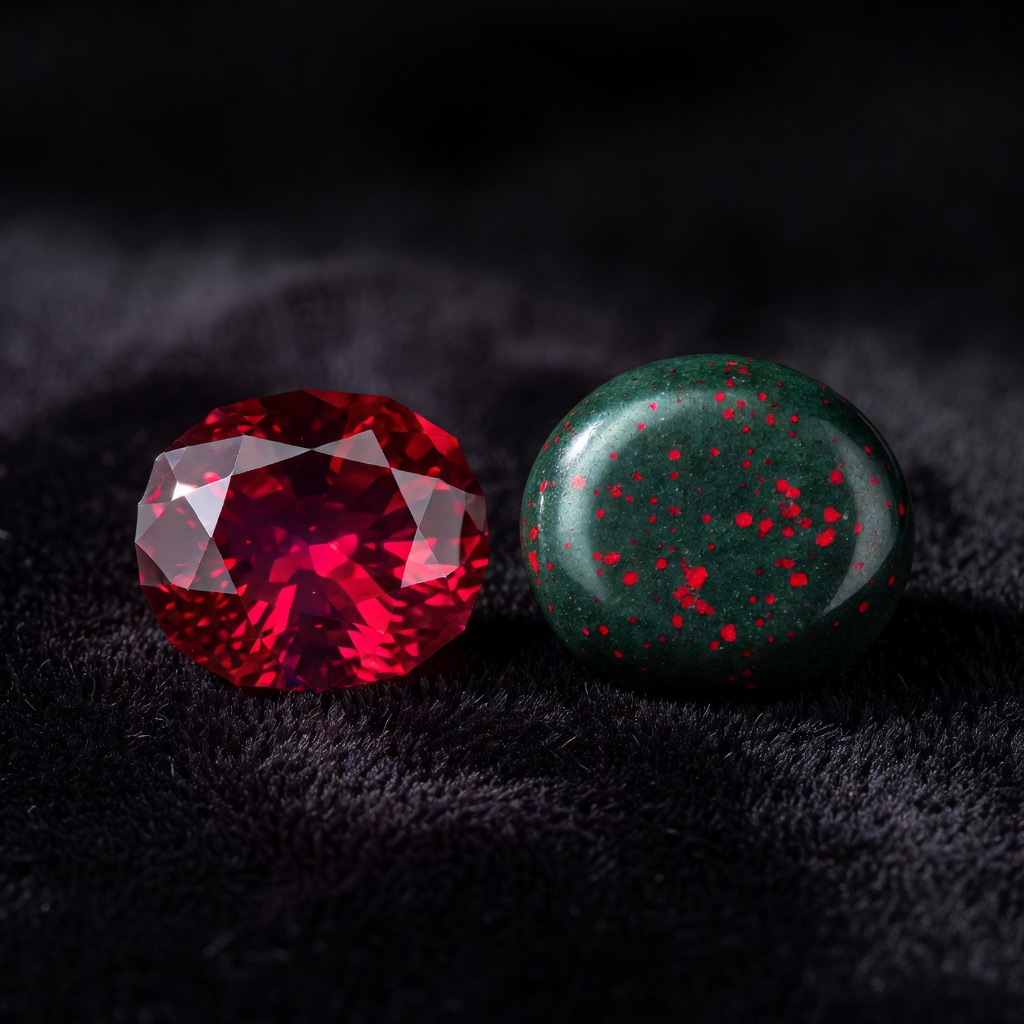
Understanding Two Powerful Red Stones: Ruby vs Bloodstone
When exploring the world of crimson-hued gemstones, collectors and jewelry enthusiasts often find themselves comparing two distinctly different yet equally captivating stones. Ruby stands as one of the precious four gemstones, representing the pinnacle of corundum varieties and serving as the coveted July birthstone for those born in the height of summer. In contrast, bloodstone emerges as a compelling alternative March birthstone, belonging to the chalcedony family with its mysterious dark green body punctuated by blood-red iron oxide inclusions. Many buyers mistakenly assume these stones serve interchangeable purposes due to their shared red color elements, yet they differ dramatically in composition, value, durability, and metaphysical applications. This comprehensive guide examines the critical factors differentiating precious versus semi-precious red gemstones to help you make an informed decision aligned with your aesthetic preferences, lifestyle requirements, and investment goals.
Geological Origins and Composition
The fundamental differences between these stones begin deep within the Earth's crust, where distinct geological processes create their unique crystalline structures. Ruby forms under extreme metamorphic conditions, requiring high pressure and intense heat to transform aluminum oxide (Al2O3) into the crystalline corundum structure that defines this precious gem. Myanmar's Mogok Valley and Mozambique's Montepuez mines currently produce the world's finest specimens, where trace amounts of chromium replace aluminum atoms to create that signature pigeon blood red coloration. Bloodstone, scientifically known as heliotrope, develops through entirely different mechanisms as a cryptocrystalline quartz variety composed primarily of silicon dioxide (SiO2) in sedimentary or volcanic environments. Indian bloodstones from the Kathiawar Peninsula and Brazilian specimens from the Minas Gerais region dominate the market, with their characteristic red spots resulting from iron oxide inclusions precipitating within the green chalcedony base during formation.
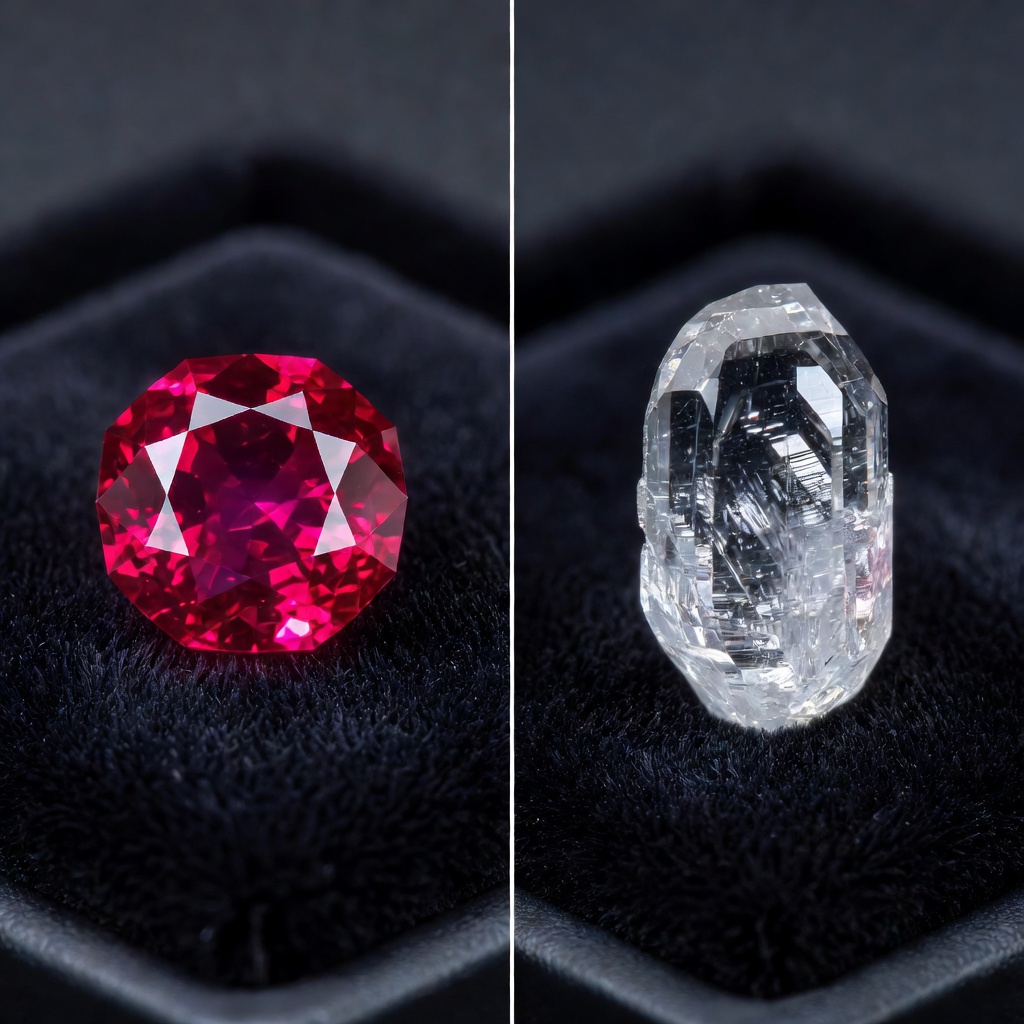
Understanding these compositional differences proves crucial when evaluating Ruby gemstone properties versus bloodstone characteristics for specific applications. Corundum's trigonal crystal system creates the optical properties responsible for ruby's exceptional brilliance and pleochroism, while bloodstone's microcrystalline quartz structure results in its characteristic opaque, waxy luster. Gemologists identify ruby specimens by their specific gravity of approximately 4.0 and refractive index ranging from 1.760 to 1.768, whereas bloodstone exhibits a lighter specific gravity around 2.6 and lower refractive indices typical of chalcedony materials. When examining rough samples, ruby often appears as hexagonal prisms with distinct crystal faces, while bloodstone presents as amorphous masses or nodules lacking defined crystal shapes, reflecting their different growth environments and internal structures.
Visual Characteristics and Physical Appearance
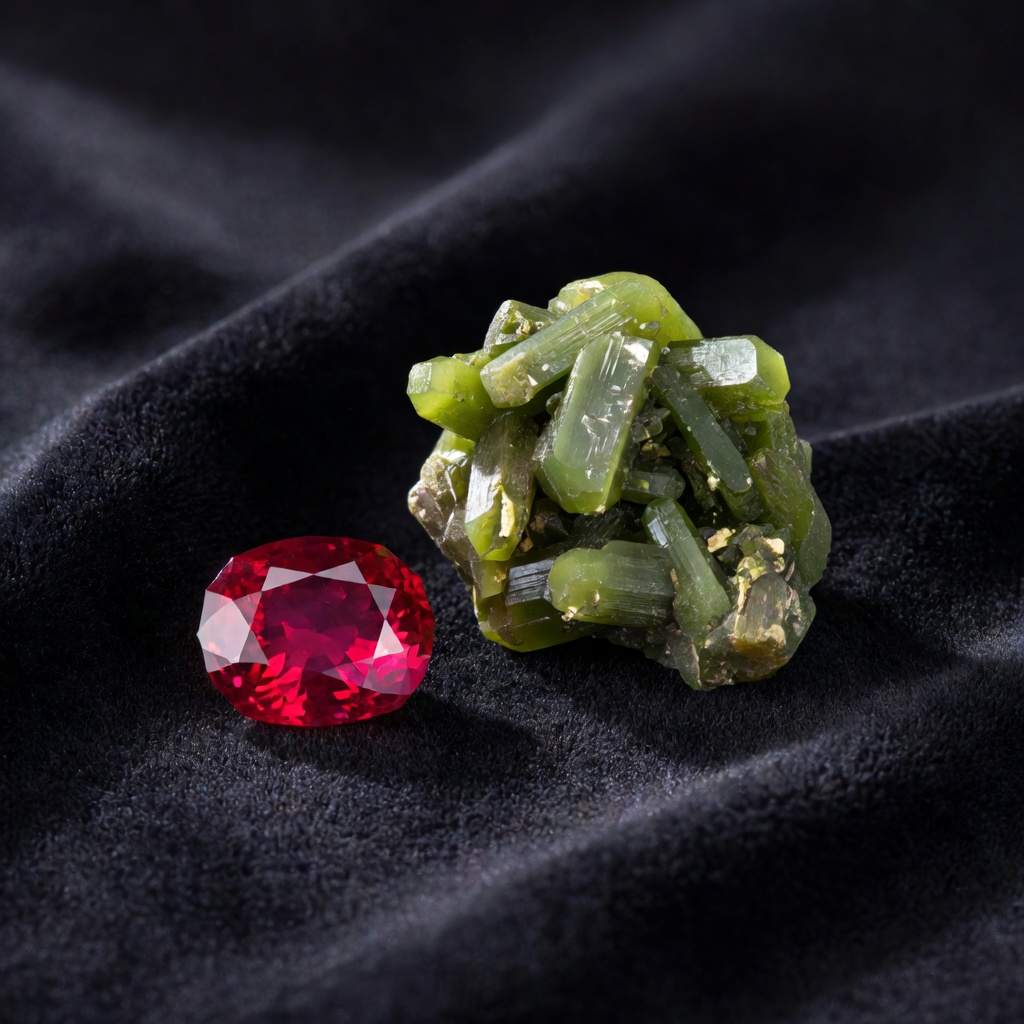
Visual inspection immediately reveals the dramatic aesthetic differences separating these two stones, despite both containing red color elements. Ruby displays a spectrum ranging from delicate pinkish-red hues to the intensely saturated pigeon blood red that commands premium prices in international markets, with transparency levels varying from transparent to translucent depending on inclusion content. High-quality rubies exhibit vitreous luster and strong fluorescence under ultraviolet light, creating an internal glow that seems to emanate from within the stone itself. Bloodstone presents an entirely different visual paradigm with its deep forest green to dark green base color serving as canvas for the distinctive red iron oxide spots, flecks, or streaks that give this gem its evocative name and Bloodstone meaning in historical contexts.
Clarity characteristics further distinguish these materials when examined under magnification or standard lighting conditions. Ruby typically contains inclusion patterns known as "silk" (rutile needles), feathers, or crystal inclusions that prove diagnostic of natural origin and geographic source, with Burmese stones often displaying asterism phenomena when cut as cabochons. Bloodstone maintains an opaque to slightly translucent appearance with a matte or waxy finish that diffuses rather than reflects light, making inclusion identification less relevant for quality assessment. Jewelry designers must consider how lighting affects each stone differently: ruby's brilliance and fire create spectacular sparkle under direct illumination suitable for evening wear, while bloodstone's earthy, subdued glow performs consistently across various lighting conditions, making it ideal for daytime accessories and men's formal jewelry where subtle sophistication prevails over flashy display.
Mohs Hardness and Durability Analysis
Durability considerations play a decisive role when selecting between these stones for specific jewelry applications, particularly for pieces intended for daily wear. Ruby hardness Mohs scale ratings place this gemstone at an impressive 9 out of 10, second only to diamond in natural mineral hardness, making it exceptionally resistant to scratching and suitable for engagement rings and heirloom pieces designed to last generations. This remarkable hardness stems from corundum's strong atomic bonding and crystalline structure, allowing ruby to maintain its polish and facet edges even after decades of continuous wear. Bloodstone ranks significantly lower at 6.5 to 7 on the Mohs scale, sharing hardness characteristics with other quartz varieties, which makes it susceptible to scratching from everyday dust particles containing silica and requires protective settings when used in rings or bracelets.
Fracture resistance presents another critical durability factor beyond simple scratch resistance when evaluating these materials. Despite their high hardness, rubies possess slight brittleness along certain crystallographic directions, meaning they can chip if subjected to sharp impacts against hard surfaces, necessitating protective prong settings for active wearers. Bloodstone, while softer, demonstrates good toughness due to its microcrystalline structure that lacks cleavage planes, though its relative softness makes it inappropriate for high-impact jewelry like daily-wear rings without bezel or flush mountings. Practical applications reflect these durability differences: ruby excels in solitaire engagement rings, tennis bracelets, and statement necklaces worn during active lifestyles, while bloodstone performs optimally in pendants, earrings, cufflinks, and occasional-wear rings where physical impact remains minimal and protective settings can preserve the stone's carved details or polished surface.
Historical Significance and Cultural Symbolism
The cultural narratives surrounding these stones stretch back millennia, with each developing distinct symbolic associations across civilizations and time periods. Ruby earned designation as the "King of Gemstones" throughout Eastern cultures, particularly in India where Sanskrit texts referred to it as "ratnaraj," with Burmese warriors inserting rubies beneath their skin to render themselves invincible in battle and Chinese nobility using rubies to protect their fortunes and status. European royalty similarly coveted these gems, with the British Crown Jewels featuring the Black Prince's Ruby (actually a red spinel) and the Timur Ruby, both demonstrating the stone's associations with power, passion, and protection against misfortune. Bloodstone carries equally potent historical weight through its Christian martyr associations, medieval lore suggesting the red spots represent Christ's blood falling upon green jasper at the crucifixion, while ancient Greek and Roman civilizations utilized carved bloodstone seals and amulets for their perceived ability to control weather and provide judicial protection.
Warrior traditions utilized both stones extensively, though for different perceived benefits and cultural contexts. Burmese soldiers specifically chose ruby talismans not merely for decoration but for believed abilities to make wearers bold in combat and safe from enemy weapons, often wearing them as armor inserts or sword hilts. Greek athletes and soldiers preferred bloodstone for entirely different metaphysical properties, carrying carved bloodstone amulets to increase physical strength, stop bleeding from wounds, and provide grounding during athletic competitions or military campaigns. Royal connections manifest differently for each material: rubies adorned the crowns and regalia of monarchs from Thailand to England as symbols of absolute power and divine right, while medieval European nobility favored bloodstone signet rings for sealing documents and proclamations, valuing the stone's hardness for intricate carving and its dark color for contrast against hot wax seals.
Metaphysical Properties and Crystal Healing
Contemporary crystal healing practitioners utilize both stones for vitality and blood-related energies, though their specific applications and energetic signatures differ significantly. Ruby gemstone properties in metaphysical contexts focus on stimulating the root and heart chakras simultaneously, creating a powerful vortex of life force energy that practitioners believe enhances vitality, courage, leadership abilities, and passionate commitment to personal goals. Crystal therapists often recommend ruby for individuals experiencing low energy, lack of motivation, or difficulty asserting themselves in professional environments, placing stones directly on the skin during meditation or wearing them as pendants near the heart center. Bloodstone healing properties center more specifically on physical blood purification and immune system support, with historical texts referring to it as "heliotrope" (sun-turning stone) and modern practitioners using it for detoxification rituals, circulation improvement, and grounding excessive emotional energy into stable, practical action.
Energy intensity comparisons reveal complementary rather than competing vibrations between these materials. Ruby emits what crystal healers describe as "fire energy"—stimulating, activating, and intensely passionate, making it suitable for those needing motivation, creative inspiration, or enhanced libido, though potentially overwhelming for individuals prone to anxiety or anger. Bloodstone provides "earth energy"—steady, grounding, and nurturing, ideal for those needing stability, physical healing, or enhanced endurance during long-term projects or illness recovery. Zodiac associations further differentiate these stones: ruby traditionally serves Leo and Scorpio signs, amplifying their natural intensity and leadership qualities, while bloodstone connects with Aries and Pisces, supporting Aries' pioneering spirit with grounding energy and providing Pisces with practical boundaries and physical vitality. Practical application tips include wearing ruby on the left hand to receive its stimulating energy or carrying bloodstone in the pocket during physical workouts or medical procedures to maintain steady life force circulation.
Market Value and Investment Potential
Economic considerations separate these stones perhaps more dramatically than any physical or metaphysical characteristics, positioning them at opposite ends of the gemstone value spectrum. Ruby pricing structures reflect its status as a precious gem, with high-quality unheated Burmese specimens commanding thousands of dollars per carat for stones exceeding one carat, while fine African rubies from Mozambique typically range from hundreds to several thousand dollars per carat depending on color saturation and clarity. Treatment disclosure significantly affects Bloodstone vs Ruby value assessments, as the market accepts heat-treated rubies (which improve color and clarity) at lower price points than untreated natural specimens, whereas bloodstone rarely undergoes treatment and maintains consistent pricing based primarily on cut quality and the attractiveness of red spot patterns against the green background. Investment portfolios favoring ruby require substantial capital allocation but offer potential appreciation for exceptional untreated stones from historically significant mines, whereas bloodstone functions primarily as an accessible collector's item rather than a speculative investment vehicle.
Accessibility defines the bloodstone market, with even museum-quality specimens typically retailing under $50 per carat, making it an excellent entry point for beginning collectors or those seeking substantial carved pieces without significant financial commitment. Commercial bloodstone sources from India provide abundant rough material suitable for beads, cabochons, and carved objects, ensuring stable supply chains and consistent pricing unaffected by the geological scarcity driving ruby valuations. Case studies in gemstone investment illustrate these differences: a 5-carat unheated Burmese ruby of exceptional quality might appreciate significantly over a decade due to mining depletion in Myanmar, while a comparable investment in bloodstone would focus on historical carved specimens or exceptional aesthetic specimens rather than raw material appreciation. Buyers seeking Ruby vs Bloodstone comparisons for budget planning should anticipate spending luxury-level budgets for fine ruby jewelry versus modest investments for bloodstone pieces, allowing the latter to serve as meaningful gifts or personal talismans without requiring insurance appraisals or secure storage protocols.
Jewelry Applications and Styling Options
Design applications for these stones reflect their distinct physical properties, cultural associations, and value propositions within contemporary jewelry markets. Ruby dominates fine jewelry categories through classic solitaire engagement rings featuring prong-set oval or cushion cuts, eternity bands symbolizing eternal love, and vintage Art Deco designs highlighting geometric arrangements of calibre-cut stones alongside diamonds. High-end designers frequently pair rubies with yellow gold to enhance their warm red tones or platinum for cooler, more contemporary aesthetics, creating pieces suitable for black-tie events, bridal wear, and significant anniversary celebrations. Bloodstone finds its niche primarily in men's jewelry and historically inspired designs, excelling in signet rings featuring carved heraldic symbols or intaglios, Masonic jewelry incorporating specific symbolic geometries, and religious pendants utilizing the stone's Christian associations for cross designs or saint medals.
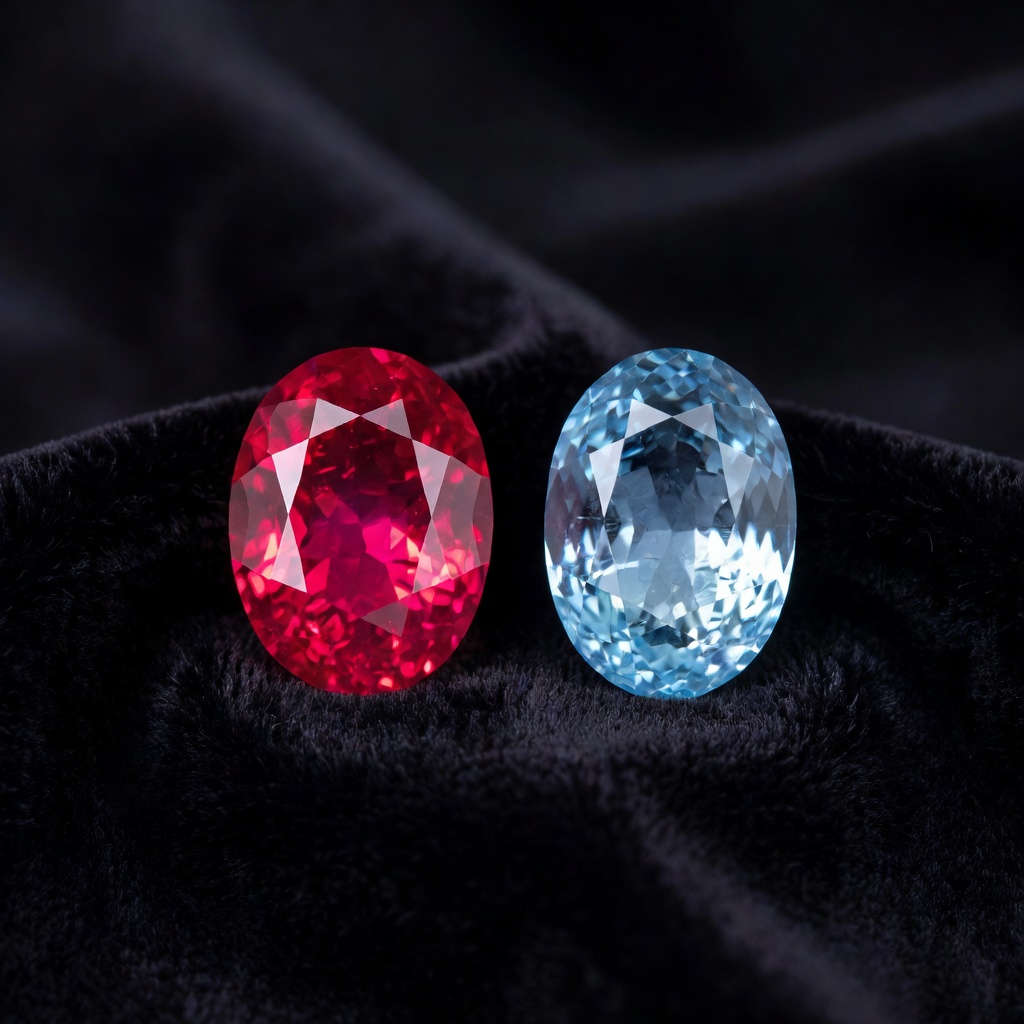
Modern styling trends continue evolving for both materials as contemporary designers reinterpret traditional associations. Ruby halo settings combining central ruby stones with diamond surrounds remain perennial favorites for bridal jewelry, while tennis bracelets featuring graduated ruby sizes offer timeless elegance for formal occasions. Bloodstone beaded bracelets and macramé designs appeal to bohemian and holistic wellness markets, often combined with black onyx or clear quartz for chakra balancing arrangements, while polished bloodstone pendants showcase the stone's unique spot patterns as natural art. Metal pairing recommendations consider both aesthetic and practical factors: ruby's durability accommodates any precious metal including platinum, white gold, yellow gold, or rose gold, though warm tones typically enhance its red coloration, while bloodstone's historical associations favor sterling silver, antiqued brass, or gunmetal finishes that complement its earthy, medieval aesthetic. For those born in March versus July, bloodstone offers an alternative to aquamarine for March birthdays seeking something less conventional, while ruby remains the undisputed primary choice for July birthstone jewelry.
Care, Cleaning, and Maintenance Requirements
Proper maintenance protocols ensure these stones retain their beauty and structural integrity across decades of ownership, though their care requirements differ substantially due to hardness and compositional variations. Ruby care routines for untreated or heat-only treated stones typically include ultrasonic and steam cleaning methods safely performed by professional jewelers, as the stone's hardness resists damage from these aggressive cleaning techniques that would harm softer materials. Owners should avoid exposing rubies to harsh blows against hard surfaces despite their durability, remove rings before heavy manual labor or gym activities, and store pieces separately to prevent scratching other jewelry items. Bloodstone demands gentler treatment protocols involving only lukewarm water with mild soap and soft cloth cleaning, as acids, harsh chemicals, or prolonged exposure to direct sunlight can damage the iron oxide inclusions or fade the green chalcedony base over time.
Storage solutions require strategic planning when maintaining collections containing both materials. Ruby's extreme hardness means it can scratch virtually any other gemstone including bloodstone, necessitating separate compartment storage or individual soft pouches to prevent accidental contact damage. Bloodstone pieces benefit from occasional oiling with mineral oil to prevent drying of the chalcedony structure, particularly for beads or carved items stored in dry climates, though this practice remains unnecessary for ruby maintenance. Professional maintenance schedules should include annual inspections for ruby engagement rings or high-value pieces to check prong security and polish surface scratches, while bloodstone jewelry requires less frequent professional attention unless set in intricate metalwork requiring cleaning or if the softer stone shows surface abrasion from wear. Practical tips include removing bloodstone jewelry before swimming in chlorinated pools or applying lotions and perfumes, as chemical residues can accumulate in surface pits or carved details, whereas ruby withstands these exposures though regular cleaning maintains optimal brilliance.
Making Your Final Decision
Selecting between these distinctive red gemstones ultimately depends on aligning stone characteristics with personal requirements, aesthetic preferences, and practical lifestyle considerations. Budget-based recommendations clearly favor ruby for those seeking luxury investments or significant heirloom pieces capable of appreciating in value, with purchases requiring certification from reputable laboratories like GIA or SSEF to verify origin and treatment status. Bloodstone serves perfectly as an affordable entry-level gemstone for students, young professionals, or those building initial collections without substantial capital, offering authentic gemstone ownership experiences and historical significance at accessible price points. Lifestyle factors heavily influence practical decisions: active individuals, healthcare workers, or those engaging in frequent manual activities should prioritize ruby's durability for rings and bracelets, while bloodstone suits office professionals, occasional wearers, or those preferring pendants and earrings where impact risks remain minimal.
Personal energy alignment considerations appeal to those incorporating crystal healing or metaphysical properties into their jewelry selections. Individuals seeking passionate intensity, creative stimulation, or enhanced leadership presence often resonate with ruby's fire energy, while those requiring grounding stability, physical healing support, or emotional equilibrium may find bloodstone's earth energy more compatible with their current life circumstances. Innovative collectors increasingly choose to combine both stones in curated jewelry collections, utilizing ruby for important occasions requiring confidence and bloodstone for daily grounding, or wearing them simultaneously as complementary energy tools during meditation or physical activities. Case studies of successful dual-stone collections include pairing a ruby cocktail ring for evening events with bloodstone cufflinks or tie pins for daytime professional wear, creating versatile wardrobes that leverage the unique strengths of both materials while celebrating the full spectrum of red gemstone possibilities from precious to semi-precious categories.
Detailed Comparison: Ruby vs Bloodstone
| Characteristic | Ruby | Bloodstone |
|---|---|---|
| Chemical Composition | Aluminum Oxide (Al2O3) with chromium | Silicon Dioxide (SiO2) - Chalcedony variety |
| Mohs Hardness | 9 (Exceptionally hard) | 6.5 - 7 (Moderate hardness) |
| Primary Color | Red to pinkish-red (pigeon blood most valued) | Dark green with red iron oxide spots |
| Transparency | Transparent to translucent | Opaque to slightly translucent |
| Price Range (Per Carat) | $100 - $15,000+ (depending on quality) | $2 - $50 (even for high quality) |
| Best Jewelry Uses | Engagement rings, tennis bracelets, fine pendants | Signet rings, cufflinks, beads, carved objects |
| Chakra Associations | Root and Heart Chakras | Root and Heart Chakras (grounding focus) |
| Primary Sources | Myanmar, Mozambique, Sri Lanka | India, Brazil, Australia |
| Treatment Commonality | Often heat-treated (disclosure required) | Rarely treated; usually natural |
| Care Requirements | Ultrasonic and steam cleaning safe | Gentle soap and water only |
Frequently Asked Questions
Which is more expensive, ruby or bloodstone?
Ruby is significantly more expensive than bloodstone. High-quality rubies can cost thousands of dollars per carat, especially Burmese or unheated specimens, while bloodstone is an affordable semi-precious stone typically costing under $50 per carat even for fine quality pieces.
Is bloodstone actually red or green?
Bloodstone is primarily dark green with distinctive red spots or flecks caused by iron oxide inclusions. The red spots against the green background resemble drops of blood, giving the stone its name, though the base color is definitely green, not red.
Can bloodstone be used as an affordable alternative to ruby?
While bloodstone offers red color elements at a fraction of the cost, it cannot truly substitute for ruby in fine jewelry due to differences in hardness, transparency, and brilliance. However, for those seeking red/green color contrast or men's jewelry with historical significance, bloodstone provides excellent value.
Which stone is better for daily wear rings?
Ruby is superior for daily wear rings due to its 9/10 Mohs hardness rating and excellent durability. Bloodstone, ranking 6.5-7, is softer and more prone to scratching and chipping, making it better suited for pendants, earrings, or occasional wear rings with protective bezel settings.
Do ruby and bloodstone have similar healing properties?
Both stones are associated with blood and vitality but differ energetically. Ruby stimulates passion, courage, and circulation with intense fire energy, while bloodstone focuses on blood purification, immune support, and grounding through steady earth energy. They complement rather than duplicate each other's metaphysical properties.
What birthstones are ruby and bloodstone?
Ruby is the primary birthstone for July, while bloodstone is the traditional birthstone for March (along with aquamarine). This makes ruby suitable for Cancer and Leo zodiac signs, whereas bloodstone traditionally serves Pisces and Aries individuals.
Can you wear ruby and bloodstone together?
Yes, ruby and bloodstone can be worn together as complementary stones. Ruby's fire energy and bloodstone's earth energy create balanced grounding and stimulation. Many crystal practitioners recommend pairing them for enhanced vitality, courage, and physical strength, though the color contrast requires thoughtful jewelry design.
How can I tell the difference between ruby and bloodstone?
Ruby is transparent to translucent with vitreous luster and uniform red color, while bloodstone is opaque with a matte or waxy luster, dark green base color, and distinctive red spots. Ruby feels heavier due to higher specific gravity (4.0) compared to bloodstone (2.6), and ruby will scratch bloodstone but not vice versa.