Two Icons of the Gemstone World: Ruby vs Black Diamond
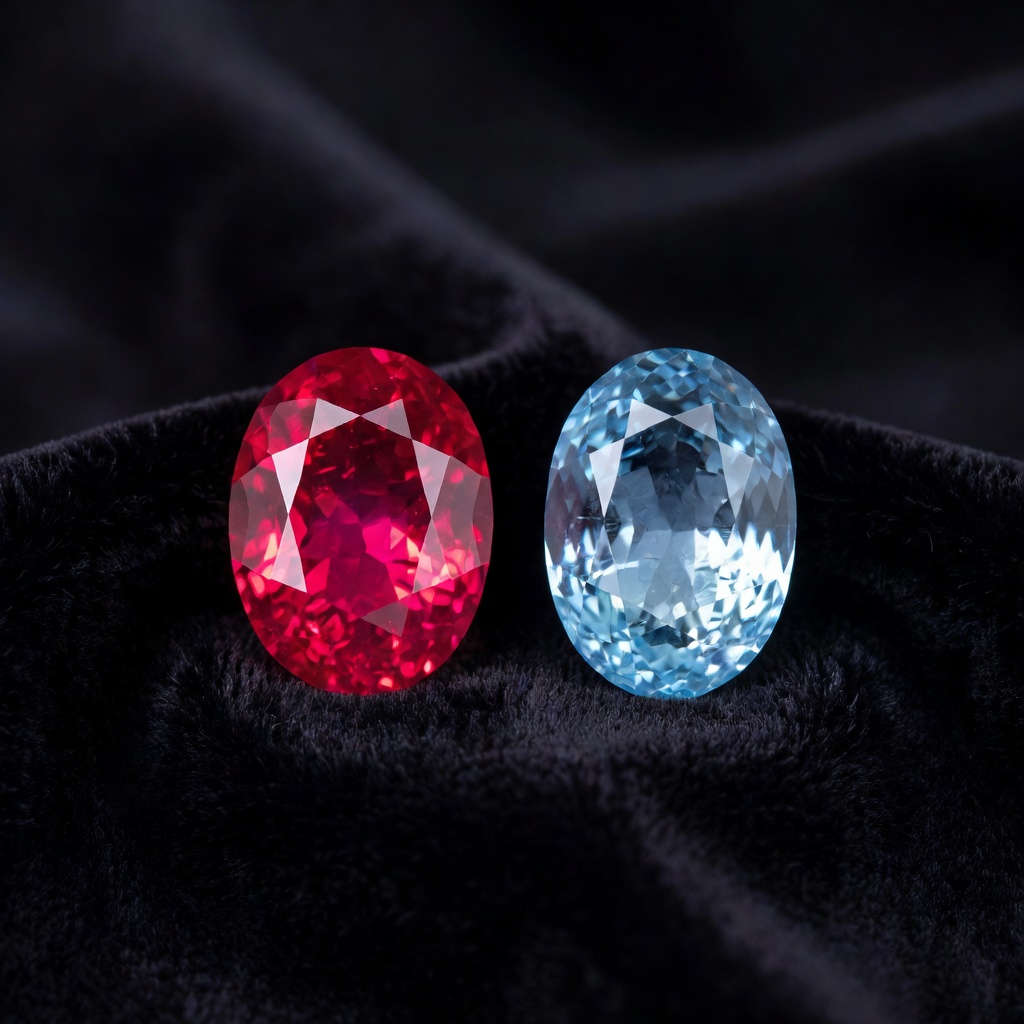
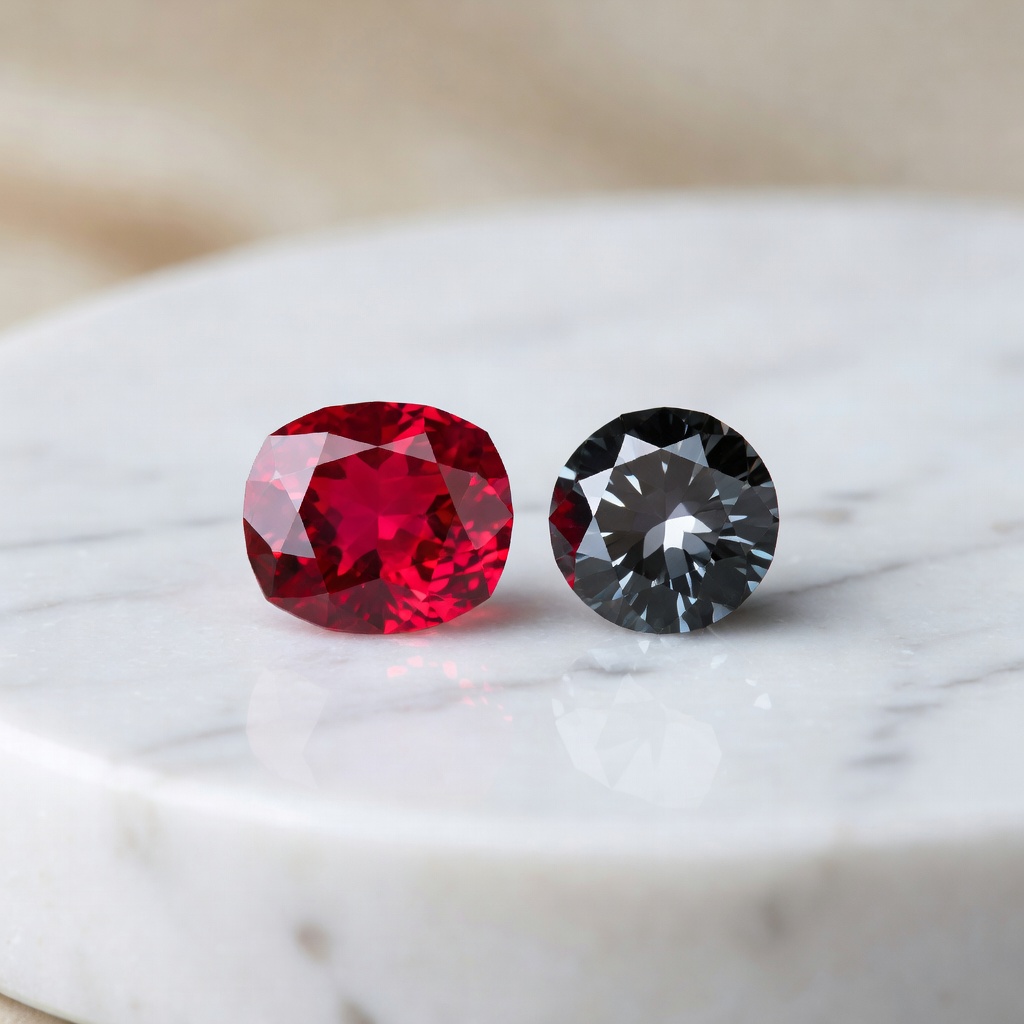
When selecting a centerpiece for fine jewelry or a meaningful engagement ring, discerning collectors often find themselves debating the merits of Ruby vs Black Diamond. These two extraordinary gemstones represent opposite ends of the aesthetic spectrum, with the red ruby gemstone embodying fiery passion and timeless romance, while black diamond jewelry offers mysterious elegance and contemporary sophistication. Both stones command attention in high-end settings, yet they appeal to fundamentally different sensibilities regarding durability, symbolism, and investment potential. Understanding the nuanced differences between these precious materials ensures that your selection aligns perfectly with your lifestyle, budget, and personal expression.
Geological Origins and Chemical Composition
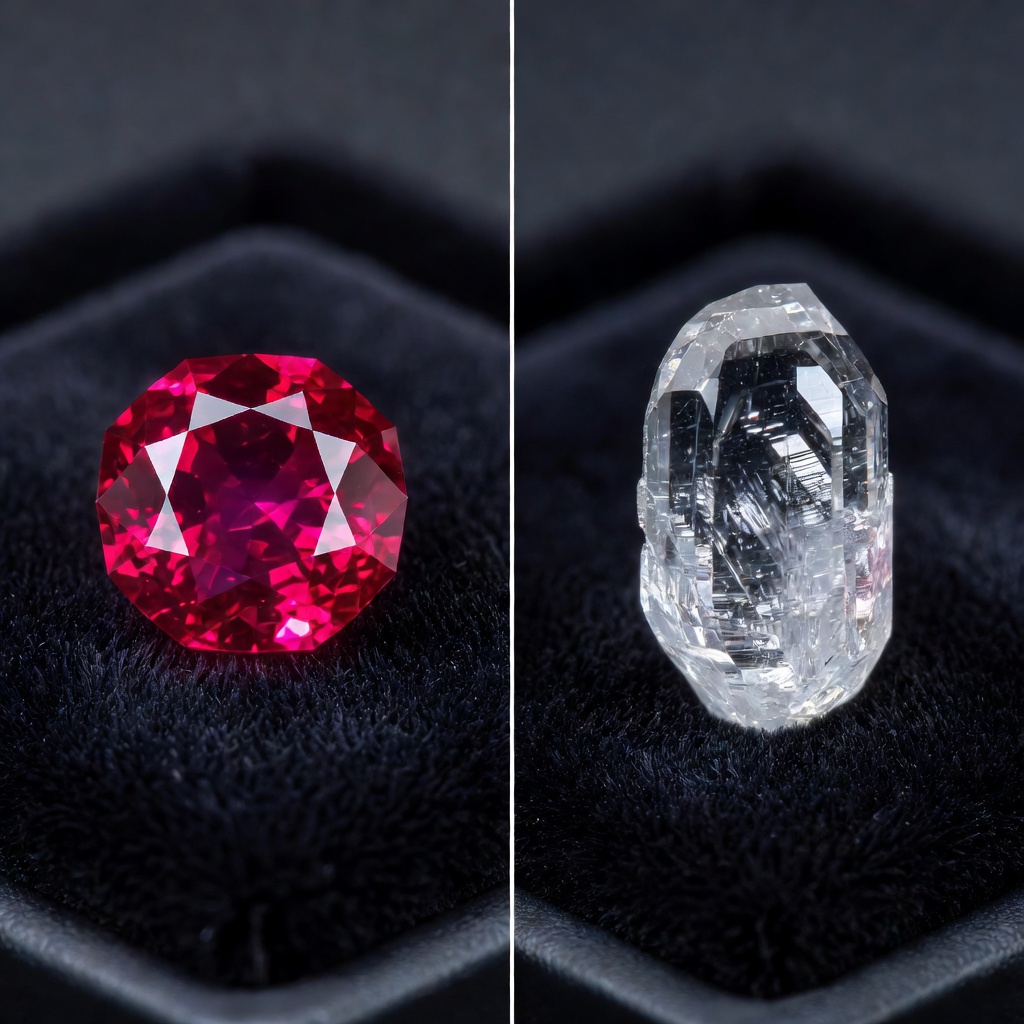
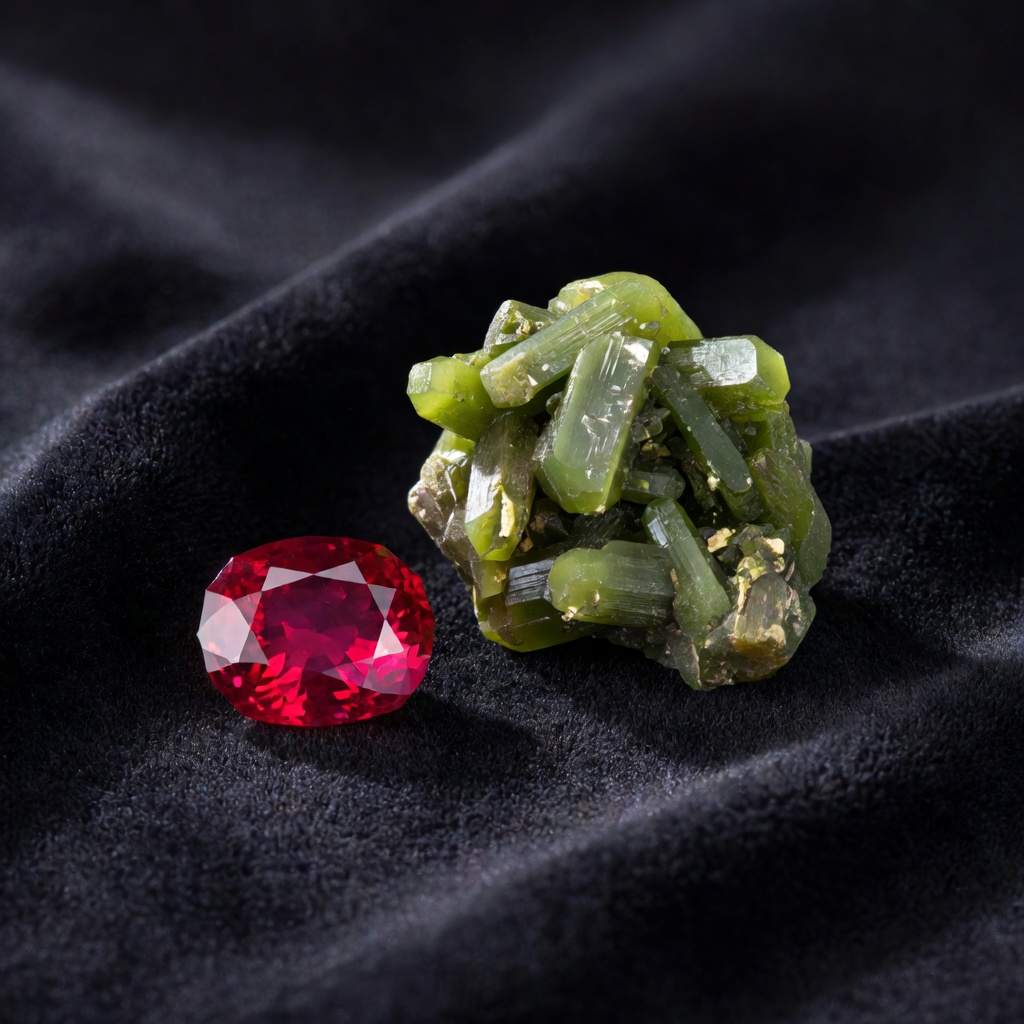
Rubies belong to the corundum family, consisting primarily of aluminum oxide (Al₂O₃) that crystallizes in metamorphic rocks under immense heat and pressure over millions of years. The distinctive crimson hue of a quality red ruby gemstone emerges when chromium atoms replace aluminum in the crystal lattice, with the finest specimens originating from the Mogok Valley in Myanmar, historically known as Burma. These geological formations typically occur in marble or basalt environments where specific mineral interactions create the vivid saturation prized by collectors worldwide.
Black diamonds present a more complex geological narrative, existing in three distinct categories that significantly impact their value and rarity. Natural carbonado diamonds, found primarily in Brazil and the Central African Republic, formed approximately 2.6 to 3.8 billion years ago through cosmic processes that may involve supernova explosions or asteroid impacts, making them significantly older than conventional diamonds. Most commercial black diamonds, however, are actually heat-treated or irradiated white diamonds that have undergone high-temperature, high-pressure processes to create their opaque appearance, while fancy black diamonds occur naturally through numerous graphite inclusions.
The fundamental corundum vs diamond distinction extends beyond color to molecular structure, as rubies crystallize in hexagonal systems while diamonds form isometric cubic structures. This difference affects everything from cleavage patterns to optical properties, influencing how each stone responds to cutting, setting, and daily wear. When examining untreated specimens, gemologists can often identify the stone's origin through inclusion patterns, with Burmese rubies displaying silk-like rutile inclusions and carbonados showing characteristic porous textures unlike any other diamond variety.
Physical Properties and Durability Analysis
The gemstone hardness comparison between these materials reveals critical information for prospective buyers planning daily wear applications. Rubies rank 9 on the Mohs scale of mineral hardness, making them exceptionally resistant to scratching and suitable for heirloom jewelry that withstands generational use. Black diamonds achieve the perfect 10 rating on the Mohs scale, sharing this distinction with colorless diamonds and representing the hardest known natural material, capable of cutting glass and resisting abrasion from virtually any other substance.
However, hardness alone does not determine a gemstone's suitability for active lifestyles, as toughness—the resistance to breaking and chipping—presents different considerations for each stone. Rubies possess good toughness overall but contain cleavage planes along which the crystal can split if struck with sufficient force at specific angles, requiring protective settings like bezels or halo designs for engagement rings. Black diamonds, while harder, actually exhibit more brittle characteristics due to their polycrystalline structure in the case of carbonados, or internal stress from treatment processes in enhanced stones, making them susceptible to damage from sharp impacts despite their scratch resistance.
Heat sensitivity presents another practical concern for jewelers and owners alike, as rubies can withstand temperatures up to 2,000 degrees Celsius before structural damage occurs, allowing for repairs and resizing without removal from settings. Treated black diamonds face greater thermal risks, as the high-heat processes used to create their color can reverse if exposed to jewelry torch temperatures exceeding 1,400 degrees Fahrenheit, potentially causing color loss or structural weakness. For everyday chemical resistance, both stones perform admirably, though rubies may suffer from acid exposure while diamonds remain inert to most household chemicals.
Comparative Analysis Table
| Characteristic | Ruby (Corundum) | Black Diamond |
|---|---|---|
| Mohs Hardness | 9 (Excellent) | 10 (Supreme) |
| Toughness | Good (Cleavage planes present) | Fair to Good (Brittle structure) |
| Formation Age | Millions of years | Billions of years (Carbonado) |
| Refractive Index | 1.76-1.77 (High brilliance) | 2.42 (Luster, not sparkle) |
| Heat Sensitivity | Highly resistant | Moderate (Risk with treated stones) |
| Price Range (Per Carat) | $1,000-$100,000+ | $300-$3,000 (Treated); $10,000+ (Natural Carbonado) |
| Best Setting Style | Bezel or Halo (Protection) | Prong or Tension (Modern display) |
Visual Characteristics and Aesthetic Appeal
The optical performance of a pigeon blood ruby creates an unmistakable visual signature characterized by intense red fluorescence under natural daylight, causing the stone to appear internally illuminated. Fine rubies exhibit vitreous to adamantine luster with high transparency, allowing light to penetrate and reflect from internal facets, creating the "glow" effect that makes Burmese specimens particularly coveted. Gemstone aesthetics for rubies emphasize color saturation above all other factors, with the most valuable stones displaying pure red hues without orange or purple modifiers, typically cut in oval or cushion shapes to maximize color depth while minimizing visible inclusions.
Black diamond jewelry operates on entirely different optical principles, as these stones absorb rather than refract light, creating a distinctive metallic or adamantine luster without traditional brilliance or fire. Natural carbonados display a unique "salt-and-pepper" texture under magnification, while treated black diamonds offer uniform opacity that pairs dramatically with white metal settings for high-contrast contemporary designs. Unlike rubies, which jewelers typically cut with step cuts or mixed cuts to enhance color, black diamonds perform best with brilliant cuts or rose cuts that maximize surface reflection and create interesting light-play patterns across their dark surfaces.
When selecting between these stones for specific occasions, consider that rubies photograph brilliantly in natural light and maintain their color consistency across various lighting environments, making them ideal for outdoor events and daytime ceremonies. Black diamonds excel in evening settings under artificial lighting, where their metallic sheen creates sophisticated, understated elegance that complements modern formalwear without overwhelming the overall ensemble. Fashion-forward designers increasingly pair black diamonds with geometric, minimalist settings that emphasize the stone's edgy aesthetic, while ruby jewelry traditionally favors vintage-inspired or romantic designs that highlight the gem's classical beauty.
Symbolism, Meaning, and Cultural Significance
Throughout history, the red ruby gemstone has maintained associations with passion, vitality, and royal authority across virtually every civilization that encountered these rare crystals. Ancient Burmese warriors implanted rubies beneath their skin before battle, believing the stones conferred invulnerability and courage, while Hindu texts referred to rubies as the "king of precious stones" and associated them with the sun's life-giving energy. As the July birthstone, rubies carry particular significance for summer-born individuals, representing love, success, and intense emotion that aligns with the season's warmth and vibrancy.
Black diamond symbolism represents a more modern interpretive framework, emphasizing power, charisma, and the strength to break from traditional expectations. These stones gained mainstream recognition through celebrity engagements, notably when Carmen Electra and later Blake Lively received black diamond jewelry, cementing their status as symbols of unconventional love and individualistic style. Unlike the centuries of royal tradition surrounding rubies, black diamonds appeal to couples seeking to distinguish themselves from classic diamond solitaires while maintaining the durability and prestige associated with diamond materials.
The cultural contrast between these stones extends to their perceived energy and metaphysical properties, with ruby enthusiasts valuing the stone's reputation for stimulating the heart chakra and promoting positive dreams and clear visualization. Black diamond collectors often gravitate toward the stone's associations with grounding energy, protection from electromagnetic radiation, and the absorption of negative influences. When choosing between these gemstones for significant life events like engagements or milestone anniversaries, consider whether you resonate more with the ruby's message of fiery, enduring romance or the black diamond's statement of modern independence and mysterious allure.
Market Value and Investment Considerations
The precious stone investment landscape reveals dramatic disparities between these materials, with untreated Burmese rubies consistently commanding higher ruby price per carat figures than most black diamonds available on the commercial market. Exceptional pigeon blood rubies from Myanmar can exceed $100,000 per carat at auction, with the record-setting "Sunrise Ruby" selling for over $30 million total, while fine untreated stones typically range from $5,000 to $25,000 per carat depending on size and clarity. These valuations reflect the extreme scarcity of high-quality rough material, as political instability in Myanmar and depletion of traditional mines have created supply constraints that drive long-term appreciation.
Black diamond value structures operate differently, with treated stones representing accessible luxury at $300 to $1,500 per carat, making them popular for fashion jewelry and budget-conscious engagement rings. Natural carbonado diamonds, however, occupy a specialized collectible niche, with prices ranging from $10,000 to $50,000 per carat for verified specimens with documented Brazilian or Central African origins. The investment potential for treated black diamonds remains limited due to their reproducible nature and lack of scarcity, whereas untreated rubies from legendary localities like Mogok or Mong Hsu demonstrate consistent auction performance and liquidity among serious collectors.
When evaluating gemstone value from a portfolio diversification perspective, consider that rubies have outperformed many traditional investments over the past three decades, with high-quality stones appreciating 5-10% annually depending on market conditions. Black diamonds function better as wearable assets for personal enjoyment rather than pure investment vehicles, though vintage pieces featuring natural carbonados from the Art Deco period command significant premiums among specialized collectors. For maximum financial security, always insist on certification from recognized laboratories like GIA or SSEF when purchasing either stone, as treatment disclosure significantly impacts long-term value retention and resale potential.
Jewelry Applications and Style Suitability
Selecting between a black diamond engagement ring and a ruby alternative requires careful consideration of lifestyle compatibility and aesthetic preferences. Rubies excel in vintage-inspired settings featuring yellow gold or rose gold bands that complement their warm red undertones, with halo designs providing both protection for the stone's cleavage planes and enhanced visual size. For daily wear, consider three-stone ruby rings flanked by colorless diamonds, which combine traditional romance with practical durability, or solitaire settings in platinum for maximum security of the center stone.
Black diamond jewelry thrives in contemporary architectural settings that utilize white gold, platinum, or blackened metals to create cohesive, dramatic statements. Tension settings particularly suit black diamonds, as the pressure-held stone appears to float within the metal band, emphasizing the gem's mysterious depth and modern appeal. For professional environments, black diamond studs or understated pendants offer subtle sophistication that transitions seamlessly from boardroom meetings to evening events, whereas ruby pieces typically make bolder statements suited for social occasions or ceremonial wear.
Metal pairing recommendations extend beyond color coordination to practical metallurgy considerations, as the high friction coefficient of platinum provides superior security for ruby prongs compared to softer gold alloys. Black diamonds set in white gold require rhodium plating maintenance every 12-18 months to preserve their crisp contrast, while rubies in yellow gold develop attractive patinas that enhance their vintage character over time. When commissioning custom pieces, work with jewelers experienced in your chosen stone's specific requirements, as ruby settings demand different angle calculations and prong thicknesses than diamond mounts to account for weight distribution and crystal structure differences.
Care, Maintenance, and Longevity
Proper gemstone care protocols differ significantly between these materials, particularly regarding cleaning methods and storage requirements. Ultrasonic cleaners present minimal risk to black diamonds, effectively removing oils and debris from their surfaces without damaging the carbon structure, though you should avoid these machines for treated stones with fracture fillings. Rubies require more cautious approaches, as the vibrations can potentially worsen existing fractures or loosen inclusions near the surface; instead, clean ruby jewelry using warm water, mild dish soap, and soft brushes, drying thoroughly with lint-free cloths to prevent water spots on the pavilion.
Storage solutions must account for the extreme hardness of both stones, as diamonds can scratch rubies and vice versa if stored carelessly in shared compartments. Invest in individual fabric-lined boxes or soft pouches for each piece, keeping them separated from other jewelry items to prevent abrasion. When traveling, carry ruby and black diamond pieces in hard-sided cases with padded inserts, as impacts during transit can cause chipping despite these stones' surface hardness. For insurance purposes, photograph each piece annually to document condition, and have professional appraisals updated every three to five years to reflect current market values.
Professional maintenance schedules should include semi-annual inspections by qualified jewelers who can check prong tightness, examine for loose stones, and assess any treatment degradation in black diamonds. Rubies occasionally benefit from repolishing to remove surface scratches accumulated over decades of wear, a process that typically removes minimal weight while restoring original brilliance. Black diamonds, particularly treated varieties, may require professional cleaning to remove accumulated skin oils that dull their metallic luster, though this process should never involve high heat that could affect color stability. By adhering to these maintenance protocols, both gemstones can provide centuries of wearable enjoyment with minimal degradation to their original beauty.
Making Your Final Decision: Lifestyle Factors
Choosing gemstones ultimately depends on aligning material properties with personal identity and daily routines. If you gravitate toward classic elegance, appreciate historical significance, and maintain relatively sedentary professional environments, the red ruby gemstone offers timeless sophistication that appreciates in cultural and monetary value. Conversely, if you identify with avant-garde fashion, work in creative industries, or seek low-maintenance durability without traditional expectations, black diamond jewelry provides distinctive character that distinguishes you from conventional diamond wearers.
Budget optimization strategies suggest allocating resources toward the highest quality available within your price range rather than maximizing carat weight. For rubies, prioritize color saturation and origin over flawless clarity, as inclusions are expected and accepted in fine specimens. With black diamonds, invest in superior cut quality and setting craftsmanship rather than seeking large natural carbonados unless specifically collecting investment-grade materials. Consider hybrid approaches such as ruby center stones with black diamond accents, or alternating eternity bands that incorporate both materials for versatile styling options.
Long-term wear considerations include insurance requirements, as high-value rubies typically command higher premiums than black diamonds, and heirloom planning, where rubies traditionally pass through generations with documented provenance while black diamonds suit contemporary estate jewelry strategies. Evaluate your willingness to remove jewelry during physical activities, as rubies require more careful handling during sports or manual labor, whereas black diamonds tolerate rougher treatment despite their brittleness concerns. By honestly assessing your aesthetic preferences, activity levels, and financial objectives, you can select the stone that will provide decades of satisfaction while retaining its physical beauty and emotional significance.
Frequently Asked Questions
Which Is More Expensive, a Ruby or Black Diamond?
High-quality rubies, particularly Burmese pigeon blood specimens, typically command higher prices per carat than black diamonds. While natural carbonado diamonds are rare and valuable, most black diamonds on the market are treated and more affordable than fine rubies, which can exceed $10,000 per carat for premium stones.
Are Black Diamonds Real Diamonds?
Yes, black diamonds are real diamonds composed of carbon. However, most commercial black diamonds are natural white diamonds that have been heat-treated or irradiated to achieve their color. Natural black diamonds, called carbonados, are extremely rare and found primarily in Brazil and the Central African Republic.
Can You Wear a Ruby Every Day?
Rubies rank 9 on the Mohs hardness scale, making them suitable for daily wear in protective settings like bezels or halos. However, they require more care than diamonds due to potential cleavage planes. Avoid harsh impacts and remove ruby jewelry during heavy physical activities to prevent chipping.
Which Is Better for an Engagement Ring, Ruby or Black Diamond?
Black diamonds offer superior hardness (10/10) and scratch resistance for everyday wear, while rubies provide classic romantic symbolism and brilliant red fluorescence. Choose black diamonds for modern, low-maintenance durability, or rubies for traditional elegance with proper protective settings.
Do Black Diamonds Sparkle Like Rubies?
No, black diamonds do not sparkle traditionally. Their opaque nature absorbs light rather than refracting it, creating a metallic luster rather than brilliance. Rubies exhibit vivid sparkle and fluorescence under light, appearing to glow from within due to their transparency and crystal structure.
What Does a Ruby Symbolize Compared to a Black Diamond?
Rubies symbolize passion, vitality, royalty, and enduring love—historically called the 'king of gems.' Black diamonds represent power, authority, modern individuality, and breaking from tradition. While rubies convey classic romance, black diamonds suggest mystery and unconventional strength.
How Can You Tell if a Black Diamond Is Natural or Treated?
Natural carbonado diamonds have porous structures and natural inclusions visible under magnification, while treated black diamonds show uniform coloration and often display greenish flashes under intense light. Always request a gemological certificate from GIA or IGI to verify origin and treatment status.
Which Gemstone Holds Its Value Better Over Time?
Untreated, high-quality Burmese rubies generally appreciate better as investments due to extreme scarcity and historical auction performance. Treated black diamonds have lower resale value, while natural carbonados are collectible but niche. Fine rubies from Myanmar typically outperform most black diamonds in long-term value retention.