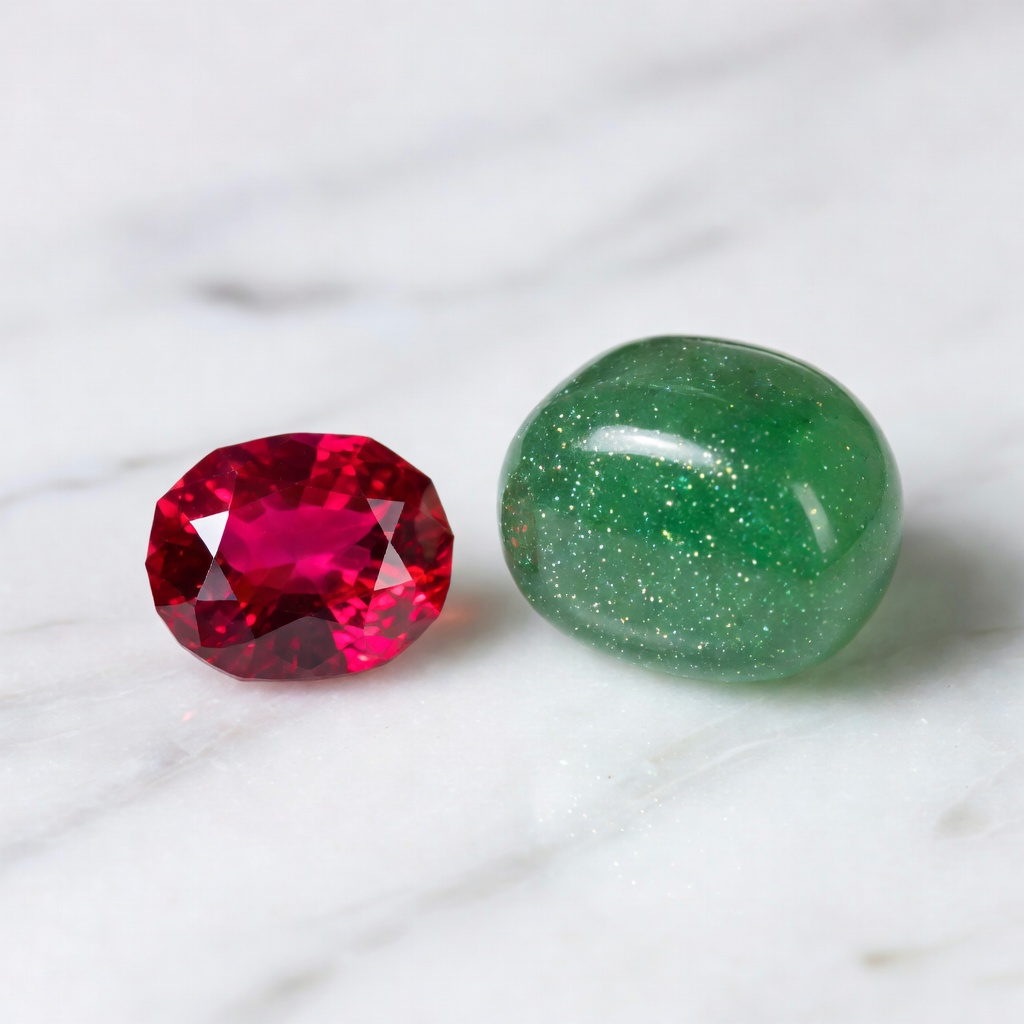
Understanding Ruby and Aventurine: A Comprehensive Gemstone Comparison
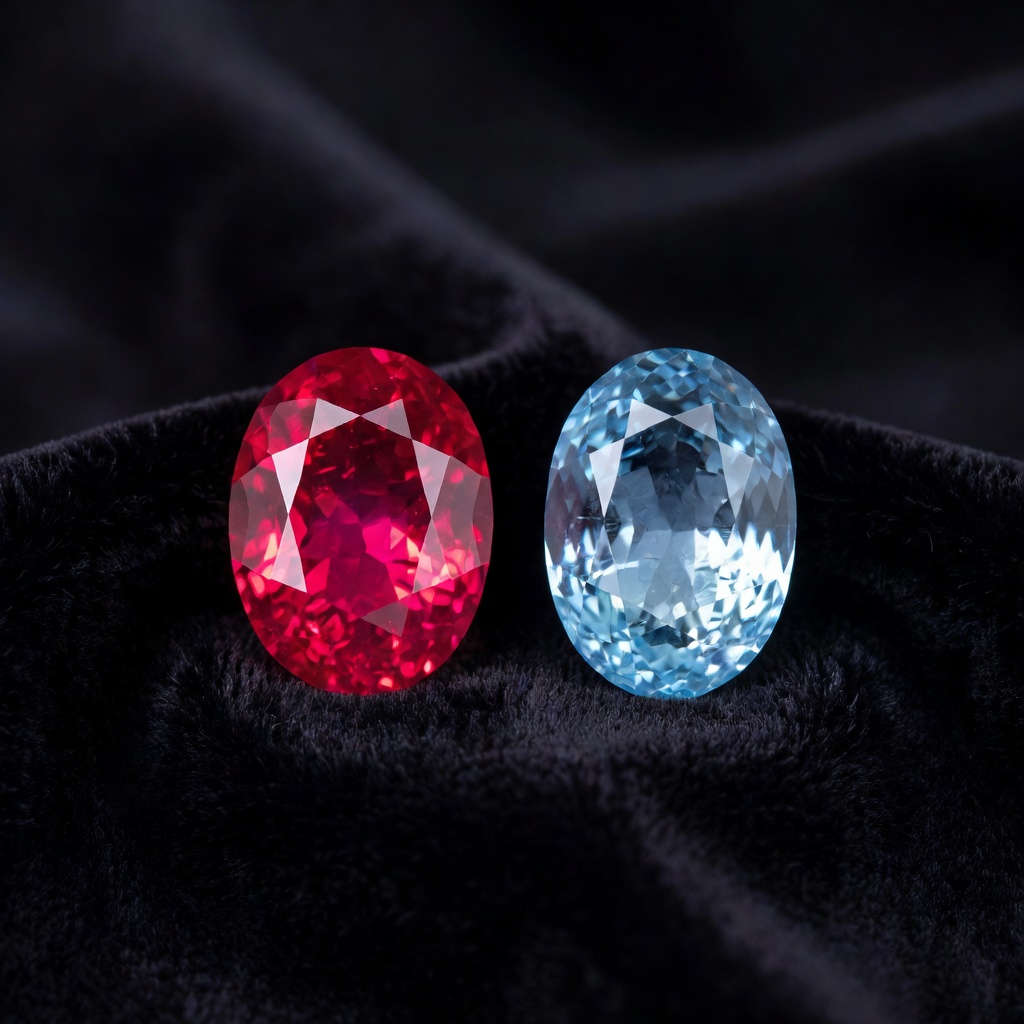
When selecting the perfect gemstone for jewelry or spiritual practice, the choice between Ruby and Aventurine represents one of the most striking contrasts in the mineral kingdom. This Ruby vs Aventurine comparison explores two stones that occupy opposite ends of the gemstone spectrum—one a fiery red precious stone commanding thousands per carat, the other an accessible green crystal beloved for its shimmering beauty and metaphysical properties. Geologically speaking, Ruby belongs to the corundum family (aluminum oxide), formed under intense heat and pressure deep within the Earth's crust, while Aventurine is a variety of quartz (silicon dioxide) distinguished by its signature glittering inclusions. Whether you are drawn to the passionate intensity of a red gemstone or the calming, lucky green of its quartz counterpart, understanding their fundamental differences ensures you make an informed investment aligned with your lifestyle, budget, and energetic needs.
Geological Origins and Composition Differences
The geological formation of these stones reveals why they exhibit such divergent physical and optical properties. Ruby crystallizes in metamorphic environments where extreme heat and pressure transform aluminum oxide deposits into the vivid red corundum we treasure, with primary deposits found in Myanmar (Burma), Thailand, Mozambique, and Madagascar. These formation conditions require specific hexavalent chromium to replace aluminum atoms in the crystal lattice, creating the characteristic red hue that defines this precious gemstone. In contrast, Aventurine forms when quartzite undergoes metamorphism and incorporates platy mineral inclusions—typically fuchsite mica, hematite, or goethite—that create its distinctive sparkle effect.
Major Aventurine deposits occur in India (particularly the Chennai region), Brazil, Russia, and Tanzania, where the stone develops its granular texture within igneous and metamorphic rock formations. The chemical structure differences between Corundum vs Quartz are significant: Ruby consists of aluminum oxide (Al₂O₃) with trace chromium elements, while Aventurine is primarily silicon dioxide (SiO₂) containing reflective mineral platelets suspended throughout the crystal structure. This fundamental compositional variance explains why Ruby exhibits superior hardness and brilliance, whereas Aventurine displays its unique optical phenomenon known as aventurescence.
Physical Properties and Durability Analysis
Durability considerations should guide your selection when choosing between these stones for wearable jewelry. Ruby hardness on the Mohs scale registers at 9, making it second only to diamond in terms of scratch resistance and suitable for daily wear in engagement rings, bracelets, and other high-impact jewelry pieces. This exceptional hardness, combined with excellent toughness (resistance to breaking), allows Ruby to withstand the knocks and abrasions of everyday life without losing its polish or structural integrity. Jewelers appreciate Ruby's lack of cleavage planes, meaning it does not split easily along specific directions when struck, providing additional security for valuable settings.
Aventurine durability presents more limitations, with a Mohs hardness of 6.5 to 7, placing it in the same range as ordinary glass and significantly softer than its corundum counterpart. While suitable for many jewelry applications, Aventurine's granular structure contains microscopic crystal intergrowths that can create planes of weakness, making it vulnerable to chipping if struck against hard surfaces or exposed to sudden temperature changes. The specific gravity of Ruby (3.97-4.05) creates a satisfying heft in jewelry settings compared to Aventurine's lighter density (2.65), while Ruby's higher refractive index (1.76-1.77) produces superior brilliance and fire when faceted, compared to Aventurine's vitreous luster and optical effects.
Visual Characteristics: Color, Clarity, and Optical Effects
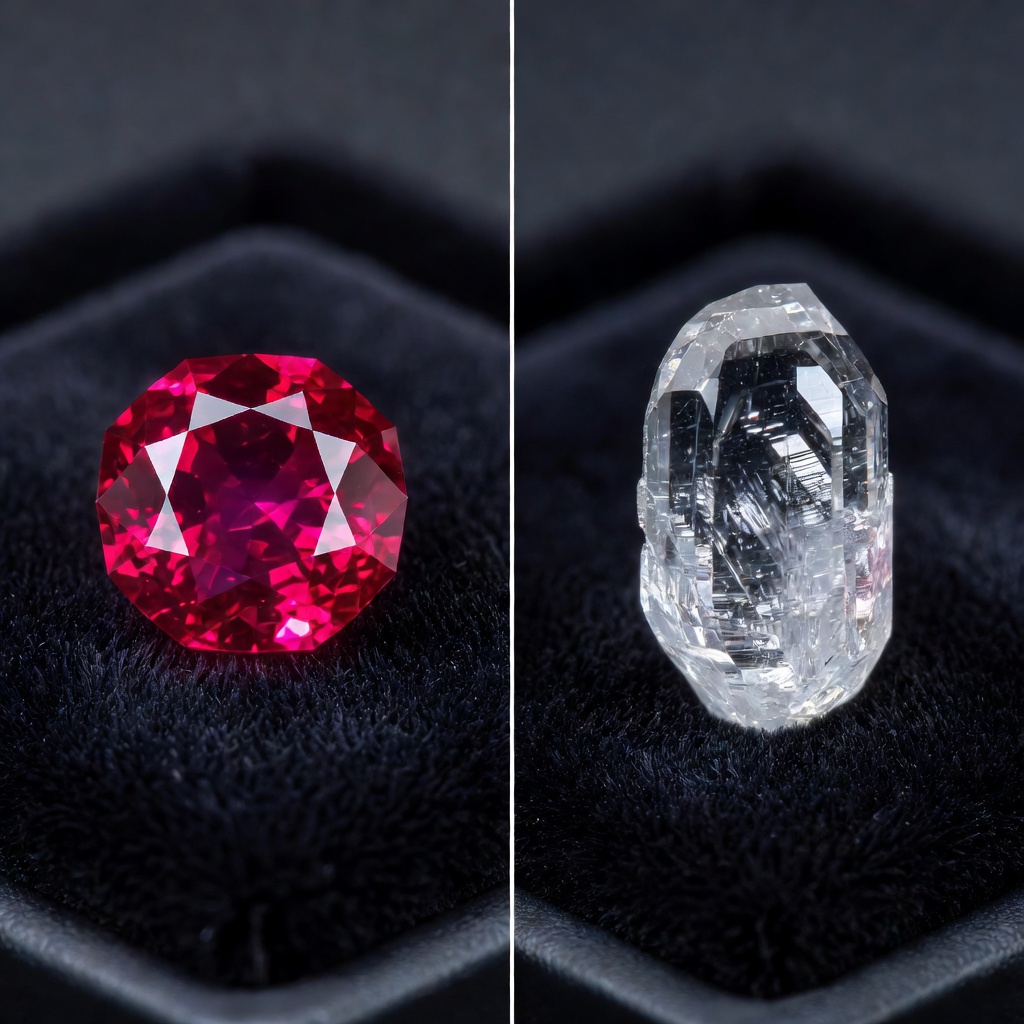
The visual distinction between these gemstones offers immediate identification cues even to untrained observers. Ruby's red gemstone color spectrum ranges from pinkish-red and purplish-red to the highly coveted "pigeon blood" red, with the most valuable stones displaying a pure, vibrant red with slight blue undertones caused by chromium content and natural fluorescence under UV light. Fine Rubies exhibit transparency standards that allow light to penetrate deeply, creating an inner glow described as "pigeon's blood" when originating from Myanmar's Mogok Valley. Clarity characteristics in Ruby typically include rutile needle inclusions (silk) that, when sparse, can enhance the stone's appearance by scattering light throughout the crystal, though heavy inclusions diminish value significantly.
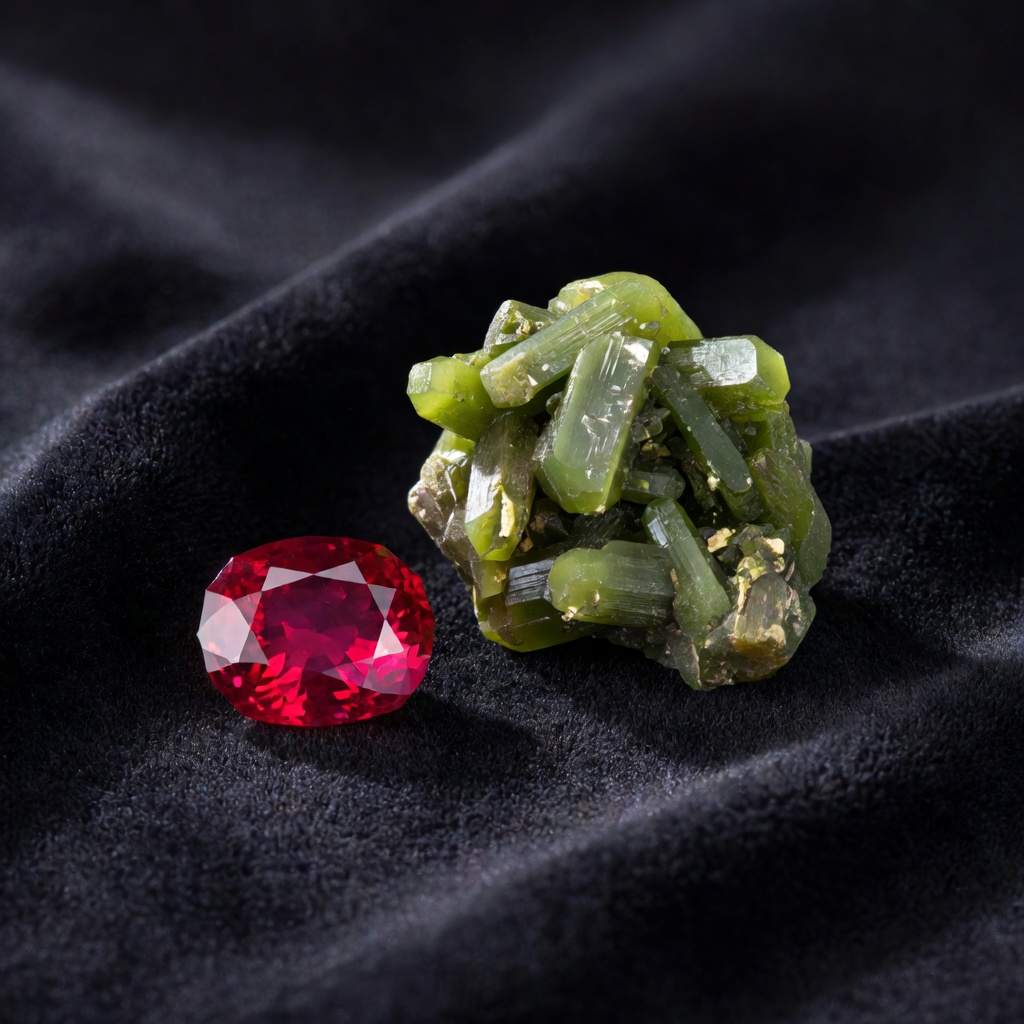
Aventurine presents a completely different aesthetic with its green color variations ranging from pale mint to deep forest green, occasionally appearing in blue, red, or peach varieties depending on the specific mineral inclusions present. The defining aventurescence effect manifests as a metallic glitter or flash when the stone is moved under light, created by reflective fuchsite mica platelets oriented in parallel layers within the quartz matrix. Unlike Ruby, which jewelers typically cut into brilliant faceted shapes to maximize light return, Aventurine most commonly appears as cabochons, beads, or carvings that showcase its shimmering surface and translucent to opaque body. While Ruby clarity standards demand transparency for high-value specimens, Aventurine's beauty often depends on its uniform color distribution and the density of sparkling inclusions that create its characteristic glow.
Value, Rarity, and Investment Potential
The financial implications of choosing between these stones vary by orders of magnitude, reflecting their differing statuses in the gemstone hierarchy. Ruby value per carat positions it among the "Big Four" precious gemstones alongside diamond, sapphire, and emerald, with fine untreated stones from Myanmar commanding $1,000 to $15,000 or more per carat depending on size, color intensity, and clarity. Factors affecting Ruby pricing include geographic origin (Burmese Rubies typically fetch premiums over African or Thai specimens), heat treatment disclosure (unheated stones command significantly higher prices), and the visibility of inclusions, with eye-clean stones over one carat representing rare investments. Historical auction records demonstrate Ruby's status as a wealth preservation vehicle, with the "Sunrise Ruby" fetching over $30 million at Sotheby's, highlighting its potential for substantial appreciation.
Aventurine price points remain accessible to virtually every budget, typically ranging from $2 to $50 per carat for high-quality specimens, with most commercial jewelry utilizing stones in the $10-$30 range for beads and cabochons. The gemstone investment potential for Aventurine focuses on artistic value and craftsmanship rather than material rarity, as large deposits in India and Brazil ensure steady supply without scarcity-driven price increases. While collectors might seek rare blue or red Aventurine varieties, the green stone functions primarily as a fashion jewelry component and crystal healing tool rather than a financial investment. For buyers prioritizing long-term value retention, Ruby offers proven appreciation potential and liquidity in the secondary market, whereas Aventurine provides immediate aesthetic and energetic value without expectation of financial return.
Metaphysical Properties and Symbolic Meanings
Beyond their physical attributes, these stones serve distinct purposes in spiritual practices and energy work, aligning with different chakras and elemental energies. Ruby meaning and symbolism centers on passion, vitality, and courage, resonating with the root chakra (Muladhara) to ground spiritual energy into physical action and stimulate life force (Qi or Prana). As the traditional July birthstone, Ruby carries associations with royalty, protection, and prosperity across numerous cultures, from ancient Indian texts describing the "King of Precious Stones" to Burmese warriors inserting Rubies into their flesh for invincibility in battle. The stone's fire element stimulates the heart, improves circulation on energetic levels, and encourages risk-taking and leadership qualities in those who work with it consciously.
Aventurine healing properties position it as the "Stone of Opportunity," particularly in its green variety, which connects directly to the heart chakra (Anahata) to promote emotional healing, compassion, and receptivity to abundance. Unlike Ruby's stimulating energy, green Aventurine vibrates with earth element frequencies that calm nervous tension, diffuse anger, and encourage perseverance through challenging circumstances. Crystal healers recommend Aventurine for manifesting prosperity and luck, particularly in financial ventures, while also using it to support skin health and cardiac function in holistic healing protocols. Historical records indicate use in Tibetan medicine and ancient Greek decorative arts, where its shimmering appearance symbolized the reflective nature of opportunity and the multifaceted paths to success.
Jewelry Applications and Design Considerations
Practical jewelry design factors heavily favor Ruby for certain applications while reserving Aventurine for specific aesthetic and functional contexts. Ruby engagement ring settings represent a sophisticated alternative to diamonds, with the stone's exceptional hardness supporting daily wear in prong, bezel, or tension settings without risk of surface damage. High jewelry houses like Cartier and Van Cleef & Arpels frequently feature Rubies in statement necklaces, earrings, and cocktail rings where the stone's brilliance and prestige command attention, typically set in yellow gold to enhance the red warmth or platinum for contemporary contrast. When designing with Ruby, jewelers can employ intricate faceting patterns and delicate prong work confident in the material's durability.
Aventurine jewelry designs excel in beaded necklaces, stretch bracelets, cabochon pendants, and wire-wrapped pieces where the stone's smooth polish and shimmering surface create organic, bohemian aesthetics. Designers frequently pair Aventurine with sterling silver or rose gold to complement its green tones, creating accessible fashion jewelry that follows trends without requiring massive capital investment. Due to its moderate hardness, Aventurine performs best in earrings and necklaces where impact risk remains minimal, or in rings featuring protective bezel settings that shield the edges from direct blows. Case studies from contemporary designers like Monica Vinader and Alex and Ani demonstrate successful integration of Aventurine into stackable bracelets and layering necklaces, capitalizing on the stone's affordability to create voluminous, textural looks impossible with precious gemstone pricing.
Care, Cleaning, and Maintenance Requirements
Proper maintenance protocols differ significantly between these stones due to their varying chemical stability and hardness levels. Regarding how to clean Ruby, owners can safely use ultrasonic cleaners and steam cleaning provided the stone is untreated (no glass filling or dyeing), as Ruby's heat resistance and chemical inertness withstand aggressive cleaning methods used in professional jewelry settings. Warm soapy water with a soft brush remains the safest home method, removing accumulated oils and debris from behind settings without risking damage to the stone or mounting. Annual professional inspections ensure prongs remain tight and the stone shows no signs of loosening, particularly important for high-value heirloom pieces.
Aventurine care tips emphasize gentleness due to the stone's sensitivity to acids, harsh chemicals, and temperature shocks that can damage the quartz structure or affect the fuchsite inclusions. Clean Aventurine using only lukewarm water with mild soap and a soft cloth, avoiding ultrasonic cleaners that might loosen inclusions or cause internal fracturing. Store Aventurine separately in soft pouches away from harder stones like Ruby, Diamonds, or Sapphires that could scratch its surface, and remove Aventurine jewelry before swimming in chlorinated pools or applying lotions and perfumes. For beaded Aventurine bracelets or necklaces, periodic restringing every 1-2 years prevents breakage, while cabochon rings require checking bezel integrity to ensure the stone remains secure in its setting.
Buyer's Guide: How to Choose Between Ruby and Aventurine
Your decision between these stones should reflect practical considerations including budget parameters, lifestyle demands, and personal symbolism. When evaluating whether to buy Ruby vs Aventurine, establish your primary purpose: if seeking an investment-grade heirloom or daily-wear engagement stone with lasting value, Ruby justifies its higher price point through durability and rarity. For those prioritizing metaphysical work, fashion flexibility, or gift-giving on modest budgets, Aventurine offers exceptional value and energetic benefits without financial strain. Create a decision matrix considering your daily activities—active lifestyles involving manual labor, sports, or childcare favor Ruby's indestructibility, while office environments or occasional wear suit Aventurine perfectly.
Color preference psychology plays a significant role in this gemstone selection guide, with Ruby's bold passionate red appealing to those seeking confidence, visibility, and traditional luxury, while Aventurine's calming lucky green attracts individuals prioritizing growth, healing, and understated natural beauty. Birthstone and anniversary considerations also influence selection, as Ruby serves as the July birthstone and traditional 40th anniversary gift, whereas Aventurine functions as an accessible alternative for those born under zodiac signs associated with Mercury or seeking heart chakra alignment without the premium pricing of Emerald. Practical tip: visit a jeweler to handle both stones physically, as Ruby's cool, heavy density and brilliant sparkle create a different tactile and visual experience compared to Aventurine's warmer, lighter feel and subtle shimmer.
Final Verdict: Which Gemstone Should You Select?
Determining the optimal choice in this Ruby vs Aventurine final verdict requires acknowledging that these stones serve complementary rather than competing roles in a comprehensive jewelry collection. Serious collectors and investors should prioritize Ruby for its proven appreciation potential, unmatched durability, and status as a historically significant precious gemstone suitable for generational transfer. Wellness enthusiasts, fashion-forward jewelry lovers, and those beginning their crystal collections will find Aventurine perfectly suited to their needs, offering heart-centered healing properties and versatile design applications at accessible price points.
| Characteristic | Ruby (Corundum) | Aventurine (Quartz) |
|---|---|---|
| Mohs Hardness | 9 (Excellent for daily wear) | 6.5-7 (Requires protective settings) |
| Price Range (Per Carat) | $1,000 - $15,000+ | $2 - $50 |
| Primary Color | Red (Pink to Pigeon Blood) | Green with metallic sparkles |
| Optical Effect | Fluorescence and Vitreous Luster | Aventurescence (Glitter effect) |
| Best Jewelry Use | Engagement rings, statement pieces | Beaded jewelry, pendants, earrings |
| Metaphysical Focus | Root chakra, vitality, passion | Heart chakra, luck, prosperity |
| Investment Potential | High (Appreciating asset) | Low (Consumable/fashion item) |
| Cleaning Method | Ultrasonic, steam, or soap safe | Gentle soap and water only |
Both gemstones demand attention to authenticity verification and ethical sourcing practices. For Ruby, insist on laboratory reports from GIA, SSEF, or Gübelin confirming origin and treatment status, ensuring your investment reflects accurate geological information. Aventurine purchases require less rigorous certification but benefit from purchasing from dealers who verify the absence of artificial dyeing (common in low-quality green quartz) and ensure fair trade practices at Indian and Brazilian mining operations. Ultimately, the "right" choice depends on whether you seek the fiery permanence of a precious red gemstone or the accessible, healing shimmer of a green quartz companion—both offering distinct pathways to beauty and meaning in your personal adornment journey.
Frequently Asked Questions
Is Ruby more valuable than Aventurine?
Yes, Ruby is significantly more valuable than Aventurine. As one of the 'Big Four' precious gemstones, high-quality Rubies can command $1,000 to $15,000+ per carat, while Aventurine is a semi-precious stone typically priced between $2-$50 per carat depending on quality and craftsmanship.
Can Green Aventurine be used as a substitute for Ruby?
While Green Aventurine cannot substitute for Ruby's distinctive red color, it serves as an affordable alternative for those seeking a green gemstone with metaphysical properties. However, they differ drastically in durability, value, and optical properties, making them suitable for different jewelry applications.
Which stone is better for daily wear, Ruby or Aventurine?
Ruby is superior for daily wear due to its Mohs hardness of 9 and excellent toughness, resisting scratches and chips in engagement rings and bracelets. Aventurine (hardness 6.5-7) requires more careful handling and is better suited for pendants, earrings, or occasional wear pieces.
How can I tell the difference between Ruby and Aventurine?
Key identifiers include color (Ruby is red, Aventurine is typically green with metallic sparkles), hardness (Ruby scratches glass easily, Aventurine does not), and optical effects (Aventurine displays aventurescence/glitters, while quality Rubies show fluorescence and vitreous luster).
Is Aventurine a type of Ruby?
No, Aventurine is not related to Ruby. Ruby is corundum (aluminum oxide), while Aventurine is a variety of quartz (silicon dioxide) containing mineral inclusions like fuchsite that create its sparkling appearance. They belong to completely different mineral families.
Which gemstone has better healing properties, Ruby or Aventurine?
Both offer distinct metaphysical benefits: Ruby stimulates passion, vitality, and root chakra energy, making it ideal for motivation and confidence. Aventurine promotes heart chakra healing, luck, and emotional calm. The 'better' choice depends on your specific wellness goals and energetic needs.
Can Ruby and Aventurine be worn together?
Yes, Ruby and Aventurine can be worn together to balance fire (Ruby) and earth (Aventurine) elements, creating harmony between passion and calm. However, store them separately to prevent the harder Ruby (9) from scratching the softer Aventurine (6.5-7).
Which is better for an engagement ring, Ruby or Aventurine?
Ruby is the recommended choice for engagement rings due to its exceptional hardness (9), durability, and status as a precious gemstone symbolizing eternal love. Aventurine is too soft for daily ring wear and is better suited for anniversary gifts or special occasion jewelry.