Understanding Ruby vs Ametrine
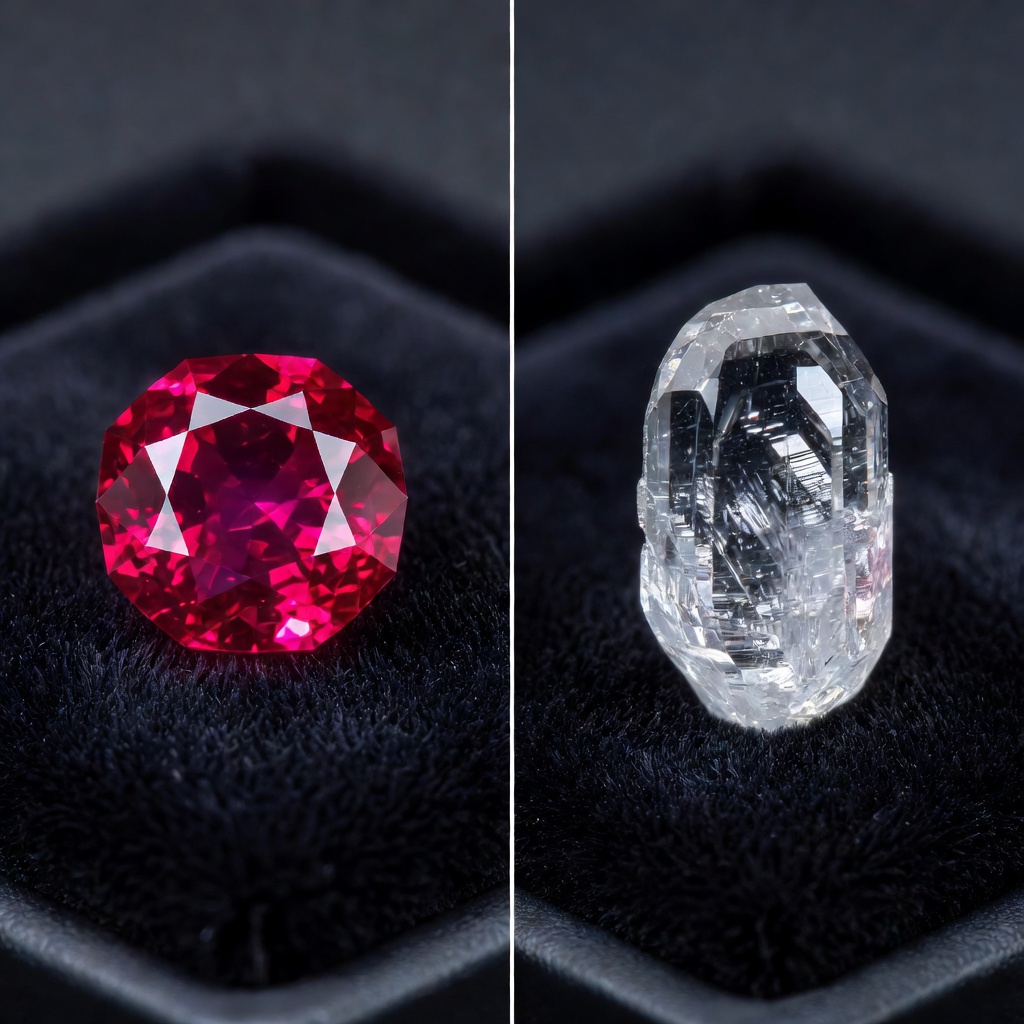
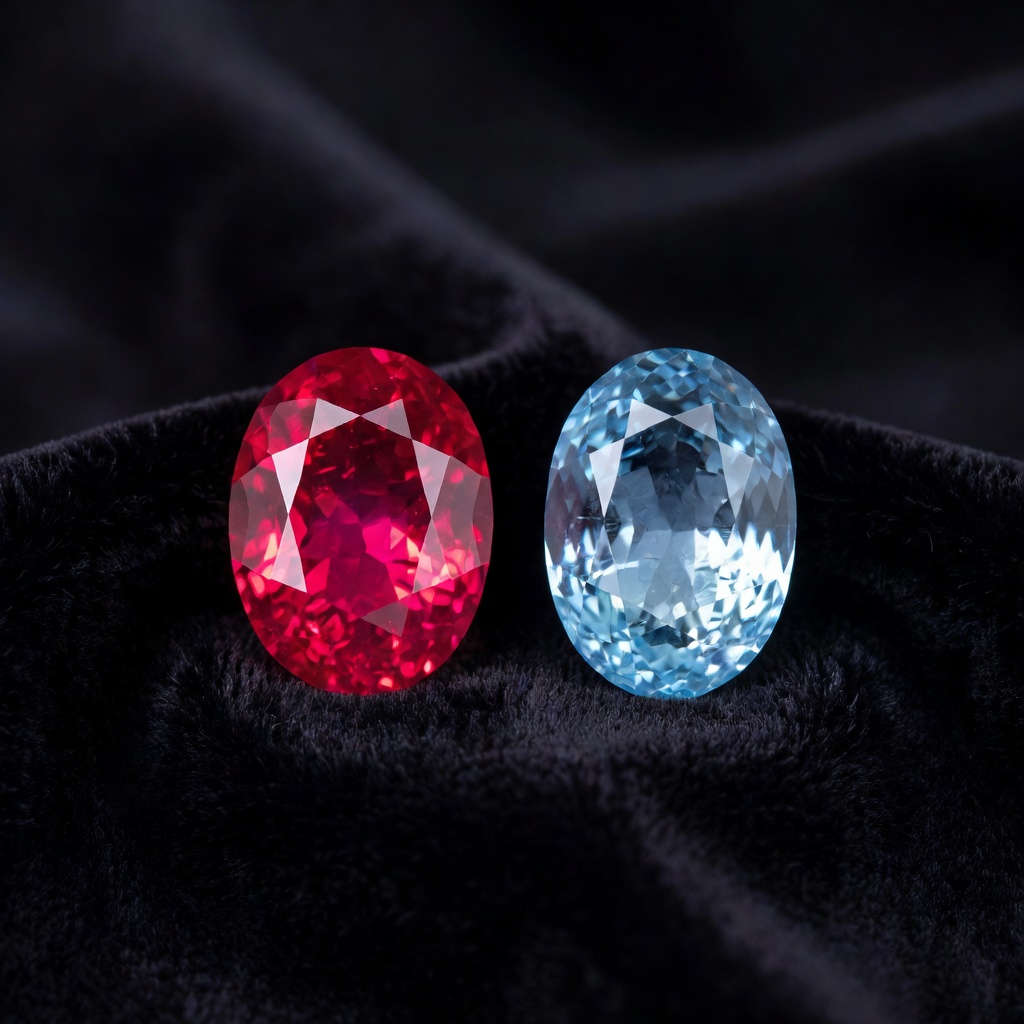
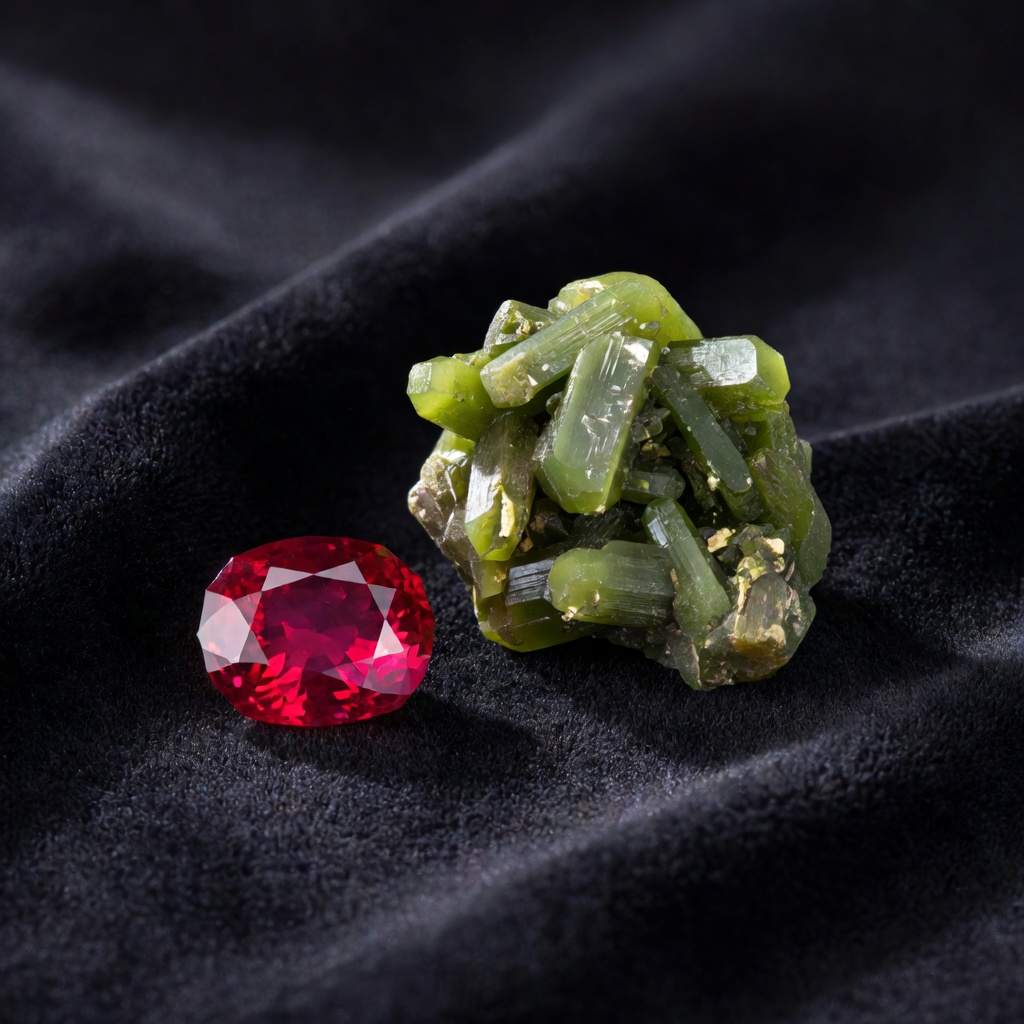
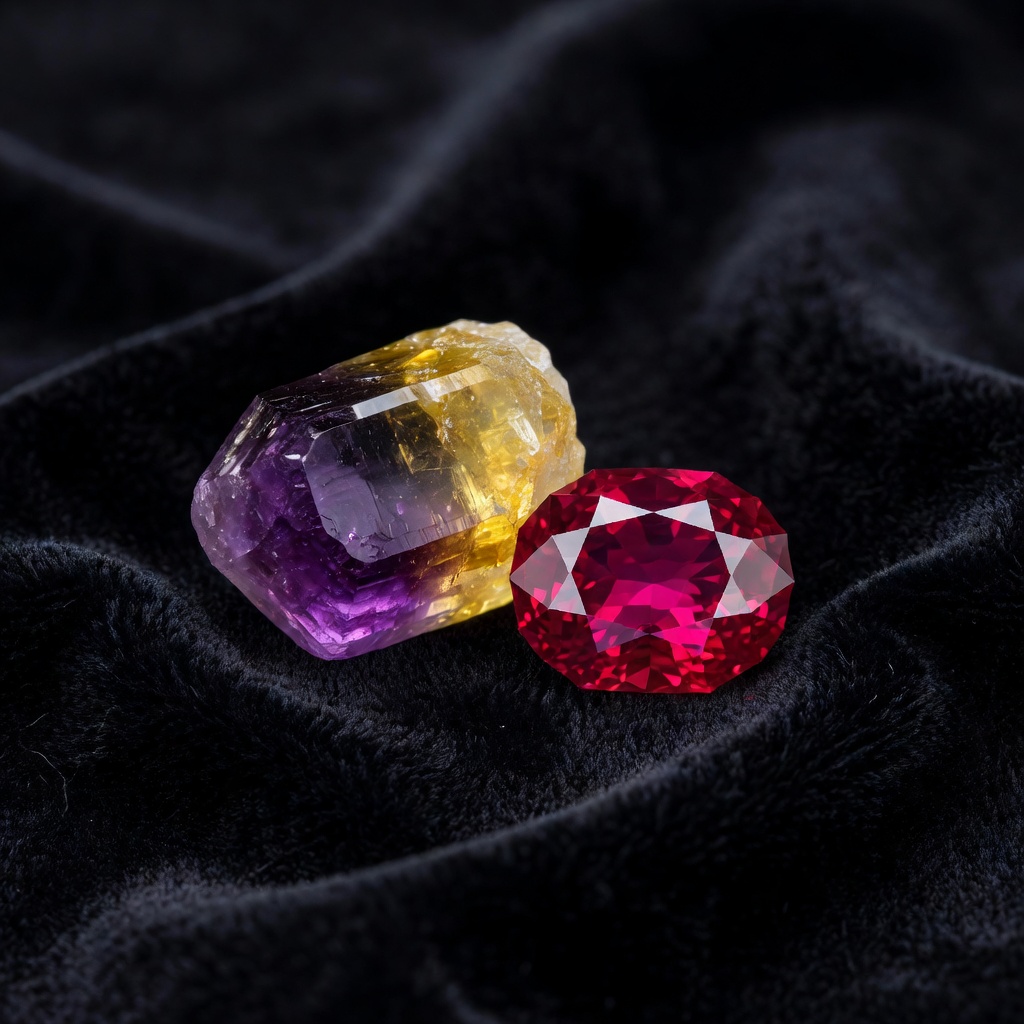
When exploring the fascinating world of colored gemstones, the comparison between Ruby vs Ametrine presents a study in contrasts that captivates both novice collectors and experienced gem enthusiasts. Ruby stands as one of the "Big Four" precious gemstones, a variety of corundum that has commanded reverence throughout history as the July birthstone and symbol of passionate devotion. In stark contrast, ametrine emerges as nature's artistic masterpiece—a unique bicolor quartz that seamlessly blends the royal purple of amethyst with the sunny warmth of citrine within a single crystal. While these stones occupy vastly different positions in the gemological hierarchy, buyers frequently find themselves weighing these options when seeking distinctive colored centerpieces for their jewelry collections.
The fundamental differences between these gemstones extend far beyond their visual appearance, encompassing divergent geological origins, physical durability standards, and investment potential. Ruby represents the pinnacle of mineral hardness among colored gems, offering exceptional longevity for daily wear, while Bolivian ametrine provides an affordable entry point into unique gemstone ownership with its striking dual-tone aesthetic. Understanding these distinctions enables collectors to make informed decisions aligned with their lifestyle needs, budget parameters, and aesthetic preferences. This comprehensive guide examines every facet of these remarkable stones to illuminate their individual characteristics and practical applications in fine jewelry.
Origins and Geological Formation
The geological stories behind ruby and ametrine reveal dramatically different journeys from deep earth to finished gemstone. Rubies form under intense metamorphic conditions, typically crystallizing within marble or basalt environments where aluminum-rich rocks undergo extreme heat and pressure transformations over millions of years. Major mining locations include Myanmar (Burma), Thailand, Sri Lanka, and Madagascar, with Burmese deposits historically producing the most coveted specimens. The formation process requires specific hexavalent chromium availability to create the signature red coloration, with trace amounts of iron potentially modifying the final hue toward pinkish or purplish tones.
Ametrine presents a geological anomaly found exclusively in the Anahi Mine located in eastern Bolivia near the Brazilian border, representing the world's only commercial source for this bicolor phenomenon. Unlike ruby's widespread distribution across multiple continents, Bolivian ametrine owes its existence to unique temperature gradients within a single hydrothermal vein discovered by Spanish conquistadors in the seventeenth century. The crystal formation occurs when silicon dioxide-rich solutions precipitate within gas cavities of volcanic rock, with varying oxidation states of iron impurities creating the distinct color zoning during different cooling phases of the same crystal growth period.
Mining methodologies differ significantly between these gemstones due to their geological settings and rarity levels. Ruby extraction often involves arduous tunnel mining through hard rock formations, with artisanal miners frequently employing basic tools in Myanmar's Mogok Stone Tract or sophisticated open-pit operations in Mozambique's Montepuez deposits. Conversely, ametrine mining remains relatively localized and mechanized at the Anahi Mine, where workers extract quartz geodes from rhyolite host rock, carefully cracking them open to reveal the bicolor crystals within. This geographical exclusivity contributes to ametrine's specialty status, while ruby's global distribution supports its position as a mainstream precious gemstone.
Physical and Chemical Properties Compared
The scientific distinction between Corundum vs quartz forms the foundation for understanding these gemstones' divergent characteristics and applications. Ruby constitutes aluminum oxide (Al2O3) arranged in a trigonal crystal system, possessing a specific gravity of approximately 3.97-4.05 and a refractive index ranging from 1.76 to 1.77, which contributes to its exceptional brilliance and "life" when properly cut. Ametrine, as a variety of quartz, consists of silicon dioxide (SiO2) crystallizing in the hexagonal system, with a lower specific gravity of 2.65 and refractive index of 1.54-1.55, resulting in more subdued optical performance compared to the fiery sparkle of corundum.
The Mohs hardness scale reveals one of the most significant practical differences between these stones, with ruby ranking 9—second only to diamond's perfect 10—while ametrine registers 7 on the same scale. This two-point difference translates to substantial variations in scratch resistance and longevity, as Mohs hardness operates logarithmically rather than linearly. Ruby's exceptional hardness combined with its lack of cleavage planes creates remarkable toughness suitable for everyday wear, whereas ametrine's quartz composition, while adequate for jewelry, requires more protective consideration due to potential vulnerabilities along crystal planes.
| Characteristic | Ruby (Corundum) | Ametrine (Quartz) |
|---|---|---|
| Chemical Composition | Aluminum Oxide (Al2O3) | Silicon Dioxide (SiO2) |
| Mohs Hardness | 9 (Excellent durability) | 7 (Good but vulnerable) |
| Crystal System | Trigonal | Hexagonal |
| Refractive Index | 1.76 - 1.77 (High brilliance) | 1.54 - 1.55 (Moderate brilliance) |
| Specific Gravity | 3.97 - 4.05 (Heavy feel) | 2.65 (Light feel) |
| Primary Source | Myanmar, Mozambique, Sri Lanka | Anahi Mine, Bolivia (Exclusive) |
| Color Cause | Chromium (Cr3+) substitutions | Iron oxidation states (Fe3+/Fe4+) |
| Typical Clarity | Often included (silk, crystals) | Typically eye-clean to loupe-clean |
Optical properties further distinguish these materials, with ruby exhibiting strong fluorescence under ultraviolet light due to chromium content, often glowing red in long-wave UV—a characteristic absent in ametrine. Thermal conductivity also varies significantly; ruby efficiently conducts heat, feeling cool to the touch initially but warming slowly against skin, while ametrine behaves more like glass in thermal response. These physical distinctions require different approaches to cutting, setting, and maintenance, influencing everything from faceting angles to cleaning protocols that preserve each stone's integrity over decades of ownership.
Color Characteristics and Visual Distinction
The visual drama of Pigeon blood ruby versus Bicolor ametrine offers collectors two radically different aesthetic experiences rooted in their distinct color chemistry. Ruby's color spectrum spans delicate pinkish-red to deep crimson, with the coveted "pigeon blood" designation describing a pure, vivid red with subtle blue undertones that appears to glow from within, traditionally associated with Burmese origins. This color results from chromium ions replacing aluminum in the crystal lattice, with the precise concentration and positioning of these chromophores determining whether the stone appears pink, red, or purplish-red. Unlike many gemstones where darker saturation increases value, rubies achieve premium pricing only when exhibiting intense, medium-dark red tones that maintain brilliance without appearing black or overly dark.
Bicolor ametrine presents nature's own gradient artwork, displaying sharp color partitioning between purple amethyst sectors and golden citrine zones within a single crystal. The most valuable specimens exhibit a distinct 50/50 or 60/40 color split with a sharp boundary line, typically oriented to display both hues simultaneously when viewed face-up. This phenomenon occurs exclusively in crystals from the Anahi Mine, where temperature fluctuations during formation created oxidation gradients that transformed iron impurities differently across the crystal structure. Lower-quality ametrine may show muddy blending of colors or predominantly single-color dominance, significantly affecting market value.
Clarity standards diverge markedly between these gemstones, reflecting their different geological formation environments. Rubies frequently contain characteristic inclusions known as "silk"—rutile needle inclusions that can create desirable asterism (star effects) when properly oriented, or appear as cloudy veils that enhance color diffusion in cut stones. While eye-clean rubies command significant premiums, the market accepts certain inclusions as proof of natural origin and Burmese heritage. Conversely, ametrine typically forms with exceptional clarity due to the slow cooling process in volcanic cavities, with most faceted stones appearing loupe-clean or containing only minor feather inclusions that rarely affect durability or transparency.
Durability and Daily Wear Considerations
Gemstone durability represents a critical factor when selecting between these materials for jewelry applications, particularly regarding resistance to scratching, chipping, and environmental damage. Ruby's position near the top of the Mohs hardness scale, combined with its absence of cleavage planes, creates exceptional toughness that withstands the rigors of daily activities including household chores, office work, and active lifestyles. This durability explains ruby's popularity for engagement rings and heirloom pieces designed for continuous wear across generations. The stone resists abrasion from dust particles (which typically contain quartz at 7 hardness) and maintains its polish indefinitely with proper care, though extreme impacts against hard surfaces can still cause damage.
Ametrine requires more cautious treatment due to its quartz composition and inherent structural characteristics that affect long-term wearability. While 7 on the Mohs scale provides adequate hardness for occasional wear, daily exposure to harder materials—including household dust, steel surfaces, and other gemstones—can gradually abrade facets and edges, leading to a dulled appearance over time. More critically, ametrine exhibits sensitivity to thermal shock; sudden temperature changes from hot water, steam cleaning, or leaving the stone in direct sunlight followed by air conditioning can cause internal fractures or complete cleavage along crystal planes. This thermal vulnerability necessitates protective settings and lifestyle considerations for prospective owners.
Practical jewelry applications should reflect these durability differences through thoughtful setting selection and wear scheduling. Ruby thrives in prong settings that maximize light exposure, suitable for rings, bracelets, and any jewelry subjected to frequent movement and potential impact. For ametrine, bezel settings or protective halo designs provide physical barriers against direct blows, while reserving these stones for pendants and earrings minimizes exposure to impact risks compared to rings or bracelets. Professional jewelers recommend removing ametrine jewelry before swimming, cleaning, or exercising, whereas ruby typically requires removal only during extreme activities or when handling harsh chemicals that might affect mounting metals.
Value, Pricing and Investment Potential
The economic disparity between Ruby value and ametrine price reflects their relative rarity, market demand, and historical status within the gemstone hierarchy. Fine-quality rubies, particularly those exceeding one carat with pigeon blood coloration and Burmese origin, command prices rivaling or exceeding diamonds on a per-carat basis, with exceptional specimens fetching hundreds of thousands of dollars at auction. This valuation stems from ruby's position as a "Big Four" precious gemstone, limited availability of untreated fine material, and centuries of royal and cultural associations driving consistent demand. Investment-grade rubies appreciate reliably over time, particularly documented unheated stones from prestigious localities with established provenance.
Ametrine occupies the opposite end of the pricing spectrum, offering accessibility without sacrificing visual uniqueness. Commercial-quality ametrine typically ranges from $10 to $50 per carat, with exceptional specimens featuring sharp color contrast, large size (over 10 carats), and custom precision cutting commanding up to $100-200 per carat. Unlike ruby, where origin significantly impacts value, ametrine pricing focuses primarily on the quality of color zoning, clarity, and cut precision that maximizes the bicolor display. The stone's exclusive source at the Anahi Mine provides supply control, but abundant quartz availability globally prevents the scarcity-driven pricing seen in fine corundum.
Treatment considerations significantly affect value assessments and disclosure requirements for both gemstones. The ruby market universally accepts heat treatment—a permanent enhancement using high temperatures to dissolve rutile silk and improve color clarity—which must be disclosed but does not drastically reduce value for most commercial stones. However, unheated rubies with documentation command substantial premiums. Ametrine typically enters the market untreated, as artificial creation of the bicolor effect proves difficult, though some inexpensive "ametrine" actually comprises separate amethyst and citrine stones glued together or artificially heated amethyst with partial color conversion. Buyers should request laboratory certification for significant purchases of either stone to verify natural origin and treatment status.
Symbolism, Meaning and Metaphysical Properties
The metaphysical associations of these gemstones draw from distinct cultural traditions and energetic properties that appeal to holistic practitioners and symbolic jewelry wearers. As the July birthstone, ruby carries millennia of lore connecting it to vitality, courage, and passionate love across numerous civilizations. Ancient Hindus called ruby "ratnaraj" or "king of precious stones," believing it conferred safety, peace, and wisdom upon its owner, while Burmese warriors inserted rubies into their flesh to render themselves invincible in battle. Contemporary crystal healing associates ruby with the root chakra, grounding energy, stimulating life force (chi), and protecting against psychic attacks or negative influences. The stone's intense red color naturally connects to blood, heart energy, and the physical body's core vitality.
Ametrine meaning derives from its dual nature as a harmonious union of amethyst and citrine properties, creating a stone that bridges spiritual awareness and material manifestation. Purple sectors align with amethyst's traditional associations with spiritual growth, psychic enhancement, and crown chakra activation, promoting mental clarity and meditation depth. The yellow citrine portions connect to solar plexus energy, personal power, abundance, and creative manifestation. This combination creates a unique energetic profile believed to facilitate transformation, balance masculine and feminine energies, and eliminate negative programming or addictions while simultaneously attracting prosperity. The bicolor nature symbolizes the integration of opposing forces—spirit and matter, thought and action, dreams and reality.
Historical usage patterns reveal ruby's dominance in royal regalia and religious artifacts, appearing in the crowns of monarchs, the jewelry of maharajas, and the foundations of sacred buildings described in biblical texts. Ametrine, discovered relatively recently by Western standards (formally identified in the 1980s despite earlier indigenous knowledge), lacks this extensive historical pedigree but has quickly gained popularity in modern metaphysical circles for its balancing properties. Practical application involves wearing ruby on the left hand to receive its energizing properties or placing ametrine between the brows during meditation to activate both upper and lower energy centers simultaneously. Both stones serve as meaningful personal talismans, with ruby emphasizing dynamic action and protection while ametrine focuses on integration and balanced growth.
Jewelry Design Applications and Setting Styles
Contemporary jewelry design leverages the distinct characteristics of ruby and ametrine to create pieces ranging from classical elegance to avant-garde artistic expression. Ruby jewelry traditionally emphasizes the stone's regal status through settings in high-karat yellow gold or platinum, frequently accompanied by diamond accents that provide color contrast and additional brilliance. Classic designs include three-stone anniversary rings, solitaire engagement settings with six-prong coronas, and tennis bracelets showcasing matched ruby lines. The stone's durability permits elaborate openwork settings, micro-pavé diamond halos, and daily-wear ring designs that would damage softer gemstones. High jewelry houses frequently feature Burmese rubies in imperial-style necklaces and brooches that reference Mughal aesthetics.
Ametrine ring settings and jewelry designs capitalize on the stone's unique color zoning through specific cutting orientations and mounting styles that emphasize the bicolor effect. Emerald cuts, baguettes, and rectangular cushions prove particularly effective, positioning the color boundary diagonally or horizontally across the table to display both purple and yellow sectors simultaneously. Unlike ruby's versatility with various metals, ametrine typically pairs best with white metals—sterling silver, white gold, or platinum—that provide neutral backgrounds allowing the colors to dominate without competition. Fashion jewelry designers frequently incorporate ametrine into bold cocktail rings, statement pendants, and artistic freeform pieces that treat the gemstone as a canvas for natural art.
Cutting considerations differ substantially between these materials due to their optical properties and value structures. Ruby cutting focuses on maximizing color saturation and brilliance while minimizing the visibility of inclusions, often resulting in deeper pavilions and smaller tables to concentrate the red body color. Master cutters may orient rubies to display asterism in cabochon forms or optimize pleochroism in faceted stones. Ametrine cutting requires precise orientation to the color zoning, with cutters studying rough crystals extensively before sawing to determine the optimal plane for displaying the bicolor transition. This orientation process sometimes sacrifices carat weight to achieve the desired visual effect, making well-cut ametrine with sharp color division more valuable than poorly oriented larger stones.
How to Choose Between Ruby and Ametrine
Selecting between these gemstones requires honest assessment of budget constraints, lifestyle realities, and aesthetic preferences that will ensure long-term satisfaction with your purchase. Budget considerations immediately favor ametrine for collectors seeking large, eye-catching centerpieces without significant financial investment, as $500 might acquire a 20-carat exceptional ametrine while purchasing only a small commercial-quality ruby or a tiny fine-quality specimen. However, buyers viewing jewelry as generational wealth transfer or long-term investment should prioritize ruby despite higher initial costs, as fine untreated stones appreciate while ametrine remains primarily a decorative purchase without strong investment potential.
Lifestyle assessment proves crucial for matching gemstone durability to daily habits and occupational hazards. Active individuals working with their hands, engaging in sports, or managing young children should gravitate toward ruby for rings and bracelets, accepting the higher cost as payment for longevity and peace of mind. Those seeking occasional statement pieces for social events, office wear without manual labor, or spiritual meditation tools may find ametrine perfectly suitable, particularly when set in protective earring or pendant designs that minimize physical stress. Consider your track record with jewelry care—if you frequently forget to remove rings before showering or cleaning, ruby's durability offers forgiveness that ametrine cannot provide.
Color preference evaluation ultimately guides many decisions between these distinctly different visual experiences. Traditionalists drawn to classic, singular color statements and the language of romantic red will naturally prefer ruby's intense chromatic purity and historical associations with love and power. Eclectic personalities seeking conversation pieces, unique natural phenomena, and the metaphysical balance of purple and yellow energies will resonate with ametrine's dual-tone personality. Occasion appropriateness also factors into selection; formal black-tie events, engagement celebrations, and corporate power dressing traditionally favor ruby's prestigious connotations, while creative industries, artistic gatherings, and holistic wellness environments welcome ametrine's unconventional beauty. Testing both stones against your skin tone under various lighting conditions before purchasing ensures the color complements your natural coloring and wardrobe palette.
Frequently Asked Questions
Is ruby more expensive than ametrine?
Yes, ruby is significantly more expensive than ametrine. As one of the 'Big Four' precious gemstones, high-quality rubies can command thousands of dollars per carat, especially Burmese pigeon blood varieties. Ametrine, being a variety of quartz, is much more affordable, typically ranging from $10 to $50 per carat depending on color quality and clarity.
Can ametrine be worn daily like ruby?
Ametrine is not recommended for daily wear in rings or bracelets due to its 7 on the Mohs hardness scale and sensitivity to thermal shock. Ruby, with a hardness of 9 and excellent toughness, is ideal for daily wear including engagement rings. If you choose ametrine, reserve it for occasional wear or protect it in pendant or earring settings.
What causes the two colors in ametrine?
Ametrine's bicolor effect results from temperature gradients during crystal formation in the Anahi Mine. Iron impurities within the quartz crystal experience different oxidation states—purple amethyst forms where iron is oxidized (Fe3+), while yellow citrine forms where it is reduced (Fe4+). This natural color zoning does not occur in rubies, which derive their single red color from chromium.
Which is better for an engagement ring, ruby or ametrine?
Ruby is the superior choice for engagement rings due to its exceptional durability (9 Mohs), resistance to scratching, and classic symbolism of eternal love. Ametrine's softer nature (7 Mohs) and cleavage planes make it vulnerable to damage during daily activities. However, ametrine can work for engagement rings if set in protective bezel settings and worn carefully.
How can I tell a real ruby from ametrine?
Visual inspection reveals distinct differences: rubies display a single red hue with possible fluorescence under UV light, while ametrine shows clear purple and yellow zoning. Ruby has higher specific gravity (feels heavier) and greater brilliance (refractive index 1.76-1.77 vs ametrine's 1.54-1.55). Professional gemological testing using refractometers or spectroscopes provides definitive identification.
Do ruby and ametrine require different care methods?
Yes. Ruby can withstand ultrasonic cleaning and steam cleaning due to its hardness and stability. Ametrine requires gentler care—warm soapy water and a soft brush only—as ultrasonic vibrations can cause fractures and sudden temperature changes may crack the stone. Both should be stored separately to prevent scratching, though ruby poses more danger to other gems than vice versa.
Are both gemstones natural or treated?
Both occur naturally, but treatments differ significantly. Most rubies on the market undergo heat treatment to improve color and clarity, which is accepted in the trade but should be disclosed. High-quality ametrine is typically untreated; however, some ametrine is actually synthetic or artificially created by heat-treating amethyst to produce citrine zones. Always request certification for high-value purchases.