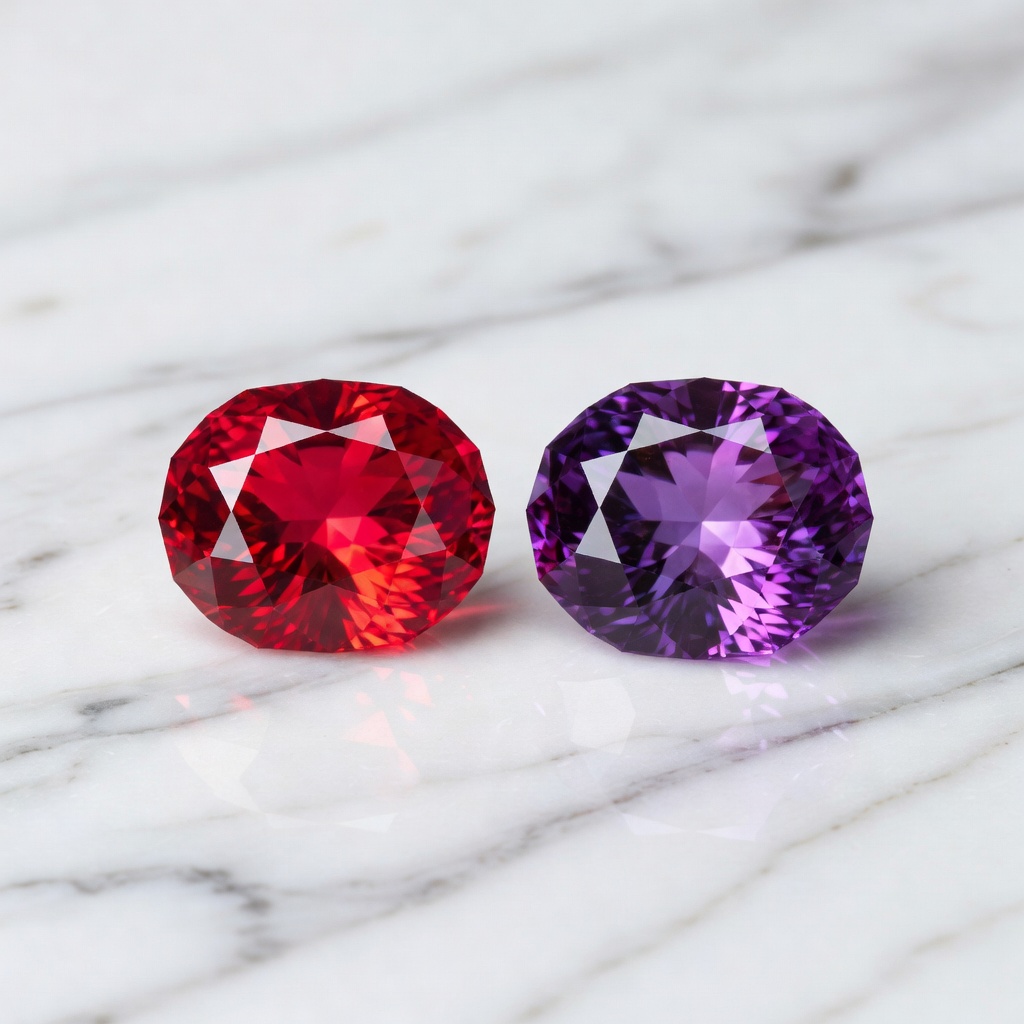
Introduction: Understanding the Ruby vs Amethyst Debate
When selecting a colored gemstone for fine jewelry or crystal healing, the comparison between Ruby vs Amethyst frequently arises as two of the most visually striking options available. These stones represent opposite ends of both the color spectrum and value hierarchy, with rubies commanding premium prices as precious gems while amethysts offer accessible luxury as semi-precious alternatives. Understanding the fundamental differences between these crystals helps collectors, jewelry enthusiasts, and spiritual practitioners make informed decisions aligned with their aesthetic preferences, budget constraints, and lifestyle requirements. This comprehensive gemstone comparison guide examines everything from geological formation and physical durability to metaphysical properties and investment potential, providing you with actionable insights to determine whether the passionate red of ruby or the serene purple of amethyst better suits your needs.
Geological Origins: Corundum vs Quartz Formation
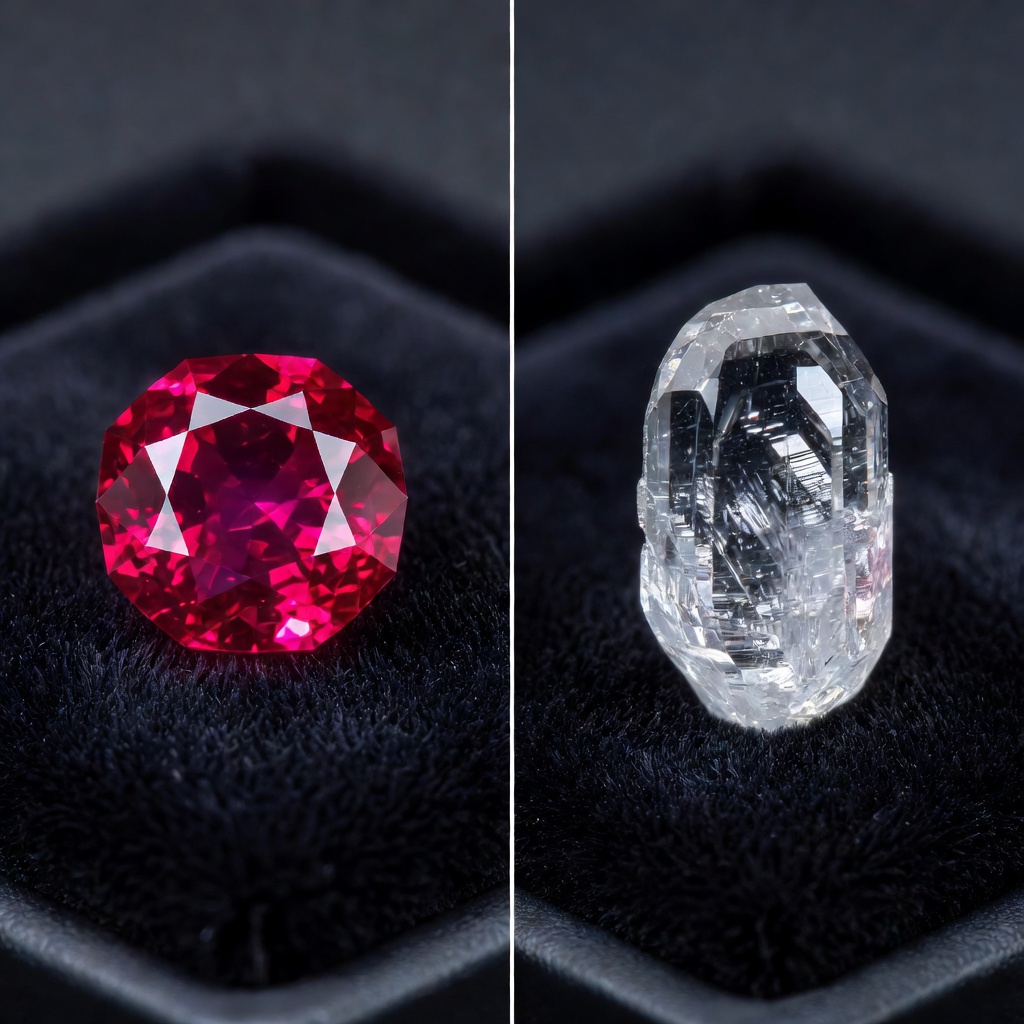
The fundamental distinction between these gemstones begins deep within the earth's crust, where vastly different geological processes create Corundum vs quartz gemstones with unique structural properties. Rubies form from aluminum oxide (Al₂O₃) under extreme metamorphic conditions, requiring temperatures exceeding 800 degrees Celsius and intense pressure that recrystallizes the mineral into the trigonal crystal system characteristic of corundum. This demanding formation process occurs primarily within marble host rocks in specific geographic locations including Myanmar's Mogok Valley, Thailand's Chanthaburi province, and Madagascar's eastern regions, where trace amounts of chromium create the signature red coloration.
Amethyst represents the purple variety of quartz (silicon dioxide or SiO₂), forming through hydrothermal processes in volcanic rock cavities and geodes rather than metamorphic environments. As silica-rich solutions permeate gas bubbles within basaltic lava flows, slow cooling allows crystals to develop over millions of years, with iron impurities and natural irradiation producing the distinctive purple spectrum. Major deposits occur in Brazil's Rio Grande do Sul region, Zambia's Kariba mine area, and Uruguay's Artigas department, where massive geodes weighing several tons occasionally yield gem-quality material. These geological differences result in distinct internal crystal structures, with ruby's dense atomic arrangement contributing to its superior hardness compared to amethyst's more open hexagonal crystal system.
Physical Properties and Durability Comparison
Understanding gemstone hardness comparison metrics proves essential when evaluating these stones for different jewelry applications, as their durability characteristics differ significantly. Ruby ranks 9 on the Mohs hardness scale, making it second only to diamond and moissanite in terms of scratch resistance, which allows it to maintain polish and clarity even after decades of daily wear. This exceptional hardness stems from the strong aluminum-oxygen bonds within the corundum structure, coupled with the absence of cleavage planes that would otherwise create weak points susceptible to fracturing under impact.
Amethyst registers 7 on the Mohs scale, indicating good but not exceptional hardness that requires more careful handling to prevent surface abrasions and chips during regular use. While quartz gemstones resist scratching from common materials like steel or glass, they remain vulnerable to harder substances including topaz, corundum, and diamond jewelry stored in the same box. When considering Ruby hardness vs amethyst for engagement rings or bracelets subject to frequent impact, ruby's superior toughness and lack of cleavage make it significantly more suitable for active lifestyles, whereas amethyst performs better in protected settings like pendants or earrings where contact with hard surfaces remains minimal.
Comprehensive Gemstone Characteristics
| Characteristic | Ruby | Amethyst |
|---|---|---|
| Mineral Family | Corundum (Aluminum Oxide) | Quartz (Silicon Dioxide) |
| Mohs Hardness | 9 (Excellent) | 7 (Good) |
| Color Range | Pigeon Blood Red to Pinkish-Red | Pale Lavender to Deep Siberian Purple |
| Price per Carat | $1,000 - $100,000+ | $20 - $500 |
| Birthstone Month | July | February |
| Primary Chakra | Root Chakra | Crown Chakra |
| Daily Wear Suitability | Excellent (Rings, Bracelets) | Moderate (Better for Pendants/Earrings) |
| Classification | Precious Gemstone | Semi-Precious Gemstone |
Color Variations: Pigeon Blood Red vs Royal Purple
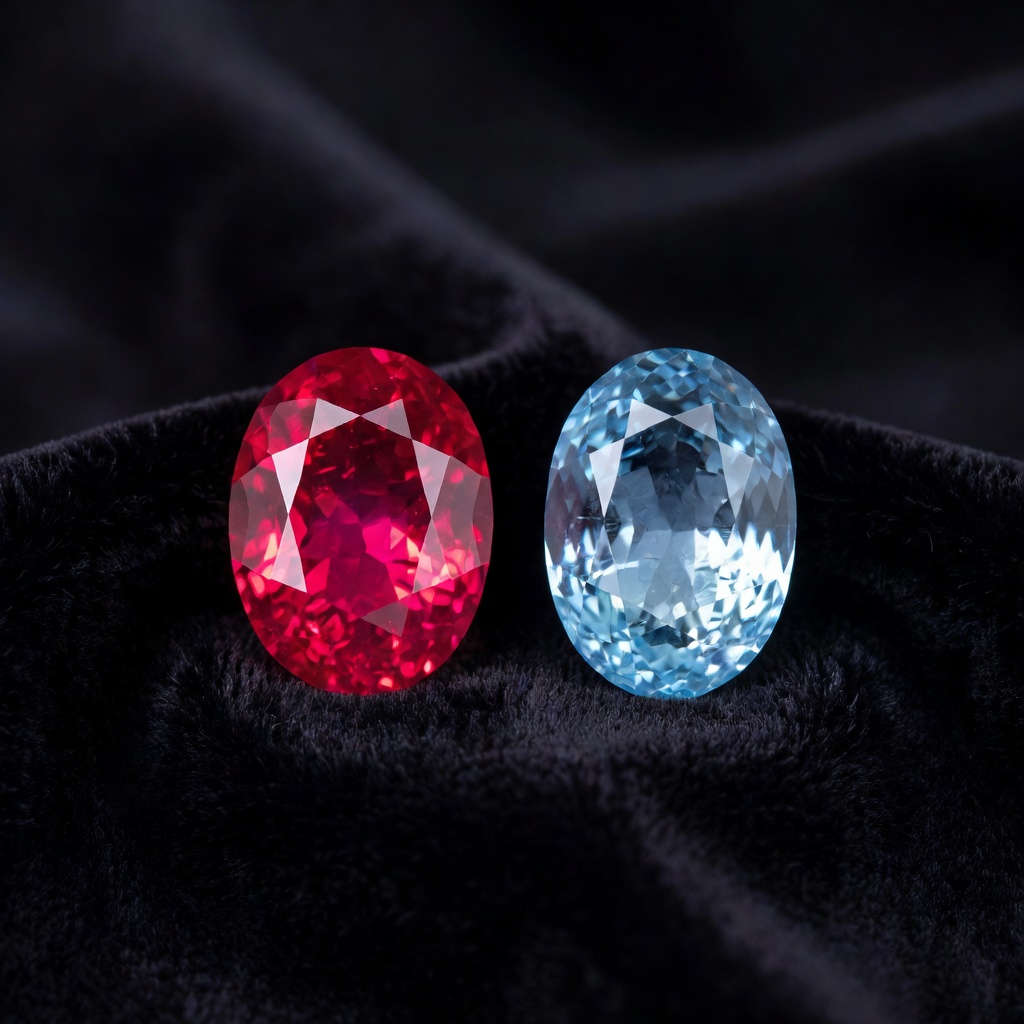
The visual distinction between Red ruby vs purple amethyst creates immediate impact, yet both gemstones offer subtle variations that significantly affect their value and aesthetic appeal. Premium rubies display the coveted "pigeon blood" red—a vivid, saturated pure red with a hint of blue that appears to glow from within, primarily found in Burmese deposits, while Thai rubies often exhibit darker, more garnet-like tones with brownish undertones. Fine specimens demonstrate exceptional fluorescence under ultraviolet light, causing them to appear almost internally illuminated in daylight, whereas lower-quality stones may appear dull or overly dark, diminishing their desirability for high-end jewelry.
Amethyst presents a broader color spectrum ranging from delicate pale lilac suitable for spring fashion collections to the intense deep purple known as "Siberian" or "Deep Russian" quality, characterized by red and blue flash under different lighting conditions. Unlike rubies, where darker typically means more valuable (until becoming too dark), amethyst achieves optimal value in medium-dark tones with strong saturation that avoids the "washed out" appearance of lighter specimens or the overly dark, almost black appearance of stones from certain Zambian deposits. When evaluating gemstone color quality, consider that rubies generally appear most vivid under incandescent lighting that enhances their red fluorescence, while amethysts display their true purple character best in natural daylight, though both may shift appearance slightly depending on ambient light temperature.
Value, Price, and Investment Potential
The economic disparity between these stones reflects their classification as Precious vs semi-precious stones, with rubies commanding prices that place them among the world's most valuable gems alongside diamonds, emeralds, and sapphires. Exceptional untreated rubies exceeding five carats with pigeon blood coloration and minimal inclusions can achieve prices exceeding $100,000 per carat at auction, with the record-breaking Sunrise Ruby selling for over $1 million per carat in 2015. Even commercial-quality rubies suitable for mass-market jewelry typically range from $1,000 to $10,000 per carat depending on color intensity, clarity, and treatment history, establishing them as serious investment vehicles for collectors.
Amethyst offers remarkable value for collectors seeking purple gemstones without the premium associated with sapphire or spinel, with fine specimens ranging from $20 to $500 per carat based on color depth and clarity. While large amethyst geodes make impressive display pieces for home décor, faceted gem-quality stones rarely appreciate significantly in value due to abundant Brazilian supplies, making them poor speculative investments despite their historical status as "Cardinal Gems" before the discovery of South American deposits. When considering Ruby price vs amethyst value for portfolio diversification, rubies offer potential appreciation for rare, untreated specimens with documented provenance, whereas amethysts provide affordable entry points for jewelry enthusiasts prioritizing beauty over investment returns.
Birthstone Connections and Astrological Significance
The distinction between July birthstone vs February birthstone creates different symbolic associations that influence gift-giving traditions and personal jewelry selections. Ruby reigns as the birthstone for July, associated with the height of summer, passion, and vitality in Western gemology traditions, while ancient Hindu astrology connects it to the sun and assigns it as the traditional stone for Leo zodiac signs seeking enhanced confidence and leadership abilities. Cancer natives also benefit from ruby's nurturing yet protective energies, with historical texts suggesting that wearing this stone during the summer months amplifies its power to attract love and maintain physical health.
Amethyst serves as February's birthstone, coinciding with winter's end and the promise of spiritual renewal, traditionally associated with Aquarius and Pisces zodiac signs who benefit from its calming, introspective vibrations. Medieval European royalty favored amethyst for ecclesiastical rings and crown jewels, believing it prevented intoxication and promoted clear thinking during political negotiations, while Tibetan Buddhists incorporate it into prayer beads for meditation practices. When selecting birthstone meanings for personalized gifts, consider that ruby suits individuals seeking motivation and romantic connection, whereas amethyst appeals to those pursuing spiritual growth and mental clarity.
Metaphysical Properties and Healing Energies
Practitioners of crystal healing recognize distinct vibrational frequencies when examining Ruby healing properties vs amethyst, with each stone targeting different energy centers and spiritual needs. Ruby resonates primarily with the Root Chakra (Muladhara), stimulating life force energy (prana), enhancing physical vitality, and promoting courage to overcome obstacles or pursue ambitious goals. Crystal therapists often recommend placing ruby on the lower abdomen during meditation to address adrenal fatigue or low motivation, while wearing ruby jewelry over the heart chakra is thought to attract passionate romantic partnerships and rekindle existing relationships through enhanced emotional expression.
Amethyst dominates the Crown Chakra (Sahasrara) and Third Eye regions, facilitating connection to higher consciousness, enhancing intuitive abilities, and creating protective barriers against negative environmental energies or psychic interference. Unlike the energizing stimulation provided by ruby, amethyst offers soothing vibrations that promote restful sleep when placed under pillows and reduce anxiety when held during stressful situations. For comprehensive crystal energy comparison applications, practitioners often pair these stones together, placing ruby at the base of the spine and amethyst at the crown during chakra alignment sessions to create a complete circuit of grounded spiritual energy that balances physical vitality with mental clarity.
Jewelry Applications and Design Versatility
When considering Ruby jewelry vs amethyst jewelry for specific applications, hardness and color compatibility with metals become crucial factors influencing both aesthetics and longevity. Ruby's exceptional durability makes it ideal for engagement rings and daily-wear bands, where traditional settings in 18k yellow gold enhance the warmth of Burmese stones while platinum or white gold settings provide contemporary contrast that emphasizes the gem's saturation. High-fashion designers frequently feature rubies in Art Deco-inspired pieces or Victorian reproductions where clusters of smaller stones create dramatic pavé effects suitable for formal evening wear.
Amethyst performs best in protective settings like bezel-set pendants, halo earrings, or cocktail rings reserved for special occasions rather than manual labor, with white gold and sterling silver settings complementing its cool purple tones while rose gold creates romantic, vintage-inspired aesthetics. For gemstone jewelry design versatility, consider that ruby transitions seamlessly from boardroom to ballroom, pairing elegantly with both business suits and evening gowns, while amethyst offers bohemian charm for casual weekend wear yet possesses sufficient regal associations for formal events when set with diamonds or pearls. Professional jewelers recommend removing amethyst rings before household cleaning or gardening to prevent damage from abrasive contact, whereas ruby requires only standard periodic cleaning to maintain brilliance.
How to Choose Between Ruby and Amethyst
Selecting between these gemstones requires honest assessment of your lifestyle, budget parameters, and personal symbolism when Choosing between ruby and amethyst for significant purchases. Active individuals with hands-on careers or sports hobbies should prioritize ruby for rings and bracelets due to its superior resistance to chipping, while those seeking spiritual jewelry for meditation or occasional statement pieces may find amethyst's affordability allows for larger carat weights and more dramatic designs without budget strain. Consider your skin undertones: ruby's warm red enhances olive and darker complexions beautifully, while amethyst's cool purple complements fair skin and silver jewelry preferences.
Beyond practical considerations, examine your intentions for the stone—whether seeking an heirloom investment piece representing passionate commitment (ruby) or a personal talisman for spiritual protection and sobriety (amethyst). When following this gemstone buying guide, request certification from reputable laboratories like GIA or AGL for rubies to verify treatment status and origin, as these factors dramatically affect value, whereas amethyst purchases require less documentation but should still confirm natural versus synthetic origin. Ultimately, both stones offer timeless beauty, but aligning your selection with daily wear requirements, financial investment goals, and energetic needs ensures decades of satisfying ownership regardless of which gem you choose.
Frequently Asked Questions
Which is more expensive, ruby or amethyst?
High-quality rubies are significantly more expensive than amethysts. While fine rubies can cost $1,000 to over $100,000 per carat, even premium amethysts typically range from $20 to $500 per carat. This price difference exists because rubies are rarer, classified as precious gems, and command higher demand in the luxury market.
Can you wear ruby and amethyst together in the same jewelry piece?
Yes, ruby and amethyst can be worn together, creating a striking complementary color combination of red and purple. Many jewelry designers pair them for bold, regal looks. However, due to ruby's superior hardness (9 vs 7), ensure the stones are set to prevent the harder ruby from scratching the softer amethyst over time.
Is ruby harder than amethyst?
Yes, ruby is significantly harder than amethyst. Ruby ranks 9 on the Mohs hardness scale (second only to diamond), while amethyst ranks 7. This makes ruby more resistant to scratches and suitable for daily wear in rings, whereas amethyst requires more careful handling to prevent surface damage.
Which stone is better for an engagement ring, ruby or amethyst?
Ruby is generally better suited for engagement rings due to its exceptional hardness (9 Mohs) that withstands daily wear, plus its association with eternal love and passion. While amethyst is beautiful, its lower hardness (7 Mohs) makes it more susceptible to scratching and chipping during everyday activities, making it better suited for pendants or occasional wear.
What do ruby and amethyst symbolize differently?
Ruby symbolizes passion, vitality, courage, and romantic love, often associated with the heart and root chakras. Amethyst represents spiritual wisdom, calmness, clarity, and protection, connected to the crown chakra and third eye. While ruby energizes and motivates action, amethyst soothes and enhances intuition.
Why is ruby considered precious while amethyst is semi-precious?
Ruby is classified as precious due to its exceptional rarity, superior hardness (9 Mohs), and historically high demand among royalty. Amethyst was once considered precious until large deposits were discovered in Brazil, making it more abundant and affordable. Today, gemologists use 'semi-precious' for amethyst not to denote lower quality, but to indicate greater availability compared to rubies, sapphires, and emeralds.
Do rubies and amethysts require different care routines?
Both gems can be cleaned with warm soapy water and a soft brush, but amethyst requires extra precautions. Amethyst can fade when exposed to prolonged direct sunlight or high heat, while ruby is more stable. Additionally, ultrasonic cleaners are generally safe for untreated rubies but risky for amethysts, which may have fractures that worsen with vibration.
Which stone is rarer, ruby or amethyst?
Natural, high-quality rubies are far rarer than amethysts. Fine rubies with deep red color and minimal inclusions are exceptionally scarce, with significant deposits limited to a few locations like Myanmar. Amethyst is relatively abundant, with major deposits in Brazil, Zambia, and Uruguay supplying the global market, making it one of the most accessible purple gemstones available.