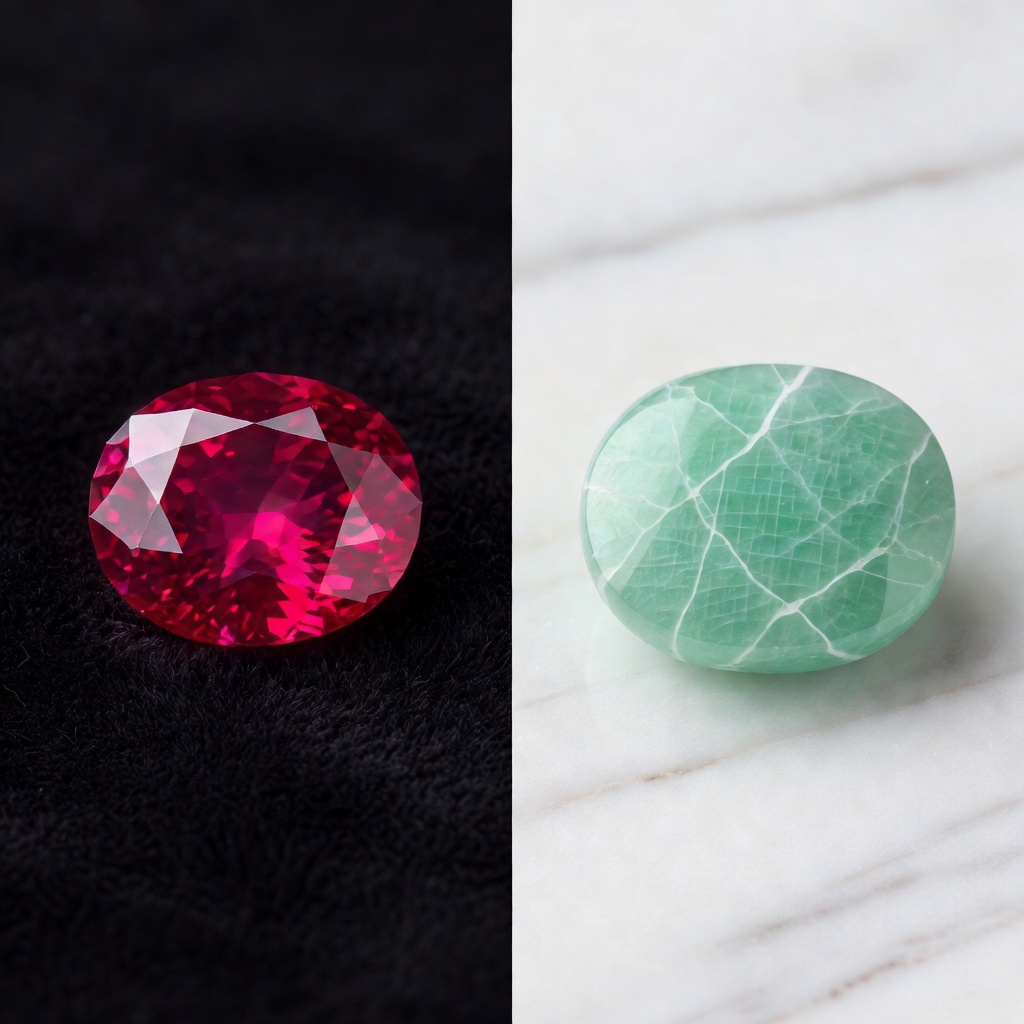
Understanding Ruby and Amazonite: A Comprehensive Gemstone Comparison Guide
When exploring the fascinating world of colored gemstones, collectors and jewelry enthusiasts often find themselves weighing Ruby vs Amazonite for their next purchase. At first glance, these stones occupy opposite ends of the gemological spectrum—ruby stands as one of the "big three" precious gemstones, prized for millennia for its intense red saturation and exceptional durability, while amazonite represents the accessible beauty of semi-precious stones with its soothing green-blue tranquility. Despite their vastly different characteristics, market positions, and geological compositions, both stones attract buyers seeking meaningful jewelry with distinct aesthetic and energetic properties. This gemstone comparison guide examines the critical decision factors including durability requirements, investment potential, color preferences, and lifestyle compatibility to help you determine which stone best suits your needs.
Geological Origins and Composition
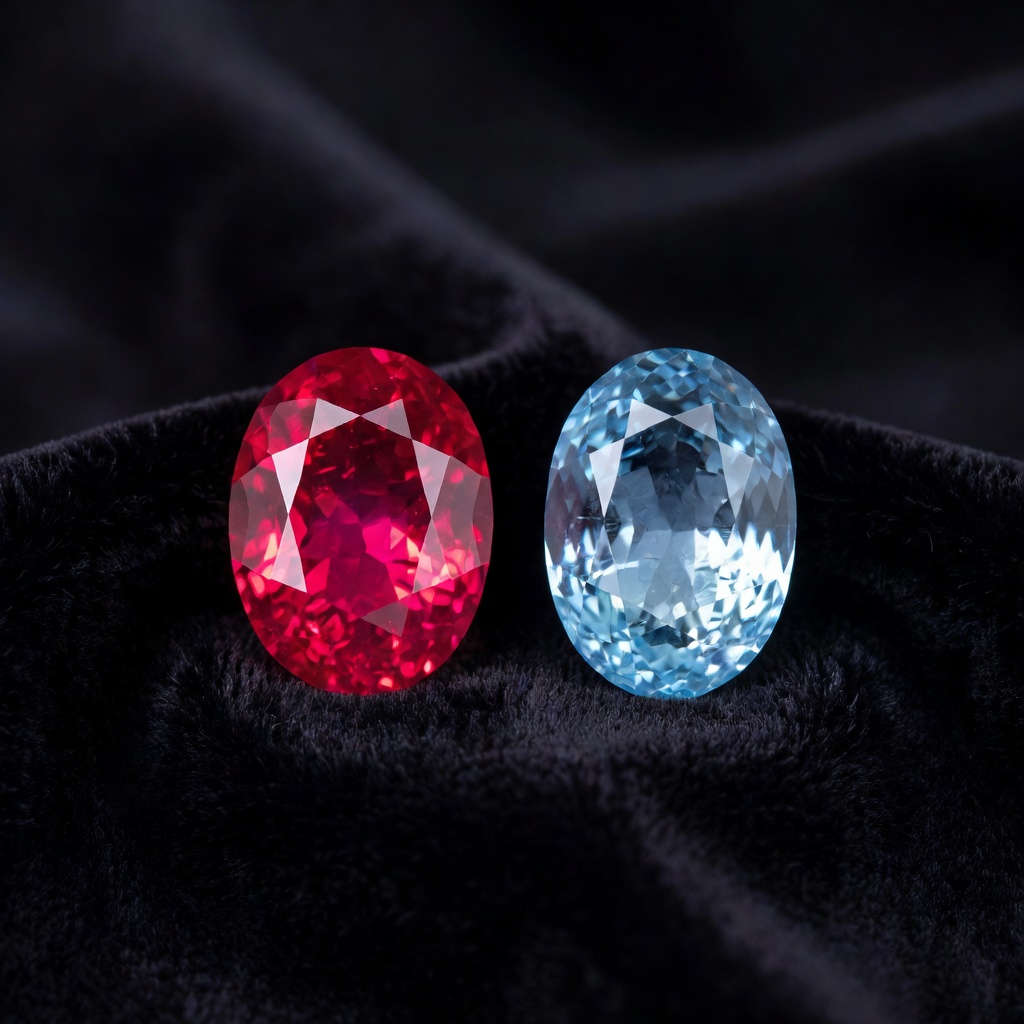
Understanding the fundamental geological differences between these stones illuminates why they perform so differently in jewelry applications. Red corundum vs green feldspar represents not merely a color contrast but a completely different mineralogical family with distinct formation processes and chemical structures.
The Formation of Precious Ruby
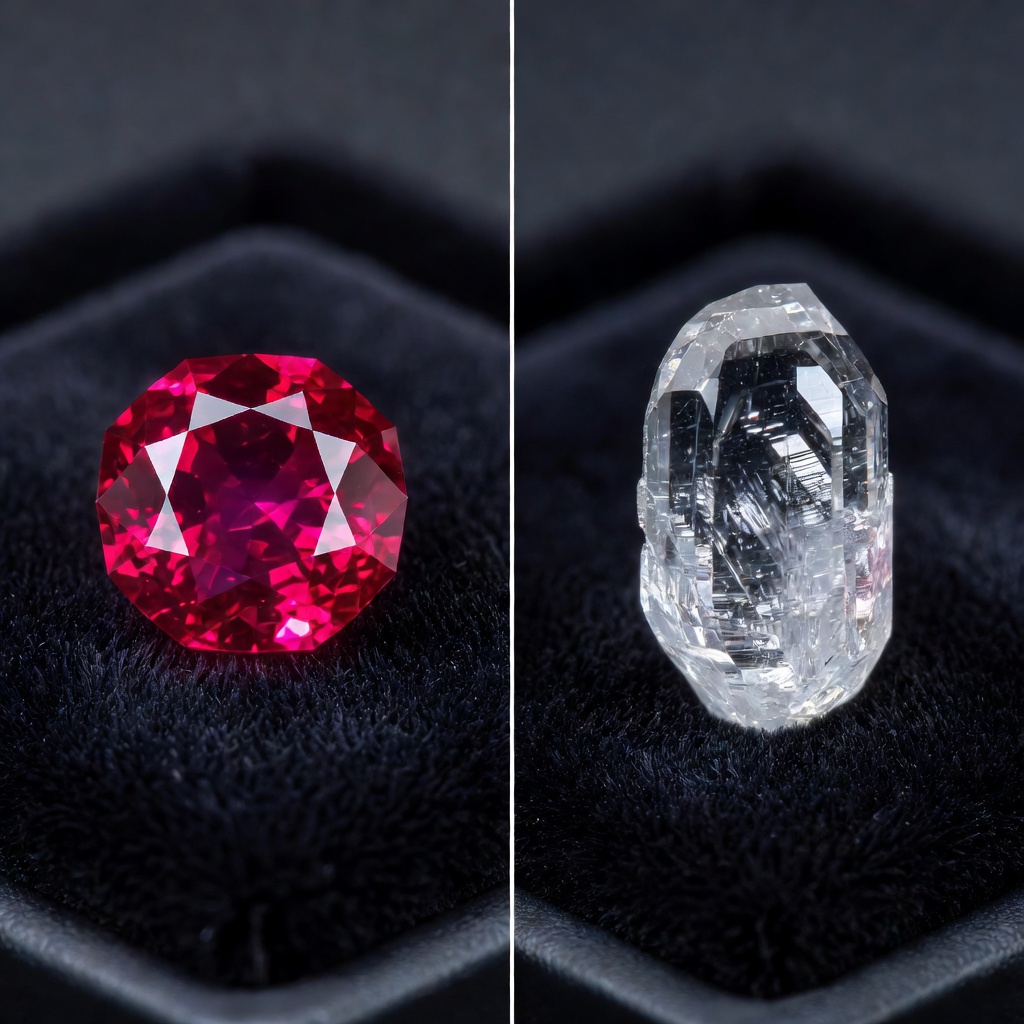
Ruby crystallizes as aluminum oxide (Al₂O₃) within the corundum family, forming under extreme geological conditions that few other minerals can withstand. These gemstones develop primarily in metamorphic rocks such as marble or amphibolite, subjected to intense heat and high pressure over millions of years. The distinctive red color emerges when chromium ions replace aluminum within the crystal lattice, with higher chromium concentrations producing the coveted "pigeon blood" red saturation. Major gemstone origins for high-quality rubies include Myanmar's legendary Mogok Valley, Mozambique's Montepuez mines, and Thailand's Chanthaburi region, each producing stones with slightly different color characteristics and inclusion patterns.
Amazonite's Distinctive Feldspar Structure
Amazonite belongs to the microcline feldspar family, forming within granite pegmatites through a combination of potassium aluminum silicate crystallization, trace lead content, and water interaction during formation. Unlike ruby's high-pressure metamorphic environment, amazonite develops in igneous cavities where slow cooling allows large crystals to form. The stone's characteristic green to blue-green color results from minute quantities of lead and water within the crystal structure, while the distinctive white streaks or grid patterns represent twinning planes formed during crystallization. Significant deposits occur in Brazil's Minas Gerais region, Madagascar's pegmatite fields, and Russia's Ilmensky Mountains, with Colorado's Pikes Peak area producing particularly vivid blue-green specimens.
Visual Characteristics and Color Spectrum
The aesthetic differences between these stones extend far beyond their primary hues, encompassing transparency, luster, and internal characteristics that significantly impact their visual appeal and value propositions.
Ruby Color Grades and Optical Properties
Rubies display a remarkable color range from pure red through pinkish-red, purplish-red, and orangey-red variations, with the most valuable stones exhibiting vivid saturation, medium tone, and the legendary "pigeon blood" red found primarily in Myanmar specimens. High-quality rubies demonstrate exceptional brilliance with a vitreous to adamantine luster, and fine stones often display silk—a phenomenon caused by rutile needle inclusions that can enhance the gem's appearance through diffusion of light. Ruby color grades evaluate hue, saturation, and tone, with untreated stones commanding significant premiums over heat-treated or fracture-filled alternatives. Transparency ranges from transparent in faceted gemstones to translucent in cabochon cuts, particularly those displaying asterism (star rubies).
Amazonite Stone Appearance and Patterns
Amazonite stone appearance distinguishes itself through distinctive mint green, blue-green, and turquoise hues that evoke tropical waters and natural serenity. Unlike ruby's potential for transparency, amazonite typically presents as opaque to translucent, with semi-transparent specimens being particularly rare and valuable. The most recognizable characteristic involves white streaks, grid patterns, or cloudy inclusions formed by albite twinning within the feldspar structure—features that gem cutters often orient to create interesting visual effects. While occasionally confused with chrysoprase or jade, amazonite's specific gravity and refractive index, combined with its characteristic color zoning, provide clear identification markers for gemologists.
Durability and Mohs Hardness Analysis
For jewelry selection, durability often outweighs aesthetic considerations, particularly for pieces intended for daily wear or heirloom preservation. The hardness disparity between these stones fundamentally determines their appropriate applications and longevity.
Ruby Hardness Mohs Scale Performance
Ranking 9 on the ruby hardness Mohs scale, ruby possesses exceptional durability suitable for everyday wear in any jewelry setting, including engagement rings and bracelets subject to constant impact. This hardness, second only to diamond among natural gemstones, combined with excellent toughness (resistance to breaking), makes ruby an ideal candidate for heirloom pieces passed through generations. The mineral lacks cleavage planes, meaning it does not split along predetermined directions when struck, further enhancing its practical durability for active lifestyles and rough handling.
Amazonite's Moderate Durability Concerns
Amazonite registers 6 to 6.5 on the Mohs hardness scale, positioning it significantly softer than quartz and vulnerable to scratching from everyday dust particles (which often contain quartz at 7 hardness). More critically, amazonite possesses two directions of perfect cleavage, creating planes where the stone can split cleanly under impact or pressure. This characteristic necessitates protective settings such as bezels or halo designs that shield the stone's edges from direct blows. While suitable for earrings and pendants that encounter minimal abrasion, amazonite requires conscious wearers who remove jewelry during physical activities, household cleaning, or gardening to prevent surface damage or structural failure.
Market Value, Rarity, and Investment Potential
The economic distinction between precious vs semi-precious gemstones becomes strikingly apparent when comparing these two materials, with implications for both immediate purchase decisions and long-term asset appreciation.
Ruby Pricing and Investment Considerations
Fine quality rubies represent genuine investment-grade assets, with untreated Burmese specimens over five carats potentially commanding prices exceeding $100,000 per carat at auction. Gemstone value comparison reveals that ruby pricing depends heavily on color saturation (with pure red commanding premiums over pinkish or purplish tones), clarity (eye-clean stones being extraordinarily rare and valuable), and carat weight (with exponential price increases per carat above one carat). Heat-treated rubies from Mozambique offer more accessible entry points at hundreds to thousands per carat, while commercial-quality stones may range from $50 to $500 per carat depending on treatment extent and origin documentation.
Amazonite Affordability and Market Position
Amazonite occupies the accessible end of the gemstone market, typically priced by the strand for beads or by piece for cabochons rather than by carat weight like precious gems. High-quality specimens with intense color and minimal white streaking might command $20 to $50 for a substantial cabochon, while bead strands range from $5 to $30 depending on size and quality. The stone's relative abundance, combined with its lack of historical investment demand, means amazonite functions primarily as a fashion jewelry component rather than an appreciating asset. However, rare transparent amazonite crystals or specimens with exceptional blue-green saturation from specific localities can achieve modest premiums among specialist collectors.
Comparison Table: Ruby vs Amazonite
| Characteristic | Ruby (Red Corundum) | Amazonite (Green Feldspar) |
|---|---|---|
| Chemical Composition | Aluminum Oxide (Al₂O₃) with Chromium | Potassium Aluminum Silicate (Microcline Feldspar) |
| Mohs Hardness | 9 (Exceptional durability) | 6-6.5 (Requires protection) |
| Color Range | Pigeon blood red to pinkish-red, purplish tones | Mint green to blue-green with white streaks |
| Transparency | Transparent to translucent | Opaque to translucent |
| Cleavage | None (excellent toughness) | Perfect in two directions (vulnerable to splitting) |
| Primary Sources | Myanmar, Mozambique, Thailand | Brazil, Madagascar, Russia, Colorado |
| Price Range | $100 to $100,000+ per carat (fine quality) | $5 to $50 per piece (typically not sold by carat) |
| Market Classification | Precious Gemstone | Semi-Precious Gemstone |
| Best Jewelry Applications | Engagement rings, daily wear rings, bracelets | Pendants, earrings, occasional wear rings |
| Cleaning Methods | Ultrasonic and steam safe (unless fracture-filled) | Mild soap and water only; avoid ultrasonic |
| Metaphysical Associations | Passion, vitality, courage (July birthstone) | Communication, hope, emotional balance |
Jewelry Design Applications and Settings
Practical jewelry creation demands consideration of each stone's physical properties, with ruby jewelry settings and amazonite ring designs requiring fundamentally different approaches to ensure longevity and wearability.
Ruby Versatility in Fine Jewelry
Ruby's exceptional hardness permits virtually unlimited design freedom, from delicate pavé-set eternity bands to substantial solitaire engagement rings subject to daily wear. Prong settings work excellently for rubies, securing the stone while maximizing light return through the pavilion. For investment-grade stones, platinum or 18k yellow gold provide optimal security and color enhancement—yellow gold can intensify the perception of red saturation in stones with slight purplish undertones, while platinum complements the purest red tones. Case studies from high jewelry houses like Cartier and Bulgari demonstrate ruby's suitability for intricate designs including tiaras, parures, and convertible jewelry pieces that withstand generational use without significant wear.
Amazonite Protective Design Strategies
Designers working with amazonite must prioritize protection over maximum light exposure. Bezel settings, where metal wraps continuously around the stone's edge, provide optimal security against chipping along cleavage planes. Halo designs featuring harder surrounding stones (such as diamonds or sapphires) create a protective buffer while enhancing the central amazonite's color through contrast. Amazonite ring designs should position the stone in low-profile settings that prevent catching on surfaces, and cocktail rings featuring amazonite suit occasional wear better than daily-wear engagement styles. Metal recommendations include sterling silver for bohemian aesthetics and rose gold, which complements the stone's cool green tones while providing adequate protection at a reasonable price point.
Metaphysical Properties and Cultural Symbolism
Beyond physical beauty, both stones carry rich symbolic traditions and energetic associations that influence buyer preferences and gifting decisions.
July Birthstone vs Hope Stone Symbolism
The comparison of July birthstone vs hope stone reveals contrasting energetic profiles suited to different intentions. Ruby, as the birthstone for July, carries associations with passion, vitality, courage, and life force energy across numerous cultural traditions. In Vedic astrology, ruby (manikya) connects to the Sun, bestowing authority, confidence, and creative power upon the wearer, while Western traditions associate the stone with the root and heart chakras, grounding spiritual energy while opening the heart to love. Ancient Burmese warriors embedded rubies into their flesh, believing the stones granted invincibility in battle, while European royalty utilized rubies in crown jewels to symbolize power and protection.
Amazonite Healing Properties and Historical Use
Amazonite healing properties center on communication, emotional balance, and truth-telling, earning the stone nicknames including the "hope stone," "gambler's stone," and "stone of courage." Metaphysical practitioners associate amazonite with the heart and throat chakras, believing it facilitates the expression of heart-centered truth while calming emotional trauma and anxiety. Archaeological evidence reveals amazonite's use in ancient Egypt, where it adorned the gold mask of Pharaoh Tutankhamun and appeared in cylinder seals and tablets as early as 3200 BCE. Mesopotamian cultures fashioned amazonite into amulets for prosperity and success, while pre-Columbian civilizations in Central America utilized the stone in ornamental objects and burial goods, suggesting widespread recognition of its aesthetic and symbolic value across disparate ancient cultures.
Care, Cleaning, and Maintenance Requirements
Proper maintenance ensures longevity and preserves value, with cleaning ruby jewelry requiring significantly different protocols than maintaining softer semi-precious stones.
Ruby Maintenance and Professional Care
Rubies tolerate aggressive cleaning methods that would destroy softer gems. Untreated and heat-treated rubies (the majority of the market) safely withstand ultrasonic cleaners and steam cleaning, effectively removing accumulated lotions and oils from pavilion facets. However, fracture-filled or lead glass-filled rubies (common in lower-priced commercial goods) require gentle cleaning with warm soapy water and soft brushes only, as ultrasonic vibration can remove filling materials. The gemstone care guide for rubies emphasizes storing pieces separately from other jewelry to prevent scratching softer stones, though rubies themselves resist scratching from virtually any household material except diamond.
Amazonite Delicate Handling Requirements
Amazonite demands careful treatment resembling pearl or opal care rather than robust mineral maintenance. Avoid ultrasonic cleaners entirely, as vibration can exploit cleavage planes and cause structural failure. Keep amazonite away from acids (including vinegar, lemon juice, and some household cleaners), perfumes, hairsprays, and prolonged sunlight exposure, all of which can fade the stone's color or etch its surface. Clean amazonite using only lukewarm water with mild dish soap and a soft microfiber cloth, drying immediately to prevent water spots. Storage requires individual soft pouches or separate compartments, as contact with harder gemstones (including quartz, topaz, or sapphire) will scratch amazonite's surface during storage or transport.
Making Your Choice: Lifestyle and Budget Considerations
Final selection between these stones depends on aligning gemstone properties with personal circumstances, aesthetic preferences, and practical constraints.
Budget Analysis and Value Propositions
Financial considerations often drive initial choosing gemstones decisions. Entry-level amazonite jewelry remains accessible under $50 for quality beaded bracelets or simple sterling silver pendants, making it ideal for fashion-forward collectors who enjoy variety without significant investment. Conversely, quality rubies start at several hundred dollars per carat for commercial-grade heated stones, with fine specimens representing substantial financial commitments. For buyers seeking long-term value retention, rubies offer proven appreciation potential, while amazonite provides immediate aesthetic gratification without investment expectations.
Lifestyle Matching and Wear Patterns
The ruby vs amazonite buying guide strongly differentiates based on activity levels and wear habits. Active lifestyles, manual occupations, or forgetful wearers who rarely remove jewelry suit ruby's durability perfectly—the stone withstands gym sessions, gardening, cooking, and cleaning without degradation. Amazonite suits collectors with extensive jewelry wardrobes who rotate pieces frequently, or those seeking specific stones for meditation, energy work, or occasional statement wear. A practical case study involves a nurse choosing ruby for daily hospital wear versus a yoga instructor selecting amazonite for studio teaching and mindful practices.
Aesthetic Preferences and Style Alignment
Color psychology plays a significant role in selection. Rubies appeal to those drawn to bold, passionate aesthetics, statement pieces, and traditional luxury styling—think Old Hollywood glamour, royal associations, and power dressing. The stone's red spectrum stimulates energy and commands attention in professional and formal settings. Amazonite attracts bohemian, natural, and minimalist aesthetics, complementing earth-toned wardrobes, layered jewelry styles, and casual luxury environments. The stone's calming green-blue spectrum promotes serenity and pairs exceptionally well with summer wardrobes, resort wear, and nature-inspired fashion movements.
Frequently Asked Questions
Is Amazonite as valuable as Ruby?
No, amazonite is significantly less valuable than ruby. Ruby is one of the "big three" precious gemstones, with high-quality specimens costing thousands per carat, while amazonite is an affordable semi-precious stone typically sold for $5-50 per piece depending on size and quality.
Can you wear Ruby and Amazonite together in the same jewelry piece?
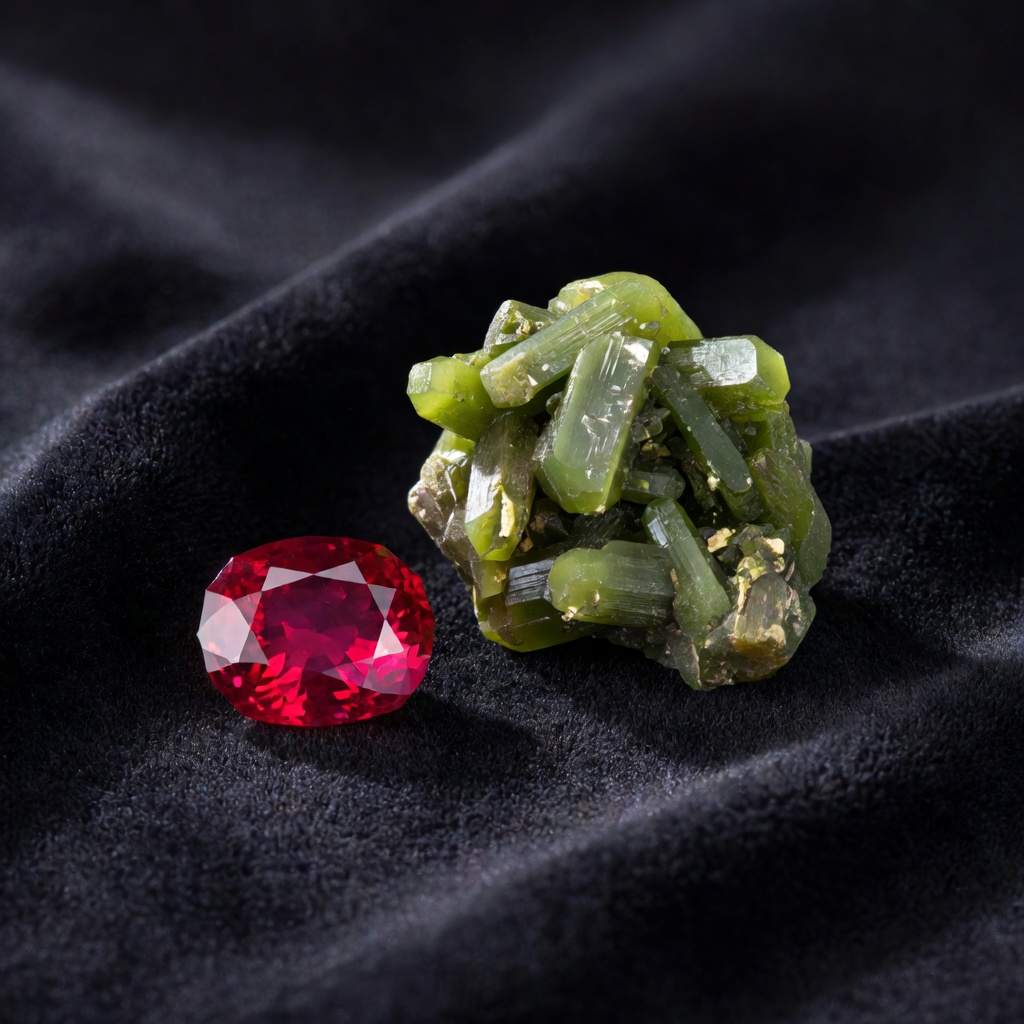
Yes, ruby and amazonite can be combined for striking color contrast (red and green), but require careful setting design. Due to hardness differences (9 vs 6.5), amazonite should be protected from direct contact with ruby edges, ideally separated by metal barriers or used in designs where stones don't touch.
Which is better for an engagement ring, Ruby or Amazonite?
Ruby is far superior for engagement rings due to its Mohs hardness of 9, resisting scratches from daily wear. Amazonite at 6-6.5 hardness is too soft and prone to scratching, chipping, and damage for daily ring wear, making it better suited for occasional wear pieces like pendants or earrings.
How can I tell the difference between Ruby and red-tinted Amazonite?
True amazonite is never red—it ranges from mint green to blue-green. If comparing a pinkish ruby to other stones, rubies exhibit higher brilliance and luster (vitreous to adamantine), possess distinct ruby red fluorescence under UV light, and show needle-like rutile inclusions, while amazonite displays a more waxy luster and white grid patterns.
Which gemstone has stronger healing properties, Ruby or Amazonite?
Both possess distinct energetic profiles: ruby stimulates passion, vitality, and life force energy, working with the root and heart chakras for confidence and motivation. Amazonite provides calming, soothing energy that enhances communication, emotional balance, and truth-telling, working primarily with the heart and throat chakras.
Does Ruby require the same care as Amazonite?
No, ruby requires minimal care due to its exceptional hardness and can withstand ultrasonic cleaning and steam (unless fracture-filled). Amazonite requires delicate handling—avoid ultrasonic cleaners, harsh chemicals, prolonged sun exposure, and temperature shocks, cleaning only with mild soap and lukewarm water.
Why is Ruby considered precious while Amazonite is semi-precious?
Ruby is classified as precious due to its exceptional hardness (9 Mohs), rarity of fine quality stones, historical significance, and high market value as corundum. Amazonite is semi-precious because it is relatively abundant, softer (6-6.5 Mohs), more affordable, and belongs to the common feldspar mineral family.
Can Amazonite be worn daily like Ruby?
Amazonite is not recommended for daily wear in rings or bracelets due to its moderate hardness and perfect cleavage, making it susceptible to scratches and breakage. It is better suited for occasional wear or protected settings. Ruby, conversely, is excellent for daily wear, ranking just below diamond in hardness.