Understanding Moissanite vs Tourmaline: A Comprehensive Guide
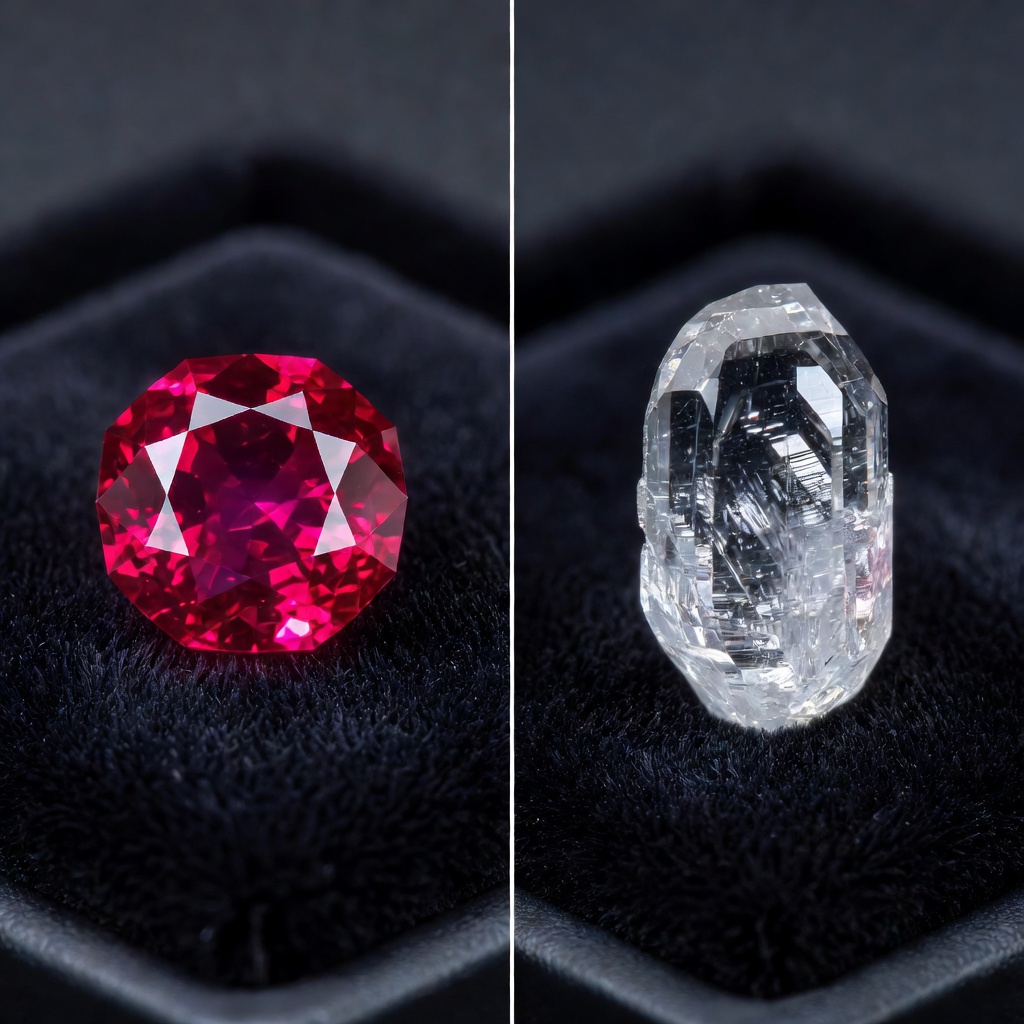
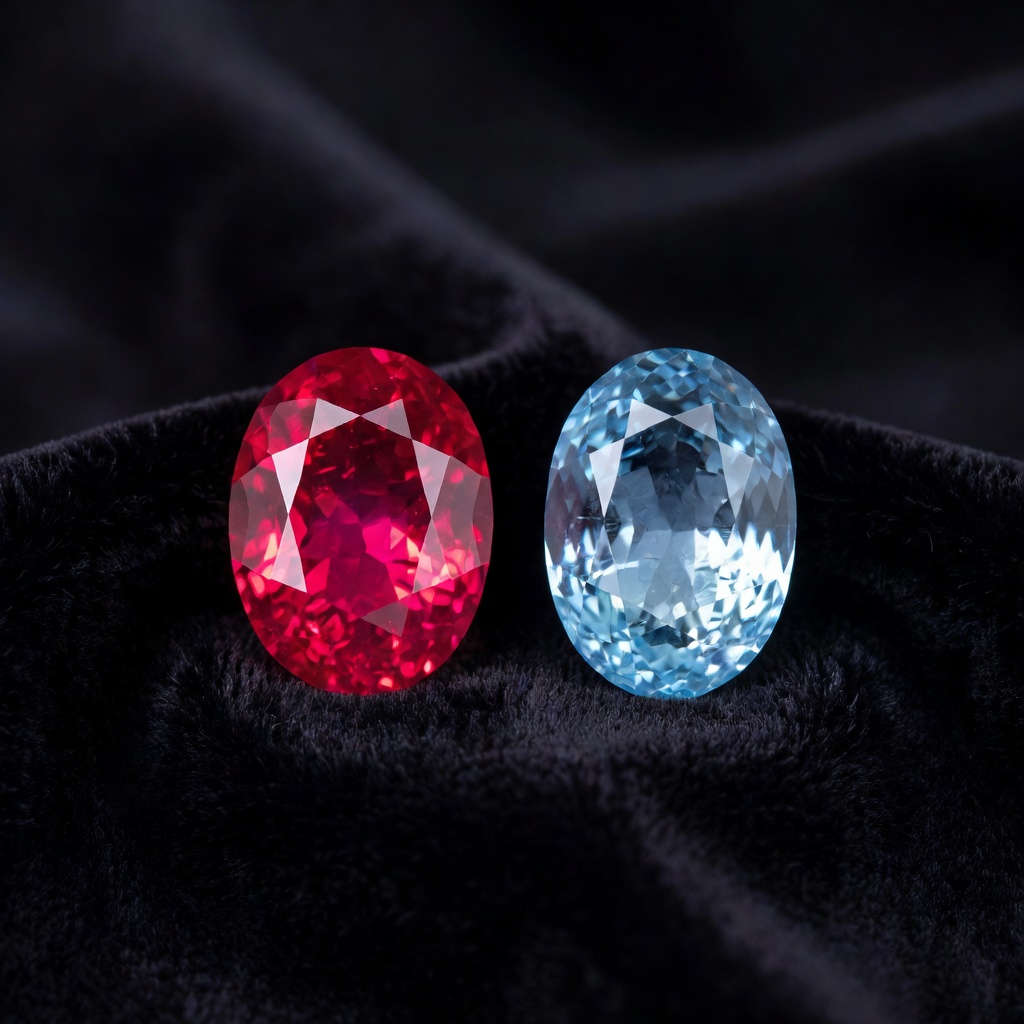
When searching for the perfect gemstone for an engagement ring or statement jewelry piece, modern consumers increasingly look beyond traditional diamonds to discover unique alternatives that better reflect their personal values and aesthetic preferences. The debate between Moissanite vs Tourmaline represents one of the most interesting choices in today's jewelry market, pitting a brilliant lab-created stone against a naturally occurring colorful mineral with rich geological history. While both gemstones offer compelling alternatives to diamonds, they cater to distinctly different priorities regarding durability, appearance, and origin. Understanding the fundamental differences between these two stones will help you make an informed decision that aligns with your lifestyle, budget, and design vision for a piece you'll treasure for decades.
Origins and Composition: Lab-Created vs Natural Gemstones
Moissanite carries a fascinating celestial history, originally discovered in 1893 by Henri Moissan within a meteor crater in Arizona, where he initially mistook the silicon carbide crystals for diamonds. Today, virtually all moissanite available in jewelry is lab-created through advanced thermal growing processes that produce gem-quality crystals in controlled environments, ensuring consistent quality and eliminating the environmental impact of mining operations. This modern creation process allows jewelers to offer large, flawless stones that maintain the same chemical composition as their rare natural counterparts found in space.
Tourmaline, conversely, forms through complex geological processes deep within the Earth's crust, typically crystallizing in pegmatite veins and metamorphic rocks under intense heat and pressure over millions of years. This borosilicate mineral group occurs in nature across diverse global locations including Brazil, Afghanistan, and Africa, with each mining region producing stones with unique chemical signatures and color characteristics. When considering Lab created vs natural gemstones, ethical consumers should note that while moissanite offers guaranteed conflict-free origins and minimal environmental footprint, tourmaline mining can vary widely in sustainability practices depending on the specific mine and country of origin.
From an environmental standpoint, moissanite production requires significant energy but avoids habitat disruption, water pollution, and labor concerns sometimes associated with gemstone mining. Tourmaline enthusiasts often value the stone's natural provenance and the unique inclusions that tell a geological story, though responsible sourcing requires verifying ethical mining practices through reputable dealers. Both options can satisfy conscientious buyers, but moissanite provides more predictable ethical credentials for those prioritizing eco-friendly jewelry choices.
Durability and Hardness: Everyday Wear Considerations
When selecting a gemstone for jewelry intended for daily wear, understanding the Gemstone hardness comparison between moissanite and tourmaline becomes crucial for long-term satisfaction and value preservation. Moissanite ranks an impressive 9.25 on the Mohs hardness scale, making it one of the hardest substances on Earth and second only to diamonds, which means it resists scratching from nearly all other materials including household dust and accidental impacts. This exceptional hardness ensures that moissanite maintains its polish and facet edges indefinitely, even when worn constantly through active lifestyles involving manual work, sports, or frequent hand washing.
Tourmaline measures between 7 and 7.5 on the Mohs scale, which while still considered hard enough for jewelry, places it in a vulnerability range where everyday materials like steel files, sand particles, or even prolonged contact with harder gemstones can cause surface damage over time. For individuals seeking Durable gemstones for daily wear, this difference becomes significant because tourmaline may develop surface scratches or chip along facet edges after years of continuous use, particularly in rings that encounter hard surfaces during normal activities. Professional jewelers often recommend tourmaline for pendants or earrings rather than rings when possible, or suggest protective bezel settings that shield the stone's edges from direct impact.
Practical case studies reveal that moissanite engagement rings worn by healthcare workers, construction professionals, and athletes typically show no visible wear after five years of continuous use, whereas tourmaline rings under similar conditions often require repolishing or resetting to address minor chips. If you lead an active lifestyle or work with your hands frequently, moissanite offers peace of mind that your investment will remain pristine without constant worry about removal or protection during daily tasks.
Brilliance, Fire, and Optical Performance
The visual distinction between these gemstones becomes immediately apparent when examining their optical properties, particularly regarding Moissanite brilliance and fire compared to tourmaline's more subdued appearance. Moissanite possesses a refractive index of 2.65, significantly higher than tourmaline's 1.62-1.64 range, which means moissanite bends light more aggressively to create that characteristic intense sparkle often described as "disco ball" effect in direct lighting. Additionally, moissanite's dispersion rate of 0.104 exceeds that of diamonds, producing rainbow flashes of color (fire) that some enthusiasts adore while others find slightly artificial compared to diamond's more balanced light performance.
Tourmaline offers a completely different visual experience characterized by depth of color and a velvety luster rather than brilliant sparkle, with light interacting with the stone's interior to reveal complex color zoning and saturation variations unique to each crystal. Under natural daylight, tourmaline appears rich and saturated with a subtle glow, while moissanite maximizes its performance under direct spot lighting or sunlight where it displays maximum scintillation. Jewelry designers often choose tourmaline for pieces where color narrative takes precedence over sparkle, such as vintage-inspired rings or Art Deco pendants where the stone's interior world becomes the focal point.
When evaluating these stones side-by-side, consider your typical lighting environments; office fluorescent lighting enhances moissanite's brilliance while potentially washing out tourmaline's subtle tones, whereas candlelight or evening settings allow tourmaline's mysterious depths to shine while moissanite may appear overly bright or synthetic. Photographers and videographers particularly appreciate moissanite for its consistent performance under studio lights, while tourmaline collectors value the stone's chameleon-like ability to shift appearance between daylight and incandescent settings.
Color Variations and Aesthetic Appeal
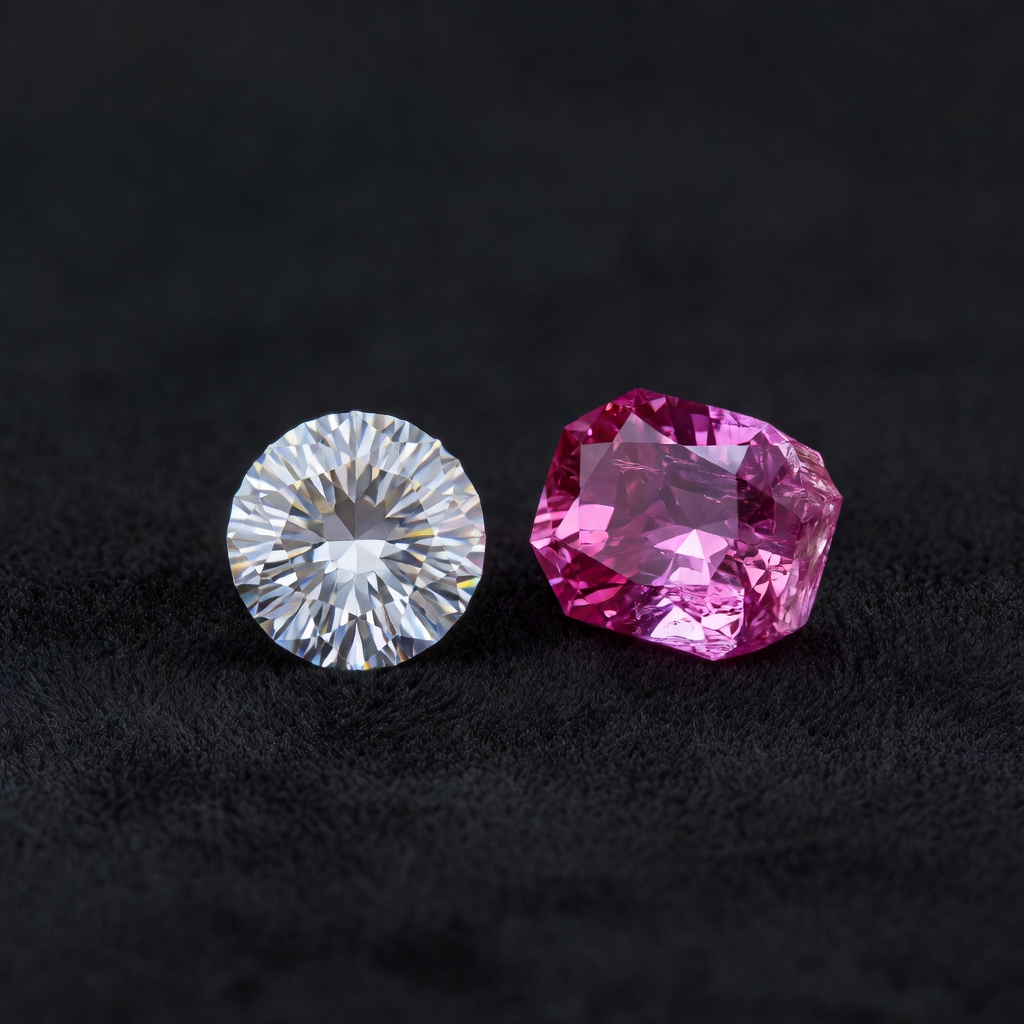
Your choice between Pink tourmaline vs moissanite or other color combinations ultimately depends on whether you prioritize diamond-like neutrality or expressive color personality in your jewelry. Moissanite traditionally offers near-colorless to faintly tinted options graded on a scale similar to diamonds, with limited fancy color availability including treated greens, grays, and golds that remain relatively uncommon in the market. Most consumers choose colorless moissanite specifically to mimic the appearance of high-grade diamonds, valuing the stone's ability to blend with any outfit while providing maximum light return and versatility.
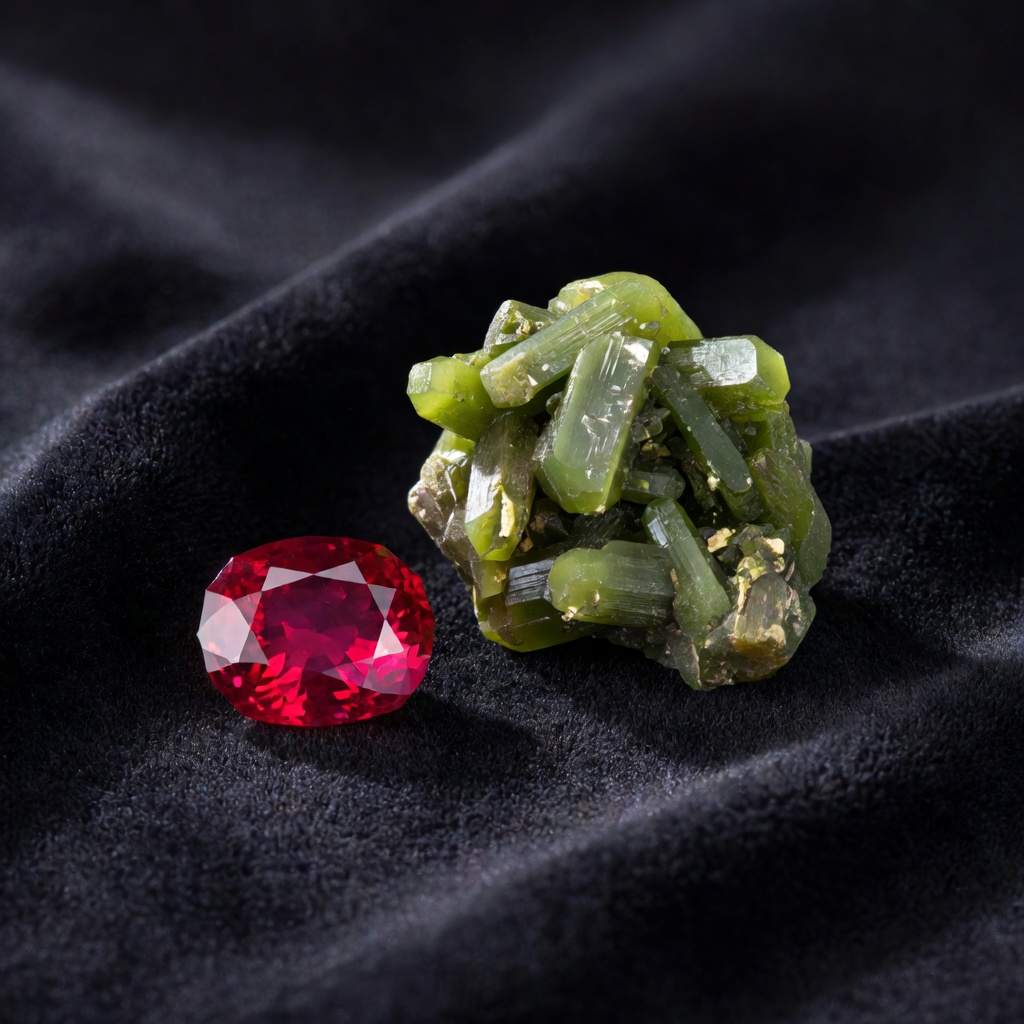
Tourmaline stands as one of nature's most chromatically diverse gemstones, occurring in virtually every hue imaginable from delicate pink rubellite to deep green verdelite, electric blue indicolite, and the spectacular watermelon variety displaying concentric rings of pink and green. Rare Paraiba tourmaline, discovered in Brazil's Paraiba state, commands extraordinary prices for its neon blue-green glow caused by copper content, while bi-color and tri-color specimens create unique jewelry pieces impossible to replicate with synthetic stones. This incredible spectrum allows jewelry designers to create mood-specific pieces, birthstone jewelry, or fashion-forward statements that moissanite's limited palette cannot achieve.
Case studies in bridal jewelry show that couples choosing moissanite typically seek the traditional white-sparkle aesthetic associated with diamond engagement rings, while those selecting tourmaline often express individuality through non-traditional colors like peachy pink for romantic softness or forest green for nature-inspired aesthetics. Fashion jewelry houses frequently combine both stones in cocktail rings, using moissanite halos to frame central tourmaline cabochons, leveraging moissanite's brilliance to enhance tourmaline's color depth through contrast and light play.
Price Comparison and Value Proposition
Understanding the financial implications of choosing between these Affordable alternative gemstones requires examining both initial investment and long-term value retention within the secondary market. High-quality moissanite typically costs between $400 and $600 per carat, offering consistent pricing regardless of size since the lab-growing process controls quality variables that affect natural stones. This price stability allows buyers to purchase larger stones or more elaborate settings while staying within modest budgets, making moissanite particularly attractive for couples seeking impressive visual impact without the five-figure price tags associated with large diamonds.
Tourmaline pricing spans an extraordinarily wide range from $100 per carat for common dark green or pale pink varieties to over $10,000 per carat for exceptional Paraiba or rubellite specimens with vivid saturation and clarity. Standard pink or green tourmaline usually undercuts moissanite on price while offering the cachet of natural rarity, though investment-grade tourmaline exceeds moissanite costs exponentially. When calculating Moissanite vs tourmaline price considerations, remember that moissanite offers better resale liquidity due to standardized grading, whereas tourmaline's value depends heavily on specific color intensity, clarity, and current collector trends.
Budget optimization strategies suggest allocating funds differently based on jewelry type; for daily-wear engagement rings where durability matters most, investing in moissanite provides better cost-per-wear value despite higher upfront costs than common tourmaline. For occasional-wear cocktail rings or pendants where visual impact trumps durability concerns, purchasing high-quality tourmaline offers unique natural beauty at competitive prices compared to other precious colored gemstones like sapphire or emerald. Smart shoppers often choose moissanite for the primary stone in bridal sets while incorporating tourmaline accents in wedding bands or anniversary gifts to enjoy both stones' benefits.
Best Applications: Moissanite vs Tourmaline Engagement Rings
The question of Moissanite vs tourmaline engagement rings requires honest assessment of lifestyle factors, aesthetic preferences, and long-term wear expectations before making this significant investment. Moissanite dominates the alternative engagement ring market because its diamond-like durability and brilliance satisfy traditional expectations while offering ethical and financial advantages, making it ideal for solitaire settings, three-stone rings, and eternity bands that encounter daily abuse. Jewelers can set moissanite in any metal type including soft platinum or gold without concern for stone vulnerability, and the material's toughness allows for delicate prong settings that maximize light exposure.
Tourmaline excels in engagement ring designs where color takes center stage and the wearer accepts the responsibility of protective care, particularly suited for bezel-set or halo designs that provide physical protection for the stone's vulnerable edges. While some adventurous couples successfully wear tourmaline engagement rings daily, jewelers recommend removing these rings during household chores, exercise, and manual labor to prevent the chips and scratches that inevitably accumulate on stones below 8 on the Mohs scale. Fashion-forward buyers increasingly choose tourmaline for "right-hand rings" or promise rings rather than traditional left-hand engagement rings, acknowledging the stone's beauty while respecting its limitations.
Setting considerations vary significantly between these materials; moissanite's hardness allows for sharp, precise faceting and delicate prong work that remains secure over decades, while tourmaline requires more substantial metalwork and protective galleries to shield the pavilion from impact. Metal compatibility favors moissanite in mixed-metal designs where the stone might contact different alloys, whereas tourmaline settings should minimize exposure to harder accent stones that could scratch the main gem during wear or storage.
Care, Cleaning, and Maintenance Requirements
Proper Gemstone care and maintenance protocols differ substantially between these two materials due to their hardness disparities and chemical sensitivities. Moissanite's silicon carbide composition resists nearly all household chemicals, acids, and heat, allowing owners to clean their jewelry using ultrasonic cleaners, steam cleaning, or simple soap and water scrubbing without risk of damage. The stone's non-porous surface prevents buildup of lotions or oils, though occasional professional inspection ensures prongs remain tight despite the material's durability.
Tourmaline requires more delicate handling due to its natural inclusions and moderate hardness, with cleaning limited to warm soapy water and soft brushes while avoiding ultrasonic vibrations that might exacerbate existing fractures or inclusions. Heat sensitivity varies by tourmaline variety, with some colored specimens potentially fading under prolonged sun exposure or high jewelry steam cleaning temperatures, necessitating storage in fabric-lined boxes away from direct sunlight when not worn. Professional jewelers recommend annual inspection of tourmaline settings to check for loose stones caused by microscopic chips at the girdle that compromise prong security.
Storage solutions should prevent these stones from contacting each other; moissanite jewelry scratches tourmaline when tossed together in jewelry boxes, so separate compartments or soft pouches prove essential for mixed collections. Daily maintenance for moissanite involves minimal effort beyond occasional wiping with a soft cloth, while tourmaline owners should develop habits of removing rings before applying hand sanitizer, cleaning products, or engaging in activities where the stone might strike hard surfaces.
Pros and Cons Summary: Side-by-Side Analysis
Evaluating Moissanite benefits alongside Tourmaline advantages requires weighing intangible factors like emotional connection to natural materials against practical concerns regarding longevity and maintenance. Moissanite offers superior hardness ensuring heirloom-quality durability, consistent optical performance that rivals diamonds, predictable ethical sourcing, and price points accessible to most consumers seeking large, impressive center stones. However, some buyers perceive moissanite as "too perfect" or lacking the character and rarity associated with natural gemstones, while the stone's intense fire sometimes appears artificial to traditionalists seeking diamond alternatives.
Tourmaline provides unmatched color variety impossible to replicate synthetically, natural rarity that appeals to collectors and geology enthusiasts, and a softer, more romantic luster suited to vintage or bohemian aesthetics. Conversely, tourmaline's moderate hardness necessitates careful wearing habits, potential professional maintenance costs for repolishing, and limitations regarding setting styles that might expose the stone to damage. The risk of purchasing treated or irradiated tourmaline also requires more due diligence than buying standardized moissanite grades.
| Characteristic | Moissanite | Tourmaline |
|---|---|---|
| Mohs Hardness | 9.25 (Excellent) | 7-7.5 (Good) |
| Refractive Index | 2.65 (Very High) | 1.62-1.64 (Moderate) |
| Dispersion/Fire | 0.104 (High rainbow effect) | 0.017 (Subtle) |
| Color Options | Colorless to limited fancy colors | Every color including bi-color varieties |
| Origin | Lab-created (Ethical guarantee) | Natural (Mining dependent) |
| Price per Carat | $400-$600 (Consistent) | $100-$10,000+ (Variable) |
| Daily Wear Suitability | Excellent for active lifestyles | Better for occasional wear |
| Cleaning Methods | Ultrasonic, steam, any method | Gentle soap only, no ultrasound |
| Value Retention | Stable but limited appreciation | High-end specimens appreciate |
| Best Application | Engagement rings, everyday jewelry | Cocktail rings, pendants, collector pieces |
Final Verdict: Which Gemstone Should You Choose?
Determining the Best gemstone for engagement ring or fashion jewelry applications ultimately depends on creating a personal decision matrix that prioritizes your specific lifestyle constraints, aesthetic desires, and value systems. Choose moissanite if you lead an active lifestyle involving manual work, sports, or frequent hand washing; desire the brilliant sparkle and durability associated with diamonds without the ethical or financial burden; or prefer low-maintenance jewelry that requires minimal special care or removal during daily activities. Moissanite particularly suits individuals working in healthcare, construction, or culinary fields where jewelry encounters constant physical and chemical challenges.
Select tourmaline if you prioritize natural rarity and geological uniqueness; desire specific colors like watermelon pink, forest green, or Paraiba blue impossible to find in moissanite; or view jewelry as occasional wearable art rather than daily equipment. Tourmaline appeals strongly to collectors, fashion-forward individuals who change jewelry to match outfits, and those who connect emotionally to the Earth's natural mineral wealth. For engagement rings specifically, tourmaline works best for couples who accept the responsibility of careful wear or who plan to reserve the ring for special occasions rather than constant daily use.
Hybrid approaches offer compelling compromises; consider moissanite for the engagement ring center stone to ensure longevity, then incorporate tourmaline into wedding bands, anniversary gifts, or right-hand rings where you can enjoy its beauty with controlled exposure. Ultimately, neither stone represents a "better" choice universally, but rather different tools for different purposes—moissanite excels as a durable, brilliant diamond alternative while tourmaline shines as a colorful, natural expression of individual style.
Frequently Asked Questions
Is moissanite more durable than tourmaline?
Yes, moissanite ranks 9.25 on the Mohs hardness scale compared to tourmaline's 7-7.5 rating. This makes moissanite significantly more resistant to scratches and chips, making it better suited for daily wear in engagement rings, while tourmaline requires more careful handling.
Which is more expensive, moissanite or tourmaline?
Generally, high-quality moissanite costs more per carat than common tourmaline varieties ($400-$600 vs $100-$300). However, rare tourmaline colors like Paraiba can exceed $10,000 per carat, making them far more expensive than moissanite. Standard pink or green tourmaline is usually more budget-friendly.
Can tourmaline be used for an engagement ring?
While tourmaline can be used for engagement rings, its 7-7.5 hardness rating makes it susceptible to scratching and chipping over time. It's best suited for occasional wear or protective settings like bezels. For daily-wear engagement rings, moissanite's superior durability makes it a more practical choice.
Does moissanite look more like a diamond than tourmaline?
Yes, colorless moissanite closely resembles diamond with its high brilliance and fire, while tourmaline offers a distinctly different appearance with deeper color saturation and less intense sparkle. If you want a diamond alternative, moissanite is the better choice; for unique color, choose tourmaline.
What is the difference in brilliance between moissanite and tourmaline?
Moissanite has a higher refractive index (2.65) than tourmaline (1.62-1.64), meaning it produces more sparkle and rainbow fire. Tourmaline offers a more subdued, velvety luster with depth of color rather than intense brilliance. Moissanite appears more 'lively' under lighting.
Which gemstone offers better color options?
Tourmaline overwhelmingly wins in color variety, naturally occurring in virtually every color including pink, green, blue, watermelon (bicolor), and the rare neon-blue Paraiba. Moissanite is primarily colorless or near-colorless, with limited fancy color options available through coating treatments.
Is moissanite ethical and eco-friendly compared to tourmaline?
Moissanite is lab-created, eliminating mining impacts and ensuring ethical sourcing. While tourmaline is natural, ethical concerns depend on specific mining practices and origin. Both can be ethical choices, but moissanite offers more consistent environmental credentials for eco-conscious buyers.
Can you wear moissanite and tourmaline together in the same jewelry piece?
Yes, they can be combined beautifully, but care must be taken due to hardness differences. Moissanite can scratch tourmaline if stored together. In multi-stone settings, protective prongs and proper spacing help prevent damage while creating stunning contrast between moissanite's brilliance and tourmaline's color.