Moissanite vs Topaz: A Comprehensive Gemstone Buying Guide
The contemporary jewelry market has witnessed a remarkable shift as discerning buyers increasingly seek alternatives to traditional diamonds, positioning both moissanite and topaz as compelling contenders in the fine jewelry space. When evaluating moissanite vs topaz, prospective owners must weigh factors ranging from durability and brilliance to color preferences and budget constraints, as these gemstones offer distinctly different value propositions despite their shared popularity. Understanding the fundamental differences in their origins—moissanite's celestial silicon carbide composition versus topaz's earthly aluminum silicate formation—provides crucial context for making an informed purchase decision that aligns with your lifestyle and aesthetic goals.
Origins and Chemical Composition: How These Gems Are Created
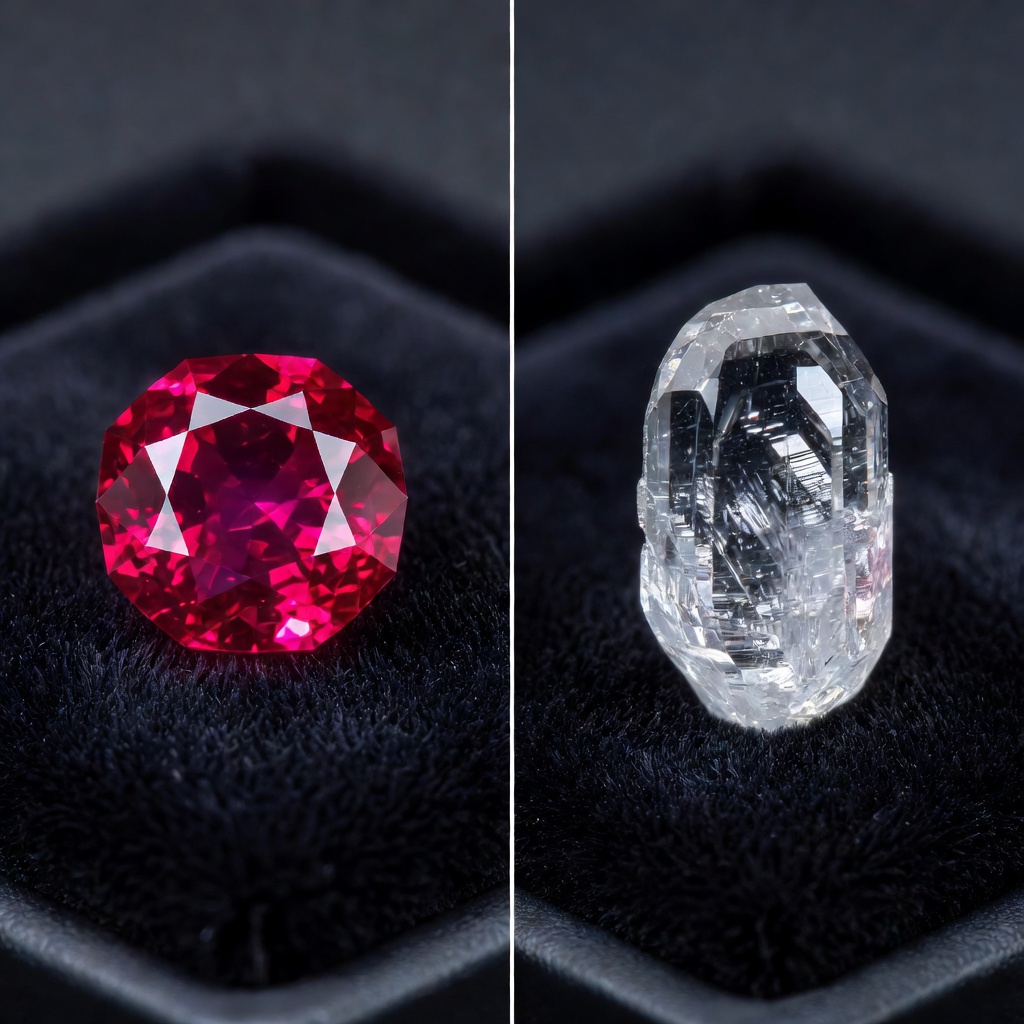
Moissanite represents one of the most fascinating stories in gemology, originally discovered in 1893 by Nobel Prize-winning chemist Henri Moissan within the fragments of a meteorite crater in Arizona. This rare mineral, composed of silicon carbide (SiC), occurs so infrequently in nature that virtually all moissanite available in jewelry today is lab-created through advanced thermal growing processes that replicate the intense heat and pressure of stellar environments. The resulting crystal structure features a hexagonal arrangement that contributes to its exceptional hardness and optical properties, making it remarkably consistent in quality compared to mined gemstones.
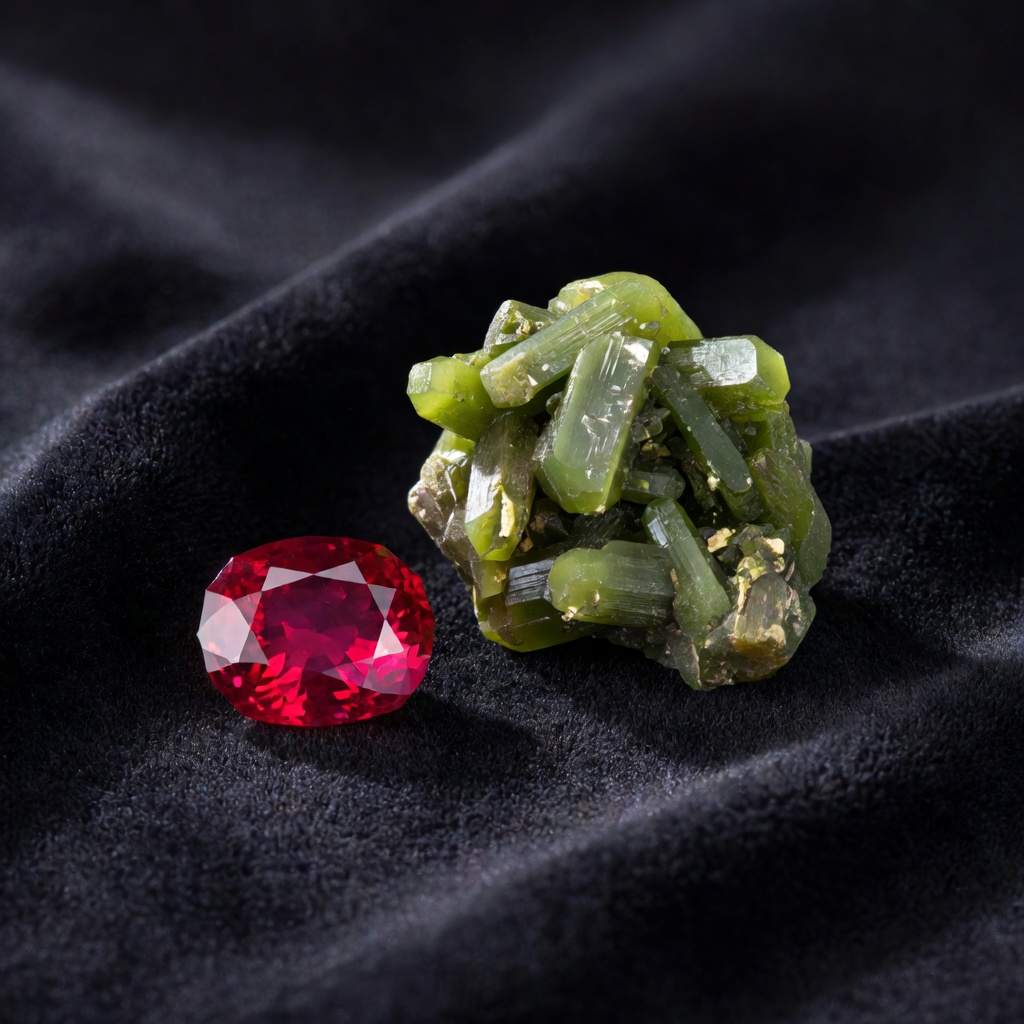
Topaz, conversely, forms deep within the Earth's crust through the slow cooling of fluorine-rich pegmatite deposits and high-temperature hydrothermal veins, with major sources including Brazil, Nigeria, and Sri Lanka. Chemically classified as aluminum silicate fluoride hydroxide, topaz crystallizes in the orthorhombic system, creating prismatic crystals that can grow to enormous sizes—some specimens weighing hundreds of pounds. Unlike moissanite's controlled laboratory environment, natural topaz develops varying degrees of inclusions and color zoning based on trace elements present during formation, with chromium creating pink and red varieties while imperfections and heat treatment produce the popular blue shades.
Durability and Hardness Comparison: Which Stone Stands the Test of Time
When selecting jewelry intended for daily wear, understanding gemstone hardness comparison metrics becomes essential for predicting long-term performance and maintenance requirements. Moissanite ranks an impressive 9.25 on the Mohs hardness scale, placing it second only to diamond (10) and alongside corundum varieties like sapphire and ruby (9), which means it resists scratching from virtually any substance encountered in everyday life. This exceptional hardness translates to maintained polish and facet integrity over decades, ensuring that moissanite engagement rings retain their original luster without requiring frequent re-polishing.
Topaz registers 8 on the Mohs scale, which while respectable, places it in a vulnerability zone where household dust (containing quartz at 7) and common jewelry metals can potentially cause surface abrasions over time. More critically, topaz possesses perfect cleavage parallel to its basal plane, a structural weakness that makes it prone to chipping or splitting when struck against hard surfaces or subjected to sharp impacts. This characteristic significantly impacts topaz jewelry durability considerations, necessitating protective settings and mindful wearing habits that moissanite simply does not require.
Brilliance, Fire, and Optical Performance: The Sparkle Factor
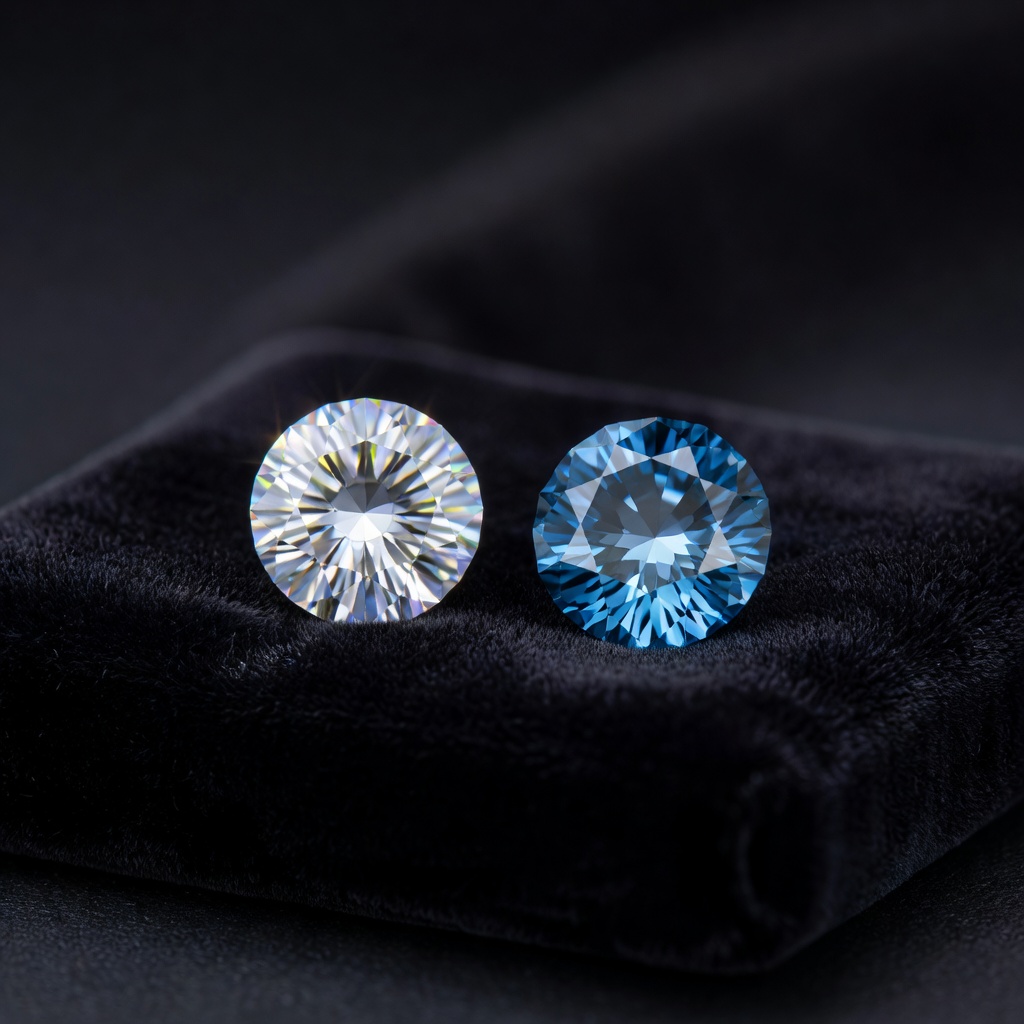
The visual distinction between these gemstones becomes immediately apparent when examining their optical properties, particularly regarding how they interact with light to create that coveted sparkle. Moissanite brilliance stems from its remarkably high refractive index ranging from 2.65 to 2.69, significantly exceeding that of diamond (2.42) and creating intense white light reflection that maximizes brightness even in subdued lighting conditions. Additionally, moissanite's dispersion rate of 0.104—more than double that of diamond—produces vivid rainbow flashes known as "fire," which some enthusiasts adore for their dramatic effect while others find slightly artificial compared to diamond's more subtle spectral display.
Topaz exhibits a refractive index between 1.61 and 1.62, comparable to quartz and glass, resulting in a more restrained, glass-like luster with minimal dispersion and fire. Under magnification, gemologists distinguish moissanite through its double refraction (birefringence), where facet junctions appear doubled when viewed through the table, whereas topaz displays single refraction with crisp, singular facet lines. In practical lighting scenarios, topaz vs moissanite sparkle differences become most noticeable under direct sunlight or spot lighting, where moissanite creates a disco-ball effect of colorful flashes while topaz maintains a serene, aqueous glow that emphasizes clarity over brilliance.
Color Varieties and Visual Appeal: From Colorless to Vibrant Hues
Modern moissanite production offers consumers a curated spectrum of color options, ranging from colorless DEF grades that rival the finest diamonds to near-colorless GHI varieties that offer slight warmth at reduced prices. Limited fancy color moissanite—including yellow, green, and gray tones—has entered the market through specific growing techniques, though these remain less common than the classic colorless varieties favored for bridal jewelry. The advantage of lab-created color consistency means that white topaz vs moissanite comparisons often favor moissanite for permanent color stability, as the stone will never fade, shift hue, or require re-treatment throughout its lifetime.
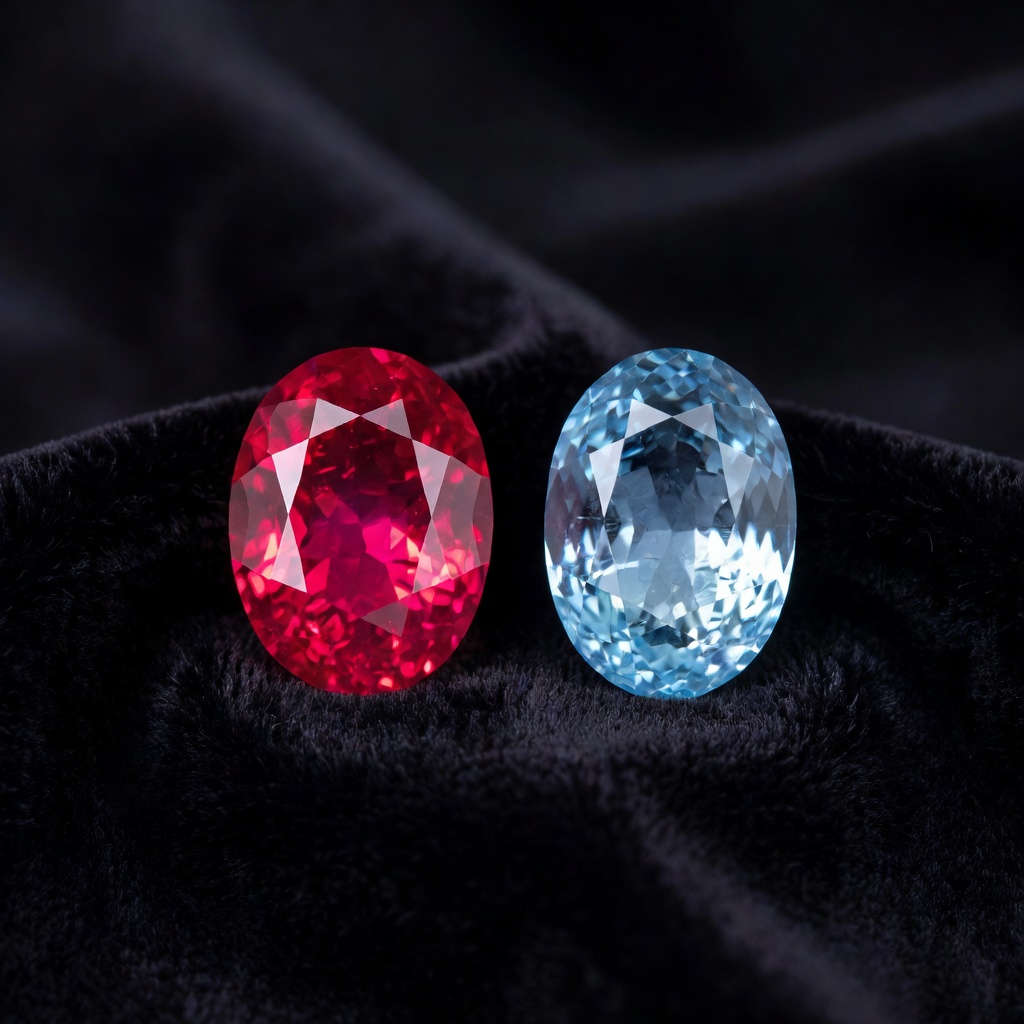
Topaz presents one of the most diverse color palettes in the gemstone world, encompassing rare natural imperial topaz with its characteristic sherry-orange to pinkish-orange tones, the widely available Swiss blue and London blue varieties achieved through irradiation and heat treatment, and natural white topaz that serves as an affordable diamond alternative. Mystic topaz, created through thin-film deposition technology, displays rainbow iridescence that appeals to fashion-forward buyers but requires careful handling as the coating can scratch. When considering blue topaz vs moissanite for specific jewelry applications, buyers should note that treated topaz colors may fade under prolonged exposure to sunlight or heat, whereas moissanite's color remains immutable.
Price Analysis and Value Proposition: Investment vs Affordability
The economic comparison between these gemstones reveals significant disparities that influence purchasing decisions across different budget tiers and jewelry categories. Quality moissanite typically commands prices between $400 and $600 per carat depending on color grade and cut quality, offering a premium alternative that maintains pricing stability due to controlled laboratory production and consistent quality standards. This moissanite price vs topaz differential reflects not just the technological complexity of creating silicon carbide crystals, but also the stone's superior durability and optical performance that justify the higher initial investment.
Topaz remains one of the most accessible colored gemstones on the market, with treated blue varieties ranging from $20 to $100 per carat and even premium imperial topaz rarely exceeding $500 per carat for exceptional specimens. This affordability makes topaz an excellent choice for statement pieces, fashion jewelry, and gifts where budget constraints prohibit moissanite or diamond purchases. However, the affordable gemstone alternatives market position of topaz comes with caveats regarding resale value—while moissanite maintains consistent pricing due to standardized lab production, natural topaz (except rare imperial colors) offers minimal investment potential and limited secondary market liquidity.
Best Applications in Jewelry Design: Matching Gemstones to Lifestyle
Strategic jewelry design considers the inherent properties of each gemstone to maximize both aesthetic impact and longevity, leading to distinct recommendations for moissanite engagement rings versus topaz settings. Moissanite's exceptional hardness and toughness make it ideal for bridal jewelry including engagement rings, wedding bands, and anniversary pieces that withstand daily activities from typing to gardening without sustaining damage. The stone's brilliant white appearance pairs exceptionally well with platinum, white gold, and palladium settings, though it also complements yellow and rose gold for vintage-inspired designs.
Topaz demands more thoughtful placement due to its cleavage vulnerability, excelling in earrings and pendants where impact risk remains minimal while struggling in rings subjected to daily knocks and bumps. When set in rings, topaz requires protective bezels or substantial halo settings rather than exposed prong mounts that leave edges vulnerable to chipping. For active individuals or those working with their hands, topaz jewelry durability concerns suggest reserving these pieces for occasional evening wear, while moissanite accommodates 24/7 wear including sleep, showering, and exercise without compromise.
Care, Cleaning, and Maintenance Requirements: Protecting Your Investment
Proper maintenance protocols differ significantly between these stones, necessitating tailored approaches within any comprehensive gemstone care guide. Moissanite tolerates ultrasonic cleaning, steam cleaning, and commercial jewelry solutions without risk, though simple warm soapy water and a soft brush effectively restore its brilliance by removing lotions and oils that temporarily dull its surface. Because moissanite can scratch other gemstones including topaz, storage in individual soft pouches prevents accidental damage to neighboring jewelry pieces.
Cleaning moissanite and topaz requires distinct methodologies, as topaz's perfect cleavage makes ultrasonic cleaning risky due to potential vibration-induced fractures. Topaz owners should clean their stones using lukewarm water with mild dish soap and a soft toothbrush, avoiding steam cleaners and harsh chemicals that might affect treated colors. Regular professional inspections prove particularly crucial for topaz rings to ensure prongs remain tight and the stone shows no developing chips, whereas moissanite settings require less frequent monitoring due to the stone's resistance to wear.
Pros and Cons: Side-by-Side Analysis
Evaluating moissanite vs topaz benefits requires balancing objective performance metrics against subjective preferences regarding appearance and value. Moissanite delivers superior durability that essentially guarantees a lifetime of wear without visible degradation, coupled with diamond-like brilliance that satisfies those seeking maximum sparkle. Its lab-created origin ensures ethical sourcing and environmental sustainability, eliminating concerns regarding mining practices while offering consistent quality control that natural stones cannot match.
Topaz counters with unparalleled affordability that allows for larger carat weights and diverse color experimentation without financial strain, appealing to collectors who appreciate natural geological formations. However, its limitations include fragility concerns that restrict setting options and wearing occasions, potential color fading in treated varieties, and comparatively subdued brilliance that may disappoint those seeking intense fire. Moissanite's primary limitation involves its distinctive rainbow fire, which while beautiful, creates a different visual effect than diamond that some traditionalists find too flashy or synthetic in appearance.
| Characteristic | Moissanite | Topaz |
|---|---|---|
| Mohs Hardness | 9.25 (Excellent) | 8.0 (Good, but cleavage issues) |
| Refractive Index | 2.65-2.69 (Very High) | 1.61-1.62 (Moderate) |
| Brilliance & Fire | Exceptional rainbow fire | Glass-like luster, minimal fire |
| Price per Carat | $400-$600 | $20-$500 (depending on color) |
| Color Options | Colorless, near-colorless, limited fancy | Blue, imperial, white, pink, mystic |
| Durability for Daily Wear | Excellent - chip resistant | Fair - prone to cleavage |
| Origin | Lab-created (rare natural in meteorites) | Natural (often treated) |
| Cleaning Safety | Ultrasonic and steam safe | Avoid ultrasonic (cleavage risk) |
Final Verdict: Which Gemstone Should You Choose
The decision between these gemstones ultimately hinges on intended use, personal risk tolerance regarding durability, and aesthetic preferences regarding brilliance versus color. For engagement rings, wedding bands, or any jewelry subjected to daily wear and potential impact, moissanite emerges as the unequivocal winner due to its superior hardness, toughness, and maintenance ease. Active individuals, healthcare workers, and those seeking heirloom-quality pieces should prioritize moissanite despite the higher initial cost, calculating the long-term value of a stone that requires no replacement or special handling precautions.
Fashion-focused buyers, collectors of natural gemstones, or those seeking large statement pieces for occasional wear may find topaz more appealing due to its diverse color palette and accessible pricing. When choosing between these options, prioritize purchasing from reputable vendors who provide certification for moissanite (Charles & Colvard, Forever Brilliant) and disclosure of treatments for topaz. Your final checklist should include: verifying return policies, confirming setting security appropriate to the stone's fragility, and honestly assessing your lifestyle to determine whether you can accommodate topaz's care requirements or if moissanite's durability better serves your needs.
Frequently Asked Questions
Is moissanite harder than topaz?
Yes, moissanite is significantly harder than topaz. Moissanite ranks 9.25 on the Mohs hardness scale, while topaz ranks 8. Additionally, topaz has perfect cleavage, making it more prone to chipping and breaking upon impact compared to moissanite's superior toughness.
Which sparkles more, moissanite or topaz?
Moissanite sparkles significantly more than topaz due to its higher refractive index (2.65-2.69 vs 1.61-1.62) and greater dispersion. Moissanite produces more rainbow fire (colorful flashes), while topaz has a glass-like luster with minimal brilliance.
Can I use blue topaz for an engagement ring?
While blue topaz is affordable and attractive, it's not ideal for daily-wear engagement rings due to its 8 Mohs hardness and perfect cleavage, which makes it susceptible to chipping. If you prefer topaz, consider protective settings like bezels and reserve it for occasional wear, or choose moissanite for better durability.
Is white topaz a good alternative to moissanite?
White topaz is a budget-friendly alternative but differs significantly from moissanite. It lacks moissanite's brilliance and fire, requires frequent cleaning to maintain sparkle (it attracts oils), and is softer, making it prone to scratching. For long-term daily wear, moissanite performs better despite the higher initial cost.
Which is more expensive, moissanite or blue topaz?
Moissanite is generally more expensive than blue topaz. Quality moissanite typically costs $400-$600 per carat, while treated blue topaz ranges from $20-$100 per carat. Natural imperial topaz can exceed moissanite prices, but standard blue topaz remains one of the most affordable colored gemstones.
Can you tell the difference between moissanite and topaz with the naked eye?
Yes, particularly in lighting that emphasizes brilliance. Moissanite displays more intense rainbow flashes (fire) and double refraction (visible doubling of facet lines), while topaz appears more glass-like with single refraction. Under magnification, moissanite's doubling effect is clearly visible, distinguishing it from topaz.
Does moissanite look fake compared to topaz?
Moissanite doesn't look fake, but its extreme brilliance and fire can appear different from a diamond. Some prefer this enhanced sparkle, while others find it too flashy. Topaz looks more subdued and natural. Whether moissanite appears 'fake' depends on personal preference and whether you prefer diamond-like intensity or natural gemstone subtlety.
Which gemstone is better for daily wear jewelry?
Moissanite is superior for daily wear due to its 9.25 Mohs hardness and excellent toughness. It resists scratching, chipping, and breaking better than topaz. Topaz requires more careful handling and protective settings for daily wear, making it better suited for earrings and pendants rather than rings.