Introduction: Understanding Two Distinctive Gems
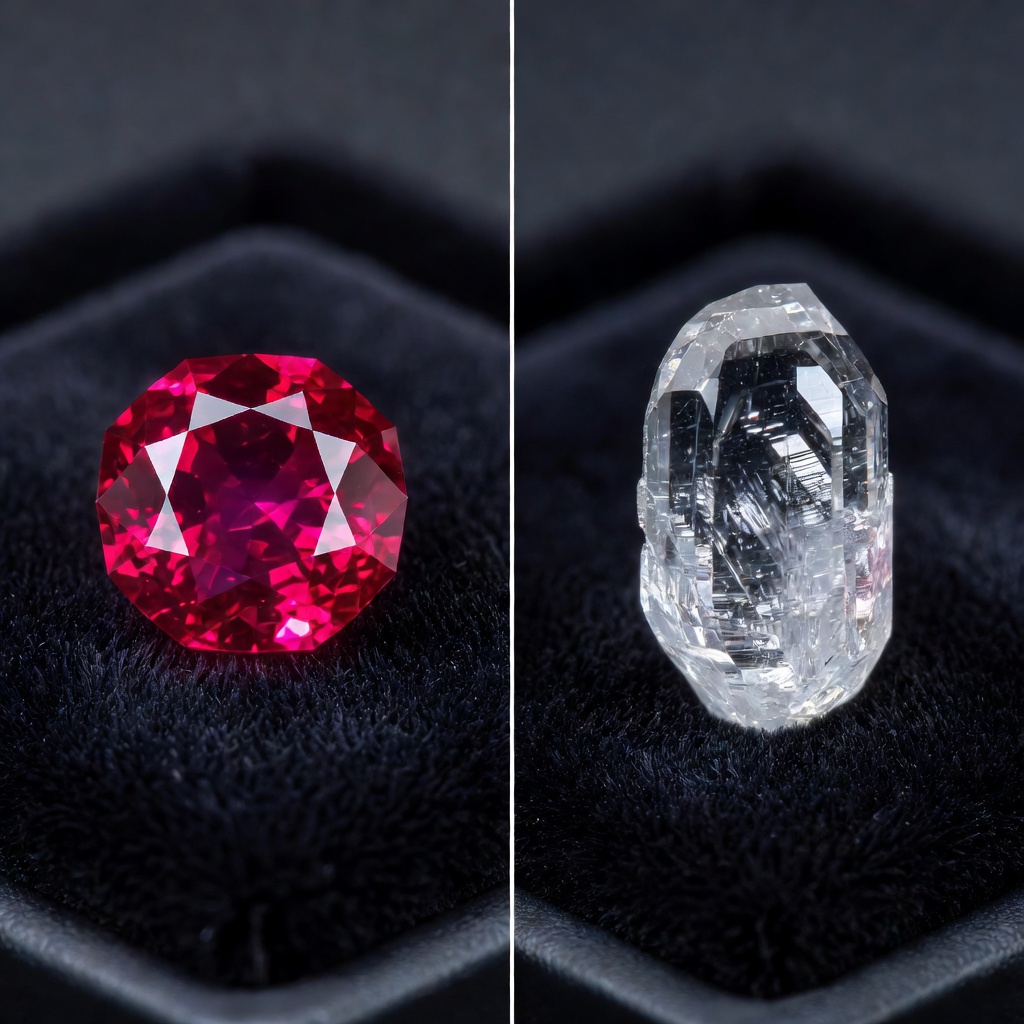
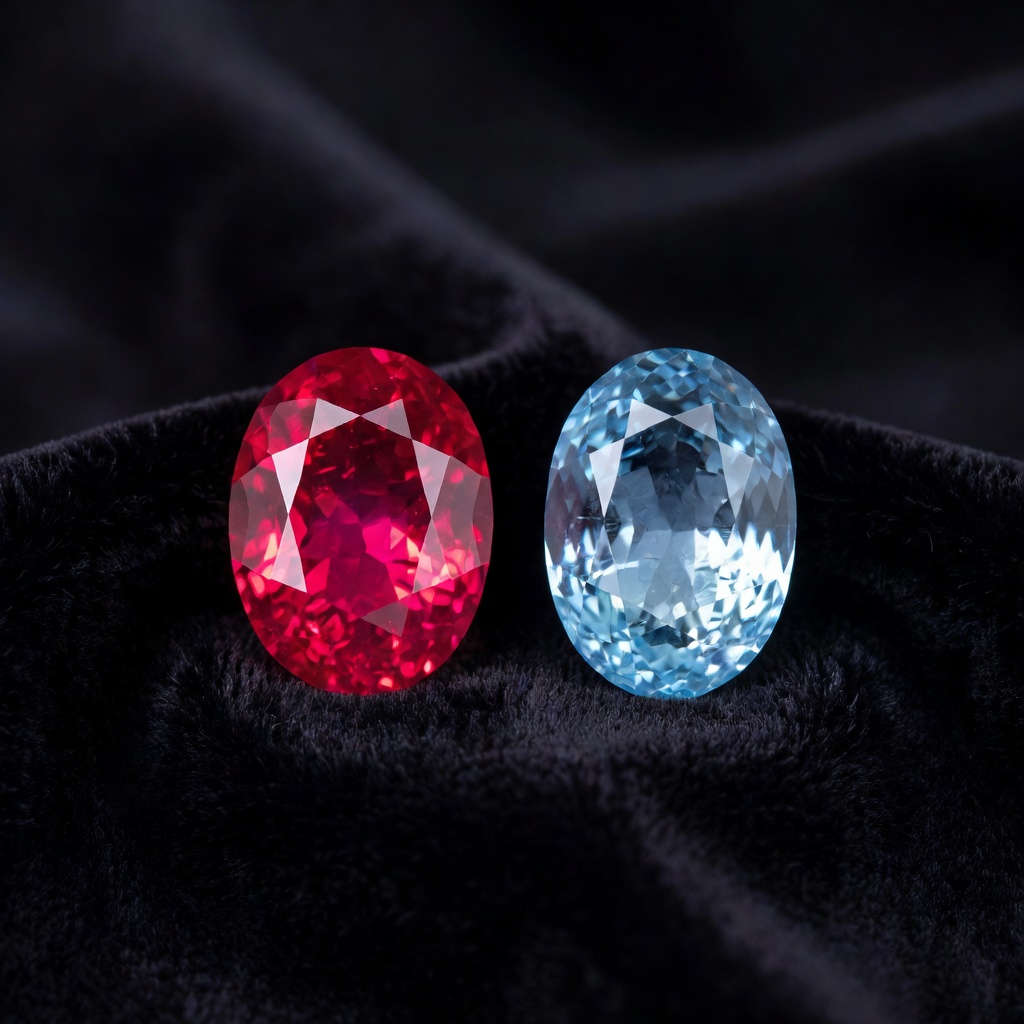
When exploring the fascinating world of fine jewelry, the Moissanite vs Tanzanite comparison presents a study in contrasts that captivates both novice buyers and seasoned collectors. Moissanite, composed of silicon carbide, represents the pinnacle of modern gemological engineering, offering exceptional durability and optical performance primarily through laboratory creation methods. In stark contrast, Tanzanite, scientifically known as blue zoisite, stands as one of nature's rarest treasures, discovered exclusively in the foothills of Mount Kilimanjaro and prized for its captivating violet-blue hues. Consumers often find themselves weighing these two stones against one another despite their fundamental differences because both offer distinctive alternatives to traditional diamonds while occupying similar price brackets in the contemporary jewelry market.
Selecting between these gemstones requires careful consideration of multiple factors including lifestyle compatibility, aesthetic preferences, and long-term value expectations. While Moissanite appeals to those seeking maximum durability and brilliance for daily wear, Tanzanite attracts individuals drawn to rare natural beauty and unique color expressions. Understanding the distinct characteristics of each stone enables informed decision-making that aligns with personal values, practical needs, and symbolic intentions for the jewelry piece.
Origins and Formation: Earth vs Laboratory
The genesis of these two gemstones could not differ more dramatically, with Moissanite originating from cosmic beginnings while Tanzanite emerges from specific terrestrial geology. Natural Moissanite was first identified in 1893 by Henri Moissan within the fragments of the Canyon Diablo meteorite in Arizona, though naturally occurring specimens remain extraordinarily rare and microscopic. Modern jewelry markets rely exclusively on lab-grown Moissanite, cultivated through advanced thermal growing processes that replicate the stone's natural structure while producing gem-quality crystals large enough for cutting and setting.
Tanzanite's formation story spans approximately 585 million years, occurring when brown zoisite crystals underwent intense heat and pressure deep within the earth, transforming into the blue variety we treasure today. This gemstone occurs solely in the Merelani Hills of Tanzania, covering a mining area of merely eight square kilometers, making it thousands of times rarer than diamond based on geological scarcity alone. The single-source nature of Tanzanite creates significant supply vulnerabilities, with geologists predicting that accessible deposits may become depleted within the next few decades.
Environmental and ethical considerations distinguish these gemstone origins significantly for conscientious consumers. Lab-created Moissanite requires minimal land disruption and leaves virtually no mining footprint, utilizing controlled energy consumption and water recycling systems in modern facilities. Conversely, Tanzanite mining involves traditional extraction methods that impact the local ecosystem, though reputable mines now implement rehabilitation programs and fair labor practices certified by the Tanzanite Foundation. Supply chain transparency differs markedly between the two, with Moissanite offering guaranteed conflict-free provenance while Tanzanite requires certification from established dealers to ensure ethical sourcing.
Visual Characteristics: Color and Clarity
Visual distinction between these gemstones becomes immediately apparent upon examination, with Moissanite presenting as colorless or near-colorless while Tanzanite displays intense body color. High-quality Moissanite typically achieves color grades equivalent to D-E-F on the diamond color scale, appearing icy white with subtle undertones that remain consistent under various lighting conditions. Advanced manufacturing techniques now produce "Forever One" and similar grades that virtually eliminate the greenish or yellowish tints occasionally seen in earlier generations of lab-created stones.
Tanzanite exhibits a fascinating phenomenon known as trichroism, displaying three distinct colors—blue, violet, and burgundy—when viewed from different crystallographic directions, though cutting typically orientates the table to emphasize the blue-violet combination. Tanzanite color grades range from pale lilac to deep saturated blue, with the most valuable stones showing intense violet-blue hues often described as "velvety" due to their unique crystal structure. Professional grading considers both the dominant hue and saturation level, with "AAA" grade representing the top tier of deep blue stones commanding premium prices.
Lighting conditions dramatically affect how each gemstone presents to the observer, requiring careful consideration for intended wear environments. Moissanite maintains its appearance consistently across daylight, fluorescent, and incandescent lighting, though its high brilliance can create intense flashes that some find resembles a "disco ball" effect under direct spotlights. Tanzanite performs best under natural daylight or full-spectrum lighting, where its blue tones dominate, while incandescent bulbs may emphasize the purple or burgundy components, effectively changing the stone's apparent color depending on the time of day and ambient lighting.
Durability and Hardness: Daily Wear Considerations
Practical durability represents one of the most critical factors in the gemstone hardness comparison between these two materials, directly impacting their suitability for various jewelry applications. Moissanite ranks 9.25 on the Mohs hardness scale, positioning it as the second-hardest gemstone used in jewelry, surpassed only by diamond at 10. This exceptional hardness ensures that Moissanite resists scratching from daily encounters with household dust (which contains silica at 7 hardness), keys, countertops, and other common materials that might damage softer gems.
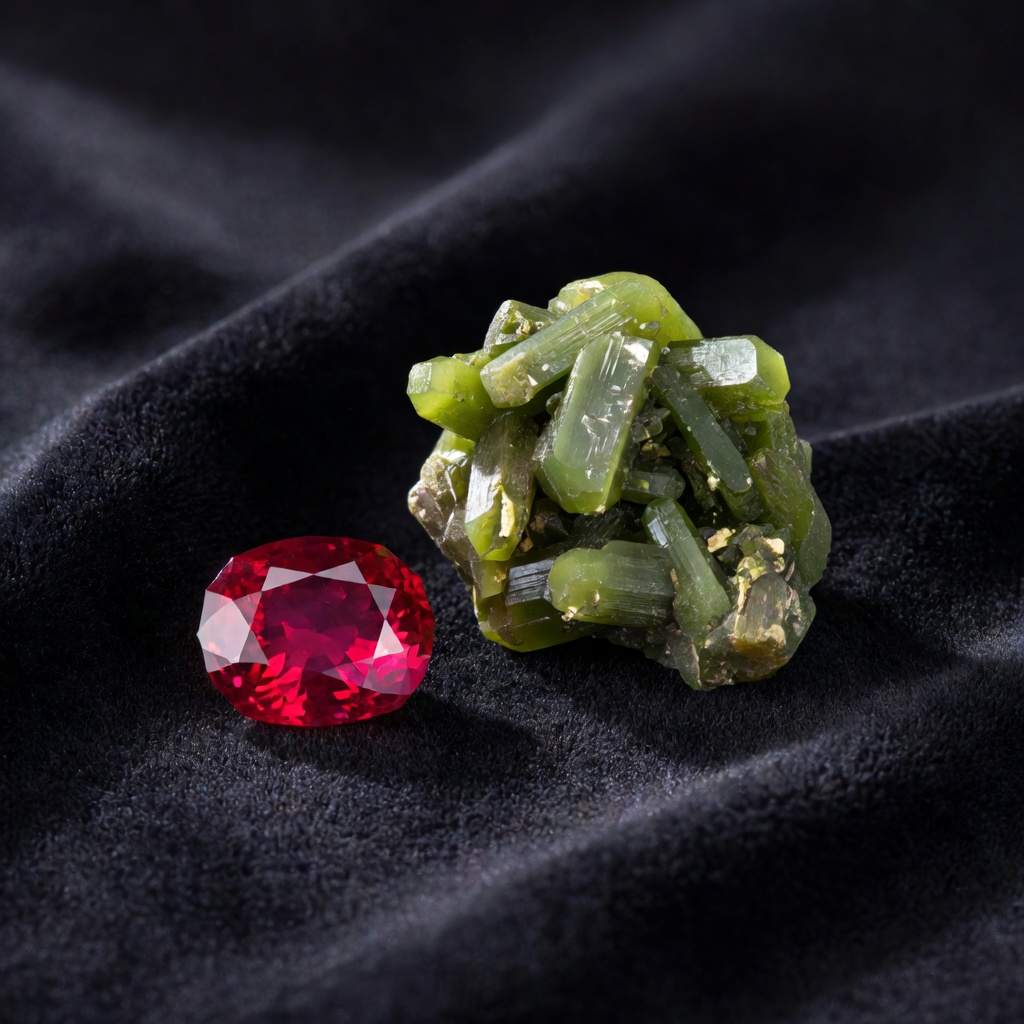
Tanzanite measures between 6 and 7 on the Mohs scale, comparable to peridot or steel, making it significantly more vulnerable to surface abrasion and scratching during normal wear. More concerning than surface scratches, Tanzanite possesses perfect cleavage in one direction, meaning it can split cleanly along specific crystal planes if struck with sufficient force at the correct angle, creating catastrophic failure risks that Moissanite does not share. This structural characteristic necessitates protective mounting styles and cautious wearing habits to prevent expensive damage.
Comprehensive Gemstone Comparison Table
| Characteristic | Moissanite | Tanzanite |
|---|---|---|
| Mohs Hardness | 9.25 (Excellent) | 6-7 (Fair to Good) |
| Refractive Index | 2.65-2.69 (Very High) | 1.69-1.70 (Moderate) |
| Color Range | Colorless to Near-Colorless | Blue-Violet to Purple-Burgundy |
| Price per Carat | $300-$600 | $500-$1,500+ |
| Durability for Daily Wear | Excellent - Resistant to Chipping | Poor - Requires Protection |
| Best Application | Engagement Rings, Daily Wear | Pendants, Earrings, Occasional Rings |
| Rarity Status | Unlimited Lab Supply | Geologically Limited |
| Maintenance Level | Low - Ultrasonic Safe | High - Avoid Heat/Chemicals |
For active individuals or those working with their hands, Moissanite offers worry-free wearability that accommodates gardening, sports, and manual labor without requiring constant vigilance. Tanzanite demands more delicate treatment, suitable for professionals in office environments who can remove jewelry before physical activities and who appreciate the stone primarily for its aesthetic and investment qualities rather than rugged practicality.
Brilliance and Light Performance
Optical performance distinguishes these gemstones dramatically, with Moissanite brilliance exceeding that of nearly all other gemstones including diamond. The refractive index of Moissanite ranges from 2.65 to 2.69, significantly higher than Tanzanite's 1.69-1.70, meaning Moissanite bends light more aggressively and returns more brilliance to the viewer's eye. This high refractive index combined with Moissanite's doubly refractive nature creates a distinctive "fuzzy" faceting pattern visible under magnification, producing intense scintillation that manifests as bright white flashes and rainbow dispersion.
Fire dispersion—the ability to separate white light into spectral colors—measures 0.104 for Moissanite compared to Tanzanite's 0.009, meaning Moissanite displays vivid rainbow flashes while Tanzanite exhibits a more subtle, velvety luster. This difference becomes particularly noticeable under direct lighting or candlelight, where Moissanite creates colorful sparkles that some find reminiscent of fireworks, while Tanzanite offers a sophisticated glow emphasizing its body color over reflective properties. Cut quality critically affects both stones, with Moissanite requiring precision cutting to minimize the "dark bow-tie" effect seen in poorly proportioned stones, while Tanzanite cutters must orient the rough carefully to maximize the desirable blue face-up color while minimizing the less valuable brown or burgundy tones.
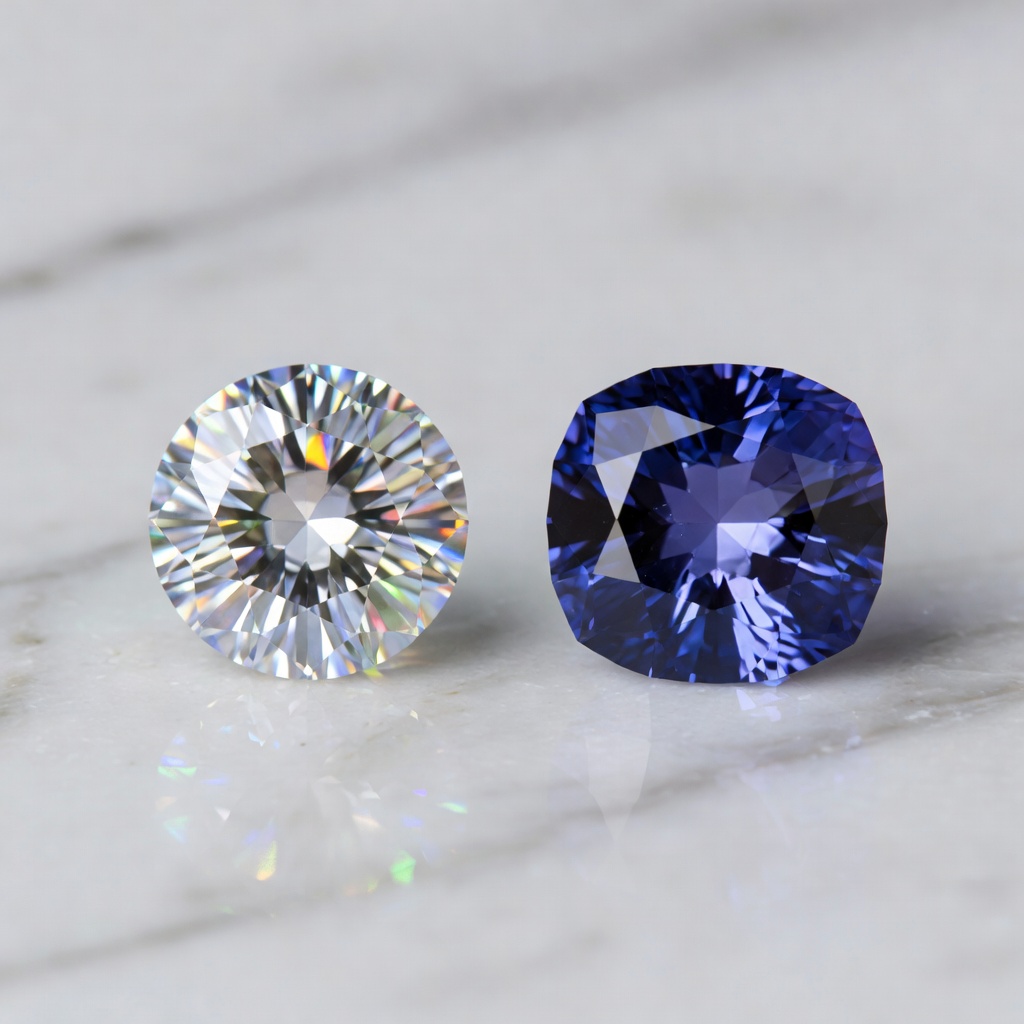
Visual identification between the two stones remains straightforward even for untrained observers due to their fundamental optical differences. Moissanite appears colorless with intense reflective properties and visible doubling of facet junctions when viewed through the crown with a loupe, while Tanzanite immediately reveals its distinctive blue-violet coloration with subdued brilliance and singly refractive clarity. When placed side-by-side under jewelry store lighting, Moissanite typically appears significantly more "lively" and brilliant, while Tanzanite draws attention through its unique color rather than reflective sparkle.
Price and Value Analysis
Understanding the financial investment required for each gemstone helps consumers allocate budgets effectively while maximizing visual impact and long-term satisfaction. High-quality Moissanite typically ranges from $300 to $600 per carat, with prices remaining remarkably consistent regardless of stone size due to the controlled manufacturing process. This predictable pricing structure allows buyers to select larger carat weights without exponential price increases, making impressive center stones accessible for modest budgets.
Premium Tanzanite commands higher prices, generally ranging from $500 to over $1,500 per carat for exceptional stones exceeding two carats with deep saturated blue-violet coloring. Several factors influence Tanzanite valuation including color intensity (with deep blues outperforming pale lavenders), clarity grades (eye-clean stones command premiums), and carat weight thresholds (stones over five carats in fine color become exponentially rarer and more valuable). Unlike Moissanite, Tanzanite pricing follows traditional gemstone supply-and-demand economics, with prices appreciating as mining yields decline.
Long-term value retention presents distinctly different profiles for these materials, with Tanzanite historically appreciating in value as deposits deplete and awareness grows among collectors. Fine Tanzanite purchased decades ago has shown significant investment returns, particularly for untreated stones over ten carats. Moissanite, while offering excellent value for immediate purchase, does not typically appreciate as a collectible due to unlimited production capacity, though it retains functional value through its durability and timeless appearance. Resale markets favor Tanzanite for high-grade specimens with certification, while Moissanite resale remains limited though emerging secondary markets for estate jewelry show growing acceptance.
Best Applications in Jewelry Design
Jewelry designers leverage the distinct properties of each gemstone to create pieces optimized for specific wearing occasions and lifestyle requirements. Moissanite engagement rings represent the stone's most popular application, providing couples with durable, brilliant center stones that withstand daily wear for decades without showing signs of abrasion. Solitaire settings, three-stone designs, and eternity bands all benefit from Moissanite's toughness, allowing for delicate prong settings without fear of chipping the girdle during normal activities.
Tanzanite jewelry excels in applications where protection from impact reduces risk, making pendants and earrings ideal choices that showcase the stone's color while minimizing exposure to hard knocks. When used in rings, Tanzanite requires thoughtful setting selection, with bezel settings offering maximum protection by surrounding the girdle with metal, or halo designs that provide structural buffer zones around the center stone. V-prongs at the corners protect vulnerable points while allowing light entry, though such settings add metal weight and cost compared to standard prong configurations.
Metal pairing considerations enhance each stone's natural characteristics, with white gold and platinum complementing Moissanite's colorless nature while providing durable backdrops that resist scratching. Tanzanite pairs beautifully with both white metals (emphasizing its blue tones) and yellow or rose gold (enhancing its violet and burgundy components), though the softer stone benefits from the additional protection offered by substantial mountings in 14k or 18k gold rather than delicate wire settings. For statement pieces, designers often combine both gemstones, using Moissanite accent stones to frame a Tanzanite center, creating contrast between intense brilliance and rich color.
Rarity and Investment Potential
The investment landscape for these gemstones diverges sharply based on their fundamental scarcity and production limitations. Tanzanite qualifies as one of the world's rare blue gemstones, with geological surveys indicating that current mining operations may exhaust commercially viable deposits within the next twenty to thirty years. This finite supply creates natural price pressure and collector interest, particularly for untreated stones over five carats or those displaying the coveted "AAA" color grade without heat enhancement.
Moissanite offers no scarcity premium due to its manufactured nature, with production facilities capable of scaling output to meet demand without geological constraints. While this ensures stable pricing and accessibility for consumers, it eliminates the collectibility factor that drives appreciation in natural gemstones. However, Moissanite's technological origins appeal to investors interested in sustainable luxury and ethical consumption trends, potentially creating niche markets among environmentally conscious collectors.
Historical performance data favors Tanzanite for long-term value retention, with prices appreciating approximately 400% since the stone's commercial introduction in the 1960s, outpacing inflation and many traditional investments. The "Tiffany effect"—Tanzanite's endorsement by major luxury houses—established market legitimacy that continues driving demand even as new discoveries remain nonexistent. High-grade Tanzanite with GIA certification has shown particular resilience during economic downturns, while Moissanite remains primarily a consumption good rather than a store of value, similar to other technological products.
Care and Maintenance Requirements
Proper maintenance protocols differ substantially between these stones due to their varying chemical stability and physical durability. Tanzanite jewelry requires gentle cleaning using warm water, mild soap, and soft brushes, strictly avoiding ultrasonic cleaners that can cause internal fracturing through vibration and thermal shock. Steam cleaning poses particular risks for Tanzanite due to its sensitivity to rapid temperature changes, which can induce cracking along cleavage planes, whereas Moissanite tolerates both ultrasonic and steam cleaning methods without damage.
Storage practices prevent accidental damage, with Tanzanite pieces requiring separate compartments or individual soft pouches to prevent contact with harder gemstones like diamonds, sapphires, or Moissanite that could scratch its surface. Moissanite can be stored alongside most other jewelry safely due to its hardness, though separate storage prevents harder diamonds from potentially scratching the Moissanite or the Moissanite scratching softer gems like opals or pearls. Professional inspection schedules should occur every six months for Tanzanite rings to check for loose prongs or developing chips, while Moissanite settings can be inspected annually unless subjected to significant impact.
Chemical exposure presents minimal risk to Moissanite, which resists acids, bases, and solvents that might damage organic gems or certain treatments. Tanzanite owners must avoid hydrofluoric acid found in some rust removers and abrasive cleaners that can etch the surface, along with protecting the stone from prolonged sunlight exposure that may fade color over time. When applying lotions, perfumes, or hairsprays, Tanzanite should be the last item put on and first removed to minimize chemical contact and physical bumping during dressing routines.
Making Your Final Decision
Choosing gemstones for significant jewelry purchases requires honest assessment of lifestyle factors, aesthetic priorities, and value expectations. Active individuals who rarely remove their jewelry, work with their hands, or lead outdoor lifestyles will find Moissanite the pragmatic choice, offering diamond-like durability without the associated cost or ethical concerns. Conversely, those seeking a unique conversation piece, natural rarity, or potential investment appreciation may prioritize Tanzanite despite its maintenance requirements, accepting the need for careful wearing habits.
Budget optimization strategies suggest allocating funds toward size and cut quality with Moissanite, since larger stones do not carry exponential price penalties and brilliant cuts maximize the material's optical advantages. For Tanzanite, budgets should prioritize color intensity over carat weight, as a smaller, deeply saturated stone outperforms a larger pale specimen in both beauty and value retention. Consider purchasing Tanzanite in protective pendant or earring designs to enjoy the stone's beauty without the risks associated with ring wear.
Symbolic meaning may influence selection, with Moissanite representing innovation, durability, and modern values, while Tanzanite embodies rarity, natural wonder, and the specific geography of Tanzania. Before purchasing, verify certification: Moissanite should come with manufacturer warranties and grading reports, while Tanzanite requires origin certification and color grade documentation from reputable laboratories. Final checklist items include verifying return policies (particularly important for Tanzanite color verification in various lighting), confirming setting security appropriate for the stone's hardness, and ensuring the piece aligns with long-term wearing intentions.
Frequently Asked Questions
Which is more expensive, Moissanite or Tanzanite?
Tanzanite is generally more expensive per carat than Moissanite, especially for high-quality stones over 2 carats with deep blue-violet coloring. While Moissanite costs between $300-$600 per carat depending on quality, fine Tanzanite can range from $500 to $1,500+ per carat. However, smaller Tanzanite stones may be comparably priced to larger Moissanite gems.
Can Tanzanite be used in engagement rings like Moissanite?
While Tanzanite can be used in engagement rings, it requires protective settings like bezels or halos due to its 6-7 Mohs hardness and perfect cleavage. Moissanite at 9.25 hardness is significantly more durable for daily wear. Tanzanite is better suited for occasional wear rings or protected pendants rather than daily-wear solitaire engagement rings.
Is Moissanite considered a real gemstone compared to Tanzanite?
Yes, Moissanite is a real gemstone with natural origins (first discovered in meteorites), though most available today are lab-created. Tanzanite is a natural gemstone. Both are genuine gemstones, but Moissanite is manufactured in controlled environments while Tanzanite is mined from the earth, making Tanzanite a 'natural' stone and Moissanite a 'lab-created' stone.
Which stone has more sparkle and fire, Moissanite or Tanzanite?
Moissanite displays significantly more fire (rainbow-colored light dispersion) and brilliance than Tanzanite due to its higher refractive index (2.65 vs 1.69). Tanzanite offers a more subtle, velvety glow with its characteristic blue-violet color but lacks the intense sparkle and disco-ball effect that Moissanite produces under light.
Does Tanzanite fade in sunlight like some other gems?
Unlike Moissanite, which is completely stable in light, Tanzanite can fade when exposed to prolonged direct sunlight or high heat. This photosensitivity means Tanzanite jewelry should be stored away from windows and not worn during extended sun exposure. Moissanite experiences no color change or fading under any lighting conditions.
Which gemstone is better for daily wear?
Moissanite is superior for daily wear due to its 9.25 Mohs hardness, ranking second only to diamond. It resists scratching, chipping, and breaking during normal activities. Tanzanite's softer 6-7 hardness and cleavage planes make it vulnerable to damage from bumps, household chemicals, and temperature changes, making it better suited for occasional wear.
Are both Moissanite and Tanzanite ethically sourced?
Moissanite created in laboratories has minimal environmental impact and no mining concerns. Tanzanite mining in Tanzania has improved ethical standards but still involves environmental disruption and labor considerations. Both offer ethical advantages over diamonds, with Moissanite being the most eco-friendly option and certified Tanzanite offering traceable sourcing from regulated mines.
Can you tell the difference between Moissanite and Tanzanite with the naked eye?
Yes, these stones are easily distinguishable. Moissanite appears colorless or near-colorless with intense rainbow flashes, while Tanzanite displays a distinctive blue-violet to purple color. Even untrained observers can spot the difference due to Tanzanite's strong color versus Moissanite's lack of body color, plus Moissanite's higher brilliance and double refraction characteristics.