Understanding Moissanite vs Peridot: A Comprehensive Guide
Choosing the perfect gemstone for your jewelry collection often comes down to balancing beauty, durability, and personal significance. When evaluating moissanite vs peridot, buyers encounter two distinctly different gems that occasionally compete for attention in green jewelry designs and August birthstone alternatives. Moissanite has emerged as a premier laboratory-created diamond alternative celebrated for its exceptional brilliance and durability, while peridot captivates with its natural olive-green essence and ancient geological origins as the traditional August birthstone. Understanding the fundamental differences between these stones helps consumers make informed decisions whether they are shopping for engagement rings, anniversary gifts, or personal statement pieces that reflect their unique style preferences.
Origins and Composition: Lab-Created vs Natural Formation
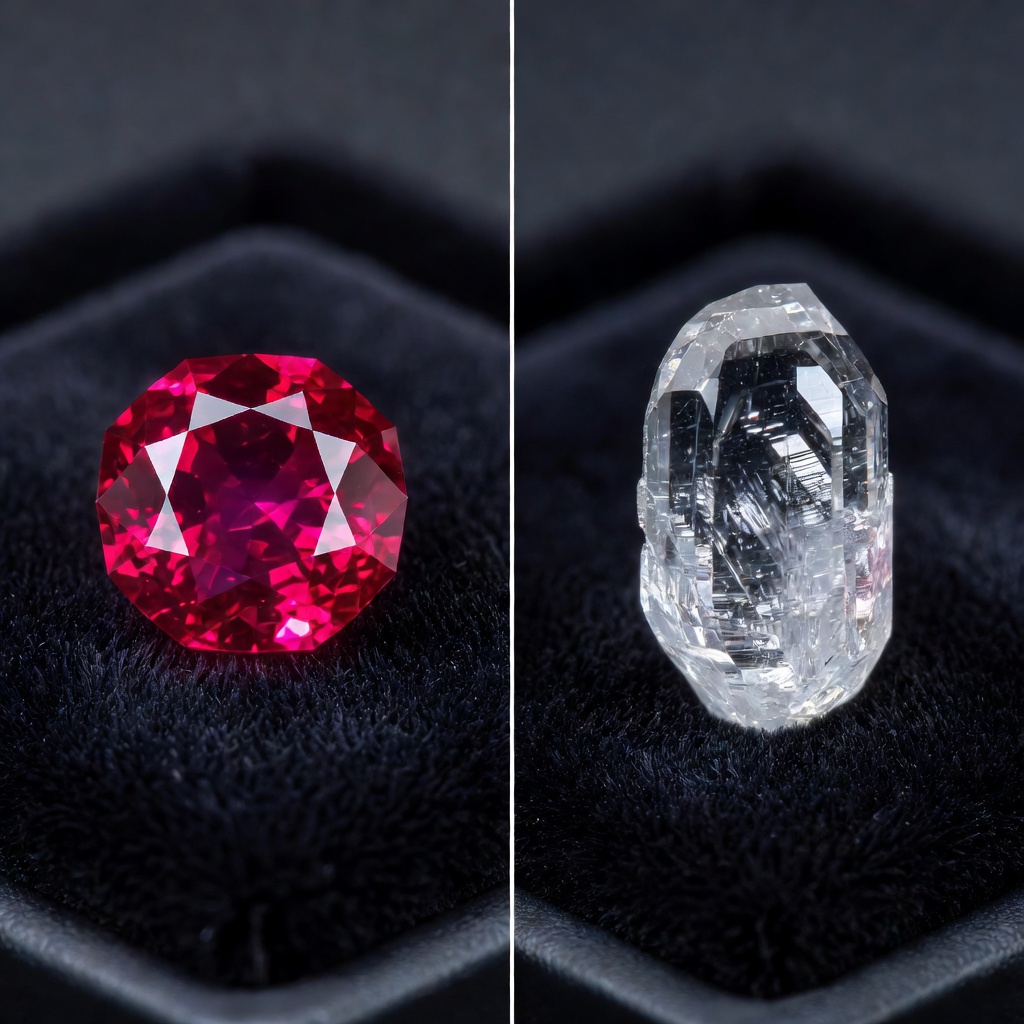
The fundamental distinction between these gemstones begins with their geological and synthetic origins. Moissanite consists of silicon carbide (SiC), a compound originally discovered in microscopic quantities within meteorite fragments by Nobel Prize-winning chemist Henri Moissan in 1893. Modern jewelry-grade moissanite is exclusively laboratory-created through advanced thermal growing processes that replicate the conditions necessary to form these crystals, ensuring consistent quality and eliminating the environmental impact of mining operations. This controlled production allows manufacturers to create large, flawless crystals that would be extraordinarily rare in nature, making moissanite a sustainable choice for environmentally conscious consumers.
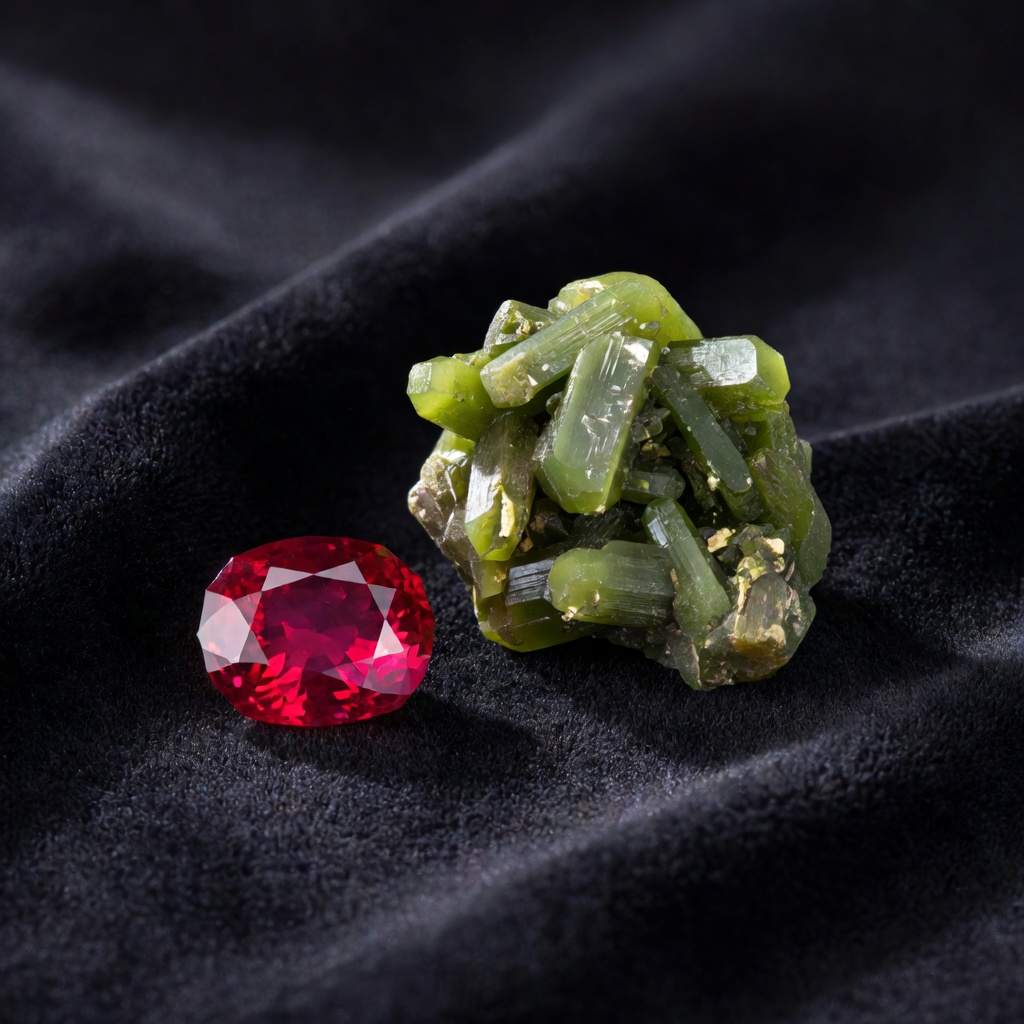
Peridot, conversely, represents one of the few gemstones that forms exclusively in the Earth's mantle and arrives at the surface through volcanic activity or tectonic shifts. Composed of the mineral olivine, peridot crystals develop deep within the earth under intense heat and pressure, often containing unique identifying characteristics such as "lily pad" inclusions or distinctive color zoning. The most prized specimens historically originated from Zabargad Island in the Red Sea, though modern deposits in Arizona, China, and Pakistan supply the majority of today's market. When considering lab created vs natural gemstones, peridot offers the allure of ancient geological history, with some crystals dating back over four billion years, while moissanite provides cutting-edge technological precision.
From an ethical standpoint, moissanite eliminates concerns regarding conflict minerals or environmentally destructive mining practices, appealing to buyers prioritizing sustainability. Peridot mining, while generally less problematic than diamond extraction, still involves land disturbance and energy consumption associated with extraction. However, many consumers value peridot's natural provenance and the unique story each stone carries from its volcanic journey to the jewelry setting.
Color and Visual Appearance: Brilliant Sparkle vs Natural Green
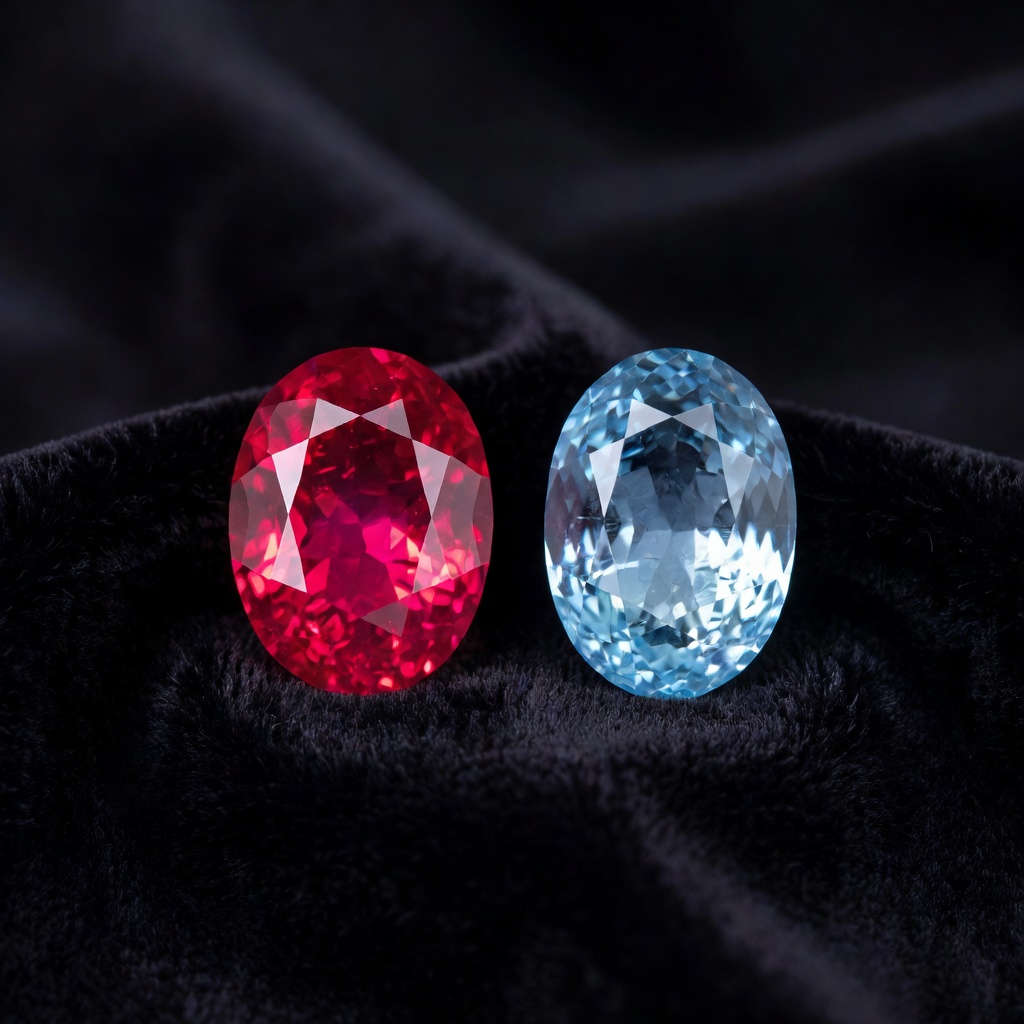
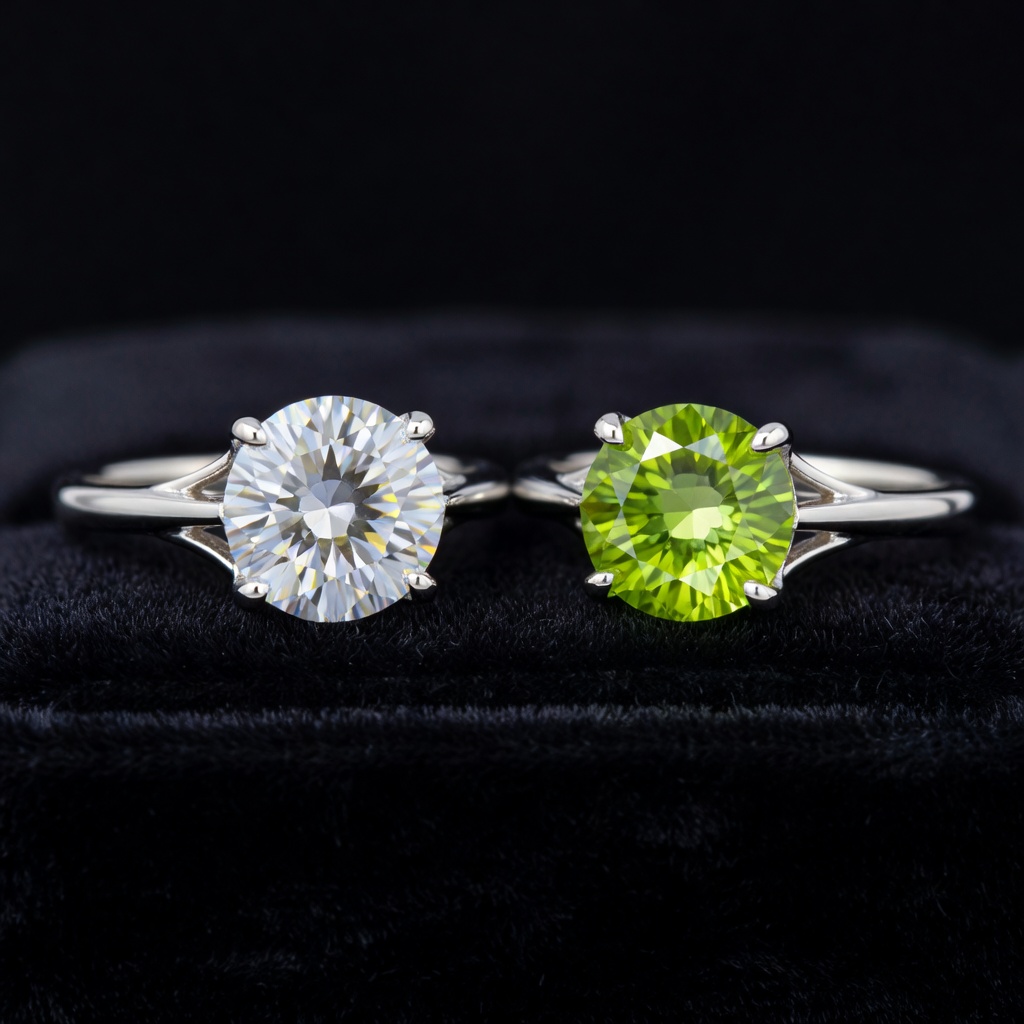
The visual distinction between these gems becomes immediately apparent when examining their color profiles and optical characteristics. Green moissanite vs peridot color comparisons reveal fundamentally different approaches to green aesthetics in jewelry design. Moissanite typically appears colorless or near-colorless in its standard form, though manufacturers now offer fancy green varieties created through specific treatment processes or controlled growing conditions. These lab-created green moissanites display intense, saturated hues ranging from mint to forest green, often with exceptional clarity and uniformity that natural stones rarely achieve.
Peridot possesses an unmistakable signature color palette spanning from yellowish-green to deep olive, with the most valuable specimens displaying a pure grass green without brownish undertones. Unlike moissanite's engineered consistency, peridot exhibits natural color variations influenced by iron content and geographical origin, creating organic, earthy tones that shift subtly under different lighting conditions. Arizona peridots tend toward lime and apple green shades, while Burmese specimens often display deeper, more saturated olive hues with golden undertones.
Lighting conditions dramatically affect how each gemstone presents itself to the observer. Moissanite maintains its color consistency across various lighting environments, appearing brilliant in dim restaurant settings or bright sunlight alike. Peridot performs best in natural daylight, where its verdant tones appear most vivid and alive, though it may appear darker or more muted under incandescent lighting. For example, a peridot pendant worn during outdoor summer weddings will showcase dramatically different coloring than when worn during evening cocktail parties, whereas a green moissanite necklace maintains consistent coloration regardless of ambient lighting.
Brilliance and Optical Properties: Fire and Light Performance
Optical performance represents one of the most significant differentiators when examining moissanite brilliance vs peridot. Moissanite boasts a refractive index of 2.65-2.69, substantially higher than peridot's 1.65-1.69, meaning moissanite bends light more aggressively to create that signature "disco ball" effect many consumers find irresistible. This extreme light return produces the rainbow fire—flashes of spectral colors—that makes moissanite visually distinct even from diamonds, let alone colored gemstones like peridot.
The phenomenon of double refraction further distinguishes moissanite's visual performance. When light enters moissanite, it splits into two distinct rays, creating a doubling effect on facet junctions visible under 10x magnification and contributing to the stone's intense scintillation. Peridot exhibits single refraction, meaning light travels through the crystal in a unified path, resulting in a more subdued, vitreous luster that emphasizes the stone's body color rather than spectral dispersion. This single refraction gives peridot its characteristic "sleepy" or mellow glow, which many collectors find more sophisticated than flashy brilliance.
Cut quality plays a crucial role in maximizing each stone's optical potential. Moissanite performs exceptionally well in brilliant cuts—rounds, ovals, and cushions designed with numerous facets to maximize light return. A well-cut moissanite engagement ring will out-sparkle nearly any other gemstone in the room, making it ideal for those seeking maximum visual impact. Peridot traditionally utilizes step cuts or mixed cuts that emphasize color purity over brilliance, with table facets that showcase the stone's clarity and hue rather than creating intense flashes of light. Jewelry designers often recommend deeper pavilions for peridot to prevent "windowing"—areas where light passes through without reflecting back—ensuring the stone displays rich color from all angles.
Durability and Hardness: Mohs Scale Analysis
When evaluating peridot vs moissanite durability for long-term jewelry wear, the gemstone hardness mohs scale provides essential guidance for purchase decisions. Moissanite ranks impressively at 9.25 on the Mohs hardness scale, making it the second-hardest gemstone used in jewelry after diamond (10) and significantly harder than sapphires or rubies (9). This exceptional hardness means moissanite resists scratching from everyday encounters with household dust (which contains silica at 7 hardness), metal objects, or accidental impacts against hard surfaces.
Peridot occupies a more moderate position at 6.5-7 on the Mohs scale, comparable to quartz and slightly harder than opal or turquoise but significantly softer than moissanite. This hardness level makes peridot susceptible to surface abrasion and scratching when worn daily, particularly in ring settings where the stone contacts hard surfaces during normal activities like typing, cooking, or gardening. The stone also possesses distinct cleavage planes—directions within the crystal structure where the stone can split under impact—making it vulnerable to chipping if struck forcefully against hard objects.
Case studies illustrate these durability differences in practical terms. Consider a nurse working in a hospital environment who wears a peridot solitaire ring; within six months, the stone likely shows visible surface scratches and abraded facet junctions from frequent hand sanitizing, glove wearing, and contact with metal bed rails. Conversely, a moissanite ring worn under identical conditions maintains its polish and clarity for decades. However, peridot performs adequately in protective settings such as bezels or halo designs that shield the girdle and table from direct impact, making it suitable for occasional wear or pieces like earrings and pendants that experience less mechanical stress.
Moissanite vs Peridot: Comparative Analysis
| Characteristic | Moissanite | Peridot |
|---|---|---|
| Hardness (Mohs Scale) | 9.25 (Excellent for daily wear) | 6.5-7 (Requires protective settings) |
| Refractive Index | 2.65-2.69 (High brilliance) | 1.65-1.69 (Subdued luster) |
| Origin | Lab-created (Silicon Carbide) | Natural (Olivine mineral) |
| Color Range | Colorless to Fancy Green (Consistent) | Lime to Olive Green (Natural variation) |
| Price per Carat | $300-$600 (Premium lab stone) | $50-$400 (Depends on origin/quality) |
| Best Jewelry Use | Engagement rings, daily wear pieces | Earrings, pendants, cocktail rings |
| Care Requirements | Ultrasonic safe, low maintenance | Gentle cleaning, avoid thermal shock |
| Optical Effect | Double refraction, rainbow fire | Single refraction, vitreous glow |
Price Comparison and Value: Budget Considerations
Understanding moissanite vs peridot price comparison requires examining both initial acquisition costs and long-term value propositions. Moissanite typically commands between $300 to $600 per carat for high-quality stones, with premium colorless or specially treated green varieties reaching the higher end of this spectrum. This pricing reflects the sophisticated technology required to grow silicon carbide crystals, the time-intensive manufacturing process, and the stone's diamond-like performance characteristics. While significantly less expensive than diamonds (which range $3,000-$30,000+ per carat), moissanite represents a premium investment within the colored gemstone market.
Peridot offers remarkable affordability among natural gemstones, with commercial quality stones available for $50-$100 per carat and fine specimens from prestigious localities like Myanmar or Pakistan ranging $200-$400 per carat. Even exceptional large peridots exceeding five carats rarely exceed $600 per carat unless they display extraordinary color and clarity. This price accessibility makes peridot an excellent entry point for collectors beginning their gemstone journey or for those seeking large, impressive statement pieces without substantial financial investment.
Value retention differs significantly between these stones due to their distinct market dynamics. Moissanite, while maintaining stable retail pricing, offers minimal resale value as a manufactured product with infinite supply potential; the secondary market typically returns 10-20% of original purchase price. Peridot, as a natural resource with finite deposits, occasionally appreciates in value for exceptional specimens, particularly untreated stones from depleted mines like Zabargad Island. However, peridot's abundance generally keeps resale values modest unless the stone possesses exceptional size (over 10 carats) with museum-quality color. For budget-conscious buyers prioritizing size over durability, a 3-carat peridot cocktail ring costs significantly less than a 1-carat moissanite solitaire, offering dramatic visual presence at a fraction of the price.
Best Jewelry Applications: Engagement Rings and Daily Wear
Selecting appropriate jewelry designs for each gemstone requires understanding their physical limitations and optical strengths. Moissanite excels in high-impact settings such as engagement rings, tennis bracelets, and daily wear bands where durability concerns dominate. Its resistance to chipping and scratching makes it ideal for prong settings that expose the stone to maximum light, allowing the gem's brilliance to perform optimally. Modern couples increasingly choose moissanite for engagement rings specifically because it withstands the rigors of constant wear while providing the aesthetic impact traditionally associated with diamond rings.
Peridot demands more thoughtful setting selection to ensure longevity. Protective settings such as bezels, halos, or channel settings that shield the stone's edges prove essential for peridot rings intended for regular wear. For example, a peridot engagement ring should feature a full bezel setting where metal surrounds the girdle completely, preventing edge chips during impacts. Alternatively, peridot performs beautifully in earrings and pendant necklaces where physical contact with hard surfaces remains minimal. A peridot drop earring set in a delicate four-prong mounting presents minimal risk of damage while showcasing the stone's verdant color against the skin.
Style versatility extends across both gemstones, though they serve different aesthetic purposes. Moissanite adapts seamlessly to vintage-inspired milgrain settings, sleek modern tension settings, or classic Tiffany-style solitaires, with its colorless nature complementing any metal choice from rose gold to platinum. Green moissanite specifically pairs beautifully with white gold or platinum for contemporary Art Deco revival pieces. Peridot shines in bohemian-inspired designs, nature-themed botanical settings, or retro 1950s cocktail ring styles where its earthy green tones evoke natural beauty. Jewelry designer Sarah Chen notes that peridot particularly excels in mixed gemstone pieces paired with pink tourmaline or golden citrine, creating playful color combinations impossible to achieve with moissanite's limited color palette.
Care and Maintenance Requirements
Proper maintenance protocols differ substantially when comparing peridot vs moissanite care requirements. Moissanite's exceptional hardness and thermal stability allow for aggressive cleaning methods typically avoided with softer gemstones. Owners can safely use ultrasonic cleaners, steam cleaning devices, or commercial jewelry cleaners without risking damage to the stone. For routine maintenance, simply soaking moissanite jewelry in warm water with mild dish soap for ten minutes, followed by gentle brushing with a soft toothbrush, restores maximum brilliance by removing accumulated lotions and oils.
Peridot requires significantly gentler handling due to its sensitivity to thermal shock and acids. Never expose peridot to ultrasonic cleaners or steam, as rapid temperature changes can cause internal fracturing or surface damage. Instead, clean peridot using only lukewarm water with a drop of mild soap, gently wiping with a soft cloth or cotton swab rather than abrasive brushes. Chemical exposure presents particular risks for peridot; household cleaners containing ammonia, chlorine, or hydrofluoric acid can etch the stone's surface, while prolonged exposure to acidic perspiration may dull the polish over time.
Storage practices also vary between these gems. Moissanite can be stored alongside other jewelry without significant risk, though storing pieces separately prevents metal scratching. Peridot demands isolation from harder gemstones like diamonds, sapphires, or rubies that could scratch its surface; fabric-lined jewelry boxes with individual compartments prove essential. Professional maintenance schedules should include annual inspections for peridot rings to check for loose prongs or developing chips, while moissanite settings require less frequent professional attention, typically every two to three years unless trauma occurs.
Which Should You Choose? Decision Framework
Selecting between these gemstones ultimately depends on lifestyle factors, aesthetic preferences, and symbolic significance. Active individuals or those working with their hands—medical professionals, fitness instructors, or mechanics—should strongly favor moissanite for rings or bracelets that endure daily physical stress. The stone's 9.25 hardness rating ensures it survives accidental knocks against countertops, gym equipment, or medical instruments without visible damage. Conversely, those seeking occasional statement pieces for social events or office wear may find peridot perfectly adequate, particularly when set in protective mountings.
Aesthetic preferences play a crucial role in this decision. Consumers drawn to maximum sparkle, rainbow fire, and diamond-like performance will find moissanite irresistible, particularly for engagement rings where brilliance takes precedence. Those preferring organic, earthy aesthetics with historical significance and natural provenance will gravitate toward peridot's unique olive tones and ancient geological story. Consider the wardrobe context as well: moissanite's neutral colorlessness or vivid treated greens pair with any outfit, while peridot's specific yellow-green shade requires more thoughtful color coordination, complementing autumnal palettes, earth tones, or contrasting beautifully with purple and violet ensembles.
For August-born individuals or those purchasing birthday gifts, peridot offers traditional birthstone significance, though moissanite serves as excellent august birthstone alternatives for those prioritizing durability. Some jewelry designers create hybrid pieces incorporating both stones—perhaps a moissanite center stone with peridot accents—combining durability with birthstone symbolism. Personalization options extend to engraving or custom settings that reflect individual stories, with moissanite accommodating intricate modern fabrication techniques while peridot traditionally suits hand-forged or artisanal settings that emphasize its natural character.
Final Thoughts on Moissanite vs Peridot
The moissanite vs peridot comparison ultimately presents a choice between technological perfection and natural beauty, between ultimate durability and organic character. Moissanite offers unparalleled hardness, brilliant fire, and ethical laboratory creation, making it the superior choice for daily wear jewelry, particularly engagement rings and wedding bands that must withstand decades of continuous use. Its higher price point reflects both manufacturing complexity and diamond-like performance, providing excellent value for those seeking permanent jewelry solutions.
Peridot delivers accessibility, unique natural coloration, and ancient geological heritage at a fraction of the cost, ideal for fashion jewelry, birthstone collections, and pieces worn on special occasions. Its moderate hardness demands respect and protective settings, but rewards owners with distinctive color impossible to replicate in laboratory environments. When purchasing either gemstone, seek reputable jewelers providing certification—Charles & Colvard certificates for moissanite and gemological reports for fine peridots—to ensure authenticity and quality. Whether choosing the eternal sparkle of moissanite or the verdant warmth of peridot, understanding these differences ensures your jewelry investment brings lasting satisfaction aligned with your lifestyle and aesthetic values.
Frequently Asked Questions
Which is more durable for daily wear, moissanite or peridot?
Moissanite is significantly more durable with a 9.25 Mohs hardness rating compared to peridot's 6.5-7, making it ideal for daily wear in engagement rings and bracelets. Peridot requires protective settings and more careful handling to prevent scratching and abrasion.
Can peridot be used in engagement rings like moissanite?
While peridot can be used in engagement rings, it requires protective bezel or halo settings due to its moderate hardness. Moissanite is generally preferred for engagement rings because it withstands daily impacts and resists scratching better than peridot.
Is green moissanite a good alternative to natural peridot?
Green moissanite offers a viable alternative with superior durability and brilliance, though it displays more rainbow fire and double refraction than peridot. However, peridot offers a unique natural origin and organic color variations that lab-created stones cannot replicate.
Why is moissanite typically more expensive than peridot?
Moissanite commands higher prices due to the complex laboratory creation process, exceptional optical properties, and diamond-like durability. Peridot is more abundant in nature and requires less processing, making it one of the more affordable natural gemstones despite its beauty.
Do moissanite and peridot require different cleaning methods?
Yes, moissanite can safely withstand ultrasonic cleaners and steam cleaning due to its hardness, while peridot requires gentle cleaning with mild soap and warm water using a soft brush. Peridot is sensitive to thermal shock and harsh chemicals that could damage its surface.
Which gemstone has more sparkle and fire?
Moissanite exhibits significantly more brilliance and fire than peridot due to its higher refractive index (2.65 vs 1.65) and double refraction properties. Peridot offers a more subdued, vitreous luster that emphasizes its rich green color rather than rainbow sparkle.
Is peridot suitable for everyday earrings or pendants?
Peridot works well for earrings and pendants where impact risk is lower, but should be set in protective mountings. These pieces experience less abrasion than rings, making peridot a safe choice for occasional wear jewelry that showcases its distinctive green hue.
Can you tell the difference between green moissanite and peridot with the naked eye?
Yes, the differences are noticeable: green moissanite displays intense rainbow fire and double refraction (doubling of facet lines), while peridot shows a single refraction, more subdued sparkle, and typically contains natural inclusions or lily pad inclusions visible under magnification.