Moissanite vs Garnet: The Complete Guide to Choosing Your Perfect Gemstone
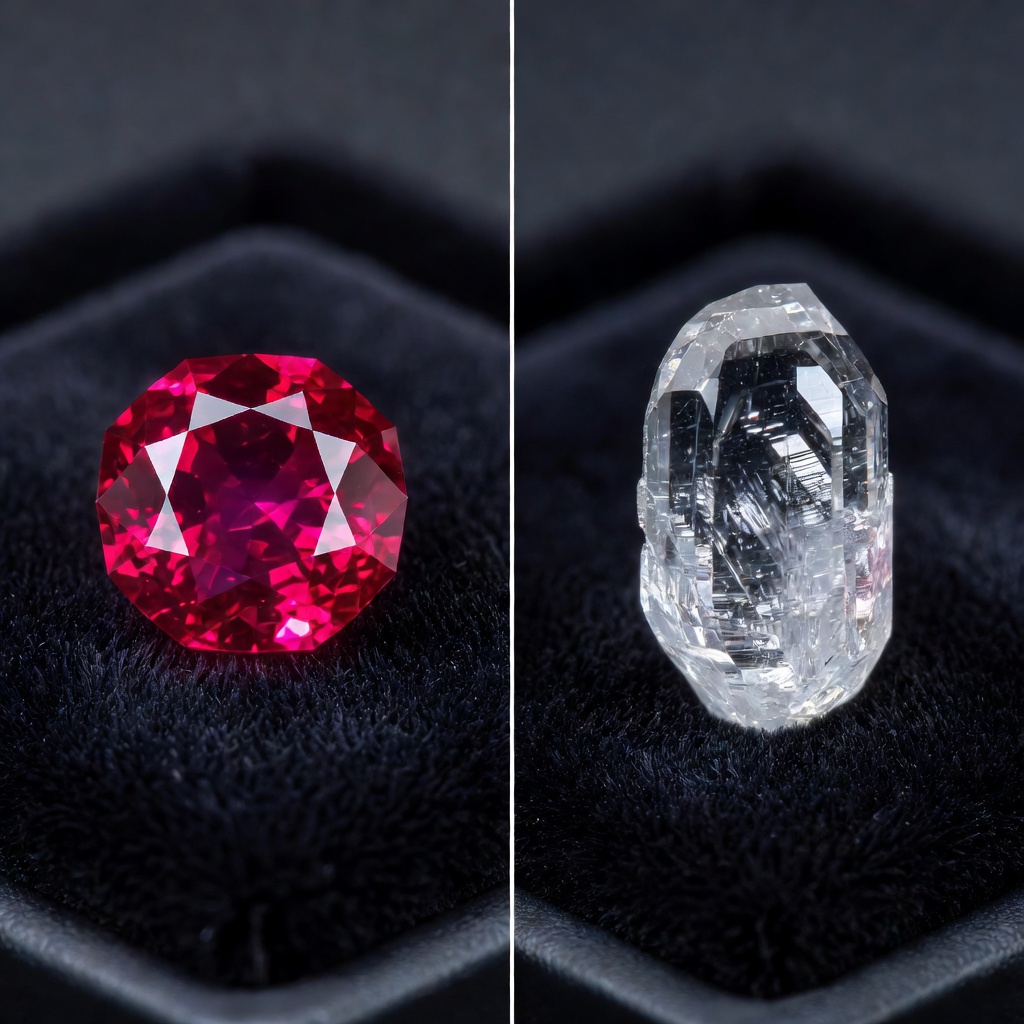
When selecting a gemstone for fine jewelry, the debate between moissanite vs garnet represents one of the most intriguing comparisons in the modern jewelry market. Both stones offer captivating beauty as alternatives to traditional diamonds and rubies, yet they cater to distinctly different aesthetic preferences, lifestyles, and values. Whether you are searching for January birthstone alternatives or exploring gemstone engagement ring options, understanding the fundamental differences between these two gems will empower you to make an informed decision that aligns with your personal needs and long-term expectations.
The primary distinction between these gemstones lies in their origin stories and physical compositions. Moissanite enters the jewelry world exclusively through sophisticated laboratory creation, offering consistent quality and ethical peace of mind, while garnet emerges from deep within the earth's crust as a natural mineral group with diverse geological formations. As you navigate through this comprehensive comparison, you will discover critical insights regarding durability metrics, optical performance characteristics, and value propositions that directly impact daily wear satisfaction and long-term investment potential.
Understanding Moissanite: Composition and Origins
Moissanite consists of silicon carbide (SiC), a compound renowned for its exceptional hardness and thermal conductivity, making it one of the most durable substances available for jewelry applications. This remarkable gemstone was first discovered in 1893 by French chemist Henri Moissan, who identified microscopic crystals within a meteorite crater in Arizona, initially mistaking them for diamonds. Today, all jewelry-grade moissanite is lab created through advanced technological processes that replicate the natural formation conditions, resulting in crystals that exhibit superior purity and consistency compared to their extremely rare natural counterparts.
The laboratory creation process involves growing silicon carbide crystals in controlled environments using either the sublimation method or chemical vapor deposition. These techniques allow manufacturers to produce large, flawless stones that maintain the extraordinary optical properties of natural moissanite while eliminating the environmental impact and ethical concerns associated with mining operations. For consumers prioritizing sustainability, lab created moissanite offers a guilt-free alternative that requires no earth displacement or community disruption.
Optically, moissanite possesses a refractive index of 2.65, significantly higher than diamond (2.42) and substantially exceeding that of most colored gemstones. This property creates the stone's characteristic "double refraction," where light splits into two rays as it passes through the crystal, resulting in enhanced brilliance and a distinctive fiery appearance. When examining moissanite properties under magnification, you will notice doubled facet lines, a telltale sign of its unique crystal structure that distinguishes it from singly refractive stones like diamonds and garnets.
Understanding Garnet: A Diverse Natural Gemstone Family
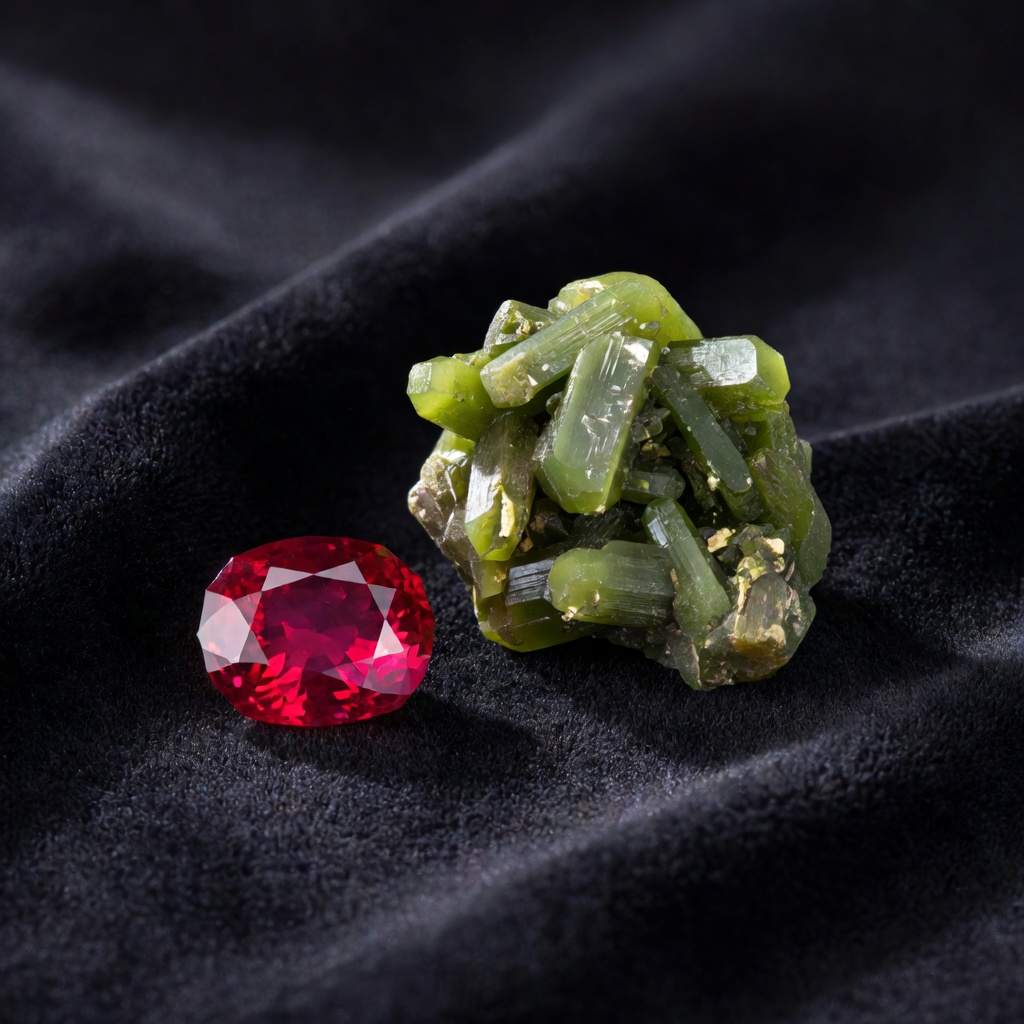
Garnet represents not a single mineral but rather a complex group of silicate minerals sharing similar crystal structures yet varying widely in chemical composition, resulting in an extraordinary spectrum of colors and characteristics. The most commonly recognized varieties include pyrope and almandine, which display the classic deep red hues associated with January birthstone jewelry, while rare specimens like tsavorite (vivid green) and demantoid (brilliant green with horsetail inclusions) command premium prices in the collector's market. Other notable garnet varieties include rhodolite (purplish-red), spessartite (orange to golden), and the extremely rare blue color-change garnets discovered in Madagascar and Tanzania.
Unlike laboratory-created alternatives, natural garnet gemstone formation occurs through metamorphic and igneous geological processes deep within the earth's mantle, requiring specific temperature and pressure conditions over millions of years. Major mining operations exist across diverse global locations including India, Sri Lanka, Brazil, Tanzania, Kenya, and the Czech Republic, with each region producing stones possessing distinct color characteristics and inclusion patterns. For example, African tsavorites typically display more vivid saturation than their Asian counterparts, while Bohemian garnets from the Czech Republic are prized for their pyrope-specific deep red coloration and historical significance in Victorian jewelry.
Historically, garnet has served as both adornment and talisman across civilizations, with archaeological evidence dating its use back to Bronze Age burial sites and ancient Egyptian pharaoh tombs. As the official January birthstone, garnet carries symbolic associations with friendship, trust, and eternal love, making it a meaningful choice for anniversary gifts and winter celebrations. Ancient warriors wore garnet amulets believing the stone offered protection in battle, while medieval royalty favored the gem for its supposed ability to ensure health and prosperity.
Visual Battle: Brilliance, Fire, and Color Saturation
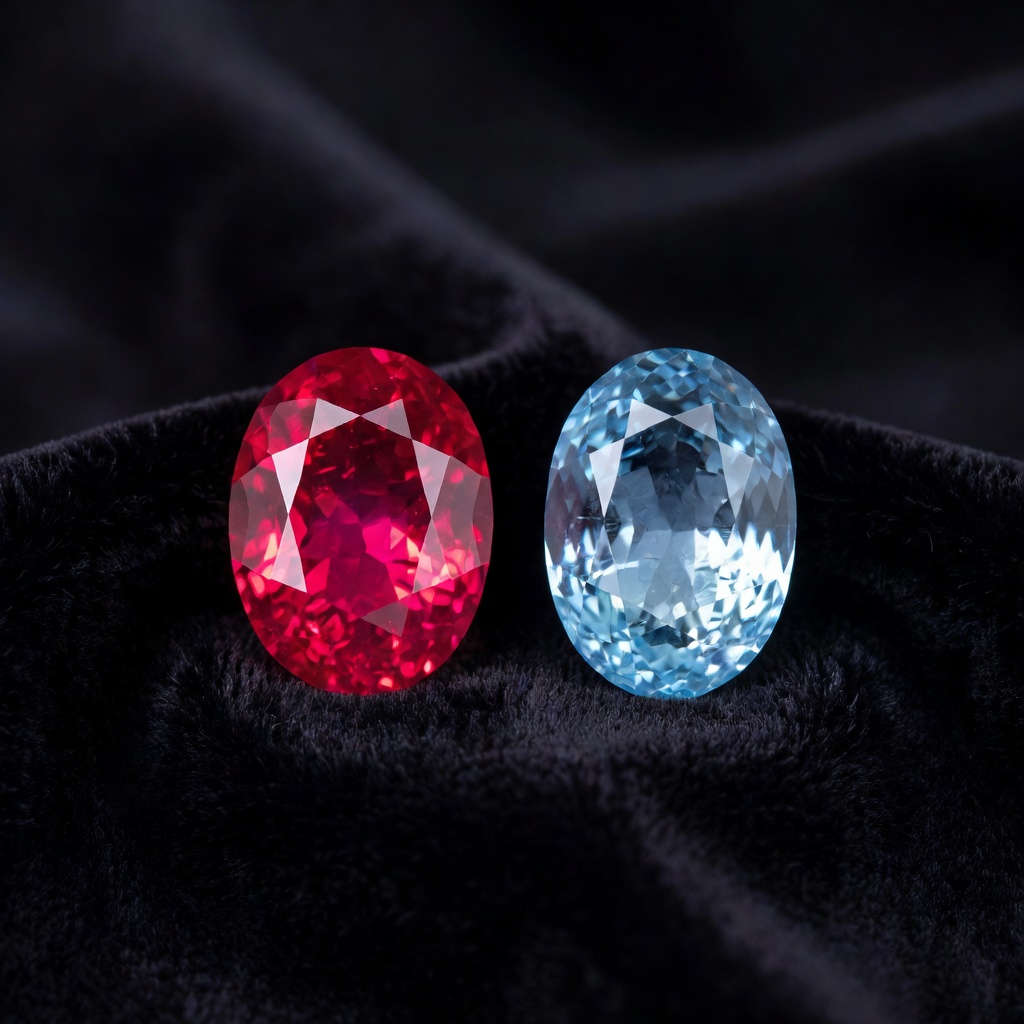
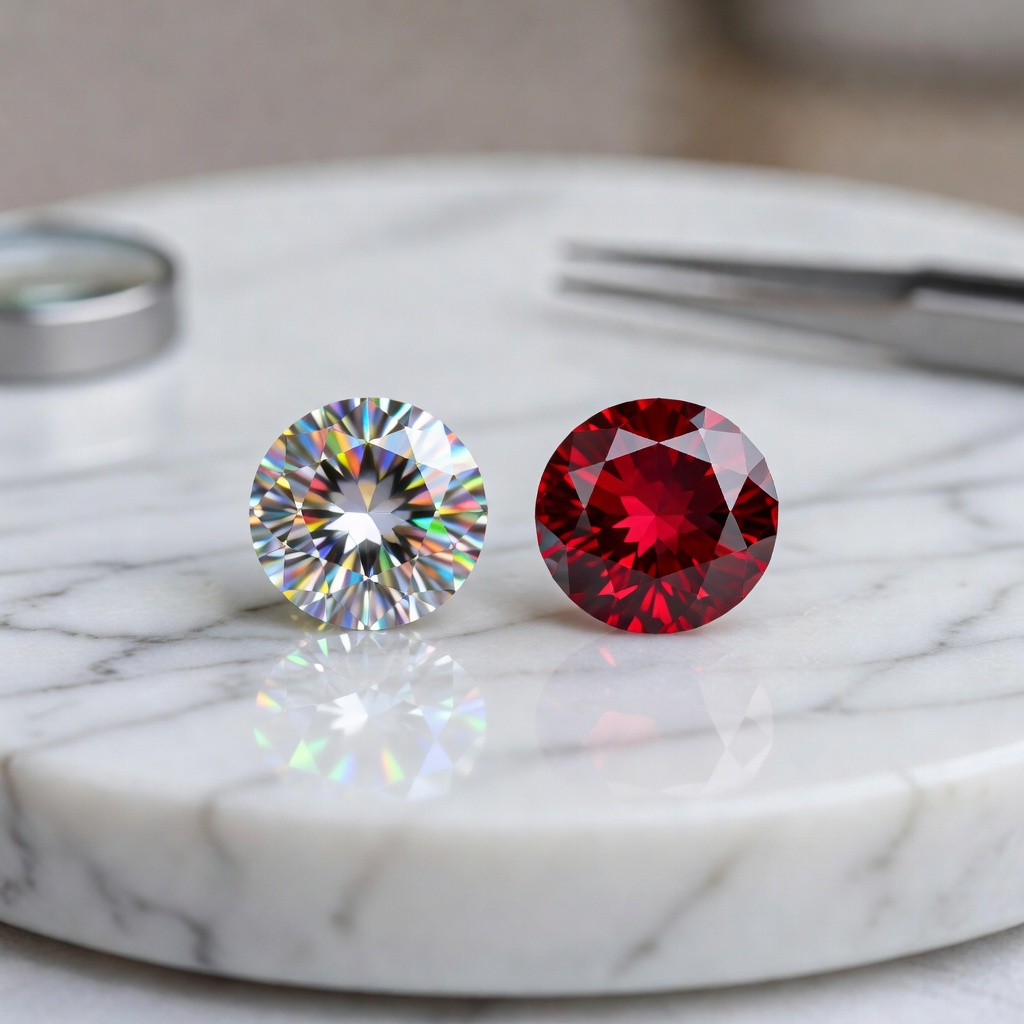
The optical performance differences between moissanite brilliance vs garnet create distinctly different visual experiences that appeal to varying aesthetic preferences. Moissanite's exceptional refractive index of 2.65 produces intense white light return (brilliance) combined with remarkable dispersion (fire), resulting in rainbow-colored flashes that exceed even those of diamond. This high dispersion rate of 0.104 means that moissanite separates white light into spectral colors more effectively than garnet, creating a disco-ball effect under direct lighting conditions that some admirers find mesmerizing while others consider excessive.
Garnet, with its refractive index ranging from 1.72 to 1.89 depending on the specific variety, offers a more subdued, velvety luster characterized by deep body color and subtle glow rather than intense sparkle. When comparing moissanite fire against garnet's visual properties, red garnets exhibit a warm, rich saturation that absorbs and reflects light differently, creating an appearance of depth and sophistication rather than brilliance. Under natural daylight, a high-quality rhodolite garnet displays a purplish-red depth that seems to glow from within, while moissanite produces brilliant flashes of white and rainbow light that demand attention.
Color performance varies significantly between these stones based on lighting environments. Moissanite maintains its brilliance across various lighting conditions, performing exceptionally well under LED and fluorescent lights commonly found in office environments and retail spaces. Garnet color, particularly in red varieties, often appears darkest under artificial lighting, requiring natural sunlight to reveal its full saturation and tonal complexity. For evening wear and candlelit environments, moissanite's light performance creates dramatic sparkle, while garnet offers a more mysterious, intimate glow that complements warm lighting temperatures.
Durability and Hardness: The Mohs Scale Reality
Gemstone hardness comparison reveals the most significant practical difference between these two options, directly impacting their suitability for everyday wear jewelry. Moissanite ranks 9.25 on the Mohs hardness scale, making it the second-hardest gemstone used in jewelry, surpassed only by diamond (10). This exceptional hardness ensures that moissanite resists scratching from daily activities, including accidental contact with household surfaces, keys, and other jewelry items. For engagement rings subjected to decades of continuous wear, this hardness level provides peace of mind regarding surface integrity and long-term clarity.
Garnet varieties typically range between 6.5 and 7.5 on the Mohs hardness scale, with specific types like tsavorite ranking higher (7-7.5) and spessartite slightly lower (6.5-7). While this hardness level suffices for occasional wear pieces, it presents genuine concerns for rings worn daily over extended periods. Everyday substances including household dust (which contains silica at 7 hardness), sand, and even some metal files can potentially scratch garnet surfaces, gradually dulling the polish and affecting light performance. This mohs hardness scale reality means that garnet requires more protective settings, such as bezels or recessed mounts, when used in rings intended for daily wear.
Beyond hardness, toughness—the resistance to chipping and breaking—also differs between these materials. Moissanite exhibits excellent toughness despite its extreme hardness, resisting cleavage and fracture under normal impact conditions. Garnet, while generally tough, possesses distinct cleavage planes in certain varieties that can create vulnerability points under sharp impacts. For active individuals or those working with their hands, moissanite offers superior durability for engagement rings, while garnet performs beautifully in earrings and pendants where impact risks remain minimal.
Price and Value: Investment vs. Affordability
When evaluating moissanite price against garnet value, consumers encounter two distinctly different market dynamics that reflect availability, consistency, and rarity factors. High-quality moissanite typically ranges from $300 to $600 per carat, with pricing determined primarily by size, color grade (near-colorless vs. fancy colors), and cut quality. This standardized pricing structure results from controlled laboratory production, offering predictable costs without the dramatic fluctuations common in natural gemstone markets. For budget-conscious shoppers seeking diamond alternatives, moissanite provides exceptional value, offering durability and brilliance comparable to diamonds at approximately one-tenth the cost.
Garnet pricing spans an extraordinarily wide spectrum based on variety, color intensity, clarity, and carat weight. Common red almandine and pyrope garnets remain highly accessible, ranging from $50 to $500 per carat for fine qualities, making them excellent affordable gemstones for statement jewelry and birthstone gifts. However, rare varieties like tsavorite, demantoid, and color-change garnets can command prices exceeding $3,000 per carat for exceptional specimens, rivaling fine sapphire and emerald values. This variability means that while budget-friendly garnet options abound, investment-grade specimens require significant capital and expert authentication.
Long-term value retention presents another consideration in this comparison. Moissanite, as a manufactured product with increasing production efficiency, experiences gradual price depreciation similar to technological commodities, though high-quality stones retain reasonable resale value within the secondary market. Natural garnet, particularly rare varieties from depleted mines or exceptional historical pieces, may appreciate over time, offering potential investment returns for collectors. However, common red garnet varieties, while beautiful, do not typically serve as investment vehicles due to abundant supply.
Best Jewelry Applications for Each Stone
Moissanite engagement ring options dominate the bridal market for good reason, as the stone's exceptional hardness, brilliance, and colorless appearance create ideal conditions for daily-worn symbols of commitment. Modern couples increasingly select moissanite for solitaire settings, halo designs, and three-stone arrangements where the gem's fire creates maximum visual impact. The stone's light weight compared to diamond also allows for larger carat sizes without excessive bulk, making elaborate gemstone settings more comfortable for everyday wear. For anniversary bands and eternity rings subjected to constant contact with hard surfaces, moissanite provides unparalleled durability.
Garnet jewelry excels in vintage-inspired designs, cocktail rings, and statement pieces where rich color takes precedence over brilliance. The stone's historical associations make it perfect for Victorian-reproduction jewelry, Art Deco geometric designs, and bohemian-style accessories. Earrings and pendants represent ideal applications for garnet, as these pieces experience minimal impact and abrasion compared to rings, allowing wearers to enjoy the stone's beauty without constant durability concerns. For January birthstone jewelry, garnet offers authentic traditional significance that lab-created alternatives cannot replicate.
When considering red gemstone jewelry guide recommendations, garnet serves as the premier choice for those seeking natural red stones with historical gravitas, while moissanite appeals to those wanting modern performance with ethical production. Mixed-metal settings featuring yellow gold enhance garnet's warm red tones, while white gold and platinum settings maximize moissanite's diamond-like appearance. For men's jewelry, garnet cabochons offer masculine appeal in signet rings and cufflinks, while moissanite provides contemporary sophistication in modern band designs.
Maintenance and Care Requirements
Moissanite maintenance requires specific attention due to the stone's tendency to attract oils and dirt more readily than diamonds, resulting in temporary dullness that affects brilliance. Regular cleaning with warm water, mild dish soap, and a soft toothbrush effectively removes buildup from lotions, sunscreens, and natural skin oils. While moissanite tolerates ultrasonic cleaning and steam cleaning better than many gemstones due to its thermal stability and lack of inclusions, occasional professional inspection ensures that prongs remain secure and the stone maintains optimal alignment in its setting.
Garnet cleaning demands gentler approaches to preserve polish and prevent potential damage to the stone's surface. While warm soapy water remains safe for most garnet varieties, ultrasonic cleaners pose risks for stones with liquid inclusions or fracture fillings, potentially causing internal damage or shattering. Steam cleaning is generally discouraged for garnet due to thermal shock risks. Instead, soft cloth polishing and occasional professional repolishing help maintain garnet's luster, particularly for rings showing surface scratches from daily wear.
Storage considerations differ significantly between these materials. Moissanite can safely contact other jewelry items without scratching concerns, though storing pieces separately prevents mechanical damage to settings. Garnet requires isolated storage in soft pouches or lined jewelry boxes to prevent scratching by harder materials like diamonds, sapphires, and even quartz-containing dust. When traveling, garnet rings should be removed during activities involving sand, gardening, or heavy lifting, while moissanite offers more flexibility for adventure travel and active lifestyles.
Final Verdict: Which Gemstone Should You Choose?
Selecting between moissanite vs garnet ultimately depends on aligning gemstone characteristics with your specific lifestyle requirements, aesthetic preferences, and symbolic intentions. For active professionals, outdoor enthusiasts, or those seeking heirloom-quality engagement jewelry requiring minimal maintenance, moissanite emerges as the clear winner, offering diamond-like performance with ethical production standards. The stone's superior hardness and brilliance suit modern tastes while providing decades of worry-free wear.
Garnet appeals to collectors, history enthusiasts, and those drawn to natural earth-mined treasures with unique character and traditional significance. If you prioritize January birthstone authenticity, appreciate the warmth of rich red hues, or seek investment-grade rare varieties like tsavorite or demantoid, garnet offers unmatched natural beauty. This gemstone suits individuals with extensive jewelry collections who rotate pieces regularly, allowing garnet items to serve as special-occasion treasures rather than daily workhorses.
For budget-conscious shoppers, both stones provide excellent value, with standard garnet offering the most affordable entry point and moissanite delivering the best long-term durability for the price. Consider your daily activities, storage capabilities, and cleaning habits when making your final decision, ensuring your chosen gemstone aligns with practical realities rather than just aesthetic desires.
| Characteristic | Moissanite | Garnet (General) |
|---|---|---|
| Chemical Composition | Silicon Carbide (SiC) | Silicate Minerals (varies by type) |
| Mohs Hardness | 9.25 | 6.5 - 7.5 |
| Refractive Index | 2.65 | 1.72 - 1.89 |
| Brilliance/Fire | Extremely high, rainbow flashes | Moderate, velvety glow |
| Origin | Lab-created exclusively | Natural earth-mined |
| Price per Carat | $300 - $600 | $50 - $3,000+ (varies by type) |
| Best Application | Engagement rings, daily wear | Earrings, pendants, occasional wear |
| Care Requirements | Regular cleaning for oil removal | Gentle handling, avoid ultrasonic |
| Color Options | Colorless, green, blue, yellow | Red, green, orange, blue, purple |
Frequently Asked Questions
Which is more expensive, moissanite or garnet?
Generally, high-quality moissanite costs more than common red garnet but less than rare garnet varieties like tsavorite or demantoid. Standard red garnet typically ranges $50-$500 per carat, while moissanite averages $300-$600 per carat depending on size and quality. Rare green garnets can exceed $3,000 per carat, making them significantly more expensive than moissanite, while commercial-grade red garnet offers budget-friendly alternatives at a fraction of moissanite's cost.
Can I use garnet for an engagement ring?
While garnet can be used for engagement rings, its 6.5-7.5 Mohs hardness makes it vulnerable to scratching over decades of daily wear. For active lifestyles, moissanite (9.25 hardness) offers superior durability, though garnet works well for occasional wear or protective settings like bezels. If you choose garnet for an engagement ring, consider protective mounting styles that shield the girdle and crown from impact, and plan for periodic professional repolishing to maintain the stone's luster throughout the years.
Does moissanite look like a diamond, and how does garnet compare?
Moissanite closely resembles diamond with higher brilliance and more colorful fire (rainbow flashes). Garnet looks distinctly different—deep red varieties resemble ruby but with a glassier luster and less sparkle than either moissanite or diamond. Under magnification, moissanite reveals doubled facet lines due to double refraction, while garnet shows single refraction similar to diamond but with noticeably lower brilliance and a deeper, more saturated body color that absorbs rather than reflects light.
Is garnet only available in red?
No, garnet occurs in nearly every color. While deep red (pyrope/almandine) is most common, tsavorite offers vivid green, spessartite ranges from orange to gold, and rare blue garnets exist. Moissanite is typically colorless but available in fancy colors including green, blue, and yellow. This diversity makes garnet one of the most versatile gemstone families for collectors, with color-change varieties that shift between blue and purple depending on lighting conditions, offering unique aesthetic possibilities unavailable in moissanite's color range.
Which gemstone sparkles more, moissanite or garnet?
Moissanite sparkles significantly more than garnet due to its higher refractive index (2.65 vs. 1.72-1.89) and greater dispersion. Moissanite produces rainbow-colored flashes (fire), while garnet exhibits a more subdued, velvety glow with less brilliance. Under direct sunlight or spot lighting, moissanite creates a disco-ball effect with intense white and spectral color flashes, whereas garnet reflects light with a softer, more intimate glow that emphasizes depth of color rather than surface brilliance.
Are both moissanite and garnet natural gemstones?
Garnet is always a natural, earth-mined gemstone, though treatments exist. Moissanite is exclusively lab-created for jewelry use—natural moissanite is incredibly rare and found only in microscopic meteorite fragments. All jewelry-grade moissanite is synthetic silicon carbide. This distinction matters for consumers prioritizing natural origin and geological uniqueness, as garnet carries millions of years of earth history within its crystal structure, while moissanite represents human technological achievement in materials science.
Which stone is better for daily wear?
Moissanite is superior for daily wear due to its exceptional hardness (9.25 Mohs), resisting scratches from everyday activities. Garnet requires more careful handling and protective settings for daily use, making it better suited for earrings, pendants, or occasional wear rings. For professionals working in healthcare, construction, or culinary arts, moissanite withstands exposure to chemicals, heat, and physical impact better than garnet, maintaining its polish and clarity despite rigorous daily demands.
How can I tell the difference between moissanite and garnet?
Visual inspection reveals moissanite's double refraction (doubling of facet lines when viewed through the crown) and intense rainbow fire, while garnet shows single refraction and deeper body color. A diamond tester will identify moissanite as electrically conductive, while garnet will not register. Additionally, moissanite feels lighter than garnet of equivalent size due to lower specific gravity, and under magnification, moissanite's faceting appears doubled while garnet's remains singular, providing definitive identification without specialized gemological equipment.