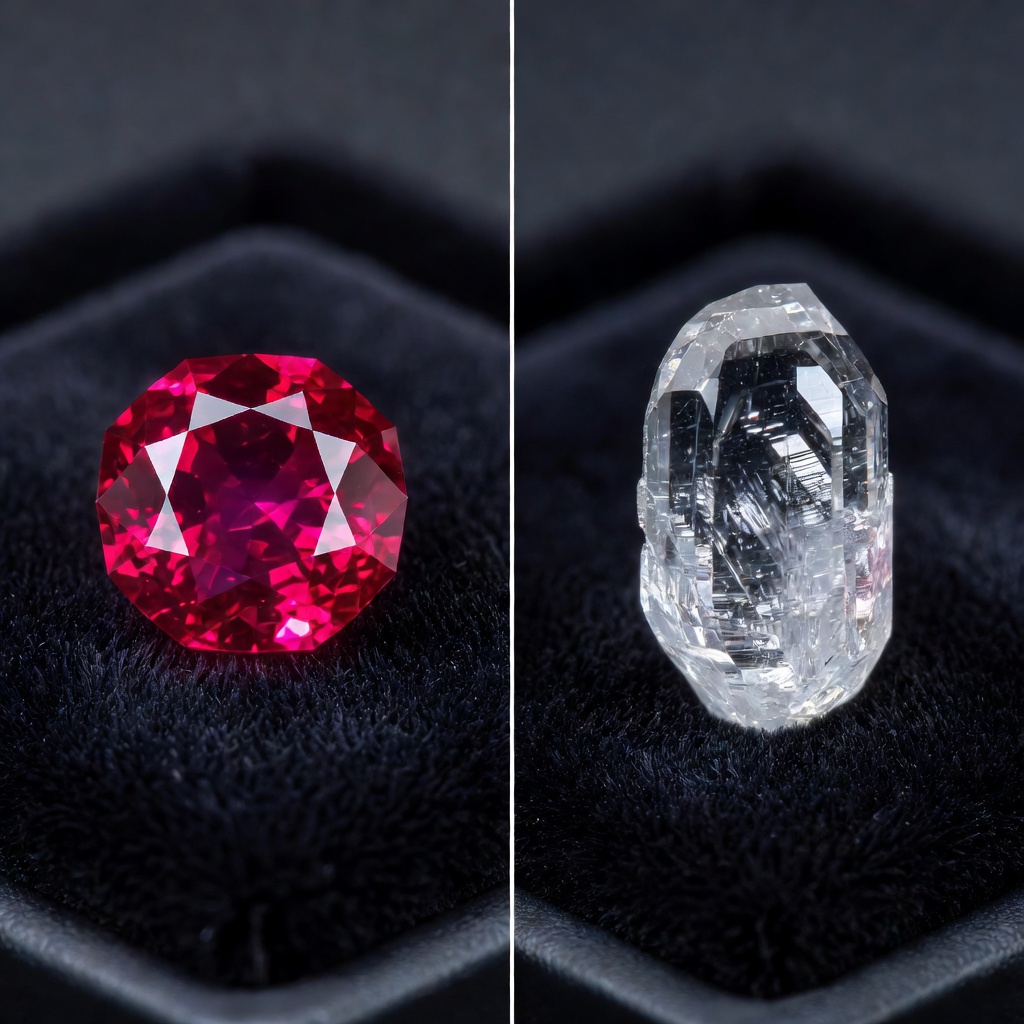
Understanding Moissanite vs Citrine for Your Jewelry Collection
When selecting the perfect yellow gemstone for your next jewelry piece, the comparison between moissanite vs citrine frequently emerges as a compelling decision point for modern buyers. Moissanite represents a laboratory-created silicon carbide crystal that delivers diamond-like brilliance and exceptional durability, while citrine stands as a natural variety of crystalline quartz prized for its warm honey-to-amber coloration and accessible price point. Despite their fundamentally different chemical compositions and origins, these stones occupy similar market positions as affordable gemstone alternatives to traditional diamonds and yellow sapphires, creating genuine confusion for consumers seeking yellow-hued center stones. Understanding the critical distinctions between these gems requires careful examination of their durability characteristics, optical properties, formation methods, and long-term value propositions to ensure your selection aligns with your lifestyle needs and aesthetic preferences.
Origins and Composition: Synthetic vs Natural Formation
Moissanite's journey from cosmic rarity to jewelry staple represents one of modern gemology's most fascinating achievements. Originally discovered in microscopic quantities within meteorite fragments by Nobel Prize-winning chemist Henri Moissan in 1893, natural moissanite is exceptionally rare on Earth, prompting scientists to develop sophisticated laboratory processes that replicate its formation. Modern synthetic moissanite formation involves growing silicon carbide crystals through high-pressure, high-temperature (HPHT) or chemical vapor deposition (CVD) methods, resulting in flawless gemstones that maintain the mineral's extraordinary optical properties while ensuring consistent quality and ethical production standards.
Citrine, conversely, emerges through natural geological processes as a transparent variety of quartz colored by trace amounts of iron within its crystal structure. These gemstones typically form inside volcanic rock cavities or hydrothermal veins over thousands of years, developing their characteristic yellow to orange-brown coloration through natural irradiation and heat deep within the Earth. However, jewelry buyers should understand that approximately 95% of commercial citrine available today is actually heat-treated amethyst or smoky quartz, where controlled heating processes transform purple or gray quartz into the golden hues associated with natural citrine, creating an important distinction in value and rarity within the citrine jewelry buying guide.
The environmental and ethical implications of lab created vs natural gemstones create significant differentiation between these two options. Moissanite production eliminates mining entirely, offering a conflict-free alternative with minimal environmental disruption, though the process requires substantial energy consumption. Citrine mining, while less destructive than diamond extraction, still involves landscape disruption and labor considerations, though heat-treated varieties repurpose abundant amethyst material rather than extracting rare natural citrine deposits. For environmentally conscious consumers, moissanite provides guaranteed ethical sourcing, while citrine offers a naturally occurring option with generally lower environmental impact than precious gems, provided buyers verify responsible mining practices.
Visual Characteristics: Brilliance, Fire, and Color Analysis
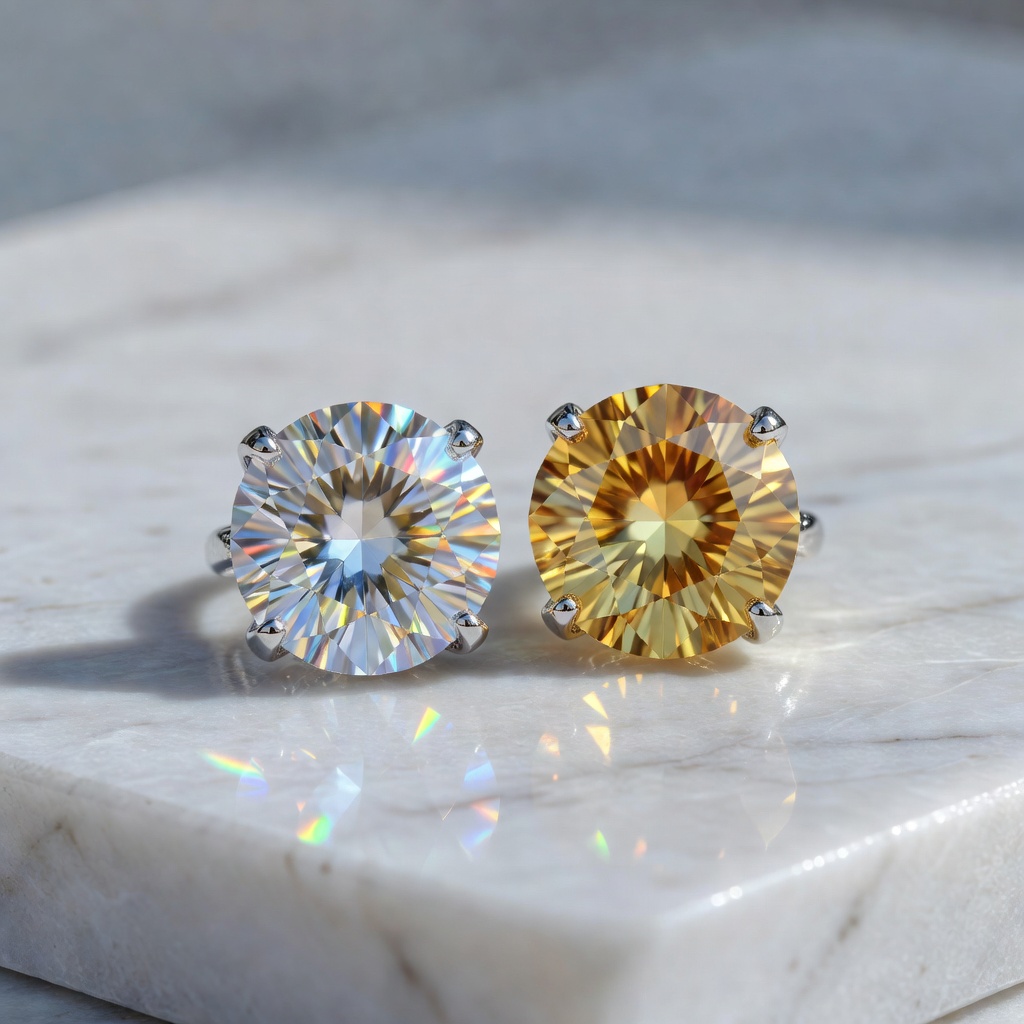
The optical performance gap between these gemstones becomes immediately apparent when examining their interaction with light, fundamentally distinguishing their visual appeal. Moissanite fire and brilliance exceed nearly every gemstone available, boasting a refractive index of 2.65-2.69 compared to diamond's 2.42, which creates intense white light reflection and spectacular rainbow dispersion visible even in dim lighting conditions. This extreme brilliance produces a distinctive "disco ball" effect under direct lighting, with moissanite splitting light into spectral colors more dramatically than any other gemstone, creating a lively, animated appearance that catches attention from across rooms.
Citrine presents a distinctly different visual character defined by subtlety and warmth rather than explosive sparkle. With a refractive index of approximately 1.54, citrine produces a gentle, glass-like luster similar to other quartz varieties, offering a more subdued glow that emphasizes its rich coloration over light performance. In a yellow gemstone comparison, citrine's consistent golden-to-amber spectrum provides authentic, natural-looking color that remains stable across various lighting environments, whereas colorless or near-colorless moissanite may display subtle green or gray undertones in certain lights, though yellow-tinted moissanite specifically mimics fancy yellow diamonds.
Clarity characteristics further differentiate these stones, with moissanite typically appearing internally flawless due to its controlled laboratory creation, while citrine often contains characteristic inclusions such as liquid-filled cavities or phantom crystals that prove its natural origin. When selecting jewelry, consider that moissanite performs optimally under spot lighting or sunlight, where its fire becomes most apparent, making it ideal for evening wear and formal occasions. Citrine, however, maintains its appealing color consistency under fluorescent office lighting, incandescent home lighting, and natural daylight, providing reliable aesthetic performance for daily professional environments where subtle elegance proves more appropriate than dazzling brilliance.
Durability and Hardness: Mohs Scale Comparison
Gemstone durability Mohs scale ratings reveal the most significant practical difference between these two options, directly impacting their suitability for various jewelry applications. Moissanite ranks 9.25 on the Mohs hardness scale, positioning it just below diamond (10) and alongside corundum (ruby and sapphire at 9), creating exceptional resistance to scratching during daily activities. This hardness ensures that moissanite engagement rings maintain their pristine facet edges and polish indefinitely, even when worn continuously through years of household chores, professional work, and active lifestyles without showing surface wear.
Citrine's 7 Mohs rating, while suitable for many jewelry applications, places it in a vulnerability zone where everyday materials can potentially damage its surface. Household dust, which often contains silica particles ranking 7-7.5 on the scale, can theoretically scratch citrine over time, as can accidental contact with harder gemstones in jewelry boxes or hard surfaces like granite countertops. In practical terms, this means moissanite vs citrine durability comparisons heavily favor moissanite for rings and bracelets that experience frequent impact, while citrine requires protective bezel or halo settings and conscious removal during activities involving abrasion risks to preserve its polish.
Toughness, or resistance to chipping and breaking, presents a more nuanced comparison beyond simple scratch resistance. Moissanite possesses excellent toughness with no cleavage planes, meaning it resists chipping even when struck, though its extreme hardness can make cutting and setting challenging for jewelers. Citrine, despite its lower hardness, generally offers good toughness due to quartz's compact crystal structure, though it can fracture under hard blows or extreme temperature changes. For active individuals who never remove their jewelry, moissanite provides worry-free durability, while citrine suits those willing to practice jewelry mindfulness, removing pieces before gardening, weightlifting, or cleaning with harsh chemicals that might compromise its surface integrity.
Pricing and Value: Cost Analysis Per Carat
The financial distinction between these gemstones creates one of the most dramatic disparities in the affordable gemstone alternatives market, influencing accessibility for various budget ranges. High-quality moissanite typically commands $400 to $600 per carat, with premium colorless grades and specific fancy colors including yellow hues reaching the higher end of this spectrum, reflecting the sophisticated technology and energy required for its creation. This pricing positions moissanite as a mid-range option—significantly less expensive than diamonds but considerably more costly than many colored gemstones—offering excellent value for those prioritizing durability and brilliance without premium diamond pricing.
Citrine remains one of the most budget-friendly gemstones available, with commercial-quality stones ranging from $10 to $30 per carat and even museum-quality deep golden specimens with excellent clarity rarely exceeding $100 per carat. This dramatic price difference enables jewelry enthusiasts to purchase substantially larger citrine stones or allocate budgets toward elaborate settings and accent diamonds rather than the center stone itself. However, the citrine jewelry buying guide should note that treated amethyst commands lower prices than natural, untreated citrine, which occurs rarely in nature and can fetch premium prices from collectors seeking unenhanced specimens with documented provenance.
Long-term value considerations reveal different investment profiles for these stones. Moissanite maintains stable retail pricing with minimal depreciation, though like most synthetic gemstones, it lacks resale value compared to natural stones due to infinite reproducibility. Citrine, while inexpensive initially, offers minimal appreciation potential except for rare natural specimens from specific localities like Russia's Ural Mountains or Madagascar. When calculating cost-per-wear value, moissanite proves economical for daily-wear engagement rings worn over decades, while citrine delivers exceptional value for fashion jewelry rotated seasonally or worn occasionally, allowing collectors to build versatile jewelry wardrobes without significant financial commitment.
Moissanite vs Citrine: Comprehensive Comparison
| Characteristic | Moissanite | Citrine |
|---|---|---|
| Hardness (Mohs Scale) | 9.25 (Excellent for daily wear) | 7 (Requires protective settings) |
| Refractive Index | 2.65-2.69 (Exceptional brilliance) | 1.54 (Gentle, glass-like luster) |
| Price per Carat | $400-$600 | $10-$30 (up to $100 for rare natural) |
| Origin | Exclusively lab-created | Natural quartz (often heat-treated) |
| Fire/Dispersion | 0.104 (High rainbow effect) | 0.013 (Minimal dispersion) |
| Color Range | Colorless to near-colorless, fancy yellows available | Pale yellow to deep amber/orange |
| Best Jewelry Applications | Engagement rings, wedding bands, daily wear earrings | Fashion rings, pendants, cocktail jewelry |
| Care Requirements | Ultrasonic safe, extremely durable | Avoid ultrasonic, gentle cleaning only |
| Heat Sensitivity | High heat tolerance | Sensitive to sudden temperature changes |
| Environmental Impact | No mining, high energy production | Minimal mining impact, often repurposed amethyst |
Jewelry Applications: Best Uses for Each Stone
Strategic jewelry design maximizes the unique strengths of each gemstone while mitigating their inherent limitations. Moissanite vs citrine engagement rings represent the most critical application distinction, with moissanite serving as the clear choice for bridal jewelry intended for decades of continuous wear. Its exceptional hardness supports delicate prong settings and intricate pave work without risk of stone loss due to wear, while its brilliance complements modern solitaire designs, vintage-inspired halo settings, and three-stone anniversary rings. For daily wear earrings and bracelets subjected to frequent incidental contact, moissanite maintains its beauty without requiring the wearer to modify activities or remove jewelry before sleeping or exercising.
Citrine excels in jewelry applications where its warm color takes precedence over durability requirements, particularly in protective settings that shield the stone from direct impact. Bezel-set citrine pendants, halo-protected cocktail rings, and earring jackets showcase the gem's golden hues while the metalwork absorbs potential blows that might chip the softer stone. When selecting citrine jewelry, prioritize yellow gold or rose gold settings that harmonize with the stone's natural warmth, whereas moissanite pairs beautifully with white gold, platinum, or palladium to emphasize its diamond-like appearance, though yellow gold moissanite settings create convincing fancy yellow diamond alternatives at fraction of the cost.
Cut selection significantly impacts the performance of both gemstones, requiring different approaches to maximize their optical potential. Moissanite performs brilliantly in brilliant cuts—round, oval, pear, and cushion shapes with faceted pavilions that maximize light return and fire, specifically designed to enhance its high refractive index. Citrine benefits from step cuts like emerald or asscher styles that emphasize clarity and color over brilliance, or traditional brilliant cuts that provide moderate sparkle while showcasing the stone's transparency. Large carat weight citrine stones work particularly well in retro-inspired cocktail rings and statement pendants where their size creates visual impact without the premium associated with large moissanite or diamond specimens.
Care and Maintenance Requirements
Proper maintenance protocols differ substantially between these gemstones due to their hardness disparities and chemical sensitivities. Moissanite's extreme durability allows for aggressive cleaning methods including ultrasonic cleaners, steam cleaning, and jewelry cleaning solutions without risk of damage, making it ideal for those who prefer low-maintenance luxury. Routine cleaning involves simple soap and water with a soft brush to remove oils and lotions that might temporarily dull its brilliance, though professional inspections every six months ensure settings remain secure given that moissanite's hardness can wear down prongs over time.
Citrine requires significantly more delicate handling to preserve its polish and prevent structural damage over years of ownership. Owners should avoid ultrasonic cleaners and steam, as the vibrations and heat can exacerbate existing fractures or inclusions within the quartz structure. Instead, maintain citrine using lukewarm water with mild dish soap and a soft microfiber cloth, drying immediately to prevent water spots. Store citrine pieces separately in soft cloth pouches or divided jewelry boxes to prevent contact with harder gemstones like diamonds, sapphires, or even moissanite that could scratch its surface during storage.
Heat sensitivity presents particular concerns for citrine maintenance, as prolonged exposure to direct sunlight or sudden temperature changes can alter its color, particularly in heat-treated specimens which may fade to a paler yellow or return toward their original purple-gray amethyst state. Remove citrine rings before cooking, sunbathing, or entering saunas, and never expose the stone to harsh chemicals including chlorine, bleach, or acidic cleaning agents that can etch quartz surfaces. Professional jewelers should inspect citrine settings annually to check for loose stones, as the wear on prongs combined with citrine's susceptibility to chipping if struck makes secure mounting essential for long-term enjoyment of these golden gems.
Making Your Decision: Lifestyle and Preference Factors
Selecting between these gemstones ultimately requires honest assessment of your daily activities, jewelry wearing habits, and personal symbolism preferences. Active individuals with hands-on careers in healthcare, construction, fitness instruction, or culinary arts should prioritize moissanite for any rings or bracelets worn daily, as its scratch resistance eliminates the need to constantly remove jewelry before tasks. Conversely, those with desk-based professional environments or individuals who enjoy changing jewelry frequently to match outfits may find citrine's affordability allows for greater variety and seasonal color coordination without financial stress over potential damage.
Symbolic meanings offer another dimension for consideration beyond practical durability. Moissanite represents innovation, enduring love, and technological advancement—appealing to couples who value scientific achievement and modern ethical standards over traditional geological rarity. Its cosmic origins connect to themes of destiny and star-crossed romance. Citrine carries centuries of metaphysical associations with abundance, prosperity, positivity, and solar energy, often called the "merchant's stone" for its historical connection to financial success and manifestation. Those drawn to crystal healing traditions or seeking stones with documented historical significance across ancient Greek, Roman, and Scottish jewelry traditions may prefer citrine's organic heritage.
Color psychology and wardrobe coordination significantly influence satisfaction with either choice. Moissanite's colorless or near-colorless appearance provides maximum versatility across all metal types and clothing colors, while yellow moissanite offers a bright, canary-like intensity that reads as distinctly modern and luxurious. Citrine's earthy, honeyed tones complement autumnal color palettes, bohemian fashion styles, and vintage aesthetics particularly well, though its specific yellow-orange hue may clash with certain cool-toned wardrobes featuring extensive blues, purples, or grays. Consider creating a decision matrix: prioritize moissanite if durability, brilliance, and modern symbolism rank highest; choose citrine if budget flexibility, natural origin, warm color authenticity, and metaphysical properties drive your selection process.
Conclusion: Selecting Your Perfect Yellow Gemstone
The moissanite vs citrine debate ultimately resolves not to a single superior choice, but to the alignment of specific gemstone properties with individual lifestyle requirements and aesthetic values. Moissanite emerges as the durability champion, offering diamond-like performance and generational longevity for daily wear pieces, particularly engagement rings and wedding bands that must withstand decades of continuous use without compromise. Citrine claims victory in color authenticity and accessible luxury, providing genuine natural beauty with warm, consistent golden hues that moissanite's synthetic brilliance cannot authentically replicate, all while maintaining budget-friendly accessibility for fashion-forward jewelry collections.
Your perfect choice depends on wearing patterns: active lifestyles demanding "set it and forget it" convenience favor moissanite's 9.25 Mohs hardness and carefree maintenance, while jewelry enthusiasts who view pieces as rotating accessories rather than permanent fixtures will appreciate citrine's affordable luxury and distinctive character. Both stones offer ethical advantages over traditionally mined gems, whether through moissanite's laboratory-created certainty or citrine's minimal environmental mining impact. Before finalizing your selection, visit a reputable jeweler to view both stones under various lighting conditions, comparing their interaction with light against your skin tone and preferred metal colors. Whether you choose the enduring brilliance of moissanite or the sunny warmth of citrine, understanding these distinctions ensures your jewelry will bring lasting satisfaction aligned with both your practical needs and personal style.
Frequently Asked Questions
Which is more durable for daily wear, moissanite or citrine?
Moissanite is significantly more durable for daily wear, ranking 9.25 on the Mohs hardness scale compared to citrine's 7. This makes moissanite highly resistant to scratching and suitable for engagement rings, while citrine requires more careful handling and protective settings to prevent damage during everyday activities.
Can citrine and moissanite look similar to the untrained eye?
While both can display yellow hues, they look quite different upon close inspection. Moissanite exhibits extreme brilliance with rainbow-like fire (dispersion) and can be colorless, whereas citrine has a more subdued, honey-like luster with consistent yellow-to-orange coloring and lacks the intense sparkle characteristic of moissanite.
Is moissanite or citrine more expensive?
Moissanite is considerably more expensive than citrine. Quality moissanite typically costs $400-$600 per carat, while natural citrine ranges from $10-$30 per carat. Even high-end citrine with deep golden coloring rarely exceeds $100 per carat, making it one of the most affordable gemstones compared to moissanite's premium lab-created pricing.
Can citrine be used as an alternative to yellow moissanite?
Yes, citrine serves as an affordable alternative to yellow moissanite if you specifically want a warm-colored gemstone. However, citrine lacks moissanite's hardness and brilliance. If seeking a yellow stone for frequent wear, consider that citrine may scratch over time, while yellow moissanite offers superior durability with similar coloring.
Which gemstone has better brilliance and sparkle?
Moissanite possesses superior brilliance with a refractive index of 2.65-2.69 (higher than diamond), creating intense white light reflection and colorful fire. Citrine has a refractive index of approximately 1.54, producing a gentler, glass-like luster rather than the explosive sparkle characteristic of moissanite.
Is citrine available as a lab-created stone like moissanite?
While moissanite is exclusively lab-created for jewelry use (natural specimens being extremely rare), citrine occurs naturally but is commonly heat-treated. Most commercial citrine is actually heat-treated amethyst or smoky quartz. True synthetic citrine exists but is less common than treated natural material, unlike moissanite which is always synthetic.
Which stone is better for an engagement ring?
Moissanite is the superior choice for engagement rings due to its exceptional hardness (9.25 Mohs), ensuring it withstands decades of daily wear without scratching. Citrine's softer 7 Mohs rating makes it susceptible to scratches and chips during everyday activities, making it better suited for occasional wear or protective pendant settings rather than daily-wear rings.