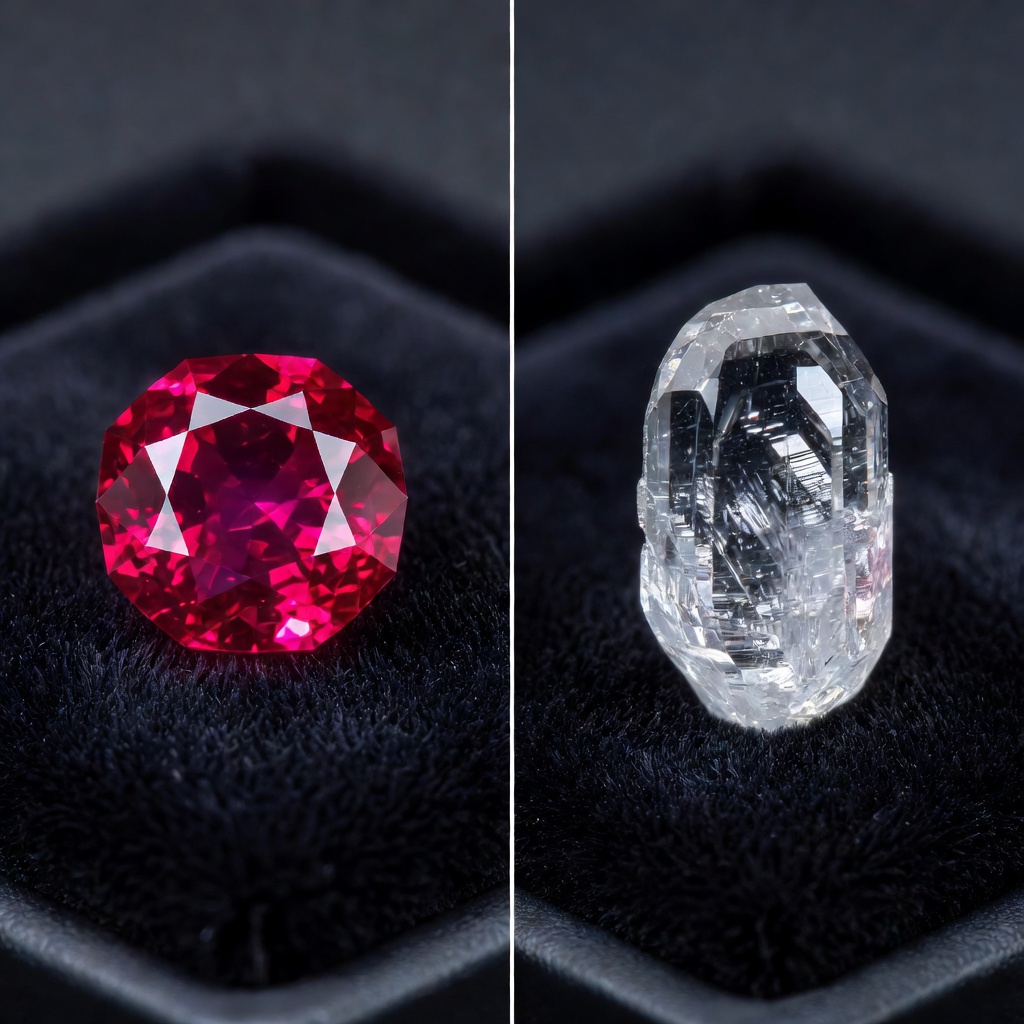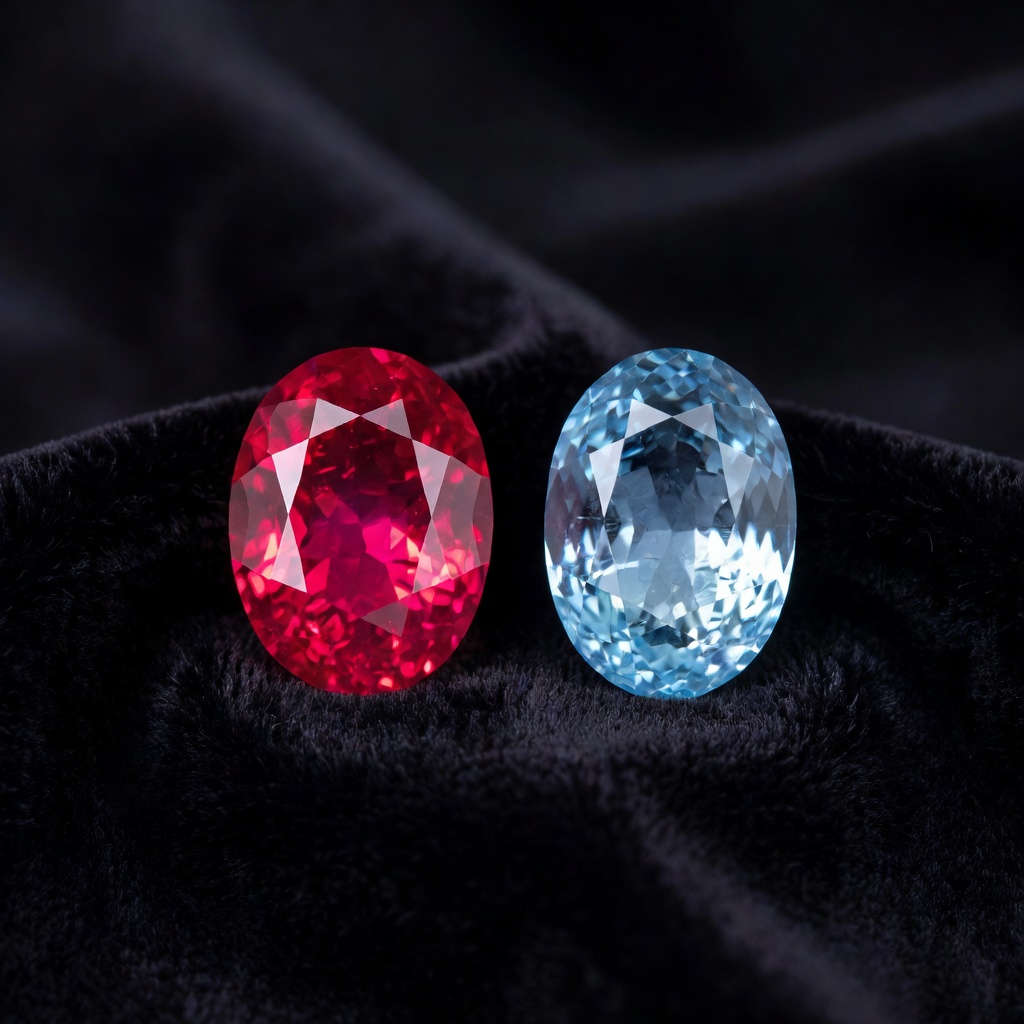
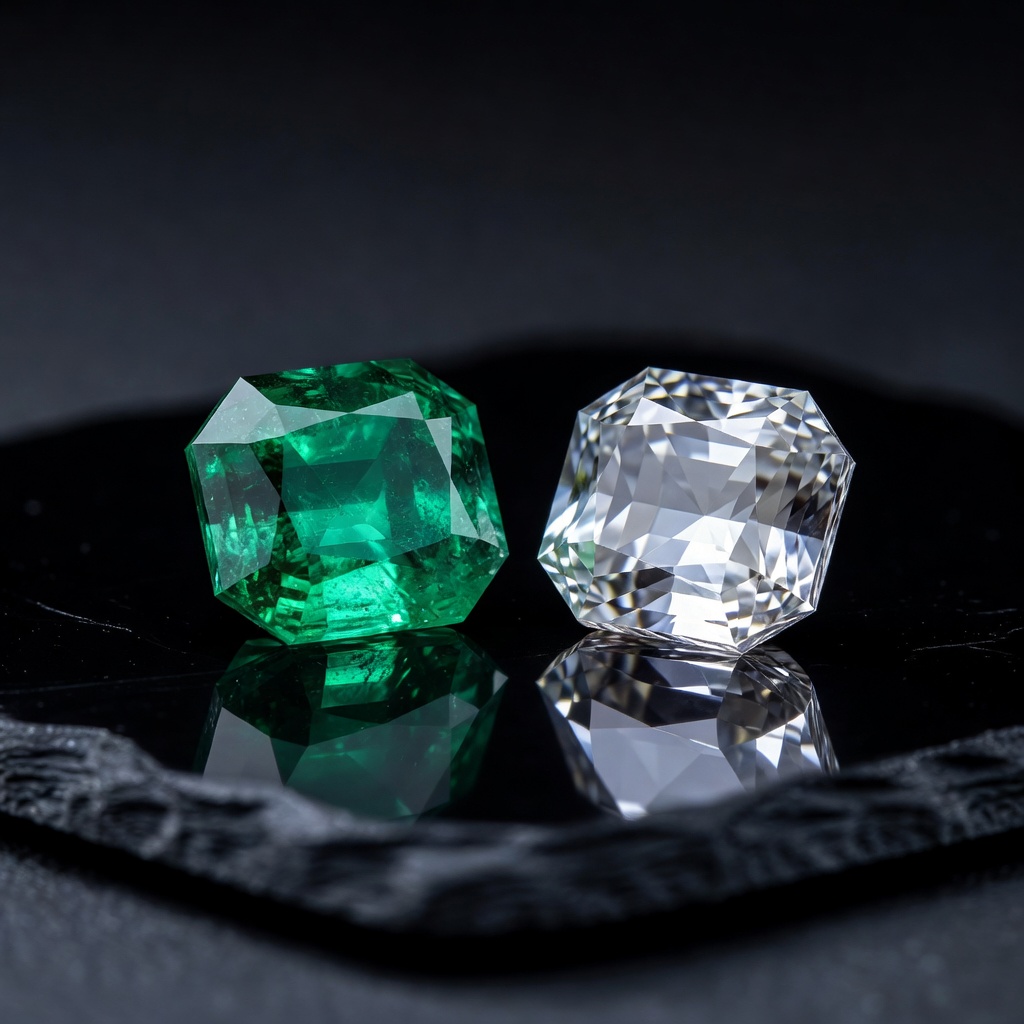
Understanding the Emerald vs White Topaz Debate
When selecting the perfect gemstone for jewelry, buyers often find themselves weighing the luxurious appeal of precious stones against the practical benefits of more affordable alternatives. The debate surrounding emerald vs white topaz represents one of the most interesting comparisons in the jewelry world, as these two stones occupy opposite ends of the gemstone spectrum despite both being beloved by collectors and fashion enthusiasts. While the green emerald stone has captivated royalty and celebrities for millennia with its rich, verdant hues, white topaz jewelry offers accessible elegance and diamond-like brilliance at a fraction of the cost. Understanding the fundamental differences between these gemstones requires examining their geological origins, physical durability, visual characteristics, and long-term value propositions to make an informed purchasing decision.
Geological Origins and Chemical Composition
Emeralds belong to the beryl mineral family, specifically forming as beryllium aluminum cyclosilicate (Be₃Al₂Si₆O₁₈) when trace amounts of chromium and vanadium replace aluminum in the crystal structure during formation. These precious gems typically develop in hydrothermal veins associated with granitic rocks, where hot, mineral-rich fluids create the perfect environment for crystal growth over millions of years. The most coveted specimens originate from Colombia's Muzo and Chivor mines, which produce emeralds with the highly desirable bluish-green tint, while Zambian mines yield stones with deeper, more saturated green tones that have gained significant popularity in recent decades.
White topaz, conversely, forms as aluminum fluorosilicate (Al₂SiO₄(F,OH)₂) in pegmatite deposits and high-temperature quartz veins, crystallizing from fluorine-rich vapors during the final stages of magma cooling. Major deposits of natural white topaz occur throughout Brazil's Minas Gerais region, Nigeria's Jos Plateau, and Russia's Ural Mountains, with Brazilian stones particularly prized for their exceptional clarity and size potential. Unlike emeralds, which rarely form in large, clean crystals, topaz commonly develops as sizable, transparent crystals that can yield gemstones weighing hundreds of carats, fundamentally affecting their market availability and pricing structures.
Physical Properties and Durability Comparison
The Mohs hardness scale provides crucial insights into how these gemstones withstand daily wear, with white topaz registering 8 and emeralds typically falling between 7.5 and 8. While white topaz technically scores higher on this mineralogical hardness test, emerald hardness measurements can be deceptive because the stone's internal structure significantly impacts its practical durability. Emeralds contain natural inclusions known as "jardin" (French for garden) that create internal stresses, making them brittle and susceptible to chipping if struck against hard surfaces.
White topaz presents different durability concerns despite its superior hardness rating, as the mineral possesses perfect cleavage planes along its basal direction, meaning a sharp impact can cause the stone to split cleanly along these atomic weakness planes. Jewelry designers must account for these distinct structural characteristics, often recommending protective bezel settings for emeralds while ensuring white topaz stones are not subjected to impacts that could trigger cleavage failure. When evaluating gemstone durability for active lifestyles, neither stone ranks among the safest choices for rings worn daily, though both perform admirably in protective settings or occasional-wear pieces such as earrings and pendants.
Visual Characteristics: Color, Clarity, and Brilliance
The visual distinction between these gemstones begins with their fundamental relationship to light and color, with emeralds displaying a saturated green that ranges from bluish-green to slightly yellowish-green depending on their geographic origin and trace element composition. Gemological laboratories classify emeralds as Type III clarity stones, meaning they almost always contain visible inclusions that collectors accept as nature's fingerprints rather than flaws, though eye-clean specimens command premium prices. The most valuable emeralds exhibit vivid color saturation with medium tone, avoiding the too-light appearance of commercial quality or the overly dark "black-green" that obscures the stone's vitality.
White topaz clarity typically exceeds that of emeralds, presenting as colorless to near-colorless with exceptional transparency that allows light to pass through with minimal obstruction. When cut properly, white topaz exhibits brilliant luster and fire similar to diamonds, though it lacks the dispersion that creates rainbow flashes, while emeralds typically receive step cuts that emphasize their color depth over brilliance while protecting vulnerable corners from damage. Collectors seeking the emerald color grade should prioritize hue and saturation over clarity, whereas those selecting white topaz should focus on cut quality to maximize light performance and avoid windowing (areas where light leaks through the stone without reflecting).
Cut Styles and Carat Weight Considerations
Traditional cutting styles for emeralds have evolved specifically to address the stone's physical limitations while maximizing its color saturation, with the emerald cut (a rectangular step cut with truncated corners) developed specifically to reduce mechanical stress on this brittle gemstone. Jewelry artisans frequently employ cabochon cuts for lower-quality emeralds or protective halo settings for faceted stones to minimize exposure to impact, while high-end specimens may receive antique cushion cuts or oval shapes that distribute pressure evenly across the crystal structure.
White topaz versatility allows for brilliant cuts, mixed cuts, and Portuguese cuts that maximize light return and create diamond-like sparkle, making this gemstone ideal for large statement pieces where carat weight would make diamond purchases prohibitively expensive. Price scaling per carat reveals stark differences between these stones, as emerald prices increase exponentially with size due to rarity, with a five-carat stone potentially costing twenty-five times more than a one-carat specimen, whereas white topaz maintains linear affordability where a five-carat stone might cost only five times more than a one-carat piece. When considering gemstone cut styles, buyers should note that white topaz performs best with brilliant faceting patterns containing 57 or 58 facets, similar to round diamonds, while emeralds traditionally utilize step cuts with parallel rows of facets.
Price Analysis and Investment Value
Understanding precious vs semi-precious gemstones requires examining market dynamics that place emeralds among the "big four" precious gems alongside diamonds, rubies, and sapphires, with prices ranging from $200 per carat for commercial-quality treated stones to over $18,000 per carat for untreated Colombian specimens with exceptional color. Factors driving emerald valuation include color saturation (with vivid green commanding premiums), origin provenance (Colombian stones typically outperform Zambian or Brazilian origins), and treatment levels, with untreated stones fetching significantly higher prices than oil-treated counterparts. The presence of significant inclusions paradoxically confirms natural origin in emeralds, whereas synthetic or lab-created emeralds may appear too perfect, requiring certification from reputable laboratories like GIA or AGL.
White topaz affordability makes it accessible to virtually any budget, with prices typically ranging from $5 to $50 per carat depending on size and cut quality, positioning it as a fashion jewelry commodity rather than a investment vehicle. Unlike emeralds, which may appreciate based on mine depletion and increasing rarity of fine material, white topaz remains abundant in the marketplace with steady supply chains from Brazil and other producing regions. Gemstone investment value considerations heavily favor emeralds, as historically significant stones from renowned mines appreciate over decades, while white topaz lacks the rarity and market demand necessary for meaningful value retention or appreciation, functioning better as a temporary placeholder in jewelry until buyers can upgrade to diamonds or other precious stones.
Jewelry Applications and Setting Recommendations
Emerald suitability for specific jewelry types reflects their delicate nature, with cocktail rings, pendant necklaces, and earrings representing safer choices than bracelets or daily-wear rings that encounter frequent impact. Protective settings such as bezels or halos with substantial prongs help prevent chipping, while yellow gold mountings complement the green emerald stone by creating warm contrast that enhances the perception of color saturation. For those considering emerald engagement rings, designers recommend selecting stones with fewer surface-reaching inclusions and mounting them in protective cathedral settings that elevate the gem while shielding the girdle edges from direct contact.
White topaz jewelry applications extend to engagement rings, stackable bands, and statement cocktail pieces where large carat weights create impressive visual impact without excessive cost, though buyers should understand that daily wear will eventually dull the stone's surface. White gold or platinum settings maximize white topaz's icy brilliance by creating seamless color continuity, while rose gold offers contemporary contrast that highlights the stone's clarity. Practical tip: Consider white topaz for travel jewelry, as losing or damaging an inexpensive topaz ring causes minimal financial distress compared to replacing a precious emerald, making it ideal for beach vacations or adventure travel where fine jewelry might be risky to wear.
Care, Maintenance, and Longevity
Proper gemstone care guide protocols differ significantly between these stones, with emeralds requiring avoidance of ultrasonic cleaners, steam cleaning, and harsh chemicals due to their common oil treatments and fracture-filled inclusions that can be damaged or removed by aggressive cleaning methods. Owners should clean emerald jewelry using mild soap, warm water, and soft brushes, storing pieces separately to prevent scratching from harder stones like diamonds or sapphires. Professional jewelers recommend having emeralds re-oiled every few years to maintain their transparency and color depth, a process that fills surface-reaching fractures with cedar oil or modern synthetic polymers to improve appearance.
White topaz maintenance focuses on preventing surface abrasions that accumulate over time, creating a cloudy appearance as microscopic scratches diffuse light rather than allowing it to reflect cleanly from the pavilion facets. Professional jewelers can polish white topaz to restore brilliance, though repeated polishing reduces carat weight slightly, while emeralds require occasional re-oiling to maintain their appearance, a treatment that should only be performed by experienced gemologists. Store white topaz separately from harder gemstones, and remove rings before activities involving abrasive materials like sand or household cleaners to preserve the stone's surface integrity and maintain its diamond-like sparkle for years.
Symbolism, Birthstones, and Metaphysical Properties
As the May birthstone, emeralds carry rich symbolism associated with love, rebirth, and wisdom, with historical records indicating Cleopatra's famous affinity for these green gems and their association with Venus, the Roman goddess of love and beauty. Ancient civilizations believed emeralds could reveal truth and protect against evil spells, while modern crystal healing practices associate the stone with heart chakra alignment and emotional healing. Gift-givers often choose emeralds for twentieth and thirty-fifth wedding anniversaries, representing the enduring nature of long-term commitment and the renewal of vows.
White topaz serves as an alternative November birthstone alongside citrine and topaz's more common yellow and blue varieties, symbolizing clarity, truth, and manifestation in metaphysical traditions. Practitioners utilize white topaz for crown chakra activation, believing it enhances mental clarity and meditation practices, while its colorless purity represents spiritual awakening and the removal of energetic blockages. Those born under the zodiac signs of Taurus and Cancer traditionally resonate with emerald energy, while Sagittarius and Scorpio find alignment with topaz vibrations, though modern crystal enthusiasts often select stones based on personal intuition rather than strict astrological associations.
Final Verdict: Which Gemstone Should You Choose?
Selecting between emerald vs white topaz ultimately depends on establishing clear priorities regarding budget constraints, intended usage patterns, and aesthetic preferences that align with your personal style and lifestyle requirements. Buyers seeking heirloom-quality pieces with potential appreciation should gravitate toward emeralds despite their higher maintenance requirements, while fashion-forward enthusiasts who enjoy rotating their jewelry collections may find white topaz provides better value for experimenting with trends. Consider your daily activities carefully: if you work with your hands frequently or engage in sports, neither stone represents an ideal choice for daily rings, though both work beautifully for earrings and necklaces that receive less mechanical stress.
The following comparison table summarizes key distinctions to guide your decision-making process:
| Characteristic | Emerald | White Topaz |
|---|---|---|
| Mohs Hardness | 7.5-8 | 8 |
| Toughness | Brittle, prone to chipping | Perfect cleavage, risk of splitting |
| Color | Distinctive green (bluish to yellowish) | Colorless to near-colorless |
| Clarity Grade | Type III (included) | Usually eye-clean |
| Price per Carat | $200-$18,000+ | $5-$50 |
| Recommended Settings | Bezel, halo, protective prongs | Versatile, any setting style |
| Investment Potential | High appreciation for fine specimens | Minimal resale value |
| Daily Wear Suitability | Occasional wear only | Better for daily wear but scratches over time |
For the discerning collector building a legacy jewelry collection, invest in a high-quality Colombian emerald set in protective mounting for special occasions. For the practical bride seeking an affordable engagement ring alternative to diamond, white topaz offers immediate gratification and size, though you should budget for eventual replacement or upgrading as the stone abrades. Ultimately, both gemstones possess unique beauty that transcends their material differences, allowing you to select the stone that speaks to your heart while respecting your wallet and lifestyle constraints.
Frequently Asked Questions
Which is more expensive, emerald or white topaz?
Emeralds are significantly more expensive than white topaz. High-quality emeralds can cost $1,000-$18,000+ per carat due to their rarity and status as precious gemstones, while white topaz typically ranges from $5-$50 per carat, making it an affordable diamond alternative.
Is emerald harder than white topaz?
White topaz is slightly harder than emerald on the Mohs scale (8 vs 7.5-8), but emerald is generally tougher in practice. White topaz has perfect cleavage planes that can cause it to split if struck, while emeralds are brittle due to natural inclusions but resist cleaving.
Can white topaz be used as an emerald substitute?
White topaz cannot substitute for emerald in terms of color, as emeralds are distinctly green while white topaz is colorless. However, white topaz can serve as an affordable alternative to diamonds, whereas there is no true substitute for emerald's unique green color.
Which is better for an engagement ring, emerald or white topaz?
Neither is ideal for daily-wear engagement rings due to durability concerns, but white topaz is generally more practical for budget-conscious buyers. Emeralds require protective settings and careful wear, while white topaz scratches easily and loses brilliance over time. Consider moissanite or sapphire for better durability.
Do emeralds and white topaz look similar?
No, they look distinctly different. Emeralds display a rich, saturated green color with visible inclusions (jardin) and typically receive step cuts. White topaz is completely clear/colorless, often has better clarity, and is usually cut with brilliant facets to maximize sparkle like a diamond.
Can you wear emerald jewelry every day?
Daily wear of emerald jewelry is not recommended due to the stone's brittleness and sensitivity to impact, temperature changes, and chemicals. Emeralds are best reserved for special occasions or worn in protective settings (bezels) with extreme care.
Does white topaz get cloudy over time?
Yes, white topaz can appear cloudy or dull over time due to accumulating surface scratches and oil/dirt buildup. Unlike diamonds, white topaz has lower hardness and loses its brilliance with daily wear, requiring professional polishing to restore clarity.
Which gemstone has better investment value?
Emeralds have significantly better investment potential than white topaz. Natural, untreated emeralds from Colombia or Zambia appreciate in value over time, while white topaz is considered a semi-precious commodity stone with minimal resale value or appreciation potential.