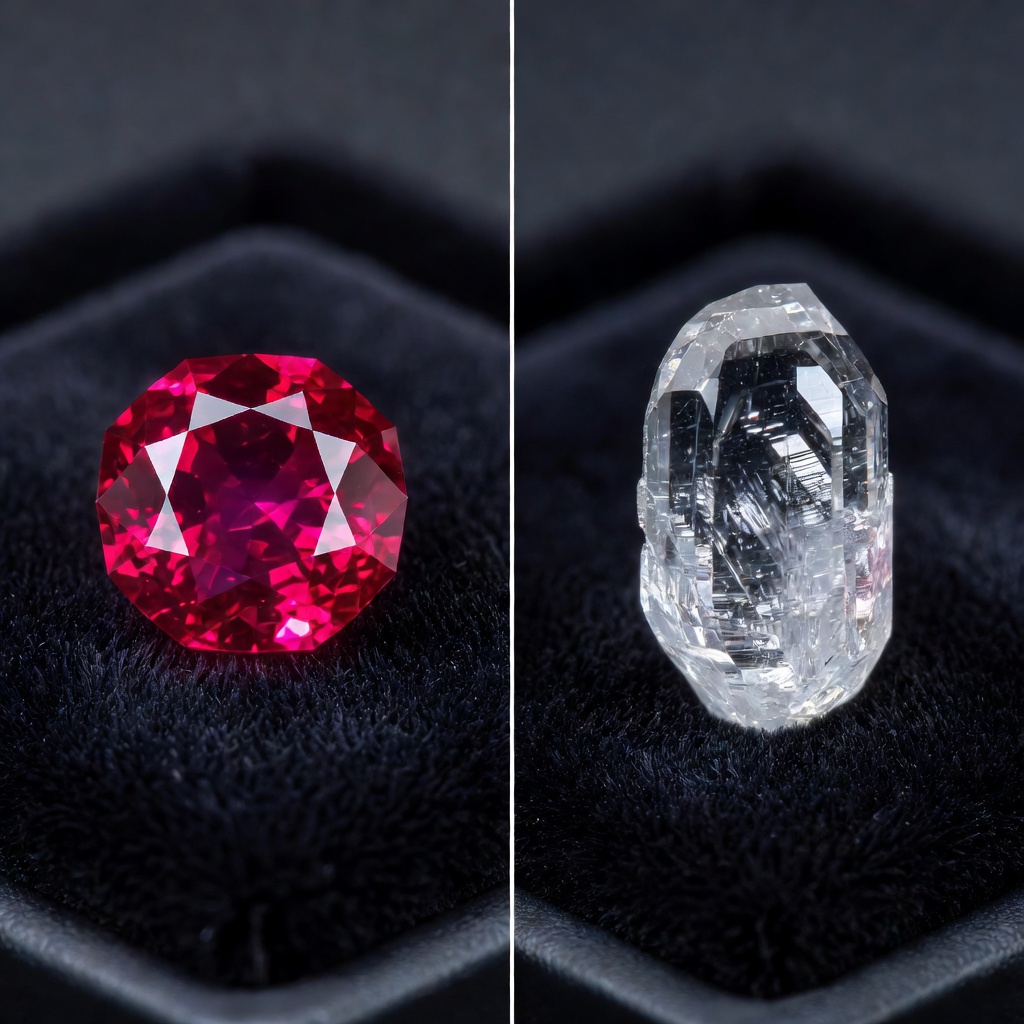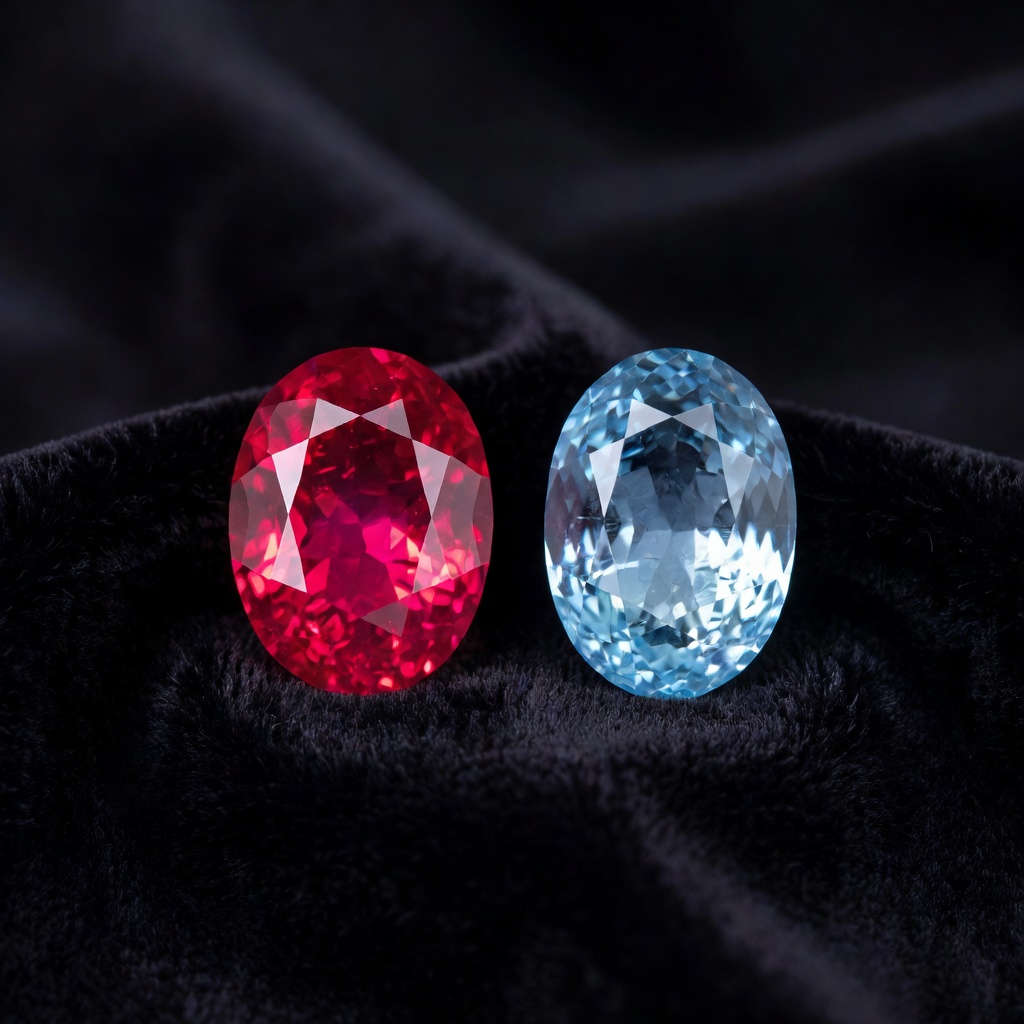
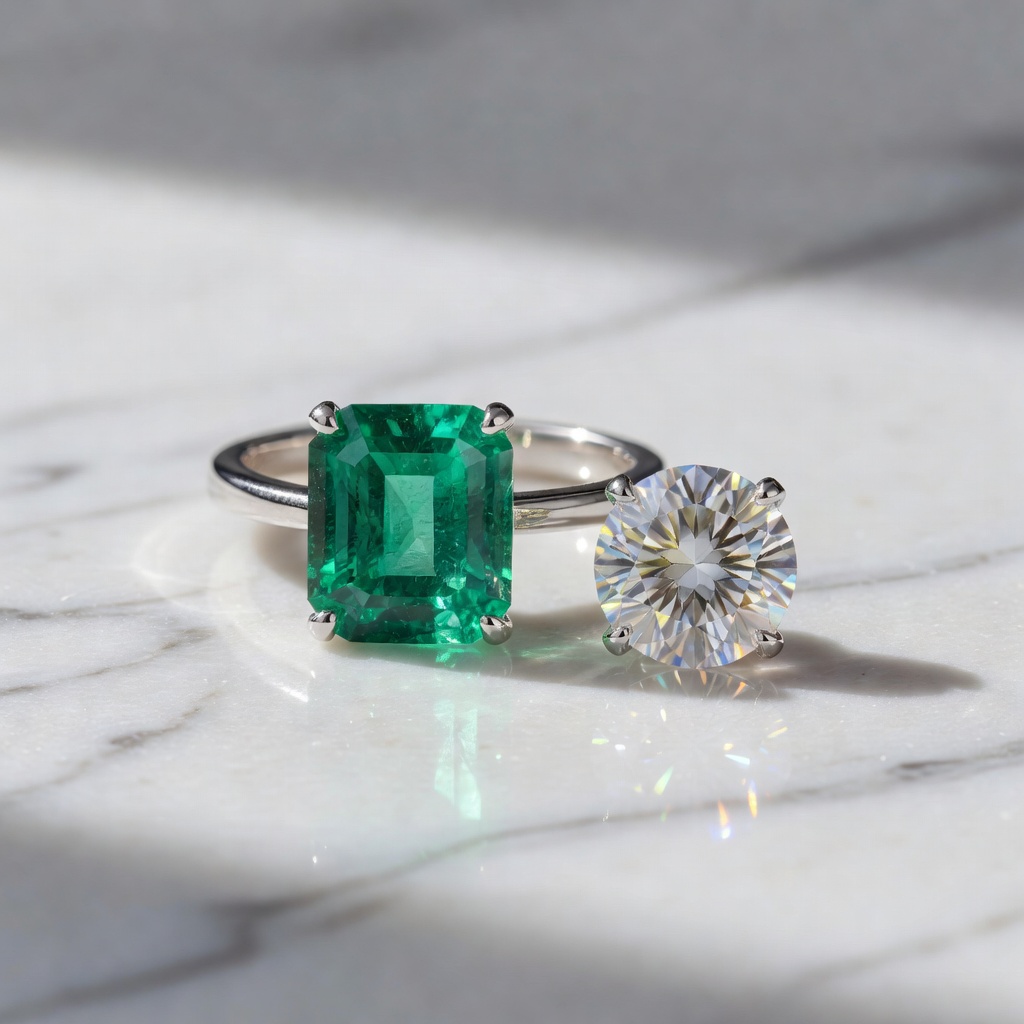
The Green Gemstone Dilemma: Navigating the Choice Between Emerald and Moissanite
Selecting the perfect green gemstone for fine jewelry represents one of the most significant decisions in a collector's journey. Emeralds have reigned supreme for millennia as one of the "big four" precious gemstones alongside diamonds, rubies, and sapphires, captivating royalty and connoisseurs with their deep, verdant allure. However, the emergence of green moissanite as a modern, sustainable alternative has revolutionized the jewelry market, offering comparable visual impact with enhanced practicality. When evaluating Emerald vs Moissanite, discerning buyers must weigh historical prestige against contemporary innovation, considering factors of beauty, durability, cost, and ethical implications to make an informed choice that aligns with their values and lifestyle.
Origins and Composition: Natural Beauty vs Lab Innovation
Understanding the fundamental composition of these gemstones reveals why they occupy different niches in the jewelry world despite sharing a similar color palette. Natural emeralds form as the beryl mineral (Be₃Al₂Si₆O₁₈) deep within the earth's crust over millions of years, requiring specific geological conditions where chromium and vanadium replace aluminum in the crystal structure to create that signature green hue. Colombian mines in the Muzo and Chivor regions, along with Zambian deposits in the Kafubu area, produce the most prized specimens, yet these natural resources face depletion and extraction challenges that limit supply. In contrast, moissanite creation occurs through controlled laboratory environments where silicon carbide (SiC) crystals are grown using advanced thermal processes, allowing for consistent quality and unlimited production capacity without geological constraints.
The rarity factor between these Natural emerald vs lab created moissanite options creates distinct market dynamics that directly impact availability and pricing. Colombian emerald mining operations often encounter challenging terrain, political instability, and limited yield rates where only a fraction of extracted material qualifies as jewelry-grade, contributing to the stone's exclusivity. Zambian emeralds, while increasingly abundant, still require extensive mining operations with significant environmental disruption and finite resource limitations. Conversely, laboratory facilities can produce gem-quality moissanite with predictable regularity, eliminating scarcity concerns while ensuring that each stone meets stringent optical standards. This distinction matters significantly for consumers seeking specific sizes or color saturations, as finding a five-carat flawless natural emerald might require years of searching, whereas a comparable green moissanite can be created within weeks.
Visual Characteristics: Color, Clarity, and Light Performance
The aesthetic differences between these green gemstones become immediately apparent when examining their interaction with light and their internal characteristics. Emeralds derive their signature verdant green from trace amounts of chromium and vanadium, displaying a depth and saturation that collectors describe as "velvety" or "alive," though this beauty often comes with visible inclusions known as "jardin" (French for garden) that are considered characteristic rather than flaws. When comparing Green moissanite vs emerald visual properties, moissanite exhibits superior fire with a dispersion rating of 0.104—more than double that of diamonds—creating spectacular rainbow flashes that shift with movement, while its refractive index of 2.65-2.69 generates exceptional brilliance that can outshine most natural gemstones.
Practical examination reveals distinct optical behaviors that help distinguish these stones in various lighting conditions. Emeralds typically display subtle color zoning and require specific lighting environments—natural daylight or incandescent bulbs—to reveal their full depth, whereas fluorescent lighting might flatten their appearance and emphasize inclusions. Green moissanite maintains consistent vibrancy across lighting spectrums, its double refraction creating a mesmerizing disco-ball effect that some traditionalists find overly flashy while modern enthusiasts celebrate as contemporary brilliance. For example, a three-carat emerald engagement ring might appear mysteriously deep and sophisticated in candlelight but show significant internal characteristics under magnification, while an equivalent Moissanite fire vs emerald clarity comparison would reveal the moissanite's flawless clarity and intense sparkle even in dim restaurant lighting.
Durability and Hardness: Daily Wear Reality
Daily wear considerations fundamentally differentiate these gemstones, with gemstone durability comparison revealing significant practical implications for active lifestyles. The Mohs hardness scale places emeralds at 7.5-8, which while respectable, belies their structural vulnerability due to inherent brittleness and distinct cleavage planes that make them prone to chipping and cracking upon impact. Moissanite ranks at 9.25 on the Mohs scale, second only to diamonds in hardness, possessing exceptional toughness without cleavage planes, making it remarkably resistant to breaking, chipping, or scratching during normal activities.
Real-world scenarios illustrate these durability differences dramatically for jewelry owners. Consider a professional chef who wears their engagement ring daily: emerald rings risk damage from accidental knocks against stainless steel counters or thermal shock from rapid temperature changes when washing hands, potentially resulting in costly repairs or stone replacement. Conversely, moissanite withstands such occupational hazards with minimal risk, maintaining its polish and structural integrity even after years of high-impact exposure. For heirloom considerations, while emeralds can last generations with meticulous care, they typically require multiple restoration efforts throughout their lifetime, whereas moissanite pieces often survive decades of continuous wear without professional intervention beyond routine cleaning.
| Characteristic | Natural Emerald | Green Moissanite |
|---|---|---|
| Chemical Composition | Beryl (Be₃Al₂Si₆O₁₈) with Cr/V | Silicon Carbide (SiC) |
| Mohs Hardness | 7.5 - 8.0 (Brittle with cleavage) | 9.25 (Extremely tough, no cleavage) |
| Refractive Index | 1.577 - 1.583 | 2.65 - 2.69 |
| Dispersion (Fire) | 0.014 | 0.104 (Rainbow flashes) |
| Typical Clarity | Included (Jardin common) | Eye-clean to flawless |
| Price per Carat | $1,000 - $100,000+ | $300 - $1,500 |
| Color Source | Natural trace elements | Lab-controlled doping |
| Maintenance Level | High (oiling, gentle cleaning) | Minimal (standard cleaning) |
| Investment Potential | High (appreciates over time) | Low (depreciates) |
| Ethical Sourcing | Variable (mining dependent) | Guaranteed conflict-free |
Investment and Affordability: Understanding the Cost Gap
The financial disparity between these green gemstone alternatives reflects their fundamentally different supply chains and rarity factors. Natural emeralds command prices ranging from $1,000 per carat for commercial quality to over $100,000 per carat for exceptional Colombian specimens with vivid saturation and minimal treatment, creating a luxury market accessible only to serious collectors or high-budget engagements. Green moissanite typically ranges from $300 to $1,500 per carat depending on size and color intensity, offering budget-conscious consumers the opportunity to acquire substantial, beautiful center stones without compromising other financial priorities or settling for smaller carat weights.
Value retention trajectories diverge significantly between these options, influencing purchase decisions for those viewing jewelry as investment vehicles. High-grade, untreated emeralds from prestigious origins like Colombia's Muzo mine historically appreciate in value, often outperforming traditional investments during periods of economic stability, particularly when accompanied by certificates from respected laboratories like GIA or Gübelin. Conversely, moissanite functions similarly to technological products—desirable and functional but subject to depreciation as production methods improve and market saturation increases. When evaluating Emerald vs Moissanite cost considerations, buyers must honestly assess whether they prioritize potential financial return (emerald) or maximum size and sparkle per dollar spent (moissanite). Factors affecting emerald premiums include specific geographic origin, with Colombian stones commanding 20-30% premiums over Zambian equivalents, treatment levels where untreated stones fetch triple the price of oiled counterparts, and certification status from recognized gemological institutions.
Engagement Ring Considerations: Symbolism and Practicality
The choice between an Emerald engagement ring vs moissanite extends beyond aesthetics into realms of symbolism, setting requirements, and long-term practicality. Emeralds carry millennia of romantic lore as the stone of Venus and successful love, with Cleopatra famously adorning herself with these green gems to enhance her allure, while modern couples appreciate their representation of growth, renewal, and the enduring nature of deep commitment. Moissanite offers its own cosmic romance, originally discovered in 1893 within a meteor crater in Arizona by Henri Moissan, carrying associations of astronomical rarity and celestial origin that appeal to couples seeking unique narratives outside traditional gemstone hierarchies.
Setting requirements reveal practical constraints that influence design possibilities and daily wear security. Emeralds necessitate protective settings such as bezels or halo designs that shield the girdle and corners from direct impact, often limiting design flexibility and requiring thicker metalwork that can overshadow the stone's elegance. Moissanite's superior durability allows for versatile prong settings, delicate pavé bands, and modern tension settings that maximize light exposure and contemporary styling. Size possibilities expand dramatically with moissanite, where a $3,000 budget might secure a three-carat equivalent stone with money remaining for an elaborate setting, while the same investment might yield only a 0.75-carat emerald requiring significant protective metalwork that visually reduces its presence. For example, a nurse or fitness instructor would find moissanite far more practical for continuous wear, whereas an emerald might require removal during work shifts or workouts to prevent damage.
Maintenance Requirements: Care for Generations
Long-term ownership experiences differ substantially when caring for emerald vs moissanite, with implications for time investment and ongoing costs. Emeralds require specialized maintenance protocols including avoidance of ultrasonic cleaners and steam cleaning, which can expand pre-existing fractures or remove oiling treatments, and sensitivity to heat, light, and household chemicals that might damage the stone or its setting. Most natural emeralds undergo oiling treatments to fill surface-reaching fractures and improve clarity appearance, necessitating periodic re-oiling every few years by professional gemologists to maintain their beauty, a service costing $100-$300 depending on the stone's size and setting complexity.
Moissanite's low-maintenance nature appeals to busy professionals and those seeking hassle-free luxury without compromising appearance. The stone resists dirt and oil buildup better than diamonds due to its silicon carbide composition's natural affinity for repelling substances, maintaining its sparkle longer between cleanings with simple soap and water solutions. Unlike emeralds, moissanite tolerates ultrasonic cleaning, steam treatments, and exposure to household chemicals without degradation, requiring only basic annual inspections to ensure setting security rather than stone-specific treatments. Over a decade of ownership, emerald maintenance might accumulate $1,000-$2,000 in professional care costs plus the inconvenience of periodic removal for treatment, while moissanite owners typically spend less than $200 on basic prong checks and cleanings, representing significant savings in both time and money.
Ethical and Environmental Impact: Conscious Consumerism
Modern consumers increasingly prioritize provenance and environmental footprint when selecting fine jewelry, making ethical gemstone comparison a crucial decision factor. Emerald mining operations, particularly in Colombia's Boyacá region and Zambia's Copperbelt, often involve significant environmental disruption including deforestation, water source contamination from processing chemicals, and landscape scarring from open-pit excavation methods. Community impacts include concerns about fair labor practices, with artisanal mining operations sometimes lacking adequate safety equipment or fair wage guarantees, though certification programs like Fairmined are gradually improving conditions for responsible sourcing.
Carbon footprint analysis reveals nuanced considerations rather than simple lab-good, mining-bad dichotomies. While moissanite creation eliminates direct mining impacts, the thermal processes required to grow silicon carbide crystals demand substantial electricity consumption, with carbon footprints varying dramatically based on whether facilities utilize renewable energy sources or fossil fuel-dependent grids. However, traceability challenges plague natural emerald supply chains, where stones might pass through multiple intermediaries across continents before reaching consumers, making guaranteed conflict-free origins difficult to verify despite certification efforts. Laboratory-created moissanite offers guaranteed conflict-free origins with transparent supply chains from growth facility to finished jewelry, appealing to ethically minded consumers who prioritize certainty over the romanticism of earth-formed minerals. When evaluating sustainability, consider that a one-carat emerald might represent the displacement of 2,000 pounds of earth and potential community disruption, while its moissanite equivalent requires controlled laboratory conditions with significantly smaller physical footprints.
Making Your Final Decision: Lifestyle Alignment
Ultimately, choosing between emerald and moissanite requires honest assessment of personal priorities, lifestyle constraints, and emotional connections to different forms of beauty. Create a personal assessment matrix evaluating budget constraints against desires for natural rarity, considering whether you value potential investment appreciation or immediate size and brilliance maximization. Activity level considerations should heavily influence this decision—high-impact lifestyles involving manual labor, sports, or active childcare favor moissanite's toughness, while sedentary or ceremonial-only wear patterns might accommodate emerald's fragility.
Emotional value assessment distinguishes collectors who feel profound connections to earth-formed minerals millions of years in the making from those who appreciate technological achievement and sustainable innovation. Consider the case of Sarah, a rock climber who chose a two-carat green moissanite solitaire that survived three years of regular cliff ascents without damage, versus Michael, an art historian who selected a vintage Colombian emerald despite its fragility because he valued the stone's connection to Renaissance paintings and geological history. Neither choice represents compromise—rather, each reflects intelligent alignment between material properties and owner lifestyle. For those torn between options, consider hybrid approaches: an emerald pendant or earrings for special occasions where impact risk remains minimal, paired with a moissanite engagement ring for daily wear, allowing enjoyment of both gemstones' unique properties without risking damage to irreplaceable natural treasures.
Frequently Asked Questions
Can you tell the difference between emerald and green moissanite just by looking?
Yes, trained eyes can distinguish them through brilliance and fire. Moissanite exhibits more rainbow flashes (double refraction) and higher sparkle, while emeralds display a deeper, more velvety green with natural inclusions visible under magnification. The dispersion difference is particularly noticeable in sunlight, where moissanite creates prismatic rainbow effects that emeralds cannot produce, while emeralds show subtle color zoning and a softer, more diffuse glow characteristic of beryl minerals.
Is green moissanite considered a fake emerald?
No, green moissanite is a distinct gemstone (silicon carbide) and is sold as its own entity, not an emerald simulant. While it offers a green alternative, reputable jewelers distinguish it clearly from natural beryl emeralds. Moissanite possesses unique optical properties including higher brilliance and fire than emeralds, and it is marketed as a separate category of gemstone rather than an imitation, similar to how aquamarine and emerald are both beryl varieties but distinct commercial products.
Which stone is better for daily wear in an engagement ring?
Moissanite is generally superior for daily wear due to its 9.25 Mohs hardness and toughness. Emeralds (7.5-8 Mohs) are more brittle and prone to chipping, requiring protective settings and careful wear. For active lifestyles involving manual labor, exercise, or frequent hand use, moissanite's resistance to breaking and scratching makes it the practical choice, while emerald engagement rings demand constant awareness of potential damage and removal during physical activities.
Why do emeralds cost so much more than green moissanite?
Emeralds command higher prices due to natural rarity, millions of years of geological formation, mining costs, and limited high-quality supply. Moissanite is lab-created with unlimited production capacity, making it significantly more affordable. The price disparity reflects scarcity economics: high-quality Colombian emeralds might require processing tons of rock to yield a single gem-grade crystal, whereas laboratories can produce moissanite with predictable quality and quantity, eliminating the premium associated with natural rarity and extraction difficulties.
Do emeralds require special maintenance that moissanite doesn't?
Absolutely. Most emeralds undergo oiling treatments to fill fractures and require periodic re-oiling. They cannot withstand ultrasonic cleaning or high heat. Moissanite requires only basic cleaning and tolerates most jewelry maintenance procedures. Emerald owners must avoid exposure to ultrasonic waves, steam cleaners, and sudden temperature changes that could worsen existing fractures or remove stabilizing oils, whereas moissanite owners can clean their jewelry using any standard jewelry cleaning method without risk of damage.
Will a green moissanite lose its color over time?
No, lab-created green moissanite maintains its color permanently. Unlike some treated natural stones, the color in created moissanite is stable and won't fade with exposure to light, heat, or daily wear. The color derives from the stable incorporation of trace elements during the crystal growth process, ensuring that the vibrant green hue remains consistent throughout the stone's lifetime, regardless of environmental conditions or cleaning methods used.
Can moissanite scratch softer gemstones like emeralds if stored together?
Yes, due to moissanite's superior hardness (9.25 vs 7.5-8), it can scratch emeralds if they contact each other. Always store gemstone jewelry separately in soft pouches or individual compartments to prevent damage. This hardness differential means that moissanite can act as an abrasive against emerald surfaces, potentially causing permanent scratches or abrasions that compromise the emerald's polish and value, making separate storage essential for mixed gemstone collections.
Is an emerald a better investment than moissanite?
High-quality, untreated emeralds from reputable origins (particularly Colombian) historically appreciate in value, serving as investment pieces. Moissanite, while affordable and beautiful, does not hold resale value as a commodity gemstone. Investment-grade emeralds with documented provenance and minimal treatment can appreciate significantly over decades, often serving as inflation hedges or legacy assets, whereas moissanite functions as a consumable luxury item similar to fine electronics—desirable for use but not expected to generate financial returns upon resale.