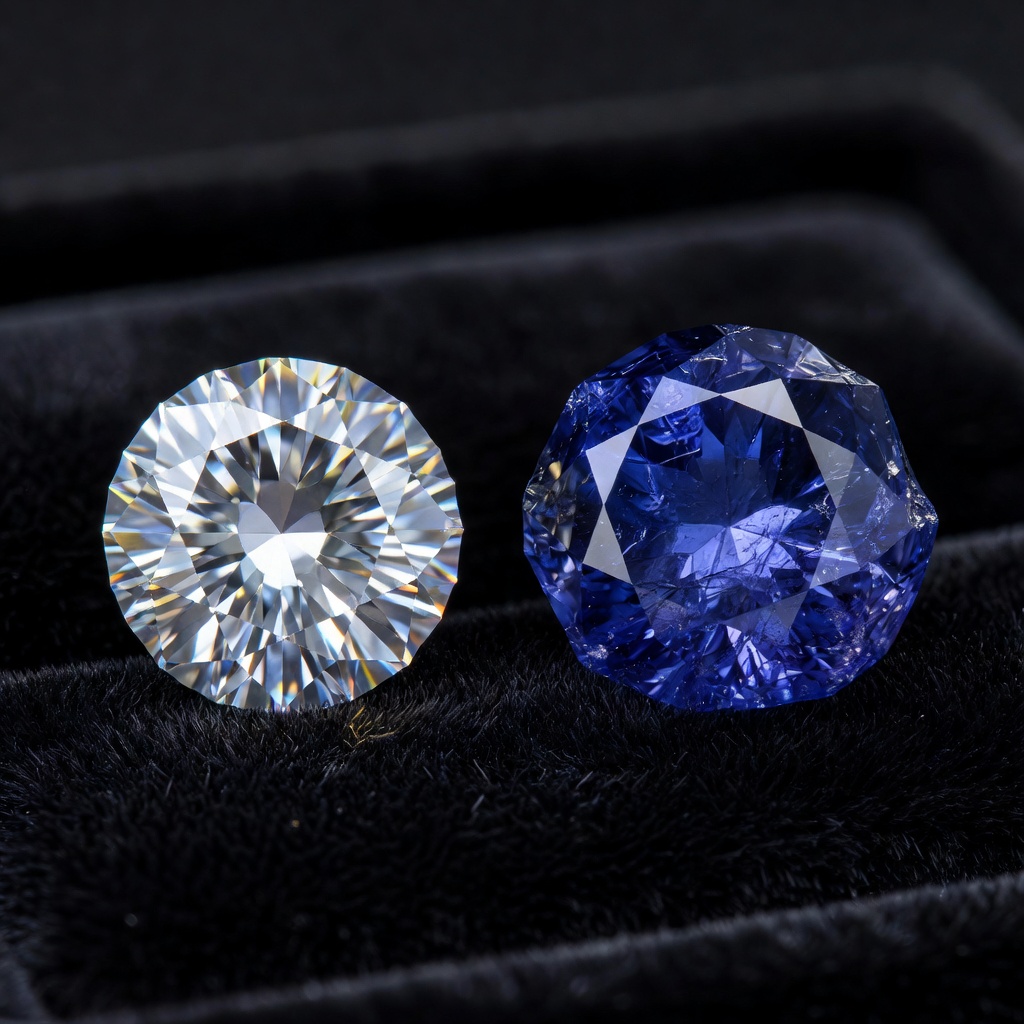
Introduction to Diamond and Zoisite
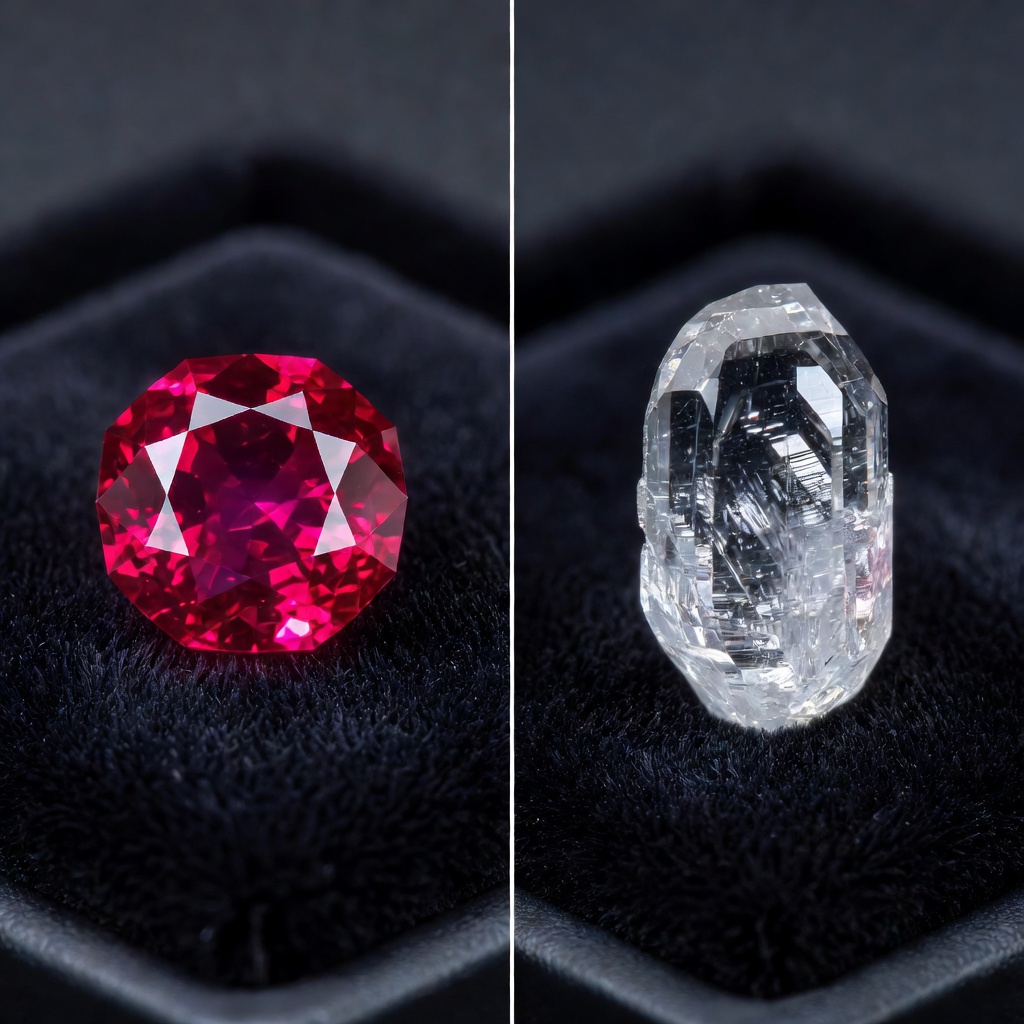
When exploring the vast world of precious gemstones, the comparison between Diamond and Zoisite represents one of the most intriguing debates in contemporary jewelry design. Diamond, formed from pure carbon crystals subjected to extreme pressure deep within Earth's mantle, stands as the ultimate symbol of durability and eternal commitment. In contrast, Zoisite emerges as a calcium aluminum silicate mineral born from regional metamorphism, presenting a diverse family of gemstones that includes the coveted blue Tanzanite, delicate pink Thulite, and the dramatic multicolored Ruby Zoisite Anyolite.
Consumers increasingly find themselves weighing Diamond vs Zoisite options not because these gems compete directly in luxury markets, but rather because they represent opposing philosophies in gemstone selection. While Diamond commands attention through unmatched hardness and traditional bridal significance, Zoisite varieties attract those seeking extraordinary color saturation and larger carat weights at accessible price points. This gemstone comparison ultimately centers on the fundamental tension between absolute durability and aesthetic affordability, forcing buyers to evaluate whether they prioritize heirloom longevity or distinctive visual character in their jewelry investments.
Chemical Composition and Crystal Structure
The atomic architecture separating these minerals explains their vastly different physical behaviors and market applications. Diamond crystallizes in the isometric system, where each carbon atom forms strong sp3 covalent bonds with four neighboring atoms in a tetrahedral lattice. This three-dimensional network creates the hardest known natural substance, requiring formation depths exceeding 150 kilometers within kimberlite pipes where pressures reach 45,000 atmospheres and temperatures soar to 1,200 degrees Celsius.
Zoisite mineral properties differ dramatically, belonging to the sorosilicate subclass within the orthorhombic crystal system. Its chemical formula Ca2Al3(SiO4)(Si2O7)O(OH) incorporates calcium, aluminum, and hydroxyl groups arranged in chain-like structures. Unlike Diamond's singular elemental composition, Zoisite forms through metamorphic processes in rock zones subjected to moderate heat and pressure, resulting in perfect prismatic cleavage planes that create distinct vulnerabilities compared to carbon's compact lattice. Understanding diamond composition reveals why it resists scratching while Zoisite mineral properties explain its susceptibility to cleavage fractures under impact.
Hardness, Durability and Daily Wearability
The Mohs hardness scale provides the definitive metric for understanding gemstone durability comparison between these materials. Diamond occupies the pinnacle position at 10, meaning it can scratch every other mineral and resists abrasion from daily contact with household surfaces, metals, and even other gems. Zoisite hardness varies between 6 and 6.5 on the Mohs scale, placing it in the same category as orthoclase feldspar and steel files—hard enough for jewelry but vulnerable to scratching from everyday materials like quartz dust (7) commonly found in household environments.
Beyond surface hardness, cleavage characteristics determine structural integrity during accidental impacts. Diamond possesses perfect octahedral cleavage along four planes, meaning sharp blows can split the stone, though this occurs rarely due to its extreme hardness. Zoisite exhibits perfect prismatic cleavage, creating a distinct parting tendency that makes it prone to chipping when subjected to pressure against hard surfaces. For daily wear applications, Diamond suits engagement rings and bracelets exposed to constant contact, while Zoisite performs better in pendants and earrings that encounter fewer mechanical stresses. When selecting rings, Zoisite demands protective settings and occasional wear schedules rather than the 24/7 durability expected from Diamond bridal jewelry.
Visual Characteristics: Brilliance, Fire and Color
Optical performance distinguishes these gems through fundamentally different light interactions. Diamond brilliance stems from its exceptional refractive index of 2.42, which bends entering light dramatically and returns it to the eye as intense white sparkle. Combined with a dispersion rate of 0.044, Diamond separates white light into spectral colors (fire), creating the rainbow flashes that define high-quality cuts. These properties allow Diamond to maintain scintillation even under dim lighting conditions, making it the benchmark for luminous gemstones.
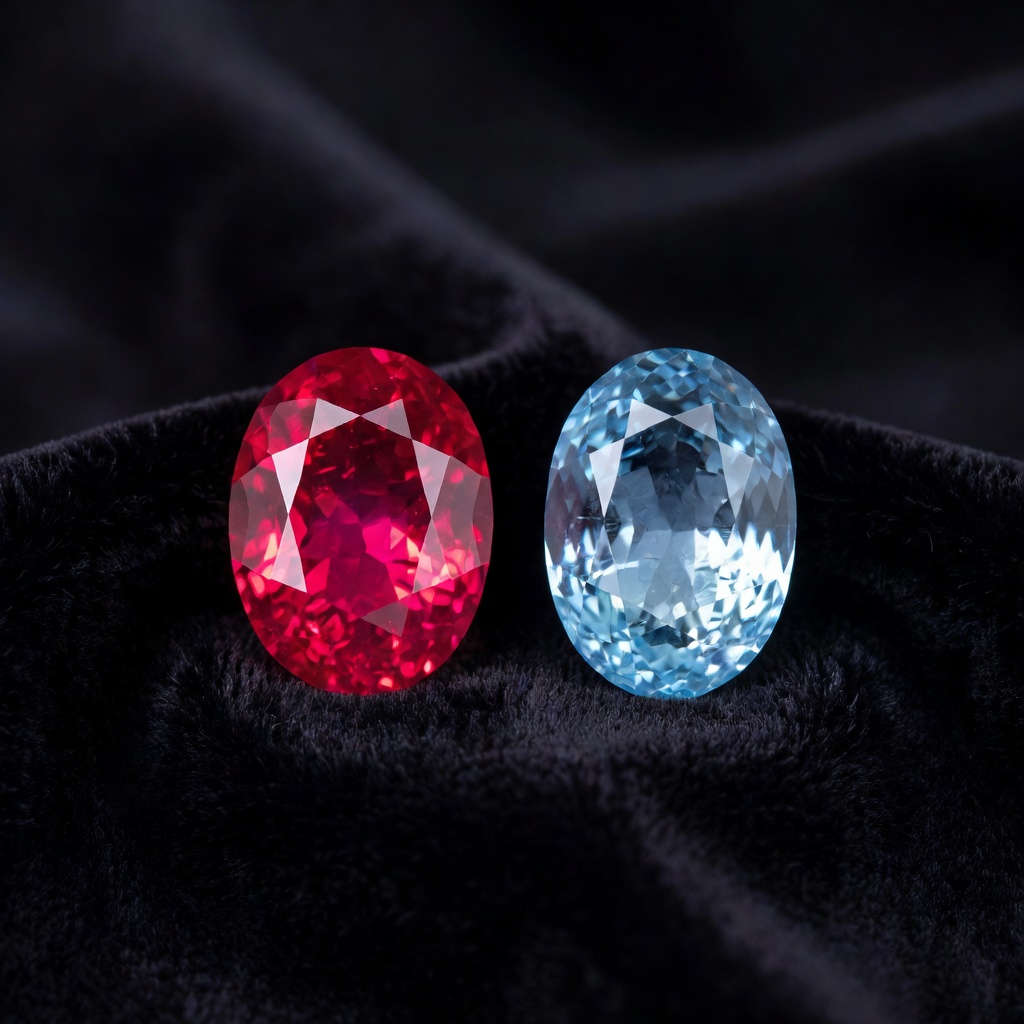
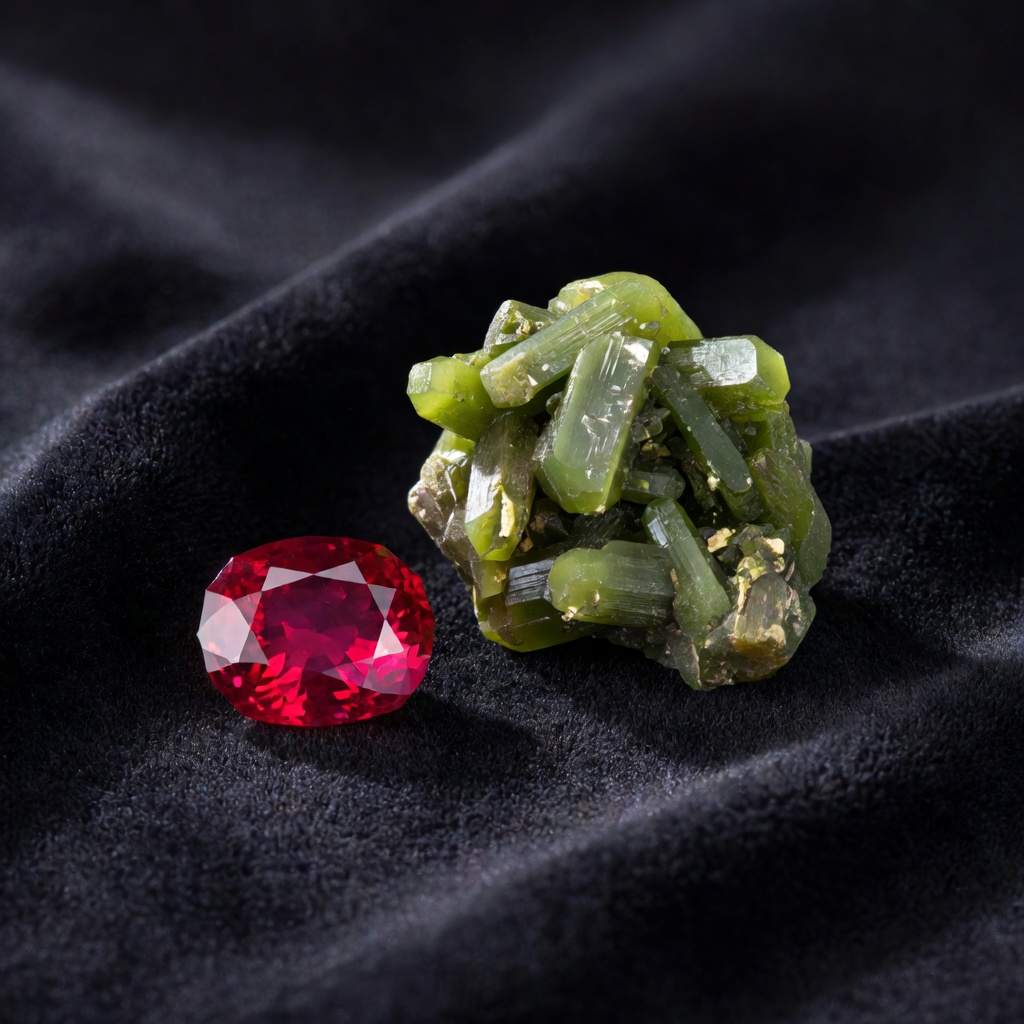
Zoisite offers alternative visual pleasures centered on color phenomena rather than light return. Tanzanite pleochroism represents its most distinctive feature, displaying trichroic properties that show blue, violet, and brownish-yellow colors when viewed from different crystallographic angles. Unlike Diamond's typical colorless to yellow/brown range, Zoisite varieties span the spectrum: Tanzanite provides velvety blue-violet hues, Thulite offers romantic pink tones, and Ruby Zoisite Anyolite presents striking green matrices punctuated by red corundum crystals. While gemstone color comparison favors Zoisite for chromatic variety, Diamond maintains superiority in brilliance and fire, creating a choice between subtle glow and intense sparkle depending on aesthetic preferences.
Rarity, Mining and Geographic Origins
Geographic distribution patterns create vastly different supply dynamics for these minerals. Diamond sources span multiple continents with major operations in Botswana, Russia, Canada, and Australia, creating a relatively stable global supply chain despite natural resource constraints. This widespread distribution, combined with extensive mining infrastructure, ensures consistent availability across various quality grades and price points, though truly exceptional specimens remain scarce.
Tanzanite mining presents a radically different scarcity model, as this blue Zoisite variety occurs exclusively in the Merelani Hills of Tanzania, covering approximately eight square kilometers. Geologists predict this single-source deposit may deplete within the current generation, creating urgency among collectors. Thulite deposits primarily occur in Norway and North Carolina, while Ruby Zoisite originates mainly in Tanzania and India. This concentration of rare gemstones in limited geographic windows means Zoisite varieties face greater supply volatility than Diamond, potentially affecting long-term availability and pricing structures for specific color varieties.
Price Analysis and Investment Value
Market economics reveal dramatic disparities when evaluating Tanzanite price vs diamond valuations across comparable weights. Diamond commands $2,000 to $25,000+ per carat depending on the four Cs (cut, color, clarity, carat), with investment-grade stones appreciating steadily due to established demand in bridal markets. Tanzanite ranges from $200 to $1,200 per carat for fine qualities, while Thulite remains accessible at $10 to $100 per carat, offering substantial size advantages for budget-conscious consumers.
Gemstone investment value calculations differ significantly between these materials. Diamond benefits from standardized grading systems, liquid resale markets, and cultural prestige that maintains demand during economic fluctuations. Zoisite varieties rely on collector markets and color rarity for value retention, with Tanzanite showing appreciation potential due to its single-source scarcity. However, Zoisite lacks the immediate liquidity of Diamond markets, making it更适合 for personal enjoyment rather than pure investment strategies. When optimizing budgets, buyers can acquire impressive five-carat Tanzanite center stones for the price of modest one-carat Diamonds, trading durability for visual impact.
Jewelry Design Applications and Settings
Design flexibility varies enormously based on each stone's physical constraints. Diamond ring designs exploit the gem's toughness and hardness, accommodating delicate prong settings, tension mounts that suspend the stone between metal bands, and intricate pave arrangements that withstand daily mechanical stress. Jewelers can craft ultra-thin bezels and open galleries knowing that Diamond resists both abrasion and fracture under normal wear conditions.
Zoisite jewelry settings require protective engineering to compensate for moderate hardness and cleavage susceptibility. Designers favor bezel settings that surround the girdle with metal, protective halo arrangements that buffer impact, and cabochon cuts that eliminate vulnerable sharp edges. Thulite pairs exceptionally well with rose gold, enhancing its pink tones, while Tanzanite complements white metals that emphasize its blue-violet hues. Unlike Diamond, Zoisite rarely appears in rings intended for daily manual labor, instead gracing cocktail rings, statement pendants, and earrings where protective settings and occasional wear schedules preserve their beauty.
Care, Cleaning and Maintenance Requirements
Routine maintenance protocols reflect the dramatic hardness differential between these materials. Diamond cleaning methods include ultrasonic cleaners, steam jets, and harsh chemical solutions like ammonia-based detergents, all of which safely remove buildup without damaging the carbon lattice. This chemical inertness and mechanical resilience make Diamond virtually maintenance-free for daily wear, requiring only occasional professional inspections of settings.
Zoisite care tips demand significantly more attention to preserve surface integrity. Owners must avoid ultrasonic cleaning and steam exposure, as vibrations and thermal shock can exploit cleavage planes and cause internal fractures. Cleaning requires only mild soapy water, soft brushes, and room-temperature rinses, followed by immediate drying with lint-free cloths. Storage solutions prove equally important: Diamond jewelry must be stored separately from Zoisite pieces, as the harder gem will inevitably scratch the softer calcium aluminum silicate. Velvet-lined compartments or individual soft cloth pouches prevent accidental contact that could mar Zoisite's polish, while regular professional inspections check for loose prongs that might allow catastrophic loss of these more fragile stones.
Symbolism, Birthstones and Metaphysical Properties
Cultural associations reinforce the distinct personalities of these gems in ceremonial and spiritual contexts. Diamond symbolism encompasses eternal love, invincibility, and clarity of mind, cementing its status as the premier April birthstone and universal emblem of marriage commitment. Western traditions emphasize Diamond's purity and endurance, creating emotional expectations that transcend mere material value and establish the gem as heirlooms passed through generations.
Zoisite varieties carry diverse metaphysical associations that appeal to alternative spirituality practitioners. Tanzanite meaning centers on transformation and heightened consciousness, serving as the modern December birthstone and believed to facilitate communication between heart and throat chakras. Ruby Zoisite Anyolite combines the heart chakra activation of red corundum with the growth-oriented energy of green Zoisite, popular in crystal healing layouts. Thulite represents emotional healing and passionate expression. While birthstone comparison shows Diamond's traditional dominance in Western bridal culture, Zoisite varieties attract those seeking personalized spiritual connections and unique color expressions that depart from conventional colorless norms.
How to Choose: Decision Making Framework
Selecting between these materials requires honest assessment of lifestyle factors and aesthetic priorities. Active individuals who work with their hands, engage in sports, or prefer low-maintenance luxury should prioritize Diamond for its ability to withstand decades of continuous wear without visible degradation. Those seeking Diamond alternative gemstones for fashion-forward expression or budget optimization might select Zoisite for pieces worn during evenings out or special occasions rather than daily grind.
When choosing between diamond and zoisite, evaluate long-term ownership goals carefully. Diamond offers proven heirloom potential, maintaining condition for century-old transmission to descendants while retaining liquid value. Zoisite provides immediate visual impact and distinctive color statements that photograph beautifully and spark conversation, though requiring more mindful wear patterns. Budget-conscious buyers can maximize carat weight and color intensity with Tanzanite or Thulite, accepting that these pieces serve as artistic expressions rather than indestructible daily companions. Ultimately, the decision balances the desire for eternal durability against the appeal of accessible, colorful distinction.
Diamond vs Zoisite: Detailed Comparison
| Characteristic | Diamond | Zoisite (Tanzanite/Thulite/Anyolite) |
|---|---|---|
| Mohs Hardness | 10 (Highest possible) | 6-6.5 (Moderate) |
| Refractive Index | 2.42 (Exceptional brilliance) | 1.69-1.70 (Subtle glow) |
| Color Range | Colorless to yellow/brown (typically) | Blue-violet, pink, green/red bicolor |
| Price per Carat | $2,000-$25,000+ | $10-$1,200 (variety dependent) |
| Best Jewelry Application | Daily wear rings, bridal sets | Pendants, earrings, occasional rings |
| Cleaning Methods | Ultrasonic, steam, chemicals safe | Mild soap only; no heat or vibration |
| Geographic Sources | Botswana, Russia, Canada, Australia | Tanzania (primary), Norway, USA |
| Optical Phenomena | Fire (dispersion), brilliance | Pleochroism (color shifting) |
| Investment Liquidity | High (established resale markets) | Moderate (collector niche) |
| Birthstone Designation | April | December (Tanzanite) |
Frequently Asked Questions
Is Zoisite durable enough for an engagement ring compared to Diamond?
No, Zoisite (hardness 6-7) is generally not recommended for daily-wear engagement rings like Diamond (hardness 10). While Diamond resists scratching and chipping exceptionally well, Zoisite's moderate hardness makes it susceptible to surface scratches and cleavage fractures from impacts. If choosing Zoisite for a ring, select protective bezel settings and reserve it for occasional wear or anniversary rings rather than daily engagement pieces.
Why is Tanzanite (Blue Zoisite) so much cheaper than Diamond?
Tanzanite costs significantly less than Diamond due to differences in hardness, market demand, and cultural significance. While Tanzanite is rarer (found only in Tanzania), Diamond's status as the traditional engagement stone and superior durability (10 vs 6.5 Mohs) drives higher prices. Additionally, Diamond benefits from decades of marketing and established grading systems, whereas Tanzanite, despite its limited supply, lacks the same investment liquidity and bridal market demand.
Can Zoisite scratch Diamond or vice versa?
Diamond can easily scratch Zoisite, but Zoisite cannot scratch Diamond. On the Mohs hardness scale, Diamond ranks 10 while Zoisite ranks 6-7. Minerals can only be scratched by materials equal to or higher than their hardness rating. Therefore, storing Diamond jewelry separately from Zoisite pieces is essential to prevent the harder Diamond from abrading the softer Zoisite's surface.
Which requires more maintenance: Diamond or Zoisite jewelry?
Zoisite requires significantly more maintenance than Diamond. Diamond jewelry can be cleaned with ultrasonic cleaners, steamers, or harsh detergents without damage. Zoisite requires gentle cleaning with mild soapy water and a soft brush only, avoiding heat, chemicals, and mechanical cleaning systems. Zoisite also needs protective storage to prevent scratching from harder gems and regular professional inspections for loose settings due to its brittleness.
Is Ruby Zoisite (Anyolite) a good alternative to Diamond?
Ruby Zoisite (Anyolite) serves as an artistic alternative to Diamond for statement jewelry but not for durability-based applications. Combining green Zoisite with red Ruby crystals, it offers unique color patterns unavailable in Diamonds. However, with hardness between 6-7 and 9 (for the Ruby portions), it requires protective settings like Diamonds don't. Choose Anyolite for pendants and brooches where its distinctive appearance shines, rather than rings requiring daily durability.
Do Diamond and Zoisite have the same brilliance and sparkle?
No, they exhibit different optical properties. Diamond possesses higher brilliance due to its refractive index of 2.42 and exceptional dispersion (fire), creating rainbow flashes. Zoisite, including Tanzanite, has a lower refractive index (1.69-1.70) and displays pleochroism instead—showing different colors (blue, violet, brown) when viewed from different angles. While Diamond sparkles with white light return, Zoisite offers deep, velvety color saturation with subtle glow rather than intense scintillation.
Are there ethical concerns with Diamond mining compared to Zoisite?
Yes, ethical considerations differ significantly. Diamonds have historically faced issues with conflict stones (blood diamonds), though Kimberley Process certification now helps track legitimate sources. Mining often involves large-scale industrial operations with environmental impact. Zoisite mining, particularly Tanzanite, occurs on a smaller scale in Tanzania with fewer conflict concerns, though artisanal mining conditions vary. Both industries face scrutiny regarding fair wages and environmental restoration, but Zoisite's localized sourcing often involves less complex supply chains.
Can heat-treated Zoisite be distinguished from natural color Zoisite or Diamond?
Most blue Tanzanite (Zoisite) on the market is heat-treated (400-600°C) to enhance its blue-violet color from naturally brownish rough, and this treatment is permanent and accepted in the trade. Unlike Diamond treatments (fracture filling, irradiation), heated Zoisite doesn't require special care disclosures for durability. Gemologists can identify heated Tanzanite through spectroscopic analysis, but visually, consumers cannot distinguish heated from naturally blue rare specimens. Diamond treatments are generally more concerning for value and durability than Zoisite heating.