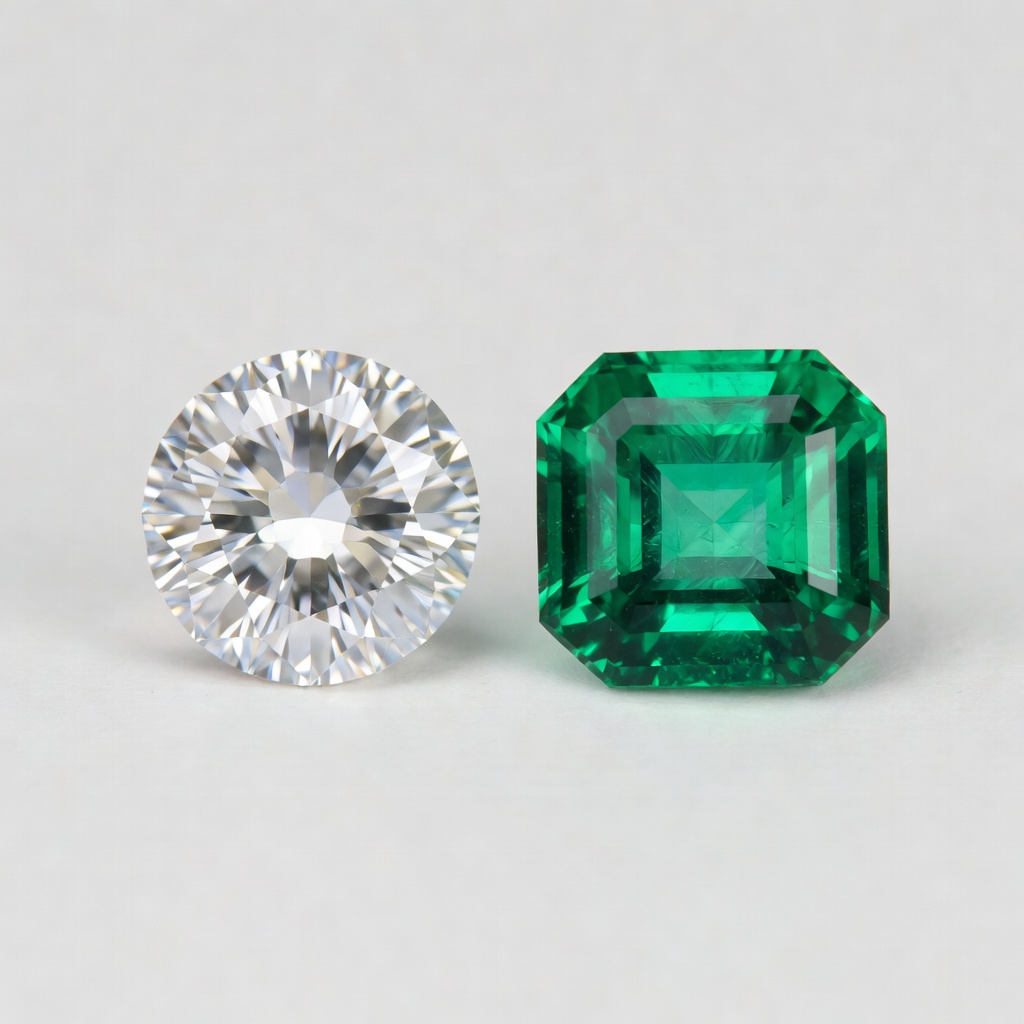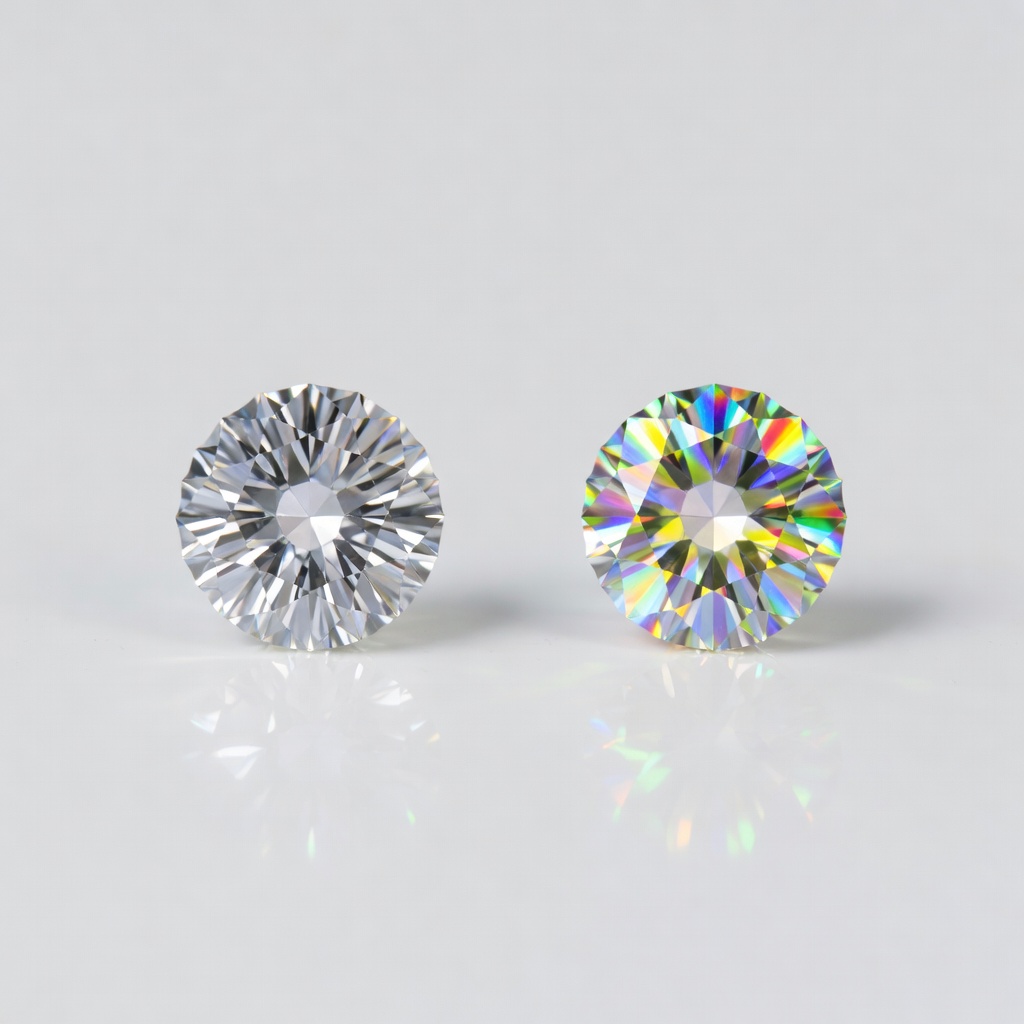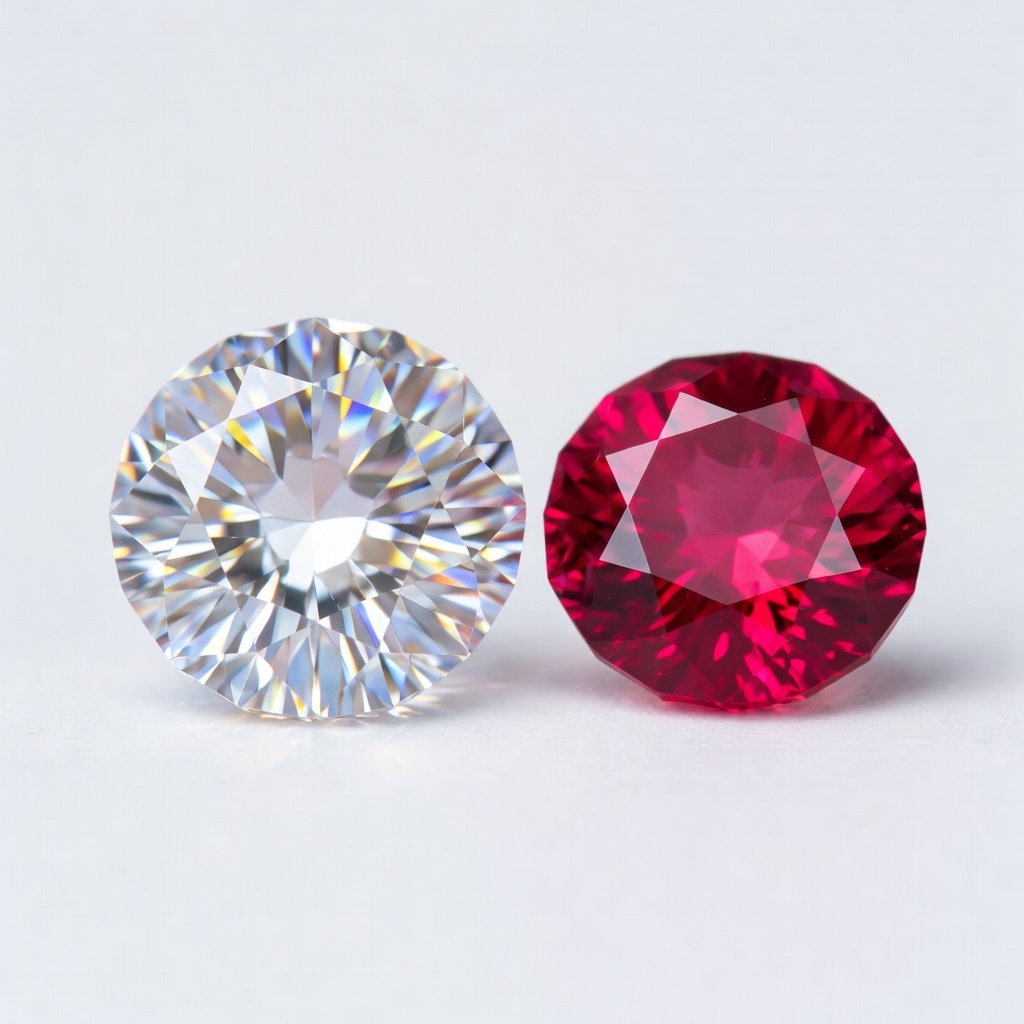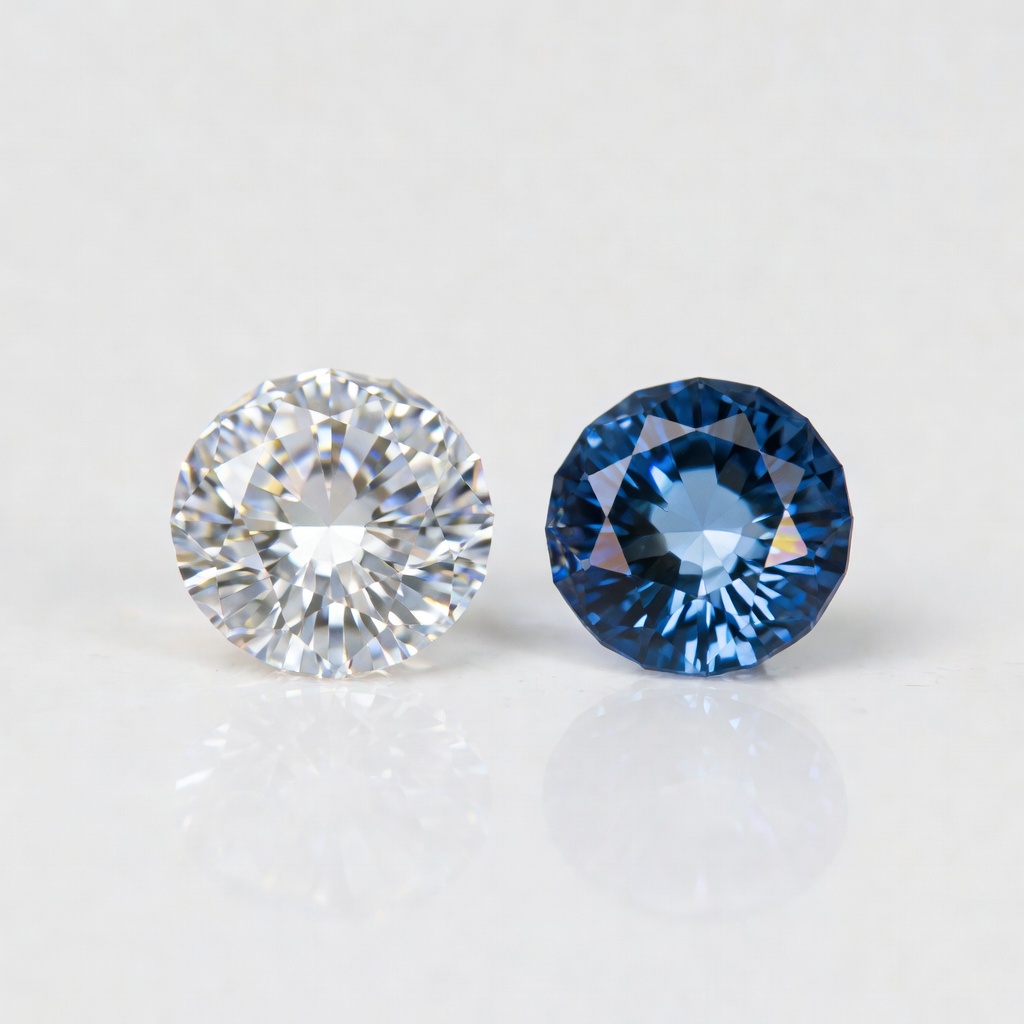
Diamond vs Zircon: Understanding the Fundamental Differences
When shopping for fine jewelry, consumers frequently find themselves weighing the merits of diamond versus zircon, two gemstones that share remarkable visual similarities yet occupy vastly different positions in the market. The confusion deepens when considering that many shoppers mistakenly conflate natural zircon with cubic zirconia, a synthetic diamond simulant that bears no geological relationship to the ancient mineral. Understanding the difference between diamond and zircon requires examining their distinct origins, physical properties, and value propositions to make an informed purchase decision that aligns with your budget, lifestyle, and aesthetic preferences. This comprehensive comparison guide will explore every critical aspect of these gemstones, from their formation billions of years ago to their practical applications in modern jewelry design.
What Are Diamonds? The Ultimate Precious Gemstone
Diamonds represent the pinnacle of precious gemstones, formed deep within Earth's mantle under extreme pressure and temperature conditions over one to three billion years before being transported to the surface by volcanic eruptions. These carbon crystals are graded according to the internationally recognized 4Cs system—Cut, Color, Clarity, and Carat—which determines both their aesthetic beauty and monetary value in the global marketplace. Modern technology has introduced lab-grown alternatives that replicate the chemical and optical properties of mined diamonds, offering consumers ethical and budget-friendly options when comparing lab diamond vs zircon or traditional mined stones. With a perfect hardness rating of 10 on the Mohs scale and exceptional thermal conductivity that makes them instantly recognizable to professional gemologists, diamonds remain unmatched in their ability to withstand daily wear while maintaining their brilliance indefinitely.
What Is Zircon? The Natural Diamond Alternative
Natural zircon holds the distinction of being Earth's oldest mineral, with some crystals dating back 4.4 billion years, making them geological time capsules that predate the formation of continents and oceans. This genuine gemstone, composed of zirconium silicate, possesses unique optical properties including a hardness of 7.5 on the Mohs scale, high dispersion that creates rainbow-like fire, and distinctive double refraction that sets it apart from other colorless stones. The critical distinction that every jewelry buyer must understand is that natural zircon stone is a rare, naturally occurring gem, whereas cubic zirconia vs zircon represents a comparison between authentic geological specimens and mass-produced synthetic crystals manufactured in laboratories. Available in diverse colors ranging from colorless to vibrant blues, reds, and greens, zircon gemstone varieties offer collectors and fashion-conscious consumers access to brilliant, natural beauty at accessible price points.
Physical Properties Comparison: Hardness, Durability, and Structure
When evaluating gemstone durability for jewelry applications, the disparity between diamond hardness and zircon properties becomes immediately apparent through standardized testing methods. Diamonds rank at the apex of the Mohs scale with a rating of 10, meaning they can scratch virtually any other material and resist abrasion from daily activities, while zircon's 7.5 rating places it in a category vulnerable to scratching from harder materials like quartz dust commonly found in household environments. Beyond simple hardness, toughness and cleavage vulnerabilities differentiate these stones significantly; zircon exhibits perfect cleavage in one direction, making it brittle and prone to chipping upon impact, whereas diamonds, despite their hardness, can chip along cleavage planes but generally withstand mechanical stress better due to their isometric crystal structure.
The specific gravity of these gemstones reveals another distinguishing characteristic, with diamonds weighing approximately 3.52 grams per cubic centimeter compared to zircon's notably heavier 4.6-4.7 grams per cubic centimeter, a difference gemologists detect through heft testing. Chemically, diamonds consist of pure carbon arranged in an isometric crystal system that creates singular light refraction, while zircon contains zirconium silicate with a tetragonal crystal structure that produces double refraction effects visible under magnification.
Comparative Analysis Table
| Property | Diamond | Natural Zircon |
|---|---|---|
| Chemical Composition | Carbon (C) | Zirconium Silicate (ZrSiO₄) |
| Mohs Hardness | 10 (Highest) | 7.5 |
| Dispersion (Fire) | 0.044 | 0.039 |
| Specific Gravity | 3.52 | 4.6-4.7 |
| Refractive Index | 2.417-2.419 | 1.925-1.984 |
| Double Refraction | None (Isometric) | Strong (0.059) |
| Typical Price per Carat | $2,000-$20,000+ | $50-$400 |
| Durability for Daily Wear | Excellent | Moderate to Poor |
| Primary Origin | Mantle/Meteorites | Crustal Igneous Rocks |
| Age of Oldest Specimens | 1-3 Billion Years | 4.4 Billion Years |
How to Spot the Difference: Visual and Optical Characteristics
Discerning zircon vs diamond appearance requires careful observation of how each stone interacts with light, particularly regarding brilliance, fire, and optical doubling effects. While diamonds exhibit exceptional white brilliance characterized by sharp, defined flashes of light, zircon produces remarkable colored fire or rainbow flashes due to its high dispersion properties, sometimes displaying more spectral colors than diamonds under certain lighting conditions. The most definitive visual identifier involves examining the stone under 10x magnification to detect double refraction in zircon, which causes facet edges to appear duplicated or fuzzy, whereas diamonds show singly refractive, razor-sharp facet junctions because of their isometric crystal structure.
Color ranges and clarity differences also provide important clues; while colorless diamonds command premium prices, natural zircons often exhibit subtle blue, yellow, or green tints, with blue zircon being particularly prized in the gemstone market. When assessing light performance, diamonds typically display superior scintillation—the pattern of light and dark areas and the flashes of light when the stone moves—due to their ability to accept sharper facet cuts without chipping, while zircon's softer nature requires slightly rounded facet edges that modify light reflection patterns.
Price Comparison: Why Zircon Costs a Fraction of Diamonds
The diamond vs zircon price differential represents one of the most dramatic disparities in the gemstone world, with natural diamonds commanding anywhere from $2,000 to over $20,000 per carat depending on cut, color, clarity, and carat weight, while high-quality zircons typically range between $50 and $400 per carat. This substantial gap reflects not only differences in market demand and marketing investments but also genuine rarity factors, as gem-quality diamonds suitable for jewelry remain scarcer than industrial-grade material, whereas zircon deposits, while limited, produce viable gemstones more consistently. When considering zircon value as an investment vehicle, buyers should recognize that while these stones offer exceptional beauty, they lack the established resale markets, liquidity, and price appreciation history that characterize diamonds as legitimate alternative investment assets.
The emergence of lab-grown diamonds has complicated pricing dynamics, creating a middle tier between earth-mined diamonds and diamond alternatives like zircon, yet even laboratory-created diamonds typically cost 5-10 times more than premium zircons. For budget-conscious consumers seeking the diamond alternative cost advantage without synthetic appearance, zircon provides access to substantial carat weights and impressive visual impact that would be financially prohibitive with diamond purchases.
Jewelry Applications: Where Each Stone Shines
Selecting appropriate jewelry settings requires honest assessment of how lifestyle factors intersect with gemstone durability, particularly when considering engagement rings where daily wear subjects stones to potential impact and abrasion. Diamonds remain the preferred choice for bridal jewelry and heirloom pieces due to their unmatched durability, allowing them to survive decades of continuous wear including household chores, physical activities, and exposure to environmental contaminants without significant degradation. Conversely, zircon jewelry excels in fashion-forward statement pieces, cocktail rings, earrings, and pendants that receive occasional rather than constant wear, where their brilliant sparkle and diverse color palette can be showcased without risking damage during routine activities.
For those determined to use zircon in rings, protective settings such as bezels or halo designs that shield the girdle and corners become essential, whereas diamonds tolerate prong settings that maximize light exposure. Diamond engagement ring alternatives like zircon work beautifully for promise rings, right-hand fashion rings, or anniversary gifts where the recipient understands the need for careful handling, offering spectacular visual impact at dinner parties and social events where the stone's fire can truly dazzle observers.
How to Tell Diamond from Zircon: 5 Simple Tests
While definitive identification requires professional gemological equipment, several observational techniques can help consumers distinguish between these stones during the purchasing process or when evaluating inherited jewelry. First, perform a visual inspection using a jeweler's loupe to search for facet doubling—a telltale sign of zircon's double refraction where the back facets appear duplicated when viewed through the table facet, whereas diamonds show single, crisp facet lines. Second, examine the stone for surface scratches or abraded facet junctions, as diamonds resist scratching while zircons may show wear patterns after years of use, particularly along the girdle edges where they contact metal settings.
Third, consider the heft test by holding similar-sized loose stones; zircon feels noticeably heavier than diamond due to its higher specific gravity, creating a perceptible density difference in the palm. Fourth, observe fire and brilliance patterns under natural daylight versus incandescent lighting, noting that zircon often displays more colored rainbow flashes while diamond emphasizes white light return. Fifth, for definitive verification, request thermal conductivity testing from a jeweler, as diamonds conduct heat rapidly while zircon does not, or submit the stone to a gemological laboratory for refractive index and specific gravity measurements that provide conclusive identification.
When purchasing high-value pieces, always insist on certification from recognized authorities like the Gemological Institute of America (GIA) or American Gem Society (AGS) for diamonds, and reputable geological reports for zircons, avoiding common mistakes such as assuming colorless appearance indicates diamond identity or relying solely on scratch tests that may damage softer stones.
Pros and Cons: Making the Right Choice for Your Needs
Evaluating zircon vs diamond pros and cons requires balancing practical durability concerns against aesthetic desires and financial constraints to determine the best diamond substitute for individual circumstances. Diamond advantages include their legendary hardness ensuring generational longevity, universal recognition as symbols of commitment and achievement, strong resale markets providing liquidity, and the security of knowing they will look identical in fifty years as they do today. However, these benefits come with substantial costs and ethical considerations regarding mining practices, though lab-grown options address some concerns while maintaining premium pricing.
Zircon advantages encompass brilliant fire that rivals or exceeds diamond in certain lighting conditions, the cachet of owning a natural gemstone billions of years older than most diamonds, affordability allowing for larger carat purchases, and availability in rare colors like electric blue and cherry red that command astronomical prices in diamonds. The primary disadvantages involve reduced durability requiring protective settings and careful wear, lack of investment potential or resale value, and public misconception confusing natural zircon with inexpensive cubic zirconia. Lifestyle considerations should guide final selection: active individuals or those seeking daily-wear bridal jewelry should prioritize diamonds, while collectors, fashion enthusiasts, and budget-conscious buyers may find zircon perfectly suited to their needs.
Conclusion: Which Gemstone Should You Choose?
The decision between buying zircon gemstone and investing in diamonds ultimately hinges on establishing clear priorities regarding durability, budget allocation, intended usage frequency, and personal values concerning natural versus laboratory-created materials. Choose diamonds when selecting engagement rings meant for daily wear, investment-grade pieces intended to appreciate over time, or heirloom jewelry destined to survive multiple generations of active use without compromise to their optical performance. Opt for zircon when seeking diamond alternative cost savings for fashion jewelry, collecting unique natural specimens with extraordinary geological histories, or creating statement pieces where occasional wear allows their brilliant fire to shine without risking structural damage.
By understanding the fundamental difference between diamond and zircon, consumers can celebrate the distinct beauty of each stone without unrealistic expectations, selecting diamonds for their practical indestructibility and zircon for their accessible elegance and ancient origins. Whether you prioritize the eternal durability of carbon crystals or the primordial charm of Earth's oldest mineral, both gemstones offer legitimate pathways to owning beautiful, meaningful jewelry that reflects your personal style and practical needs.
Frequently Asked Questions
Is zircon the same as cubic zirconia?
No, they are completely different materials with distinct origins, values, and properties. Zircon is a natural gemstone formed billions of years ago through geological processes, making it a genuine mineral specimen that commands respect among collectors and gemologists. Cubic zirconia (CZ) is a synthetic, man-made diamond simulant created in laboratories through the melting of zirconium oxide powders, resulting in an inexpensive, mass-produced material that lacks the rarity and natural beauty of authentic zircon. While both can appear colorless and sparkly, natural zircon is rare and valuable, whereas CZ is considered costume jewelry material with no investment value.
How can I tell if my stone is a diamond or zircon at home?
Several observational methods can help distinguish these gemstones without sophisticated equipment, though professional verification remains advisable for valuable pieces. Look for facet doubling through magnification—zircon's double refraction makes facet edges appear duplicated or ghost-like when viewed through the crown facets, while diamonds show singular, sharp edges. Try a relative weight comparison if you have a known diamond of similar size; zircon feels significantly heavier due to its higher specific gravity. Examine the stone for scratches or worn facet junctions, as diamonds resist abrasion while zircons may show age-related wear. For definitive results, have a jeweler perform thermal conductivity testing, as diamonds instantly disperse heat while zircon conducts poorly, providing conclusive identification.
What is the typical price difference between diamond and zircon?
The financial gap between these gemstones is substantial, with zircon typically costing between $50 and $400 per carat depending on color, clarity, and size, while natural diamonds range from $2,000 to $20,000 or more per carat based on the 4Cs grading criteria. This means a one-carat diamond of decent quality might cost fifty to one hundred times more than a comparable-sized zircon, creating dramatically different budget requirements for jewelry projects. While lab-grown diamonds offer intermediate pricing between these extremes, they still generally cost five to ten times more than premium zircons, making zircon an exceptionally affordable alternative for budget-conscious buyers seeking impressive visual impact without the investment-grade price tag.
Is zircon durable enough for an engagement ring?
While zircon possesses adequate hardness for jewelry at 7.5 on the Mohs scale, it is significantly softer than diamond and exhibits brittleness due to perfect cleavage that makes it vulnerable to chipping and breaking during daily wear activities. For active lifestyles or traditional engagement rings worn continuously during household chores, exercise, and work, diamonds remain the safer choice due to their unmatched hardness and toughness. However, zircon can work for engagement rings if set in protective bezels or halos that shield the girdle and corners from impact, and if the wearer commits to removing the ring during physical activities, making it suitable for occasional wear or promise rings rather than traditional daily-wear bridal jewelry.
Does zircon have more fire and brilliance than diamond?
Zircon exhibits remarkable fire and brilliance that rivals diamond, with a dispersion rating of 0.039 compared to diamond's 0.044, meaning it can display intense rainbow flashes and spectral colors when light enters the stone. However, diamond's superior hardness allows lapidaries to cut sharper, more precise facets that maximize light return and create unmatched white brilliance and scintillation patterns. While zircon may show more colored fire in certain lighting conditions, diamond typically exhibits better overall light performance and maintains its polish indefinitely, whereas zircon's softer surface may gradually accumulate tiny scratches that diminish brilliance over years of wear.
Are natural zircons valuable or considered investment pieces?
Natural zircons possess moderate intrinsic value ranging from $50 to $400 per carat, with exceptional specimens or rare colors like red or vibrant blue commanding prices at the higher end of this spectrum. However, they lack the robust resale markets, standardized grading systems, and consistent price appreciation that characterize diamonds as legitimate investment vehicles. While beautiful and geologically significant as Earth's oldest minerals, zircons do not function as stores of wealth or liquid assets, and their value depends heavily on finding specific collectors rather than open market demand. Purchase zircon for its aesthetic beauty and natural rarity rather than expecting financial returns comparable to diamond investments.
Which stone is better for everyday jewelry: diamond or zircon?
Diamonds are unequivocally superior for everyday wear jewelry including engagement rings, wedding bands, and daily-wear earrings due to their exceptional hardness, resistance to scratching, and ability to withstand impacts without chipping or breaking. Zircon requires more careful handling, protective settings, and occasional wear to prevent damage from the inevitable bumps and abrasions that occur during normal daily activities. Choose diamonds for pieces you intend to wear continuously without thought or concern, and reserve zircon for special occasion jewelry, cocktail rings, or pendants that receive gentle treatment and limited exposure to harsh conditions, ensuring both stones maintain their beauty according to their inherent durability characteristics.
Do zircons come in different colors like diamonds?
Yes, zircons occur naturally in a diverse spectrum of colors including vivid blue, honey yellow, cherry red, forest green, and colorless varieties, with blue zircon being particularly popular and often achieved through heat treatment of brown or reddish rough material. Unlike diamonds where colorless stones command the highest prices and fancy colors like pink or blue are extraordinarily rare and valuable, colored zircons are readily available and prized for their unique hues, while colorless zircons serve as diamond alternatives. This color diversity allows jewelry designers to create pieces featuring natural zircons in hues that would cost millions if rendered in diamonds, providing accessible luxury for fashion-forward consumers seeking distinctive gemstone colors.