Diamond vs Ruby: Understanding the Core Differences
When selecting a precious gemstone for significant jewelry pieces, the choice between diamond and ruby represents one of the most important decisions for both collectors and first-time buyers. These two stones stand as titans in the gemstone world, yet they offer distinctly different aesthetic experiences, value propositions, and symbolic meanings that cater to diverse personal preferences. Understanding the fundamental distinctions between these precious stones helps ensure that your investment aligns perfectly with your lifestyle, budget, and emotional intentions.
The comparison between these gemstones extends far beyond surface appearance into complex geological formations, durability characteristics, and market dynamics. While diamonds have dominated Western engagement culture since the mid-20th century, rubies possess a historical prestige that spans millennia, having adorned the crowns of emperors and the armor of warriors. Whether you are drawn to the brilliant fire of a colorless diamond or the passionate depth of a pigeon blood ruby, recognizing their unique attributes will empower you to make a confident, informed purchasing decision.
Geological Composition and Formation Process
The fundamental difference between diamond and ruby begins deep within the Earth, where distinct geological processes create these treasures over millions or billions of years. Diamonds form from pure carbon atoms that crystallize under extreme pressure exceeding 725,000 pounds per square inch and temperatures around 2,000 degrees Fahrenheit, typically 100 miles beneath the Earth's surface in the mantle. These conditions occur primarily in continental cratons, ancient stable parts of the Earth's crust, where carbon deposits undergo transformation into the hardest natural substance known to humanity.
Rubies, conversely, belong to the corundum mineral family, composed primarily of aluminum oxide (Al2O3) with trace amounts of chromium that create their characteristic red hue. Unlike diamonds formed in the mantle, rubies develop through metamorphic processes when limestone deposits undergo intense heat and pressure, or through contact metamorphism where magma interacts with aluminum-rich rocks. The presence of chromium not only gifts rubies their color but also creates fluorescence under ultraviolet light, a property absent in diamonds.
Mining locations further distinguish these gemstones, with diamonds primarily extracted from kimberlite pipes in Africa (Botswana, South Africa, Democratic Republic of Congo), Russia (Yakutia), and Canada (Northwest Territories). Rubies historically come from marble deposits in Myanmar (Burma), Thailand, Sri Lanka, and increasingly from Mozambique. Age differences are striking as well: most gem-quality diamonds range between one to three billion years old, while rubies formed during more recent geological periods, though still ancient by human standards. A practical tip for collectors involves requesting origin reports, as Burmese rubies command significant premiums over African stones due to historical significance and color quality, similar to how Canadian diamonds often appeal to ethically conscious buyers seeking conflict-free alternatives.
Physical Properties: Hardness and Durability Compared
When evaluating gemstones for daily wear jewelry, understanding the hardness of ruby vs diamond becomes crucial for long-term satisfaction and durability. The Mohs hardness scale, which measures a mineral's resistance to scratching, places diamond at the absolute pinnacle with a perfect rating of 10, making it the hardest known natural material. Rubies score an impressive 9 on the same scale, placing them among the most durable gemstones available, though technically softer than their carbon counterparts.
However, hardness tells only part of the durability story. Toughness, which measures resistance to breaking and chipping, sometimes favors rubies due to their crystal structure. Diamonds possess perfect cleavage in four directions, meaning they can split cleanly along specific planes if struck with sufficient force at the right angle. This characteristic makes diamonds vulnerable to damage from sharp impacts, particularly at their girdle or points. Rubies lack perfect cleavage, generally displaying greater toughness and resistance to chipping under normal wear conditions, making them excellent choices for rings subjected to active lifestyles.
For practical application, consider the case of a client who works with her hands daily—perhaps a chef or medical professional. While both stones withstand routine wear, setting a diamond in a protective bezel setting minimizes cleavage risks, whereas a ruby might tolerate a more open prong setting despite daily bumps. Another consideration involves heirloom preservation: diamonds resist surface scratches indefinitely, maintaining their polish for generations, while rubies may develop minor surface abrasions over decades of continuous wear, though these can be professionally repolished without significant weight loss.
Visual Characteristics: Color, Clarity, and Light Performance
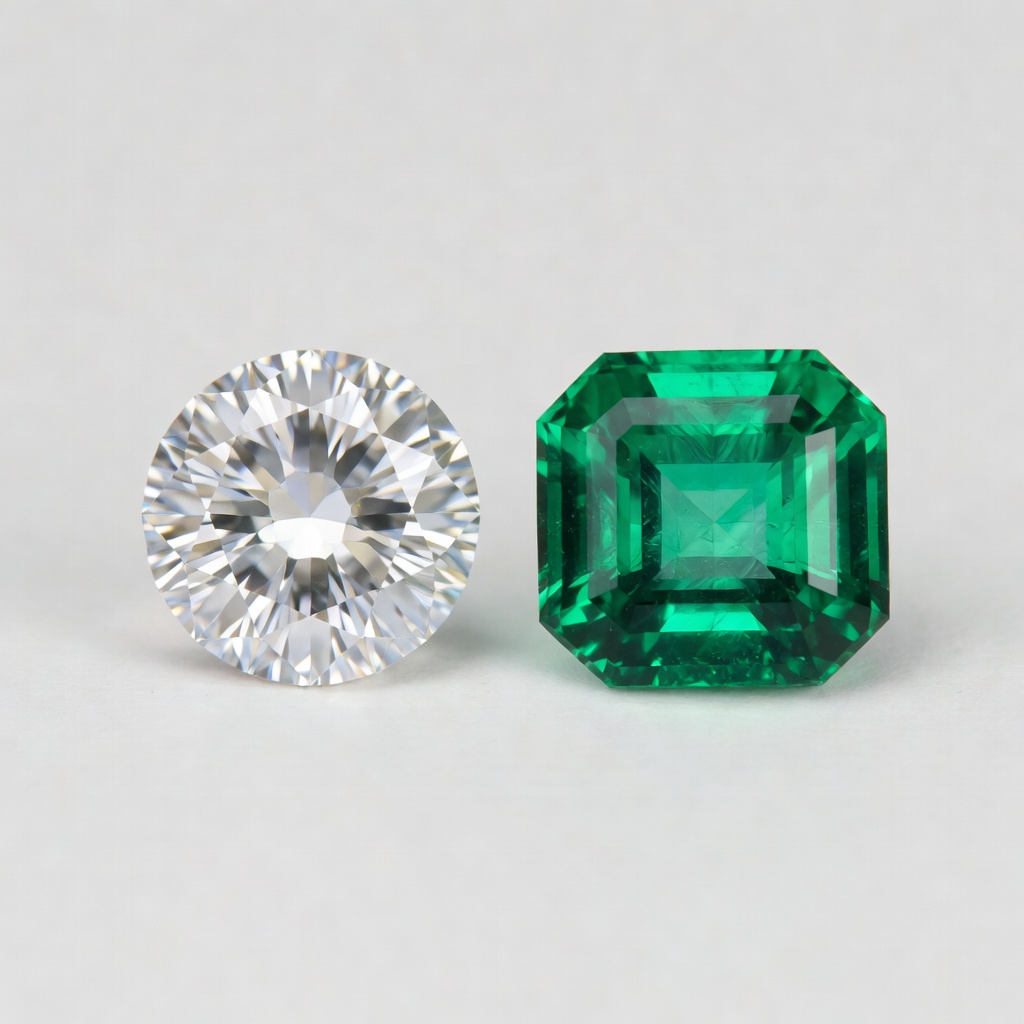
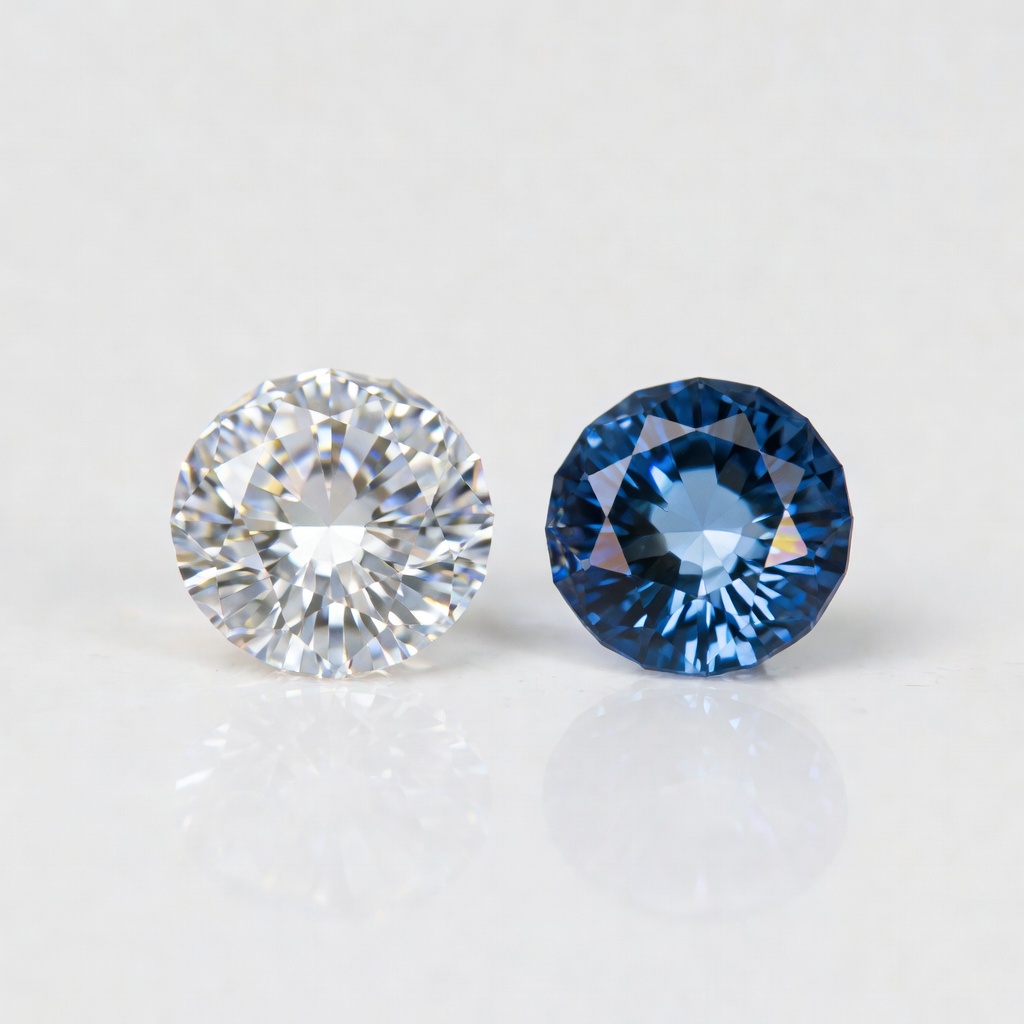
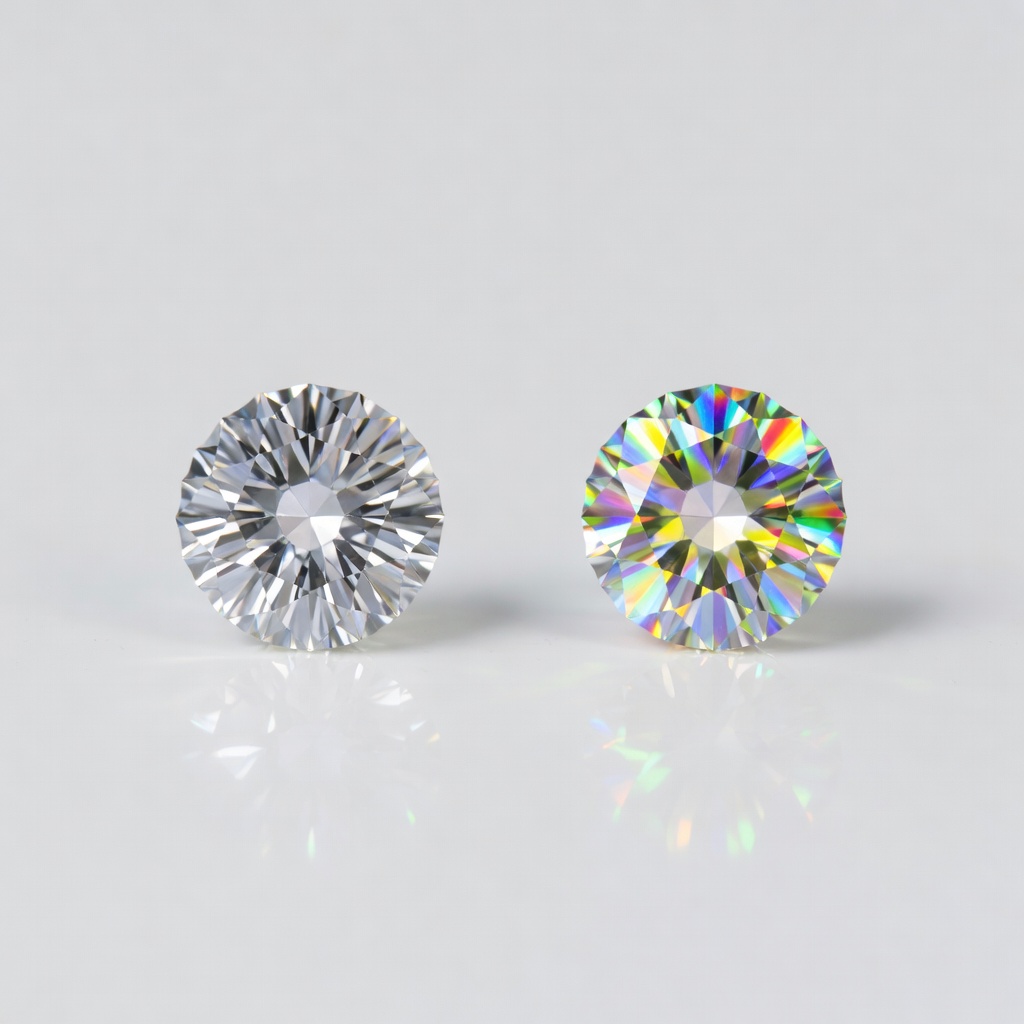
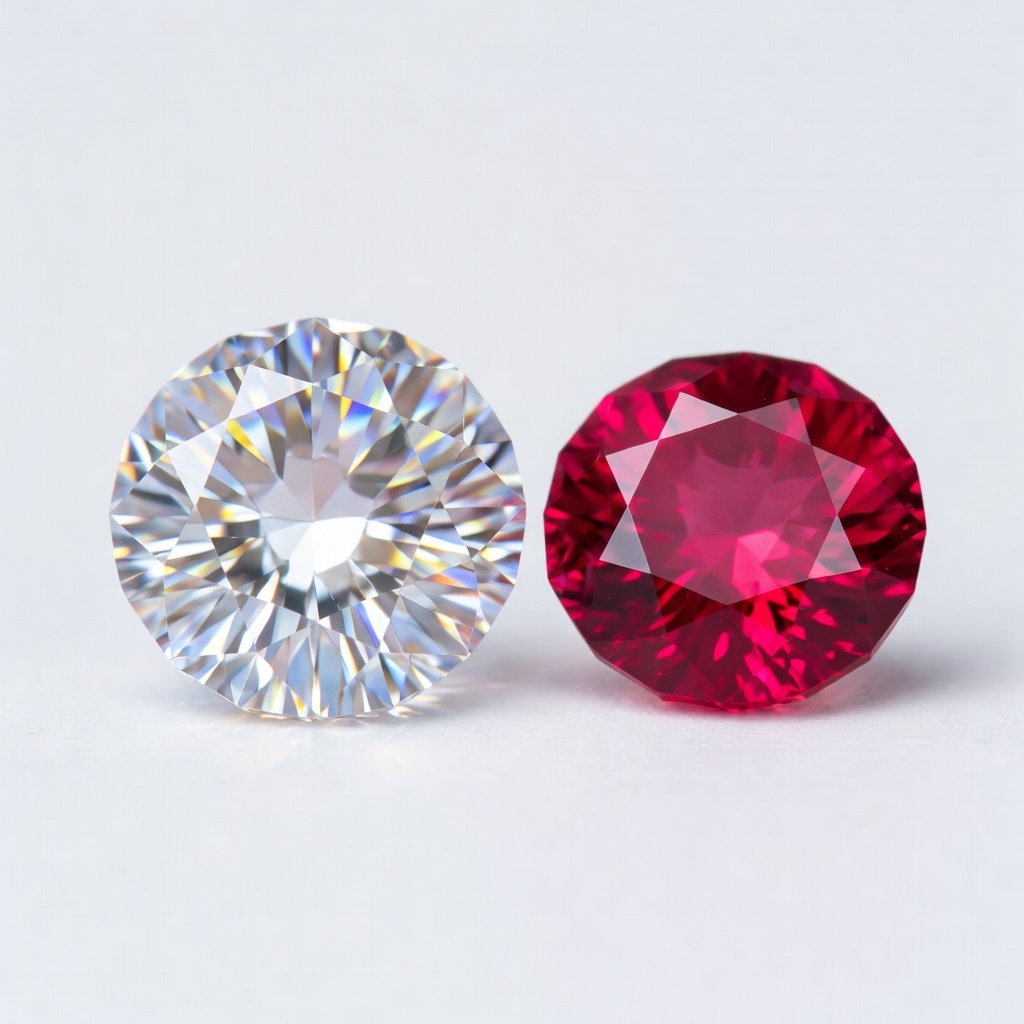
The aesthetic distinction between ruby stone vs diamond centers on how each gemstone interacts with light and the primary visual characteristic that defines its value. Diamonds are prized for their ability to handle white light, displaying brilliance (white light reflection), fire (dispersion of light into spectral colors), and scintillation (sparkle when moved). Colorless diamonds allow maximum light return, though fancy colored diamonds—including pinks, blues, and yellows—derive value from intense saturation and rare hues.
Rubies offer a completely different visual experience centered on color saturation rather than light return. By definition, only red corundum qualifies as ruby, with all other colors classified as sapphire. The most coveted hue, known as "pigeon blood" red, exhibits a vivid, saturated red with subtle blue undertones that appear almost glowing. Unlike diamonds where colorlessness commands premium prices, rubies achieve maximum value through intense, uniform color distribution throughout the stone.
Clarity grading diverges significantly between these gems. The diamond industry utilizes strict 10x magnification standards, categorizing stones from Flawless to Included based on internal characteristics visible under magnification. Rubies, however, traditionally accept some inclusions as natural birthmarks, provided they do not significantly detract from transparency or durability. In fact, certain inclusions in rubies, such as rutile needles creating a "silk" effect, can enhance value by indicating untreated status and authentic origin. When selecting between these stones, consider your visual priorities: if you seek spectacular sparkle and light performance, diamonds excel, but if you desire bold, passionate color that commands attention across a room, rubies provide unmatched presence.
Price Comparison and Value Factors
Understanding ruby vs diamond price dynamics requires navigating two distinctly different valuation systems that often surprise first-time buyers. While diamonds dominate mass market jewelry advertising, high-quality rubies frequently command higher per-carat prices than diamonds of equivalent size, particularly at the investment grade level. Untreated Burmese rubies exceeding five carats can sell for millions of dollars at auction, surpassing all but the rarest colored diamonds in value.
Diamond valuation relies on the standardized Four Cs system: Cut, Color, Clarity, and Carat weight. This framework allows relatively straightforward price comparisons between stones, with round brilliant cuts and D-color (colorless) specimens commanding premiums. The market maintains relative stability due to De Beers' historical supply control and current major producers' inventory management. Conversely, ruby valuation prioritizes color intensity above all other factors, followed by origin (Burmese stones command 30-50% premiums over Thai or African origins), treatment status (untreated stones carry exponentially higher values), and clarity.
| Characteristic | Diamond | Ruby |
|---|---|---|
| Chemical Composition | Pure Carbon (C) | Aluminum Oxide (Al2O3) with Chromium |
| Mohs Hardness | 10 (Hardest Natural Material) | 9 (Excellent Durability) |
| Color Range | Colorless to Fancy Colors (Pink, Blue, Yellow) | Red Only (Pink = Pink Sapphire) |
| Primary Value Factors | Cut Quality, Colorlessness, Clarity, Carat | Color Saturation, Origin, Treatment Status |
| Price Range (Per Carat) | $3,000 - $30,000+ (Depends on 4Cs) | $1,000 - $100,000+ (High-end untreated Burmese) |
| Best Applications | Engagement Rings, Tennis Bracelets, Stud Earrings | Statement Rings, Pendants, Cocktail Jewelry |
| Symbolic Meaning | Eternal Love, Purity, Strength | Passion, Protection, Royalty, Vitality |
| Rarity Factor | Abundant Supply (though gem-quality limited) | Rare, especially untreated stones over 3 carats |
Market trends currently favor colored gemstones among younger collectors and investors, with untreated rubies showing strong appreciation potential. However, diamonds retain superior liquidity, meaning they can be sold more quickly through established channels like pawn shops, auction houses, and online marketplaces. When budgeting for a purchase, consider that a one-carat, high-quality diamond might cost $8,000-$15,000, while a comparable quality one-carat Burmese ruby could range from $10,000 to $25,000 depending on treatment status. For investment purposes, always insist on certification: GIA (Gemological Institute of America) reports for diamonds, and SSEF (Swiss Gemmological Institute) or GRS (GemResearch Swisslab) reports for rubies, as these documents significantly impact resale value and authenticity verification.
Symbolic Meaning and Cultural Significance
Beyond their physical properties, the choice between these gemstones often hinges on the symbolic narrative and emotional resonance that ruby and diamond jewelry convey to the wearer and observer. Diamonds have become synonymous with eternal love and commitment in Western culture, largely cemented by De Beers' "A Diamond is Forever" campaign launched in 1947. This marketing mastery transformed diamonds into the default choice for engagement rings, symbolizing invincibility, purity, and unbreakable bonds due to their supreme hardness and clarity.
Rubies carry a more ancient and visceral symbolism that transcends modern marketing campaigns. Known historically as the "king of precious stones," rubies have represented passion, protection, and vitality across numerous civilizations. Ancient Burmese warriors inserted rubies into their flesh before battle, believing the stones granted invincibility. Hindu tradition associates rubies with the sun and the power of life, while European royalty associated the gem with wealth, wisdom, and success in love. As birthstones, diamonds represent April birthdays, while rubies honor July, offering personal significance for those born in these months.
Case studies in estate jewelry illustrate these symbolic differences vividly. A 1920s Art Deco diamond necklace might represent the technological optimism and geometric precision of the machine age, while a Victorian ruby serpent ring conveys romantic devotion and eternal life through its color reminiscent of blood and the heart. When selecting between these stones for significant gifts, consider the message you wish to convey: diamonds suggest timeless elegance and traditional values, while rubies communicate bold individuality, passionate romance, and a connection to historical grandeur.
Popular Jewelry Applications and Design Considerations
The distinct characteristics of these gemstones influence how jewelers incorporate them into wearable art and how consumers should approach design decisions for ruby and diamond jewelry. Diamonds dominate the engagement ring market in Western societies, particularly in solitaire settings that maximize light return and brilliance. Their colorless nature makes them versatile across all metal types, from platinum and white gold that enhance their icy brilliance to yellow and rose gold that create warm, vintage-inspired aesthetics.
Rubies excel in statement pieces where their saturated color creates focal points and conversation starters. Cocktail rings featuring large ruby center stones surrounded by diamond halos represent classic design approaches that leverage the contrast between red and white stones. Pendants and earrings allow rubies to sit closer to the face, where they can enhance skin tones—particularly flattering on warmer complexions. For metal pairings, yellow gold traditionally complements rubies by enhancing their warmth and historical associations, though modern designers increasingly set rubies in platinum or rose gold for contemporary appeal.
Setting selection requires practical consideration of lifestyle factors. Active individuals or those working with their hands should consider bezel settings that protect the gemstone's edges, particularly important for diamonds given their cleavage vulnerabilities. Prong settings maximize light exposure for both stones but require annual professional inspections to ensure security. A practical case study involves a client choosing between a diamond eternity band and a ruby five-stone ring for daily wear: while both suit daily use, the ruby's superior toughness against chipping made it the safer choice for her nursing profession, whereas the diamond eternity band required more frequent maintenance checks due to the exposed girdles of the shared-prong setting.
Investment Potential and Resale Value
For collectors considering these gemstones as alternative investments, understanding which is more valuable ruby or diamond requires analyzing liquidity, appreciation potential, and market volatility. Diamonds benefit from a highly liquid, established global market with standardized pricing mechanisms through the Rapaport Price List, making them relatively easy to sell quickly when necessary. However, retail diamonds typically depreciate immediately upon purchase, similar to automobiles, with resale values often ranging from 20-60% of original purchase price unless the stone possesses exceptional characteristics or provenance.
Rubies present a different investment profile: less liquid but potentially offering superior appreciation for exceptional specimens. Untreated, certified rubies from Myanmar (Burma) or Kashmir demonstrate strong value retention and price appreciation over decades, often outperforming traditional stock market indices. The key factor remains documentation—rubies accompanied by reports from prestigious laboratories like SSEF or Gübelin commanding significant premiums over those with lesser documentation or treatment disclosure. The rarity factor cannot be overstated: fine untreated rubies over three carats occur far less frequently than comparable diamonds, creating supply constraints that drive prices upward.
Practical investment advice suggests diversifying between both gemstones based on risk tolerance. A collector might maintain a core holding of certified, high-color diamonds for liquidity purposes while acquiring select untreated rubies for long-term appreciation. Consider the 2015 Sotheby's auction where a 25.59-carat Burmese ruby named "Sunrise Ruby" sold for $30.3 million, setting a per-carat record that exceeded virtually all diamond sales except the rarest blue or pink specimens. For serious investors, maintaining current appraisals every two to three years and ensuring specialized jewelry insurance riders protect against loss, theft, or damage remains essential regardless of gemstone choice.
Care and Maintenance Requirements
While both gemstones rank among the most durable natural materials, proper care techniques recognize the specific vulnerabilities that distinguish diamond and ruby differences in maintenance protocols. Both stones tolerate ultrasonic cleaning devices generally well, though caution applies to rubies that have undergone fracture-filling treatments (indicated by terms like "glass-filled" or "composite" ruby), as the high-frequency vibrations can damage these treatments. Steam cleaning remains safe for untreated stones of both varieties but should be avoided for filled rubies or diamonds with significant inclusions that might expand under heat.
Storage requirements highlight important distinctions between these gems. Diamonds can scratch virtually any other jewelry material, including rubies, necessitating separate storage compartments or individual soft pouches. Never store diamond jewelry loose in a box where stones might contact each other or other pieces. Rubies, while resistant to scratching from most materials, can still suffer surface damage from diamonds, so maintaining organized storage systems prevents accidental abrasion.
Professional maintenance schedules should include annual prong inspections for both gemstones, as worn prongs risk stone loss. Diamonds may require periodic repolishing if they develop surface scratches from decades of wear, though this occurs rarely given their hardness. Rubies might benefit from occasional repolishing to restore luster if surface abrasion occurs, particularly on vintage pieces. Insurance considerations demand separate riders for high-value pieces, with appraisals updated every two to three years to reflect current market values, especially important for rubies given their rapid price appreciation in recent years compared to the more stable diamond market.
Making Your Final Choice: Lifestyle and Budget Factors
Ultimately, the decision between diamond vs ruby requires honest assessment of personal style, daily activities, and financial parameters. Classic personalities drawn to timeless elegance, those seeking maximum brilliance and fire, or individuals wanting the traditional symbolism associated with engagement culture will find diamonds perfectly suited to their needs. Conversely, those who express themselves through bold color choices, appreciate historical significance, or desire a unique alternative to conventional jewelry norms will discover that rubies offer distinctive character and conversation value.
Budget allocation strategies differ significantly between these stones. Diamond buyers can optimize budgets by selecting slightly lower color grades (G-H instead of D-E) or clarity grades (VS2 instead of VVS1) without visible quality loss to the unaided eye, allowing larger carat weights within fixed budgets. Ruby buyers should prioritize color intensity over size, as a smaller, vividly saturated stone delivers more visual impact than a larger, duller specimen. For active lifestyles, consider that while diamonds resist scratching, their cleavage vulnerability might make rubies more suitable for hands-on professionals, provided the ruby lacks significant surface-reaching inclusions.
Ethical sourcing considerations increasingly influence modern purchasing decisions. The Kimberley Process Certification Scheme addresses conflict diamonds, though critics note gaps in its effectiveness. Canadian diamonds offer traceable origins with environmental protections. For rubies, Myanmar sources present complex ethical considerations due to political situations, leading many buyers to prefer Mozambican or Thai origins with documented fair mining practices. Whatever your choice, purchasing from reputable dealers who provide full disclosure of treatments, origins, and grading reports ensures your gemstone selection brings lasting satisfaction and value retention.
Frequently Asked Questions
Which is more expensive, diamond or ruby?
High-quality rubies, especially untreated 'pigeon blood' specimens from Myanmar, can command higher per-carat prices than diamonds. However, overall price depends on size, quality, and market demand. Fine rubies over 5 carats are rarer than large diamonds and can sell for millions.
Is ruby harder than diamond?
No, diamond is the hardest natural material with a Mohs rating of 10, while ruby scores 9. However, both are extremely durable. Ruby's corundum structure sometimes makes it less prone to chipping than diamond, which has perfect cleavage planes that can split under sharp impact.
Can you wear ruby and diamond jewelry together?
Absolutely. Rubies and diamonds are frequently paired in fine jewelry designs. Their contrasting colors create striking visual appeal, and their similar durability makes them compatible. Be cautious with storage—diamonds can scratch rubies if they rub together.
Which gemstone is better for an engagement ring?
Diamonds remain the traditional choice for their brilliance and 'forever' symbolism. However, rubies offer unique personalization, vibrant color, and excellent durability. Choose based on personal style: classic elegance (diamond) vs. bold individuality (ruby).
What is the main difference in composition between diamond and ruby?
Diamonds are pure crystallized carbon formed under extreme mantle pressure. Rubies are aluminum oxide (corundum) colored red by chromium impurities. This fundamental difference creates their distinct colors, hardness levels, and value factors.
Do rubies hold their value like diamonds?
Certified, untreated high-quality rubies from premium sources can hold and even appreciate in value, sometimes outperforming diamonds. However, diamonds have a more liquid resale market with established pricing. The key is documentation from reputable labs like GIA or SSEF.
Which is rarer, diamond or ruby?
Fine quality rubies, particularly untreated ones over 3 carats, are significantly rarer than diamonds of equivalent quality. While diamonds are more abundant overall in the market, gem-quality rubies represent a much smaller fraction of mined material.
What should I prioritize when buying ruby versus diamond?
For diamonds, prioritize cut quality for maximum brilliance, then color and clarity. For rubies, focus intensely on color—vivid red saturation is paramount. Clarity is secondary as some inclusions are expected. Always verify treatment status; untreated commands premium pricing.