Diamond vs Emerald: The Complete Guide to Choosing Your Perfect Gemstone
When selecting a centerpiece for fine jewelry, the choice between diamond and emerald represents one of the most significant decisions in the world of precious stones. Both gemstones carry centuries of historical prestige and captivate collectors with distinctly different aesthetic appeals, yet they serve remarkably different purposes in jewelry design. Understanding the nuanced differences between these iconic gems requires examining their geological origins, physical characteristics, and cultural significance to make an informed investment that aligns with your lifestyle and personal expression. Whether you are evaluating an emerald vs diamond engagement ring or building a collection of colored gemstone investment pieces, this comprehensive comparison will equip you with the knowledge to select the stone that best suits your needs.
Understanding the Core Differences
The fundamental distinction between these precious stones begins at the molecular level, where diamonds form as pure carbon crystals subjected to immense heat and pressure deep within the earth's mantle, while emeralds crystallize as green varieties of the mineral beryl in hydrothermal veins. This precious stones comparison reveals that diamonds derive their value from optical perfection and rarity in colorless form, whereas emeralds are treasured specifically for their rich chromium and vanadium-induced green coloration that no other gemstone can naturally replicate. Historically, diamonds became synonymous with eternal love and marital commitment following De Beers' twentieth-century marketing campaigns, while emeralds have adorned royalty since Cleopatra's reign, symbolizing fertility, rebirth, and imperial power across ancient Egyptian and Incan civilizations.
Modern buyers navigating the diamond vs emerald decision must consider whether they prioritize brilliance and durability or unique color expression and historical mystique. Diamond selection typically focuses on the four Cs—cut, color, clarity, and carat—with emphasis on achieving maximum light performance and flawless appearance. Conversely, emerald evaluation centers on color intensity, transparency, and origin, with connoisseurs accepting visible inclusions (known as "jardin" or garden) as natural characteristics rather than flaws. Your choice ultimately depends on whether you seek the versatile neutrality of a colorless stone that complements any outfit or the bold statement of verdant green that immediately draws the eye and sparks conversation.
Physical Properties and Durability Compared
Understanding gemstone durability Mohs scale ratings is essential when selecting jewelry intended for daily wear or special occasions that demand resilience. Diamonds rank at the pinnacle of the scale with a perfect 10, making them the hardest known natural material capable of scratching any other substance while remaining virtually impervious to damage from everyday impacts. Emeralds register between 7.5 and 8 on the Mohs scale, which while still relatively hard, places them in a category where contact with harder materials or sharp blows can result in chipping, cracking, or surface abrasion over time.
The practical implications of these hardness differences extend beyond scratch resistance to include structural integrity and setting requirements. Emeralds possess distinct cleavage planes and natural fracture points within their crystalline structure, making them more brittle than their hardness rating alone might suggest, particularly when significant inclusions create internal stress points. Jewelers often recommend protective settings for emerald jewelry, such as bezels or halos, to shield the stone's vulnerable edges and corners from direct impact during daily activities. When comparing emerald stone properties to diamonds, consider that while a diamond engagement ring can withstand decades of continuous wear including household chores and physical activities, emerald rings require more mindful removal during strenuous tasks to preserve their pristine condition.
Visual Characteristics and Beauty Factors
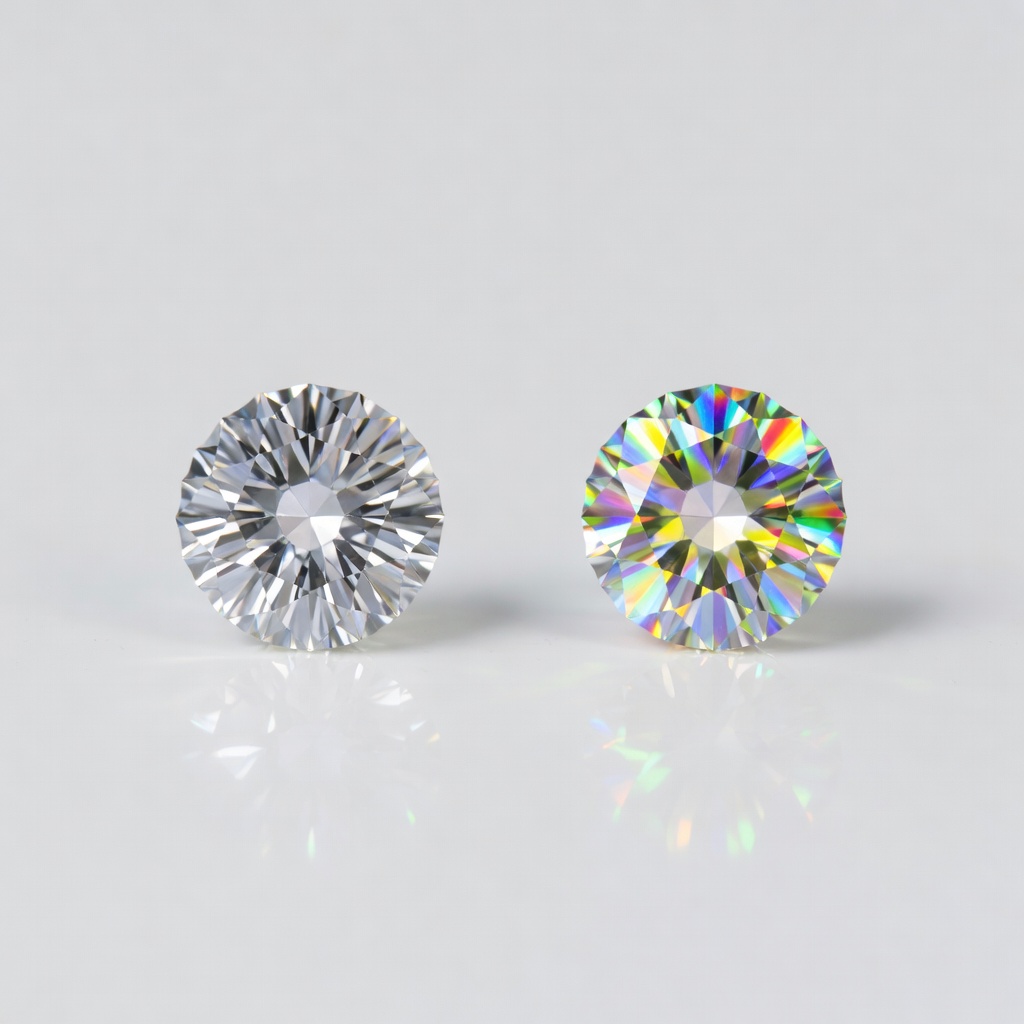
The aesthetic experience of wearing these gemstones differs dramatically due to their unique optical properties and the way they interact with light. Diamonds captivate viewers through brilliance (white light reflection), fire (dispersion of light into spectral colors), and scintillation (sparkle when moved), creating a lively, animated appearance that maximizes light return from every angle. Emeralds, by contrast, offer a more subdued yet deeply saturated visual experience characterized by a velvety glow and rich green color that seems to glow from within, prioritizing depth of hue over brilliant sparkle. When evaluating an emerald vs diamond engagement ring, consider that diamonds perform exceptionally under various lighting conditions, maintaining their sparkle in dim restaurants or bright sunlight, while emeralds require adequate lighting to reveal their full color intensity and may appear darker in low-light environments.
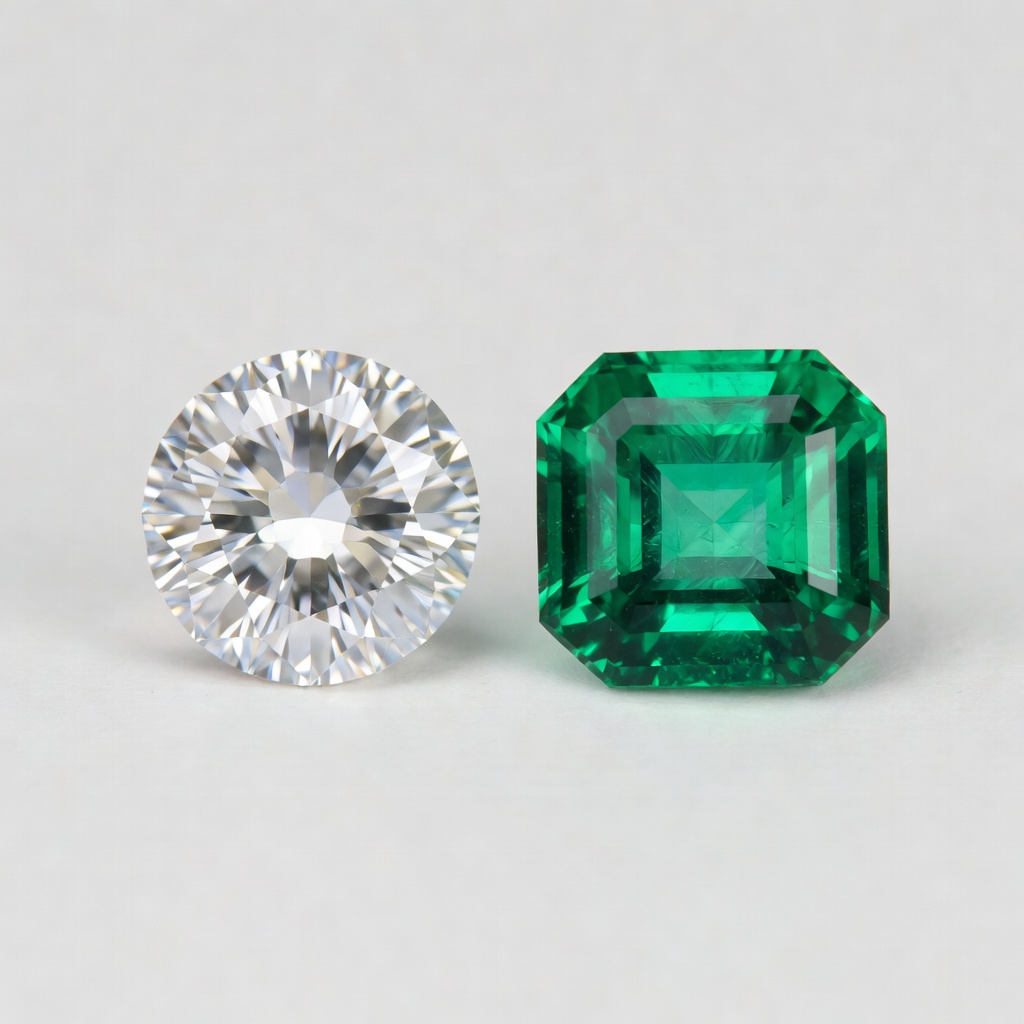
Cut styles play a crucial role in maximizing each stone's inherent beauty, with diamonds typically faceted with precise mathematical calculations to optimize light return through styles like round brilliants, princess cuts, or cushion cuts. Emeralds traditionally employ step cuts with long rectangular facets that emphasize color purity and clarity while creating the distinctive "hall of mirrors" effect, though this cut style also makes inclusions more visible. When selecting gemstone brilliance versus color impact, remember that diamond cutters sacrifice carat weight to achieve ideal proportions that maximize sparkle, while emerald cutters prioritize preserving color depth and weight, often accepting windowing (light leakage) to maintain the stone's rich green appearance. Your personal style should guide whether you prefer the disco-ball effect of a well-cut diamond or the sophisticated, moody elegance of a fine emerald.
Price, Value and Market Dynamics
Navigating the financial aspects of gemstone acquisition requires understanding how market forces and rarity indicators affect pricing structures for both stones. Entry-level diamonds typically command higher prices per carat than comparable emeralds, with even modest quality diamonds often starting at several thousand dollars per carat, while commercial-grade emeralds might begin at a few hundred dollars per carat. However, the relationship inverts at the highest quality levels, where exceptional Colombian emeralds with vivid saturation and minimal treatment can surpass diamond prices on a per-carat basis, particularly when compared to smaller, lower-color diamonds. When exploring emerald stone value, factors including origin (Colombian stones typically command premiums over Zambian or Brazilian), treatment level (none to minor oiling preferred), and color intensity dramatically influence pricing beyond basic carat weight.
The market for diamond alternatives has expanded significantly as consumers seek distinctive options that offer better size-to-price ratios without sacrificing prestige. While emeralds serve as excellent alternatives to diamonds for those seeking colored gemstone distinction, they also compete with other green stones like tsavorite garnet or peridot, whereas diamonds maintain unique status as the traditional engagement stone. Market demand trends show increasing appreciation for untreated, high-color emeralds among collectors, while the diamond market remains relatively stable with established pricing benchmarks. Budget-conscious buyers should note that mid-range emeralds often allow for larger center stones than similarly priced diamonds, offering impressive visual impact and presence for statement jewelry pieces or alternative engagement rings.
| Characteristic | Diamond | Emerald |
|---|---|---|
| Mohs Hardness | 10 (Highest possible) | 7.5-8 (Good, but brittle) |
| Brilliance/Sparkle | Exceptional fire and scintillation | Subdued, velvety luster |
| Primary Value Factor | Cut quality and lack of color | Intensity of green color |
| Entry Price per Carat | $3,000-$5,000+ (commercial quality) | $500-$2,000 (commercial quality) |
| Durability for Daily Wear | Excellent - suitable for all activities | Moderate - requires protective settings |
| Treatment Commonality | Rarely treated (reduces value significantly) | Commonly oiled (accepted standard) |
| Investment Liquidity | High - established resale markets | Moderate - specialized collector market |
Symbolism and Emotional Significance
Beyond their physical properties, these gemstones carry profound symbolic weight that influences selection for ceremonial jewelry and personal talismans. Diamonds have become universal symbols of eternal love, unbreakable commitment, and clarity of intention, largely due to their unmatched hardness and the marketing narratives that positioned them as the only appropriate stone for marriage proposals in Western cultures. Emerald symbolism meaning encompasses growth, renewal, fertility, and deep wisdom, with the verdant color representing spring's return and the vitality of nature, making them particularly meaningful for individuals embarking on new chapters or celebrating personal transformation. For those born in May, emeralds serve as birthstones, adding personal significance that transcends aesthetic preference to create emotional connections with the gem.
Contemporary celebrity culture continues to reshape perceptions of both stones, with high-profile engagements featuring colored gemstones influencing market trends and social acceptance. When Jackie Kennedy received an emerald and diamond engagement ring, she challenged conventions and established emeralds as suitable for bridal jewelry among the elite, a trend followed by celebrities like Halle Berry and Zoe Saldana who chose emerald engagement rings for their distinctive appeal. Diamond meaning remains associated with traditional romance and timeless elegance, yet modern couples increasingly view emerald selections as expressions of individuality and rejection of convention. Your choice between these stones might reflect whether you identify with classic romantic narratives or prefer to forge unique symbolic meanings that distinguish your personal story from traditional expectations.
Best Jewelry Applications for Each Stone
Matching gemstones to appropriate jewelry styles requires honest assessment of lifestyle factors and intended usage patterns. For emerald vs diamond engagement ring selections, diamonds offer universal suitability across all setting styles and metal choices, thriving in delicate prong settings that maximize light exposure or secure bezel designs that protect the girdle. Emeralds demand more strategic placement in jewelry design, performing best in protective settings that shield their vulnerable corners and edges from impact, such as vintage-inspired bezel settings, halo designs with diamond buffers, or robust tension settings that distribute pressure evenly across the stone's surface. Active individuals or those working with their hands should consider that while diamond rings can accompany them through most daily activities, emerald rings require removal during gym sessions, gardening, cooking, or cleaning to prevent damage from chemicals or physical trauma.
Beyond bridal applications, each stone excels in different jewelry categories based on their unique properties. Diamonds create stunning everyday studs, tennis bracelets, and pendants that withstand constant wear while maintaining their sparkle with minimal maintenance. Emeralds make exceptional statement pieces for special occasions, cocktail rings designed for evening wear, and earrings that frame the face with rich color without exposure to the rough handling that rings endure. Collector designs often showcase emeralds in elaborate vintage reproduction settings that echo Art Deco or Victorian aesthetics, while diamonds frequently appear in modern, minimalist settings that emphasize geometric precision and contemporary elegance. When building a jewelry wardrobe, consider diamonds for foundational pieces intended for daily rotation and emeralds for signature items that elevate special ensembles.
Care, Cleaning and Maintenance Requirements
Proper maintenance protocols differ significantly between these gemstones due to their varying tolerances for heat, chemicals, and mechanical cleaning methods. Diamond maintenance remains relatively straightforward, with these stones safely enduring ultrasonic cleaners, steam cleaning, and commercial jewelry solutions that remove accumulated oils and debris without risking damage to the stone itself. Emeralds require significantly more delicate handling, as the ultrasonic vibrations that clean diamonds can exacerbate existing fractures in emeralds or dislodge oil treatments that improve their clarity appearance. Safe emerald care cleaning involves using only lukewarm water, mild dish soap, and soft brushes, avoiding steam, ultrasonic waves, and harsh chemicals including chlorine, ammonia, and alcohol that can strip treatments or damage the stone's surface.
Storage solutions must account for the hardness differential between these gems to prevent accidental damage when jewelry pieces contact each other. Diamonds can scratch virtually any other gemstone, including other diamonds, necessitating separate storage in soft cloth pouches or individual compartments in jewelry boxes. Emeralds should never contact harder stones during storage and benefit from fabric-lined boxes that prevent movement and abrasion. Professional servicing frequency varies by stone type, with diamond jewelry requiring annual prong checks and professional cleaning to maintain security and brilliance, while emerald pieces need more frequent inspection for loose stones or setting wear, particularly for rings worn regularly. When visiting jewelers for repairs or resizing, always disclose that a piece contains emeralds so technicians can avoid exposing the stone to heat from torches or harsh cleaning procedures typically safe for diamonds.
Investment Potential and Resale Value
Viewing these gemstones through an investment lens requires understanding liquidity, market stability, and the factors that appreciate value over decades. Diamond investment value benefits from established wholesale markets, consistent global demand, and standardized grading systems that make valuation relatively transparent, though retail buyers typically face significant depreciation when reselling due to markups in the primary market. Rare, untreated emeralds from prestigious Colombian mines, particularly those exhibiting the coveted "Muzo green" color, have demonstrated remarkable appreciation in the colored gemstone investment sector, with top specimens outperforming traditional investment vehicles over extended holding periods. However, the emerald market remains less liquid than diamonds, requiring specialized auction houses or dealer networks to achieve fair market value upon resale.
Several factors influence the collectible value of each stone beyond basic quality metrics. For diamonds, fancy colored varieties (particularly pinks, blues, and reds) command the highest investment premiums, while colorless stones generally serve as wealth preservation tools rather than aggressive appreciation assets. Emeralds derive investment value from origin documentation (Colombian stones outperform African origins), treatment disclosure (none-to-minor oiling commands 40-100% premiums over heavily treated stones), and size rarity (clean stones over 5 carats become exponentially more valuable). Liquidity differences mean diamonds can typically be sold more quickly through various channels including online marketplaces, local jewelers, or pawn shops, whereas emerald sales require patience and access to specialized collectors or auction houses willing to pay premiums for exceptional specimens. Diversified collectors often maintain both stones, using diamonds for liquid wealth storage and exceptional emeralds for long-term appreciation potential.
Ethical Sourcing and Environmental Impact
Modern consumers increasingly prioritize ethical gemstones that minimize human suffering and environmental degradation throughout the supply chain. Conflict-free diamond certifications including the Kimberley Process aim to prevent blood diamonds from entering legitimate markets, though critics argue the process has loopholes regarding labor practices and environmental standards, prompting many buyers to seek Beyond Conflict Free stones with documented chain of custody. Emerald mining regions, particularly Colombia's Muzo and Chivor mines and Zambia's Kagem mine, have implemented progressive ethical sourcing initiatives including fair wage guarantees, community development programs, and land rehabilitation projects that exceed traditional extraction standards. When evaluating ethical sourcing, request documentation regarding mine origin and labor practices from your jeweler, as transparency varies significantly between vendors.
Lab grown diamonds emeralds present sustainable alternatives that eliminate mining concerns entirely while offering chemical and optical identicalness to natural stones at reduced price points. Laboratory diamonds created through High Pressure High Temperature (HPHT) or Chemical Vapor Deposition (CVD) processes reduce environmental impact by 80-90% compared to mining while avoiding human rights concerns, and they have gained mainstream acceptance for bridal jewelry. Lab-created emeralds using hydrothermal processes offer similarly ethical alternatives, though they lack the rarity and investment potential of natural specimens. When considering lab-grown options, understand that while they offer immediate cost savings and ethical clarity, they typically retain minimal resale value compared to natural stones, making them ideal for personal adornment rather than wealth preservation.
Making Your Final Decision: A Buyer's Checklist
Arriving at the optimal choice between these magnificent gemstones requires systematic evaluation of personal circumstances, aesthetic preferences, and practical constraints. Begin your gemstone buying guide assessment by honestly evaluating your lifestyle: if you lead an active lifestyle involving sports, manual labor, or frequent handwashing, diamonds offer the durability necessary for worry-free daily wear, whereas emeralds suit those willing to remove jewelry during physical activities or seeking special-occasion pieces. Budget allocation strategies differ significantly between the stones; diamonds require prioritizing cut quality to maximize beauty, while emeralds reward investments in color intensity over clarity perfection, allowing you to maximize visual impact within limited budgets.
Personal style alignment ultimately determines satisfaction with your selection over decades of ownership. Classic personalities who prefer timeless elegance, versatile neutrality, and traditional bridal aesthetics gravitate toward diamonds for their universal complementarity and established prestige. Individuals with bold fashion sensibilities, appreciation for historical royal jewelry, or desire for distinctive self-expression often find emeralds more aligned with their identity, particularly when set in vintage-inspired designs that highlight the stone's romantic character. When choosing between diamond and emerald, consider whether you view jewelry as a practical accessory for daily enhancement or as artistic expression that makes singular statements. Consult with reputable gemologists who can show you both stones under various lighting conditions, and never rush the decision—unlike fashion purchases, fine gemstone jewelry represents generational investments that should resonate with your core values and aesthetic vision.
Frequently Asked Questions
Which is more expensive per carat, diamond or emerald?
High-quality diamonds are generally more expensive per carat than emeralds. However, exceptional emeralds with vivid color, few treatments, and certified origin can command prices that rival or exceed diamonds of similar carat weight. Mid-range emeralds offer more size for your budget compared to diamonds.
Is emerald durable enough for an engagement ring?
Emeralds can work for engagement rings but require protective settings like bezels or halos due to their 7.5-8 Mohs hardness and natural inclusions. They're more prone to chipping than diamonds, so active wearers should remove emerald rings during strenuous activities. Many jewelers recommend diamonds for everyday durability.
What are the main visual differences between diamonds and emeralds?
Diamonds are prized for their brilliance, fire (rainbow flashes), and exceptional sparkle in a colorless form. Emeralds are valued for their rich green color saturation and velvety appearance, showing less sparkle but deeper color impact. Diamonds reflect white light dramatically while emeralds absorb and transmit green wavelengths.
Which gemstone has better investment value long-term?
Diamonds offer more stable, liquid investment value with established markets and consistent demand. Rare, untreated emeralds from prestigious sources (like Colombian Muzo) can appreciate significantly but have a smaller, more specialized buyer market. Diamonds are generally safer for investment beginners.
Can you wear emerald jewelry every day?
Diamond jewelry can withstand daily wear without issues. Emerald jewelry requires more caution—avoid exposure to harsh chemicals, extreme temperature changes, and physical impacts. Emerald rings should be removed during cleaning, sports, or manual labor. Pendants and earrings experience less stress and are safer for daily emerald wear.
How do treatments affect emerald value compared to diamonds?
Most emeralds receive oil or resin treatments to improve clarity, which is accepted industry practice but must be disclosed. Untreated emeralds command huge premiums. Diamonds have fewer treatments; those that exist (laser drilling, fracture filling) significantly reduce value. Natural, untreated status is more critical for diamond valuation.
What is the best engagement ring setting for emeralds?
Protective settings like bezel, half-bezel, or halo designs with metal surrounding the emerald's edges are ideal. V-prongs at the corners provide security while minimizing visible metal. Avoid high, exposed peg settings that leave the stone vulnerable. Platinum or gold bezels offer maximum protection for active lifestyles.
Do lab-grown options exist for both diamonds and emeralds?
Yes, lab-grown diamonds are widely available, chemically identical to natural diamonds, and cost 60-80% less. Lab-created emeralds also exist, though they're less common in the market. Both offer ethical, budget-friendly alternatives, but natural stones typically retain better long-term value for investment purposes.