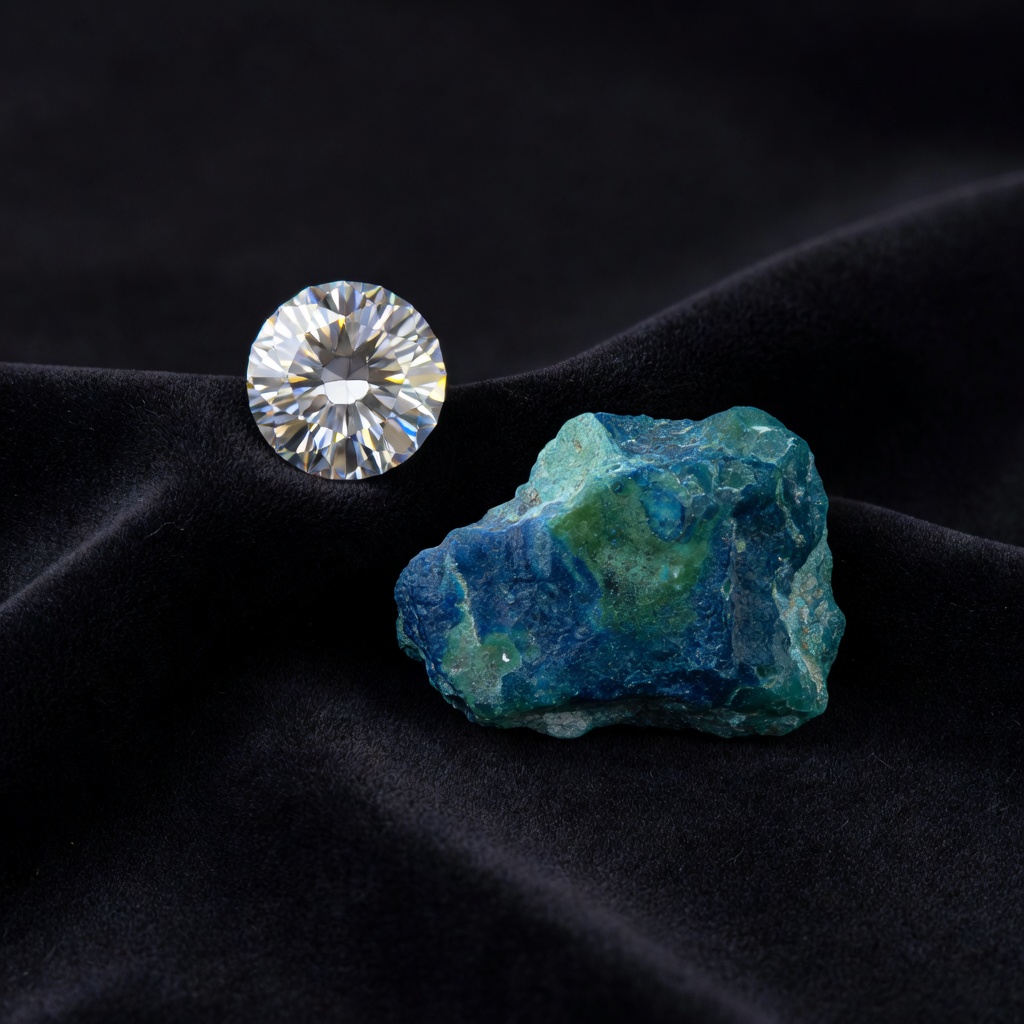
The Ultimate Hardness vs. Softness Comparison
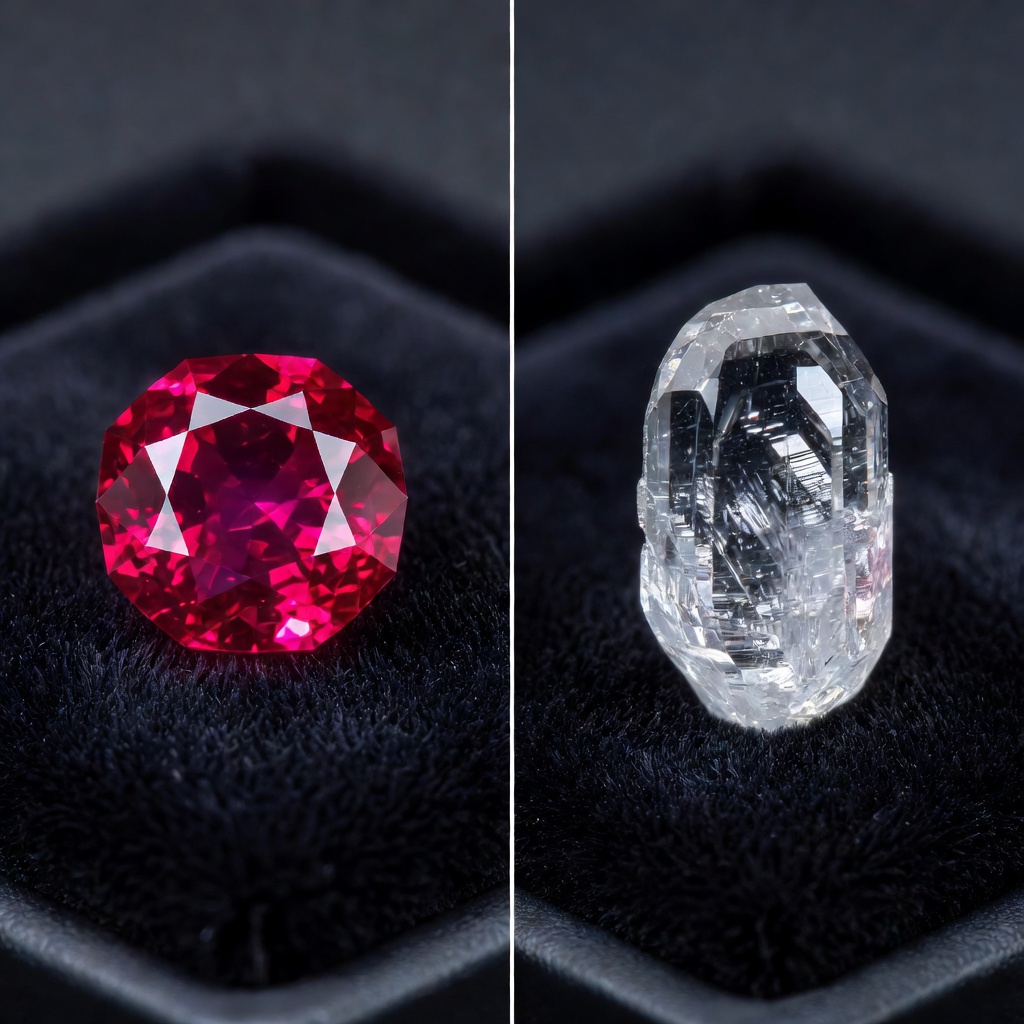
When exploring the fascinating world of gemstones and minerals, few comparisons illustrate the dramatic spectrum of physical properties quite like Diamond vs Vivianite. Diamonds represent the pinnacle of durability, ranking at the very top of the Mohs hardness scale with a perfect 10, making them the hardest known natural material on Earth. In stark contrast, vivianite occupies the opposite extreme with a mere 1.5 to 2 on the Mohs scale, placing it among the softest minerals that collectors can handle. These two remarkable specimens embody the complete range of gemstone durability, offering unique insights into how chemical composition and formation environments dictate a mineral's practical applications and longevity.
The geological contexts that create these opposing treasures could not be more different. Diamonds crystallize under immense pressure exceeding 725,000 pounds per square inch, approximately 150 to 200 kilometers beneath Earth's surface in the mantle's kimberlite pipes, enduring temperatures around 1,050 degrees Celsius over billions of years. Conversely, vivianite forms in reducing, oxygen-poor environments such as bog iron deposits, lake sediments, and within the cavities of fossilized bones, where organic matter decomposes and creates the specific chemical conditions necessary for this rare phosphate mineral to precipitate. Understanding why these minerals represent opposite ends of the gemstone durability spectrum helps collectors, jewelers, and enthusiasts appreciate the diverse requirements for handling, storing, and displaying these extraordinary natural wonders.
Chemical Composition and Crystal Structure
The molecular architecture of diamond and vivianite explains their vastly different physical behaviors and stability profiles. Diamond consists of pure carbon atoms arranged in an isometric cubic crystal system, where each carbon atom forms strong covalent bonds with four neighboring atoms in a rigid tetrahedral lattice. This three-dimensional network of sp³ hybridized carbon bonds creates an incredibly dense structure with no cleavage planes, explaining why diamonds can only be cut by other diamonds and resist deformation under extreme stress. The uniformity and strength of these covalent bonds distribute force evenly throughout the crystal, preventing the scratching and abrasion that plague lesser minerals.
Vivianite presents a completely different structural paradigm with the chemical formula Fe₃(PO₄)₂·8H₂O, classifying it as a hydrous iron phosphate within the monoclinic crystal system. Its structure consists of layered phosphate groups separated by water molecules and ferrous iron ions, creating weak bonds between structural layers that allow the mineral to flake and cleave easily. These water molecules within the crystal lattice make vivianite sensitive to dehydration, while the iron content renders it susceptible to oxidation when exposed to atmospheric oxygen. When evaluating vivianite properties, mineralogists note that this hydrated structure contributes to its characteristic flexibility and softness, standing in stark opposition to diamond's rigid, anhydrous carbon framework.
Understanding these structural differences proves essential for anyone working with rare phosphate minerals or high-hardness gemstones. Diamond's chemical inertness allows it to resist acids, bases, and environmental degradation indefinitely, whereas vivianite requires careful environmental control to prevent chemical alteration. Laboratory analysis using X-ray diffraction reveals that while diamond maintains its structure across extreme temperature variations, vivianite's lattice parameters shift with humidity changes, potentially causing cracking or crumbling if stored improperly. These molecular distinctions directly determine why one mineral becomes the cornerstone of the jewelry industry while the other remains a delicate collector's specimen requiring museum-grade preservation.
Hardness, Durability, and Wearability Analysis
Diamond hardness establishes the benchmark for durability in both gemological and industrial applications, earning its status as the definitive 10 on the Mohs scale of mineral hardness. This exceptional hardness enables diamonds to withstand daily wear in engagement rings and bracelets without showing scratches, even after decades of continuous use against metals, other gemstones, and environmental abrasives. Industrial-grade diamonds serve critical functions in cutting tools, drill bits, and grinding wheels, demonstrating that gemstone durability extends far beyond aesthetic applications into manufacturing and construction sectors where material failure isn't an option.
Vivianite's extreme softness presents unique challenges that render it unsuitable for any jewelry application involving contact or movement. With a hardness comparable to gypsum or talc, vivianite can be scratched by a fingernail (2.5 Mohs) and will crumble under gentle pressure, making it impossible to facet, polish, or set in traditional jewelry mounts without destroying the specimen. Water exposure further compromises vivianite's integrity, as the hydrous structure can dissolve or dehydrate, causing the crystal to fracture or lose its transparency. Practical implications for collectors include the necessity of displaying vivianite in static, protected environments where humidity and handling are strictly controlled, unlike diamonds which endure routine cleaning, wearing, and transportation without degradation.
Comparative Analysis Table
| Characteristic | Diamond | Vivianite |
|---|---|---|
| Hardness (Mohs Scale) | 10 (Hardest known natural material) | 1.5-2 (Extremely soft, fingernail-scratchable) |
| Chemical Formula | C (Pure Carbon) | Fe₃(PO₄)₂·8H₂O (Hydrous Iron Phosphate) |
| Crystal System | Isometric (Cubic) | Monoclinic |
| Refractive Index | 2.42 (High brilliance and fire) | 1.58-1.63 (Low brilliance, high pleochroism) |
| Specific Gravity | 3.52 | 2.68 |
| Formation Environment | Kimberlite pipes, 150+ km depth, high pressure/temperature | Bog iron, lake sediments, fossil bones, reducing environments |
| Jewelry Suitability | Excellent for all jewelry types including daily wear rings | Unsuitable; strictly for display and collection |
| Price Range (Per Carat/Specimen) | $1,000-$100,000+ depending on 4Cs | $20-$500 depending on crystal quality and matrix |
| Care Requirements | Ultrasonic, steam, or soap-water cleaning; highly chemically resistant | Mineral oil storage, oxygen-free environment, humidity control |
| Color Stability | Permanent and chemically inert | Changes colorless to blue/green upon oxidation |
Visual Characteristics: Brilliance vs. Pleochroism
Diamonds captivate observers through their exceptional optical performance, boasting a refractive index of 2.42 that creates the characteristic brilliance and fire prized in high-end jewelry. When properly cut, diamonds disperse white light into spectral colors through a combination of total internal reflection and high dispersion (0.044), creating that signature sparkle recognized worldwide. Gemological laboratories assess diamond clarity using standardized grading scales from Flawless to Included, evaluating internal inclusions and external blemishes that affect transparency, with most gem-quality diamonds achieving eye-clean status that maximizes light return through the crown facets.
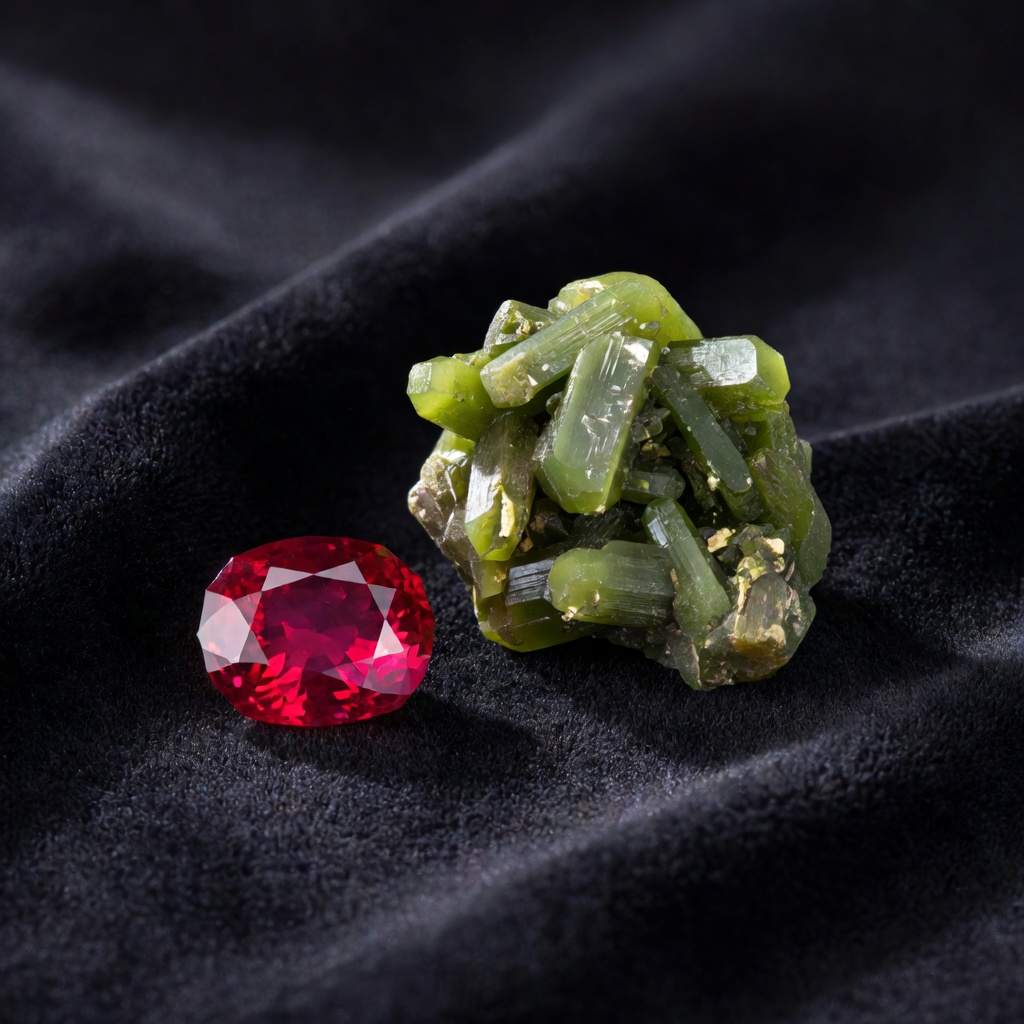
Vivianite offers a completely different visual experience centered on pleochroism and color-change phenomena rather than brilliance. Freshly extracted vivianite crystals often appear colorless, pale green, or white when protected from oxygen in their natural reducing environment, but rapidly undergo vivianite color change upon exposure to air. This oxidation process transforms the iron content from ferrous (Fe²⁺) to ferric (Fe³⁺) states, producing deep blue, emerald green, or olive hues that intensify over time depending on the crystal's thickness and iron concentration. Unlike diamond's isotropic optical properties, vivianite exhibits strong trichroism, showing different colors—typically blue, green, and yellow-green—when viewed from different crystallographic directions, creating a dynamic visual display that changes with the viewing angle and lighting conditions.
Transparency differences between these minerals further distinguish their aesthetic applications. Diamonds range from completely transparent to various degrees of clarity, with value increasing dramatically as transparency improves and inclusions diminish. Vivianite typically presents as translucent to transparent in thin crystals or sections, often forming radiating clusters, prismatic crystals, or encrustations that display internal structures and inclusions as features rather than flaws. Collectors prize vivianite specimens that show the transition from colorless interiors to oxidized blue surfaces, creating natural ombre effects impossible to replicate in treated gemstones, while diamond collectors seek pure optical clarity that maximizes the stone's ability to bend and reflect light.
Formation, Mining, and Global Sources
The geological processes creating diamonds require specific conditions found only in ancient continental cratons where tectonic stability has persisted for billions of years. Diamonds nucleate in the upper mantle under pressures exceeding 4.5 gigapascals and temperatures between 900 and 1,300 degrees Celsius, where carbon-containing fluids percolate through eclogitic or peridotitic host rocks. Volcanic eruptions of kimberlite or lamproite magma then transport these crystals to the surface at velocities exceeding 30 kilometers per hour, creating carrot-shaped pipes that miners exploit in regions such as Botswana's Orapa mine, Canada's Diavik and Ekati operations, and Russia's Mirny diamond fields. Marine diamond mining off the coast of Namibia represents another extraction method, where ancient river deposits now lie submerged under the Atlantic Ocean.
Vivianite formation occurs in fundamentally different geological settings characterized by low-oxygen or reducing conditions where organic matter decomposes and releases phosphate ions into groundwater. Rare phosphate minerals like vivianite crystallize in bog iron deposits, freshwater lake sediments, and particularly within the hollow cavities of fossilized bones and wood, where the combination of iron-rich water and organic phosphate creates supersaturated solutions. Notable localities include the famous Anloua Mine in Cameroon, where vivianite forms massive prismatic crystals within fossil bones, and the clay pits of Huanuni, Bolivia, which produce striking blue-green specimens embedded in matrix. German localities such as the Siegerland region historically provided significant specimens, while Australian occurrences in Victoria and New South Wales continue to yield collector-quality crystals from Tertiary lake sediments.
Mining methodologies reflect these formation differences, with diamond extraction requiring massive capital investment in open-pit or underground operations processing tons of kimberlite per carat recovered. Artisanal miners in vivianite-bearing regions often work small clay deposits or fossil sites using hand tools, carefully extracting delicate crystals that would shatter under mechanical excavation methods used for diamonds. The environmental footprint differs dramatically: diamond mining involves significant landscape alteration and energy consumption, while vivianite collection typically involves surface gathering from exposed sediments or limited trenching in organic-rich deposits, though both industries face increasing scrutiny regarding sustainable practices and habitat preservation.
Jewelry Applications and Alternative Uses
The Diamond vs Vivianite comparison becomes most apparent when examining their respective roles in jewelry design and adornment. Diamonds dominate the global jewelry market, serving as the preferred center stone for approximately 80% of engagement rings in Western markets, with annual sales exceeding $80 billion worldwide. Jewelry designers utilize diamonds in earrings, necklaces, bracelets, and statement pieces, leveraging the stone's hardness to create intricate cuts including round brilliants, princess cuts, and fancy shapes that maintain their polish indefinitely. The metal setting choices for diamonds range from delicate prongs to robust bezel settings, knowing that the gemstone will outlast the mounting itself and potentially serve as a family heirloom for generations.
Vivianite's extreme fragility precludes any practical jewelry application, as the act of setting the stone would likely cause cleavage or crumbling, and wearing it would result in immediate scratching and degradation. Instead, vivianite finds its place in mineral collections, museum displays, and educational institutions where specimens are protected under glass or within sealed containers. Private collectors often showcase vivianite in custom-built display cases with controlled humidity and oxygen-scavenging materials to preserve the original coloration, while museums like the Smithsonian Institution and London's Natural History Museum feature exceptional vivianite specimens as examples of secondary mineral formation and fossilization processes.
Beyond aesthetic and collection values, both minerals serve metaphysical and alternative healing communities, though their applications differ significantly based on perceived energetic properties. Diamond metaphysical practitioners associate the stone with clarity, strength, and abundance, using it in meditation to enhance mental acuity and spiritual enlightenment, capitalizing on the mineral's association with purity and indestructibility. Vivianite, conversely, is valued in crystal healing circles for its connection to emotional healing, compassion, and heart chakra activation, with practitioners believing that the color-change properties mirror emotional transformation and personal growth. However, vivianite requires careful handling even in metaphysical practices, often being used in grid layouts or static displays rather than personal talismans worn on the body.
Market Value, Pricing, and Investment Potential
Diamond pricing operates within a sophisticated market structure governed by the Four Cs: Cut, Color, Clarity, and Carat weight. Investment-grade diamonds, particularly those exceeding one carat with D-color (colorless) and Internally Flawless clarity grades, command prices ranging from $15,000 to over $100,000 per carat, with fancy colored blues and pinks reaching millions per carat at auction houses like Sotheby's and Christie's. The diamond market maintains high liquidity through established certification systems (GIA, AGS) and trading networks, allowing investors to buy and sell stones with relative ease compared to other tangible assets. Industrial diamonds, though less glamorous, represent a separate billion-dollar market serving manufacturing sectors where synthetic and natural diamonds are valued for abrasive and cutting applications.
Vivianite occupies a niche collector market with pricing structures based on entirely different criteria than traditional gemstones. Specimen value depends primarily on crystal size and quality, color intensity (with deep blue specimens commanding premiums over pale green examples), matrix association (particularly fossil bones or wood), and overall aesthetic presentation. Entry-level vivianite specimens suitable for beginning collectors typically range from $20 to $100, while museum-quality crystals exceeding several inches in length with intense coloration and minimal damage can reach $300 to $500, with exceptional pieces occasionally exceeding $1,000. Unlike diamonds, vivianite lacks standardized grading systems, with value determined through direct comparison between collectors and dealers at mineral shows or through specialized online marketplaces.
Investment considerations reveal divergent risk profiles and market dynamics between these minerals. Diamonds offer liquidity and established resale channels but face market volatility related to synthetic diamond production, changing consumer preferences regarding lab-grown alternatives, and the De Beers group's continued influence on supply chains. Vivianite presents an illiquid but potentially stable investment for mineral specialists, as high-quality specimens become increasingly scarce due to habitat destruction of bog lands and fossil sites, while demand among serious collectors remains constant. However, vivianite investments require specialized knowledge regarding preservation, as improperly stored specimens can lose value through oxidation or dehydration, whereas diamonds maintain value regardless of storage conditions. Prospective investors should consider vivianite as a passion investment within a diversified collection rather than a primary financial vehicle, while diamonds can serve dual purposes as wearable luxury items and wealth preservation tools.
Care, Cleaning, and Storage Requirements
Maintaining diamond jewelry requires minimal effort due to the stone's chemical inertness and supreme hardness. Owners can safely clean diamond rings and other pieces using ultrasonic cleaners, steam cleaning devices, or simple solutions of warm water and mild dish soap applied with a soft brush. The robust nature of diamonds allows them to withstand daily exposure to lotions, perfumes, and household chemicals without etching or dulling, though periodic professional inspections ensure that prongs and settings remain secure. When storing diamond jewelry, separation from other gemstones remains the primary concern, as diamonds can scratch softer stones like sapphires, rubies, and emeralds; individual cloth pouches or compartmentalized jewelry boxes provide adequate protection.
Soft gemstone care for vivianite demands specialized preservation protocols that mirror museum conservation standards rather than jewelry maintenance. Freshly mined vivianite requires immediate immersion in mineral oil or storage in oxygen-free containers to prevent the oxidation that causes color change, though some collectors deliberately allow partial oxidation to achieve aesthetic blue coloration before halting the process. Humidity control proves critical, as dehydration can cause the hydrous crystal structure to crack or crumble, while excessive moisture promotes unwanted chemical reactions; maintaining relative humidity between 40-50% provides optimal stability. Light exposure, particularly ultraviolet radiation, can accelerate degradation, necessitating storage in dark cabinets or display cases with UV-filtering glass.
Practical case studies illustrate these divergent care requirements. A diamond engagement ring worn daily for fifty years might require only periodic cleaning and occasional prong tightening to maintain its original brilliance, surviving exposure to ocean water, gardening soil, and kitchen cleaning products without damage. Conversely, a vivianite specimen from the Huanuni Mine displayed at the Harvard Mineralogical Museum requires constant monitoring of its microclimate, with curators utilizing silica gel desiccants, nitrogen-flushed display cases, and limited exhibition periods alternating with dark storage to prevent fading and structural degradation. Collectors purchasing vivianite should budget for preservation materials including vacuum-sealed containers, mineral oil, humidity indicators, and potentially argon gas flushing equipment for long-term storage, representing ongoing costs absent from diamond ownership.
How to Choose Between Diamond and Vivianite
Navigating the gemstone comparison between diamond and vivianite requires honest assessment of intended use, budget constraints, and collecting goals. Prospective buyers should create a decision matrix evaluating whether they seek wearable jewelry, investment potential, educational specimens, or display pieces. If the primary goal involves daily-wear jewelry, commemorating significant life events, or creating heirlooms, diamond represents the only viable option between these two minerals, offering durability and timeless appeal that vivianite cannot match. However, if the objective centers on building a diverse mineral collection, studying geological formations, or appreciating rare color-change phenomena, vivianite offers unique characteristics unavailable in diamond specimens.
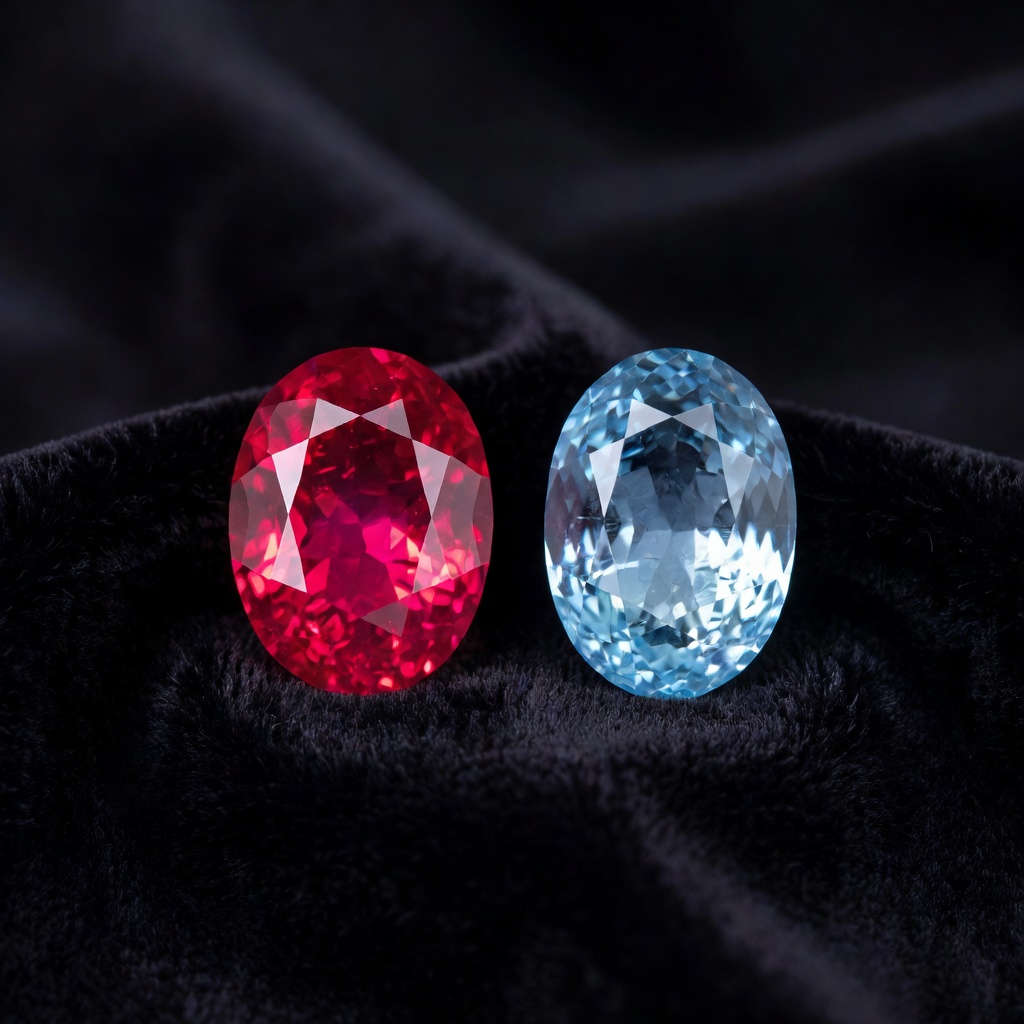
For collectors drawn to vivianite's distinctive blue-green coloration but requiring jewelry durability, several alternatives bridge the gap between these extremes. Blue diamonds, though expensive, provide the hardness of traditional diamonds with fancy coloration resembling oxidized vivianite, while Montana sapphires and aquamarines offer blue hues with Mohs hardness ratings of 7.5-9, suitable for occasional wear jewelry. Paraiba tourmalines exhibit neon blue-green colors similar to high-quality vivianite but with 7-7.5 hardness, allowing for protected settings in pendants or earrings where impact risk remains minimal. These compromise options allow enthusiasts to wear vivianite-inspired colors without accepting the fragility that makes actual vivianite unsuitable for adornment.
Building a comprehensive mineral collection ideally includes both utility specimens and rarity pieces, suggesting that serious collectors might acquire both diamonds and vivianite for different purposes. A collection might feature a small diamond crystal or industrial diamond section demonstrating supreme hardness and cubic crystal habit, paired with a well-preserved vivianite specimen illustrating monoclinic crystal forms and pleochroic coloration. When displaying these together, curators should utilize separate case environments—standard glass for diamonds and sealed, controlled-atmosphere containers for vivianite—to educate viewers about the spectrum of mineral stability. This approach honors both the practical achievements of diamond technology and the delicate, ephemeral beauty of rare phosphate minerals, offering a complete educational narrative about Earth's mineral diversity.
Frequently Asked Questions
Can vivianite be used in jewelry like diamond?
No, vivianite cannot be used in jewelry. With a hardness of only 1.5-2 on the Mohs scale, it scratches easily, flakes under pressure, and degrades with water exposure. Unlike diamond (10 Mohs), vivianite is strictly a collector's mineral for display cases. Attempting to facet or set vivianite would result in the destruction of the specimen, and wearing it would cause immediate damage from contact with skin oils, perspiration, and environmental abrasion.
Why does vivianite change color while diamond stays clear?
Vivianite oxidizes when exposed to air, transforming from colorless/white to deep blue, green, or olive as iron ions react with oxygen. Diamond is chemically inert and does not oxidize, maintaining its color permanently regardless of environmental exposure. This color change in vivianite occurs because the ferrous iron (Fe²⁺) within the crystal structure converts to ferric iron (Fe³⁺) upon contact with atmospheric oxygen, altering the mineral's light absorption properties and creating the characteristic blue hues prized by collectors.
Which is rarer: diamond or vivianite?
While high-quality gem diamonds are rare, vivianite is geologically rarer due to its specific formation requirements in reducing, organic-rich environments. However, diamonds command higher prices due to industrial demand, marketing, and jewelry utility, whereas vivianite serves a niche collector market. Diamonds occur in multiple localities worldwide with consistent quality, while exceptional vivianite specimens with large crystals and intense coloration appear infrequently and often from depleted or inaccessible localities.
How should I store vivianite compared to diamond?
Store vivianite in an airtight container with mineral oil or in an oxygen-free environment to prevent oxidation and color change. Keep away from humidity and light. Diamond requires no special storage—simply keep it separate from other gems to prevent scratching them. For vivianite, consider using vacuum-sealed bags with oxygen absorbers, or display cases flushed with inert gases like nitrogen or argon, while diamonds can be stored in standard jewelry boxes with minimal environmental controls.
Is vivianite valuable like diamond?
Vivianite is significantly less expensive than diamond. While exceptional vivianite crystals may cost several hundred dollars, diamonds typically cost thousands to millions per carat depending on quality. Vivianite's value lies in mineralogical rarity rather than commercial demand. The price differential reflects not only scarcity but also utility; diamonds serve industrial and jewelry markets driving high prices, while vivianite's fragility limits its market to collectors and museums with specialized interests in phosphate minerals or fossil specimens.
Can vivianite be found in the same locations as diamond?
Generally no. Diamonds form in kimberlite pipes deep within the earth's mantle, primarily in ancient cratons. Vivianite forms near the surface in bogs, lake sediments, and fossil beds. Their geological environments are completely different and non-overlapping. While both minerals might theoretically occur within the same geographic region, they would be found in entirely different geological strata and formation contexts, with diamonds requiring ancient Precambrian basement rocks and vivianite forming in much younger sedimentary deposits.
What makes diamond the hardest mineral compared to soft vivianite?
Diamond's hardness comes from strong covalent bonds between carbon atoms in a rigid tetrahedral lattice structure. Vivianite consists of layered phosphate groups with water molecules and weak bonds between layers, making it soft, flexible, and prone to flaking. The three-dimensional network of carbon-carbon bonds in diamond distributes force evenly throughout the crystal, preventing slippage or cleavage, while vivianite's sheet-like structure allows layers to slide apart and the presence of water molecules creates planes of weakness that collapse under minimal pressure.