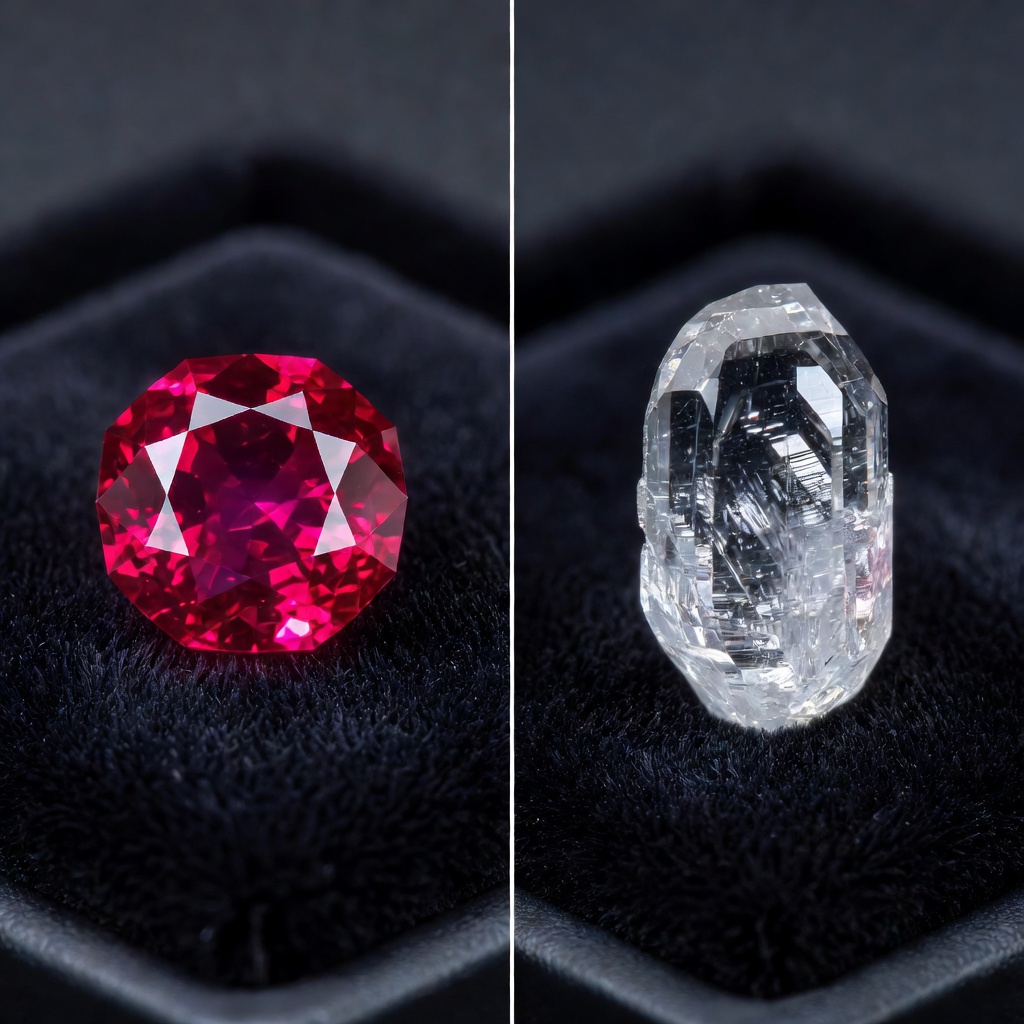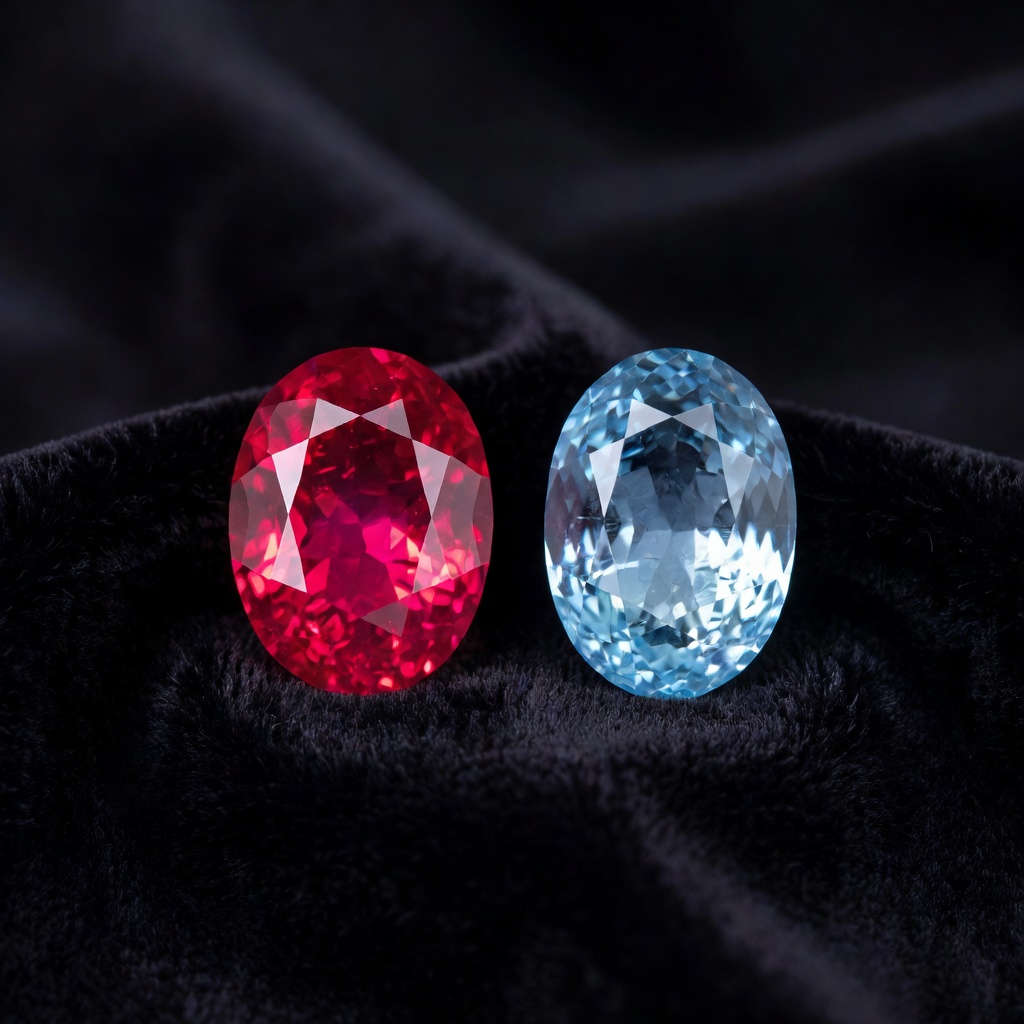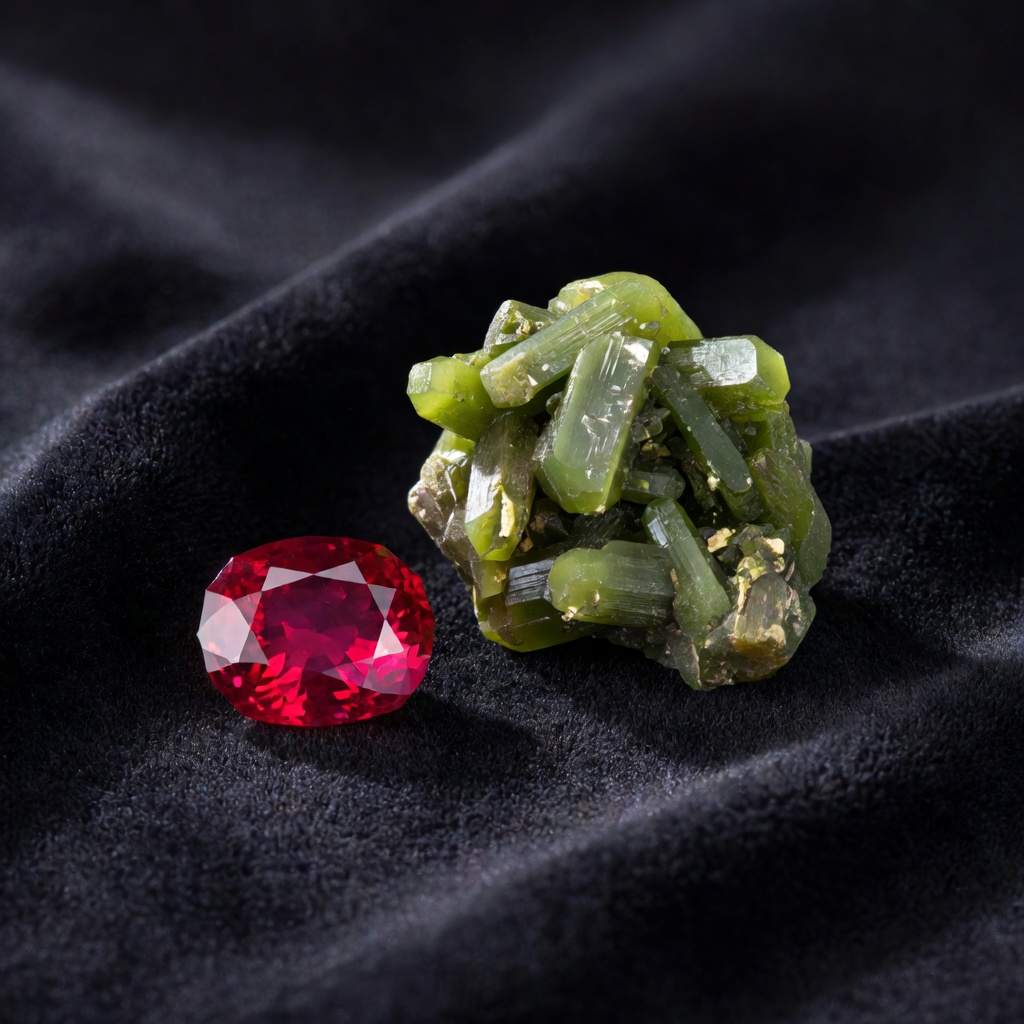
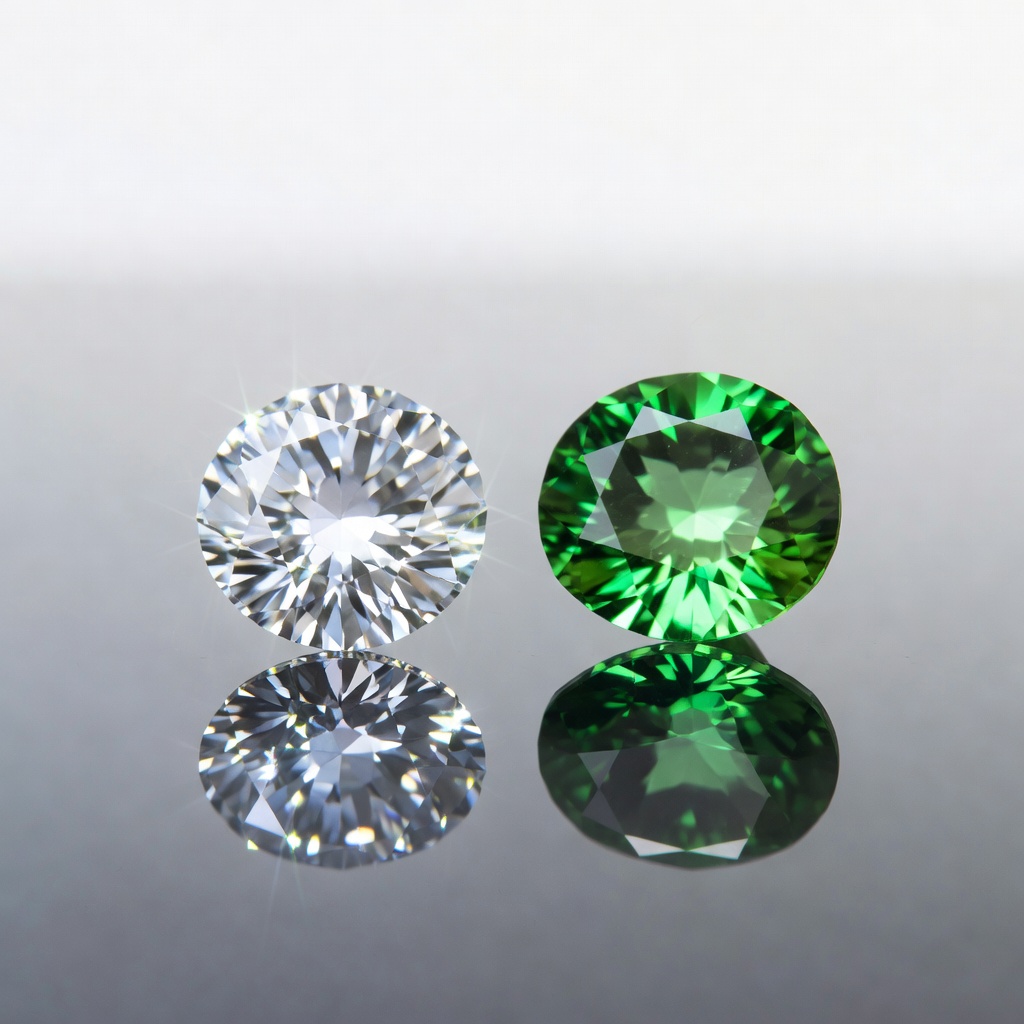
Understanding the Diamond vs Tourmaline Debate
When selecting the perfect gemstone for fine jewelry, modern consumers increasingly find themselves weighing the merits of traditional luxury against vibrant individuality. The Diamond vs Tourmaline comparison has emerged as one of the most relevant conversations in contemporary jewelry shopping, driven by rising ethical concerns about mining practices and growing appreciation for colorful alternatives to conventional clear stones. This gemstone comparison appeals to both first-time buyers seeking engagement rings and collectors looking to diversify their portfolios with unique specimens that express personal style rather than conforming to traditional expectations.
These two precious stones occupy distinctly different positions within the jewelry marketplace. Diamonds maintain their status as the ultimate luxury symbol, representing decades of successful marketing alongside genuinely exceptional physical properties that justify their premium positioning. Conversely, tourmaline offers an accessible entry point into high-quality colored gemstones, providing remarkable variety at price points that allow collectors to acquire multiple specimens without extraordinary investment. Understanding these market dynamics helps discerning buyers recognize when to prioritize timeless durability versus when to embrace the artistic possibilities that colorful tourmaline specimens provide.
This comprehensive guide examines every critical factor influencing your choice between these remarkable gemstones, from geological origins and structural durability to investment potential and practical wearability. Whether you are evaluating diamond alternatives for an upcoming proposal or researching tourmaline jewelry for a significant anniversary gift, the following sections provide actionable insights to ensure your selection aligns perfectly with your lifestyle, budget, and aesthetic preferences.
Composition and Formation: How They're Created
The fundamental differences between diamond and tourmaline begin deep within the Earth's crust, where distinct geological processes create these divergent precious stones. Diamonds consist of pure crystallized carbon atoms arranged in an isometric crystal structure, formed approximately 100 to 150 miles beneath the surface under extreme pressure of 725,000 pounds per square inch and temperatures exceeding 2,000 degrees Fahrenheit. These conditions occur primarily in the mantle's diamond stability zones, where volcanic eruptions of kimberlite and lamproite pipes rapidly transport the crystals to surface levels before they can convert to graphite, preserving their remarkable structure over billions of years.
Tourmaline, classified chemically as a complex boron silicate mineral with the general formula XY3Z6(T6O18)(BO3)3V3W, forms through entirely different mechanisms in pegmatites and metamorphic rocks. These gemstones crystallize in hydrothermal veins and cavities within granitic rocks, developing their elongated prismatic structures as hot, mineral-rich fluids cool gradually. Unlike diamonds' singular composition, tourmaline incorporates various elements including aluminum, iron, magnesium, sodium, lithium, or potassium, which create the extensive color variations that distinguish this gemstone family. This complex formation process explains why tourmaline deposits often yield crystals showing multiple colors within single specimens.
Both gemstones now offer laboratory-created alternatives that mirror their natural counterparts' chemical and optical properties while addressing ethical and budgetary concerns. Lab-grown diamonds, created through High Pressure High Temperature (HPHT) or Chemical Vapor Deposition (CVD) methods, provide identical structural composition to mined stones and require advanced spectroscopic analysis for identification. Synthetic tourmaline remains less common commercially due to the mineral's complex chemistry, though hydrothermally grown specimens exist primarily for industrial applications rather than jewelry. When purchasing either stone, request certification from reputable laboratories such as GIA or AGL to verify natural versus synthetic origins and ensure transparent disclosure of any treatments.
Durability Comparison: The Mohs Scale Breakdown
Understanding gem durability proves essential when selecting jewelry intended for daily wear, particularly for pieces like engagement rings that face constant exposure to potential damage. Diamond ranks at the absolute pinnacle of the Mohs hardness scale with a perfect score of 10, making it the hardest known natural substance. This exceptional hardness means diamonds resist scratching from virtually any other material, maintaining their polish and facet integrity through decades of continuous wear. Only another diamond can scratch a diamond, ensuring that these stones retain their pristine appearance regardless of environmental exposure in normal wearing conditions.
Tourmaline measures significantly lower on the Mohs scale, typically ranging between 7 and 7.5 depending on specific chemical composition. While this hardness level suffices for most jewelry applications, it introduces practical vulnerabilities that owners must acknowledge. Daily activities expose rings to contact with materials like quartz (Mohs 7), which commonly exists in household dust and can gradually abrade tourmaline's surface, causing a dulling effect over time. Additionally, tourmaline's crystal structure features perfect basal cleavage, creating planes of weakness that make the stone susceptible to chipping or cracking upon sharp impact, particularly along the girdle edges or pointed corners of faceted stones.
Practical maintenance strategies differ substantially between these gemstones based on their durability characteristics. Diamond jewelry requires minimal protective measures beyond standard cleaning with mild soap and warm water, though prudent owners should still remove rings during activities involving heavy impact or exposure to harsh chemicals. Tourmaline demands more conscientious care: store pieces separately from harder gemstones to prevent scratching, avoid ultrasonic cleaners that can exacerbate existing fractures, and remove tourmaline rings before gardening, sports, or household chores. Consider protective settings such as bezels or flush mounts that shield the girdle and pavilion from direct impact, particularly for tourmaline specimens worn frequently rather than reserved for special occasions.
Color Range and Variety Differences
The visual distinction between these gemstones becomes immediately apparent when examining their color characteristics, with each offering fundamentally different aesthetic appeals to jewelry enthusiasts. Diamonds traditionally undergo evaluation on the D-to-Z color scale, where "D" represents absolutely colorless stones commanding premium prices, while progressively tinted specimens toward "Z" show noticeable yellow or brown hues. Beyond this standard range, fancy colored diamonds—including pink, blue, yellow, and green varieties—occur rarely in nature and often achieve astronomical prices at auction, with vivid pink and blue stones frequently selling for millions per carat due to extreme scarcity.
Tourmaline presents an entirely different color philosophy, naturally occurring in virtually every hue imaginable without the premium pricing associated with fancy diamonds. The gemstone family includes rubellite (vivid red to pink), indicolite (deep blue), chrome tourmaline (intense green), and schorl (black), alongside the highly prized Paraiba tourmaline displaying electric blue to green colors caused by copper content. Perhaps most distinctive are bi-color and tri-color specimens, particularly watermelon tourmaline showing concentric rings of pink surrounded by green, creating natural artistic patterns impossible to replicate in diamonds without artificial treatment or complex composite construction.
Rarity factors influence pricing structures differently for each stone category. In diamonds, colorlessness remains the standard of value, with deviations toward fancy colors creating exponential price increases only when saturation reaches intense or vivid levels. Tourmaline pricing operates inversely regarding color range: while common black or pale specimens remain affordable, specific colors like neon-blue Paraiba from Brazil or vivid rubellite command prices approaching lower-tier diamonds due to limited deposits and high collector demand. When building a tourmaline jewelry collection, prioritize stones with strong saturation and minimal brown or gray modifying tones, as these characteristics maintain desirability across market fluctuations better than pale or included specimens.
Light Performance: Brilliance, Fire, and Scintillation
Optical performance represents one of the most significant differentiators when evaluating diamond alternatives, as light interaction fundamentally determines a gemstone's visual impact and perceived value. Diamonds possess a refractive index of 2.42, one of the highest among transparent gemstones, combined with a dispersion rate of 0.044 that separates white light into spectral colors. This combination produces the characteristic "fire"—flashes of rainbow colors—that diamonds display alongside brilliance (white light reflection) and scintillation (sparkle pattern when moving). The stone's high refractive index creates total internal reflection that returns nearly all entering light to the viewer's eye, explaining why well-cut diamonds appear to glow from within even under subdued lighting conditions.
Tourmaline exhibits notably different optical properties with a refractive index ranging from 1.62 to 1.68 depending on crystallographic direction, resulting from its hexagonal crystal system. This lower refractive index produces a more subdued, vitreous or glass-like luster rather than diamond's adamantine brilliance. Additionally, tourmaline demonstrates strong pleochroism and double refraction, meaning it displays different colors when viewed from various angles and can show doubled facet junctions when observed through magnification. While these phenomena create interesting visual effects, they prevent tourmaline from achieving the concentrated light return that makes diamonds appear to radiate internal light.
Cut quality impacts these stones differently based on their optical properties. Diamond cutting requires precise mathematical proportions to maximize light performance, with ideal cut grades ensuring optimal balance between brilliance and fire. Even slight deviations from ideal angles can result in light leakage through the pavilion, creating "windowing" or dead areas within the stone. Tourmaline cutting prioritizes color optimization over light performance, with cutters often orienting the table perpendicular to the crystal's length to minimize the darkening effect caused by tourmaline's strong dichroism. When selecting either gemstone, examine the stone under various lighting conditions: diamonds should display bright flashes of white and colored light across the entire crown surface, while high-quality tourmaline should show even color distribution without obvious dark spots or windowing.
Price and Value Analysis
The economic comparison between these gemstones reveals dramatic disparities that significantly influence purchasing decisions for budget-conscious buyers and investors alike. Quality diamonds typically command prices ranging from $3,000 to $20,000 or more per carat, with exceptional D-flawless stones or rare fancy colors achieving six-figure sums per carat at auction. This pricing structure reflects both the stone's physical properties and sophisticated marketing that has established diamonds as essential luxury goods for significant life events. The four Cs—carat weight, cut quality, color grade, and clarity—create a complex valuation matrix where incremental improvements in any category can exponentially increase cost.
Tourmaline offers substantially more accessible entry points, with commercial quality stones available from $50 per carat and fine specimens ranging up to $1,000 or more per carat depending on color intensity and clarity. The notable exception remains Paraiba tourmaline, which can command $10,000 to $50,000 per carat for top-quality neon-blue material, occasionally rivaling diamond prices for equivalent weights. Unlike diamonds, tourmaline valuation emphasizes color saturation and uniqueness over clarity, meaning included specimens with exceptional hues often retain value better than eye-clean stones with pale coloring. This pricing accessibility allows collectors to acquire larger, more visually striking tourmaline pieces than possible with equivalent diamond budgets.
Value retention and resale markets diverge significantly between these gemstone value categories. Diamonds maintain established secondary markets through dealers and auction houses, particularly for certified stones from reputable laboratories like GIA or AGS. While retail markup on new diamonds often exceeds 100%, properly documented stones generally retain 30-50% of purchase price upon resale. Tourmaline presents more challenging liquidity, with resale values typically ranging from 10-30% of original cost except for rare Paraiba specimens or historically significant pieces. For investment purposes, prioritize diamonds with GIA certification documenting excellent cut grades and D-F color ranges, while approaching tourmaline acquisitions as aesthetic purchases rather than financial instruments.
| Characteristic | Diamond | Tourmaline |
|---|---|---|
| Mohs Hardness | 10 (Hardest natural substance) | 7-7.5 (Moderate hardness) |
| Refractive Index | 2.42 (Exceptional brilliance) | 1.62-1.68 (Glass-like luster) |
| Price per Carat | $3,000-$20,000+ (Standard quality) | $50-$1,000+ (Paraiba excepted) |
| Color Range | D-Z scale, rare fancy colors | Every color including bi-color specimens |
| Best Use | Daily wear, engagement rings | Statement pieces, occasional wear |
| Investment Potential | Strong resale market, liquid asset | Limited except rare Paraiba/rubellite |
| Maintenance Needs | Minimal, highly durable | Moderate, avoid impacts and ultrasound |
| Birthstone Month | April | October |
Cultural Significance and Symbolic Meanings
Beyond physical properties and market values, cultural associations and symbolic meanings significantly influence consumer preferences for these birthstone jewelry options. Diamonds carry perhaps the most powerful cultural narrative in gemstone history, cemented by De Beers' mid-20th century marketing campaigns positioning the stone as the ultimate expression of eternal love and commitment. As April's traditional birthstone, diamonds symbolize invincibility, clarity, and unbreakable bonds, drawing on the Greek word "adamas" meaning unconquerable. This symbolism extends beyond romantic contexts to represent professional success, status achievement, and enduring family legacies passed through generations as heirloom pieces.
Tourmaline serves as one of October's primary birthstones alongside opal, carrying metaphysical associations that appeal to spiritually minded collectors and alternative healing practitioners. Different tourmaline colors hold specific meanings: black tourmaline (schorl) provides grounding and protection against negative energies, pink rubellite promotes emotional healing and self-love, while green tourmaline enhances creativity and connection to nature. The stone's pyroelectric properties—generating electrical charge when heated or pressured—historically led to its use in alchemical practices and ancient medicinal applications, including treating digestive disorders and anxiety in traditional Chinese medicine.
Historical usage patterns reveal shifting perceptions of these gemstones across civilizations. Diamonds remained relatively inaccessible to all but royalty and extremely wealthy merchants until South African discoveries in the 1870s democratized availability somewhat. Ancient Hindu texts referenced diamonds as religious icons capable of warding off evil, while medieval European nobility prized them for apparent protection in battle. Tourmaline experienced confusion throughout history, with pink specimens often misidentified as rubies in royal collections—including the "Ruby" in the Russian Crown Jewels actually being rubellite tourmaline. When selecting between these stones for symbolic jewelry, consider whether you prioritize diamond's associations with endurance and traditional success or tourmaline's connections to emotional intelligence, artistic expression, and holistic wellness.
Best Jewelry Applications for Each Stone
Selecting appropriate jewelry designs for each gemstone requires careful consideration of their physical properties alongside aesthetic goals and lifestyle factors. Diamonds excel in engagement rings and daily-wear pieces due to their unmatched durability and timeless appeal. Solitaire diamond rings, tennis bracelets, and classic stud earrings withstand decades of continuous wear without showing signs of abrasion or damage. The stone's versatility extends to mixed metal settings and contemporary designs, though traditional white gold or platinum mountings remain popular for maximizing perceived colorlessness in D-F grade stones. For active individuals or those working with their hands, diamonds provide worry-free wearability that colored gemstones rarely match.
Tourmaline shines brightest in statement necklaces, cocktail rings, and earrings designed for occasional wear rather than daily exposure to harsh conditions. The stone's remarkable color range makes it ideal for artistic, custom-designed pieces that showcase unique bi-color specimens or matched sets of graduated hues. Pendant necklaces and drop earrings minimize contact with hard surfaces while maximizing light exposure to the stone's table facet, enhancing its natural color display. When incorporating tourmaline into rings intended for regular wear, select protective settings that shield the stone's vulnerable edges and girdle from direct impact.
Setting recommendations vary significantly based on stone hardness and intended use. Diamonds accommodate virtually any setting style, from delicate claw prongs that maximize light entry to substantial bezel settings that provide security for larger stones. High-quality four or six-prong settings remain standard for solitaire engagement rings, allowing maximum brilliance while securing the stone. Tourmaline requires more protective approaches: bezel settings wrap the entire girdle in metal, preventing chips from side impacts; V-prongs protect pointed corners on emerald or pear cuts; and halo settings provide additional structural protection while enhancing visual size. For tourmaline rings worn daily, consider half-bezel designs or thick girdle mountings that elevate the stone slightly above the finger while maintaining protective metal contact around vulnerable edges.
Investment Potential and Resale Value
Financial considerations beyond initial purchase price increasingly influence gemstone acquisition strategies, particularly for high-value precious stones intended as stores of value. Diamonds maintain the strongest resale infrastructure among colored stones, with established networks of dealers, auction houses, and online platforms facilitating secondary market transactions. Certified diamonds from GIA, AGS, or IGI laboratories with documentation of the four Cs achieve the best liquidity, particularly stones between one and three carats with D-G color grades and VS clarity or better. Investment-grade diamonds—those exceeding five carats with exceptional color and clarity—often appreciate steadily over decades, though retail buyers rarely acquire stones at prices allowing significant short-term profit.
Tourmaline presents limited investment appeal for most specimens, functioning primarily as collectible art objects rather than liquid financial instruments. The secondary market for tourmaline remains fragmented, with sales typically occurring through specialized gem shows, estate auctions, or direct collector networks rather than standardized trading platforms. Exceptions exist for exceptional Paraiba tourmaline from the original Brazilian mines, fine rubellite exceeding five carats with saturated red coloring, and historically significant antique pieces with documented provenance. These rare specimens occasionally appreciate significantly, but they require expert authentication and face limited buyer pools when liquidation becomes necessary.
Liquidity differences between these markets profoundly impact their suitability as investment vehicles. Diamond holders can typically convert stones to cash within days to weeks through dealers or consignment platforms, though usually at 30-50% below retail replacement value. Tourmaline sales may require months or years to locate appropriate buyers, particularly for unusual colors or large specimens requiring custom settings. For investors prioritizing capital preservation and liquidity, certified diamonds offer superior options, while tourmaline appeals to connoisseurs viewing their collections as passion investments where aesthetic enjoyment outweighs financial returns. Before acquiring either stone as an investment, consult independent gemological appraisers and verify that insurance coverage reflects current replacement costs rather than purchase price.
Final Verdict: Making the Right Choice
Navigating the Diamond vs Tourmaline decision ultimately requires honest assessment of your priorities across budgetary, lifestyle, and aesthetic dimensions. Budget-conscious buyers seeking maximum visual impact should strongly consider tourmaline, as equivalent expenditures yield significantly larger stones with vivid, unique colors impossible to find in diamonds without extraordinary investment. For engagement rings specifically, allocate funds toward diamonds if the piece will face daily wear for decades, but consider tourmaline for fashion rings or right-hand rings worn selectively. Remember that tourmaline allows acquisition of multiple pieces in different colors—perhaps a pink rubellite pendant and green tourmaline earrings—for the price of a modest diamond solitaire.
Lifestyle assessment proves crucial for long-term satisfaction with your selection. Active individuals, healthcare professionals, or those working with their hands daily require diamond's durability to prevent damage during routine activities. If your daily routine involves minimal manual labor and you enjoy changing jewelry to match outfits or occasions, tourmaline's color diversity offers greater stylistic flexibility. Consider your track record with previous jewelry: if you have lost stones from rings or frequently notice scratches on existing pieces, diamond's resilience provides better value despite higher initial cost. For those with sedentary professional lifestyles who remove jewelry during exercise and household tasks, tourmaline remains viable for regular wear with appropriate setting protection.
Personal style matching should guide final selection beyond practical considerations. Classic elegance favoring neutral palettes, traditional silhouettes, and timeless sophistication aligns naturally with diamond's clear, colorless brilliance and established luxury status. Conversely, vibrant individuality expressed through bold colors, artistic settings, and unique conversation pieces finds perfect expression in tourmaline's rainbow spectrum. Many collectors ultimately choose both: a diamond for their primary engagement ring or wedding band representing enduring commitment, supplemented by tourmaline pieces that celebrate personal creativity and color preferences. Whichever stone you select, prioritize certification from reputable laboratories, ethical sourcing documentation, and settings that protect your investment while showcasing its natural beauty to maximum advantage.
Frequently Asked Questions
Which is more expensive, diamond or tourmaline?
Diamonds are significantly more expensive, typically costing $3,000-$20,000+ per carat for quality stones, while tourmaline averages $50-$1,000+ per carat depending on color and clarity. Paraiba tourmaline is the exception, reaching $10,000+ per carat due to its extreme rarity and neon-blue coloring caused by copper content. Standard white diamonds with high color and clarity grades consistently command premium prices that tourmaline rarely approaches, making diamonds the more substantial financial investment while tourmaline offers accessible luxury for colorful gemstone enthusiasts.
Is tourmaline durable enough for an engagement ring?
Tourmaline's 7-7.5 Mohs hardness makes it vulnerable to scratching and chipping with daily wear. While possible in protective settings like bezels, diamonds (10 Mohs) are far superior for engagement rings worn daily. If choosing tourmaline for an engagement ring, select a bezel or flush setting that protects the girdle and pavilion from impact, remove the ring during physical activities, and expect to have the stone repolished every few years to remove surface abrasions. Consider tourmaline primarily for right-hand rings or occasional wear pieces rather than daily-wear bridal jewelry.
Can tourmaline sparkle like a diamond?
No, tourmaline cannot match diamond's brilliance due to its lower refractive index (1.62-1.68 vs 2.42). Diamonds exhibit superior fire and scintillation, while tourmaline has a more subtle, glass-like luster. Tourmaline's double refraction can create interesting visual doubling of facets when viewed through magnification, but this property actually diminishes the concentrated light return that creates diamond's characteristic sparkle. For maximum brilliance, choose diamond; for rich color with gentle glow, tourmaline provides beautiful though distinctly different optical performance.
What are the main color differences between diamond and tourmaline?
Diamonds are prized for colorlessness (graded D-Z) and rare fancy colors. Tourmaline naturally occurs in virtually every color including unique bi-color specimens like watermelon tourmaline, offering more affordable colorful options. While fancy colored diamonds command astronomical prices, tourmaline provides accessible entry points into vivid pinks, blues, greens, and reds without premium pricing. The key distinction lies in diamond's valuation of absence of color versus tourmaline's celebration of color presence, with tourmaline offering natural color variations impossible to find in untreated diamonds.
How can I tell diamond from tourmaline at home?
Use a scratch test (diamond scratches glass easily), observe sparkle (diamond has more fire), or check for doubling of facets through magnification (tourmaline shows this due to double refraction). Professional gemological testing provides definitive identification. Other home indicators include fog testing—diamonds disperse fog immediately while tourmaline retains condensation longer—and newspaper tests where text remains readable through loose tourmaline but appears distorted through diamond due to refraction differences. For certainty, however, consult a certified gemologist with refractometers and spectroscopic equipment.
Which gemstone is a better investment?
Diamonds are the better investment with established resale markets, certification systems, and consistent demand. Tourmaline generally has poor resale value except for rare Paraiba specimens or museum-quality rubellites. Investment-grade diamonds exceeding one carat with D-F color and VS+ clarity maintain liquidity through dealers and auction houses, while tourmaline requires specialized collectors and longer selling periods. Consider diamonds for financial investment potential and tourmaline for aesthetic investment where personal enjoyment outweighs monetary return expectations.
Is tourmaline ethical compared to diamonds?
Tourmaline mining typically has smaller environmental impact and fewer conflict concerns than diamond mining. However, both stones have ethical sourcing options including lab-created diamonds and responsibly mined tourmaline from known sources. Major tourmaline deposits in Brazil, Afghanistan, and Africa generally involve smaller-scale operations than industrial diamond mines, though labor practices vary by specific mine. For ethically conscious consumers, request documentation of origin for either stone, consider recycled or antique pieces, or select laboratory-grown diamonds that eliminate mining concerns entirely while providing identical physical properties.
What maintenance does each stone require?
Diamonds require minimal maintenance beyond regular cleaning due to their hardness. Tourmaline needs more care: avoid ultrasonic cleaners, protect from impacts, remove during strenuous activities, and store separately to prevent scratching. Clean diamonds using ammonia-based solutions or professional steam cleaning without risk of damage. Clean tourmaline using only mild soap, warm water, and soft brushes, as heat and vibration from ultrasonic cleaners can worsen existing fractures. Store tourmaline jewelry in individual soft pouches away from harder gemstones like diamonds, sapphires, or rubies that could scratch its surface during storage.