Understanding Diamond vs Serpentine: A Comprehensive Gemstone Comparison
When exploring the vast world of gemstones, the contrast between diamond and serpentine represents one of the most dramatic comparisons available to collectors and jewelry enthusiasts. Diamonds stand as the undisputed monarchs of the gem kingdom, renowned for their exceptional hardness, brilliant fire, and status as the ultimate symbol of luxury and eternal commitment. In stark contrast, serpentine emerges as an earthy, accessible ornamental stone valued for its distinctive green hues, metaphysical associations, and affordability that makes gemstone ownership possible for virtually any budget. Understanding the fundamental differences between these two materials—from their geological formation to their practical applications—empowers buyers to make informed decisions aligned with their lifestyle needs, aesthetic preferences, and financial considerations.
Geological Origins and Chemical Composition
The Billion-Year Journey of Diamond Formation
Diamonds originate from pure carbon atoms that crystallized under unimaginable conditions approximately 90 to 120 miles beneath Earth's surface, where temperatures exceed 2,000 degrees Fahrenheit and pressure reaches 725,000 pounds per square inch. These extraordinary conditions, present only in the Earth's mantle, force carbon atoms into an isometric crystal structure that creates the hardest known natural substance, formed over periods ranging from one to three billion years. Ancient volcanic eruptions called kimberlite pipes violently transported these precious crystals toward the surface at velocities approaching 30 miles per hour, preserving them for discovery. Major diamond mining operations currently thrive in Botswana, Russia, Canada, and Australia, where advanced extraction techniques recover these prehistoric treasures from both primary kimberlite deposits and secondary alluvial deposits in riverbeds.
Serpentine's Hydration Transformation in Oceanic Crust
Serpentine minerals form through a complex geological process called serpentinization, where water interacts with ultramafic rocks rich in magnesium and iron silicates, typically occurring along mid-ocean ridges and subduction zones where oceanic crust meets continental plates. This hydration reaction transforms minerals like olivine and pyroxene into various serpentine group minerals—primarily antigorite, lizardite, and chrysotile—without melting the original rock, creating distinctive fibrous or platy crystal structures. Unlike diamonds' deep mantle origins, serpentine forms relatively close to Earth's surface in ophiolite complexes, with significant deposits located in Afghanistan, China, New Zealand, California, and Cornwall, England. The presence of water within its chemical structure (Mg₃Si₂O₅(OH)₄) fundamentally distinguishes serpentine from diamond's pure carbon composition, directly influencing its physical properties and care requirements.
Physical Properties: Hardness and Durability
The disparity between diamond and serpentine becomes immediately apparent when examining their physical durability, particularly regarding the gemstone hardness comparison that determines suitability for daily wear. Diamond ranks as the definitive 10 on the Mohs hardness scale, meaning it can scratch every other material and resists abrasion from daily activities that would destroy lesser gems. Serpentine presents a variable hardness ranging from 2.5 to 5.5 on the Mohs scale depending on its specific mineral composition, with antigorite varieties being harder than chrysotile forms, making it softer than common household dust containing silica particles.
Diamond possesses perfect cleavage in four directions, creating planes of weakness where the gem can split if struck with sufficient force at the correct angle, despite its scratch resistance. Serpentine exhibits a fibrous or granular structure with splintery fracture patterns that make it vulnerable to scratches, abrasions, and chemical damage from acidic substances including household cleaners, citrus juices, and even perspiration. For active individuals seeking engagement rings or daily-wear jewelry, diamonds withstand the rigors of construction work, sports, and manual labor, while serpentine requires protective settings and mindful wearing schedules to prevent surface damage and loss of polish.
Visual Characteristics and Aesthetic Appeal
Diamond's Optical Brilliance and Fire
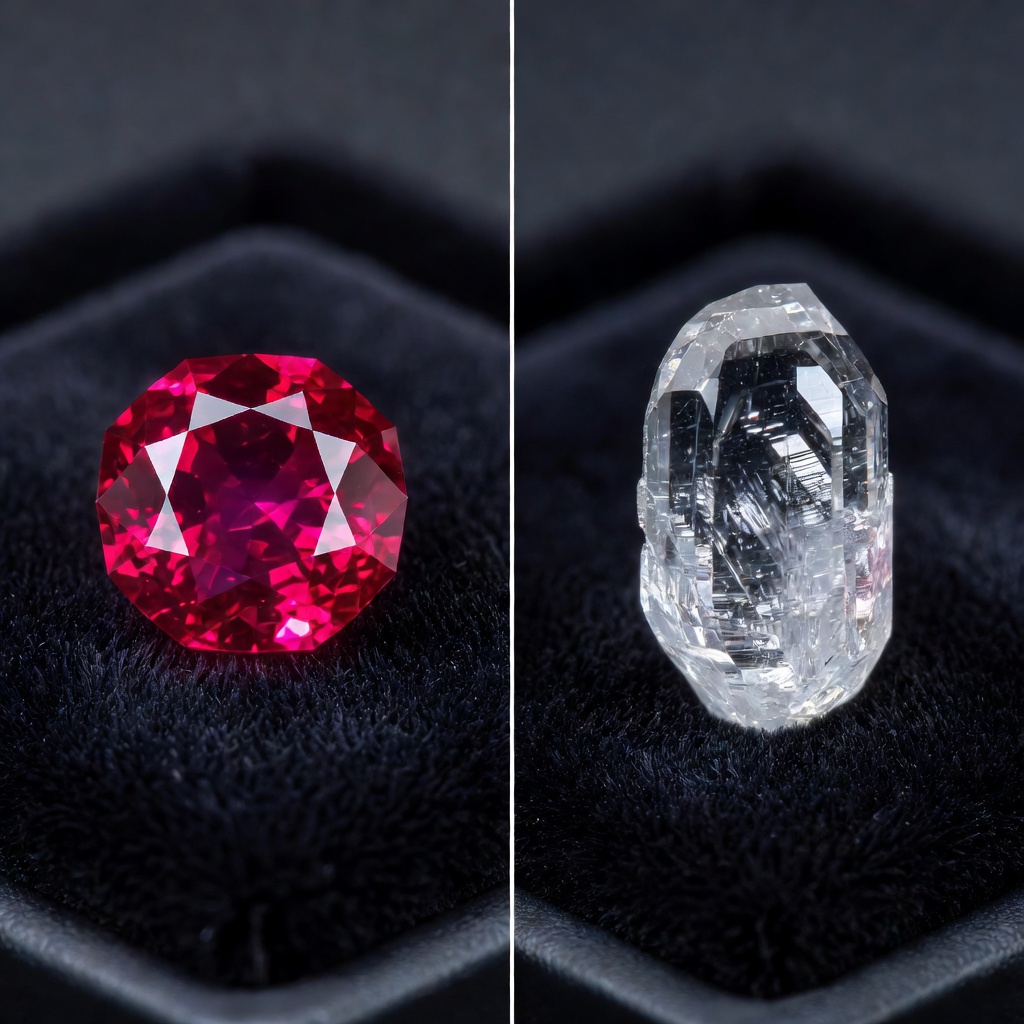
Diamonds captivate viewers through their extraordinary optical properties, including brilliance (white light reflection), fire (spectral color dispersion), and scintillation (sparkle from movement), achieved through precise faceting that maximizes light return. The gem's high refractive index of 2.42 and dispersion rate of 0.044 create the characteristic "life" that makes diamonds appear to dance with internal light, with colorless varieties commanding premium prices for their icy, transparent appearance. Modern cutting techniques utilize 57 or 58 precisely angled facets to create the round brilliant cut, though fancy shapes like princess, cushion, and emerald cuts offer alternative aesthetic expressions while maintaining diamond's inherent transparency and adamantine (diamond-like) luster.
Green Serpentine Properties and Earthy Aesthetics
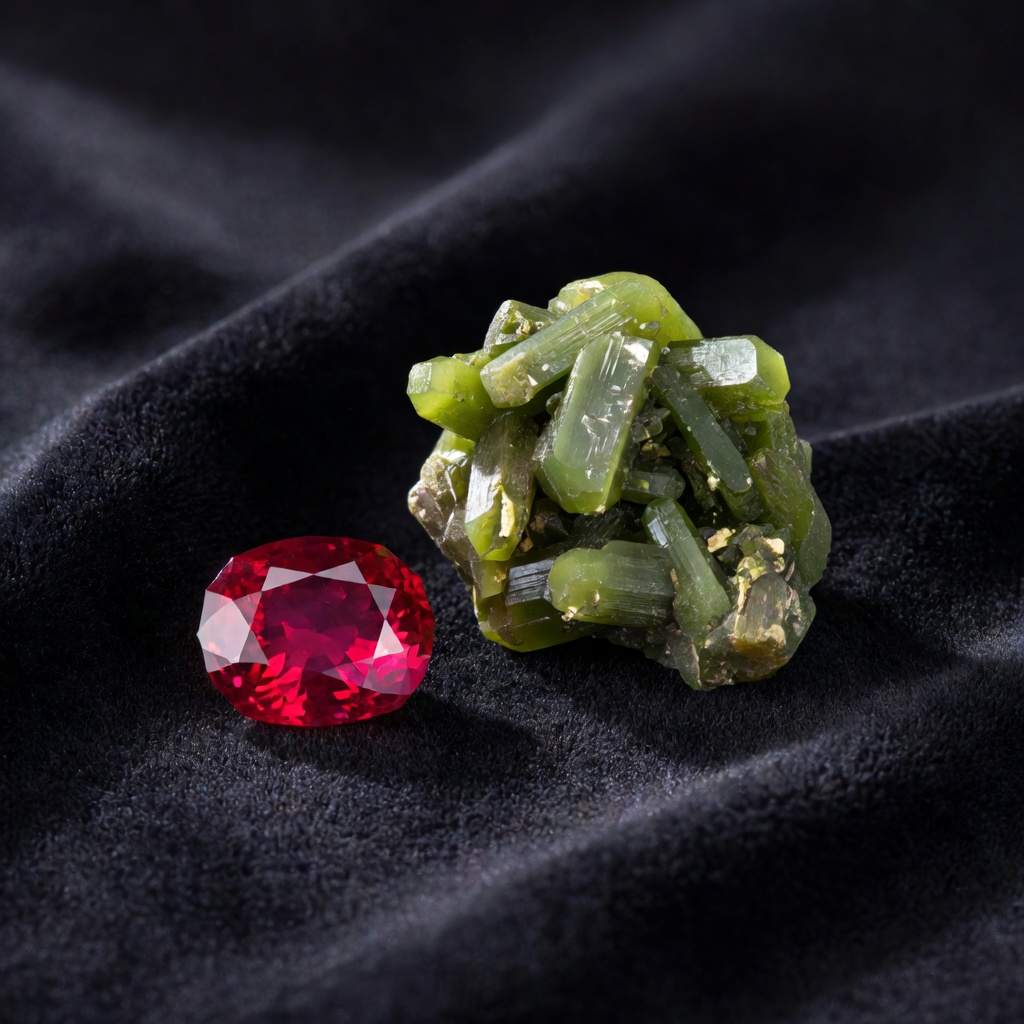
Serpentine presents an entirely different visual experience, displaying a characteristic waxy, greasy, or silky luster that feels organic and earthy rather than brilliant and glassy. The green serpentine properties include a color spectrum ranging from vivid lime and apple green through olive and forest green to brownish-green and yellowish tones, often featuring interesting mottled, veined, or spotted patterns resembling snake skin—hence its name derived from the Latin "serpentinus." Unlike diamond's transparency, serpentine ranges from opaque to translucent, with high-quality specimens showing depth and movement within their color zones while common varieties appear solid and stone-like. The mineral frequently contains inclusions of magnetite, chromite, or brucite that create distinctive black spotting or network patterns, adding character but reducing clarity compared to gem-grade diamonds.
Value, Pricing, and Market Availability
The economic comparison between serpentine stone vs diamond reveals market dynamics driven by rarity, durability, and cultural demand rather than mere beauty. Diamond pricing follows the rigorous "Four Cs" grading system: Cut quality affecting light performance, Color graded from D (colorless) to Z (light yellow), Clarity measuring internal inclusions and external blemishes, and Carat weight with exponential price increases for larger stones. Investment-grade diamonds exceeding one carat with D-F color and VS clarity or better command prices ranging from $5,000 to $50,000+ per carat, with fancy colored diamonds like pinks and blues reaching millions per carat at auction houses.
Serpentine occupies the opposite end of the value spectrum, typically retailing between $2 to $50 per carat for cabochon cuts, with exceptional translucent specimens or intricate carvings rarely exceeding $200 per carat. Unlike diamonds, which function as portable wealth and inflation hedges with established resale markets, serpentine values depend primarily on craftsmanship, size, and specific variety—with bowenite (translucent white-green) and williamsite (translucent with chromite spots) commanding modest premiums over common massive serpentine. Collectors seeking serpentine should focus on unique patterns, exceptional polish, and artistic carving quality rather than investment potential, as this abundant mineral lacks the rarity required for significant appreciation.
Jewelry Applications and Setting Recommendations
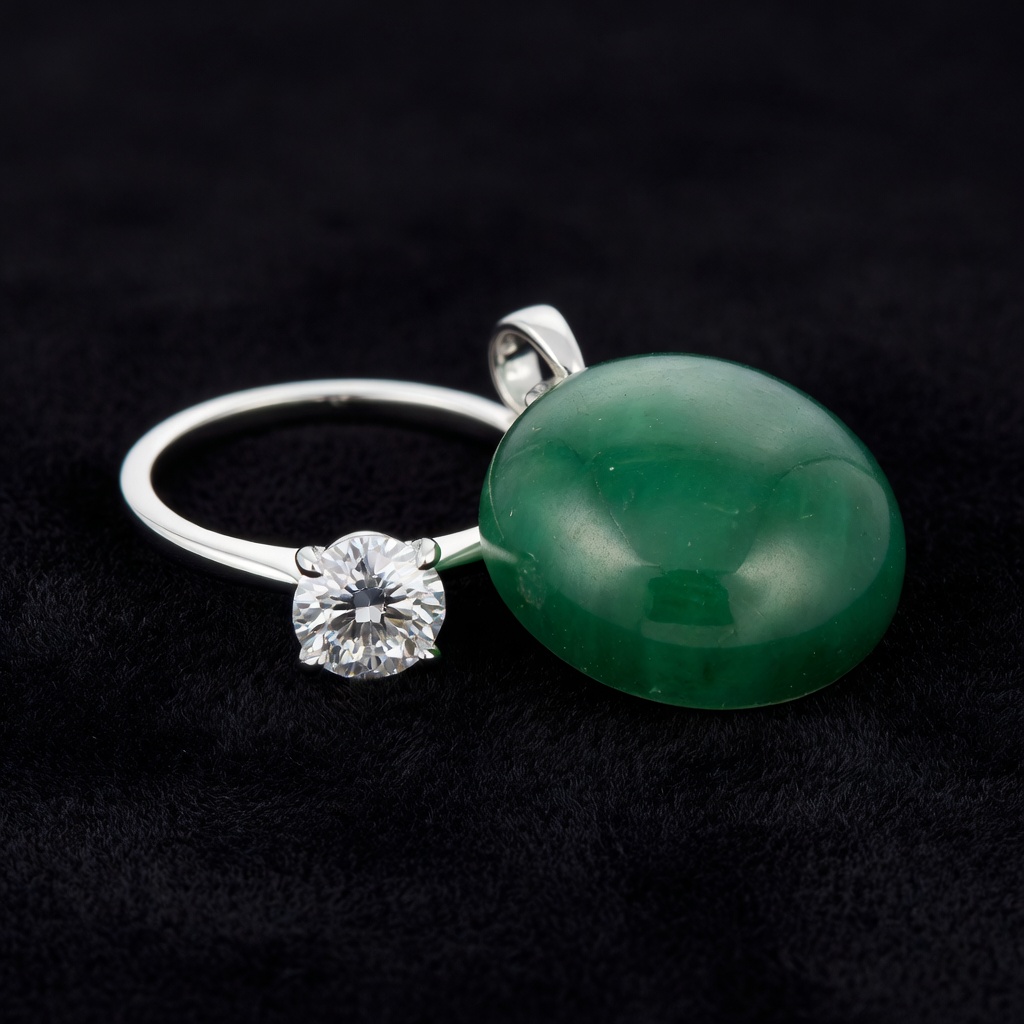
When considering serpentine jewelry versus diamond pieces, the hardness differential dictates fundamentally different design approaches and wearing protocols. Diamonds excel in engagement rings, wedding bands, tennis bracelets, and stud earrings designed for continuous daily wear, maintaining their polish and structural integrity through decades of exposure to environmental factors and physical contact. Prong settings in platinum or 18K gold secure diamonds optimally while allowing maximum light entry, though bezel settings offer enhanced protection for active lifestyles without significantly compromising brilliance.
Serpentine demands protective jewelry designs that minimize exposure to impact and abrasion, making it ideal for pendants worn against clothing, drop earrings, brooches, and beaded necklaces rather than rings or bracelets subject to frequent contact with hard surfaces. When set in rings, serpentine requires bezel or halo settings with substantial metal rims protecting the stone's edges, paired with metals that complement its earthy tones—sterling silver, copper, or bronze enhance serpentine's natural aesthetic better than high-karat gold or platinum. Bead strands and cabochon pendants represent the most popular serpentine jewelry forms, showcasing the stone's color variations and patterns while avoiding the structural stress that faceting would impose on this relatively soft material.
Metaphysical Properties and Symbolism
Diamond's Legacy of Purity and Power
Throughout history, diamonds have symbolized invincibility, purity, and eternal love, deriving their name from the Greek "adamas" meaning unconquerable or unbreakable, though ironically they can chip despite their hardness. As the April birthstone and traditional gift for 60th wedding anniversaries, diamonds represent clarity of thought, abundance, and manifestation of desires in metaphysical traditions, believed to amplify the energies of other stones and clear emotional pain when used in meditation. Historical records indicate that ancient Romans wore diamonds into battle believing they provided courage and strength, while Indian Vedic texts associated diamonds with the planet Venus and prescribed specific wearing rituals for maximum astrological benefit.
Serpentine's Kundalini and Protective Energies
Serpentine carries profoundly different energetic associations, known as the "Kundalini stone" in crystal healing circles for its purported ability to awaken the dormant spiritual energy coiled at the base of the spine, facilitating spiritual awakening and higher consciousness expansion. Ancient Babylonians utilized serpentine in healing rituals to protect against venomous snake bites and poisoning, while medieval lapidaries recommended the stone for treating skin diseases and establishing protective boundaries against negative influences. Modern metaphysical practitioners value serpentine for its grounding properties that connect the user to Earth's energy while simultaneously stimulating psychic abilities, making it popular for grid work, meditation altars, and chakra balancing layouts specifically targeting the heart chakra.
Care, Cleaning, and Maintenance Requirements
Maintaining the beauty of diamond versus serpentine requires radically different care protocols reflecting their chemical and physical disparities. Diamonds tolerate ultrasonic cleaners, steam cleaning, and commercial jewelry solutions, though owners should inspect prongs regularly to prevent loss and avoid storing diamonds together where they might scratch each other or other jewelry items. Despite their durability, diamonds can accumulate dirt and oils that dull their appearance, requiring periodic professional cleaning to restore maximum brilliance, while chipped or fractured diamonds require immediate removal from settings to prevent further damage.
Serpentine durability concerns necessitate gentle handling exclusively, as this hydrated magnesium silicate reacts negatively to acids, harsh chemicals, prolonged water exposure, and temperature extremes. Clean serpentine using only a soft, damp cloth without soaps or detergents, drying immediately to prevent water spots, and never expose the stone to ultrasonic or steam cleaning which can cause fracturing or color alteration. Store serpentine pieces individually in soft pouches away from harder gemstones—particularly diamonds, sapphires, and rubies—that would scratch serpentine's surface, and remove serpentine jewelry before exercising, cleaning, swimming, or applying cosmetics and perfumes to preserve its waxy luster and prevent etching.
Buyer's Guide: Choosing Between Diamond and Serpentine
Navigating the gemstone buying guide for these distinct materials requires honest assessment of lifestyle, budget parameters, and personal aesthetic values. Active professionals, individuals working with their hands, or those seeking heirloom-quality engagement jewelry should prioritize diamonds despite the higher investment, recognizing that the cost-per-wear over decades justifies the initial expense compared to replacing damaged softer stones. Budget-conscious buyers attracted to green gemstones might consider serpentine as an affordable entry point into crystal collecting or as a fashion-forward accessory for occasional wear, allocating savings toward protective settings that extend the stone's lifespan.
Style preferences significantly influence this decision: those drawn to classic elegance, maximum sparkle, and status symbolism align naturally with diamond's brilliant faceting and cultural prestige, while bohemian, nature-inspired, or spiritually-oriented aesthetics find perfect expression in serpentine's organic patterns and earthy coloration. For collectors, acquiring both stones serves complementary purposes—diamonds for timeless, durable jewelry staples and serpentine for affordable artistic carvings, meditation tools, and statement pieces worn during low-impact activities. When purchasing serpentine specifically, request verification that the material is not asbestos-form chrysotile (which should not be cut or worn) and opt for harder antigorite or bowenite varieties when possible.
Comparative Analysis: Diamond vs Serpentine
| Characteristic | Diamond | Serpentine |
|---|---|---|
| Mohs Hardness | 10 (Highest possible rating) | 2.5–5.5 (Variable by variety) |
| Luster | Adamantine (brilliant, glass-like) | Waxy to silky (greasy, earthy) |
| Durability | Excellent scratch resistance; vulnerable to chips | Soft; scratches easily; damaged by acids |
| Price Range | $1,000–$50,000+ per carat | $2–$50 per carat (rarely $200+) |
| Best Jewelry Uses | Engagement rings, daily wear, heirloom pieces | Pendants, earrings, beads, carvings |
| Care Requirements | Ultrasonic safe; professional cleaning recommended | Soft cloth only; avoid water/chemicals |
| Optical Properties | High brilliance and fire; transparent | Translucent to opaque; low light return |
| Metaphysical Associations | Purity, eternal love, clarity, amplification | Kundalini energy, protection, healing |
Frequently Asked Questions
Is serpentine as valuable as diamond?
No, serpentine is significantly less valuable than diamond. While diamonds command high prices due to rarity, hardness, and cultural prestige (often thousands per carat), serpentine is a common mineral typically valued at a few dollars per carat, prized for its green color rather than investment potential.
Can serpentine scratch glass like diamond can?
High-grade serpentine (antigorite variety, hardness 5-5.5) can scratch glass, unlike lower grades (2.5-4). However, it cannot scratch a diamond. Diamond, with a hardness of 10, easily scratches glass and virtually every other material including serpentine itself.
Why does serpentine feel greasy or waxy compared to diamond?
Serpentine has a greasy, waxy, or silky luster due to its layered, fibrous crystal structure and water content within its chemical composition. Diamond exhibits an adamantine (diamond-like) luster that appears brilliant and glassy because of its isometric crystal structure and high refractive index.
Is serpentine safe for daily wear in rings?
Serpentine is generally not recommended for daily wear in rings due to its softness (2.5-5.5 Mohs). It scratches easily and can be damaged by household chemicals, acids, and even perspiration. It's better suited for pendants, earrings, or occasional wear pieces with protective settings.
How do I identify serpentine versus a green diamond?
Green diamonds are extremely rare, show brilliant fire and dispersion when faceted, and feel cold and heavy. Serpentine is usually opaque to translucent with a waxy luster, often displays mottled or veined patterns, feels warmer and lighter, and can be scratched by a steel knife (unlike diamond).
Which stone is better for spiritual and meditation practices?
While both have metaphysical associations, serpentine is often preferred for spiritual work. It's known as the 'Kundalini stone' for awakening spiritual energy, creating protective shields, and clearing blocked chakras. Diamonds are used for clarity and amplification but lack the specific grounding and healing associations of serpentine.
Can serpentine be faceted like a diamond?
Serpentine is rarely faceted because its softness makes faceted edges vulnerable to chipping and abrasion. It's typically cut en cabochon (domed, polished surface) to maximize its silky luster and show off color patterns. Diamonds are almost always faceted to maximize brilliance and light performance.
Why is serpentine sometimes called 'New Jade' or 'Noble Serpentine'?
High-quality translucent green serpentine (often bowenite or williamsite varieties) resembles jadeite and nephrite in color and texture, leading to nicknames like 'New Jade' or 'Korean Jade.' 'Noble Serpentine' refers specifically to the harder, more translucent varieties suitable for detailed carving, distinguishing them from common massive serpentine.