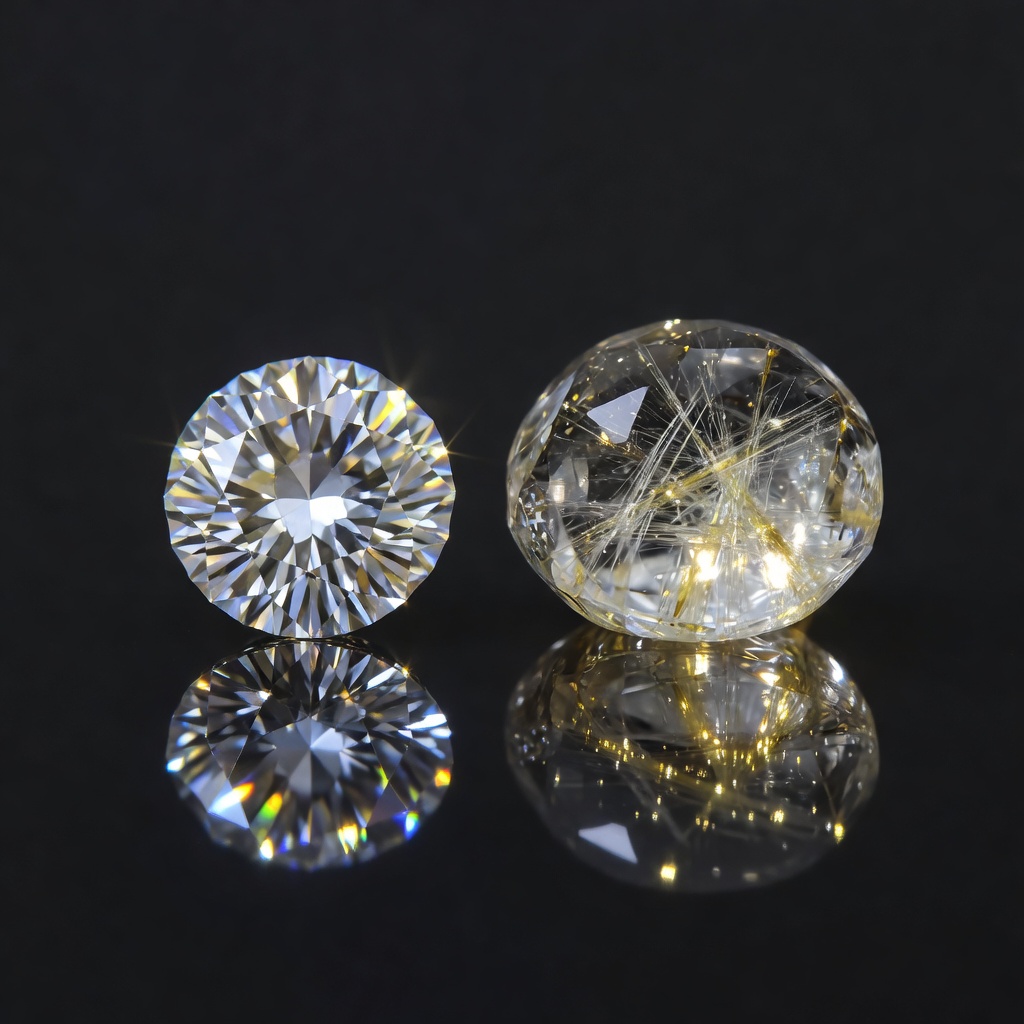
Two Gems, Two Completely Different Worlds
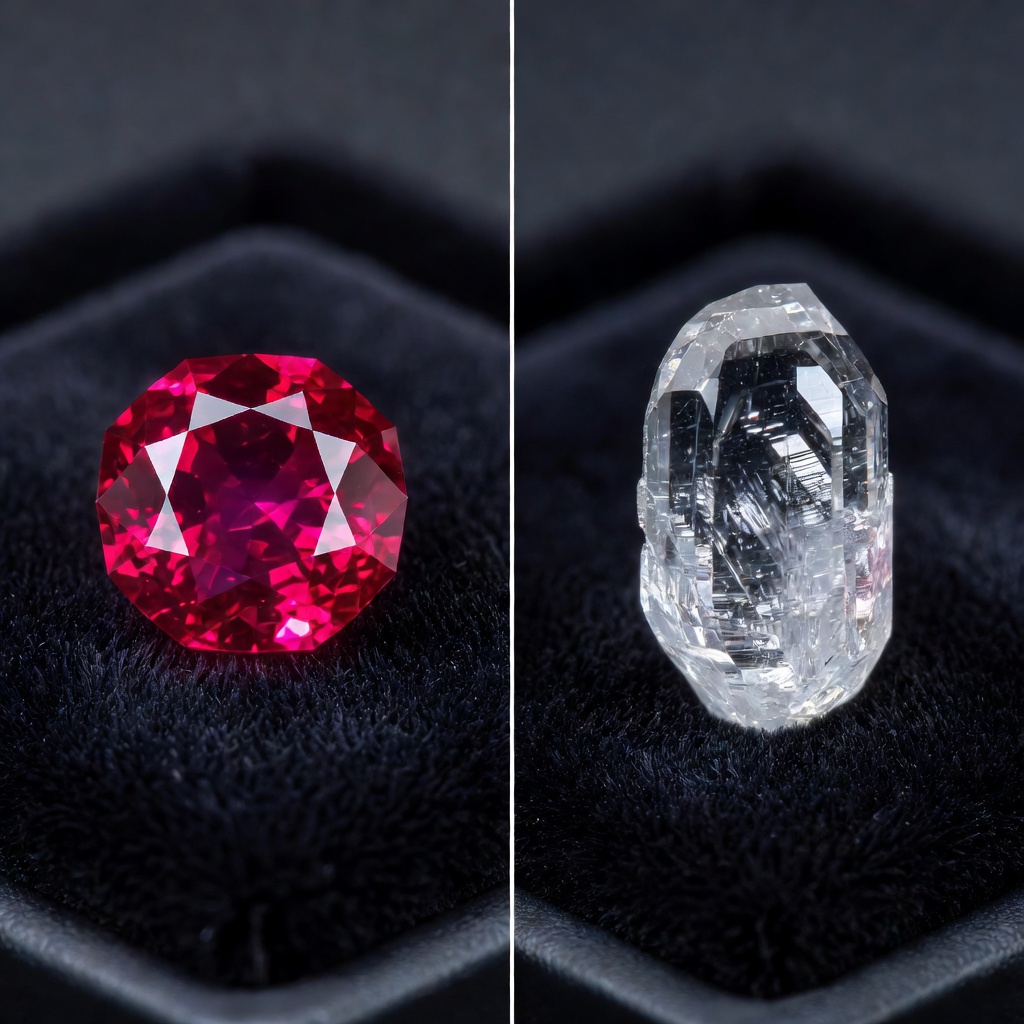
When exploring the vast spectrum of gemstones available in today's jewelry market, few comparisons illustrate the diversity of Earth's mineral treasures quite like examining diamond vs rutilated quartz. While diamonds have reigned supreme as the ultimate symbol of luxury and eternal commitment for centuries, rutilated quartz emerges as nature's own abstract art gallery, captivating collectors with its ethereal internal landscapes. Modern consumers increasingly find themselves weighing these stones against one another, not because they serve identical purposes, but because both offer distinctive pathways to personal expression and adornment. Understanding the fundamental differences between these two gemstones—spanning durability, aesthetics, price points, and symbolic meaning—empowers buyers to make informed decisions aligned with their lifestyle needs and budgetary constraints.
The comparison between these stones reflects broader shifts in consumer values, where some seek the time-tested prestige of traditional precious gems while others gravitate toward unique, affordable diamond alternatives that prioritize individuality over conventional status symbols. Whether you are selecting a center stone for an engagement ring, curating a crystal healing collection, or simply expanding your jewelry wardrobe, recognizing how these gems differ geologically, visually, and practically ensures satisfaction with your investment. This comprehensive gemstone comparison delves into every aspect of diamond and rutilated quartz characteristics, helping you determine which stone—or combination of stones—best suits your personal narrative.
Geological Origins: Carbon vs Silica and Titanium
The journey from raw earth material to polished gemstone could not differ more dramatically between these two varieties, beginning with their fundamentally distinct formation processes deep within the planet. Diamonds crystallize from pure carbon subjected to extraordinary conditions approximately 90 to 120 miles beneath Earth's surface, where temperatures exceed 2,000 degrees Fahrenheit and pressure reaches 725,000 pounds per square inch over one to three billion years. This extreme environment forces carbon atoms into an isometric crystal structure, creating the hardest known natural substance through geological patience and immense natural force. The rarity of these specific conditions, combined with the volcanic eruptions necessary to transport diamonds to mineable depths, directly contributes to their premium market positioning and enduring value.
Conversely, rutilated quartz formation occurs through hydrothermal processes in significantly more accessible crustal environments, where silica-rich solutions permeate rock cavities at lower temperatures and pressures. During the quartz crystal's growth phase, mineral-rich fluids deposit needle-like crystals of titanium dioxide—known as rutile—within the expanding silica structure, creating the distinctive golden rutile inclusions that define this variety. Unlike the uniform clarity sought in diamond crystal structure, these trapped inclusions represent interruptions in the growth process that would render most gemstones less valuable, yet in rutilated quartz, they become the primary aesthetic feature. This fundamental difference in geological rarity explains why quartz varieties remain abundant in the marketplace while diamonds command scarcity-driven premiums.
The extraction and processing methods further illuminate these geological disparities. Diamond mining requires massive industrial operations, whether through kimberlite pipe excavation or alluvial deposit sifting, often involving significant environmental impact and labor intensity. Rutilated quartz sources, found in locations ranging from Brazil and Madagascar to the Swiss Alps and Colorado, typically involve smaller-scale mining operations that yield larger crystal formations with greater frequency. These accessibility differences translate directly to consumer availability, allowing rutilated quartz to serve as an attainable entry point for collectors seeking distinctive beauty without the prohibitive costs associated with precious gem mining.
Visual Characteristics: Brilliance vs The Venus Hair Effect
The optical properties separating these gemstones create two entirely different visual experiences, appealing to distinct aesthetic sensibilities and design philosophies. Diamonds possess an exceptional refractive index of 2.42, meaning they bend light entering the stone so dramatically that it creates the characteristic fire—flashes of spectral colors—and brilliance—white light reflection—that define diamond beauty. Master cutters exploit this property through precise faceting arrangements, calculating angles to maximize light return while minimizing leakage through the pavilion. When evaluating diamond clarity grades, professionals seek stones free from inclusions and blemishes, as these interrupt the pristine light performance that commands premium prices in the gem market.
Rutilated quartz operates on entirely different visual principles, prioritizing internal character over external light manipulation. The stone typically exhibits a refractive index of 1.54-1.55, producing a softer, more subdued luster rather than explosive brilliance, while the golden rutile inclusions create dramatic linear patterns suspended within the transparent quartz host. These titanium dioxide needles range from hair-thin strands to thick, defined crystals, appearing in golden, black, copper, or reddish hues depending on mineral content and oxidation states. Historically known as Venus hair stone or Cupid's darts, these inclusions transform each piece into a unique natural painting, where clarity standards invert—heavily included specimens with aesthetically arranged rutile often command higher prices than relatively clear quartz.
Practical examination reveals these differences immediately to the naked eye. Where diamonds dazzle with animated sparkles across their surface, rutilated quartz invites contemplative viewing into its depths, encouraging observers to trace the intricate pathways of rutile needles that may resemble frozen lightning, celestial constellations, or abstract brushstrokes. This distinction makes rutilated quartz particularly suited for cabochon cuts, bead forms, or specimen displays where the internal landscape remains visible, whereas diamonds achieve their full potential only through precise faceting that optimizes their superior optical properties.
Durability Battle: Mohs Scale Reality Check
Understanding the practical limitations and strengths of each gemstone requires examination of their physical properties, particularly hardness ratings that determine suitability for various jewelry applications. Diamond sits at the apex of the Mohs hardness scale with a perfect rating of 10, meaning it resists scratching from any other material and maintains its polish indefinitely under normal wear conditions. This exceptional gemstone hardness comparison advantage makes diamonds the default choice for engagement rings, wedding bands, and daily-wear heirlooms that must withstand decades of continuous use without showing wear. The Mohs scale diamond quartz disparity becomes immediately apparent when considering that only another diamond can scratch a diamond, ensuring that these stones remain pristine even when worn against metal, other gemstones, or environmental debris.
Rutilated quartz, sharing the hardness characteristics of its parent mineral, registers 7 on the Mohs scale, placing it in the same category as other quartz varieties like amethyst and citrine. While this hardness suffices for many jewelry applications, it creates vulnerability to scratching from harder materials including topaz, corundum (sapphires and rubies), and certainly diamonds. Daily wear exposes rutilated quartz to potential damage from household dust (which contains silica particles), metal edges, and accidental impacts against hard surfaces. This relative softness necessitates protective setting designs and mindful wearing habits, particularly for pieces intended as affordable diamond alternatives in rings or bracelets that experience frequent contact.
The toughness factor—resistance to breaking or chipping—presents additional considerations beyond simple scratch resistance. Diamonds, despite their hardness, possess perfect cleavage in four directions, meaning a sharp blow at the correct angle can split them along crystal planes. Rutilated quartz lacks this cleavage vulnerability but can fracture under impact due to its cryptocrystalline structure and the potential stress points created by dense concentrations of rutile inclusions. For active individuals or those working with their hands, these durability differences heavily favor diamond selection for primary jewelry pieces, while suggesting rutilated quartz reservation for occasional wear, protected settings, or pendant and earring designs that experience less mechanical stress.
Price Analysis: Investment Grade vs Affordable Luxury
The economic realities separating these gemstones represent one of the most dramatic divergences in their comparison, reflecting their respective positions within the precious versus semi-precious hierarchy. Diamond pricing operates through the established 4Cs system—Cut, Color, Clarity, and Carat weight—where fine-quality stones frequently command $5,000 to $20,000 per carat or more for exceptional specimens. Investment-grade diamonds with D color and Flawless clarity grades can reach astronomical figures at auction, while even commercial-quality diamonds maintain significant per-carat values that appreciate over time in stable markets. This pricing structure positions diamonds as portable wealth stores and generational assets, with established resale markets and liquidity that semi-precious stones cannot match.
Rutilated quartz occupies the opposite end of the value spectrum, typically retailing between $10 and $100 per carat depending on the density, color, and artistic arrangement of the rutile inclusions. Even exceptional specimens featuring dense, golden needle patterns or rare black rutile formations rarely exceed a few hundred dollars per carat, making them accessible to virtually every budget level. This affordability enables collectors to acquire substantial statement pieces—cabochons weighing 20 carats or more—at prices comparable to a modest diamond accent stone. However, this accessibility comes with the understanding that rutilated quartz vs diamond value comparisons reveal no investment potential; these stones depreciate upon purchase and lack secondary markets for resale.
| Characteristic | Diamond | Rutilated Quartz |
|---|---|---|
| Mohs Hardness | 10 (Highest possible) | 7 (Moderate durability) |
| Refractive Index | 2.42 (Exceptional brilliance) | 1.54-1.55 (Soft luster) |
| Typical Price Range | $3,000-$30,000+ per carat | $10-$100 per carat |
| Primary Value Factors | Cut, Color, Clarity, Carat (4Cs) | Rutile pattern density, needle color, artistic arrangement |
| Durability for Daily Wear | Excellent (lifetime wear) | Fair (requires protection) |
| Inclusion Assessment | Flaws reduce value significantly | Inclusions (rutile) create value |
| Formation Environment | Mantle depths, extreme heat/pressure | Hydrothermal veins, crustal levels |
| Investment Potential | High (established resale market) | None (consumable luxury) |
When evaluating long-term value retention, diamonds historically maintain 50-70% of their retail value in secondary markets, with certain rare colored diamonds appreciating significantly. Rutilated quartz, like most quartz varieties, carries minimal resale value beyond the intrinsic worth of its silver or gold setting. This economic distinction should guide purchasing decisions: choose diamonds when seeking assets that preserve wealth or commemorate major life milestones, and select rutilated quartz when prioritizing immediate aesthetic gratification, size, or metaphysical properties over financial investment. For budget-conscious consumers desiring large, impressive center stones, rutilated quartz offers the opportunity to wear substantial gems that would cost six figures if rendered in diamond quality.
Metaphysical Properties: Energy Amplification vs Eternal Strength
Beyond their physical and economic characteristics, these gemstones carry distinct energetic signatures and symbolic meanings that have evolved across millennia of human culture and spiritual practice. Diamond symbolism centers on invincibility, purity, and unbreakable commitment, deriving from the stone's name—"adamas" in Greek meaning unconquerable or indestructible. Ancient warriors wore diamonds into battle believing the stones imparted courage and strength, while Hindu texts reference diamonds as lightning made solid, capable of protecting against evil influences. In modern metaphysical practice, diamonds amplify the energies of other stones and the intentions of their wearers, serving as amplifiers of clarity, abundance, and spiritual enlightenment while representing the eternal nature of true love and partnership.
Rutilated quartz healing properties operate through different metaphysical mechanisms, earning the nickname "illuminator for the soul" in crystal healing communities. Practitioners believe the rutile needles act as energy conduits, intensifying the quartz's natural amplification properties while filtering negative vibrations and accelerating spiritual growth. Unlike the singular, focused energy of diamonds, rutilated quartz is thought to illuminate the causes of difficult situations, helping bearers understand past influences on present circumstances while facilitating transition and change. The golden variety specifically associates with solar plexus activation, creativity enhancement, and depression relief, making it popular among artists, healers, and those undergoing personal transformation.
Cultural applications vary significantly between these stones. Diamond engagement rings became standardized in Western cultures following De Beers' twentieth-century marketing campaigns, cementing their association with marital commitment and social status. Rutilated quartz lacks this standardized cultural role, allowing for more personal interpretation and flexible usage across spiritual traditions including Reiki, Feng Shui, and meditation practices. Some collectors program rutilated quartz for specific manifestation work, believing the rutile threads serve as antennae for divine inspiration, while others simply appreciate the stone's grounding energy that combines quartz's stabilizing influence with titanium's strength-bearing properties.
Jewelry Design Applications and Setting Considerations
The practical implementation of these gemstones in jewelry design requires understanding how their distinct properties influence setting choices, metal pairings, and wearability scenarios. Diamond engagement rings dominate the bridal market precisely because the stone's hardness supports intricate faceting and delicate prong settings that expose maximum surface area to light. Designers utilize diamonds in solitaire settings that emphasize size and brilliance, halo configurations that amplify apparent dimensions through surrounding accent stones, and three-stone arrangements symbolizing past, present, and future. The versatility of diamond jewelry extends to pavé bands, tension settings, and vintage-inspired milgrain designs, all possible because the stone's durability withstands the manufacturing process and subsequent daily abuse.
Rutilated quartz jewelry demands more protective approaches that acknowledge the material's relative softness while showcasing its unique internal features. Cabochon cuts—smooth, domed surfaces without facets—predominate in fine rutilated quartz pieces because they prevent chipping at vulnerable girdle edges and provide windows into the stone's interior landscape. Bezel settings, where metal rims encircle the stone's perimeter, offer superior protection compared to prong settings by shielding edges from impact and preventing snagging on clothing. When faceting rutilated quartz, cutters must orient the rough carefully to display rutile patterns advantageously while maintaining structural integrity, resulting in softer brilliance than diamond but enhanced depth and character.
Metal selection further differentiates optimal presentations for each stone. Diamonds achieve maximum contrast and contemporary elegance when set in platinum or white gold, though yellow gold creates vintage warmth that complements lower color grades. Rutilated quartz pairs exceptionally well with yellow gold, which harmonizes with golden rutile inclusions, or with sterling silver and oxidized metals that highlight black or copper rutile varieties. For pieces intended as affordable diamond alternatives in cocktail rings or statement pendants, designers often surround rutilated quartz centers with diamond halos, creating visual impact through size and pattern contrast while adding protective reinforcement to the softer central stone.
The Decision Matrix: How to Choose Your Perfect Stone
Selecting between these gemstones requires honest assessment of personal circumstances, values, and intended usage rather than defaulting to traditional assumptions about gemstone hierarchy. Budget constraints often drive the initial comparison, where rutilated quartz provides superior size-for-dollar value, allowing wearers to display impressive 10-carat center stones for the price of a modest quarter-carat diamond. However, this advantage diminishes if the piece requires replacement due to damage; calculating total cost of ownership over decades often favors the diamond's permanence despite higher initial investment. For collectors building diverse wardrobes, both stones serve complementary roles, with diamonds anchoring fine jewelry collections and rutilated quartz providing accessible variety.
Lifestyle assessment proves crucial when choosing between diamond and quartz for frequently worn pieces. Active individuals, healthcare workers, mechanics, or parents of young children should prioritize diamond durability for primary rings, while reserving rutilated quartz for earrings, pendants, or right-hand rings worn during low-impact activities. Those working in creative fields or metaphysical practices may find rutilated quartz more aligned with their personal energy and professional image, while corporate environments or traditional family expectations might necessitate diamond selection for engagement contexts. Consider your daily activities honestly: if you rarely remove your rings, garden without gloves, or work with your hands, the Mohs scale difference becomes practically significant.
Occasion appropriateness extends beyond personal preference to social signaling and ceremonial significance. Milestone events—engagements, major anniversaries, or commemorations of significant achievements—traditionally call for diamonds due to their recognized value density and symbolic weight. Rutilated quartz excels in personal spiritual jewelry, fashion-forward statement pieces, or gifts emphasizing uniqueness and thoughtfulness over market value. Some couples choose rutilated quartz for promise rings or alternative engagement rings when rejecting commercial traditions, though they should understand the maintenance implications of this choice. Ultimately, the decision matrix favors diamonds for permanence, investment, and tradition, while celebrating rutilated quartz for accessibility, artistry, and individual expression.
Care and Maintenance Protocols
Maintaining the beauty of these gemstones requires tailored approaches reflecting their distinct physical properties and vulnerability profiles. Diamond maintenance benefits from the stone's chemical inertness and exceptional hardness, allowing for aggressive cleaning methods that would damage softer gems. Home care includes soaking in warm water with mild dish soap, gentle brushing with soft-bristled tools, and rinsing thoroughly to remove residue that dulls brilliance. Professional jewelers routinely clean diamond pieces using ultrasonic cleaners that vibrate debris from settings and steam cleaners that blast away accumulated oils, procedures that restore fire and brilliance without risking the stone's integrity. Annual professional inspections ensure prongs remain tight and settings secure, preventing loss of these valuable investments.
Rutilated quartz care demands significantly gentler handling to preserve both the quartz surface and the delicate rutile inclusions within. Clean these stones using only lukewarm water with mild soap and a soft cloth or extremely soft brush, avoiding ultrasonic cleaners entirely as the vibrations may loosen rutile needles or create internal stress fractures. Never expose rutilated quartz to steam cleaning, harsh chemicals, or sudden temperature changes that could cause thermal shock. The softer surface scratches easily, requiring storage in individual cloth pouches or lined compartments separate from harder gemstones—particularly diamonds, which will scratch quartz if stored together in jewelry boxes.
Long-term preservation strategies differ markedly between the two. Diamonds require little beyond regular cleaning and setting checks, maintaining their polish indefinitely. Rutilated quartz benefits from occasional re-polishing by lapidaries to remove accumulated surface scratches, a service rarely needed for diamond owners. When traveling, pack rutilated quartz in rigid, padded containers to prevent impact damage, while diamonds travel more securely due to their durability. Apply cosmetics, perfumes, and hairsprays before donning rutilated quartz jewelry, as chemical buildup can dull the luster and potentially affect the rutile's appearance, whereas diamonds resist such chemical interactions. These maintenance differences reinforce the importance of choosing diamonds for "set and forget" heirloom pieces while reserving rutilated quartz for deliberate, mindful wearing occasions.
Final Verdict: Complementary Rather Than Competitive
After comprehensive examination of their geological origins, physical properties, economic profiles, and symbolic meanings, the diamond vs rutilated quartz comparison reveals these stones serve fundamentally different purposes rather than competing for the same role in jewelry collections. Diamonds remain unmatched for investment-grade purchases, daily-wear durability, and ceremonial significance requiring permanent, heirloom-quality materials. Their brilliance, hardness, and liquidity in global markets justify their position atop the gemstone hierarchy for engagement rings, anniversary gifts, and wealth preservation. When seeking a stone that will survive generations of continuous wear while maintaining economic value, diamonds present the only rational choice among these two options.
Rutilated quartz claims its rightful place as the premier choice for artistic expression, spiritual practice, and accessible luxury that prioritizes uniqueness over uniformity. The stone offers collectors the opportunity to own substantial, visually striking pieces that showcase nature's abstract artistry without requiring investment-level capital. For fashion jewelry, metaphysical tools, or statement pieces worn on appropriate occasions, rutilated quartz delivers experiences that diamonds cannot replicate—gazing into ancient mineral formations frozen in time, wearing artwork created by geological accident rather than human faceting. Neither stone supersedes the other; rather, they occupy complementary niches within a well-rounded jewelry wardrobe.
The sophisticated collector recognizes value in both categories, selecting diamonds for their permanence and social significance while embracing rutilated quartz for its accessibility and distinctive character. This diamond vs rutilated quartz comparison ultimately encourages diversification rather than substitution, suggesting that the optimal approach involves diamonds for life's unchanging milestones and rutilated quartz for personal growth, creative expression, and everyday beauty. By understanding what each stone offers and requires, consumers build collections that honor both eternal strength and transient, fragile beauty—the full spectrum of what gemstones can provide.
Frequently Asked Questions
Is rutilated quartz as valuable as diamond?
No, rutilated quartz is significantly less valuable than diamond. While diamonds command thousands per carat based on rarity and the 4Cs, rutilated quartz typically costs between $10-100 per carat. However, exceptional specimens with rare, aesthetically pleasing rutile patterns may command premium prices within the quartz market, though they never approach diamond values.
Can I use rutilated quartz in an engagement ring instead of diamond?
While possible, rutilated quartz is not recommended for daily-wear engagement rings due to its 7 Mohs hardness rating compared to diamond's 10. Quartz can scratch and chip with daily exposure. If choosing rutilated quartz for engagement jewelry, select protective bezel settings and reserve for occasional wear, or consider it for right-hand rings rather than primary bridal jewelry.
What are the golden threads inside rutilated quartz?
The golden threads are rutile inclusions composed of titanium dioxide (TiO2). These needle-like crystals formed during the quartz's growth process when mineral-rich solutions deposited titanium dioxide inside the silica crystal structure. Often called 'Venus hair stone' or 'Cupid's darts,' these inclusions are actually valued rather than flaws, creating unique artistic patterns in each stone.
How can I tell the difference between diamond and rutilated quartz?
Diamond exhibits superior brilliance with rainbow fire and exceptional hardness (scratches nothing but another diamond), while rutilated quartz shows distinctive internal needle-like inclusions and softer luster. A simple scratch test reveals the difference: diamond scratches quartz easily, while quartz cannot scratch diamond. Additionally, rutilated quartz typically displays visible inclusions, whereas diamonds are prized for clarity.
Is rutilated quartz a good alternative to diamond?
Rutilated quartz serves as an excellent aesthetic alternative for fashion jewelry and spiritual pieces, offering unique natural art at accessible prices. However, it is not a functional alternative for diamond's durability requirements in daily-wear bridal jewelry. Consider rutilated quartz when seeking size, unique appearance, and metaphysical properties rather than hardness and investment value.
Which stone requires more maintenance, diamond or rutilated quartz?
Rutilated quartz requires more careful maintenance due to its softer nature. While diamonds can withstand ultrasonic cleaning and steam, rutilated quartz needs gentle soap-and-water cleaning with soft brushes only. The rutile inclusions can be loosened by vibration or heat, and the quartz surface scratches more easily, requiring protective storage separate from harder gemstones.
Do the inclusions in rutilated quartz make it weaker than clear quartz?
The rutile needles themselves do not significantly weaken the stone structurally, but rutilated quartz shares the same Mohs 7 hardness as clear quartz, making it softer than many other gemstones. The primary vulnerability lies at the surface level where scratches can occur. Unlike diamonds, which maintain integrity internally, heavy inclusions in any quartz variety can theoretically create stress points, though this is rare in jewelry-quality pieces.
Can rutilated quartz be faceted like a diamond?
Yes, rutilated quartz can be faceted, though cabochon cuts (smooth, domed surfaces) are more common to showcase the rutile inclusions. When faceted, cutters must orient the stone to maximize the visual impact of the needles while maintaining structural integrity. However, faceted rutilated quartz lacks the brilliance and fire of diamond due to lower refractive index, instead offering a softer glow with visible internal features.