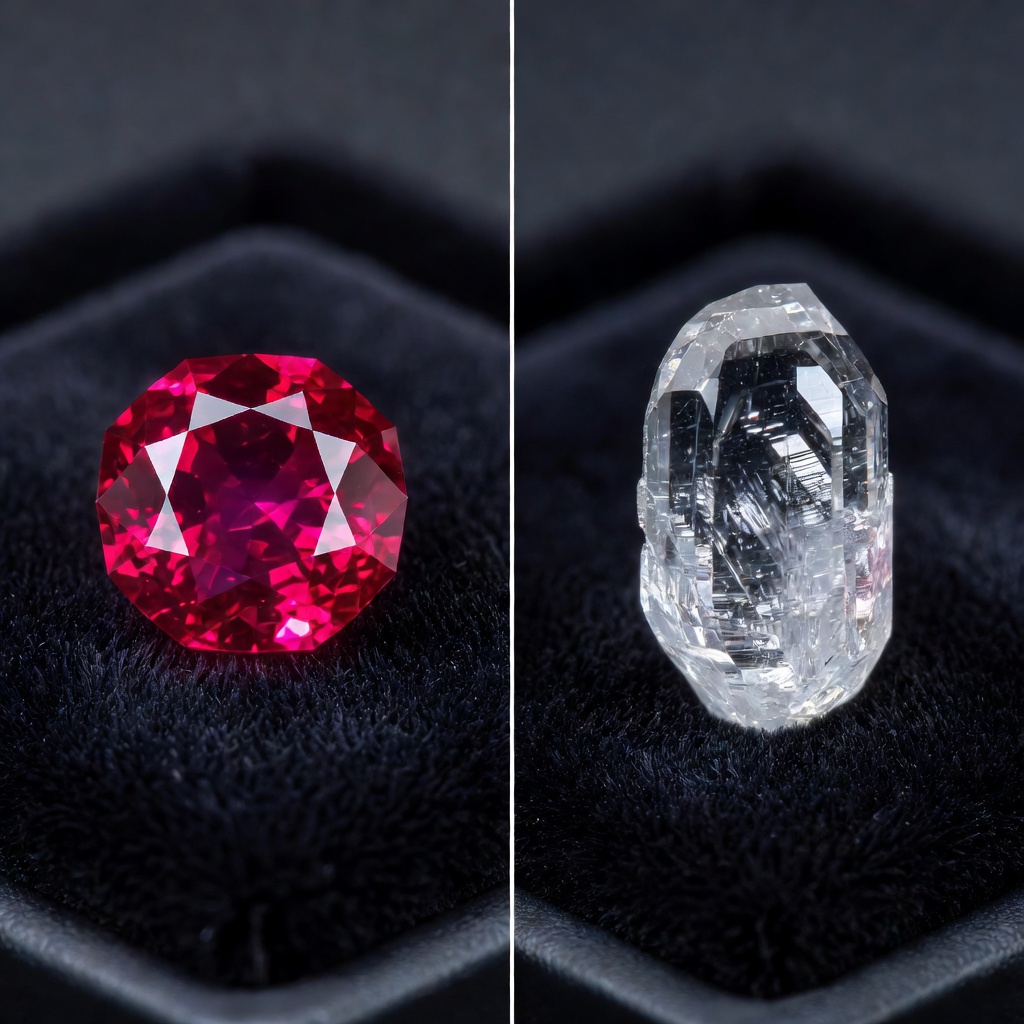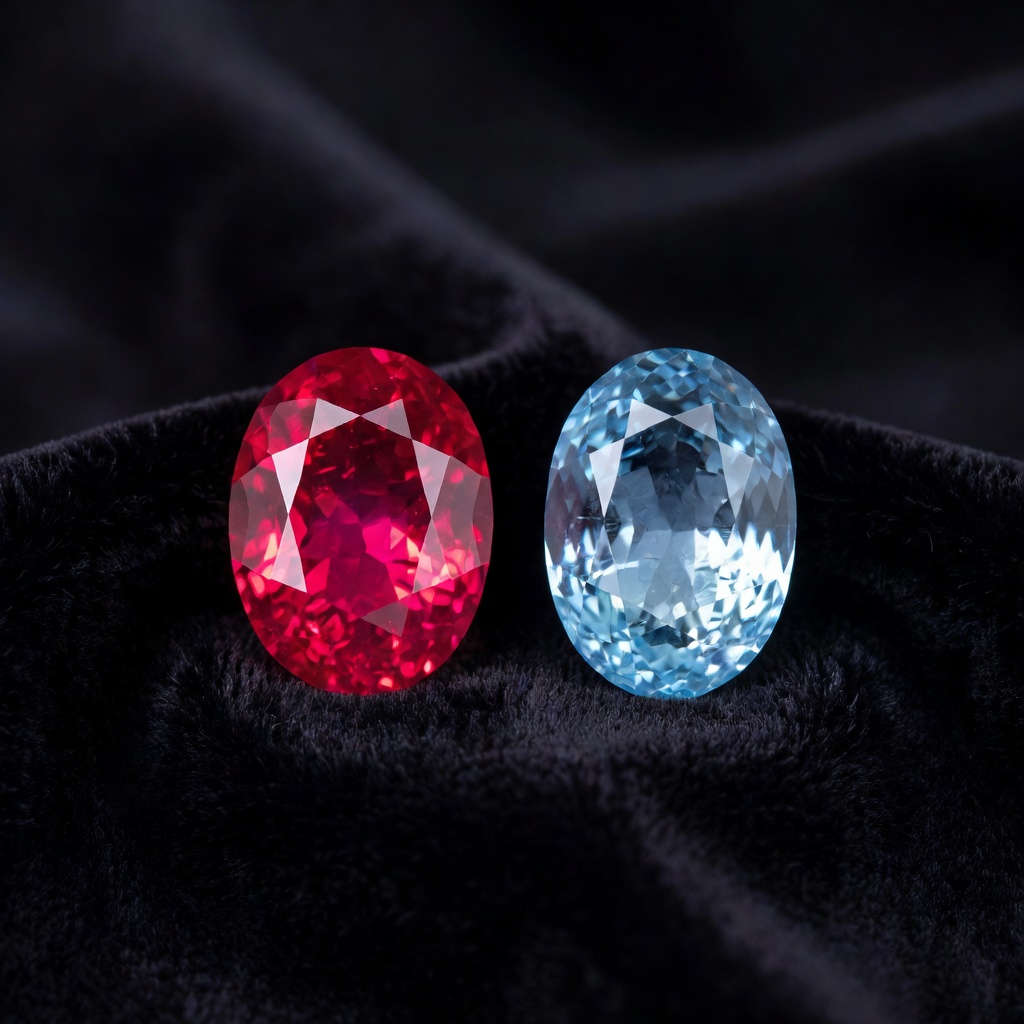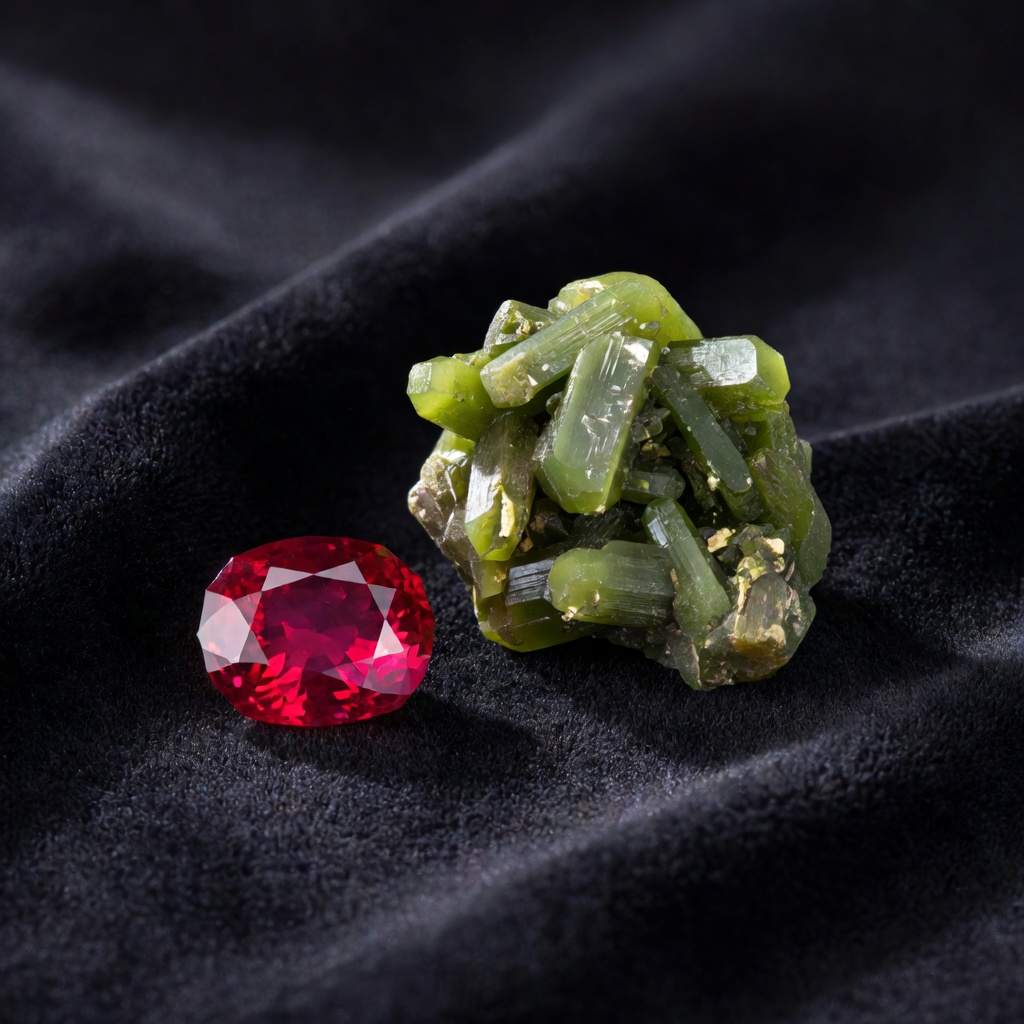
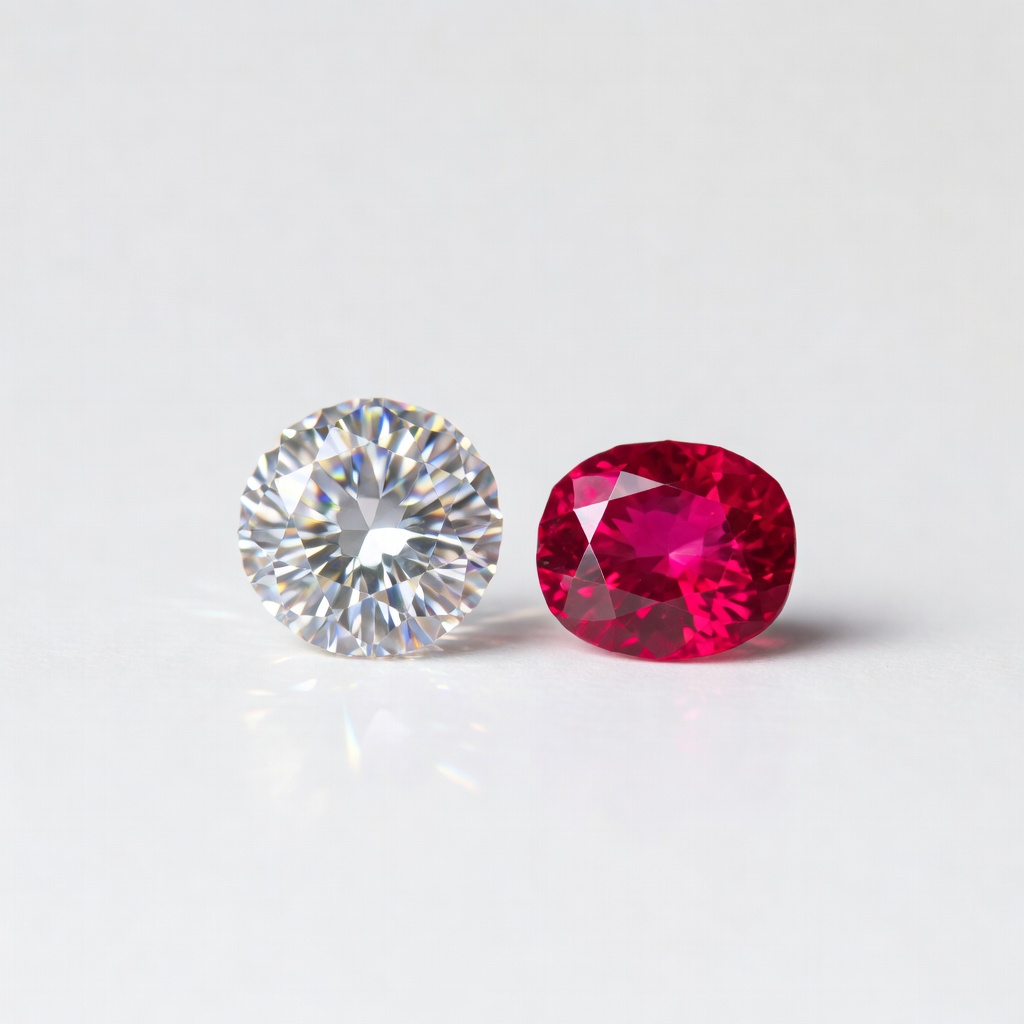
The Classic Gemstone Dilemma: Choosing Between Two Icons
Every day, thousands of couples stand before jewelry cases wrestling with one of the most significant decisions in their relationship: selecting the perfect center stone for an engagement ring. The battle between diamond vs ruby represents more than just a choice of color—it embodies a fundamental decision between tradition and individuality, between brilliance and passion, and between geological miracles formed deep within the earth. These two precious gemstones have dominated the luxury jewelry market for centuries, each commanding respect for distinctly different reasons while occupying unique positions in the hierarchy of fine jewelry.
Diamonds have long reigned as the undisputed champions of the bridal jewelry industry, bolstered by decades of strategic marketing and their unmatched physical properties. Meanwhile, rubies have maintained their status as the "King of Gems" among colored stones, prized by royalty and collectors for their fiery red hues and extreme rarity. Whether you are drawn to the colorless fire of a perfectly cut diamond or the velvety crimson depths of a Burmese ruby, understanding the nuanced differences between these stones will empower you to make a decision that aligns with both your practical needs and emotional desires.
This comprehensive guide delves deep into every aspect of the precious gemstone comparison, from the molecular structure that defines their durability to the symbolic meanings that have shaped human culture for millennia. By examining hardness ratings, investment potential, maintenance requirements, and aesthetic impact, you will discover which gemstone truly suits your lifestyle, budget, and personal narrative. Whether you prioritize the diamond hardness Mohs scale advantage for daily wear or resonate with the ruby gemstone meaning of passion and protection, this analysis provides the factual foundation needed for such an important investment.
Fundamental Properties: What Makes Them Different
At the molecular level, diamonds and rubies represent two entirely different geological phenomena, each born from unique conditions deep within the earth's crust. Diamonds consist of pure carbon atoms arranged in an isometric crystal structure, formed under extreme pressure and temperature approximately 90 to 120 miles beneath the earth's surface. This specific arrangement creates the strongest known natural material, explaining why diamonds have become synonymous with endurance and permanence. In contrast, rubies are a variety of the mineral corundum, composed primarily of aluminum oxide infused with chromium trace elements that produce their signature red color, formed in metamorphic rocks under slightly less extreme conditions than their carbon counterparts.
The diamond hardness Mohs scale rating of 10 represents the pinnacle of mineral hardness, meaning diamonds can scratch virtually any other material while remaining impervious to damage from daily wear. This perfect score makes diamonds the ultimate choice for heirloom jewelry intended to last multiple generations without showing signs of abrasion. Rubies, ranking at 9 on the same scale, remain extraordinarily durable and suitable for daily wear, though they can theoretically be scratched by diamonds or moissanite. For context, consider that quartz, commonly found in household dust, ranks at 7—meaning both gemstones resist the microscopic scratches that eventually dull lesser stones, but only diamonds offer absolute immunity to surface damage.
Geological formation significantly impacts availability and pricing for both stones. Primary diamond mining occurs in kimberlite pipes across Botswana, Russia, Canada, and Australia, with marine diamond recovery adding to global supply. Modern mining techniques have increased diamond availability, though gem-quality stones remain rare. Rubies primarily emerge from marble-hosted deposits in Myanmar (Burma), Mozambique, and Madagascar, with Burmese material commanding premium prices due to historical significance and superior color quality. The specific geological conditions required for ruby formation—limestone metamorphism under precise temperature and pressure ranges—make high-quality deposits far scarcer than diamond kimberlite fields, contributing to the extreme rarity of fine untreated rubies.
Refractive index differences create distinctly different optical performances between these gemstones. Diamonds possess a refractive index of 2.42, the highest among transparent gemstones, creating the spectacular brilliance and "fire" (dispersion of light into spectral colors) that makes them sparkle intensely even under dim lighting. Rubies exhibit a lower refractive index of approximately 1.76-1.77, resulting in a softer, more velvety luster rather than sharp brilliance. This distinction explains why diamond cuts emphasize precise facet angles to maximize light return, while ruby cuts often prioritize color retention and depth over pure optical performance. When comparing a round brilliant diamond against an oval ruby of similar size, the diamond will display more dramatic flashes of white light and rainbow colors, while the ruby offers a saturated, glowing appearance that seems to emit light from within.
Color, Appearance, and Visual Impact
The visual distinction between these gemstones begins with their fundamental relationship to light and color. Diamonds exist across a spectrum from completely colorless (graded D-F) to light yellow or brown (graded K-Z), with the most valuable stones appearing icy white to the untrained eye. Beyond the traditional colorless range, fancy colored diamonds—including pink, blue, and yellow varieties—command extraordinary prices due to their rarity. The ideal diamond exhibits high brilliance (white light reflection), fire (dispersion into rainbow colors), and scintillation (sparkle when moved), creating a dazzling light show that shifts with every movement of the wearer's hand. Master diamond cutters calculate precise facet angles to maximize these optical properties, often sacrificing carat weight to achieve ideal proportions that enhance light performance.
Rubies offer a singular chromatic statement: the color red in its most precious form. Gemologists evaluate rubies based on hue, tone, and saturation, with "pigeon blood" red representing the pinnacle of quality—a vivid, saturated pure red with subtle blue undertones that appears almost fluorescent under natural light. Unlike diamonds, where inclusions are considered flaws, rubies often contain microscopic rutile needles called "silk" that can enhance the stone's appearance by diffusing light and creating a soft, velvety glow reminiscent of fine velvet. This phenomenon, particularly prized in Burmese rubies, creates a visual depth impossible to replicate in synthetic stones. However, heavy inclusions that reduce transparency or create dark areas significantly diminish value, requiring careful balance when selecting a stone.
Cut quality affects each gemstone differently due to their distinct optical properties. Diamond cuts follow strict mathematical formulas designed to maximize light return through the crown (top) of the stone while minimizing light leakage through the pavilion (bottom). Even slight deviations from ideal proportions can result in a "dead" or "windowed" appearance where light passes through rather than reflecting back. Ruby cuts prioritize color optimization over pure brilliance, with cutters often fashioning deeper pavilions to intensify hue and masking inclusions through strategic facet placement. Step cuts (emerald cuts) and mixed cuts dominate the ruby market, whereas brilliant cuts prevail for diamonds. When selecting a ruby vs diamond engagement ring, consider that a poorly cut diamond appears visibly lifeless, while a poorly cut ruby might still display beautiful color but lack vitality.
Clarity standards differ dramatically between these stones. The diamond industry utilizes a comprehensive clarity scale from Flawless (no inclusions visible under 10x magnification) to Included (visible to the naked eye), with most engagement ring diamonds falling in the VS1-SI1 range where inclusions remain invisible without magnification. Ruby clarity expectations remain more forgiving; virtually all natural rubies contain some inclusions, and completely clean stones often indicate synthetic origin or glass filling treatments. Acceptable ruby inclusions include silk, color zoning (uneven color distribution), and crystal inclusions, provided they do not threaten durability or significantly impact transparency. When examining a precious gemstone comparison for an engagement ring, remember that a slightly included ruby with exceptional color outperforms a clean but pale ruby, whereas diamond clarity significantly impacts both beauty and value.
Durability and Maintenance for Daily Wear
While both gemstones rank among the most durable natural materials suitable for jewelry, their physical toughness presents distinct advantages and vulnerabilities for daily wear scenarios. Diamonds possess perfect cleavage in four directions, meaning they can split cleanly along specific atomic planes if struck with sufficient force at the correct angle. This characteristic requires protective settings that shield the girdle (the widest part of the stone) from direct impacts, particularly for princess cut diamonds with sharp corners. Rubies, lacking cleavage planes, demonstrate superior resistance to chipping and breaking under blunt force, though they can still fracture if subjected to extreme trauma or if significant inclusions create weak points within the crystal structure.
Long-term care requirements vary based on each stone's chemical stability and hardness characteristics. Diamonds attract grease and oils more readily than rubies due to their carbon composition, causing them to appear cloudy when exposed to hand creams, cooking oils, or natural skin sebum. Regular cleaning with warm water, mild dish soap, and a soft toothbrush restores diamond brilliance, though ultrasonic cleaners provide the most effective removal of accumulated grime from intricate settings. Rubies require gentler treatment; while they withstand normal wear admirably, ultrasonic cleaning may exacerbate existing fractures or loosen heat-treated stones. Steam cleaning works well for untreated rubies but should be avoided for fracture-filled or lead glass-filled stones commonly found in commercial jewelry.
Insurance considerations reveal practical differences in replacement costs and risk assessment. Diamond insurance typically requires GIA or AGS certification specifying the 4Cs, with premiums calculated based on replacement value and setting complexity. Because standardized grading allows for easier matching, replacing a lost diamond often yields a nearly identical stone. Ruby insurance presents greater complexity due to treatment disclosures and origin documentation; replacing a Burmese ruby with a Mozambican stone of similar appearance but different value requires careful policy wording. Annual professional inspections prove essential for both stones, as prongs wear down over time and risk stone loss. Jewelers check for loose settings, worn prongs, and potential damage to the gemstone itself, with maintenance costs averaging $50-$150 annually depending on setting complexity.
Impact resistance testing favors rubies for active lifestyles involving sports, manual labor, or frequent travel. While neither stone suits wearing during rock climbing or heavy construction, rubies better withstand the bumps and knocks of daily activities like gardening, cooking, or typing at a keyboard. Diamonds, despite their hardness, can chip if struck against granite countertops or metal door handles at the wrong angle. For professionals working with their hands—such as medical practitioners, artists, or mechanics—consider bezel settings that encase the gemstone's edges in metal, providing superior protection compared to prong settings while maintaining security during rigorous activities.
Pricing Factors and Market Value
Understanding the economic landscape of fine gemstones requires navigating two distinctly different valuation methodologies. Diamond pricing operates within a relatively transparent framework known as the 4Cs: Cut, Color, Clarity, and Carat weight. The Rapaport Price List provides wholesale benchmark pricing for standard round brilliant diamonds, while fancy shapes and colored diamonds follow more subjective valuation. Certification from the Gemological Institute of America (GIA) or American Gem Society (AGS) establishes credibility and ensures accurate grading, with even slight variations in color or clarity grades creating significant price swings. For example, a one-carat round brilliant diamond might range from $2,000 for a K-color SI2 stone to $20,000+ for a D-color IF (Internally Flawless) specimen.
Ruby valuation prioritizes color above all other factors, with origin, treatment status, and clarity following in importance. The most valuable rubies display vivid saturation, medium-dark tone, and pure red hue—characteristics most commonly associated with Mogok, Myanmar (Burma) deposits. A one-carat untreated Burmese ruby of exceptional quality can command $15,000 to $30,000, while a heated (but not glass-filled) ruby of similar appearance from Mozambique might cost $3,000 to $8,000. Heat treatment, accepted within the trade for rubies, improves color and clarity by dissolving rutile silk inclusions, but significantly impacts investment value compared to untreated material. Full disclosure of treatments remains essential, as lead glass-filled rubies (often sold as "composite rubies") may cost only $100-$500 per carat but require special care and lack durability.
Price per carat comparisons reveal interesting market dynamics across different quality tiers. Commercial-grade rubies (heated, slightly included, medium color) offer better size-to-dollar value than commercial diamonds, allowing buyers to purchase a two-carat ruby for the price of a one-carat diamond of similar visual quality. However, at the investment grade level, rare untreated rubies often exceed diamond prices per carat, particularly for stones above three carats where fine ruby availability drops precipitously. Market demand fluctuations affect both stones differently; diamond prices correlate with economic cycles and bridal market trends, while ruby prices respond to supply disruptions from Myanmar sanctions or new discoveries in East Africa. Recent years have seen untreated ruby prices appreciate faster than diamonds due to increasing scarcity and growing Asian market demand.
When evaluating a ruby vs diamond engagement ring budget, consider long-term value retention alongside initial purchase price. Diamonds offer standardized resale markets through auction houses and diamond exchanges, though retail buyers typically recoup only 20-40% of purchase price when selling. Rubies present a less liquid but potentially more lucrative resale market for high-quality untreated stones, particularly those with prestigious laboratory certificates from Gübelin or SSEF (Swiss Gemmological Institute). Treatments significantly impact ruby resale value; heavily treated stones may prove difficult to sell at any price, while documented untreated Burmese rubies often appreciate steadily, making them true investment grade gemstones comparable to fine art or rare wines.
Symbolism, Meaning, and Emotional Significance
The narrative power embedded within gemstones often influences selection as powerfully as physical properties, with both diamonds and rubies carrying millennia of human cultural significance. Diamonds have become inextricably linked with concepts of eternal love, purity, and invincibility—their name derives from the Greek "adamas," meaning unbreakable or unconquerable. This association transcends geological fact to encompass emotional metaphor; the diamond's clarity represents transparency in relationships, while its hardness symbolizes unyielding commitment. The modern connection between diamonds and romantic engagement stems largely from De Beers' legendary "A Diamond Is Forever" marketing campaign launched in 1947, which successfully established the diamond solitaire as the standard for betrothal rings across Western cultures and eventually globally.
The ruby gemstone meaning encompasses passion, protection, vitality, and prosperity, with historical significance predating diamond bridal traditions by thousands of years. Ancient Sanskrit texts referred to rubies as "ratnaraj" or "king of precious stones," believing they held the power to warn owners of impending danger by darkening in color. Burmese warriors implanted rubies beneath their skin before battle, convinced the stones rendered them invincible, while European royalty associated rubies with power and wealth, incorporating them into crown jewels and coronation regalia. The stone's blood-red color naturally connects to themes of life force, courage, and intense emotion, making it particularly resonant for couples who view their relationship as passionate and dynamic rather than merely stable.
Birthstone connections provide additional layers of personal significance for gemstone selection. Diamonds serve as the birthstone for April, traditionally believed to bring courage, invincibility, and clarity to those born in that month. Rubies claim July as their month, associated with health, wisdom, and wealth in historical lore. For couples considering anniversary gifts or push presents (jewelry commemorating childbirth), these birthstone connections offer meaningful personalization opportunities. A July-born bride might feel particular affinity for a ruby engagement ring that honors her birth month while distinguishing her from the majority of diamond-wearing peers.
Cultural and personality factors increasingly influence modern gemstone choices beyond traditional marketing narratives. Diamonds appeal to individuals drawn to classic elegance, timeless style, and universal recognition—those who appreciate that a diamond signals "engagement" without explanation across virtually all cultures. Rubies attract bold personalities, vintage enthusiasts, and those seeking unique expression; the wearer of a ruby engagement ring makes a deliberate statement about individuality and unconventional romance. When counseling couples, jewelers often observe that analytical, tradition-minded clients gravitate toward diamonds, while artistic, emotionally expressive clients often prefer the warmth and drama of rubies. Neither choice indicates superior taste, but rather different expressions of identity and relationship values.
Investment Potential and Long-Term Value
Approaching gemstones as investment vehicles requires understanding market liquidity, appreciation trends, and the specific characteristics that distinguish decorative jewelry from investment grade gemstones. Historical price data reveals divergent trajectories for diamonds and rubies over recent decades. White diamonds of commercial quality (1-2 carats, G-H color, VS clarity) have shown modest appreciation roughly tracking inflation, though exceptional fancy colored diamonds (particularly pinks and blues) have achieved remarkable auction results. In contrast, untreated Burmese rubies have demonstrated consistent double-digit annual appreciation rates for top-quality material, driven by depleting mines in Myanmar and increasing collector demand from Asian markets.
Rarity factors fundamentally differentiate investment potential between these stones. While gem-quality diamonds remain geologically rare, large-scale mining operations in Botswana, Russia, and Canada ensure steady supply of commercial and fine goods. High-quality large diamonds (5+ carats, D-F color, IF-VVS clarity) maintain scarcity value, but nothing compares to the extreme rarity of untreated, vivid-red rubies exceeding three carats. Fine rubies occur in nature less frequently than high-quality diamonds of equivalent size, with estimates suggesting only a few dozen truly exceptional untreated rubies enter the market annually worldwide. This supply constraint explains why a 25.59-carat Burmese ruby (the "Sunrise Ruby") sold for $30.3 million in 2015, setting a per-carat record of over $1 million that surpasses all but the rarest colored diamonds.
Certification importance cannot be overstated when purchasing for investment purposes. Diamond investments require GIA reports verifying the 4Cs and confirming natural origin versus laboratory-grown alternatives. For rubies, premium laboratory certificates from Gübelin Gem Lab, SSEF (Swiss Gemmological Institute), or AGL (American Gemological Laboratories) provide essential documentation of origin (Burmese stones command premiums), treatment status (untreated preferred), and enhancement type. These laboratories employ advanced spectroscopy to detect heat treatment, fracture filling, and diffusion treatment that dramatically impact value. An untreated Burmese ruby with Gübelin report might command triple the price of an identical-looking heated stone with lesser documentation, illustrating how provenance verification creates investment security.
Liquidity considerations favor diamonds for investors requiring quick asset conversion. The global diamond market maintains standardized pricing references and established wholesale networks, allowing certified diamonds to sell within days through auction houses or diamond exchanges, albeit often at wholesale rather than retail prices. Ruby liquidity depends entirely on quality tier; commercial-grade treated rubies prove difficult to resell, while documented untreated stones over 3 carats attract competitive bidding at major auction houses (Christie's, Sotheby's, Bonhams). For the average consumer rather than institutional investor, neither stone represents a liquid asset comparable to stocks or bonds, but both provide portable wealth storage and potential appreciation superior to most consumer goods. When selecting between diamond vs ruby for dual-purpose jewelry (wearable art and investment), prioritize untreated natural rubies from established mines or D-F color diamonds over 2 carats with excellent cut grades.
Best Jewelry Applications for Each Stone
Maximizing the beauty of these gemstones requires understanding which jewelry settings and styles best complement their unique properties. Engagement rings represent the primary battleground for diamond dominance, with approximately 90% of bridal jewelry featuring diamond center stones. This prevalence stems from practical durability, neutral color compatibility with wedding bands, and cultural expectation. However, rubies offer distinctive vintage appeal, particularly in Art Deco-inspired settings featuring milgrain detailing and geometric halos. Princess Diana's famous sapphire engagement ring (which influenced ruby settings) demonstrated how colored center stones create iconic, immediately recognizable jewelry that stands apart from diamond solitaires. For brides seeking something unique yet bridal-appropriate, a ruby surrounded by diamond melee creates stunning contrast while maintaining traditional elements.
Statement pieces and special occasion jewelry often favor rubies for their dramatic color impact. Large ruby pendants, drop earrings, and cocktail rings command attention in ways that diamonds—even large ones—cannot match due to color psychology; red triggers immediate visual processing and emotional response. When designing a three-stone ring representing past, present, and future, combining a diamond center with ruby side stones (or vice versa) creates meaningful contrast symbolizing the balance between steadfast commitment (diamond) and passionate love (ruby). This combination works particularly well in platinum or white gold settings where the cool metal tone makes the ruby's red pop while enhancing the diamond's brilliance.
Daily wear considerations influence setting selection significantly. For active individuals choosing diamonds, six-prong settings offer superior security compared to four-prong styles, protecting those vulnerable cleavage planes from direct impact. Bezel settings, where metal encircles the entire girdle, provide maximum protection for both stone types but particularly benefit softer gemstones; however, they reduce light entry and may diminish brilliance in diamonds more noticeably than in rubies. Tension settings, while visually striking, suit diamonds better than rubies due to the extreme pressure required, which could potentially fracture included rubies. For earrings and pendants where impact risk decreases, both stones work beautifully in delicate prong settings that maximize light exposure.
Alternative options have expanded dramatically with technological advances, offering budget-conscious buyers access to both aesthetics. Laboratory-grown diamonds provide identical chemical, optical, and physical properties to mined diamonds at 30-40% lower cost, making larger stones accessible for the best gemstone for jewelry applications where size matters. Similarly, heat-treated natural rubies offer genuine corundum with enhanced color at fractions of untreated prices, suitable for fashion jewelry and casual wear. However, treated rubies rarely qualify as investment grade gemstones and may require disclosure upon resale. For those prioritizing ethical sourcing, Canadian diamonds and Fair Trade certified rubies from specific mines provide traceability that appeals to environmentally conscious consumers, though both command price premiums.
Decision Framework: How to Choose Between Diamond and Ruby
Navigating the emotional and financial weight of selecting a center stone requires systematic evaluation of personal priorities. Begin with a budget-based decision tree that allocates resources for maximum visual impact. If your budget falls below $3,000, a high-quality ruby often provides better visual presence than a small or lower-clarity diamond, offering a one-carat vivid stone versus a 0.5-carat commercial diamond. Between $5,000 and $15,000, diamonds offer excellent value in the 0.8 to 1.2-carat range with high color and clarity grades, while rubies in this bracket might show treatments or lighter hues. Above $20,000, both categories offer exceptional specimens, though untreated Burmese rubies begin commanding significant premiums over similarly priced diamonds.
Lifestyle assessment proves crucial for long-term satisfaction with your selection. Evaluate your daily activity level honestly: do you work with your hands, engage in rock climbing or CrossFit, or frequently travel to rugged locations? For high-impact lifestyles, consider that while both stones are durable, rubies resist chipping better than diamonds, though diamonds resist scratching better. Professional considerations matter too; conservative corporate environments may respond better to traditional diamond engagement rings, while creative industries welcome the individuality of rubies. Maintenance willingness also factors in—if you rarely remove jewelry and dislike frequent cleaning, rubies hide dust and oils better than diamonds, which appear cloudy when dirty.
Personal style analysis helps determine which stone aligns with your aesthetic identity. Classic and elegant personalities typically gravitate toward diamonds, appreciating their versatility with any wardrobe choice and their timeless association with sophistication. Bold, artistic, or vintage-inspired individuals often prefer rubies, which pair beautifully with autumn color palettes, antique settings, and bohemian styles. Consider your existing jewelry collection: if you own primarily platinum and white gold pieces with cool-toned gemstones, a diamond integrates seamlessly. If your wardrobe features warm metals, earth tones, or vintage pieces, a ruby creates cohesive accessorizing opportunities.
Before finalizing your choice, ask three critical questions. First: Does this stone need to communicate "engagement" to strangers, or is personal meaning sufficient? If universal recognition matters, choose diamond; if personal significance trumps social signaling, ruby offers distinction. Second: Am I purchasing for immediate beauty or long-term investment? For pure adornment, treated rubies or smaller diamonds maximize size; for wealth preservation, prioritize untreated rubies or high-color large diamonds with investment-grade certifications. Third: Does this stone complement my partner's skin tone and daily wardrobe? Diamonds suit all complexions, while rubies particularly flatter warm or olive skin tones and coordinate with autumn color palettes. Answering these questions honestly guides you toward the ruby vs diamond engagement ring decision that eliminates buyer's remorse.
Final Verdict: Making Your Perfect Choice
After examining every facet of these remarkable gemstones, the diamond vs ruby debate ultimately resolves not to universal superiority but to individual suitability. Both stones represent pinnacles of natural beauty and geological wonder, yet they serve different masters—diamonds reign supreme in durability standardization and cultural recognition, while rubies dominate in color rarity and passionate expression. Your perfect choice depends on which attributes align with your values, lifestyle, and aesthetic vision.
| Characteristic | Diamond | Ruby |
|---|---|---|
| Mohs Hardness | 10 (Highest possible) | 9 (Excellent, scratch-resistant) |
| Primary Value Factor | Cut quality and color grade | Color saturation and origin |
| Durability Concerns | Perfect cleavage (can chip if struck) | No cleavage (chip-resistant but can fracture) |
| Price Range (1 carat, high quality) | $5,000 - $25,000 | $3,000 - $30,000+ (untreated Burmese) |
| Symbolism | Eternal love, purity, strength | Passion, protection, vitality |
| Investment Potential | Stable, liquid, modest appreciation | High appreciation for untreated stones, less liquid |
| Maintenance | Requires frequent cleaning (attracts grease) | Occasional cleaning, avoid ultrasonic if treated |
| Best For | Classic style, active lifestyle, universal recognition | Unique expression, vintage appeal, color lovers |
| Certification Standard | GIA or AGS | Gübelin, SSEF, or AGL for investment |
Choose diamonds if you identify with these scenarios: You appreciate classic elegance and want a stone that requires no explanation as an engagement ring. You lead an extremely active lifestyle where absolute scratch resistance provides peace of mind, or you work in conservative professional environments where traditional choices smooth social interactions. You view this purchase partly as a financial investment requiring easy liquidity, or you simply love the mathematical precision of light performance and colorless brilliance that only diamonds provide.
Choose rubies if these scenarios resonate: You crave distinctive jewelry that sparks conversation and distinguishes you from the majority of diamond wearers. You are drawn to vintage aesthetics, royal history, or the symbolism of passionate love over eternal friendship. You possess warm skin tones that glow against crimson hues, or you wardrobe consists of autumn colors and vintage pieces. You prioritize having a larger, more visually striking stone within a moderate budget, or you seek investment-grade colored gemstones with documented untreated status from prestigious mines.
Regardless of your selection, ensure your next steps include proper certification (never purchase a diamond over 0.5 carats without GIA documentation or a significant ruby without treatment disclosure), reputable vendor selection (seek jewelers with GIA Graduate Gemologists on staff and clear return policies), and immediate insurance setup (schedule the stone on your homeowner's policy or purchase specific jewelry insurance within days of acquisition). Whether you ultimately select the icy fire of a diamond or the burning heart of a ruby, you are choosing a treasure formed over millions of years—a fitting symbol for a love intended to last equally long.
Frequently Asked Questions
Which is more expensive per carat: diamond or ruby?
High-quality rubies often command higher per-carat prices than diamonds, especially untreated Burmese rubies over 2 carats. However, commercial-grade rubies are significantly cheaper than quality diamonds. For example, a top 1-carat ruby can exceed $15,000 while a comparable diamond averages $4,000-$8,000. The price divergence stems from extreme scarcity of fine untreated rubies compared to the more consistent availability of gem-quality diamonds. Heat-treated or fracture-filled rubies offer affordable alternatives at $100-$1,000 per carat, but lack the investment value of their untreated counterparts.
Is a ruby suitable for an engagement ring that I'll wear daily?
Yes, rubies are excellent for daily wear with a Mohs hardness of 9, second only to diamonds. They resist scratches well but avoid harsh impacts due to potential inclusions. Choose a protective setting like bezel or halo for active lifestyles, and remove during rigorous activities. Unlike softer gemstones such as opals or emeralds, rubies withstand decades of daily wear without showing significant abrasion, making them suitable for heirloom-quality bridal jewelry. Regular professional inspections ensure setting security, particularly for prong-set stones that might loosen over years of wear.
What are the main visual differences between diamonds and rubies?
Diamonds display colorless brilliance with exceptional fire (rainbow flashes) and sparkle from precise faceting. Rubies showcase rich red color with subtle fluorescence and a softer, more velvety glow. Diamonds prioritize light return while rubies emphasize color depth and saturation. When placed side by side under jewelry store lighting, diamonds project sharp, bright flashes of white light and spectral colors, while rubies absorb light to reveal deep, saturated color that seems to glow from within. Diamond cuts typically feature more facets arranged for optical precision, whereas ruby cuts often feature larger facets that showcase color purity and clarity characteristics.
Which gemstone holds better investment value over time?
Untreated, high-quality rubies from Burma or Mozambique typically appreciate more than comparable diamonds due to extreme rarity. However, diamonds offer better market liquidity and standardized pricing. For investment, prioritize certified stones: GIA diamonds and Gübelin/SSEF rubies above 3 carats. Historical auction data shows top rubies appreciating at double-digit annual rates, while commercial diamonds track inflation. The key distinction lies in treatment disclosure—untreated rubies appreciate significantly while treated stones depreciate, whereas diamond value depends more on size and quality than origin or treatment (excluding synthetic stones).
Do rubies require special care compared to diamonds?
Rubies need gentler care than diamonds. Avoid ultrasonic cleaners if the ruby has fractures or heavy inclusions. Clean with warm soapy water and soft brush. Diamonds can withstand ultrasonic cleaning and most chemicals. Both should be professionally inspected annually for setting security. Specific to rubies, heat-treated stones generally tolerate ultrasonic cleaning better than fracture-filled stones, which can be damaged by heat and vibration. Store rubies separately from diamonds to prevent scratching, and avoid exposing treated rubies to harsh acids or prolonged direct sunlight which might affect certain enhancement treatments.
What do diamonds and rubies symbolize in jewelry?
Diamonds symbolize eternal love, purity, invincibility, and commitment—popularized by 1940s marketing. Rubies represent passionate love, courage, protection, and prosperity, with ancient royal associations. Diamonds convey classic romance while rubies express bold, fiery devotion. Historically, rubies were believed to warn owners of danger by darkening in color, while diamonds were thought to provide strength and clarity to the wearer. Modern couples often choose based on personality alignment: diamonds for steady, enduring partnership and rubies for intense, passionate connection.
Are natural rubies rarer than natural diamonds?
Exceptional natural rubies are significantly rarer than high-quality diamonds. While diamonds are geologically rare, large gem-quality diamonds are more common than untreated, vivid-red rubies over 2 carats. Fine rubies often command higher prices due to this scarcity, especially Burmese material. Mining statistics support this disparity: annual global diamond production exceeds 150 million carats, while fine ruby crystals suitable for cutting exceed 1 carat number only in the thousands. The specific geological conditions required for ruby formation—metamorphism of limestone with precise chromium content—occur less frequently than the kimberlite pipes that produce diamonds.
How should I decide between a diamond and ruby for my engagement ring?
Consider your priorities: Choose diamond for maximum durability, classic appeal, and resale liquidity. Choose ruby for unique color, vintage charm, and symbolic passion. Assess your budget (rubies offer more size for money), lifestyle (both are durable), and personal style preference. Examine your existing jewelry wardrobe to ensure cohesion with your current metals and colors. Finally, consider your partner's expectations and profession—some industries maintain expectations about traditional diamond engagement rings, while creative fields celebrate individuality. Visit jewelers to view both stones in person, as photographs cannot capture the true optical performance of either gemstone.