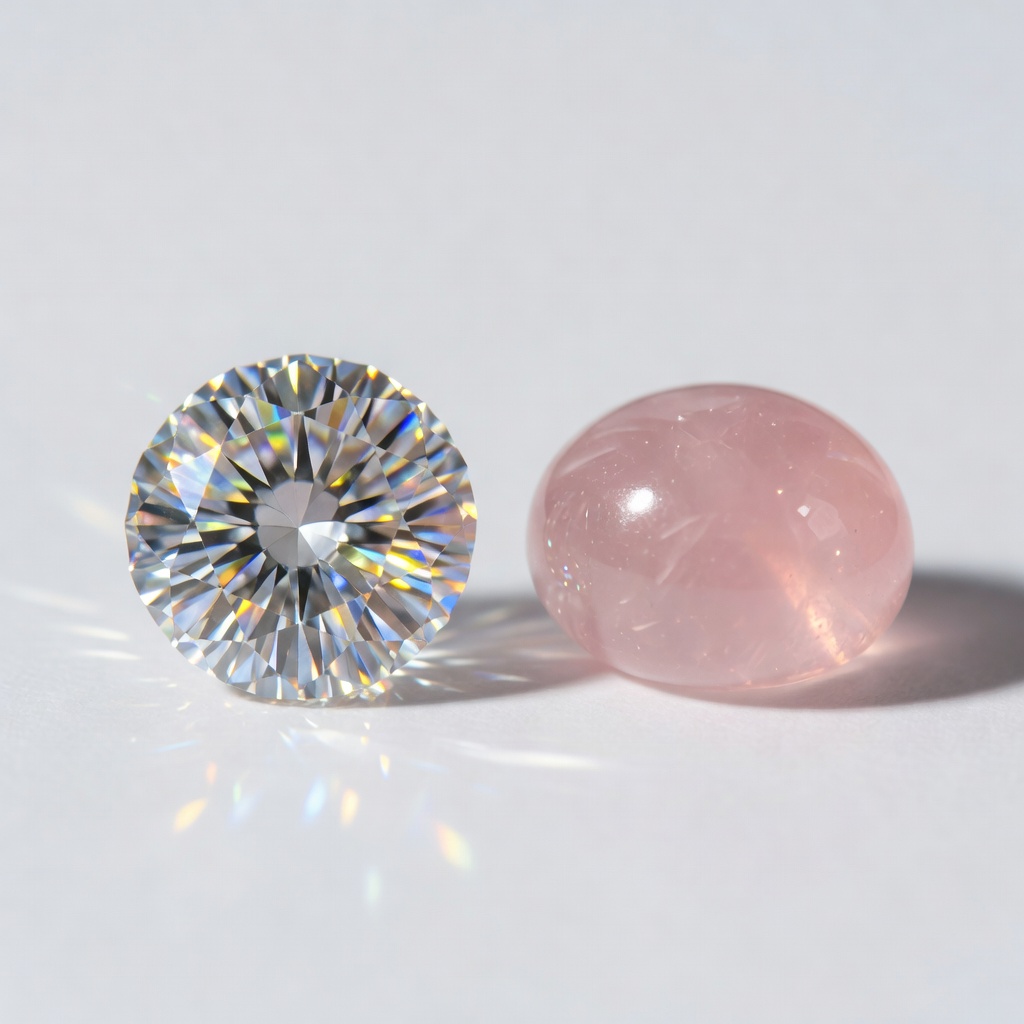
Introduction: Two Distinct Gemstones
When selecting the perfect gemstone for jewelry or collection, the comparison between diamond vs rose quartz represents one of the most intriguing contrasts in the gemological world. Diamonds have reigned as the premier precious gemstone for centuries, commanding top prices for their unmatched brilliance and durability, while rose quartz has emerged as a beloved semi-precious crystal celebrated for its gentle pink hues and accessible price point. Buyers frequently evaluate these stones side by side when seeking pink-colored jewelry, exploring options for engagement rings, or comparing symbolic meanings related to love and emotional wellness. This comprehensive gemstone comparison examines every critical factor from geological formation to investment potential, providing you with actionable insights to make an informed purchasing decision that aligns with your lifestyle, budget, and personal values.
Chemical Composition and Natural Formation
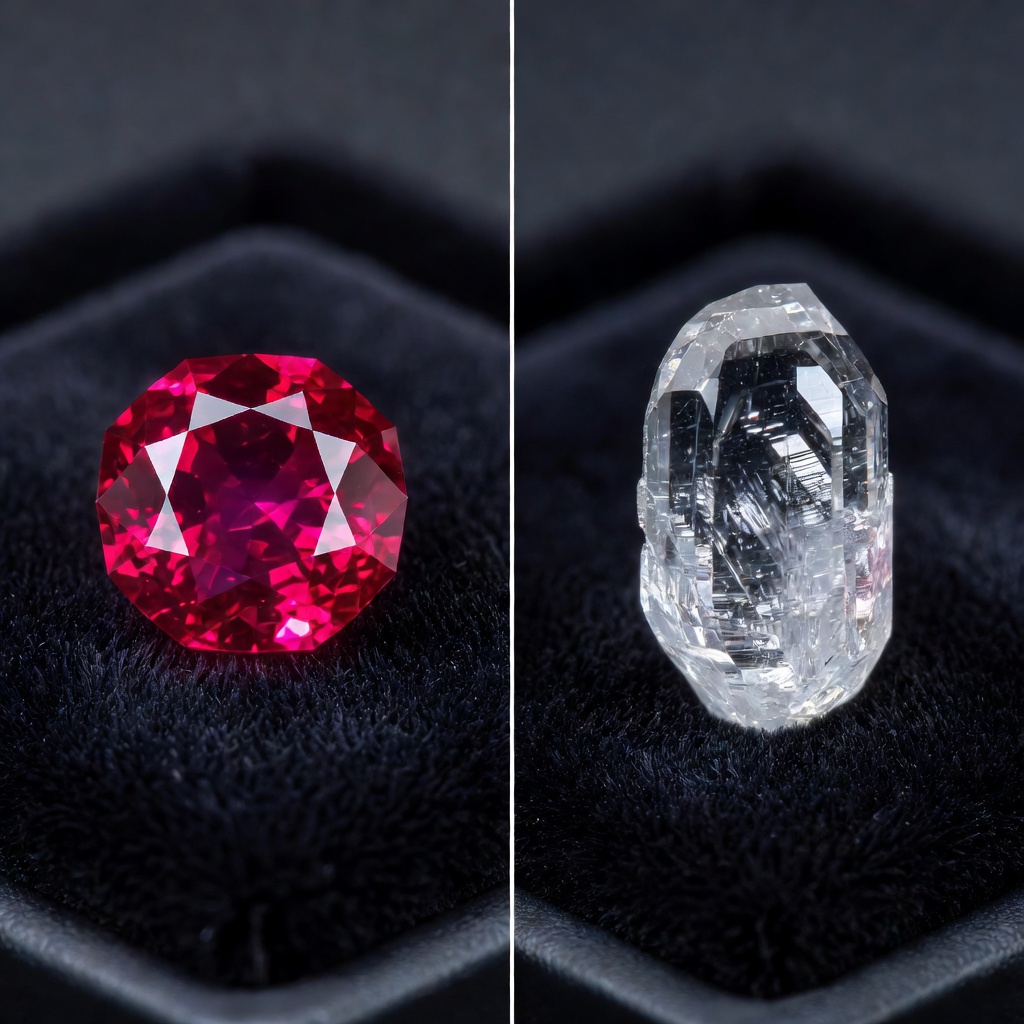
Diamonds represent one of Earth's most remarkable geological achievements, consisting of pure crystallized carbon atoms arranged in an isometric crystal structure under conditions extreme enough to seem otherworldly. These precious gems form approximately 100 to 200 miles beneath Earth's surface in the mantle's kimberlite pipes, where temperatures reach 2,200°F and pressure equals 725,000 pounds per square inch, requiring 1 to 3 billion years of sustained geological activity to create gem-quality crystals. In stark contrast, rose quartz formation occurs much closer to Earth's surface within igneous pegmatites and hydrothermal veins, where silicon dioxide (SiO₂) crystallizes from cooling magma rich in trace elements like titanium, iron, or manganese that create its characteristic pink coloration. These dramatically different formation conditions directly impact each stone's rarity and value, with diamond composition requiring specific ancient geological events that concentrate carbon under unique circumstances, while quartz vs diamond abundance differs by orders of magnitude due to rose quartz's formation in readily accessible surface deposits found abundantly in Brazil, Madagascar, and South Dakota.
Hardness and Durability for Daily Wear
The Mohs scale comparison between these gemstones reveals one of the most significant practical differences for jewelry wearers, with diamond hardness rating a perfect 10—the highest possible score for any natural material—while rose quartz measures 7 on the same scale. This distinction carries profound implications for daily wear; diamonds resist scratches from virtually any substance including household dust, which commonly contains quartz particles that can actually abrade and dull a rose quartz surface over time. Practical testing demonstrates that steel files (hardness 6.5) can scratch rose quartz but leave no mark on diamonds, making the latter ideal for heirloom engagement rings subjected to decades of continuous wear. However, gemstone durability involves more than hardness alone, as diamonds possess perfect cleavage in four directions, meaning a sharp blow can split them along specific planes, whereas rose quartz, while more brittle overall, distributes impact force differently and is less prone to the dramatic chipping that can affect poorly set diamonds.
Optical Properties and Visual Characteristics
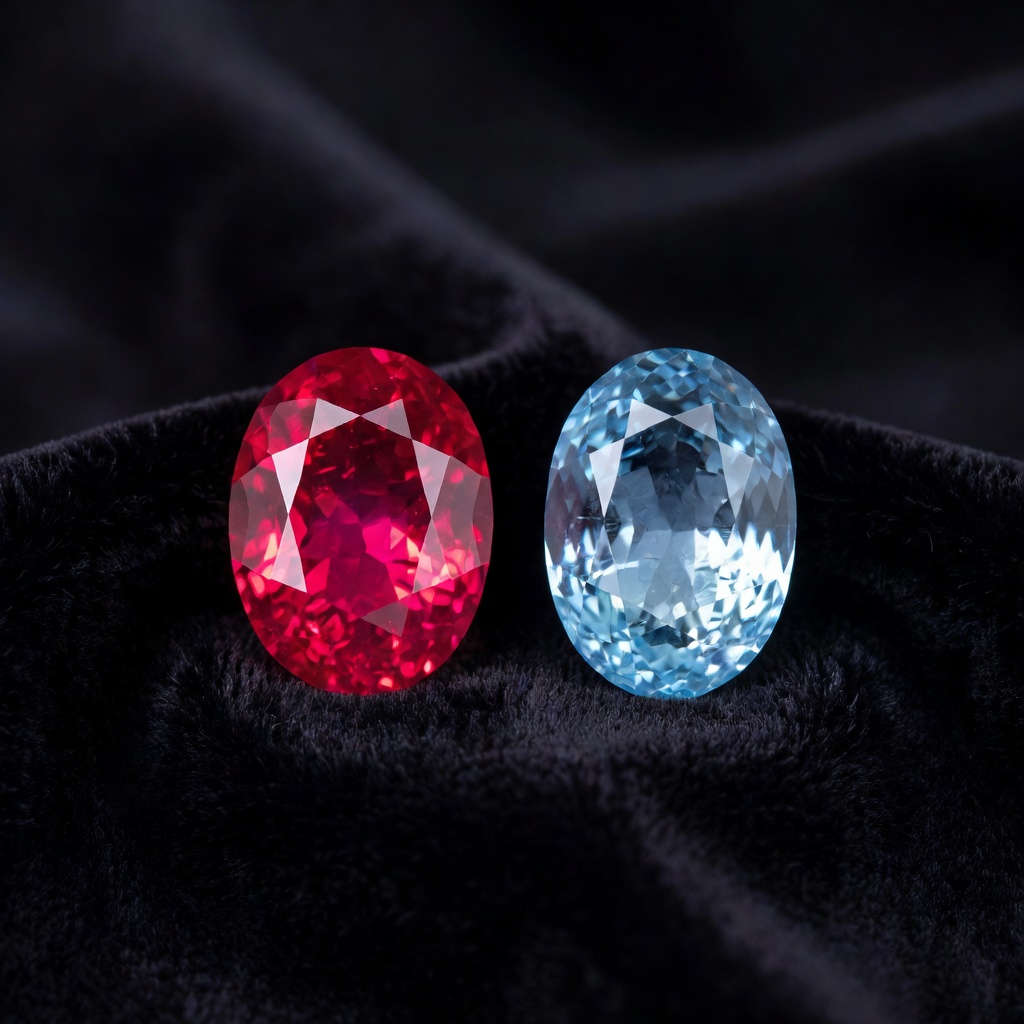
When examining gemstone optical properties, the refractive index serves as the primary determinant of brilliance, with diamonds boasting an exceptional 2.42 RI that creates the intense fire and scintillation prized in fine jewelry, compared to rose quartz's modest 1.54-1.55 RI that produces a soft, waxy luster rather than brilliant sparkle. The pink diamond vs rose quartz color comparison further distinguishes these stones, as natural pink diamonds represent some of the rarest colored diamonds on Earth, with the famous Argyle mines producing fewer than 50 carats of pink stones annually, commanding prices exceeding $100,000 per carat for vivid specimens. Rose quartz offers a consistent, milky soft pink hue ranging from pale blush to medium rose, typically displaying translucent to opaque clarity with distinctive microscopic rutile needles that occasionally align to create asterism—a six-rayed star visible in cabochon-cut stones. While diamonds undergo rigorous cutting calculations to maximize light return through precise facet angles, rose quartz is often fashioned into smooth cabochons or simple faceted shapes that prioritize color display over optical performance, resulting in distinctly different visual presentations despite their shared color family.
Price and Value Analysis
The financial contrast between these pink gemstones reflects their disparate rarity levels and market positioning, with natural diamonds commanding $2,000 to $20,000 or more per carat depending on the four Cs (cut, color, clarity, carat), while affordable pink gemstones like rose quartz typically range from $2 to $30 per carat for high-quality material. This thousand-fold price difference stems from diamond rarity combined with the extraordinary costs of mining deep-earth deposits, compared to rose quartz abundance in pegmatite deposits across Brazil, Madagascar, and South Dakota that allow for consistent commercial supply. Investment-minded collectors should note that certified natural diamonds generally retain 50-70% of their retail value in secondary markets, with rare pink diamonds appreciating 13-20% annually, whereas rose quartz possesses minimal resale value as a commodity stone despite its aesthetic appeal.
| Characteristic | Diamond | Rose Quartz |
|---|---|---|
| Mohs Hardness | 10 (Highest) | 7 |
| Refractive Index | 2.42 (High brilliance) | 1.54-1.55 (Waxy luster) |
| Price per Carat | $2,000 - $100,000+ | $2 - $30 |
| Durability | Excellent for daily wear | Suitable for occasional wear |
| Best Jewelry Use | Engagement rings, heirloom pieces | Pendants, earrings, cocktail rings |
| Rarity | Geologically rare | Abundantly available |
| Investment Value | High (50-70% resale retention) | Minimal (consumable gemstone) |
For budget-conscious buyers seeking the pink aesthetic without the premium price, rose quartz provides an accessible entry point into colored gemstone jewelry, allowing for larger statement pieces that would cost hundreds of thousands in pink diamond equivalents. However, those considering gemstone investment should prioritize certified natural diamonds, particularly fancy pinks from reputable sources like Argyle, which have demonstrated consistent appreciation independent of currency fluctuations, while rose quartz remains a decorative rather than appreciating asset.
Symbolic Meaning and Cultural Significance
Diamonds have served as symbols of eternal love and invincible strength since 1477 when Archduke Maximilian of Austria commissioned the first documented diamond engagement ring for Mary of Burgundy, establishing a tradition that continues to define Western marriage customs. The stone's name derives from the Greek "adamas" meaning unconquerable, reflecting beliefs in its ability to preserve love and ward off evil while representing clarity, abundance, and perfection in various cultural traditions. Rose quartz meaning centers on unconditional love, emotional healing, and compassion, earning it the title "Heart Stone" in crystal therapy practices dating back to 600 B.C. when Assyrians crafted it into jewelry. Modern wellness practitioners utilize rose quartz for meditation, placing stones over the heart chakra to promote self-love and forgiveness, while alternative healing communities believe the crystal emits vibrations that reduce stress and encourage harmony in relationships, positioning it as a meaningful birthstone alternative for those born in January or October who seek emotional balance rather than traditional status symbols.
Jewelry Applications and Design Versatility
Practical gemstone jewelry settings must accommodate each stone's physical properties, with diamonds excelling in prong settings that maximize light exposure through minimal metal contact, allowing their superior brilliance to dominate the design. Rose quartz demands more protective mounting strategies, with bezel settings or halo designs that shield the stone's vulnerable edges from impact while complementing its soft color with warm metal surrounds. When designing engagement rings, diamonds support intricate solitaire settings, three-stone arrangements, and pavé bands that withstand daily wear, whereas rose quartz works best in low-impact applications such as cocktail rings for special occasions, pendants that rest against clothing, or statement earrings that avoid hard surfaces. Style flexibility differs significantly between the materials; diamonds pair elegantly with any metal from platinum to yellow gold, though white metals enhance their colorless sparkle, while rose quartz achieves its most flattering aesthetic when set in rose gold that amplifies its pink tones or vintage-inspired designs that reference its Victorian-era popularity.
Care, Cleaning, and Maintenance Requirements
Maintaining optimal gemstone appearance requires species-specific protocols, with diamond care benefiting from ultrasonic cleaners and steam treatments that safely remove accumulated oils and lotions without damaging the crystal structure, supplemented by professional inspections twice yearly to check for loose prongs or structural stress. Rose quartz maintenance demands gentler approaches using only lukewarm water with mild soap and soft brushes, as harsh chemicals can erode the stone's surface while prolonged sun exposure may fade its delicate pink coloration over time. Storage practices reveal another practical distinction; diamonds must be stored separately from other jewelry to prevent them from scratching softer gemstones including gold settings, whereas rose quartz requires padded compartments to prevent chipping and scratching from harder materials. For collectors displaying specimens, rose quartz benefits from occasional cleansing under running water with intention-setting practices popular in crystal communities, while investment-grade diamonds require secure vault storage with detailed certification documentation to maintain provenance and resale value.
Investment Potential and Collectibility
Serious collectors approach these stones with vastly different strategies, as gemstone investment in natural diamonds has historically appreciated 3-5% annually for commercial qualities, while rare pink diamonds have demonstrated exceptional growth rates of 13-20% per year, particularly since the closure of Australia's Argyle mine in 2020 eliminated the primary source of these fancy colored stones. Rose quartz collecting focuses on aesthetic rather than financial value, with connoisseurs seeking large, translucent specimens exceeding 100 carats or rare star rose quartz displaying prominent asterism caused by dense rutile inclusions aligned perpendicular to the crystal axis. Market considerations emphasize the critical importance of GIA certification for diamonds, which verifies natural origin, color grade, and clarity characteristics essential for liquidity, while rose quartz lacks standardized grading systems, requiring buyers to evaluate color saturation, transparency, and absence of cracks through reputable dealers specializing in fine mineral specimens. For those building tangible asset portfolios, blue-chip diamonds offer recession-resistant value storage, whereas rose quartz serves as an accessible entry point for mineral enthusiasts focused on geological beauty rather than monetary return.
Making Your Final Decision: Which Gemstone Is Right for You?
Selecting between these stones requires honest assessment of your daily activities and wearing habits, as active lifestyles involving manual labor, sports, or frequent hand-washing demand the resilience of diamonds, while occasional wearers who appreciate switching jewelry to match outfits may find rose quartz perfectly adequate for their needs. Budget reality plays a crucial role in choosing gemstones, with diamonds requiring significant financial investment that may necessitate saving or financing, whereas rose quartz offers immediate gratification and the ability to purchase multiple pieces or larger statement items without financial strain. Personal meaning ultimately guides the most satisfying purchases; those valuing traditional permanence, family legacy, and social recognition will gravitate toward diamonds, while individuals prioritizing emotional connection, unique expression, and alternative spiritual practices often discover that rose quartz resonates more deeply with their personal philosophy. Whether you select the timeless endurance of diamond or the gentle, nurturing energy of rose quartz, understanding these fundamental differences ensures your jewelry will serve as a cherished companion aligned with both your practical needs and heartfelt intentions.
Frequently Asked Questions
Which Is Harder, Diamond or Rose Quartz?
Diamond is significantly harder, ranking 10 on the Mohs scale (the highest rating), while rose quartz scores 7. This means diamonds can scratch rose quartz, but rose quartz cannot scratch diamonds. In practical terms, diamonds resist damage from everyday wear, while rose quartz can be scratched by common materials like steel or even household dust containing quartz particles.
Is Rose Quartz a Good Alternative to Pink Diamond?
Rose quartz serves as an excellent budget-friendly alternative for pink color, costing $2-$30 per carat versus $10,000-$100,000+ per carat for pink diamonds. However, they differ dramatically in durability, brilliance, and investment value. Rose quartz is ideal for pendants, earrings, or occasional-wear rings, while pink diamonds are best for engagement rings and heirloom jewelry meant for daily wear.
Why Is Diamond So Much More Expensive Than Rose Quartz?
Diamonds form 100+ miles deep under extreme conditions over billions of years, making them geologically rare. Their exceptional hardness, brilliance, and cultural status as symbols of eternal love drive demand. Rose quartz forms abundantly in surface-level pegmatites worldwide, making it readily available. The combination of rarity, durability, optical properties, and market demand creates a 1,000x+ price difference.
Can You Wear Rose Quartz Everyday Like a Diamond?
Rose quartz is not recommended for everyday wear in rings or bracelets due to its Mohs 7 hardness. It can accumulate scratches over time from normal activities and may chip if struck. Diamonds are specifically suited for daily wear, maintaining their polish indefinitely. For everyday wear, reserve rose quartz for protected jewelry like pendants and earrings, or choose diamond for rings.
How Can I Tell if My Rose Quartz Is Real?
Authentic rose quartz feels cool to the touch, has a waxy to vitreous luster, and typically shows some translucency with natural internal inclusions. It will scratch glass (hardness 7 vs glass 5.5) but cannot scratch steel. Fake rose quartz is often dyed glass that feels warmer, shows bubbles, and has perfect clarity. Professional gemologists can confirm using refractive index testing.
Do Diamonds and Rose Quartz Have the Same Meaning?
No, their symbolism differs significantly. Diamonds represent unbreakable love, strength, commitment, and status—making them traditional for engagement rings. Rose quartz is the 'stone of universal love,' associated with self-care, emotional healing, compassion, and attracting love. While both connect to love themes, diamonds symbolize eternal romantic commitment, while rose quartz emphasizes emotional wellness and self-love.
Which Gemstone Is Better for Engagement Rings?
Diamonds are superior for engagement rings due to their unmatched hardness (10 Mohs), ensuring the stone withstands daily wear for decades without scratching. Their exceptional brilliance and fire create the traditional sparkle associated with engagement rings. While rose quartz offers romantic pink color at a fraction of the cost, its 7 Mohs hardness makes it vulnerable to damage in a ring worn daily.
Can Rose Quartz Be Faceted Like a Diamond?
Yes, rose quartz can be faceted, but it lacks diamond's brilliance due to its lower refractive index (1.54 vs 2.42). Faceted rose quartz appears soft and subtle rather than fiery. Most rose quartz is cut en cabochon (domed shape) to showcase its color and asterism (star effect). Diamond cutting requires specialized techniques to maximize light performance, while rose quartz is easier to cut but shows less optical return.