Understanding Diamond vs Red Beryl: A Comprehensive Precious Gemstone Comparison
When considering the pinnacle of precious gemstones, diamonds have long served as the traditional standard for jewelry and investment purposes worldwide. However, emerging from the remote Wah Wah Mountains of Utah comes red beryl, scientifically known as bixbite, representing one of the rarest gemstones ever discovered on Earth. These two extraordinary stones occupy opposite ends of the availability spectrum, with diamonds being globally distributed and commercially abundant while red beryl remains thousands of times scarcer than even the finest diamonds. Understanding the nuanced differences between Diamond vs Red Beryl requires examining multiple criteria including geological formation, physical durability, visual aesthetics, rarity statistics, and long-term investment potential to make an informed decision for jewelry acquisition or collection purposes.
Chemical Composition and Geological Formation
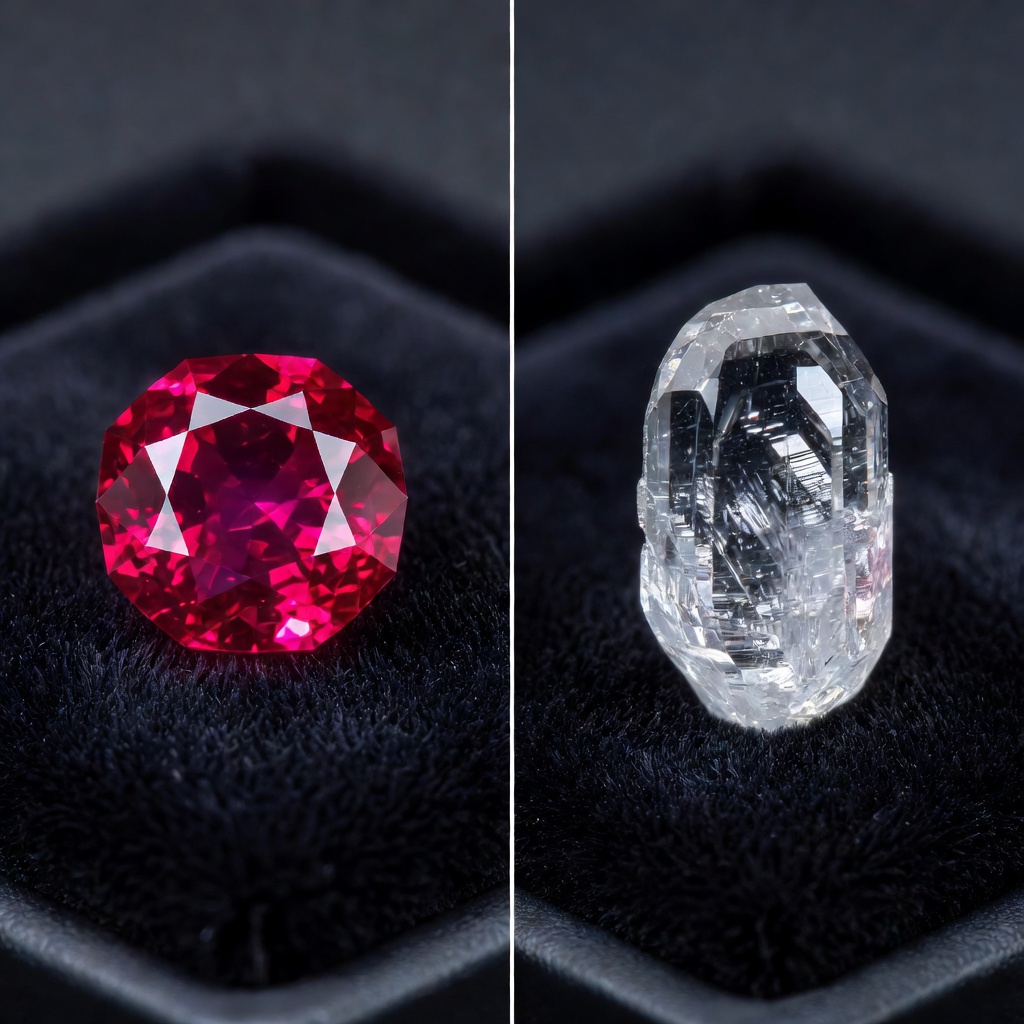
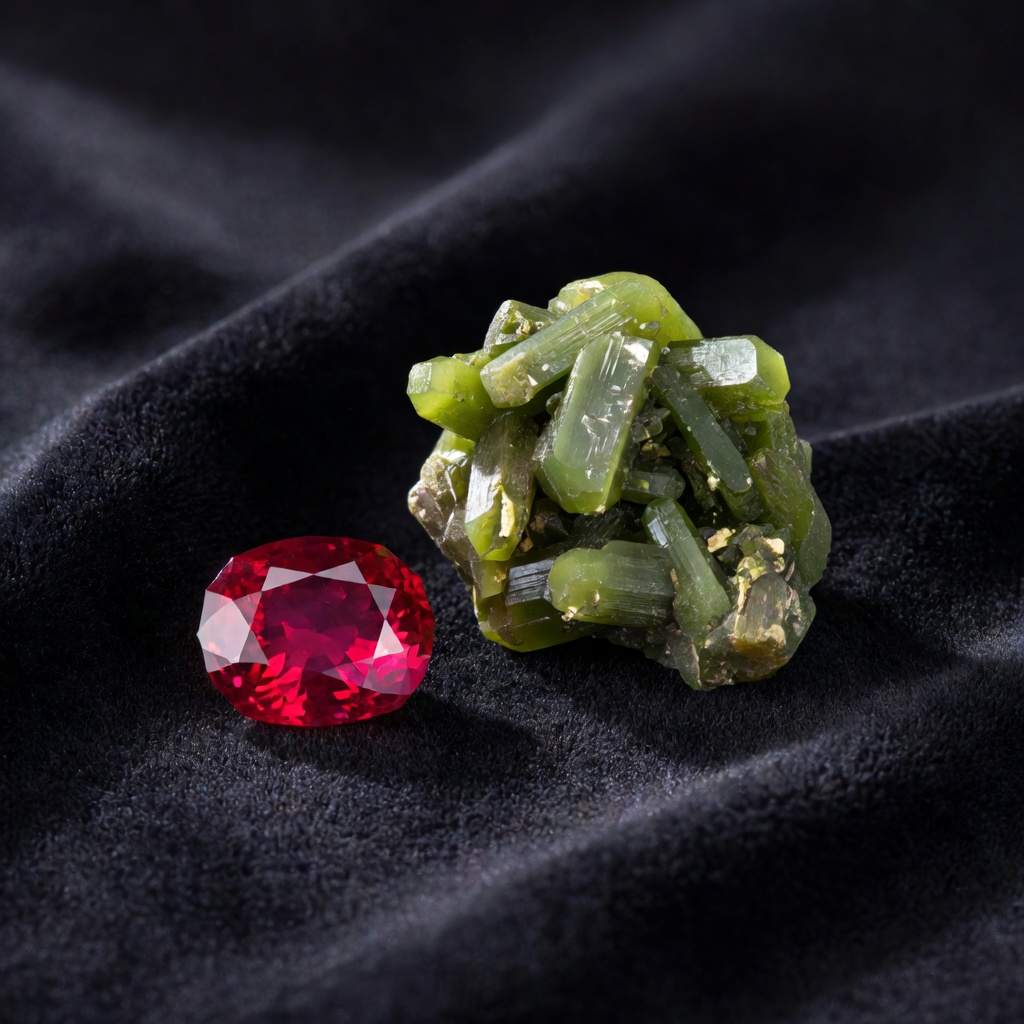
Diamonds form as pure carbon arranged in an isometric cubic crystal structure under extreme pressure conditions located 140 to 190 kilometers deep within the Earth's mantle, where temperatures exceed 1,000 degrees Celsius. These precious stones reach the surface through ancient volcanic eruptions that create kimberlite pipes, explosive diatremes that act as elevators bringing diamonds from the depths to mining accessibility. In stark contrast, red beryl formation occurs through hydrothermal processes in topaz-bearing rhyolites, where beryllium-rich gases and fluids crystallize into beryllium aluminum silicate structures colored by trace manganese ions. The specific geological conditions required for red beryl creation occur so infrequently that viable deposits have only been found in Utah's Wah Wah Mountains, making this bixbite gemstone exponentially more geographically restricted than diamonds, which are mined across Africa, Russia, Australia, and Canada.
The crystallization environments differ dramatically between these two precious materials, with diamonds requiring billions of years of mantle incubation compared to red beryl's formation in volcanic cavities and fractures. While diamond deposits span multiple continents and geological eras, red beryl's exclusive association with particular Tertiary-age rhyolites in southwestern Utah creates an artificial scarcity that no amount of exploration spending has successfully replicated elsewhere. Gemologists studying red beryl formation note that the specific combination of beryllium availability, manganese substitution for aluminum, and the low-pressure, high-temperature hydrothermal conditions make this gemstone's creation a geological anomaly rather than a repeatable occurrence.
Physical Properties: Hardness, Durability, and Wearability
The Diamond hardness Mohs scale rating of 10 represents the pinnacle of mineral hardness, making diamonds the hardest known natural material and exceptionally resistant to scratching from daily wear or environmental exposure. Red beryl registers 7.5 to 8 on the Mohs scale, providing reasonable hardness for jewelry use but requiring significantly more protective consideration than diamonds due to inherent brittleness and distinct cleavage planes that can fracture under impact. When conducting a gemstone durability comparison, diamonds exhibit perfect cleavage in four directions, making them vulnerable to chipping if struck at specific angles, while red beryl displays imperfect cleavage that contributes to its reputation as a "collector's stone" rather than an everyday wear gem.
Practical wearability considerations favor diamonds for engagement rings and daily-worn jewelry pieces that endure constant impact, friction, and exposure to household chemicals without degradation. Red beryl demands protective settings and occasional wear schedules, as its lower toughness rating and brittleness make it susceptible to damage during activities that diamonds would survive unscathed. Environmental factors including heat exposure and chemical cleaning agents affect these stones differently, with diamonds tolerating ultrasonic cleaning and steam exposure while red beryl requires gentle cleaning methods to prevent thermal shock or vibration damage to included crystals.
Visual Characteristics: Brilliance, Fire, and Color Saturation
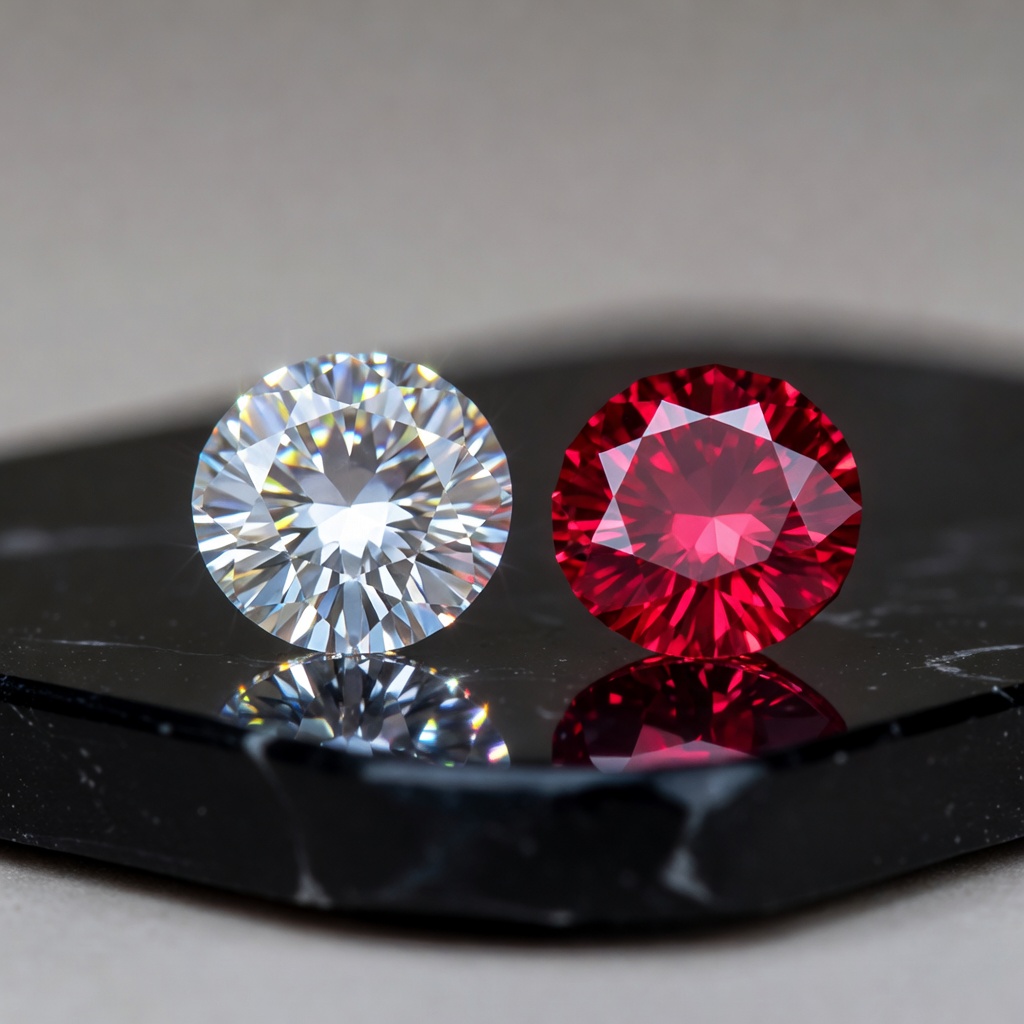
Diamonds achieve their legendary status through exceptional optical performance, boasting a refractive index of 2.42 that creates intense brilliance and fire dispersion, splitting white light into spectral colors with unmatched efficiency. The diamond brilliance results from precise cutting angles that maximize total internal reflection, creating the sparkle and scintillation that have defined luxury jewelry for centuries across various lighting conditions. In contrast, rare red gemstones like red beryl captivate collectors through saturated body color rather than optical fireworks, displaying raspberry to deep red hues caused by Mn³⁺ ions substituting for aluminum in the hexagonal crystal system.
Clarity considerations reveal that most diamonds belong to Type I classification containing nitrogen inclusions, while red beryl almost always contains characteristic inclusions including healed fractures, two-phase inclusions, and color zoning that testify to its natural formation. Cut optimization strategies differ significantly between these stones, with diamonds benefiting from brilliant cuts with numerous facets to maximize light return, while red beryl requires step cuts or mixed cuts that emphasize color retention over brilliance due to its lower refractive index of approximately 1.59. Jewelry designers working with red beryl often prioritize deep pavilions and smaller tables to concentrate the red color, whereas diamond cutters focus on symmetry and proportion to achieve maximum light performance.
The Rarity Factor: Statistical Comparison of Scarcity
Red beryl rarity reaches levels that redefine scarcity in the gemological world, with production statistics indicating that approximately one red beryl crystal is discovered for every 150 diamonds mined in comparable regions, creating a supply disparity that affects market dynamics entirely. Gem-quality yields present an even starker contrast, as less than 5% of red beryl crystals recovered possess the clarity and size necessary for faceting, while diamonds regularly achieve gem-quality ratings in 20-30% of recovered material depending on the mine. Annual global production of facetable red beryl measures in mere kilograms rather than tons, with the sole producing mine outputting crystals rarely exceeding one carat in finished size and only occasionally producing specimens between two to five carats.
The mathematical reality of red beryl vs diamond availability positions red beryl as approximately 1,000 times rarer than gold and significantly scarcer than even the most elusive diamond varieties, including fancy colored pinks and blues. While diamond mines operate across multiple continents with industrial-scale production capabilities, red beryl's single-source dependency in Utah's Wah Wah Mountains means that total global supply depends entirely on one small mining operation's seasonal accessibility and yield. This extreme scarcity creates a collector's market where red beryl specimens command immediate attention and premium pricing regardless of minor clarity imperfections that would disqualify diamonds from high-end jewelry.
| Characteristic | Diamond | Red Beryl (Bixbite) |
|---|---|---|
| Chemical Composition | Pure Carbon (C) | Beryllium Aluminum Silicate (Be₃Al₂Si₆O₁₈) |
| Mohs Hardness | 10 (Highest) | 7.5-8 |
| Refractive Index | 2.42 | 1.57-1.60 |
| Primary Sources | Global (Botswana, Russia, Canada, Australia) | Utah, USA Only (Wah Wah Mountains) |
| Rarity Level | Commercially Available | 1 per 150 diamonds mined; <5% gem quality |
| Price Range (High Quality) | $5,000-$50,000+ per carat | $10,000-$20,000 per carat |
| Best Jewelry Applications | Engagement rings, daily wear, all jewelry types | Pendants, earrings, occasional wear rings |
| Daily Wear Durability | Excellent | Moderate (requires protective settings) |
Market Value and Investment Considerations
Current market analysis reveals that red beryl price per carat for high-quality specimens ranges from $10,000 to $20,000, positioning this ultra-rare gemstone as a direct competitor to premium diamonds on a per-carat basis despite significantly lower name recognition among general consumers. However, precious gemstone investment strategies must account for liquidity differences, as diamonds benefit from established resale markets, certification standards, and consumer demand that facilitate relatively quick conversion to cash compared to red beryl's niche collector-driven marketplace. Serious investors note that while diamonds provide portfolio stability and recognizable value retention, red beryl offers scarcity premiums that appreciate independently of diamond market fluctuations, particularly as the Utah mine approaches depletion and production declines.
Appreciation trends favor red beryl for long-term holding periods, with values increasing steadily as geological surveys confirm limited remaining reserves and mining operations face increasing difficulty extracting commercial quantities from the challenging rhyolite host rock. Authentication requirements remain paramount for both stones, with diamonds requiring GIA or equivalent certification for investment-grade purchases and red beryl demanding documentation from recognized laboratories like the American Gemological Laboratories (AGL) to verify natural origin and geographic source. Investors seeking to diversify precious gemstone holdings often allocate 80-90% to diamonds for liquidity and stability while reserving 10-20% for ultra-rare specimens like red beryl to capture scarcity premiums and geological uniqueness.
Jewelry Design Applications and Setting Requirements
When evaluating red beryl jewelry versus traditional diamond engagement rings, practical wearability concerns strongly favor diamonds for daily-worn pieces that endure constant mechanical stress, chemical exposure, and impact potential. Red beryl requires protective mounting strategies including bezel settings, halo surrounds, or substantial prong protection that shields the stone's vulnerable girdle and pavilion from direct blows that could cause cleavage fractures. Jewelry designers recommend reserving red beryl for pendants, earrings, and brooches that experience less mechanical trauma than rings, or creating special-occasion rings with raised protective galleries and metal reinforcement at stress points.
Metal pairing considerations enhance each stone's unique visual properties, with diamonds traditionally set in white metals to maximize brilliance perception, though yellow and rose gold settings create vintage aesthetics that remain popular in contemporary markets. Red beryl achieves maximum visual impact when paired with yellow gold or rose gold settings that complement its warm red tones, though platinum and white gold provide modern contrast that emphasizes the stone's rarity and precious nature. Setting craftsmanship for red beryl demands experienced jewelers familiar with the stone's brittle nature, requiring gentle pressure during mounting and avoidance of ultrasonic cleaning equipment that could damage internal features.
Care, Maintenance, and Long-Term Preservation
Proper gemstone care protocols distinguish significantly between these materials, with diamonds tolerating ultrasonic cleaning, steam cleaning, and exposure to most household chemicals without degradation due to their chemical inertness and exceptional hardness. Red beryl maintenance requires gentle cleaning using warm soapy water and soft brushes only, as ultrasonic vibrations can expand existing fractures or loosen stones from settings, while steam cleaning risks thermal shock to included crystals. Storage recommendations emphasize separating these different hardness materials, as diamonds will readily scratch red beryl if stored in contact, necessitating individual soft pouches or compartmentalized jewelry boxes for mixed collections.
Professional maintenance schedules should include annual inspections for diamond jewelry to check for loose prongs and wear patterns, while red beryl pieces benefit from bi-annual inspections given their vulnerability to setting damage and the high replacement costs associated with these rare stones. Insurance considerations require updated appraisals every two to three years for diamonds to track market value changes, whereas red beryl may require more frequent appraisal updates due to rapid appreciation trends and the difficulty of replacement sourcing. Collectors maintaining both stone types should establish relationships with jewelers experienced in high-end colored gemstones to ensure appropriate handling techniques and repair protocols that preserve long-term value.
Final Verdict: Choosing Between Diamond and Red Beryl
When making the final Diamond vs Red Beryl decision, lifestyle assessment serves as the primary determining factor, with active individuals or those seeking daily-worn engagement jewelry finding diamonds the pragmatic choice for enduring beauty without constant vigilance. Conversely, collectors prioritizing exclusivity and geological rarity over traditional recognition will find red beryl offers unparalleled uniqueness, as owning even a small red beryl specimen places one among an elite group of connoisseurs worldwide. Symbolic meaning differences also influence selection, with diamonds carrying millennia of associations with eternal love, strength, and clarity, while red beryl represents passion, extreme rarity, and the celebration of unique relationships that defy conventional expectations.
For those pursuing precious gemstone investment strategies, portfolio diversification suggests maintaining core holdings in diamonds for liquidity and market stability while acquiring select red beryl specimens as alternative assets with low correlation to traditional financial markets. Serious collectors often pursue both stones simultaneously, selecting diamonds for wearable jewelry that sees regular use while reserving red beryl for investment-grade specimens stored in vaults or displayed in protective settings as geological art. Ultimately, choosing gemstones requires balancing practical wearability against the intangible value of owning something truly irreplaceable, with diamonds offering the security of tradition and red beryl providing the thrill of extreme scarcity.
Frequently Asked Questions
Is red beryl actually rarer than diamond?
Yes, red beryl (bixbite) is significantly rarer than diamond. For every single red beryl crystal discovered in Utah's Wah Wah Mountains, approximately 150 diamonds are found. Additionally, less than 5% of red beryl crystals are gem-quality and large enough to facet, making facetable red beryl one of the rarest gemstones on earth.
Can red beryl be used in an engagement ring like a diamond?
While red beryl can be used in engagement rings, it requires protective settings due to its 7.5-8 Mohs hardness and brittle nature. Unlike diamonds (10 Mohs), red beryl is susceptible to chipping and scratching with daily wear. Experts recommend bezel settings or using red beryl in pendants or earrings rather than rings for longevity.
Why is red beryl sometimes more expensive than diamond per carat?
High-quality red beryl commands $10,000-$20,000 per carat because of extreme scarcity. The single viable mine produces limited material, and most crystals are under 1 carat. While diamonds have higher total value due to market size, top-grade red beryl's rarity premium often exceeds equivalent quality diamonds on a per-carat basis.
What is the difference between red beryl and red diamonds?
Red beryl is a beryllium aluminum silicate mineral colored by manganese, while red diamonds are pure carbon with plastic deformation causing the red color. Red diamonds are the rarest diamond color but still more abundant than red beryl. Red beryl shows different optical properties with less brilliance but more saturated body color than red diamonds.
How can I verify if a red beryl is genuine and not synthetic?
Authentic red beryl typically contains characteristic inclusions like healed fractures and two-phase inclusions visible under magnification. It often shows color zoning and pleochroism (color change when viewed from different angles). Always request certification from reputable labs like GIA or AGL, as synthetic red beryl exists but lacks natural inclusion patterns.
Which gemstone has better investment potential: diamond or red beryl?
Diamonds offer better liquidity and established resale markets, making them safer conservative investments. Red beryl offers higher scarcity premiums and appreciation potential due to mine depletion, but appeals to niche collectors. For portfolio diversification, red beryl provides rare asset exposure while diamonds provide stability.
What causes the red color in red beryl versus colored diamonds?
Red beryl's color comes from manganese ions (Mn³⁺) replacing aluminum in the crystal structure, creating raspberry to deep red hues. In red diamonds, color results from plastic deformation during formation altering the crystal lattice, causing the diamond to absorb light differently and appear red. These different coloring mechanisms produce distinctly different red appearances.
Is red beryl the same mineral as emerald and aquamarine?
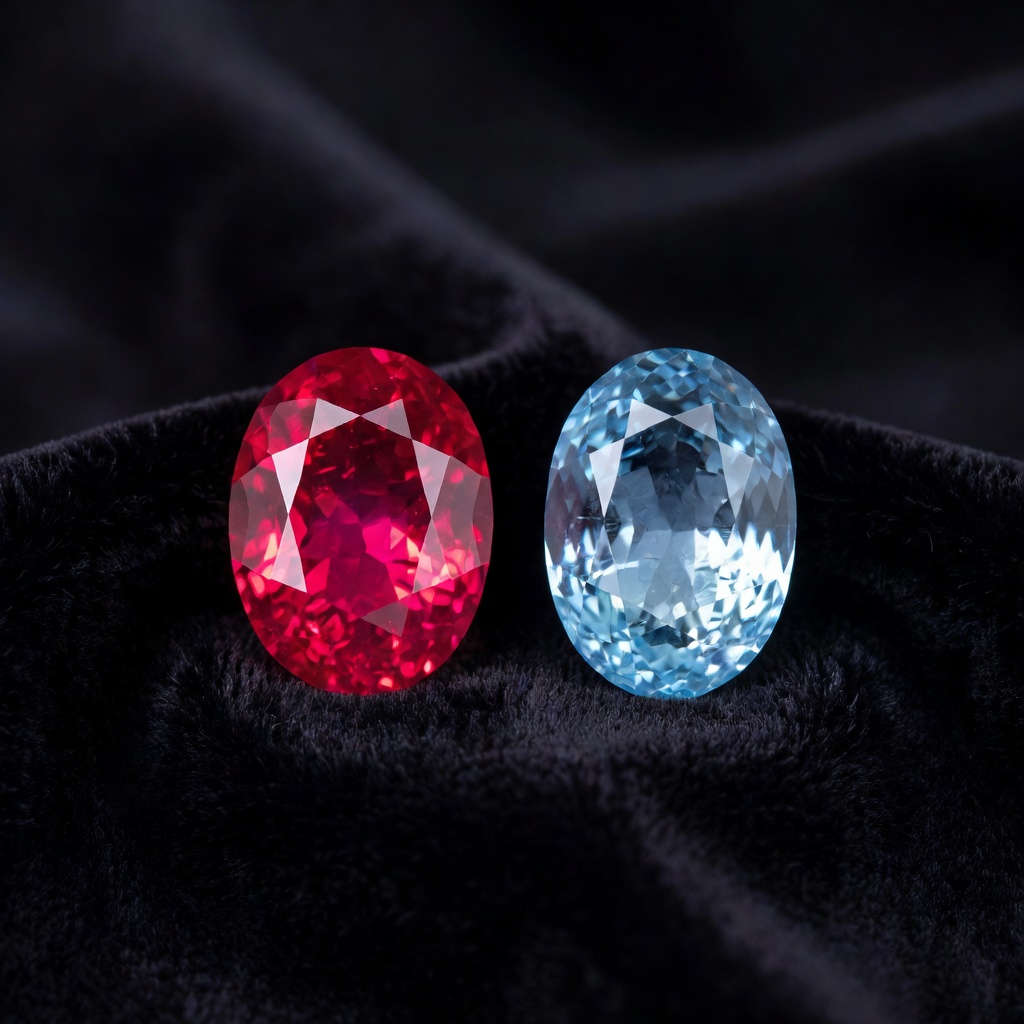
Yes, red beryl (also called bixbite) shares the same beryl mineral family as emerald and aquamarine, with chemical formula Be₃Al₂Si₆O₁₈. The color differences come from trace elements: chromium creates emerald's green, iron creates aquamarine's blue, and manganese creates red beryl's red color. However, red beryl is significantly rarer than both emerald and aquamarine.