Diamond vs Pearl: Two Icons of the Gemstone World
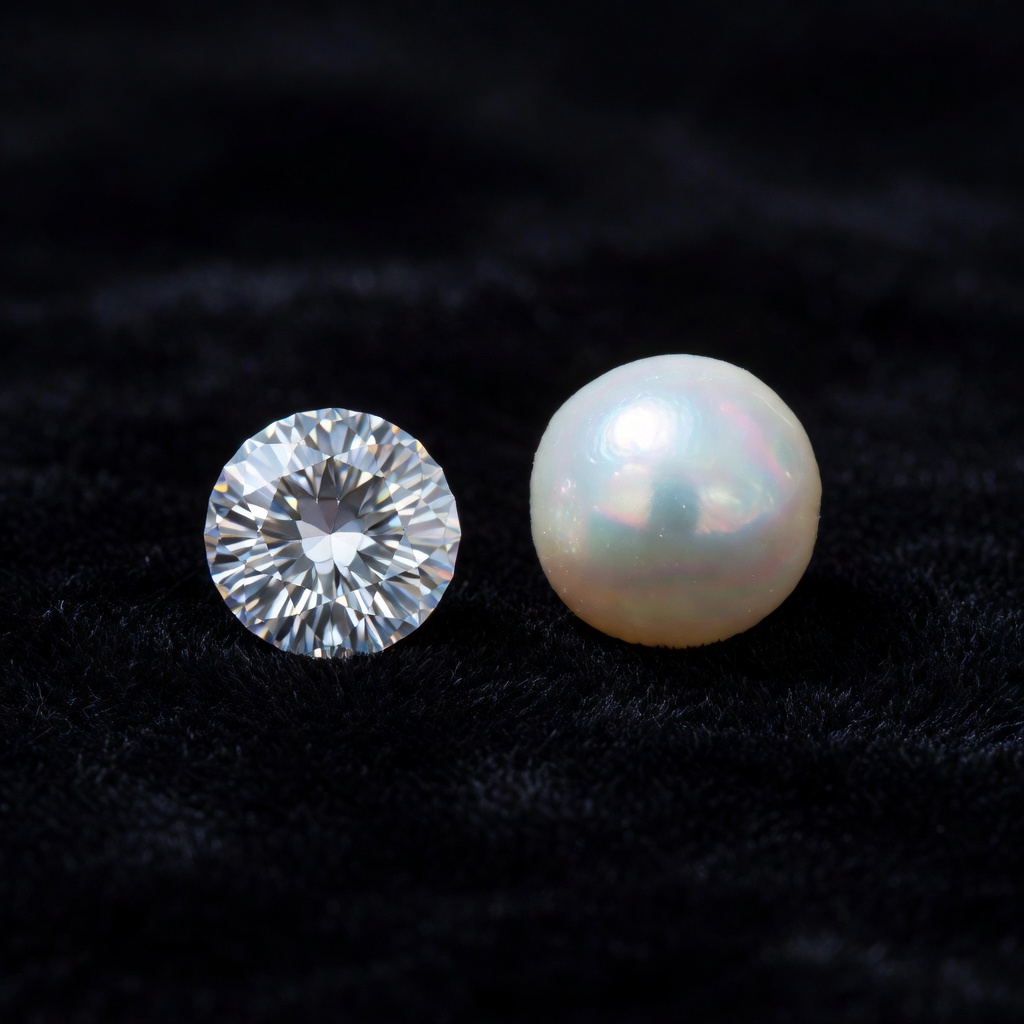
When selecting jewelry that transcends generations, few choices spark as much debate as the comparison between diamonds and pearls. These two legendary gemstones represent opposite ends of the geological spectrum—one forged in the fiery depths of the Earth, the other born from the gentle embrace of oceanic life. Understanding the diamond and pearl differences empowers collectors, engagement ring shoppers, and fashion enthusiasts to make informed decisions that align with their lifestyle, budget, and aesthetic preferences.
This comprehensive exploration delves into every aspect of these precious materials, from their ancient origins and physical properties to modern jewelry applications and investment potential. Whether you are contemplating a diamond vs pearl engagement ring or simply expanding your fine jewelry collection, you will discover actionable insights about durability, care requirements, and value retention that retailers rarely discuss.
Formation & Origins: Earth vs Ocean
The fundamental distinction between these gemstones begins with their remarkable creation stories. Diamonds crystallize approximately 100 miles beneath Earth's surface, where carbon atoms bond under extreme pressure (725,000 pounds per square inch) and temperatures exceeding 2,000 degrees Fahrenheit. This process requires between one billion and three billion years, with violent volcanic eruptions called kimberlite pipes eventually transporting these crystals to mineable depths.
Pearls, conversely, represent nature's response to irritation within living organisms. When a microscopic parasite or grain of sand enters a mollusk's shell, the creature secretes thousands of thin layers of nacre—a crystalline substance called aragonite—to coat the irritant. This biological defense mechanism creates the lustrous orb we treasure, with natural specimens requiring five to twenty years of uninterrupted growth in pristine ocean environments.
The Cultured Revolution
The natural pearl vs cultured pearl distinction revolutionized the jewelry industry in the early 20th century. Kokichi Mikimoto's breakthrough allowed technicians to implant a mother-of-pearl bead nucleus into farmed oysters, stimulating nacre production in controlled environments. While cultured pearls require human intervention to initiate formation, they remain authentic organic gems, differing from natural pearls primarily in the thickness of their nacre layers and their relative abundance.
Modern Laboratory Creation
Similarly, the gemological world now offers lab grown diamond vs natural diamond options that share identical chemical compositions. High Pressure High Temperature (HPHT) and Chemical Vapor Deposition (CVD) methods replicate natural formation conditions within weeks rather than millennia. These laboratory stones possess the same hardness, brilliance, and fire as mined diamonds, though gemologists can identify their origin through specialized spectroscopic analysis that detects growth patterns unique to each creation method.
Physical Properties: Hardness, Structure & Durability
The practical differences between these gems become immediately apparent when examining their physical resilience. Diamond hardness peaks at 10 on the Mohs scale, making it the hardest known natural material—capable of scratching any other substance while remaining impervious to damage from daily wear. This exceptional durability stems from its isometric crystal structure, where each carbon atom bonds covalently with four neighbors in an unbreakable three-dimensional lattice.
Pearls occupy a much softer position at 2.5 to 4.5 on the Mohs scale, comparable to copper or zinc. Their calcium carbonate composition (specifically aragonite microcrystals bound by conchiolin protein) creates a beautiful but delicate structure vulnerable to scratching, crushing, and chemical erosion. This pearl durability limitation significantly impacts how owners can wear and enjoy these organic gems throughout their lifetime.
Wearability Considerations
For active professionals or individuals who rarely remove their jewelry, diamonds offer worry-free endurance against impacts, household chemicals, and temperature fluctuations. Pearls demand vigilant protection from perfume, hairspray, acidic perspiration, and even chlorinated pool water, which can dissolve their surface nacre. A pearl accidentally dropped on tile flooring may chip or crack, while a diamond would remain unscathed, making the choice between these gems heavily dependent on your daily activities and commitment to maintenance protocols.
Types & Classifications: Natural, Cultured & Lab-Created
Navigating the marketplace requires understanding the nuanced categories available for both gemstones. Natural diamonds form without human intervention and command premium prices due to their geological rarity, while lab grown diamond vs natural diamond debates center on origin rather than visual characteristics. Modern laboratory stones offer exceptional clarity and color at 60-80% lower prices, though they currently lack the resale value retention of their mined counterparts.
Pearl Varieties Explained
The pearl family encompasses diverse varieties distinguished by their mollusk hosts and growing environments. Saltwater pearls include Japanese Akoya (known for their mirror-like luster and white body color), Tahitian black pearls (cultured in French Polynesia displaying exotic peacock, aubergine, and silver tones), and South Sea pearls (the largest and most valuable, cultivated in Australia, Indonesia, and the Philippines). Freshwater pearls, primarily from China, include innovative Edison pearls that rival saltwater quality at accessible price points.
Natural pearl vs cultured pearl authentication presents significant challenges, as both possess identical material composition. X-ray examination revealing concentric growth rings versus a solid nucleus bead provides definitive identification, though such testing requires gemological laboratory equipment. Natural pearls discovered in vintage estate jewelry or antique auction houses often originate from the Persian Gulf or Red Sea fisheries that predated widespread cultivation techniques.
Value Factors: 4Cs vs Luster & Surface Quality
Diamond valuation relies on the standardized 4Cs system established by the Gemological Institute of America (GIA). Cut determines light performance and brilliance, with ideal proportions maximizing the stone's fire and scintillation. Color grading ranges from D (colorless) to Z (light yellow or brown), with subtle variations significantly impacting price. Clarity assesses internal inclusions and external blemishes under 10x magnification, while carat weight measures mass, with prices increasing exponentially at whole-number thresholds.
Pearl grading lacks universal standardization, requiring buyers to evaluate several distinct quality indicators. Luster—the reflective quality creating mirror-like depth—remains the primary value determinant, with high-grade pearls displaying sharp, bright reflections. Surface quality examines blemishes, spots, and wrinkles; shape preferences favor perfect spheres though baroque (irregular) shapes command niche appreciation. Size matters significantly, with each millimeter increase exponentially raising value, while overtone colors (the secondary hues floating over the body color) add distinctive character.
| Characteristic | Diamond | Pearl |
|---|---|---|
| Mohs Hardness | 10 (Highest rating) | 2.5 - 4.5 (Soft) |
| Chemical Composition | Pure Carbon (C) | Calcium Carbonate (CaCO₃) + Conchiolin |
| Origin | Earth's Mantle / Laboratory | Saltwater or Freshwater Mollusks |
| Value Determinants | 4Cs: Cut, Color, Clarity, Carat | Luster, Surface, Shape, Size, Nacre |
| Price Range (High Quality) | $6,000 - $25,000 per carat | $300 - $10,000+ per strand |
| Durability | Excellent for daily wear | Requires careful, occasional wear |
| Care Requirements | Ultrasonic and steam safe | Chemical-sensitive; wipe only |
| Investment Liquidity | Moderate (50-70% retail retention) | Low for cultured; High for natural |
Pearl vs diamond value comparisons reveal interesting market dynamics. While a one-carat internally flawless diamond might retail for $15,000, an equally rare natural pearl could command $100,000+ at auction. However, cultured pearls—even high-end South Sea varieties—typically cost significantly less than comparable diamond jewelry, offering accessible entry points for luxury acquisition. Investment-grade specimens in both categories require certification from recognized laboratories like GIA, AGL, or SSEF to ensure authentication and quality disclosure.
Symbolism & Cultural Significance Through History
Diamonds have epitomized eternal love and invincible strength since ancient Sanskrit texts first referenced them as "vajra" (thunderbolt). The modern tradition of diamond vs pearl engagement ring preferences stems largely from Archduke Maximilian of Austria's 1477 proposal to Mary of Burgundy, establishing a royal precedent that De Beers' 20th-century marketing brilliantly democratized with their "A Diamond is Forever" campaign. This cultural positioning associates diamonds with unbreakable commitment and contemporary success.
Pearls carry equally profound but distinctly different symbolism, representing purity, wisdom, and feminine elegance across civilizations. Greek mythology claimed Aphrodite, goddess of love, emerged from sea foam bearing pearls, while Cleopatra famously dissolved a pearl in vinegar to demonstrate Egypt's wealth to Marc Antony. Throughout the Renaissance and Victorian eras, pearls indicated nobility and virtue, appearing in the crown jewels of every European monarchy and adorning style icons from Coco Chanel to Audrey Hepburn.
Contemporary Cultural Associations
Modern celebrities increasingly blend both gems, with Rihanna's pearl-studded Met Gala ensembles and Meghan Markle's preference for pearl earrings revitalizing organic gem appeal among younger demographics. Meanwhile, ethical sourcing concerns have driven interest in Canadian Arctic diamonds and sustainably farmed pearls, reflecting evolving values in luxury consumption. Understanding these symbolic layers helps buyers select stones that resonate personally beyond mere aesthetic considerations.
Jewelry Applications: Rings, Necklaces & Mixed Designs
The divergent physical properties of these gemstones dictate their optimal jewelry applications. When considering a diamond vs pearl engagement ring, durability concerns overwhelmingly favor diamonds for daily wear, as they resist the impacts, abrasions, and chemical exposures inherent in hand-intensive activities. Diamond solitaires, pavé bands, and halo settings maintain their brilliance indefinitely with minimal maintenance, making them pragmatic choices for symbols meant to last a lifetime.
Pearls excel in necklace and earring formats where they encounter less physical trauma than rings or bracelets. Classic Akoya strands measuring 16-18 inches (princess length) offer versatile sophistication suitable for boardrooms and ballrooms alike, while Tahitian pearl stud earrings provide dramatic color statements without the vulnerability of dangle settings. Baroque pearls have surged in popularity for avant-garde cocktail rings and asymmetrical pendant designs that embrace organic irregularity.
Artistic Combinations
Art Deco jewelry (circa 1920-1935) frequently combined diamonds and pearls to striking effect, utilizing the diamond's geometric brilliance to frame pearls' soft luminosity. Contemporary designers continue this tradition, creating halo settings where diamond melee surrounds a central pearl, or mixed-strand necklaces alternating diamond stations between pearl segments. When combining these materials, jewelers must ensure protective settings prevent diamond melee from scratching adjacent pearl surfaces, often utilizing bezel settings or strategic spacing to preserve both gems' integrity.
Care & Maintenance Requirements
Maintaining these gemstones requires fundamentally different approaches reflecting their chemical disparities. Diamond care remains remarkably straightforward due to the stone's inert nature and hardness. Owners can safely clean diamond jewelry using ultrasonic cleaners that vibrate away accumulated lotions and oils, steam cleaners that blast away residues, or simple home solutions of warm water and mild dish soap scrubbed with a soft toothbrush. Annual professional inspections should check prong security, especially for stones over one carat, ensuring the setting maintains its grip through years of wear.
Pearl jewelry care demands meticulous attention to chemical avoidance. The "last on, first off" rule governs proper wear: apply cosmetics, perfume, and hairspray before donning pearls, and remove them immediately upon returning home. Wipe pearls gently with a soft, lint-free cloth dampened with distilled water to remove acidic perspiration and body oils. Never submerge pearl strands in water, as silk threading stretches and deteriorates when wet, potentially causing strand breakage and bead loss.
Storage and Professional Maintenance
Store pearls separately from other jewelry in soft cloth pouches or dedicated compartments to prevent harder gemstones from scratching their surfaces. Diamond jewelry should be stored individually to prevent stones from scratching each other or other jewelry pieces. Pearl necklaces require restringing every two to three years if worn regularly, or every five years for occasional use, ensuring the silk cord's integrity before visible wear appears. Always seek jewelers specifically experienced with organic gems for pearl maintenance, as standard ultrasonic cleaning will permanently damage nacre layers.
Investment & Resale Value Comparison
The gemstone investment comparison between these materials reveals stark liquidity differences. Diamonds purchased at retail typically depreciate 30-50% immediately upon leaving the store, though high-quality natural stones above one carat with GIA certification retain stronger secondary market values. Lab-grown diamonds currently offer minimal resale potential, functioning primarily as consumable luxury goods rather than stores of value. Auction houses like Sotheby's and Christie's regularly feature rare colored diamonds (pinks, blues, and reds) that appreciate significantly, but these represent specialized collector markets inaccessible to average buyers.
Pearl investment potential concentrates almost exclusively in natural specimens, particularly historic Persian Gulf pearls or large, perfectly matched strands from pre-cultivation eras. Cultured pearls, regardless of quality, rarely appreciate and may lose 80-90% of retail value upon resale, functioning similarly to fine automobiles or designer clothing as depreciating luxury assets. However, exceptional South Sea pearls over 15mm with perfect symmetry and orient (iridescent shimmer) occasionally break auction records, suggesting niche investment potential for connoisseur-grade specimens.
Market Liquidity Considerations
Diamonds benefit from established resale infrastructures, including online marketplaces, consignment jewelers, and dealer buyback programs, providing relatively liquid exit options. Pearls lack comparable secondary markets, with sales typically limited to estate jewelers or specialized auction houses. For buyers prioritizing asset retention, high-quality natural diamonds or certified natural pearls offer superior long-term value retention compared to their laboratory-grown or cultured counterparts, though neither matches the liquidity of precious metals or equities.
Making Your Choice: Lifestyle, Budget & Personal Style
Selecting between these iconic gemstones ultimately requires honest assessment of your daily routines, financial parameters, and aesthetic identity. Active individuals in healthcare, construction, or fitness industries should prioritize diamonds for any jewelry worn during working hours, reserving pearls for special occasions where controlled environments minimize damage risks. Conversely, those working in corporate, artistic, or ceremonial settings where pearl necklaces and earrings complement professional attire may find pearls' classic sophistication outweighs their maintenance demands.
Budget considerations reveal pearls as the accessible luxury, with beautiful cultured strands available from $500-$2,000, while comparable diamond jewelry typically starts at $3,000-$5,000 for modest quality. However, choose diamond or pearl decisions should factor total cost of ownership: diamonds require minimal maintenance expense over decades, while pearls need periodic restringing ($50-$200 per service) and potential replacement if damaged. For engagement rings specifically, diamonds provide pragmatic longevity, though vintage-inspired brides seeking unique alternatives might select pearl center stones with protective bezel settings and halo guards, accepting the trade-off between aesthetics and durability.
Building a Versatile Collection
Ideal jewelry wardrobes incorporate both gemstones strategically. Begin with diamond studs and a solitaire pendant for daily wear, adding a graduated pearl strand and matching earrings for formal occasions. Consider mixed-media pieces like diamond-studded pearl clasps or pearl drops suspended from diamond huggies to maximize versatility. When expanding, prioritize quality over quantity—a single strand of high-luster Akoya pearls outperforms multiple strands of mediocre freshwater pearls, just as a well-cut G-color diamond surpasses larger, poorly cut stones in beauty and value retention.
Frequently Asked Questions
Which is more valuable: diamond vs pearl?
High-quality diamonds generally command higher prices per carat than cultured pearls, but natural pearls are exceedingly rare and can surpass diamond values. A top-grade 1-carat diamond may cost $6,000-$15,000, while a cultured pearl strand ranges $300-$10,000. Natural pearls can fetch $100,000+ at auction.
Can you wear pearls daily like diamonds?
Diamonds are ideal for daily wear due to their superior hardness (10 on Mohs scale). Pearls (2.5-4.5 hardness) require more care and aren't recommended for continuous daily use. Pearl rings and bracelets are particularly vulnerable, while pearl earrings and necklaces worn occasionally can last generations with proper care.
Is a diamond or pearl better for an engagement ring?
Diamonds are superior for engagement rings due to their exceptional durability and resistance to scratching, chemicals, and impact. Pearls can be damaged by hand creams, cleaning products, and daily activities. However, pearl engagement rings work for those committed to meticulous care and seeking unique, vintage-inspired aesthetics.
Do pearls appreciate in value like diamonds?
Most cultured pearls do not appreciate significantly and may lose value after purchase. Natural pearls are the exception, often appreciating due to extreme rarity. Diamonds typically retain 50-70% of retail value, with natural diamonds holding better than lab-grown. Investment-grade gems in both categories require GIA or AGL certification.
What's the difference between natural and cultured pearls?
Natural pearls form spontaneously in wild mollusks without human intervention, making them incredibly rare. Cultured pearls are created by inserting a nucleus into a farmed mollusk, which then coats it with nacre. Both are real pearls, but cultured pearls dominate 99% of the market and cost significantly less than natural specimens.
Are lab-grown diamonds worth buying compared to natural?
Lab-grown diamonds are chemically identical to natural diamonds and cost 60-80% less, offering excellent value. However, they have minimal resale value compared to natural diamonds. For those prioritizing size, quality, and ethics over investment potential, lab-grown diamonds are an excellent choice for jewelry.
Can you combine diamond and pearl jewelry?
Absolutely. Diamonds and pearls create stunning contrasts in Art Deco designs, halo settings, and layered necklaces. The key is ensuring diamond settings don't scratch pearl surfaces. Keep them separated in storage and clean each according to their specific care requirements to maintain both gems' beauty.
How can I test if my pearl is real?
Rub the pearl gently against your front teeth—real pearls feel slightly gritty due to nacre layers, while imitations feel smooth. Real pearls also have subtle variations in shape, color, and surface texture. For definitive authentication, have it tested by a gemologist using X-ray or advanced spectroscopy.