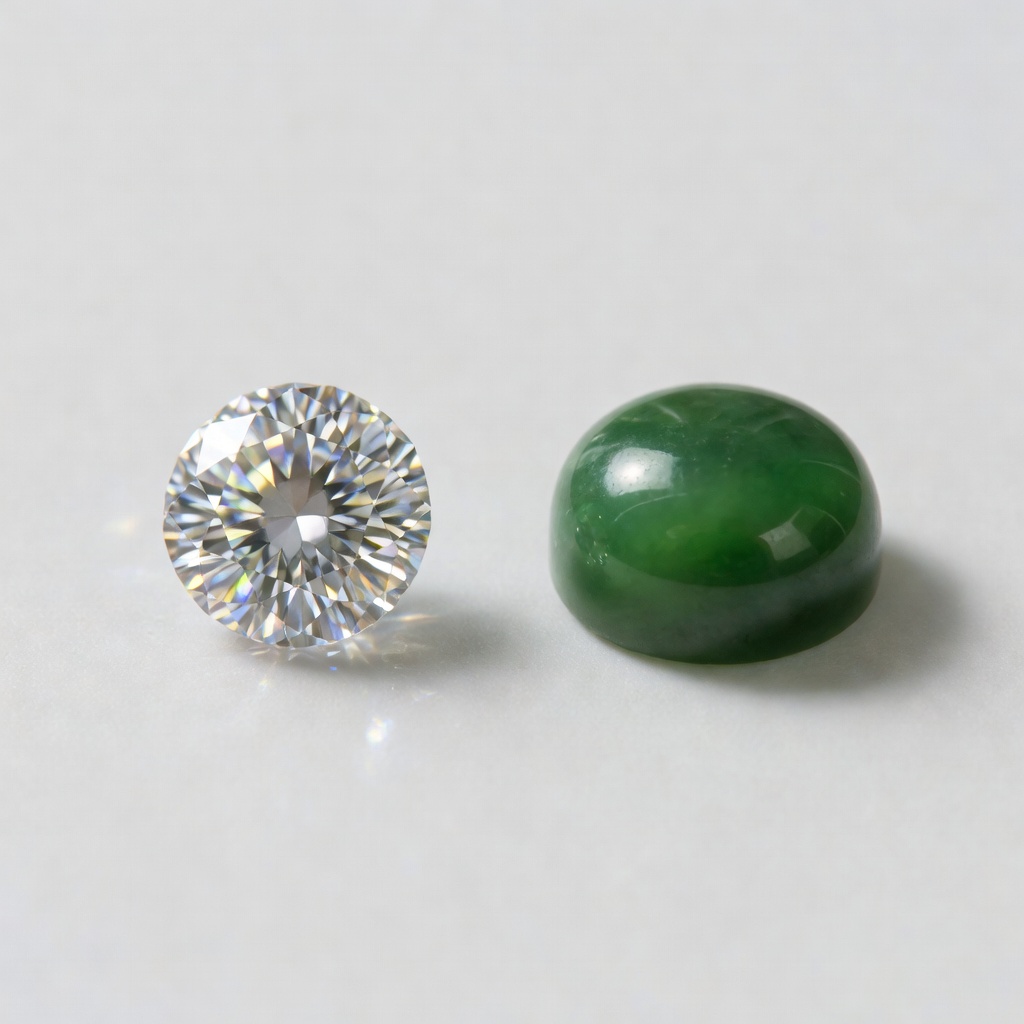
Introduction: Two Distinct Gemstone Worlds
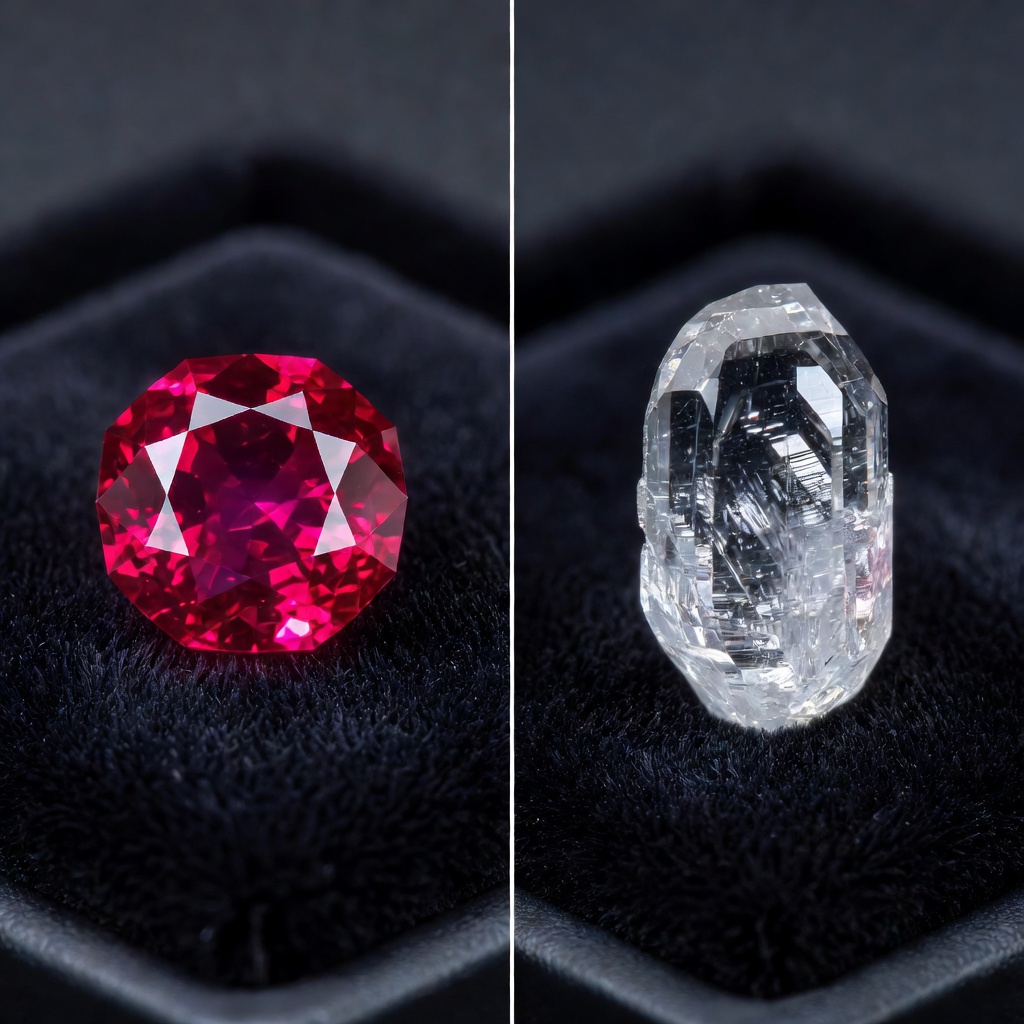
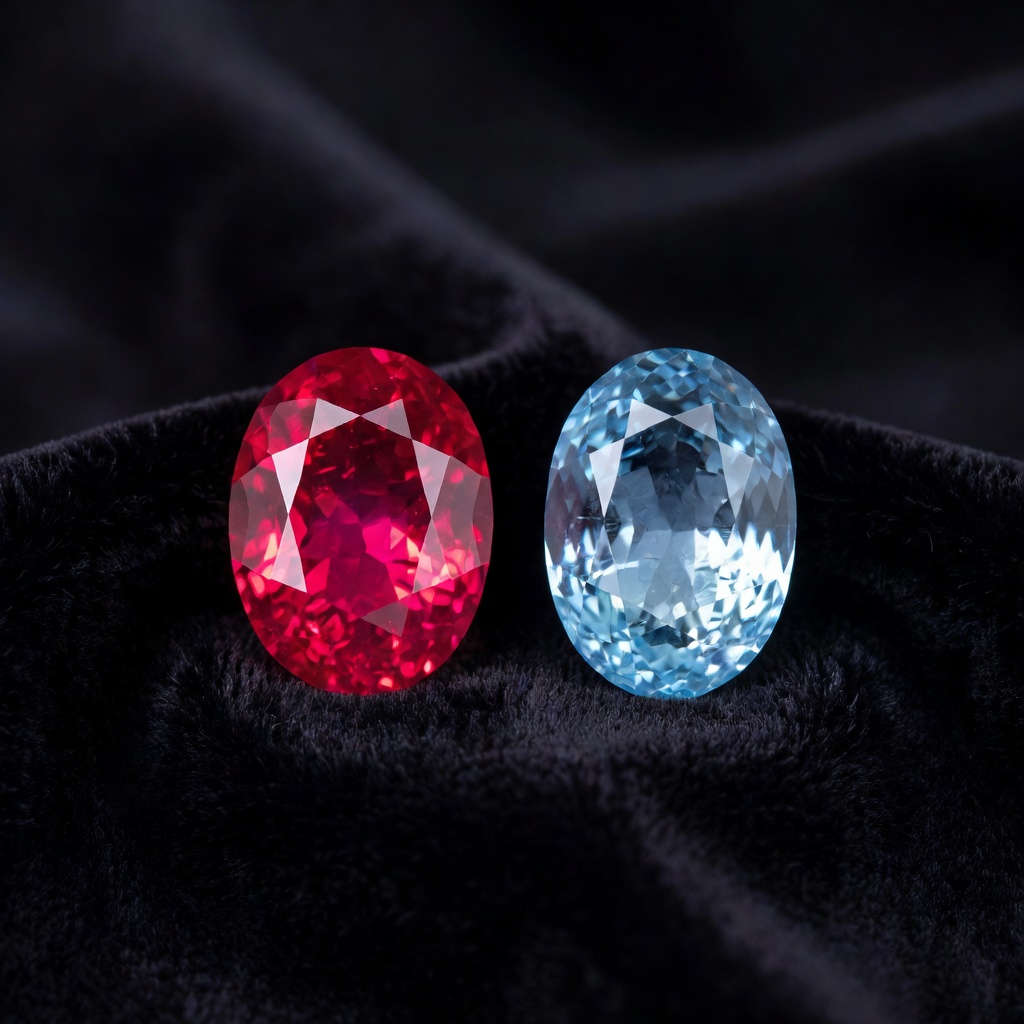
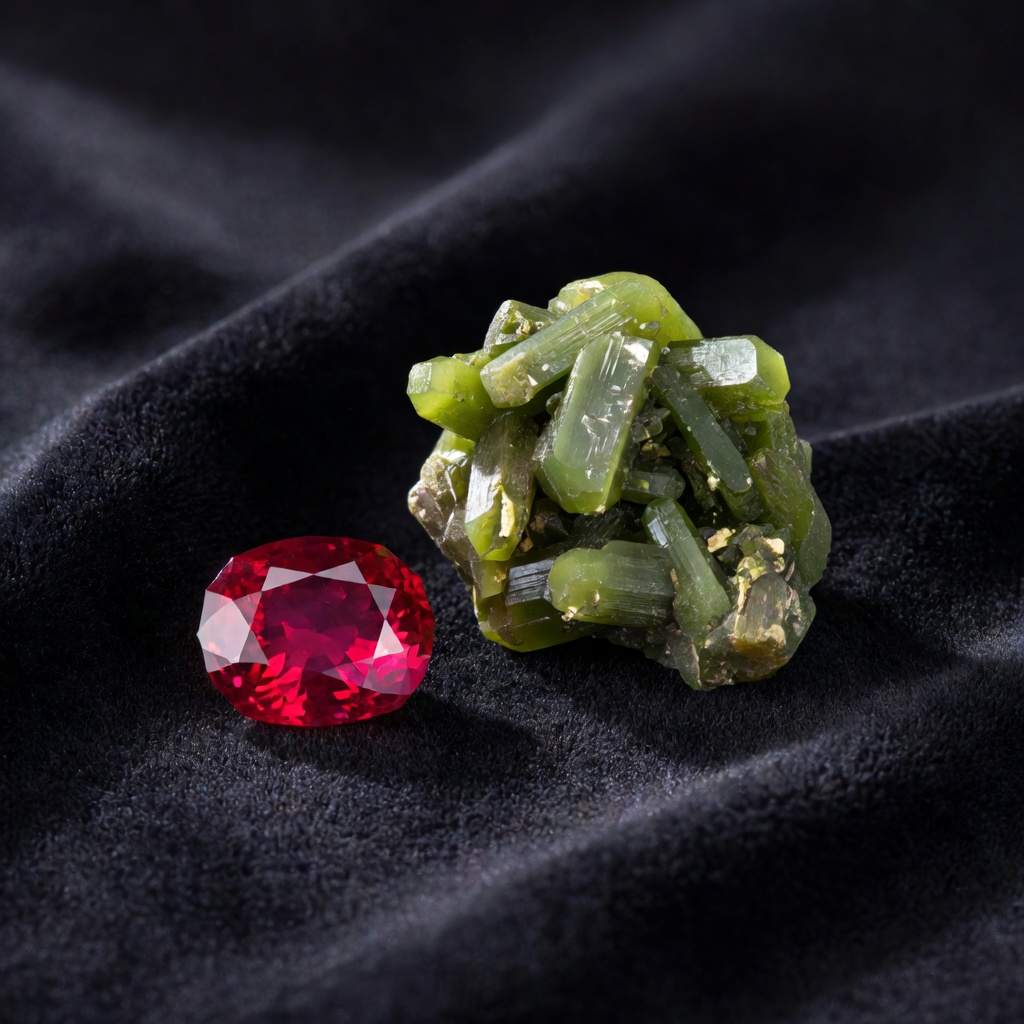
When exploring the fascinating realm of precious gemstones, the comparison between Diamond vs Jade (Nephrite) represents a compelling study in contrasts between modern luxury and ancient tradition. Diamonds have emerged as the pinnacle of precious gemstones in contemporary Western culture, symbolizing eternal commitment and material success through their unmatched brilliance and market dominance. Conversely, nephrite jade carries a profound heritage as the "Stone of Heaven" across Asian civilizations, particularly within Chinese culture where it has been revered for over five millennia as a bridge between the earthly and spiritual realms. These gemstones differ fundamentally not only in their chemical composition and physical properties but also in their value systems, aesthetic philosophies, and the emotional resonance they evoke in collectors and jewelry enthusiasts.
Understanding the distinctions between these two remarkable stones matters significantly for modern jewelry buyers navigating an increasingly diverse marketplace. While diamonds offer standardized grading through the 4Cs system and established liquidity in global markets, nephrite jade presents an alternative investment opportunity deeply rooted in cultural significance and artisanal craftsmanship. Whether you are selecting an engagement ring, building a mineral collection, or seeking a meaningful talisman, recognizing how diamond hardness mohs ratings compare to nephrite jade properties will inform a purchase that aligns with your lifestyle, values, and aesthetic preferences. This comprehensive guide examines every facet of these gemstones to help you make an informed decision between these two extraordinary treasures of the Earth.
Physical Properties and Mineral Composition
Diamond: The Crystalline Carbon Standard
Diamonds represent nature's ultimate expression of carbon crystallization, formed under extreme pressure and temperature conditions approximately 100 miles beneath the Earth's surface. Composed of pure carbon atoms arranged in an isometric crystal structure, diamonds achieve a perfect 10 on the Mohs hardness scale, making them the hardest known natural material. This exceptional hardness allows diamonds to resist scratching from any other substance, which explains their popularity in engagement rings designed for daily wear. However, diamonds possess perfect octahedral cleavage, meaning they can split cleanly along four specific planes when struck with sufficient force, creating a vulnerability that contrasts with their surface durability.
The specific gravity of diamonds typically measures 3.52, giving them substantial heft relative to their size, while their cubic crystal structure contributes to their remarkable ability to refract light. Gemologists and jewelers leverage these physical characteristics when cutting diamonds, as the material's hardness requires specialized tools yet allows for precise faceting that maximizes optical performance. When considering gemstone durability comparison factors, diamonds excel in environments where abrasion resistance is paramount, though they require protection from sharp impacts that could exploit their cleavage planes.
Nephrite Jade: The Fibrous Silicate Marvel
Nephrite jade presents a radically different mineralogical profile as a calcium magnesium iron silicate belonging to the amphibole group of minerals. Unlike diamond's singular crystal structure, nephrite forms through the interlocking of microscopic fibrous crystals that create a felted, matted texture resembling densely woven fabric. This unique interwoven structure results in a Mohs hardness of 6 to 6.5, significantly softer than diamond but possessing extraordinary toughness that makes nephrite virtually impossible to break through impact. The specific gravity of nephrite averages 2.95, making it noticeably lighter than diamond while still conveying a satisfying substantiality when held.
The formation of nephrite occurs through metamorphic processes where tremolite and actinolite minerals recrystallize under intense heat and pressure, typically in subduction zones or contact metamorphic environments. This fibrous construction allows nephrite to bend rather than shatter when stressed, a property that ancient civilizations recognized and utilized for creating durable tools, weapons, and ceremonial objects. When evaluating nephrite jade properties for jewelry applications, this combination of moderate hardness and exceptional toughness makes it particularly suitable for carved pieces and jewelry items that might receive occasional impacts, though it requires protection from harder materials that could scratch its surface.
Visual Characteristics and Optical Performance
The Brilliance of Diamond
Diamonds captivate observers through their extraordinary interaction with light, displaying three distinct optical phenomena: brilliance (white light reflection), fire (spectral color dispersion), and scintillation (sparkle from movement). These effects result from diamond's high refractive index of 2.42, which bends entering light dramatically before reflecting it back to the viewer's eye through precisely calculated faceting patterns. Master cutters utilize mathematical precision to optimize these light performances, creating the signature "crushed ice" or "hall of mirrors" effects that define premium diamond jewelry. The clarity of diamonds is graded on a scale from Flawless to Included, with collectors seeking stones free from internal characteristics that might impede light transmission.
Color in diamonds ranges from the highly valued colorless grades (D-F) through near-colorless (G-J) and into fancy vivid colors including yellow, blue, pink, and green, with intense saturation commanding premium prices. This broad spectrum allows buyers to select stones that complement various metal settings and personal color preferences while maintaining the diamond's characteristic adamantine luster. When examining jade vs diamond appearance, the diamond presents as a precision-engineered optical instrument designed to maximize light return, whereas nephrite offers a completely different aesthetic experience rooted in depth and texture rather than reflective sparkle.
The Organic Beauty of Nephrite Jade
Nephrite jade exhibits a distinctive waxy to greasy luster that invites touch and contemplation rather than dazzling the eye with reflected light. This subtle glow results from the tight fibrous structure that diffuses light throughout the stone rather than reflecting it sharply from the surface. Translucency varies significantly in nephrite, from nearly opaque specimens to those displaying a coveted "mutton fat" or "spinach green" translucency that allows light to penetrate several millimeters into the material. Color ranges encompass creamy white (often called "mutton fat" jade), various shades of green from pale celadon to deep forest, black, brown, and occasionally rare yellow or red varieties caused by mineral inclusions.
Unlike diamonds, where inclusions are considered flaws to be minimized, nephrite's natural texture, grain patterns, and occasional mineral inclusions contribute to its character and authenticity. Collectors often seek stones displaying "river skin" or natural patinas that indicate genuine nephrite rather than treated or imitation material. The clarity assessment for nephrite focuses on texture fineness and the absence of cracks or fractures rather than the microscopic inclusions that concern diamond graders. This fundamental difference in valuation criteria reflects the divergent philosophies behind these gemstones: diamonds prioritize optical perfection and geometric precision, while nephrite celebrates organic variation and natural texture.
Value Determinants and Market Pricing
Diamond Valuation: The Four Cs System
The modern diamond trade relies heavily on the standardized 4Cs grading system developed by the Gemological Institute of America (GIA), which evaluates Cut, Color, Clarity, and Carat weight to determine value. Certified grading reports from GIA or equivalent laboratories provide objective assessments that create liquidity in the marketplace, allowing buyers to compare stones across different retailers and geographic regions. Cut quality particularly influences diamond value factors, as excellent proportions can maximize light performance even in stones with slightly lower color or clarity grades. Fancy colored diamonds follow different valuation metrics, with intense pinks, blues, and greens often commanding prices exceeding $100,000 per carat for exceptional specimens.
Price per carat for white diamonds typically ranges from $3,000 for commercial-quality stones to $20,000 or more for D-color, Internally Flawless diamonds above one carat. Investment-grade diamonds generally require minimum specifications of VS2 clarity, G color, and Excellent cut grades to retain value, with larger stones (over 2 carats) commanding disproportionately higher prices due to rarity. When analyzing jade vs diamond price structures, diamonds offer transparent, commoditized pricing accessible to informed consumers, while nephrite valuation requires more specialized knowledge and cultural understanding to navigate effectively.
Nephrite Jade Valuation: The Four T's
Nephrite jade value determination follows a more nuanced system often called the Four T's: Texture, Transparency, Tone, and Touch, though cultural significance and provenance play equally important roles. Color saturation significantly impacts price, with the highly prized "spinach green" or deep emerald tones from Russian Siberian deposits commanding the highest values, often reaching $1,000 to $3,000 per carat for exceptional cabochons or beads. Translucency ranks as the second most important factor, with semi-transparent stones that glow when backlit considered significantly more valuable than opaque specimens. Texture fineness—measured by how smooth and uniform the fibrous structure appears—separates museum-quality pieces from commercial grade material.
Origin dramatically influences nephrite jade value, with Russian (Siberian) material historically commanding premiums due to its intense color and fine texture, while high-quality Chinese Hetian jade from Xinjiang province remains highly sought after by Asian collectors. Unlike diamonds, nephrite pricing lacks standardized certification, requiring buyers to develop expertise or consult specialists to assess authenticity and quality. Antique carved nephrite pieces can exceed diamond values on a per-carat basis when considering craftsmanship and historical significance, with Imperial Chinese jade artifacts fetching millions at auction. This specialized market rewards connoisseurship and cultural knowledge alongside material quality, creating a different investment profile than the more liquid diamond market.
Cultural Significance and Symbolic Meaning
Diamond Symbolism in Western Traditions
Diamonds have served as symbols of eternal love, invincibility, and supreme status since ancient Rome, where naturalists first documented their adamantine nature and ability to resist destruction. The tradition of diamond engagement rings gained widespread popularity in the 20th century through strategic marketing campaigns, yet the stone's association with unbreakable bonds and purity dates back millennia. In medieval Europe, diamonds were believed to possess protective powers that could ward off evil and cure ailments when worn against the skin, while Renaissance nobility displayed diamonds as demonstrations of wealth and political power. The diamond's clarity and durability made it a natural metaphor for the unblemished and eternal nature of true love in Western romantic traditions.
Modern metaphysical practitioners attribute properties of clarity, strength, and amplification to diamonds, suggesting they enhance the wearer's inner vision and provide protection from negative energies. The gemstone's ability to refract white light into spectral colors has inspired associations with enlightenment and the integration of diverse aspects of the self. For many contemporary buyers, diamond symbolism extends beyond romantic connotations to represent personal achievement, self-worth, and the crystallization of one's intentions into tangible reality. This multifaceted symbolism supports diamonds' position as the default choice for significant life milestones and commemorative jewelry in Western cultures.
Nephrite Jade: The Stone of Heaven
Nephrite jade occupies a uniquely sacred position in Chinese culture, where it has been revered for over 5,000 years as the "Stone of Heaven" (Tian Yu) and a material embodying the virtues of the Confucian gentleman: wisdom, justice, compassion, modesty, and courage. Ancient Chinese texts describe jade as the concentrated essence of heaven and earth, capable of protecting the wearer from harm and connecting the physical body with spiritual realms. The stone played central roles in burial practices, with jade suits constructed for Han Dynasty royalty to preserve the body and spirit in the afterlife, while jade bi discs symbolized heaven in ritual ceremonies. This deep cultural integration ensures that nephrite jade meaning extends far beyond decorative value to encompass philosophical and spiritual dimensions.
Among the Maori people of New Zealand, nephrite (known as pounamu or greenstone) holds similar sacred status, representing prestige, authority, and spiritual protection. Traditional Maori carvers create hei-tiki (pendants) and mere (short clubs) from pounamu, passing these taonga (treasures) through generations as heirlooms that accumulate mana (spiritual power). Native American tribes of the Pacific Northwest also utilized nephrite for ceremonial blades and amulets, recognizing its durability and connection to the earth's enduring nature. Contemporary crystal healers associate nephrite with heart chakra activation, emotional healing, and the cultivation of harmony between opposing forces, making it a popular choice for those seeking balance rather than the intense energy amplification attributed to diamonds.
Durability and Practical Jewelry Applications
Gemstone Durability Comparison
When evaluating gemstones for daily wear, understanding the distinction between hardness and toughness becomes crucial for making informed jewelry selections. Diamonds, despite their perfect 10 rating on the Mohs scale for scratch resistance, possess only fair toughness due to their perfect cleavage planes, making them susceptible to chipping or splitting if struck along specific angles against hard surfaces. This vulnerability explains why diamond cutters must exercise extreme caution during the faceting process and why diamond jewelry sometimes requires replacement of chipped stones. For engagement rings subjected to daily wear, diamonds excel at resisting the microscopic scratches that dull softer gems, maintaining their polish and brilliance for generations with proper care.
Nephrite jade presents the inverse durability profile: while its 6-6.5 Mohs hardness means it can be scratched by harder materials including quartz dust, steel, and obviously diamonds, its interwoven fibrous structure grants it exceptional toughness that makes it nearly impossible to break through normal impacts. Ancient Chinese craftsmen exploited this property by creating intricate nephrite carvings, thin-walled vessels, and even musical instruments that could withstand centuries of handling without fracturing. For jewelry applications, this toughness makes nephrite suitable for carved pendants, bangles, and rings that might receive occasional bumps, though the stone requires protection from abrasive contact that could mar its surface polish.
Setting Considerations and Wear Patterns
Diamond jewelry design typically emphasizes open settings such as prongs or tension mounts that maximize light exposure to enhance the stone's brilliance and fire. These settings expose the diamond's edges and points (particularly in princess or marquise cuts) to potential impact, requiring wearers to be mindful of activities that might strike the stone against hard surfaces. For active individuals or those working with their hands, bezel settings that surround the diamond with a protective rim of metal offer a compromise between security and light performance. Annual inspections by professional jewelers can identify loose prongs or structural weaknesses before diamond loss occurs, representing essential maintenance for high-value pieces.
Nephrite jade jewelry benefits from protective settings that shield the stone's surface from direct contact with harder materials. Full bezel settings, rub-over mounts, or substantial prong configurations help prevent scratches that would dull nephrite's characteristic luster over time. When designing jade engagement rings or daily-wear pieces, jewelers often recommend cabochon cuts (smooth domed surfaces) rather than faceted designs, as the rounded shape distributes impact forces and reduces the likelihood of chipping vulnerable edges. Many collectors choose to wear nephrite pendants or earrings rather than rings to minimize abrasive contact, preserving the stone's polish while keeping it close to the heart or head chakra according to metaphysical traditions.
Care, Maintenance, and Longevity
Diamond Cleaning and Maintenance Protocols
Maintaining diamond brilliance requires regular cleaning to remove the oils, lotions, and environmental debris that accumulate on the stone's surface and beneath its setting. Professional jewelers recommend ultrasonic cleaning for most diamond jewelry, utilizing high-frequency sound waves to agitate cleaning solutions and dislodge buildup from hard-to-reach areas behind the stone. Steam cleaning offers another effective method for diamonds, using pressurized heated water to blast away residues without chemicals that might damage certain metal settings. For home maintenance, soaking diamonds in warm water mixed with mild dish soap followed by gentle brushing with a soft toothbrush restores sparkle between professional cleanings.
Storage considerations for diamond jewelry emphasize isolation from other gemstones, as diamonds can scratch virtually any other material including sapphires, rubies, and obviously nephrite jade. Individual fabric-lined compartments or soft pouches prevent diamonds from damaging each other or other jewelry pieces during storage. Professional maintenance should include annual inspections of prongs, channels, and mountings to ensure stones remain secure, along with periodic repolishing of the diamond if surface scratches accumulate over decades of wear. These straightforward care requirements contribute to diamonds' popularity as heirloom pieces that retain their beauty with minimal intervention.
Jade Jewelry Care Requirements
Nephrite jade demands more specialized care protocols that respect its chemical composition and physical limitations. Unlike diamonds, nephrite should never be subjected to ultrasonic or steam cleaning, as the vibrations and thermal shock can exacerbate existing internal fractures or cause catastrophic breaks in stones with hidden weaknesses. Instead, clean nephrite using only lukewarm water and mild soap applied with a soft cloth or natural bristle brush, avoiding harsh chemicals, acids, or abrasive cleaners that could etch the surface or degrade any polymer treatments applied to enhance color. After cleaning, pat the stone dry with a soft microfiber cloth rather than allowing it to air dry, which might leave water spots on the polished surface.
Temperature stability proves crucial for nephrite preservation, as sudden changes from hot to cold environments can cause thermal shock that fractures the stone. Remove nephrite jewelry before swimming in chlorinated pools, bathing in hot springs, or engaging in activities that might expose the stone to extreme heat or rapid temperature fluctuations. When considering jade jewelry care for long-term preservation, apply a thin layer of mineral oil occasionally to prevent dehydration of the stone's surface, particularly for antique pieces or those stored in dry climates. Store nephrite separately from diamonds and other hard gemstones in padded jewelry boxes or silk pouches to prevent scratching, and consider professional repolishing every few years if surface wear becomes noticeable.
Investment Potential and Market Trends
Diamond Investment Considerations
Diamond investment strategies typically focus on certified stones with exceptional characteristics that transcend commodity pricing, including rare fancy colors, large flawless whites, or historically significant antique cuts. The diamond market offers relatively high liquidity compared to other gemstones, with established dealer networks, auction houses, and online platforms facilitating transactions for properly documented stones. However, investors must navigate challenges including price volatility tied to economic cycles, the growing availability of high-quality lab-grown diamonds that compete with naturals, and the "retail markup" trap where stones purchased from jewelry stores command wholesale prices only 20-40% of retail value upon resale. Successful diamond investment requires purchasing at wholesale levels, securing GIA or equivalent certification, and focusing on stones above two carats with rare color or clarity characteristics.
Recent market trends show increasing interest in fancy colored diamonds as alternative investments, with pinks, blues, and vivid yellows showing price appreciation independent of white diamond markets. Argyle mine pink diamonds, in particular, have demonstrated significant value increases following the mine's 2020 closure, illustrating how supply constraints can drive investment returns. When evaluating diamond investment potential, consider the stone's portability, universal recognition, and the stability of certification standards that allow for objective quality assessment across international markets.
Nephrite Jade as Alternative Investment
Nephrite jade presents a compelling alternative investment opportunity driven by cultural demand, limited high-quality supply, and the growing wealth of Asian collectors seeking tangible assets with historical significance. The Chinese market particularly values "mutton fat" white jade from Hetian and intense green Siberian material, with prices for top-quality rough increasing steadily over the past two decades as accessible deposits deplete. Unlike diamonds, nephrite investment often emphasizes carved artistry and historical provenance alongside material quality, with Imperial Chinese jade carvings achieving prices exceeding $10 million at major auctions. This dual value proposition—material plus craftsmanship—creates different risk and reward profiles compared to diamond investment.
Risk factors for nephrite investors include the lack of standardized grading, the prevalence of treated or imitation material in the market, and potential changes in Chinese import regulations or economic conditions that might affect demand. However, mining restrictions in British Columbia and depletion of traditional Chinese deposits suggest continued supply constraints for premium material. Historical price data indicates that high-quality nephrite has appreciated at rates comparable to or exceeding inflation, with exceptional pieces showing compound annual growth rates of 8-15% over extended holding periods. For investors seeking diversification beyond traditional assets, certified nephrite jade from reputable sources offers exposure to the growing luxury goods market in Asia while providing the aesthetic enjoyment of owning wearable art.
Ethical Sourcing and Environmental Impact
Diamond Ethics and Certification
The diamond industry has made significant strides in addressing ethical concerns through the Kimberley Process Certification Scheme, established in 2003 to prevent conflict diamonds (rough diamonds used by rebel movements to finance wars against legitimate governments) from entering legitimate trade. While this initiative has reduced the flow of conflict diamonds dramatically, critics note loopholes including the definition's narrow focus on rebel groups rather than state-sponsored violence or human rights abuses in mining regions. Beyond conflict concerns, diamond mining—particularly industrial-scale open-pit operations—creates substantial environmental disruption including deforestation, soil erosion, and water pollution from processing chemicals. Conscious consumers increasingly seek diamonds from mines with verified environmental management plans or consider lab-grown alternatives that eliminate mining impacts entirely while offering identical chemical and optical properties.
Canadian diamonds from the Northwest Territories offer one ethical alternative, mined under strict environmental regulations with tracking systems that ensure Canadian origin from mine to market. Artisanal diamond mining in countries like Botswana and Namibia provides economic benefits to local communities when properly managed, though ensuring fair wages and safe working conditions requires ongoing oversight. When purchasing diamonds, request documentation beyond the standard grading report to verify ethical sourcing claims, and consider retailers who participate in programs supporting mining community development or land rehabilitation initiatives.
Sustainable Jade Mining Practices
Nephrite jade extraction occurs primarily in three regions: British Columbia (Canada), Siberia (Russia), and Xinjiang (China), each with distinct environmental and regulatory frameworks. British Columbia's jade mines, particularly those in the Cassiar and Ogden Mountain regions, operate under strict Canadian environmental laws requiring reclamation bonds, water quality monitoring, and wildlife habitat protection, resulting in relatively low ecological footprints compared to other mining sectors. Siberian nephrite mining in the Polar Urals and East Sayan Mountains often occurs in remote wilderness areas with extreme climates, presenting logistical challenges that limit large-scale operations and encourage selective extraction of high-value boulders rather than bulk mining.
Chinese nephrite extraction has historically included small-scale riverbed collection and artisanal mining alongside larger operations, though recent regulations aim to reduce environmental degradation in sensitive regions like the Kunlun Mountains. Compared to open-pit diamond mining, nephrite extraction generally involves smaller surface disturbances, as miners typically seek specific boulders or veins rather than processing vast volumes of overburden. Fair trade initiatives in the jade sector remain less developed than in diamond markets, though direct relationships between Canadian miners and carvers are creating more transparent supply chains. For environmentally conscious consumers, Canadian nephrite offers the most traceable and regulated sourcing option, while antique or recycled jade pieces provide alternatives that require no new mining impact.
Final Decision: Which Gemstone Is Right for You?
Lifestyle and Aesthetic Considerations
Selecting between diamond and nephrite jade ultimately requires honest assessment of your lifestyle, aesthetic preferences, and the symbolic meaning you wish your jewelry to convey. Active individuals who work with their hands, engage in sports, or prefer low-maintenance luxury may find diamonds better suited to their needs due to superior scratch resistance and straightforward cleaning protocols. Conversely, those drawn to spiritual practices, Eastern philosophies, or organic design aesthetics may find deeper satisfaction in nephrite's cultural resonance and subtle, tactile beauty. Consider whether you prefer the brilliant sparkle and geometric precision of faceted diamonds or the smooth, waxy luster and flowing forms typical of carved nephrite jewelry.
Budget considerations also influence this decision, with entry-level nephrite offering accessible price points for quality material compared to the significant investment required for fine diamonds. However, remember that while diamonds offer standardized resale markets, nephrite purchases often reflect connoisseurship decisions where value appreciation depends on quality assessment skills and market knowledge. For engagement rings specifically, diamonds remain the practical choice for daily abrasion resistance, though nephrite offers unique cultural significance for couples seeking alternatives to Western traditions.
Comprehensive Comparison Guide
| Characteristic | Diamond | Nephrite Jade |
|---|---|---|
| Hardness (Mohs) | 10 (Highest possible) | 6-6.5 |
| Toughness | Fair to Good (cleavage vulnerability) | Exceptional (interwoven fiber structure) |
| Luster | Adamantine (brilliant, sparkly) | Waxy to greasy (subtle glow) |
| Primary Colors | Colorless to fancy vivid (blue, pink, yellow) | Spinach green, white (mutton fat), black, brown |
| Value Factors | 4Cs: Cut, Color, Clarity, Carat (standardized) | Color saturation, translucency, texture, origin, carving artistry |
| Price Range (per carat) | $3,000-$20,000+ (fine white); $10,000-$100,000+ (fancy colors) | $50-$500 (commercial); $1,000-$3,000+ (premium) |
| Best Uses | Engagement rings, earrings, investment pieces | Carvings, pendants, bangles, cultural talismans |
| Cultural Origin | Western luxury, eternal love symbolism | East Asian "Stone of Heaven," Maori pounamu |
| Care Requirements | Ultrasonic cleaning safe, steam cleaning, annual prong checks | Mild soap only, avoid heat/ultrasonic, occasional oiling |
| Investment Liquidity | High (established dealer networks, GIA certification) | Moderate (specialized market, requires expertise) |
| Environmental Impact | High (open-pit mining), mitigated by lab-grown options | Lower (smaller scale extraction, riverbed collection) |
Both gemstones offer legitimate pathways to owning pieces of Earth's geological history, whether you prioritize the crystalline perfection and market stability of diamonds or the organic warmth and cultural depth of nephrite jade. For those seeking diamond alternatives that still convey permanence and value, nephrite provides an intriguing option rooted in millennia of human appreciation rather than modern marketing. Ultimately, the finest gemstone choice resonates with your personal values, complements your daily activities, and brings joy every time you wear it, whether that manifests as the brilliant fire of a perfectly cut diamond or the serene depth of ancient nephrite jade.
Frequently Asked Questions
Is diamond harder than nephrite jade?
Yes, diamond is significantly harder than nephrite jade. Diamond ranks 10 on the Mohs scale (the highest possible rating), while nephrite jade ranks 6-6.5. However, nephrite's interwoven fibrous structure makes it extremely tough and resistant to breaking, while diamond's perfect cleavage makes it more vulnerable to chipping from sharp impacts despite its scratch resistance. This distinction between hardness (scratch resistance) and toughness (break resistance) explains why ancient civilizations used nephrite for weapons and tools despite its lower position on the hardness scale.
Which is more expensive: diamond or nephrite jade?
High-quality diamonds are generally more expensive per carat than nephrite jade, with fine diamonds ranging from $3,000-$20,000+ per carat. Premium nephrite jade, especially top Russian "spinach green" material, can reach $1,000-$3,000 per carat. However, exceptional antique jade carvings can exceed diamond values due to cultural significance and craftsmanship. The diamond market offers more standardized pricing through the 4Cs system, while nephrite valuation depends heavily on subjective factors including translucency, texture, and provenance.
Can I wear nephrite jade everyday like a diamond engagement ring?
Nephrite jade can be worn daily but requires more care than diamond. While its toughness prevents breaking, it can scratch at Mohs 6-6.5 hardness. For rings, choose protective settings like bezels, remove during heavy manual work, and avoid abrasive activities. Diamonds are superior for everyday abrasion resistance in engagement rings. Many jade enthusiasts prefer wearing nephrite as pendants or earrings for daily use while reserving rings for special occasions to preserve the stone's polish.
What is the main difference between jadeite and nephrite jade?
Jadeite and nephrite are two different minerals both called "jade." Jadeite is a sodium aluminum pyroxene (Mohs 6.5-7), typically more translucent and vibrant green, often more valuable. Nephrite is a calcium magnesium amphibole (Mohs 6-6.5), more fibrous and waxy, with colors ranging from spinach green to white and black. This article focuses specifically on nephrite jade, which has been the primary jade material used throughout Chinese history and Maori culture, while jadeite became prominent later, particularly in Burmese and Central American contexts.
Which gemstone holds its value better: diamond or nephrite jade?
Diamonds generally have better liquidity and established resale markets through dealers and auctions. However, high-quality nephrite jade, particularly certified Russian or Chinese origin pieces, has shown strong appreciation due to limited supply and growing Asian market demand. Both require proper certification and quality to retain value. Diamonds benefit from standardized grading that facilitates resale, while nephrite value retention depends on authentication of origin and quality assessment by specialists familiar with the material.
How do I clean and care for nephrite jade compared to diamond?
Clean diamonds with ultrasonic cleaners, steam, or warm soapy water and a soft brush. For nephrite jade, use only mild soap and lukewarm water with a soft cloth—avoid ultrasonic and steam cleaners. Never expose jade to harsh chemicals, extreme heat, or sudden temperature changes. Store both separately, but note diamonds can scratch nearly all other gems including jade. Additionally, nephrite benefits from occasional light oiling to prevent surface dehydration, a step unnecessary for diamonds.
What does nephrite jade symbolize compared to diamond?
Diamonds symbolize eternal love, purity, strength, and invincibility in Western culture. Nephrite jade represents virtue, wisdom, protection, harmony, and connection to heaven in Chinese culture. It's considered a "living stone" that connects the spiritual and physical realms, while diamonds represent material permanence and unbreakable bonds. The Maori people view nephrite (pounamu) as a treasure carrying spiritual power and ancestral connection, distinct from the status and romantic symbolism associated with diamonds.
Can nephrite jade be used in engagement rings?
Yes, nephrite jade can be used in engagement rings for couples seeking unique, culturally significant alternatives to diamonds. Choose protective settings like full bezels or heavy prongs, plan for professional maintenance, and understand it's more prone to scratching than diamond. Many appreciate jade's organic feel and deep cultural meaning over traditional diamond brilliance. Couples selecting nephrite for engagement rings often value the stone's association with harmony, protection, and long life, viewing these properties as equally meaningful representations of marital commitment as the diamond's symbolism of eternal love.