Understanding the Fundamental Differences Between Diamond and Mystic Topaz
When comparing diamond vs mystic topaz, buyers must understand that these stones represent entirely different categories of gemstone materials with distinct origins and properties. Diamonds are pure carbon crystals formed naturally beneath the Earth's crust over billions of years through intense heat and pressure, creating the hardest known natural substance. In contrast, mystic topaz begins its journey as natural colorless topaz mined primarily from Brazil, Nigeria, and Sri Lanka, but undergoes a dramatic transformation through human intervention. The stone receives a specialized chemical vapor deposition (CVD) treatment that applies a microscopic titanium coating to create its signature rainbow appearance.
The gemstone hardness comparison between these two materials reveals significant practical differences for jewelry wearers. Diamonds rank a perfect 10 on the Mohs hardness scale, making them exceptionally resistant to scratching and suitable for daily wear over multiple generations. Mystic topaz ranks at 8 on the same scale, which while still relatively hard among gemstones, becomes problematic because the iridescent coating itself is merely microns thick and far softer than the underlying topaz crystal. This coating vulnerability means that surface durability, rather than the base stone's hardness, determines the jewelry's longevity.
What Makes a Diamond Special?
Diamonds possess a unique crystalline structure that allows them to refract light with unmatched intensity, creating the brilliance and fire that have made them the premier choice for fine jewelry for centuries. Each natural diamond formed between one to three billion years ago under extreme pressure conditions approximately 100 miles beneath the Earth's surface, carrying within its structure a literal piece of geological history. The synthetic diamond vs natural debate continues to evolve, yet both laboratory-created and earth-mined diamonds share identical chemical compositions and physical properties, including that crucial hardness of 10 on the Mohs scale.
The value of diamonds extends beyond their physical beauty into established certification systems that provide consumer protection and investment security. Reputable laboratories like the Gemological Institute of America (GIA) and American Gem Society (AGS) grade diamonds according to the Four Cs: cut, color, clarity, and carat weight. These standardized evaluations ensure that when you purchase a certified diamond, you receive a documented asset that typically retains or appreciates in value over time. For couples seeking traditional symbols of eternal commitment, diamonds remain the cultural standard, though modern diamond alternatives now offer various options for different budgets and preferences.
Investment-minded buyers particularly appreciate that high-quality natural diamonds have historically maintained their value through economic fluctuations, unlike many other luxury goods. The rarity of gem-quality diamonds, combined with controlled supply chains and enduring demand, creates a marketplace where these stones function as portable stores of wealth. When set in classic solitaire engagement rings or heirloom-quality jewelry pieces, diamonds transcend mere fashion to become family treasures passed between generations.
The Mystic Topaz Creation Process
Rainbow topaz, commercially known as mystic topaz, represents one of the most dramatic examples of gemstone enhancement technology available in today's market. The process begins with selecting high-clarity, colorless natural topaz crystals that possess excellent transparency and minimal inclusions. Skilled technicians place these stones into a specialized vacuum chamber where a thin film deposition process applies a microscopic layer of titanium or other metallic oxides to the pavilion (bottom) facets of the gemstone.
This chemical vapor deposition creates interference patterns with light, producing the stone's characteristic kaleidoscope of colors ranging from electric blues and purples to vibrant greens and pinks. The coating thickness measures only a few microns—thinner than a human hair—yet completely transforms the visual appearance of the underlying clear topaz. While the base material remains genuine topaz with a hardness of 8, the surface treatment introduces unique vulnerabilities that significantly impact coated gemstone durability and long-term wearability.
Unlike natural color variations found in stones like amethyst or sapphire, the mystic topaz effect cannot occur in nature and requires precise technological intervention. The treatment is considered permanent under ideal conditions, yet the coating's delicate nature means it responds poorly to the abrasions, chemicals, and thermal shocks that jewelry typically encounters during normal use. Understanding this manufacturing process helps consumers set realistic expectations about the lifespan and care requirements of these vibrant, affordable stones.
Visual Characteristics Side-by-Side
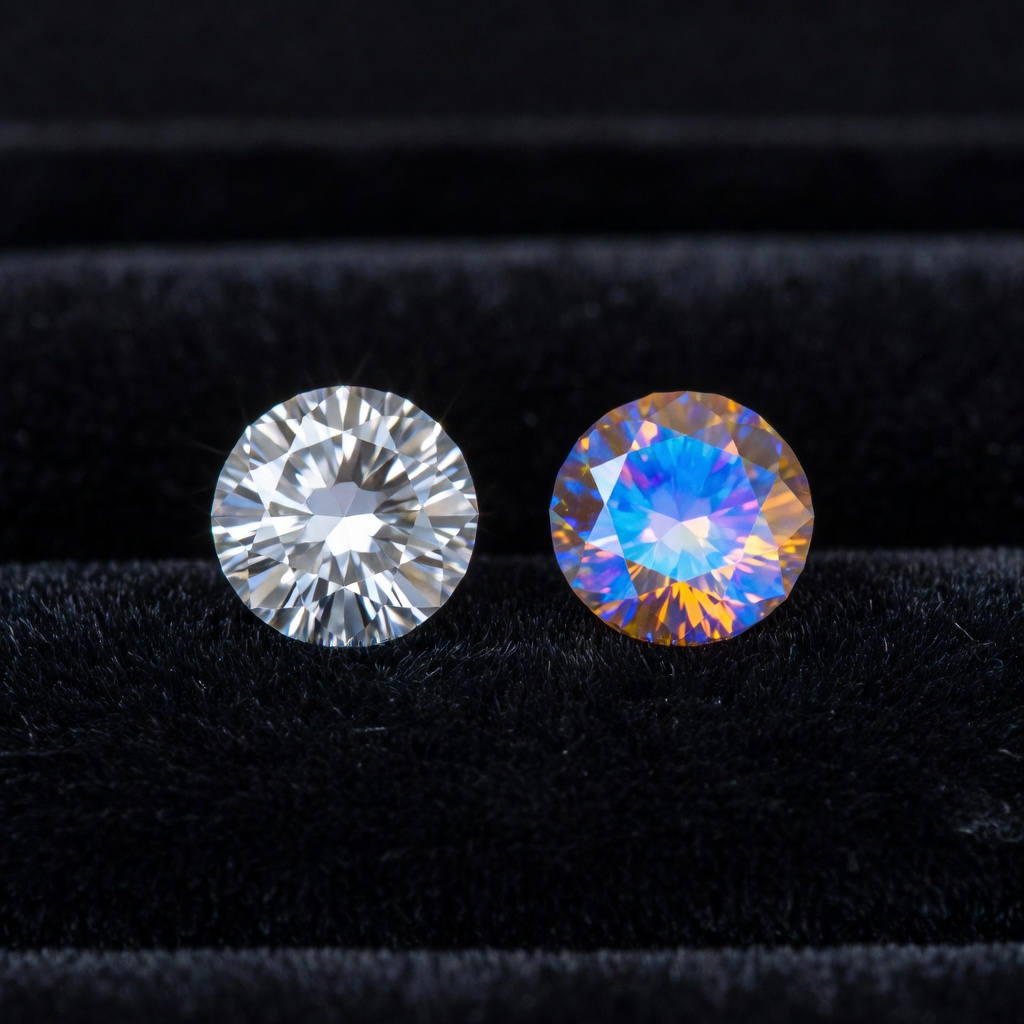
Side-by-side examination of a mystic topaz vs diamond ring reveals immediately distinguishable optical properties that appeal to different aesthetic preferences. Diamonds exhibit exceptional brilliance through their high refractive index of 2.42, dispersing white light into spectral flashes known as fire while maintaining a colorless or near-colorless body. This internal reflection creates a lively, sparkling appearance that changes dynamically as the wearer moves, drawing the eye with subtle sophistication and timeless elegance.
Mystic topaz commands attention through entirely different optical mechanisms, displaying dramatic rainbow color shifts and metallic sheens that appear to float on the stone's surface. Rather than internal reflection, the colors result from light interference within the titanium coating layer, creating an almost holographic effect that shifts between turquoise, magenta, gold, and green depending on viewing angles. While some wearers adore this fantasy aesthetic for fashion-forward jewelry, others find the effect overwhelming or artificially appearing compared to the natural beauty of uncoated gemstones.
When selecting between these options for diamond alternatives, consider your personal style vocabulary and the contexts in which you'll wear the jewelry. Diamonds pair effortlessly with professional attire, formal events, and everyday casual wear without clashing with outfit colors. Mystic topaz makes bold fashion statements but may limit coordination options due to its multichromatic nature, working best as accent pieces rather than primary gemstones in extensive jewelry collections.
Price and Value Comparison
The financial contrast between these gemstones represents one of the most dramatic differences in the jewelry market, with implications for both initial purchase and long-term asset value. Natural diamonds typically range from $2,000 to $20,000 or more per carat depending on quality factors, certification, and market conditions, representing a significant investment comparable to purchasing a vehicle or making a down payment on property. This pricing reflects not only the stone's natural rarity and extraction costs but also the extensive cutting, polishing, and grading processes required to bring each diamond to market.
Mystic topaz value proposition operates on an entirely different economic model, with prices ranging from merely $20 to $100 per carat for high-quality specimens. A stunning 2-carat mystic topaz set in sterling silver might retail for under $150, while the same size diamond in a gold setting could command $15,000 or more. This affordability makes mystic topaz accessible to virtually any budget, allowing consumers to enjoy large, eye-catching stones without financial strain or insurance concerns.
However, the value comparison extends beyond initial price tags into long-term ownership economics. Diamonds generally maintain or appreciate in value over decades, serving as emergency assets and heirlooms that can be resold or reset. Mystic topaz carries virtually no resale value; once purchased, it functions purely as a consumable fashion item rather than an investment. When the coating eventually degrades, replacement costs less than repair attempts, making these stones essentially disposable luxury items rather than permanent acquisitions.
| Characteristic | Diamond | Mystic Topaz |
|---|---|---|
| Chemical Composition | Pure carbon crystal (C) | Aluminum silicate fluoride hydroxide (Al₂SiO₄(F,OH)₂) with titanium coating |
| Mohs Hardness | 10 (hardest natural substance) | 8 (base stone), coating much softer |
| Price per Carat | $2,000 - $20,000+ | $20 - $100 |
| Durability | Lifetime wear (generations) | 1-3 years with daily wear |
| Light Performance | Brilliance and fire (RI 2.42) | Rainbow iridescence (surface interference) |
| Investment Value | High; appreciates over time | None; no resale market |
| Cleaning Methods | Ultrasonic, steam, chemicals safe | Lukewarm soap and water only |
| Best Applications | Engagement rings, daily wear | Occasional fashion jewelry |
Durability for Daily Wear
When evaluating gemstones for jewelry that will withstand the rigors of daily life, gemstone hardness comparison becomes critically important for preventing disappointment and protecting your investment. Diamonds remain the undisputed champions of jewelry durability, resisting scratches from household dust (which contains silica at 7 on the Mohs scale), accidental impacts against countertops, and decades of continuous wear without losing their polish or structural integrity. This resilience explains why diamond engagement rings remain the standard for symbolizing lifelong commitment—they literally last as long as the marriage they represent.
Coated gemstone durability concerns dominate any discussion of mystic topaz practicality for everyday jewelry applications. While the underlying topaz crystal rates 8 on the Mohs scale, the thin titanium coating that creates the rainbow effect measures only microns thick and possesses significantly lower scratch resistance. Daily activities such as typing on keyboards, handling car keys, or resting hands on restaurant tables create microscopic abrasions that gradually degrade the coating's reflective qualities. Within one to three years of regular wear, particularly on ring surfaces that receive constant friction, the iridescent layer typically shows visible scratching, clouding, or complete wear-through.
Chemical vulnerability presents another serious limitation for mystic topaz durability that diamond wearers never concern themselves with. Common substances including household cleaners, chlorine from swimming pools, hairspray, perfume, and even acidic perspiration can immediately damage or strip the titanium coating from mystic topaz surfaces. One accidental exposure to bleach while cleaning the bathroom or a dip in a chlorinated hot tub can permanently destroy the stone's rainbow appearance, revealing the plain white topaz beneath. For these reasons, jewelers strongly recommend removing mystic topaz jewelry before showering, cleaning, swimming, or applying personal care products.
Best Jewelry Applications for Each Stone
Selecting appropriate jewelry designs for each gemstone type maximizes both beauty and longevity while avoiding costly mistakes. Diamonds excel in high-impact applications including engagement rings, wedding bands, anniversary bands, and daily-wear stud earrings where durability concerns override all other factors. Their unmatched hardness makes them suitable for prong settings that expose the stone to potential impacts, channel settings that protect side stones, and bezel settings that provide additional security for active lifestyles. When considering a mystic topaz vs diamond ring for daily wear, the diamond remains the only practical choice for longevity.
Mystic topaz finds its ideal niche in occasional wear pieces that minimize mechanical and chemical exposure while maximizing visual impact. Statement earrings worn for evening events, pendants that rest protected against the chest rather than on hands, and cocktail rings reserved for special occasions allow wearers to enjoy the stone's rainbow beauty without subjecting it to destructive daily friction. Jewelry designers often incorporate mystic topaz into protective settings that cover the pavilion (bottom) where the coating resides, using bezels or closed backs to shield the treatment from scratches.
Specific setting choices significantly impact mystic topaz longevity and should never include exposed prong settings on ring surfaces that contact hard surfaces throughout the day. If you desire a mystic topaz ring, choose protective bezel settings in metals like sterling silver or gold that extend slightly above the stone's table (top) to prevent direct impact. Avoid wearing mystic topaz bracelets that knock against desk surfaces or tennis bracelets that suffer constant abrasion against clothing and skin. By treating mystic topaz as "event jewelry" rather than daily wardrobe staples, you extend its wearable lifespan from months to several years.
Care and Maintenance Requirements
Maintaining diamond jewelry requires minimal effort thanks to the stone's chemical inertness and extreme hardness, allowing owners to use virtually any cleaning method without risk. Professional jewelers routinely clean diamond pieces using ultrasonic cleaners that vibrate away accumulated dirt, steam cleaners that blast away oils, and harsh chemical solutions including ammonia that dissolve buildup without affecting the stone. Home maintenance simply requires occasional brushing with a soft toothbrush and mild dish soap, followed by rinsing in warm water and drying with a lint-free cloth to restore maximum brilliance.
Coated gemstone durability limitations dictate extremely restrictive care protocols for mystic topaz that demand vigilant attention from owners. Clean these stones using only lukewarm water with a drop of mild dish soap, gently wiping with a soft cotton cloth without scrubbing or using brushes that might scratch the coating. Never expose mystic topaz to ultrasonic cleaners, steamers, commercial jewelry cleaning solutions, ammonia, bleach, or even commercial jewelry polishing cloths that contain micro-abrasives designed to brighten metals.
Perhaps the most significant maintenance consideration involves the irreversibility of coating damage on mystic topaz. Unlike diamonds, which can be repolished by skilled lapidaries if they somehow scratch (an extremely rare occurrence), or emeralds that can be re-oiled to improve clarity, mystic topaz coating cannot be repaired once compromised. The specialized CVD equipment required to apply the titanium layer exists only in manufacturing facilities, not local jewelry shops. When the rainbow finish degrades, owners must either accept the clear white topaz appearance or purchase a replacement stone, making the long-term mystic topaz value equation less favorable than the initial low price suggests.
Ethical and Environmental Considerations
Modern consumers increasingly prioritize ethical sourcing and environmental impact when selecting gemstones, adding another dimension to the diamond vs mystic topaz decision process. The diamond industry has implemented significant reforms through the Kimberly Process Certification Scheme, which tracks rough diamonds from mine to market to prevent conflict stones from entering legitimate trade. Additionally, many retailers now offer CanadaMark diamonds with provenance documentation, or recycled diamonds from estate jewelry, providing options for ethically conscious buyers who prefer natural stones.
Lab created diamond options present an increasingly popular solution for environmentally aware consumers seeking sustainable alternatives without sacrificing durability or beauty. These laboratory-grown diamonds possess identical chemical, physical, and optical properties to mined diamonds, including the crucial hardness of 10, while eliminating mining impacts entirely. Produced using chemical vapor deposition (CVD) or high-pressure high-temperature (HPHT) methods, lab diamonds typically cost 30-40% less than comparable natural stones while offering guaranteed conflict-free origins and smaller carbon footprints.
Mystic topaz occupies a middle ground in ethical considerations. The base material—natural white topaz—comes from abundant deposits in Brazil and other locations where mining impact is relatively low compared to diamonds. However, the coating process involves chemical treatments, energy consumption, and waste products associated with industrial vapor deposition facilities. While not as resource-intensive as diamond mining, the treatment process lacks the transparency and certification systems available for diamonds. For consumers primarily motivated by ethical concerns, uncoated alternative gemstones like moissanite (hardness 9.25), white sapphire, or lab created diamond options offer better combinations of durability, beauty, and clean sourcing than coated topaz.
Making Your Final Decision
Choosing between diamond vs mystic topaz ultimately depends on aligning your purchase with intended use, budget constraints, and long-term expectations. Select natural or lab-grown diamonds for lifetime investment pieces, particularly engagement rings and wedding jewelry intended for daily wear over decades. The unparalleled durability, investment retention, and cultural significance of diamonds justify their higher cost for milestones marking permanent commitments. If budget limitations concern you, explore lab created diamond options that offer identical physical properties with reduced environmental impact and 30-40% cost savings compared to mined stones.
Choose mystic topaz when seeking affordable fashion jewelry for temporary trends, costume applications, or specific rainbow aesthetic preferences that don't require longevity. These stones work beautifully for teenage gifts, trendy cocktail rings, or pendant earrings worn occasionally to complement specific outfits. However, enter the purchase with realistic expectations: treat mystic topaz as a consumable fashion item with a 1-3 year lifespan rather than a permanent addition to your jewelry collection.
For those seeking middle ground between these extremes, consider high-quality diamond alternatives like moissanite (hardness 9.25), white sapphire (hardness 9), or uncoated colored gemstones that offer better durability than mystic topaz without diamond pricing. Whatever your choice, purchase from reputable jewelers who disclose treatments clearly and provide care instructions appropriate to your selected stone. The best jewelry purchase satisfies both your aesthetic desires and practical lifestyle needs while representing fair value for your investment level.
Frequently Asked Questions
What is the main difference between diamond and mystic topaz?
The main difference is that diamonds are pure carbon crystals formed naturally over billions of years with a hardness of 10, while mystic topaz is a coated natural topaz (hardness 8) that gets its rainbow colors from a thin titanium coating applied through chemical vapor deposition. Diamonds derive their sparkle from internal light reflection, whereas mystic topaz's color comes entirely from its surface treatment.
Is mystic topaz a real gemstone or completely synthetic?
Mystic topaz is a real, natural gemstone (white topaz) that has been enhanced with a synthetic treatment. The base material is genuine topaz mined from the earth, but it undergoes a human-created coating process to achieve the iridescent rainbow effect. It's considered a 'treated natural gemstone' rather than synthetic, as the underlying crystal is authentic.
Which stone is better for an engagement ring: diamond or mystic topaz?
Diamonds are vastly superior for engagement rings due to their unmatched hardness (10 on Mohs scale), ability to withstand daily wear for decades, and cultural significance. Mystic topaz's coating can wear off within 1-3 years of daily wear, revealing the clear topaz underneath. For a lifetime piece, choose diamond; for temporary fashion jewelry, mystic topaz works.
How much cheaper is mystic topaz compared to diamond?
Mystic topaz costs approximately $20-$100 per carat, making it about 99% cheaper than natural diamonds which range from $2,000-$20,000+ per carat for quality stones. A 1-carat mystic topaz ring might cost $50-$200 total, while a comparable diamond ring would be $4,000-$8,000 minimum. This extreme price difference reflects durability, rarity, and investment value.
Can mystic topaz coating be repaired if it gets scratched?
No, the iridescent coating on mystic topaz cannot be repaired once damaged. The titanium coating is only microns thick and applied through specialized vapor deposition equipment that isn't available to jewelers. If the coating scratches, chips, or wears off, the stone must be completely replaced. This is a major drawback compared to diamonds which can be repolished if scratched.
Does mystic topaz lose its rainbow color over time?
Yes, mystic topaz can lose its rainbow colors over time with regular wear. The titanium coating may fade, scratch, or wear away within 1-3 years of daily wear, especially on ring surfaces that receive constant friction. Chemical exposure to household cleaners, chlorine, cosmetics, and even perspiration can accelerate coating degradation, eventually revealing the clear white topaz underneath.
How can I tell the difference between diamond and mystic topaz at home?
At home, you can perform simple tests: diamonds show exceptional brilliance with white light flashes, while mystic topaz displays obvious rainbow colors. Diamonds can scratch glass (hardness 10), while mystic topaz (hardness 8) cannot. Breath test: diamonds disperse heat instantly making breath disappear quickly, while topaz holds condensation longer. Professional testing with a thermal conductivity probe provides definitive identification.
Is mystic topaz a good alternative to diamond for ethical reasons?
Not particularly, as lab-grown diamonds offer better ethical alternatives with identical durability and properties to natural diamonds. Mystic topaz's coating process involves chemical treatments and energy consumption. While the base topaz is abundant and mining impact is low, the coating creates waste. For ethical concerns, consider lab-grown diamonds or uncoated colored gemstones like sapphire.