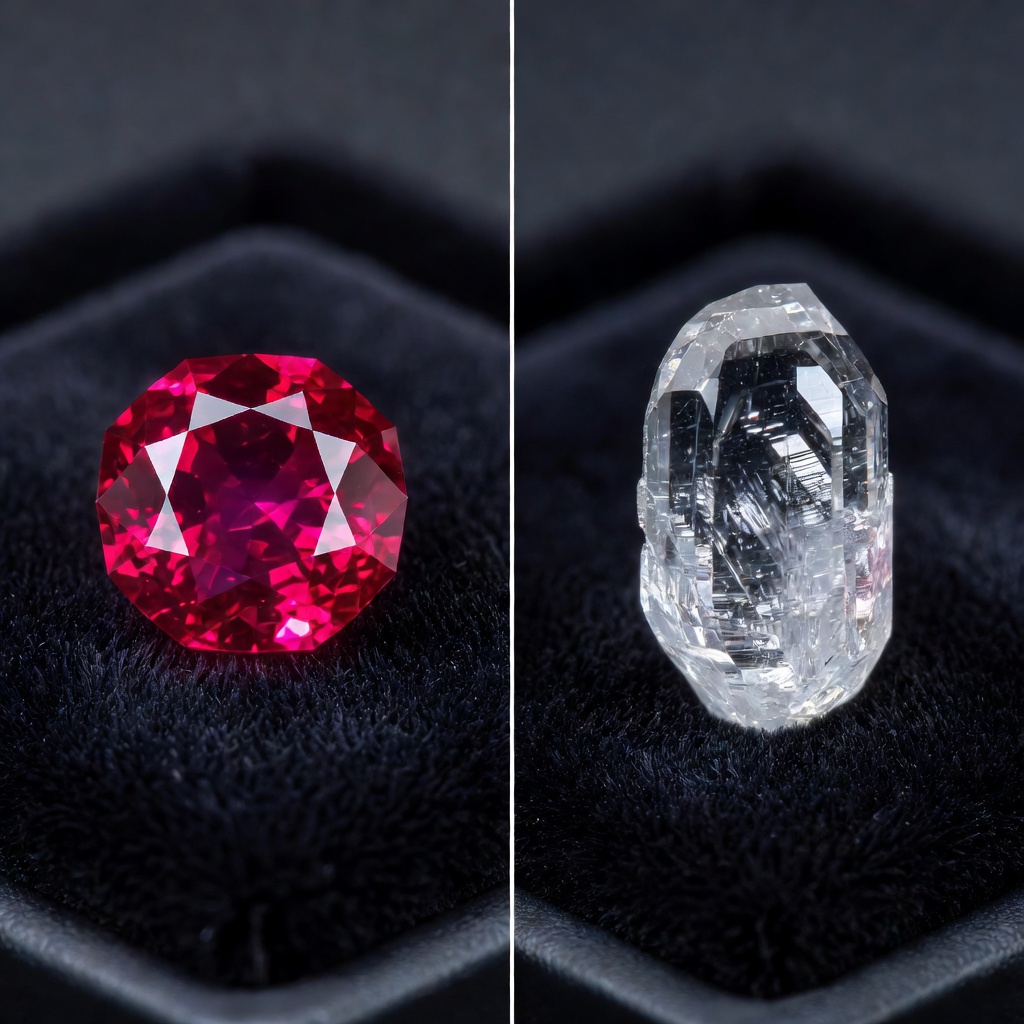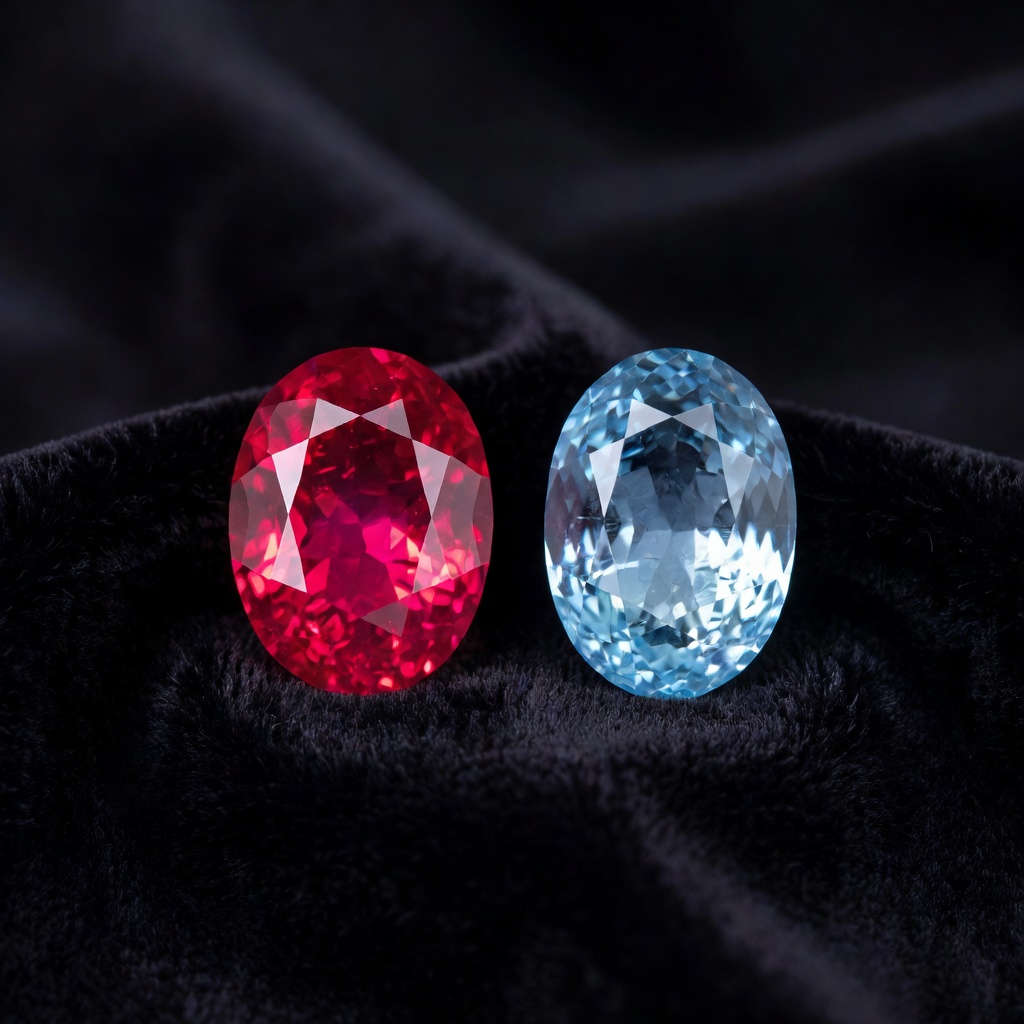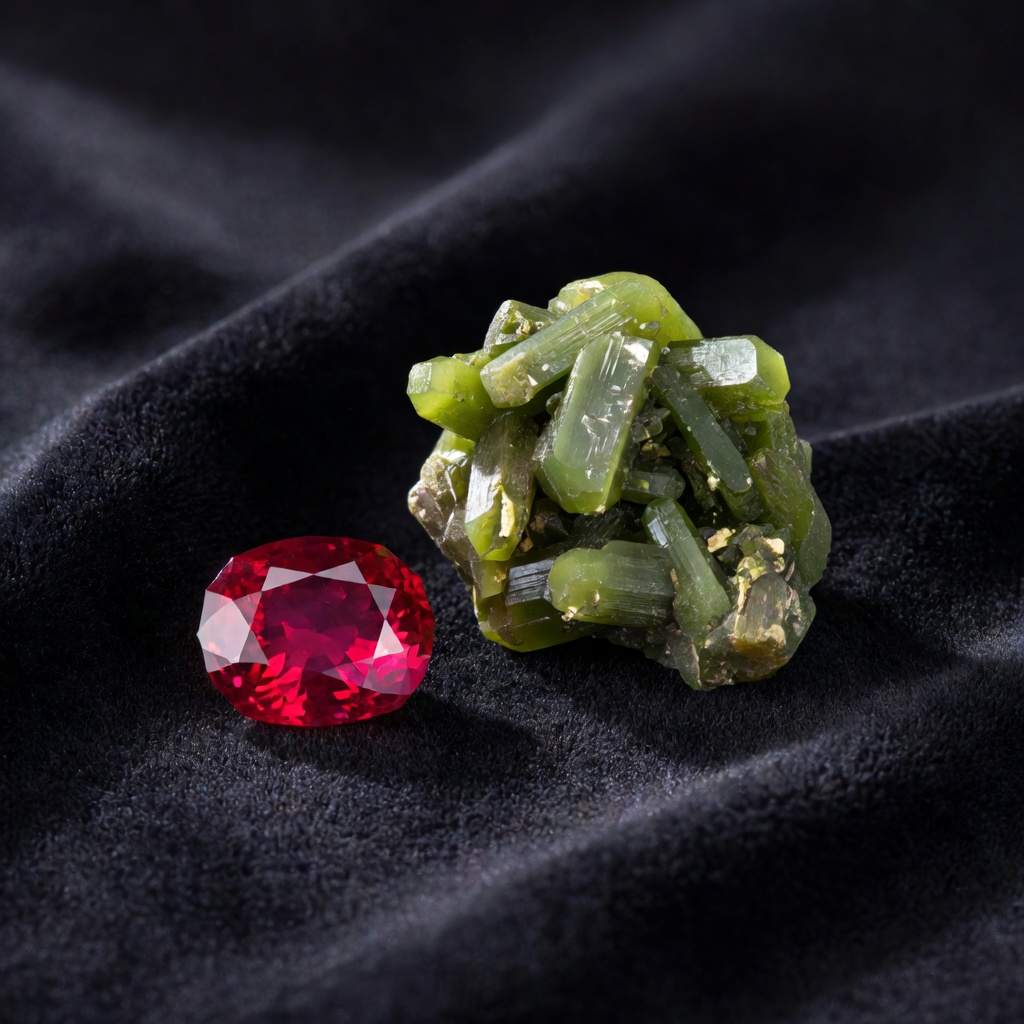
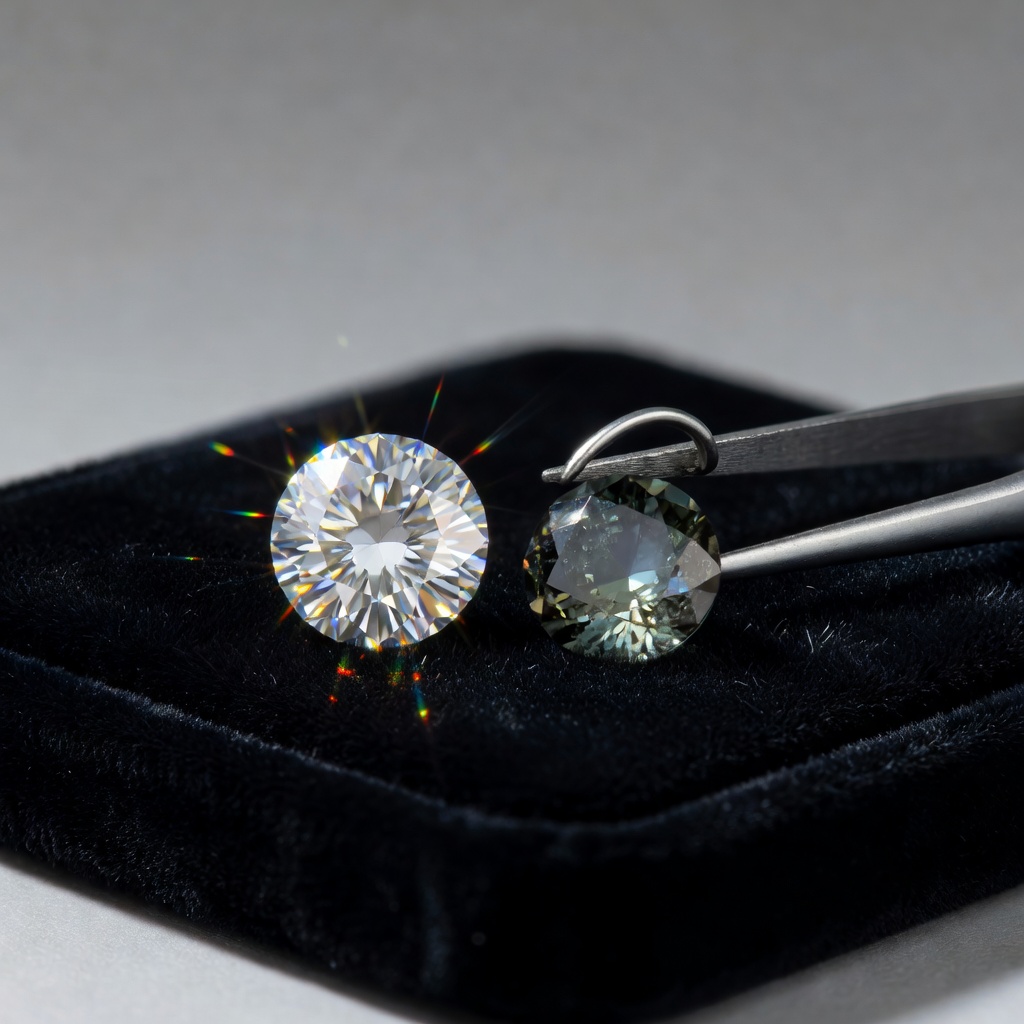
The Battle of Ultra-Rare Gems: Diamond vs Musgravite
When discussing the pinnacle of luxury and exclusivity in the gemstone world, the comparison of Diamond vs Musgravite represents a fascinating clash between established tradition and extraordinary rarity. For centuries, diamonds have reigned supreme as the ultimate symbol of wealth, durability, and eternal commitment, backed by massive marketing campaigns and liquid global markets. However, musgravite emerges as a formidable challenger in the realm of ultra-rare gemstones, offering collectors and investors access to geological scarcity that surpasses even the rarest fancy colored diamonds. This comprehensive analysis serves high-net-worth individuals, serious gem collectors, and alternative asset investors who seek to understand the nuanced differences between these two exceptional minerals, examining everything from geological formation to long-term portfolio strategy.
Origins and Geological Formation
The geological journeys of these two extraordinary minerals reveal vastly different creation stories that directly impact their availability and value propositions. Diamonds form approximately 90 to 120 miles beneath Earth's surface in the upper mantle, where carbon atoms crystallize under extreme pressure of 45,000 atmospheres and temperatures exceeding 1,650 degrees Fahrenheit over periods of one to three billion years. These ancient crystals eventually reach the surface through rare volcanic eruptions called kimberlites, which act as geological elevators transporting the stones rapidly upward to prevent graphite formation during the ascent.
In stark contrast, musgravite represents a much more recent geological discovery with significantly more limited geographical distribution. First identified in 1967 by Australian geologists in the Musgrave Ranges of South Australia, this beryllium-aluminum oxide mineral remained so exceptionally scarce that only eight faceted specimens were documented worldwide by 2005. The tasmanian musgravite origin story expanded when deposits were later discovered in Tasmania's remote western wilderness, along with sporadic findings in Greenland, Madagascar, and Antarctica. Unlike diamonds, which benefit from industrial-scale mining operations across multiple continents producing millions of carats annually, musgravite extraction remains essentially a byproduct of other mineral prospecting, with total global production measured in single-digit carats per decade rather than tons.
Physical Properties and Durability
Understanding the tangible characteristics of these gemstones proves essential for collectors weighing aesthetic desires against practical wearability concerns. The diamond hardness mohs scale rating of 10 represents the absolute pinnacle of mineral durability, making diamonds the only naturally occurring substance capable of scratching any other material while remaining impervious to damage from daily wear. This exceptional hardness stems from diamonds' isometric cubic crystal structure, where each carbon atom forms strong covalent bonds with four neighboring atoms in a tetrahedral arrangement, creating a three-dimensional lattice of extraordinary stability.
Musgravite, while significantly harder than most colored gemstones, occupies a different position on the durability spectrum with a Mohs hardness rating between 8 and 8.5. This places it alongside topaz and chrysoberyl—suitable for jewelry but requiring more careful handling than diamonds. The mineral crystallizes in the hexagonal system with a specific gravity of 3.60-3.61, distinguishing it chemically from its close relative taaffeite. For collectors considering gemstone durability in practical applications, this hardness differential carries significant implications: while diamonds withstand the abrasion of daily contact with household surfaces, door frames, and other jewelry, musgravite requires protective settings and occasional wear to prevent surface scratching and edge chipping that could diminish its value and optical performance.
Visual Characteristics and Color Variations
The aesthetic distinctions between these two minerals offer collectors distinctly different visual experiences that cater to varying tastes in colored gemstone investment. Diamonds present a broad spectrum of possibilities, from the coveted D-color (completely colorless) stones that command premium prices for their icy brilliance, through the near-colorless G-J range popular in commercial jewelry, to the extraordinarily valuable fancy color categories including vivid pinks, blues, and reds that result from structural deformities or trace elements like nitrogen and boron. The diamond's refractive index of 2.42 creates exceptional brilliance and fire, dispersing white light into spectral colors with unmatched intensity.
Musgravite offers a more specialized, subtle palette that appeals to connoisseurs of understated rarity rather than spectacular brilliance. Natural musgravite typically displays greenish-gray, grayish-green, or purple hues, with the most valuable specimens showing intense violet or mauve coloration caused by trace iron and magnesium content. Unlike diamonds, which exhibit adamantine luster and high dispersion (0.044), musgravite possesses a vitreous luster and lower refractive indices (1.72-1.74), resulting in a softer, more subdued optical performance that emphasizes depth and color over sparkling brilliance. This characteristic makes musgravite particularly suited for collectors who appreciate "insider" stones—gems that reveal their beauty through intimate examination rather than across a crowded room, offering a sophisticated alternative to the universally recognized flash of diamonds.
Rarity: The Decisive Factor
When evaluating rare gemstones as alternative assets, scarcity metrics fundamentally separate these two minerals into entirely different investment categories. The global diamond industry produces approximately 150 million carats of rough diamonds annually, with major mining operations in Botswana, Russia, Canada, and Australia supplying a consistent, if carefully managed, stream of material to worldwide markets. Even within the "rare" categories, such as fancy vivid pink or blue diamonds, hundreds of specimens exist in private collections and institutional holdings, providing sufficient liquidity for active trading.
Musgravite exists in a scarcity category so extreme that it challenges conventional gem trade paradigms. As of recent gemological surveys, fewer than thirty faceted musgravite stones have been documented in existence worldwide, making it significantly rarer than red diamonds, of which approximately thirty to forty specimens are known. This extreme paucity results from the mineral's specific formation requirements—needing beryllium-rich pegmatites in magnesium-aluminum environments that occur in only a handful of locations globally. For collectors, this rarity translates into absolute uniqueness: owning a facet-grade musgravite means possessing one of the rarest objects on Earth, a distinction that no diamond, regardless of color or clarity, can mathematically match. However, this same scarcity creates market challenges, as finding a musgravite for purchase may require years of waiting for estate sales or specialized auctions, unlike diamonds which can be acquired within hours through established dealers.
| Characteristic | Diamond | Musgravite |
|---|---|---|
| Mohs Hardness | 10 (Highest possible) | 8-8.5 (Good, but requires care) |
| Annual Global Production | ~150 million carats rough | Less than 1 carat facet-grade |
| Known Faceted Specimens | Millions in circulation | Approximately 25-30 documented |
| Price Range per Carat | $3,000-$100,000+ (depending on 4Cs) | $35,000-$150,000+ (facet-grade) |
| Color Range | Colorless to fancy vivid (blue, pink, yellow) | Greenish-gray to purple/violet |
| Ideal Setting Type | Any setting including tension and prong | Bezel or protective halo settings only |
| Market Liquidity | High - global auction houses and dealers | Very Low - specialized auctions only |
| Certification Availability | Standard GIA grading reports readily available | Requires specialized laboratories (AGL, SSEF) |
Market Value and Investment Analysis
The financial dimensions of Diamond vs Musgravite acquisitions reveal divergent investment profiles that cater to different risk tolerances and portfolio strategies within the colored gemstone investment landscape. Commercial-quality diamonds typically trade between $3,000 and $30,000 per carat depending on the four Cs (cut, color, clarity, carat), while investment-grade fancy colored diamonds can command $100,000 to several million dollars per carat at auction. These prices reflect established markets with transparent pricing mechanisms, standardized grading systems, and relatively liquid secondary markets where stones can be converted to cash within weeks through major auction houses or diamond bourses.
The musgravite price per carat begins at approximately $35,000 for smaller, included specimens and escalates rapidly to $150,000 or more for clean, well-cut stones exceeding one carat, with the few exceptional pieces appearing at auction achieving prices that defy standard gem valuation models. Historical data indicates that musgravite has appreciated nearly tenfold since 2005, outperforming virtually every other gem category including blue diamonds. However, this appreciation comes with significant liquidity constraints: selling a musgravite requires finding a specialized collector with sufficient knowledge to value the stone properly, often necessitating consignment to high-end auction houses like Christie's or Sotheby's with sales cycles measured in months rather than days. For investors, this creates a binary choice between diamonds, which offer wealth preservation with moderate appreciation and high liquidity, versus musgravite, which provides extraordinary appreciation potential but requires "locking up" capital in an asset that may take years to divest.
Authentication and Certification Challenges
Proper documentation represents a critical concern for collectors acquiring either of these valuable minerals, though the gemstone certification processes differ dramatically in complexity and standardization. The diamond industry benefits from the Gemological Institute of America (GIA)'s ubiquitous grading system, which provides consistent, internationally recognized reports detailing cut, color, clarity, and carat weight. These certificates include laser inscriptions and security features that facilitate resale and insurance valuation, creating a trusted ecosystem where buyers can purchase with confidence even from remote locations or online platforms.
Musgravite authentication presents significantly greater challenges due to its close chemical and optical relationship with taaffeite, a slightly more common but still extremely rare mineral that shares the same crystal structure but differs in magnesium content. Distinguishing between these two minerals requires advanced gemological equipment including refractometers, spectroscopes, and often sophisticated techniques like Laser Ablation Inductively Coupled Plasma Mass Spectrometry (LA-ICP-MS) available only at specialized laboratories such as the American Gemological Laboratories (AGL) or the Swiss Gemmological Institute (SSEF). The risk of misidentification is substantial: unscrupulous or uninformed sellers might offer taaffeite (valued at $1,500-$2,500 per carat) as musgravite, creating potential losses of tens of thousands of dollars for unwary buyers. Consequently, purchasing musgravite without comprehensive laboratory documentation from a recognized authority is inadvisable, and collectors should budget an additional $500-$1,500 for proper authentication and grading reports that will prove essential for future resale or estate valuation.
Practical Applications in Jewelry
The divergent physical properties of these gemstones dictate distinct approaches to jewelry design and wearing strategies that collectors must consider before acquisition. Diamonds excel in versatility, accommodating every conceivable jewelry application from daily-wear engagement rings subjected to decades of abrasion, to delicate pendants, to avant-garde tension settings that appear to suspend the stone in mid-air. Their unmatched hardness allows for secure prong settings that expose maximum surface area to light while resisting bending or wear, and they pair elegantly with all precious metals—from platinum and white gold that enhance colorless stones, to yellow and rose gold that complement fancy colored varieties.
Musgravite requires more deliberate jewelry planning due to its 8-8.5 hardness rating and extreme value. Gemologists recommend bezel settings or protective halos that shield the girdle and pavilion from direct impact, making the stone less suitable for high-risk applications like engagement rings worn during athletic activities or manual labor. Instead, musgravite performs beautifully in pendants, earrings, and cocktail rings designed for occasional wear at formal events. Metal selection becomes particularly important for showcasing musgravite's subtle colors: platinum and white gold enhance the stone's greenish-gray tones, creating a sophisticated, moody aesthetic, while rose gold settings amplify purple and mauve varieties, adding warmth that complements the gem's understated elegance. For collectors commissioning custom pieces, working with jewelers experienced in handling ultra-rare gems is essential, as standard workshop practices might risk damaging a stone worth more than the setting itself.
Making the Right Choice for Your Portfolio
Deciding between these exceptional minerals ultimately requires honest assessment of collecting goals, risk tolerance, and lifestyle factors that extend beyond simple aesthetic preferences. Collectors seeking daily wearable luxury with stable value retention should prioritize diamonds, particularly high-color, high-clarity stones in the D-F range or recognized fancy colors with established auction records. These assets function similarly to blue-chip stocks, providing portfolio diversification with relatively predictable liquidity during financial emergencies or estate transitions.
Conversely, those pursuing pure rare gemstones as speculative alternative investments might allocate 5-10% of their jewelry portfolio to musgravite, accepting the illiquidity in exchange for ownership of a true geological anomaly. Practical considerations should include: Will this piece be worn weekly or displayed in a vault? Do you require immediate liquidity potential, or can capital remain tied up for years? Is the priority recognition and admiration from peers familiar with diamonds, or the exclusive knowledge shared only among connoisseur circles? High-net-worth collectors often adopt a hybrid strategy, maintaining diamond holdings for stability and wearability while acquiring musgravite as a "crown jewel"—an ultimate expression of exclusivity that serves as both investment and heirloom. Regardless of choice, both stones require specialized insurance riders, climate-controlled storage when not worn, and relationships with gemological experts who can assist with maintenance, recertification, and eventual disposition.
Frequently Asked Questions
Is Musgravite Harder Than Diamond?
No, musgravite measures 8 to 8.5 on the Mohs hardness scale, while diamond ranks at 10, making diamond significantly harder and more suitable for daily wear jewelry. This hardness differential means that while musgravite can withstand normal handling and occasional wear, it remains susceptible to scratching from harder materials including silicon dioxide (quartz) commonly found in household dust, whereas diamonds remain impervious to all natural substances. Collectors should consider this distinction carefully when deciding between these stones for applications like engagement rings, where daily exposure to potential abrasives makes diamond the pragmatic choice despite musgravite's superior rarity.
Why Is Musgravite More Expensive Than Diamond?
Musgravite commands higher prices due to extreme rarity—with fewer than ten faceted specimens known to exist globally—compared to diamonds' relatively abundant commercial production. While exceptional fancy colored diamonds can match or exceed musgravite prices per carat, standard commercial diamonds represent a commodity market with steady supply chains, whereas musgravite availability depends entirely on sporadic geological discoveries and estate sales from previous collectors. This supply constraint, combined with increasing demand from ultra-high-net-worth collectors seeking the absolute rarest mineral specimens, creates a seller's market where prices reflect not just beauty but the mathematical improbability of the stone's existence.
Can Musgravite Be Used in Engagement Rings?
While possible, musgravite's 8-8.5 hardness makes it less ideal for daily-wear engagement rings compared to diamonds; it's better suited for protective settings or occasional wear pieces. Gemologists specifically caution against prong-set musgravite rings worn during activities like rock climbing, weightlifting, or even vigorous gardening, as direct impacts against the girdle can cause chipping or cleaving. If selecting musgravite for an engagement ring, choose a bezel or tension setting that fully encircles the stone's perimeter, and consider insuring the piece with a specialized jewelry policy that covers accidental damage, given the difficulty of replacing such a rare specimen.
How Can I Verify if a Musgravite Gemstone Is Authentic?
Authentication requires advanced gemological testing including refractive index measurement and spectroscopy from specialized labs like GIA or AGL, as musgravite is often confused with taaffeite. The verification process typically involves measuring specific gravity (3.60-3.61 for musgravite versus 3.60-3.61 for taaffeite, requiring precise instruments), examining pleochroism (musgravite shows moderate to strong pleochroism from green to purple), and potentially conducting chemical analysis to distinguish magnesium content. Prospective buyers should never purchase musgravite based solely on a dealer's verbal assurance or simple visual inspection, and should insist on a detailed laboratory report that specifically confirms the stone as musgravite rather than its more common mineral cousin.
Which Is the Better Investment: Diamond or Musgravite?
Musgravite offers higher appreciation potential due to extreme scarcity but lacks liquidity, while diamonds provide stable value retention with easier resale markets for standardized grades. Investment advisors typically recommend diamonds for portfolios requiring liquid alternative assets that can be converted to cash within 30-90 days, whereas musgravite suits "legacy" collecting strategies where the asset may be held for decades or generations before sale. The optimal approach for serious gemstone investors often involves allocating 80-90% of funds to diamonds for stability and immediate liquidity, while reserving 10-20% for ultra-rare specimens like musgravite that offer asymmetric upside potential despite the challenges of finding qualified buyers.
What Colors Does Natural Musgravite Display?
Natural musgravite typically appears in greenish-gray, grayish-green, or purple hues, with color intensity varying based on trace element content and cutting quality. The most prized specimens exhibit intense violet or mauve coloration resulting from specific combinations of iron and magnesium within the crystal lattice, while less valuable material may appear almost black or overly pale. Unlike diamonds, which undergo treatments to enhance or change color, natural musgravite color is inherently stable and untreated, though the cutting orientation significantly affects face-up appearance, with experienced cutters orienting the table perpendicular to the c-axis to maximize color saturation in the final gem.
Where Can I Purchase Certified Musgravite?
Certified musgravite is available only through high-end auction houses like Christie's or Sotheby's, and select specialized dealers, always requiring comprehensive laboratory documentation. Unlike diamonds, which can be purchased from thousands of retailers worldwide, musgravite transactions occur within a closed network of gemological specialists who maintain waiting lists for qualified buyers and often conduct private treaty sales rather than public listings. Prospective purchasers should expect to provide proof of funds and references before viewing stones, and should budget for buyer's premiums (typically 20-25% at auction) plus the cost of independent verification by a third-party gemologist before finalizing any acquisition exceeding $50,000.