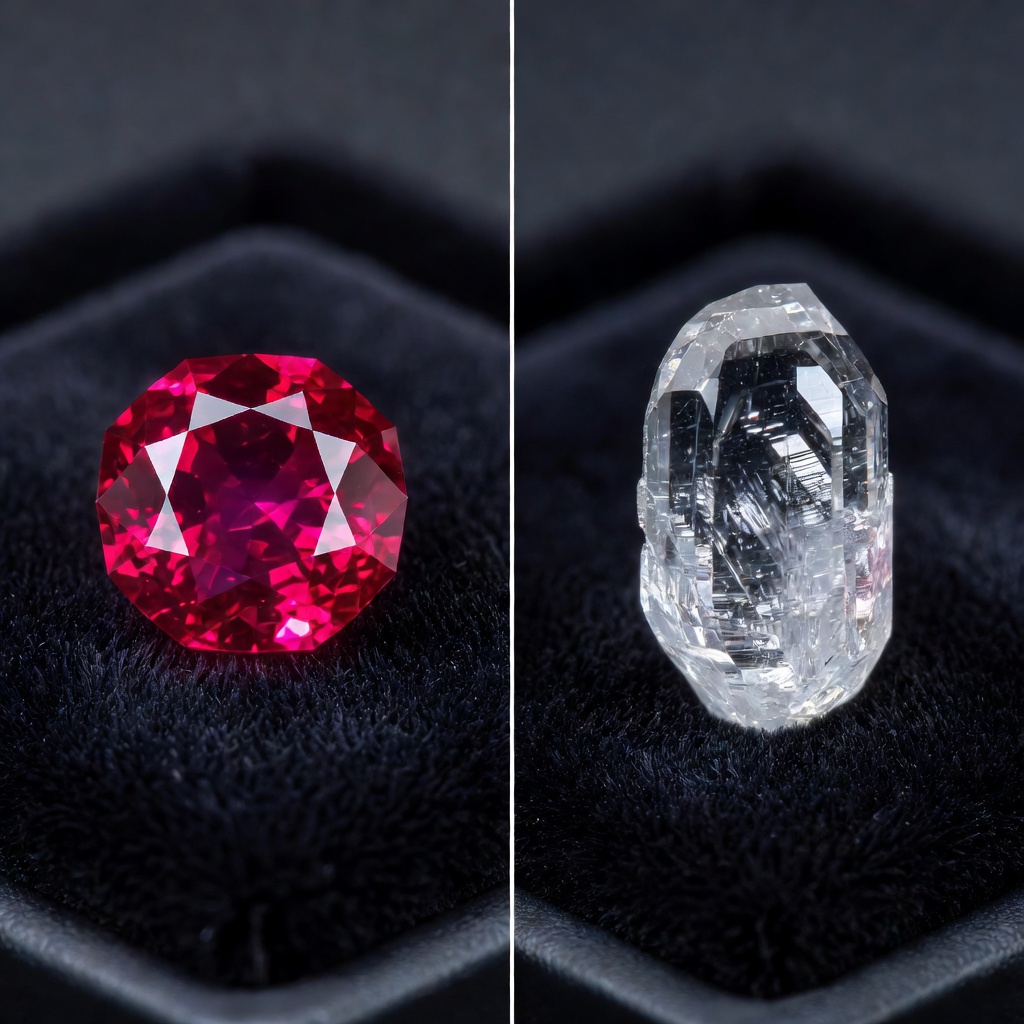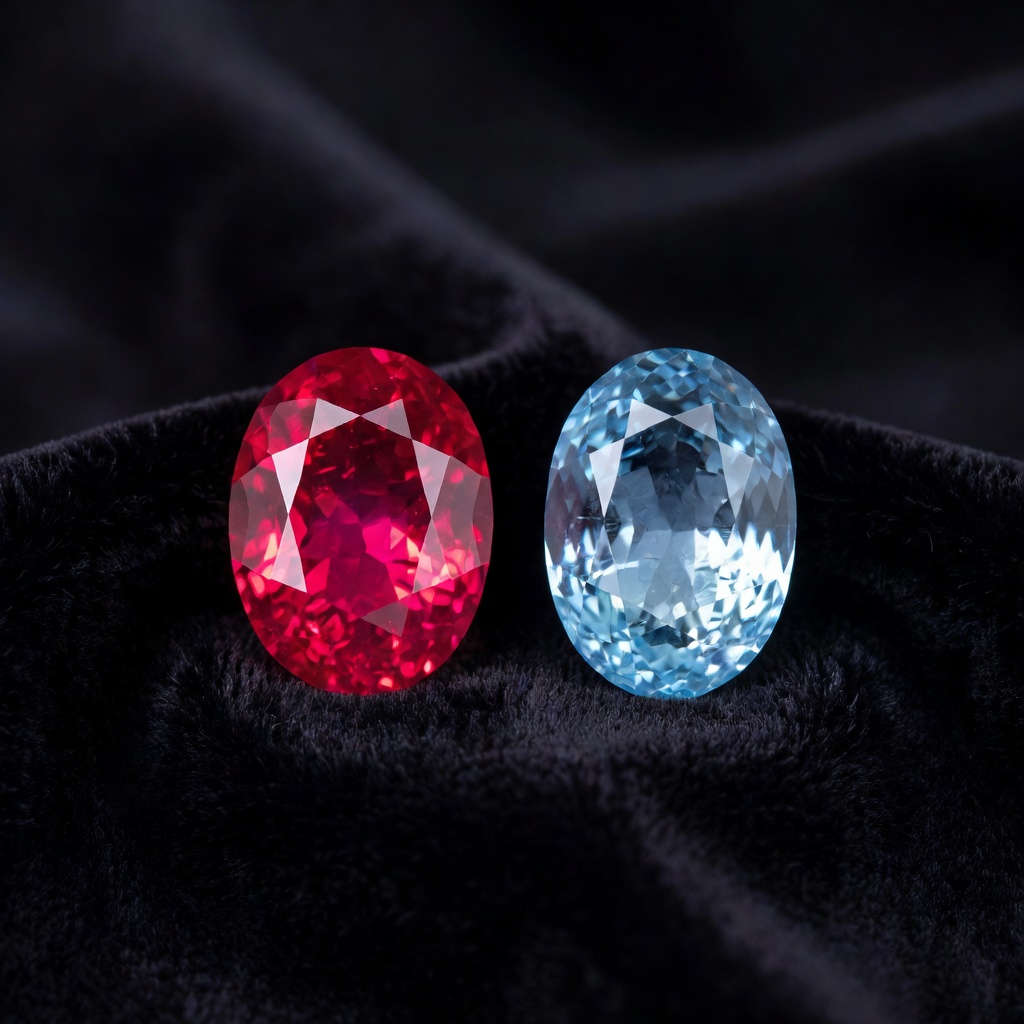
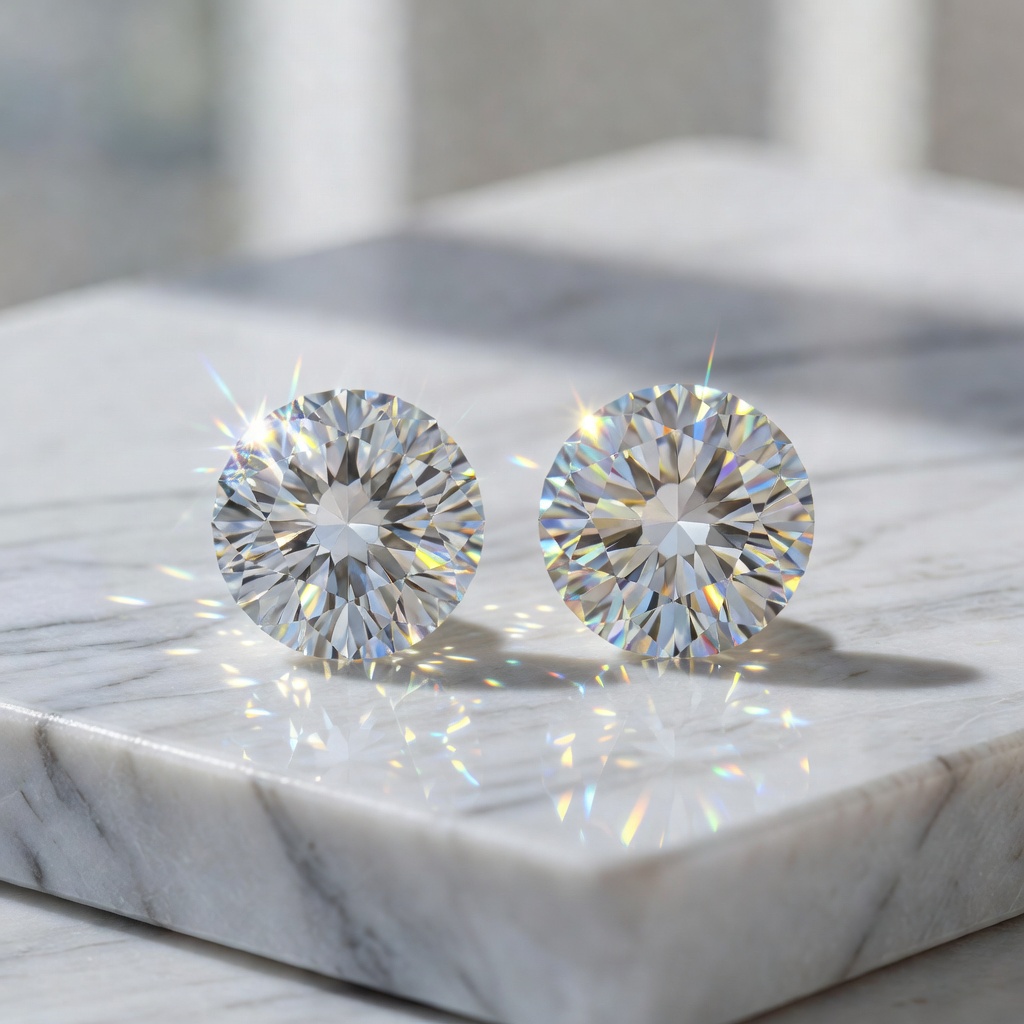
Introduction to Diamond vs Moissanite
When Henri Moissan discovered microscopic crystals in an Arizona meteorite crater during 1893, he could never have predicted that this silicon carbide mineral would one day challenge the supremacy of Earth's hardest natural substance. Today, the debate between Diamond vs Moissanite represents one of the most significant shifts in fine jewelry purchasing decisions, particularly for couples seeking engagement rings that balance beauty, ethics, and budget. While diamonds have commanded the luxury market for centuries as symbols of eternal commitment, lab created moissanite has emerged as a compelling contender that offers distinct optical advantages and ethical clarity.
Understanding the fundamental differences between these gemstones requires looking beyond surface sparkle to examine their geological origins, physical properties, and long-term value propositions. Modern consumers increasingly prioritize transparency in sourcing and seek alternatives that do not compromise on durability or visual impact. Whether you are drawn to the timeless prestige of mined diamonds or the brilliant fire of moissanite engagement rings, making an informed choice demands knowledge of how these stones perform in daily wear, how they interact with light, and what they represent in contemporary culture.
Origins and Chemical Composition
The journey of a natural diamond begins approximately 100 miles beneath Earth's surface, where carbon atoms crystallize under extreme pressure of 725,000 pounds per square inch and temperatures exceeding 2,000 degrees Fahrenheit over one to three billion years. These ancient formations travel to the surface through volcanic eruptions carrying kimberlite magma, making each natural diamond a finite geological treasure with a unique fingerprint of inclusions and growth patterns. In contrast, lab created moissanite originates from sophisticated chemical vapor deposition (CVD) or sublimation processes that grow silicon carbide crystals in controlled laboratory environments over several months rather than millennia.
From a chemical perspective, diamonds consist purely of carbon atoms arranged in an isometric crystal structure, while moissanite comprises silicon carbide (SiC) with a hexagonal crystal system that contributes to its distinct optical properties. Natural moissanite exists only in trace amounts within meteorites and upper mantle rock formations, making it rarer than diamond in nature, yet virtually all jewelry-grade moissanite is synthetically produced to ensure consistent quality and size availability. This distinction between naturally occurring and laboratory-grown gemstones significantly impacts market pricing, ethical considerations, and consumer accessibility, as moissanite production bypasses the extensive mining infrastructure required for diamond extraction.
Visual Appearance and Brilliance Comparison
The optical performance of a gemstone determines its capacity to capture attention and create that coveted sparkle, making brilliance comparison a critical factor for many buyers. Diamonds possess a refractive index of 2.42, which produces the classic "white light" return that has defined luxury jewelry for generations, while moissanite exhibits a higher refractive index ranging from 2.65 to 2.69. This elevated refractive property causes moissanite to display more intense brilliance, often described as a "disco ball" effect in larger carat weights, which some enthusiasts adore while traditionalists may find overly flashy compared to diamond's subtler scintillation.
Fire and dispersion—the separation of light into spectral colors—represent another significant differentiator where moissanite truly distinguishes itself. Moissanite boasts a dispersion rating of 0.104, more than double that of diamond's 0.044, resulting in prominent rainbow flashes particularly visible in sunlight or under spot lighting. For example, a round brilliant cut moissanite engagement ring photographed outdoors will typically display more colorful sparkle than its diamond equivalent, though this characteristic varies by cut style and lighting conditions. Color grading also differs between the stones; diamonds follow the strict GIA D-Z scale where colorless grades command premium prices, while high-quality moissanite generally falls within the equivalent D-F color range without the exponential price increases associated with diamond color premiums.
Durability and Hardness Analysis
Gemstone durability encompasses hardness, toughness, and stability—three factors determining how well a stone withstands the rigors of daily wear over decades or even generations. On the Mohs hardness scale, diamonds reign supreme at 10, making them the hardest known natural material capable of scratching any other substance, while moissanite rates an impressive 9.25, positioning it between diamond and corundum (sapphires and rubies). This hardness differential means that while moissanite can scratch virtually any material in your jewelry box except diamond itself, it may eventually show microscopic abrasion marks if stored loose alongside diamond jewelry.
However, hardness represents only scratch resistance; toughness—the resistance to chipping and breaking—depends on crystal structure and cleavage planes. Diamonds possess perfect cleavage in four directions, making them vulnerable to damage from sharp impacts at specific angles, whereas moissanite's hexagonal crystal structure provides excellent toughness with no perfect cleavage planes. Case studies from jewelry repair specialists indicate that moissanite engagement rings often survive significant impacts that might chip a diamond, though both stones require professional inspection of prongs and settings every six to twelve months. For active lifestyles involving manual labor, sports, or frequent travel, moissanite offers practical durability that approaches diamond performance at a fraction of the replacement cost should damage occur.
Price Comparison and Value Retention
The financial implications of choosing between these gemstones often serve as the primary decision driver for budget-conscious consumers seeking maximum visual impact. Current market analysis reveals stark contrasts: a high-quality one-carat natural diamond typically ranges from $4,000 to $6,000 depending on cut, color, and clarity grades, while an equivalent size and quality lab created moissanite generally costs between $400 and $600. This significant price differential allows buyers to either allocate savings toward elaborate settings, larger center stones, or other life priorities without sacrificing the visual presence of a substantial engagement ring.
Value retention presents a more complex picture that favors natural diamonds in the resale market, though neither gemstone functions as a liquid investment asset. Natural diamonds typically retain 25-50% of their retail value through secondary markets or trade-up programs, while moissanite experiences minimal resale value due to its unlimited laboratory production potential. However, when calculating cost-per-wear over a lifetime, moissanite often delivers superior economic value; a $500 moissanite worn daily for fifty years costs approximately three cents per day versus $32 per day for a $6,000 diamond with similar wear patterns. Insurance premiums also reflect these valuations, with moissanite jewelry costing significantly less to protect annually while still covering replacement costs.
Color Grading and Clarity Standards
Professional grading systems help consumers evaluate gemstone quality using standardized metrics, though diamonds and moissanite utilize slightly different frameworks. The Gemological Institute of America (GIA) established the definitive D-Z color scale for diamonds, where D represents absolutely colorless stones commanding the highest premiums, descending through near-colorless (G-J) and faint yellow (K-M) grades. Moissanite color grading follows similar terminology but applies to lab-grown consistency; premium grades (D-F) appear colorless, while lower grades may exhibit slight warmth under specific lighting conditions, though modern manufacturing has largely eliminated the greenish or yellowish tints present in earlier generations of moissanite.
Clarity characteristics reveal fascinating differences in how these materials form and what inclusions they contain. Natural diamonds typically harbor crystals, feathers, clouds, or pinpoint inclusions formed during their billion-year growth period, with Flawless (FL) and Internally Flawless (IF) grades representing extreme rarity and cost. Moissanite inclusions generally manifest as microscopic needles or tubes resulting from the growth process, though laboratory quality control means most jewelry-grade moissanite achieves equivalent VVS (Very Very Slightly Included) or VS (Very Slightly Included) clarity without the premium pricing associated with diamond clarity grades. Certification options vary significantly; diamonds typically carry GIA, AGS, or IGI reports detailing specific measurements, while moissanite usually comes with manufacturer warranties and generic certificates of authenticity rather than independent laboratory grading reports.
Ethical Sourcing and Environmental Impact
Contemporary jewelry consumers increasingly prioritize the provenance of their gemstones, evaluating the social and environmental costs embedded in their purchases. Traditional diamond mining has faced scrutiny regarding conflict zones, labor practices, and ecological disruption, prompting the establishment of the Kimberley Process Certification Scheme to prevent "blood diamonds" from entering legitimate markets. However, critics argue that the Kimberley Process has limitations, particularly regarding environmental standards and artisanal mining communities, leading many buyers to seek Canadian diamonds with blockchain traceability or laboratory-grown alternatives that bypass mining entirely.
Lab created moissanite offers compelling ethical advantages through minimal environmental footprint and guaranteed conflict-free origins. The production requires significantly less energy and water than diamond mining, produces no excavation waste, and creates no hazardous working conditions for miners. Carbon footprint analyses suggest that laboratory gemstone production generates approximately 5-10% of the carbon emissions associated with traditional mining operations, though energy sources for specific laboratories vary. For socially responsible consumers, moissanite provides transparency impossible to achieve with mined stones, allowing wearers to enjoy substantial carat weights without concerns regarding displacement of indigenous communities, habitat destruction, or funding of regional conflicts.
Pros and Cons: Side-by-Side Analysis
Evaluating Diamond vs Moissanite requires weighing intangible factors like tradition and prestige against practical considerations of maintenance and optics. Diamonds carry unparalleled historical significance as symbols of permanence and luxury status, offering recognized resale value and the security of ultimate hardness. They provide subtle, refined brilliance preferred by those seeking understated elegance, and their universal recognition ensures immediate comprehension of the gesture when presented as engagement rings. However, the premium pricing restricts carat size for budget-limited buyers, and ethical concerns regarding mining practices continue to trouble environmentally conscious consumers.
Moissanite advantages include exceptional brilliance that outperforms diamond in light return, ethical laboratory creation eliminating mining concerns, and price points allowing for larger stones or elaborate settings within modest budgets. The gemstone's 9.25 hardness rating ensures generations of wear with minimal scratching, while its thermal stability makes it suitable for standard jewelry repair procedures. Drawbacks include distinct optical properties—specifically the "rainbow effect"—that knowledgeable observers may identify as non-diamond, limited resale value, and potential social perceptions among traditionalists who view laboratory stones as less prestigious than natural gems.
| Characteristic | Natural Diamond | Lab Created Moissanite |
|---|---|---|
| Chemical Composition | Carbon (C) | Silicon Carbide (SiC) |
| Refractive Index | 2.42 | 2.65 - 2.69 |
| Fire/Dispersion | 0.044 (White light) | 0.104 (Rainbow effect) |
| Mohs Hardness | 10 (Highest) | 9.25 (Excellent) |
| Toughness | Good (cleavage planes) | Excellent (no cleavage) |
| Color Grading | D-Z Scale (GIA) | Colorless to Near-Colorless |
| Price per Carat | $4,000 - $25,000+ | $400 - $600 |
| Origin | Mined (Earth's mantle) | Laboratory created |
| Ethical Certification | Kimberley Process (varies) | Guaranteed conflict-free |
| Brilliance Type | Subtle white sparkle | Intense rainbow fire |
| Value Retention | Moderate (25-50%) | Minimal resale value |
| Heat Resistance | Excellent | Excellent (up to 1800°C) |
Making Your Decision: Which Should You Choose?
Selecting between these gemstones ultimately depends on personal priorities regarding aesthetics, ethics, and economics rather than inherent superiority of one material over another. Budget-conscious buyers seeking maximum carat weight and visual impact often find moissanite engagement rings provide the "wow factor" impossible to achieve with diamond budgets under $3,000. For instance, a couple allocating $2,000 might choose between a 0.4-carat diamond solitaire or a 2-carat moissanite center stone with a diamond-accented halo setting, dramatically different presentations for the same expenditure.
Personal style preferences play crucial roles; those favoring classic, understated elegance may prefer diamond's white light return, while individuals attracted to bold, brilliant sparkle might prefer moissanite's fire. Symbolic meaning also influences decisions—some partners value the ancient geological history and natural rarity of mined diamonds as metaphors for unique, enduring love, while others appreciate moissanite's representation of scientific innovation and ethical consciousness. Long-term care expectations remain similar for both stones, though insurance costs differ significantly; buyers should verify that jewelers can service moissanite settings and that policies cover laboratory-grown stones adequately. Ultimately, choosing between diamond and moissanite requires honest assessment of what matters most: tradition and investment potential, or brilliance and ethical clarity.
Final Verdict and Recommendations
The Diamond vs Moissanite comparison reveals two exceptional gemstones serving different consumer values and lifestyle needs rather than competing in a zero-sum marketplace. For investment-minded buyers prioritizing traditional luxury, generational heirloom value, and subtle optical performance, natural diamonds remain the definitive choice despite premium pricing. Conversely, ethically motivated consumers, those seeking maximum brilliance and size within constrained budgets, and individuals with active lifestyles demanding chip-resistant durability will find lab created moissanite provides superior practical value without aesthetic compromise.
Expert recommendations suggest diamonds for classic solitaire engagement rings where tradition carries significant emotional weight, while moissanite excels in fashion jewelry, travel rings, and modern settings where size and sparkle take precedence over pedigree. For mixed applications, consider diamond accent stones alongside moissanite centers to maximize budget while maintaining luxury cachet. Regardless of selection, prioritize cut quality above all other factors, as precision cutting determines optical performance more than material composition. Both gemstones offer lifetime beauty when set properly and maintained regularly, ensuring that your choice reflects personal values while delivering decades of wearable joy.
Frequently Asked Questions
Can you tell the difference between diamond and moissanite with the naked eye?
To the untrained eye, high-quality moissanite appears nearly identical to diamond, but gemologists can distinguish them by moissanite's higher brilliance and distinctive rainbow fire (dispersion) compared to diamond's white light return. Under magnification, experienced observers may notice doubling of facet junctions in moissanite due to its double refractive properties, whereas diamonds display singly refractive optics. In everyday social situations, however, even jewelry professionals rarely identify moissanite without specialized testing equipment, making it a convincing diamond alternative for those concerned with visual authenticity.
Does moissanite lose its sparkle or become cloudy over time?
No, moissanite does not lose its sparkle, become cloudy, or change color over time. Unlike cubic zirconia, moissanite is a stable gemstone that maintains its optical properties and brilliance indefinitely with basic cleaning. The clouding sometimes associated with diamond simulants results from porosity or coating degradation in inferior materials, but moissanite's silicon carbide structure is inherently non-porous and resistant to chemical damage. Simple maintenance involving mild soap, warm water, and soft brushing removes accumulated lotions and oils, restoring the stone's original fire immediately.
Is moissanite considered a fake diamond or diamond simulant?
Moissanite is not a fake diamond but a distinct gemstone composed of silicon carbide. While it serves as a diamond alternative, it possesses unique properties including higher refractive index and different fire than diamond, making it a gemstone in its own right. Originally discovered in meteorites, moissanite occurs naturally in nature, though jewelry applications utilize laboratory-grown crystals. Referring to moissanite as merely a simulant inaccurately diminishes its status as a genuine gemstone with superior hardness surpassing rubies and sapphires, distinct chemical composition, and independent geological history.
Which is better for an engagement ring, diamond or moissanite?
The choice depends on priorities: choose diamond for tradition, ultimate hardness (10/10), and investment value; choose moissanite for superior brilliance, ethical sourcing, durability (9.25/10), and significant cost savings (typically 80-90% less). Couples prioritizing maximum carat weight within budget constraints often prefer moissanite for its ability to provide substantial presence without financial strain, while those valuing generational wealth transfer may favor diamonds. Both materials withstand daily wear admirably, though moissanite offers better chip resistance due to its lack of cleavage planes, making it potentially more practical for active lifestyles.
Do moissanite stones pass diamond testers?
Standard thermal conductivity diamond testers cannot distinguish moissanite from diamond because both conduct heat similarly, often giving false positives. However, electrical conductivity testers can differentiate them, as moissanite conducts electricity while diamond does not. Professional jewelers utilize specialized equipment including spectroscopes and refractive index testing to make definitive identifications. Consumers should be aware that pawn shops and inexperienced buyers might mistake moissanite for diamond using basic thermal probes, reinforcing the importance of purchasing from reputable dealers providing detailed invoices specifying gemstone identity.
Why is moissanite so much cheaper than diamond?
Moissanite costs less primarily because it is lab-created, eliminating expensive mining operations, rarity factors, and extensive supply chains. Additionally, moissanite is more abundant to produce, whereas natural diamonds require billions of years to form and extensive extraction efforts. The controlled laboratory environment allows consistent quality production without the geological uncertainties, transportation logistics, and middlemen markups inherent in diamond commerce. While diamond pricing reflects scarcity marketing and historical cartel structures, moissanite pricing reflects actual production costs plus reasonable retail margins, democratizing access to brilliant, durable fine jewelry.
Can moissanite get scratched or chip easily?
Moissanite is extremely resistant to scratching, rating 9.25 on the Mohs hardness scale (second only to diamond's 10). While durable for daily wear, sharp impacts can potentially chip any gemstone, though moissanite's toughness makes chipping relatively rare compared to diamond. The stone's robust crystal structure lacks the perfect cleavage planes that make diamonds vulnerable to splitting along specific angles. Practical examples include moissanite rings surviving impacts from accidentally striking granite countertops or metal door handles that might damage softer gemstones, though owners should still remove jewelry during extreme activities involving potential crushing forces.
Will moissanite maintain its value like a diamond?
Moissanite typically does not retain monetary value like natural diamonds due to its laboratory production and unlimited supply potential. However, it offers exceptional value in terms of initial affordability and lasting beauty without depreciation concerns for personal enjoyment. Unlike diamonds, which may retain partial value through trade-up programs or resale channels, moissanite should be considered a consumption purchase similar to a vehicle or electronics—valuable for its utility and pleasure rather than investment appreciation. The true value proposition lies in the initial savings and decades of wear rather than liquidation potential, making it ideal for buyers prioritizing immediate quality of life over asset accumulation.