Introduction: Why Compare These Two Distinct Gemstones
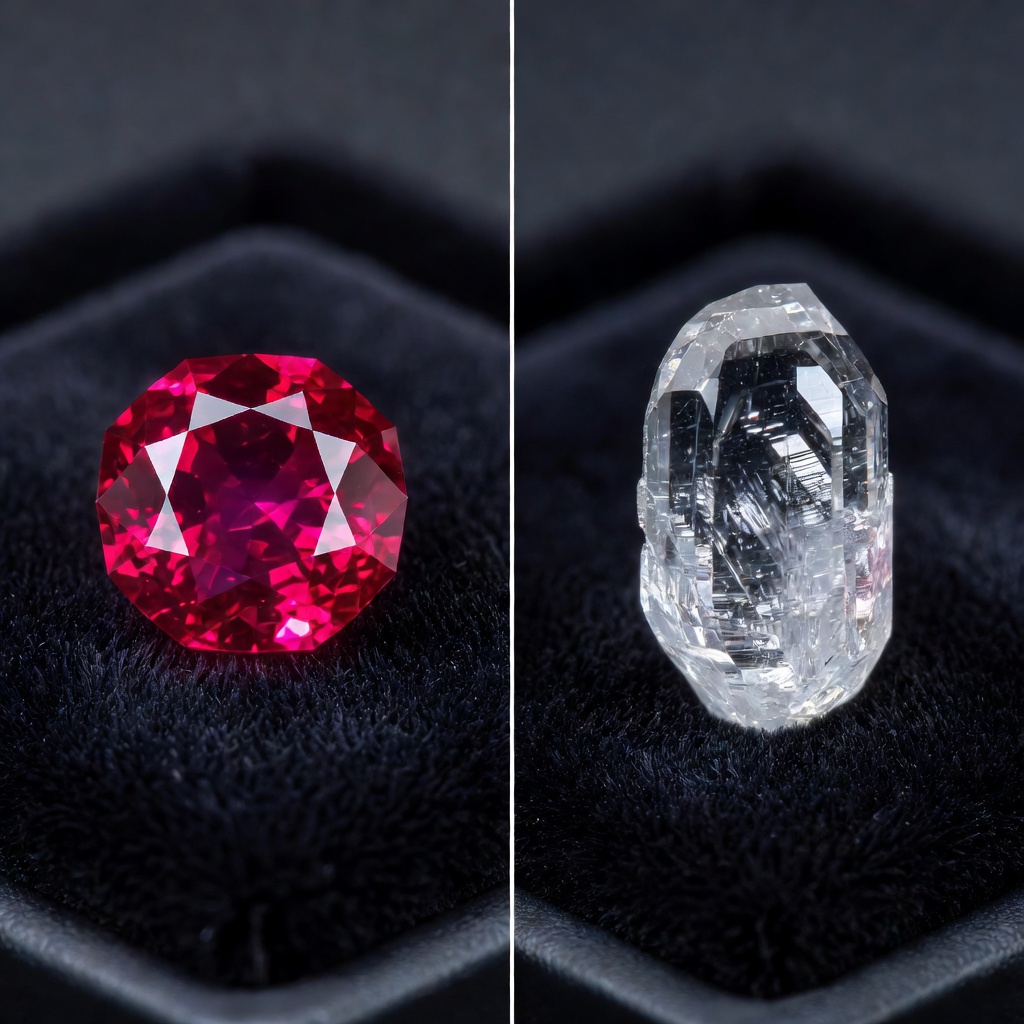
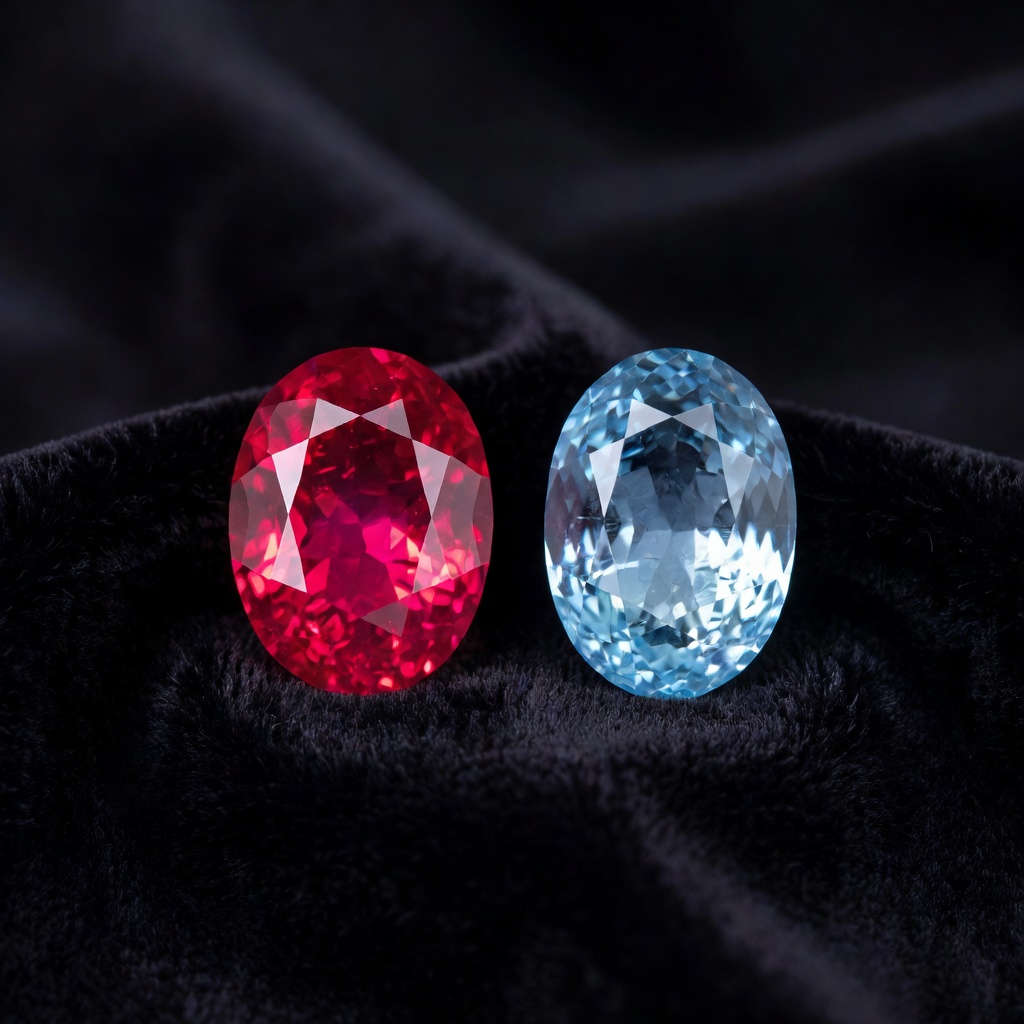
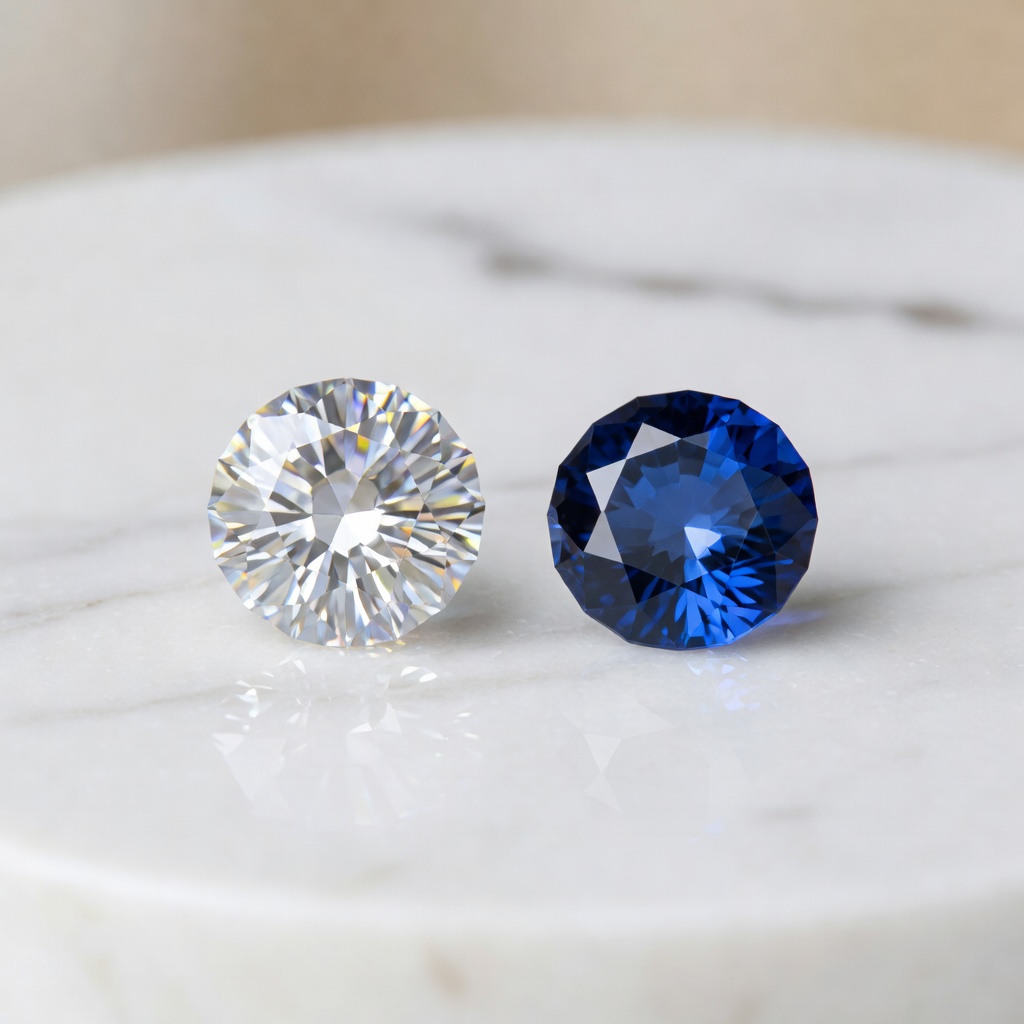
The jewelry market is witnessing a significant shift as consumers increasingly seek alternatives to traditional precious stones. When evaluating Diamond vs Lab-Created Spinel, buyers are essentially weighing centuries-old luxury standards against innovative, modern gemstone technology. Natural diamonds have long represented the pinnacle of engagement ring tradition and investment value, while lab-grown spinel emerges as a compelling contender for those prioritizing vibrant aesthetics and ethical sourcing.
This comparison addresses the growing demand for affordable diamond alternatives without sacrificing visual impact or wearability. Understanding the fundamental differences between these gemstones helps discerning buyers make informed decisions aligned with their lifestyle needs, budget constraints, and personal values. Whether you are selecting a lifetime engagement ring or a statement fashion piece, recognizing how synthetic spinel vs natural diamond performs across various metrics ensures satisfaction with your final selection.
Chemical Composition and Formation Processes
Understanding the fundamental building blocks of these gemstones reveals why they exhibit such distinct characteristics. Natural diamonds form approximately 100 miles beneath Earth's surface under extreme pressure of 725,000 pounds per square inch and temperatures exceeding 2,000 degrees Fahrenheit. This process requires one to three billion years, creating a crystalline lattice of pure carbon atoms arranged in an isometric structure that gives diamond its legendary hardness.
Lab-created spinel, chemically identical to its natural counterpart as magnesium aluminum oxide (MgAl₂O₄), undergoes dramatically different formation processes. Manufacturers typically employ the Verneuil flame fusion method, where aluminum and magnesium oxides are melted in an oxyhydrogen flame and crystallize on a rotating pedestal. Alternatively, hydrothermal growth simulates natural conditions using aqueous solutions under high temperature and pressure, producing crystals over several weeks rather than geological epochs. These lab-grown spinel creation methods result in flawless crystals with consistent color saturation rarely found in natural spinel deposits.
Practical Implications for Buyers: When examining synthetic spinel vs natural diamond under magnification, gemologists observe different inclusion patterns—natural diamonds often contain nitrogen impurities or mineral inclusions, while lab-created spinel typically shows curved growth lines or microscopic gas bubbles from its rapid formation. These distinctions affect not only aesthetic appearance but also how each stone responds to cutting and polishing techniques.
Durability and Hardness: The Mohs Scale Reality
Gemstone hardness comparison represents one of the most critical factors for jewelry intended for daily wear. Diamonds occupy the apex position at 10 on the Mohs hardness scale, making them the hardest known natural material and virtually impervious to scratching from everyday encounters. Lab-grown spinel durability registers between 7.5 and 8 on the same scale, positioning it softer than sapphire (9) but harder than quartz (7), which constitutes common household dust that can scratch softer gems.
Case Study: The Active Lifestyle Test. Consider Sarah, a yoga instructor seeking an engagement ring. After six months of daily wear, her diamond ring maintained flawless facets despite constant contact with metal equipment and accidental knocks against studio mirrors. Conversely, her colleague's spinel engagement ring developed microscopic abrasions along the table edges and required professional repolishing after eight months of similar activity. While spinel withstands normal office and social wear admirably, high-impact activities present genuine risk.
Resistance to damage extends beyond scratching to include toughness—the ability to resist chipping and breaking. Diamond's perfect cleavage means that while it resists scratching, a sharp blow at the right angle can split the stone. Spinel lacks cleavage planes, making it more resistant to chipping in certain directions, though its lower hardness makes it more susceptible to surface wear over decades. For heirloom pieces intended for multi-generational transfer, diamonds offer superior longevity, while spinel serves excellently for fashion jewelry or occasional wear statement pieces.
Optical Properties: Brilliance, Fire, and Color Options
Light performance distinguishes these gemstones dramatically in jewelry applications. Diamond possesses a refractive index of 2.42, creating exceptional brilliance through total internal reflection, while spinel's refractive index of 1.72 produces a softer, more velvety glow. This gemstone brilliance differential means diamonds exhibit sharp, defined sparkles (scintillation), whereas spinel offers a more subtle, sophisticated luster that many designers favor for vintage-inspired settings.
Dispersion—the ability to separate white light into spectral colors—favors diamonds significantly. With a dispersion rating of 0.044 compared to spinel's 0.020, diamonds display the characteristic "fire" or rainbow flashes highly prized in engagement rings. However, colored spinel options offer aesthetic advantages unavailable in affordable diamonds. While naturally colored diamonds command astronomical prices (vivid blues and pinks reaching millions per carat), lab-created spinel provides saturated cobalt blues, vibrant reds, and delicate pinks at accessible price points.
Practical Design Tip: When selecting between these stones for specific jewelry types, consider the lighting environment. Diamonds maximize their fire under direct spotlighting, making them ideal for evening wear and traditional engagement photography. Spinel's lower dispersion performs consistently across varied lighting conditions, from fluorescent office environments to natural daylight, making it excellent for professional jewelry worn during business hours. Designers often pair spinel with antique-style settings to complement its more subtle optical performance.
Price Analysis and Value Proposition
The economic contrast between these gemstones represents perhaps the most dramatic divergence for budget-conscious consumers. Quality natural diamonds typically range from $3,000 to $25,000 per carat depending on color and clarity grades, while lab-created spinel price points hover between $20 to $200 per carat—a differential of 90-95%. This affordability allows buyers to allocate resources toward intricate platinum settings or purchase multiple pieces rather than investing solely in the center stone.
Value retention trajectories differ substantially between these options. Natural diamonds, particularly those with GIA certification and exceptional color grades, maintain resale markets and can appreciate over decades as mining reserves deplete. Affordable diamond alternatives like lab-created spinel, while possessing intrinsic beauty, lack investment potential due to theoretically unlimited production capacity. The secondary market for synthetic gemstones remains limited, meaning buyers should purchase spinel for enjoyment rather than asset appreciation.
Budget Allocation Strategy: For couples with $5,000 to spend, choosing a one-carat natural diamond might require a simple 14K gold solitaire setting. Alternatively, selecting a two-carat lab-created blue spinel ($400) allows investment in a custom-designed platinum halo setting with diamond accents ($4,600), creating a more visually substantial piece. This approach works particularly well for fashion jewelry or "travel rings"—stunning pieces worn during vacations where losing a $50,000 diamond would cause devastating financial loss.
Detailed Gemstone Comparison
| Characteristic | Natural Diamond | Lab-Created Spinel | Practical Implications |
|---|---|---|---|
| Mohs Hardness | 10 (Highest) | 7.5-8 | Diamonds resist scratching indefinitely; spinel requires occasional repolishing after years of daily wear |
| Refractive Index | 2.42 | 1.72 | Diamonds exhibit sharper brilliance; spinel offers softer, more diffuse light return |
| Cost per Carat | $3,000-$25,000+ | $20-$200 | Spinel allows larger stones or elaborate settings within modest budgets |
| Color Options | Limited (expensive colors) | Vibrant blues, reds, pinks | Spinel provides access to saturated colors at fraction of fancy diamond prices |
| Durability for Daily Wear | Excellent (lifetime) | Good (with care) | Diamonds suit active lifestyles; spinel requires protective settings for rings |
| Resale Value | High (retains 50-70%) | Minimal (cosmetic value) | Diamonds serve as investments; spinel purchases prioritize immediate enjoyment |
| Environmental Impact | High mining footprint | Low laboratory footprint | Spinel appeals to eco-conscious consumers avoiding mining |
| Thermal Conductivity | Exceptional | Standard | Diamond testers easily distinguish between the two materials |
Ethical Sourcing and Environmental Impact
Modern consumers increasingly prioritize provenance when selecting ethical lab-created gemstones. Natural diamond mining, while regulated through initiatives like the Kimberley Process, still involves ecological disruption including deforestation, soil erosion, and water table contamination. Artisanal mining operations in certain regions continue raising concerns about labor practices despite industry improvements. Certification systems like GIA Origin Reports help track diamond sources, but the complexity of global supply chains makes absolute traceability challenging.
Laboratory creation of spinel offers distinct sustainability advantages with significantly reduced carbon footprints. Modern facilities utilizing renewable energy sources can produce gemstones with 95% less environmental impact compared to mining operations. Additionally, sustainable jewelry choices extend beyond environmental metrics to include guaranteed conflict-free origins—lab-created stones eliminate any possibility of funding regional conflicts or exploitative labor practices.
Case Study: The Conscious Consumer. Michael, an environmental engineer, faced ethical conflicts when selecting an engagement ring. Researching ethical gemstones, he discovered that a one-carat mined diamond generates approximately 160 kilograms of greenhouse gases, while his chosen three-carat lab-created blue spinel produced under 5 kilograms. Combined with a recycled platinum setting, his choice aligned with his professional values while creating a distinctive ring that sparked meaningful conversations about sustainable luxury.
Best Applications: Engagement Rings vs Fashion Pieces
Selecting the appropriate gemstone requires honest assessment of intended use frequency and wear conditions. Spinel engagement rings function beautifully for individuals with desk-based professions who remove jewelry during physical activities. However, nurses, mechanics, or athletes should consider that diamond jewelry durability withstands constant hand washing, tool contact, and impact better than spinel alternatives. For daily-wear wedding bands specifically, diamonds remain the industry standard for longevity.
Protective settings significantly extend spinel's viability in ring applications. Bezel settings, where metal surrounds the gem's circumference, protect vulnerable girdle edges from chipping. Halo designs not only enhance visual size but provide structural buffer zones. Pavé bands should feature raised settings that prevent the spinel from contacting hard surfaces during typing or handshakes. These precautions transform spinel from a delicate option into a practical choice for careful wearers.
Fashion jewelry and occasion pieces represent ideal applications for lab-created spinel. Cocktail rings, brooches, and pendant necklaces experience less mechanical stress than finger rings, allowing spinel's color advantages to shine without durability concerns. Travel jewelry collections particularly benefit from spinel—wearers enjoy luxurious appearance without the anxiety of transporting high-value diamonds through airports or hotel safes. Consider spinel for "statement pieces" worn weekly rather than hourly.
Care, Maintenance, and Professional Servicing
Proper maintenance protocols differ significantly between these gemstones due to their physical properties. Diamonds tolerate ultrasonic cleaning machines and steam treatments, which effectively remove accumulated lotions and oils. However, lab-grown spinel durability considerations require gentler approaches—warm water with mild dish soap and soft-bristled brushes preserve the polish without risking thermal shock or loosening treatments. Avoid harsh chemicals like chlorine bleach or ammonia with spinel, as these can attack certain color-enhancing treatments or mounting adhesives.
Storage practices prevent accidental damage between different hardness materials. Never store diamond jewelry alongside spinel pieces in shared compartments, as diamond's superior hardness (10 vs 7.5-8) will inevitably scratch spinel surfaces during drawer movement. Utilize individual cloth pouches or compartmentalized jewelry boxes with soft linings. For travel, padded organizers separate pieces effectively, preventing the "harder stone wins" phenomenon that ruins softer gems.
Professional inspection schedules should occur every six months for spinel engagement rings versus annual checks for diamond pieces. Jewelers should examine prong integrity, ensuring the softer spinel hasn't worn away metal settings through friction. Polishing services restore spinel's luster every few years as microscopic surface scratches accumulate, whereas diamonds require such service only once per decade under normal conditions. These maintenance investments, while modest, ensure spinel jewelry retains its beauty for decades.
How to Choose: Decision Framework for Buyers
Navigating the Diamond vs Lab-Created Spinel decision requires structured self-assessment beyond mere aesthetics. Begin with lifestyle auditing: catalog your daily activities involving hand contact, chemical exposure, and impact risks. If your routine includes rock climbing, medical procedures requiring gloves, or mechanical work, diamond's superior gemstone hardness comparison advantages justify the investment. Conversely, if you work in creative fields, education, or administration with mindful jewelry habits, spinel offers spectacular visual returns.
Budget prioritization strategies should account for total project costs rather than center-stone fixation. A $3,000 budget yields dramatically different results: a 0.5-carat diamond in basic setting versus a 2-carat vivid blue spinel in intricate vintage mounting with accent diamonds. Consider whether you value size and uniqueness (favoring spinel) or tradition and resale security (favoring diamond). For secondary jewelry—right-hand rings, anniversary bands, or birthday gifts—spinel allows experimentation with colors and designs impossible with diamond budgets.
Personal value alignment ultimately determines satisfaction. Traditionalists valuing geological rarity, multigenerational transfer, and romantic symbolism find diamonds irreplaceable. Progressive consumers prioritizing ethical lab-created gemstones, environmental stewardship, and individual expression often prefer spinel's modern narrative. Neither choice represents compromise when aligned with authentic personal values—both materials create legitimate luxury, differing only in the stories they tell and the practical constraints they impose.
Frequently Asked Questions
Can lab-created spinel pass as a diamond to the naked eye?
No, lab-created spinel cannot pass as a diamond to trained eyes or even casual observers familiar with gemstones. While both are brilliant, spinel has different optical properties including lower refractive index and different dispersion patterns. Additionally, spinel is available in colors like vibrant blue and red that diamonds rarely exhibit naturally.
Is lab-created spinel durable enough for daily wear in an engagement ring?
Lab-created spinel ranks 7.5-8 on the Mohs hardness scale, making it suitable for daily wear but requiring more care than diamonds. While resistant to scratching, it is more susceptible to chipping than diamonds (rank 10). For engagement rings, protective settings like bezels or halos are recommended to ensure longevity.
Which is more valuable: a natural diamond or lab-created spinel?
Natural diamonds retain significantly higher monetary value and resale potential compared to lab-created spinel. Diamonds are considered luxury investments, while lab-created spinel, despite its beauty, is valued primarily for its aesthetic appeal rather than investment potential due to its reproducible laboratory origin.
Does lab-created spinel have the same chemical properties as natural spinel?
Yes, lab-created spinel has identical chemical, physical, and optical properties to natural spinel (MgAl₂O₄). The primary difference is origin—one formed in a laboratory over weeks versus millions of years in nature. This similarity makes it a genuine gemstone, not a simulant like cubic zirconia.
Can a diamond tester detect lab-created spinel?
Standard thermal conductivity diamond testers will correctly identify that lab-created spinel is not a diamond, as spinel lacks diamond's exceptional thermal conductivity. However, spinel will not register as a diamond on basic testers, distinguishing it from diamond simulants like moissanite which may trigger false positives.
Why choose lab-created spinel over a diamond?
Choose lab-created spinel for budget-conscious luxury (costing 90%+ less), ethical sourcing preferences, vibrant color options unavailable in affordable diamonds, and reduced environmental impact. It's ideal for fashion jewelry, travel pieces, or those prioritizing size and color over traditional diamond symbolism.
Will lab-created spinel change color or fade over time?
No, properly created lab-grown spinel is color-stable and will not fade, change color, or degrade under normal wear conditions. Unlike some treated gemstones, the color in laboratory-grown spinel is inherent to its crystal structure, ensuring permanent vibrancy comparable to natural spinel.
How should I clean lab-created spinel compared to diamond jewelry?
Clean lab-created spinel using warm soapy water and a soft brush, avoiding ultrasonic cleaners and harsh chemicals that could damage the stone or setting. Diamonds can withstand ultrasonic cleaning and steam, but spinel requires gentler treatment to prevent potential damage to inclusions or setting integrity.