Introduction: Two Worlds of Rare Beauty
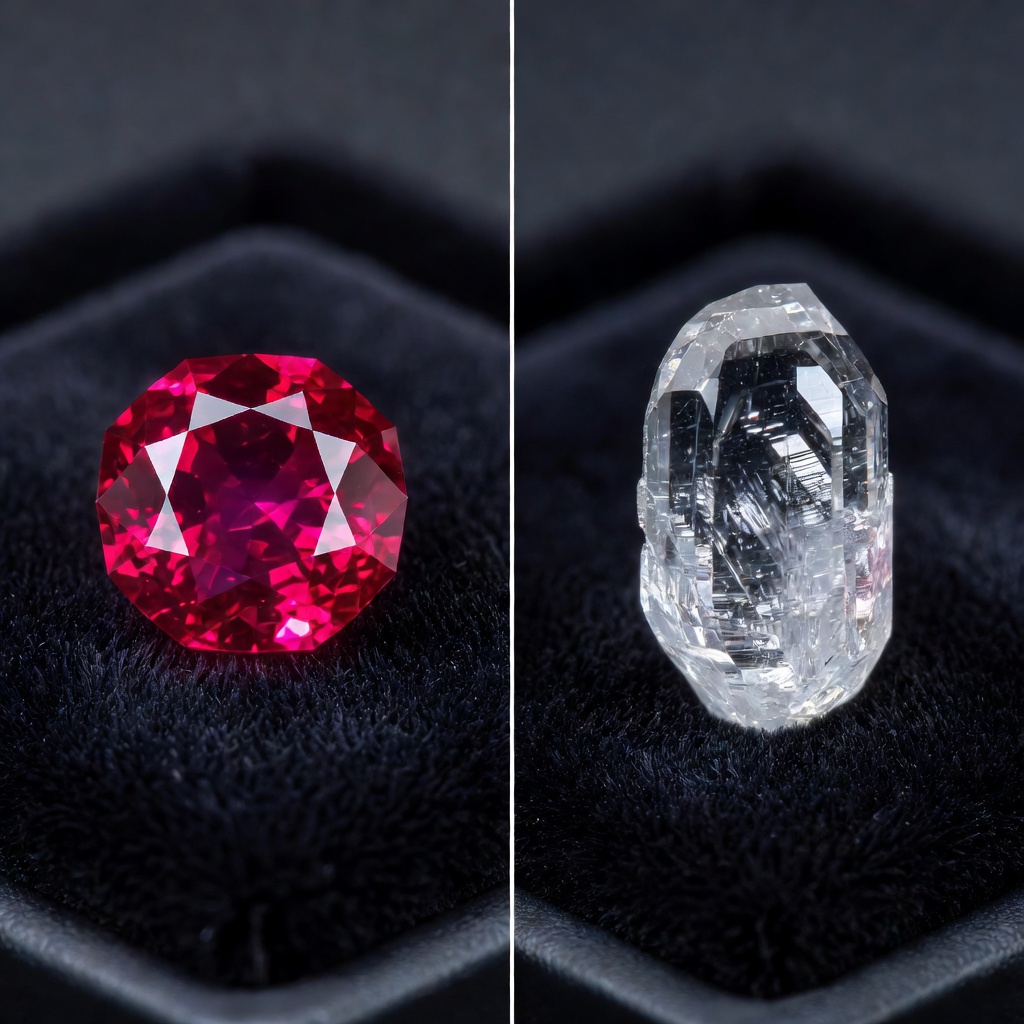
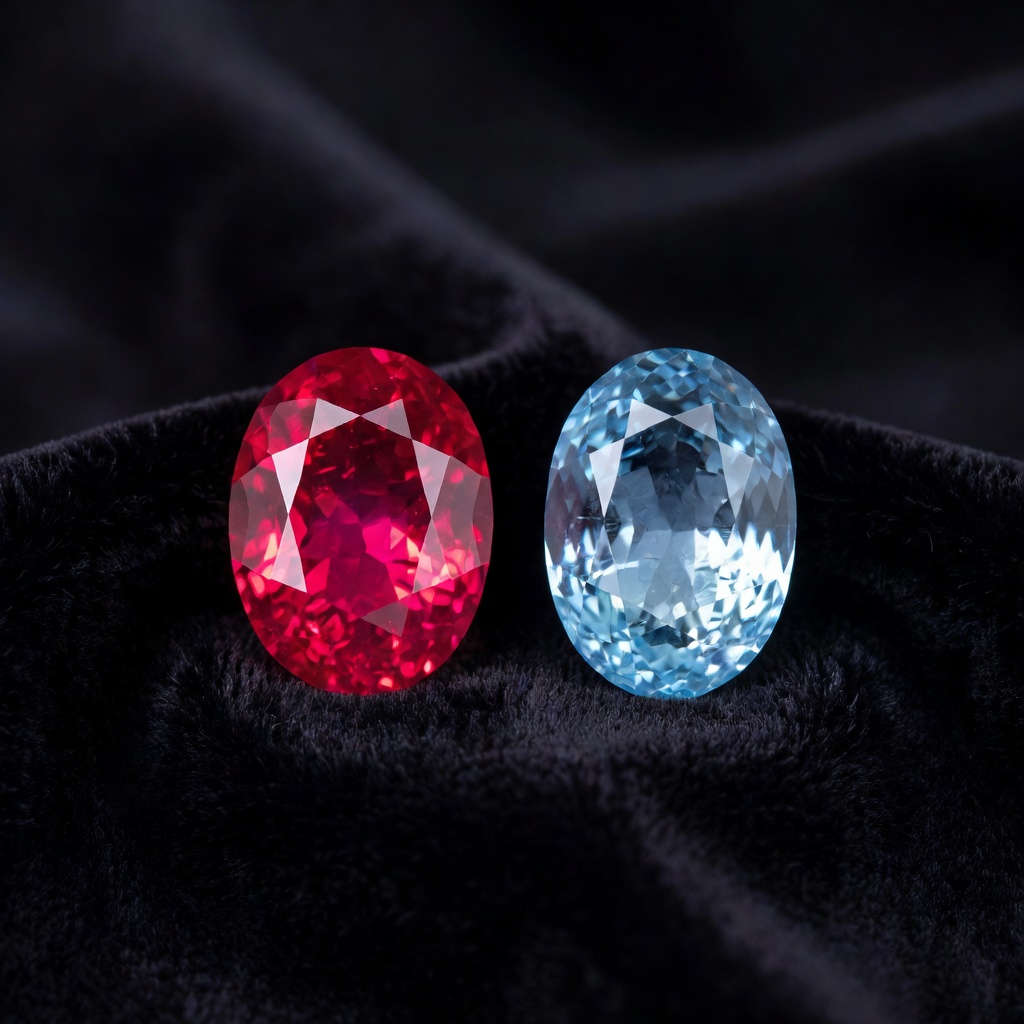
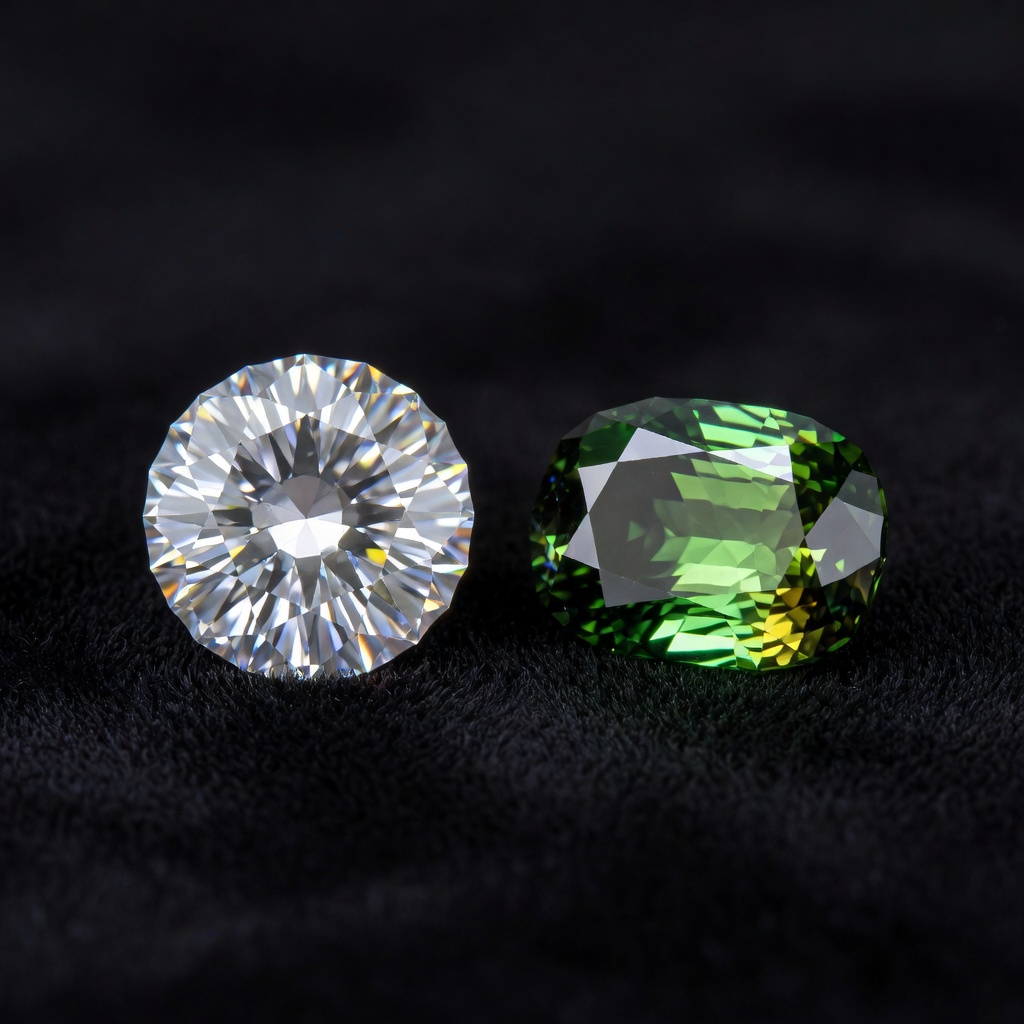
Diamond has reigned supreme in the gemstone hierarchy for centuries, symbolizing eternal love and unmatched prestige in jewelry collections worldwide. However, nestled within the realm of rare collector gemstones exists kornerupine, a borosilicate mineral that offers a compelling alternative for those seeking distinctive beauty beyond the conventional. When evaluating Diamond vs Kornerupine, collectors and jewelry enthusiasts encounter two vastly different worlds: one representing commercial ubiquity and geological perfection, the other embodying exotic rarity and optical mystery. This comprehensive comparison explores why understanding these distinctions matters for making informed decisions about engagement rings, investment pieces, and heirloom jewelry that aligns with your lifestyle and aesthetic values.
Chemical Composition and Geological Origins
The Carbon Genesis of Diamond
Diamond formation represents one of nature's most extreme processes, occurring approximately 140 to 190 kilometers beneath Earth's surface where temperatures exceed 1,405 degrees Celsius and pressure reaches 50 kilobars. Under these mantle conditions, pure carbon atoms crystallize into the isometric system, creating the hardest known natural substance with a specific gravity of 3.52. Major diamond mining operations concentrate in Botswana's Jwaneng mine, Canada's Diavik and Ekati mines, and Russia's Udachnaya pipe, where kimberlite and lamproite volcanic pipes have transported these ancient crystals to accessible depths.
Kornerupine's Borosilicate Complexity
Kornerupine presents a stark chemical contrast as a complex borosilicate mineral containing magnesium, aluminum, and iron inclusions that create its distinctive crystalline structure. First discovered in Greenland in 1884 and named after Danish naturalist Andreas Nikolaus Kornerup, this gemstone forms in high-grade metamorphic rocks and pegmatites under significantly different conditions than diamond's fiery birth. Primary sources include the alluvial gravels of Sri Lanka and Myanmar, where miners sieve through gem-bearing gravels to find these rare prismatic crystals, with additional deposits found in Madagascar and Tanzania's Umba Valley.
Hardness, Durability and Daily Wearability
Diamond's Perfect Ten Rating
The diamond hardness comparison reveals the most practical distinction between these gemstones, with diamond ranking at the absolute peak of the Mohs scale with a perfect 10 rating. This exceptional hardness enables diamond engagement rings to withstand decades of daily wear, resisting scratches from household dust, metal contact, and accidental impacts that would mar lesser gemstones. Jewelers confidently set diamonds in delicate prong settings knowing that the stone's durability matches its symbolic representation of eternal commitment, making it the undisputed champion for active lifestyles and heirloom transmission.
Kornerupine's Moderate Durability
Kornerupine occupies a more modest position at 6.5 to 7 on the Mohs hardness scale, placing it in the same category as quartz and slightly softer than tourmaline or garnet. While suitable for jewelry, kornerupine jewelry durability concerns necessitate protective bezel settings that shield the girdle from direct impact, particularly in ring designs where the stone might contact hard surfaces during daily activities. Unlike diamond's perfect octahedral cleavage in four directions, kornerupine exhibits prismatic cleavage that can create vulnerability along crystal axes, requiring thoughtful design considerations such as V-prong tips for emerald cuts or full bezel mounting for cabochon specimens.
Optical Properties: Brilliance Meets Pleochroism
Diamond's Exceptional Light Performance
Diamond brilliance derives from its extraordinary optical properties, including a refractive index of 2.417 and dispersion rating of 0.044 that creates the characteristic fire separating white light into spectral colors. Master cutters leverage these properties through precise facet arrangements in round brilliant cuts, optimizing the critical angle of 24.4 degrees to maximize light return and scintillation. When properly proportioned, diamonds exhibit an adamantine luster that appears to glow from within, creating the mesmerizing sparkle that has captivated humanity for millennia and established the standard against which all other gems are measured.
Kornerupine's Trichroic Magic
Among pleochroic gemstones, kornerupine stands as a spectacular example of trichroism, displaying three distinct colors when viewed from different crystallographic axes. Depending on the viewing angle, the same kornerupine crystal might reveal deep forest green, golden yellow, or reddish-brown hues, creating a living, changing color display unlike diamond's consistent appearance. This optical phenomenon results from differential light absorption along the crystal's orthorhombic structure, making step cuts like emeralds or baguettes particularly effective for showcasing kornerupine's color-shifting personality while maintaining structural integrity.
Color Variations and Rarity Factors
Diamond's Spectrum of Value
The color spectrum of diamonds spans from the coveted D-colorless grades through fancy vivid blues, pinks, and yellows that command premium prices at auction houses like Christie's and Sotheby's. While millions of carats of diamonds enter the market annually, truly exceptional specimens—such as the 12.03-carat Blue Moon diamond—represent concentrated rarity within a commercially abundant category. Natural fancy colored diamonds achieve their hues through structural defects or trace elements like boron (blue) or nitrogen (yellow), with untreated vivid colors representing the pinnacle of diamond collecting and investment.
Kornerupine's Earthy Palette
Kornerupine colors predominantly feature earthy green and brown tones, though rare specimens exhibit colorless, blue, or yellow varieties that command significant premiums among rare collector gemstones. Unlike diamonds, which benefit from extensive marketing and consistent supply chains, kornerupine availability remains severely limited, with most mines producing only small crystals suitable for accent stones rather than centerpieces. A five-carat eye-clean kornerupine with strong pleochroism represents a true collector's prize, often requiring years of searching through specialized dealers in Colombo or Yangon to locate, whereas comparable diamonds might be sourced from multiple vendors within days.
Jewelry Applications and Design Considerations
Cutting Strategies and Setting Styles
Optimal cutting strategies diverge significantly between these stones, with diamond ring designs traditionally favoring the round brilliant cut to maximize light return and fire through 57 or 58 precisely angled facets. Kornerupine jewelry settings benefit from step cuts such as emerald cuts or Asscher shapes that emphasize the stone's pleochroic color play rather than brilliance, allowing viewers to appreciate the gem's chameleon-like nature as it moves. Princess cuts and cushion shapes also work well for kornerupine, provided the corners receive adequate protection through V-prongs or bezel wrapping that prevents chipping during wear.
Metal Pairings and Protective Designs
Metal pairings further differentiate these gems, with white gold and platinum enhancing the icy brilliance of D-F color diamonds while providing durable backdrops for daily wear. Yellow gold and rose gold settings complement kornerupine's warmth, particularly for stones showing yellow or brown pleochroic directions, creating vintage-inspired aesthetic appeals that recall Art Deco or Victorian jewelry periods. When designing kornerupine rings, jewelers often incorporate halo designs using diamonds or sapphires that protect the center stone's perimeter while adding visual contrast, whereas diamond solitaires frequently stand alone in minimalist prong settings that allow maximum light entry from all angles.
| Attribute | Diamond | Kornerupine |
|---|---|---|
| Hardness (Mohs Scale) | 10 (Maximum) | 6.5-7 |
| Chemical Composition | Pure Carbon (C) | Borosilicate (Mg, Al, Fe) |
| Refractive Index | 2.417 | 1.66-1.68 |
| Optical Phenomena | Fire, Dispersion (0.044) | Trichroism/Pleochroism |
| Color Range | Colorless to Fancy Vivid | Green, Brown, Rare Blue/Colorless |
| Price per Carat (Fine Quality) | $5,000-$50,000+ | $200-$2,000 |
| Recommended Setting | Prong, Bezel, Tension | Bezel, Protective Halo, V-Prong |
| Daily Wear Suitability | Excellent | Moderate (Occasional Wear) |
| Market Availability | Commercially Abundant | Extremely Rare |
| Cleaning Method | Ultrasonic, Steam, Soap | Soap and Water Only |
Market Value and Investment Potential
Liquidity and Price Analysis
Price per carat analysis reveals dramatic disparities between these markets, with commercial-quality diamonds ranging from $5,000 to $50,000+ depending on the four Cs, while kornerupine typically commands $200 to $2,000 per carat for fine specimens. However, this apparent value gap requires nuanced understanding: diamonds offer exceptional liquidity through established resale markets, pawnbrokers, and auction houses, whereas kornerupine investment value depends entirely on finding the right collector or specialist dealer when divesting. Untreated fancy vivid diamonds have shown steady appreciation exceeding inflation, particularly for pinks and blues, while untreated high-clarity kornerupine with exceptional pleochroism represents an emerging niche market with potential for significant appreciation as awareness grows among connoisseurs.
Collector Market Dynamics
Serious gemstone investors often view diamond as a stable store of value with global recognition, while kornerupine represents a speculative play on rarity and increasing collector education. The gemstone investment value of kornerupine benefits from its status as a "connoisseur's stone" that appreciates through private sales and specialized auctions rather than retail channels. Diversified portfolios might allocate 90% to diamonds for stability and liquidity, reserving 10% for kornerupine and similar rare gems for potential high-gain appreciation among specialized collectors seeking unique mineral specimens.
Care, Cleaning and Maintenance Requirements
Diamond's Low-Maintenance Excellence
Gemstone care guide protocols differ substantially between these minerals, with diamonds tolerating ultrasonic cleaning and steam treatments that would damage more sensitive gems. Jewelers routinely clean diamond jewelry using high-frequency sound waves that dislodge debris from behind settings, followed by steam jets that restore adamantine luster without risking damage to the stone itself. This durability allows diamond owners to maintain their jewelry's appearance easily between professional cleanings, supporting the stone's suitability for daily wear engagement rings and heirloom pieces passed through generations.
Kornerupine's Gentle Care Requirements
Kornerupine maintenance requires significantly gentler approaches, limiting cleaning to lukewarm water with mild soap and soft brushes to avoid thermal shock or mechanical damage. Storage solutions must include soft pouches or separate compartments that prevent kornerupine from contacting harder stones like diamonds, sapphires, or even dust particles containing quartz that could scratch its surface. Professional inspection schedules should occur every six months for kornerupine rings to check for loose prongs or bezel wear, compared to annual inspections for diamond jewelry, ensuring that protective settings remain secure for this rarer, more vulnerable gemstone.
Making Your Decision: Lifestyle and Aesthetic Preferences
When to Choose Diamond
Selecting diamond for heirloom durability, traditional symbolism, and universal recognition ensures your jewelry maintains value and meaning across cultural contexts and generations. Active individuals, healthcare workers, or those with hands-on careers will find diamond's indestructible nature perfectly suited to daily wear without compromising beauty or requiring constant vigilance against damage. For engagements, anniversaries, or milestone celebrations where the gem represents eternal commitment, diamond remains the pragmatic choice that requires minimal explanation and offers maximum security.
When to Choose Kornerupine
Conversely, choose kornerupine for unique collector status, conversation-starting pleochroism, and budget-friendly rarity that distinguishes your jewelry from conventional choices. Those seeking unique engagement rings that reflect individual personality rather than traditional expectations may find kornerupine's shifting colors perfectly symbolize the multifaceted nature of modern relationships. Gemstone enthusiasts building diversified collections often incorporate both stones strategically: diamonds for daily wear rings and timeless studs, kornerupine for statement pendants, brooches, or occasional wear cocktail rings that showcase optical phenomena impossible to find in more common gems.
Conclusion: The Perfect Gem for Your Collection
The Diamond vs Kornerupine comparison ultimately reveals two distinct pathways in the gemstone universe, each offering unique rewards for different types of collectors and wearers. While diamond provides unmatched durability, liquidity, and traditional prestige suitable for daily wear and legacy transmission, kornerupine offers an entry into exclusive collector circles where optical rarity and geological scarcity create intimate connections with Earth's deep history. For engagement rings and daily wear jewelry, diamond remains the pragmatic choice, while kornerupine excels in special occasion pieces and curated collections where its pleochroic magic can be appreciated without risk of damage.
Looking toward future market trends, both stones face evolving challenges and opportunities in sustainable and ethical jewelry markets, with lab-grown diamonds disrupting traditional pricing and artisanal mining concerns affecting kornerupine sources in Myanmar and Sri Lanka. Savvy collectors increasingly prioritize provenance documentation and ethical sourcing for both gems, recognizing that true luxury encompasses not just beauty and rarity, but responsible stewardship of Earth's treasures. Whether you choose the timeless brilliance of diamond or the hidden fire of kornerupine, understanding these distinctions ensures your gemstone selection aligns perfectly with your values, lifestyle, and aesthetic vision.
Frequently Asked Questions
What is kornerupine and how rare is it compared to diamond?
Kornerupine is a rare borosilicate mineral named after Danish naturalist Andreas Nikolaus Kornerup, displaying strong pleochroism (color-changing properties). While diamonds are geologically rare but commercially abundant, gem-quality kornerupine is exceptionally scarce, appearing in only a few locations worldwide with limited production, making it significantly rarer than most diamonds in the collector market. A single high-quality kornerupine crystal over three carats might represent the entire annual production from some mines, whereas diamonds of similar size enter the market by the thousands each month.
Can kornerupine be used in engagement rings like diamond?
While possible, kornerupine requires protective settings due to its 6.5-7 Mohs hardness compared to diamond's perfect 10. It's best suited for occasional wear rings with bezel settings rather than daily-wear engagement rings. For active lifestyles, diamond remains the superior choice for engagement jewelry due to superior scratch resistance and durability, though kornerupine can work beautifully for low-impact wearers who appreciate its unique optical properties and are willing to remove the ring during physical activities.
Why does kornerupine change colors when viewed from different angles?
Kornerupine exhibits strong trichroism (pleochroism), meaning it absorbs light differently along three crystal axes. Depending on viewing angle, the same stone can appear deep green, yellow-brown, or reddish-brown. This optical phenomenon results from its crystalline structure and makes each kornerupine uniquely captivating, unlike diamond's consistent color from all angles. The effect is most noticeable in well-cut stones over two carats, where the light path through the crystal is sufficient to display the full color range.
Which is more valuable: diamond or kornerupine?
High-quality diamonds generally command higher prices per carat ($5,000-$50,000+) compared to kornerupine ($200-$2,000 per carat). However, exceptional large kornerupine specimens with strong pleochroism can exceed typical diamond prices due to extreme rarity. Diamonds offer better liquidity and investment stability, while kornerupine offers niche collector value that may appreciate significantly as the stone gains recognition among connoisseurs and availability continues to decline.
Is kornerupine durable enough for daily wear?
Kornerupine is moderately durable but not ideal for daily wear in rings or bracelets. Its 6.5-7 hardness makes it susceptible to scratching from everyday contact with dust (quartz particles) and harder materials. It works better for pendants, earrings, or occasional wear rings with protective settings, whereas diamond's hardness 10 rating makes it perfect for daily wear. Those considering kornerupine for frequent wear should invest in protective bezel settings and commit to removing the jewelry during household chores, exercise, and manual labor.
How can I tell the difference between a green diamond and a green kornerupine?
Green diamonds typically show single-color consistency with exceptional brilliance and fire (dispersion), while kornerupine displays obvious color-shifting (pleochroism) when tilted. Kornerupine also lacks diamond's adamantine luster, showing instead a vitreous (glassy) luster. Professional gemological testing using refractive index (diamond: 2.42, kornerupine: 1.66-1.68) provides definitive identification. Additionally, green diamonds often contain radiation stains or surface graining visible under magnification, whereas kornerupine shows distinct crystal growth patterns and possible needle inclusions.
What are the best jewelry settings for protecting kornerupine?
Kornerupine requires protective bezel settings, halo designs, or flush-mount settings that shield the girdle and crown from impact. Avoid high prong settings for rings. V-prongs work well for protecting pointed corners in emerald cuts. For pendants and earrings, basket settings with protective bars help preserve this rare gem's beauty while maximizing its pleochroic display. When set in rings, kornerupine benefits from "bumper" diamonds or sapphires set at the compass points to absorb impact before it reaches the softer center stone.
Are synthetic or treated versions available for these gemstones?
Laboratory-grown diamonds are widely available and chemically identical to mined diamonds. Synthetic kornerupine is extremely rare and not commercially produced. Diamond treatments include HPHT color enhancement and fracture filling, while kornerupine is typically untreated in the market. Always request gemological certification from recognized laboratories like GIA or AGS to verify natural origin and any treatments for both stones, particularly when purchasing high-value specimens or investing in rare collector gemstones for long-term appreciation.