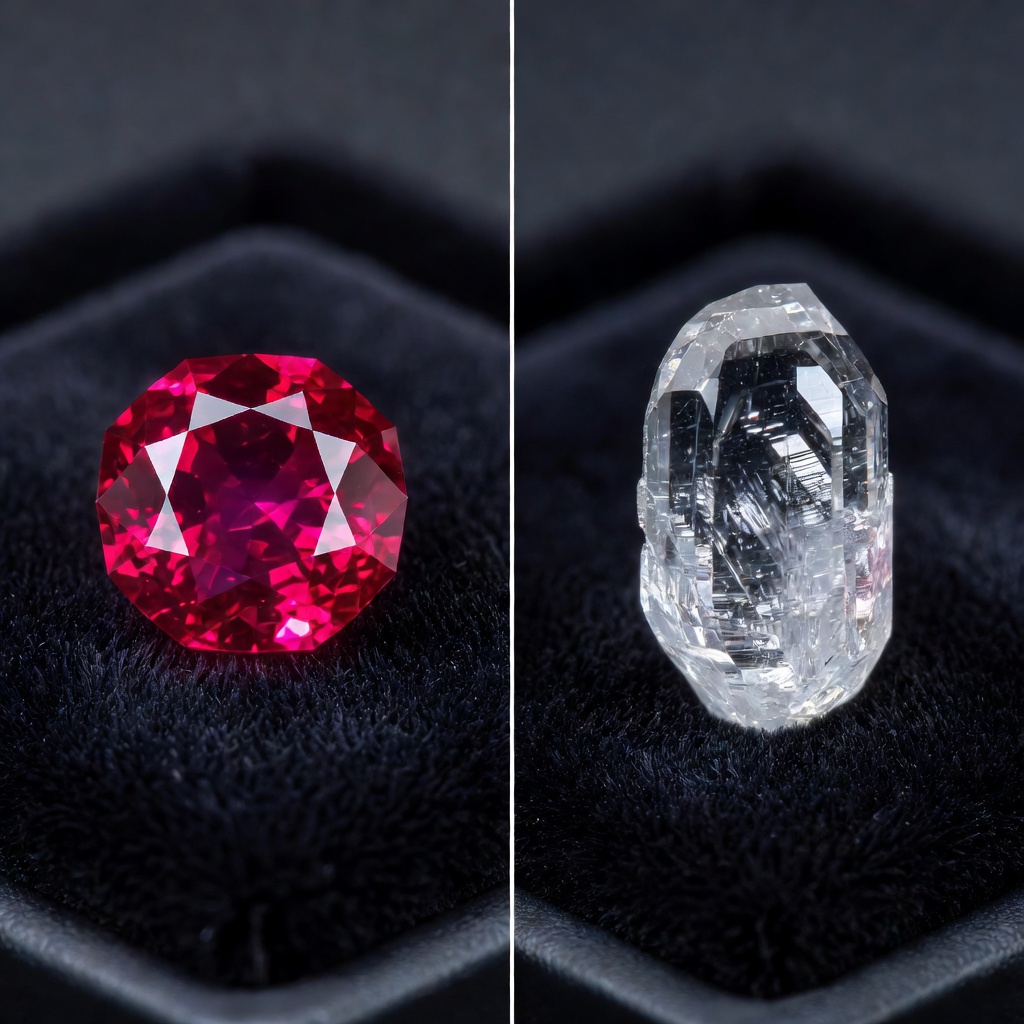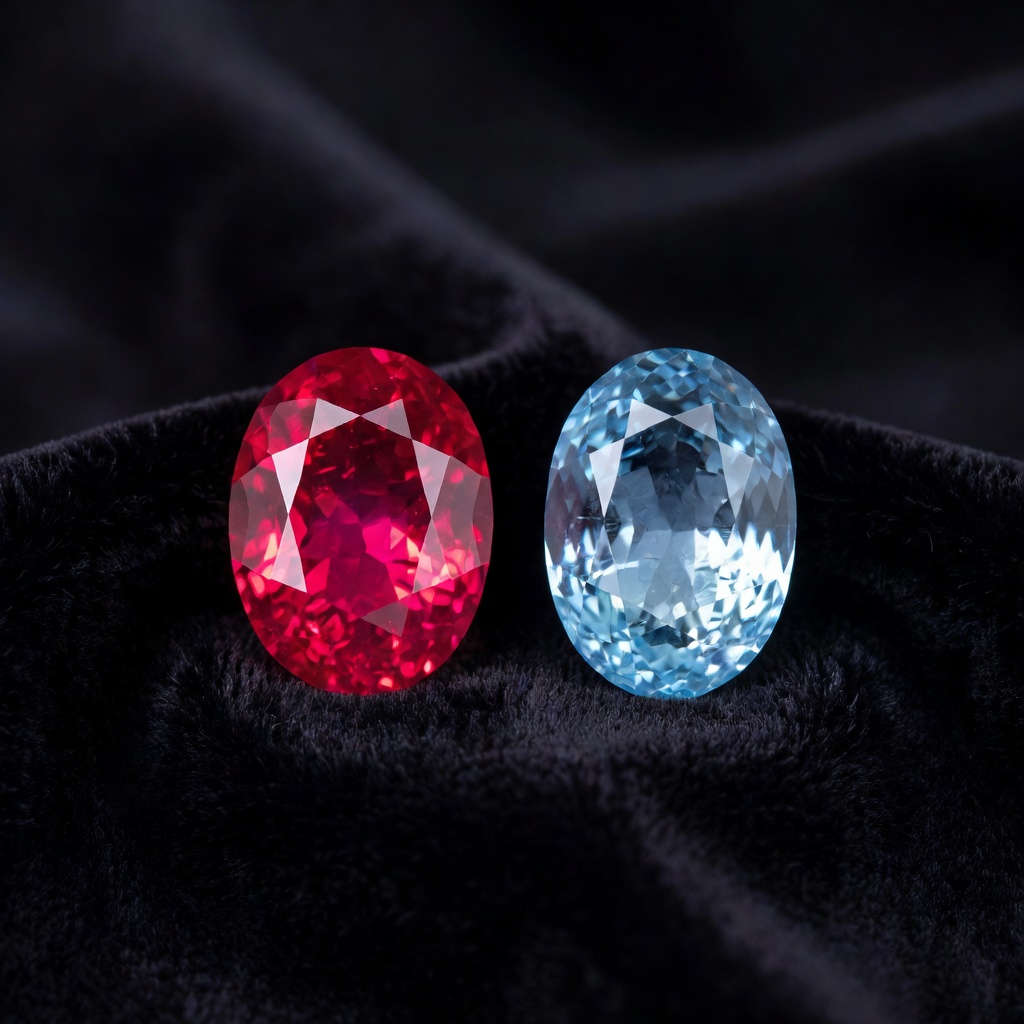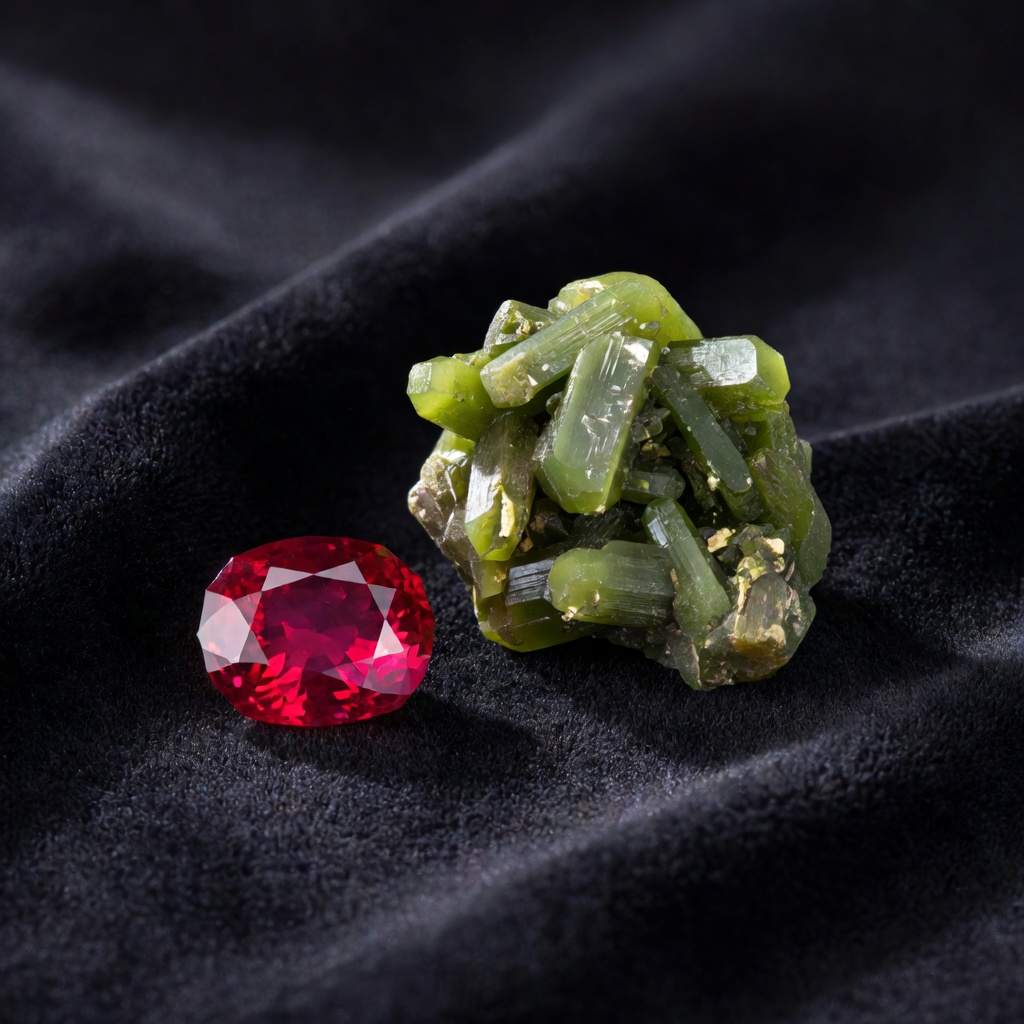
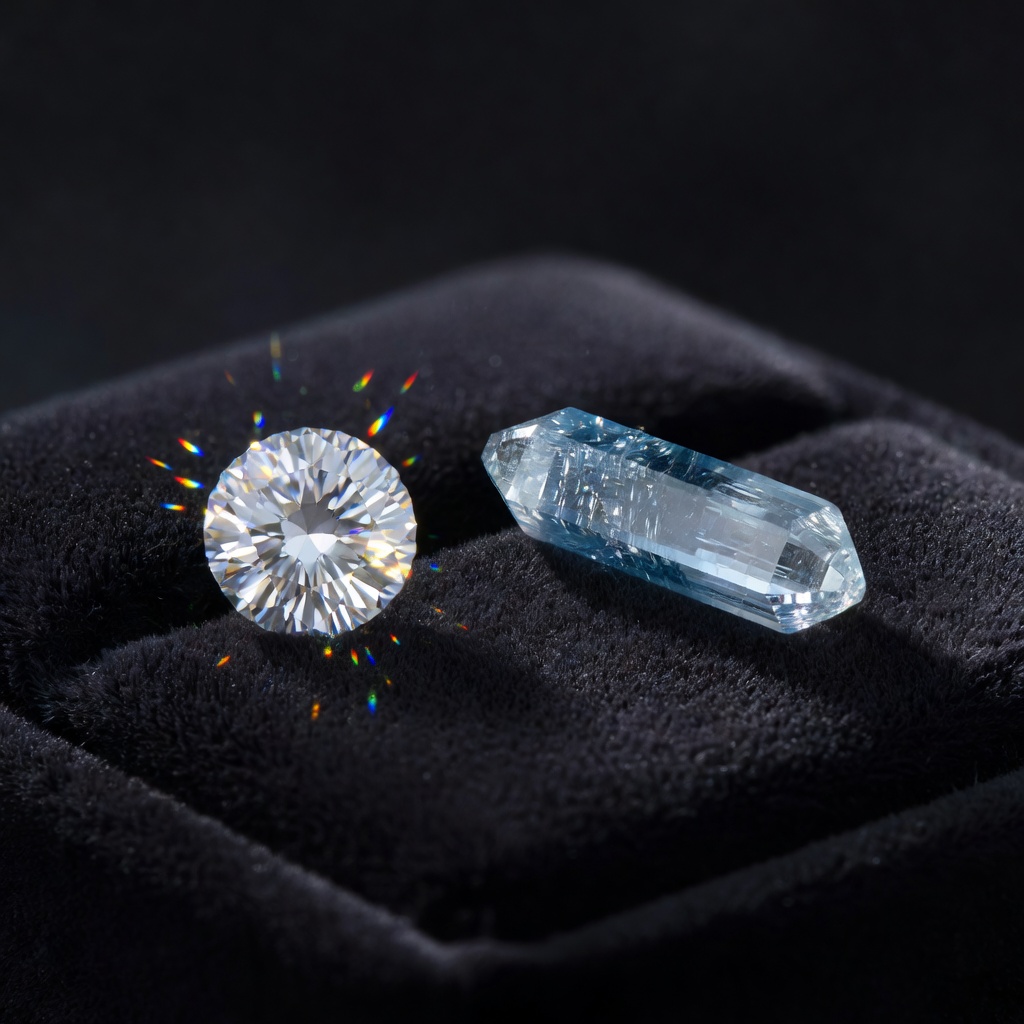
Introduction to the Diamond vs Jeremejevite Comparison
When discussing the pinnacle of gemstone prestige, diamonds have reigned supreme for centuries as the ultimate symbol of durability, brilliance, and enduring value. However, discerning collectors and mineral enthusiasts increasingly turn their attention toward jeremejevite, an aluminum borate mineral that represents one of the rarest crystalline structures found on Earth. The comparison between Diamond vs Jeremejevite might seem counterintuitive given their vastly different market presences, yet both stones occupy unique positions in the hierarchy of precious materials. While diamonds dominate the commercial jewelry industry with their unmatched hardness and optical performance, jeremejevite captivates connoisseurs through extreme scarcity and the delicate allure of its pale blue crystals.
Collectors and investors frequently juxtapose these two gemstones despite their disparate availability because both represent the highest achievements in their respective categories. Diamonds serve as the benchmark for durability and mainstream luxury, whereas jeremejevite stands as a trophy for serious mineral collectors seeking specimens that few others possess. The key differentiators between these stones extend beyond simple aesthetics into fundamental geological, chemical, and practical considerations that determine their suitability for various applications. Understanding these distinctions requires examining their formation processes, physical properties, and market dynamics to determine which gemstone aligns with specific lifestyle needs, investment goals, and collecting aspirations.
Geological Origins and Formation
Diamond Formation Deep Within Earth's Mantle
Diamonds form under extraordinary conditions approximately 90 to 120 miles beneath Earth's surface, where temperatures exceed 900 to 1,300 degrees Celsius and pressure reaches 45 to 60 kilobars. These pure carbon crystals develop within the lithospheric mantle, primarily in ancient cratons that provide the stable geological environment necessary for crystal growth over billions of years. Volcanic eruptions through kimberlite and lamproite pipes transport these precious stones rapidly to the surface, preventing them from converting back into graphite during the ascent. This dramatic journey from the depths of the planet contributes to diamond formation processes that create the hardest known natural substance.
Jeremejevite Discovery and Pegmatite Genesis
Unlike diamonds, jeremejevite crystallizes within pegmatite veins and granite rocks under significantly different geological conditions, specifically in the late-stage magmatic differentiates of complex granite intrusions. The most significant deposits occur in the Erongo Mountains of Namibia and the Adun-Chilon Mountains of Siberia, where specific combinations of aluminum, borate, and fluorine-rich fluids enable this rare mineral to form. Russian mineralogist Pavel Vladimirovich Jeremejev first identified this gemstone in 1883 on the Soktuj Highlands of Siberia, naming it after himself following the discovery of pale blue crystals in the region's granite formations. The aluminum borate mineral requires highly specialized geochemical environments that rarely occur in nature, explaining why fewer than twenty localities worldwide have produced specimen-quality crystals.
Chemical Composition and Crystal Structure
The fundamental distinction between these gemstones begins at the molecular level, where diamond's elegant simplicity contrasts sharply with jeremejevite's complex chemistry. Diamonds consist entirely of carbon atoms arranged in an isometric cubic crystal system, with each carbon atom forming strong covalent bonds with four neighbors in a tetrahedral lattice that accounts for its legendary durability. This pure carbon composition allows diamonds to form with exceptional clarity, though various inclusions and trace elements can create fancy colors ranging from yellow to blue depending on nitrogen or boron content.
Jeremejevite presents a far more complicated chemical formula of Al6B5O15(F,OH)3, classifying it as a complex aluminum borate mineral with hydroxide and fluorine substitutions. This compound crystallizes in the hexagonal system, forming prismatic crystals that often exhibit pyramidal terminations and distinct pleochroic properties. The presence of aluminum and boron in specific ratios creates unique growth patterns that frequently include internal fractures and inclusions, making clean faceted specimens extraordinarily uncommon. These jeremejevite properties directly influence its optical characteristics and durability, distinguishing it fundamentally from carbon-based diamonds in both appearance and structural integrity.
Hardness, Durability, and Daily Wear Considerations
The gemstone hardness comparison between these two materials reveals the most significant practical difference for jewelry applications. Diamonds rank at the absolute maximum of 10 on the Mohs hardness scale, making them resistant to scratching from any other material and suitable for continuous daily wear including engagement rings and bracelets. Jeremejevite hardness typically measures between 6.5 and 7.5 on the same scale, placing it closer to quartz and significantly softer than corundum varieties like sapphires and rubies. This moderate hardness means jeremejevite can be scratched by harder materials commonly encountered in daily life, including household dust containing silica particles.
Regarding fracture resistance, diamonds possess perfect octahedral cleavage, meaning they can split along specific planes under sharp impact despite their hardness, requiring careful setting to protect against blows. Jeremejevite exhibits poor cleavage but tends toward conchoidal fracture patterns, making it somewhat brittle when subjected to mechanical stress or thermal shock. For durable engagement ring stones, these properties create distinct limitations: diamonds accommodate active lifestyles with minimal risk, while jeremejevite demands protective settings such as bezels or halos and suits occasional wear better than daily use. Jewelers recommend reserving jeremejevite for pendants, earrings, and collector display pieces where impact risks remain minimal.
| Characteristic | Diamond | Jeremejevite |
|---|---|---|
| Hardness (Mohs Scale) | 10 (Maximum) | 6.5-7.5 |
| Crystal System | Cubic (Isometric) | Hexagonal |
| Chemical Formula | C (Pure Carbon) | Al6B5O15(F,OH)3 |
| Refractive Index | 2.417-2.419 | 1.637-1.653 |
| Specific Gravity | 3.52 | 3.28-3.31 |
| Primary Colors | Colorless, Fancy Colors | Pale Blue, Colorless, Pale Yellow |
| Luster | Adamantine | Vitreous |
| Global Availability | Approximately 150 Million Carats Annually | Few Hundred Carats Total Known |
| Typical Gem Sizes | 0.01 to 100+ Carats | Rarely Exceed 1-2 Carats Clean |
| Optimal Jewelry Use | All Types Including Daily Wear | Pendants, Earrings, Collectibles |
| Price Range (Per Carat) | $1,000-$100,000+ | $1,500-$5,000+ (for fine blue) |
Visual Characteristics and Optical Performance
Diamond optical properties remain unmatched in the gemological world, featuring a refractive index of 2.417-2.419 that creates exceptional brilliance through total internal reflection. The combination of high dispersion (0.044) and careful cutting produces the characteristic fire that separates white light into spectral colors, while scintillation creates the sparkling flashes that make diamonds so captivating in jewelry. This adamantine luster gives diamonds a distinctive mirror-like quality that distinguishes them immediately from other colorless gemstones such as zircon or moissanite.
Jeremejevite color ranges typically include pale blue, near-colorless, and occasionally pale yellow hues, with the blue variety commanding the highest premiums among collectors. Unlike diamonds, jeremejevite exhibits strong pleochroism, displaying different colors when viewed from different crystallographic angles—typically showing pale blue parallel to the c-axis and colorless perpendicular to it. This dichroic effect, combined with a vitreous luster resembling glass rather than diamond's metallic adamantine quality, creates a softer, more ethereal visual presence. While jeremejevite lacks the explosive brilliance of diamond, its subtle coloration and crystal clarity appeal to collectors seeking rare blue gemstones with delicate aesthetic qualities rather than maximum light performance.
Rarity, Sourcing, and Market Availability
The gemstone rarity comparison between these two materials highlights one of the most dramatic differences in their market dynamics. Global diamond production reaches approximately 150 million carats annually from mines across Russia, Botswana, Canada, and Australia, making gem-quality diamonds readily available through thousands of retail channels worldwide. Industrial-grade diamonds occur in even greater quantities, ensuring that while high-quality large diamonds remain expensive, the material itself is geologically common compared to many other gemstones.
Jeremejevite represents the extreme end of scarcity, with fewer than five significant localities producing gem-quality crystals, primarily the Erongo Mountains of Namibia and historic Siberian deposits. Crystals exceeding one carat in clean, facetable condition command immediate attention from museums and serious collectors, as most recovered material remains microscopic or heavily included. Size limitations present significant constraints, as jeremejevite crystals rarely exceed five carats in their rough form, and finished gems over two carats appear at auction only occasionally. This extreme rarity creates a specialized market accessible primarily through high-end mineral dealers, gemological exhibitions, and select auction houses rather than conventional jewelry stores.
Pricing Analysis and Investment Value
Understanding jeremejevite value requires recognizing that price structures differ fundamentally from the established diamond market. Commercial diamonds typically range from $1,000 to $15,000 per carat depending on the four Cs (cut, color, clarity, carat), with fancy colored diamonds reaching $100,000 or more per carat for rare pinks and blues. This pricing follows relatively standardized international guidelines, creating liquid markets where diamonds can be resold through numerous channels including dealers, auction houses, and online marketplaces.
High-quality blue jeremejevite specimens generally command $1,500 to $3,000 per carat, with exceptional stones over two carats potentially exceeding $5,000 per carat due to extreme scarcity. However, jeremejevite lacks the liquidity of diamonds, as resale requires finding specialized mineral collectors or museums rather than general jewelry buyers. For gemstone investment purposes, diamonds offer greater portfolio stability and easier conversion to cash, while jeremejevite appeals to collectors seeking trophy pieces where value appreciation depends on increasing rarity recognition within the gemological community. Investors should consider jeremejevite only as a long-term collectible holding rather than a liquid asset, whereas diamonds provide more traditional commodity-like investment characteristics.
Jewelry Applications and Setting Recommendations
Diamond versatility extends across virtually every jewelry category, from daily-wear engagement rings and wedding bands to tennis bracelets and statement necklaces designed for generations of continuous use. Prong settings, tension settings, and bezel mounts all accommodate diamonds effectively, allowing designers maximum creative freedom without concerns about hardness limitations. This adaptability makes diamonds the default choice for bridal jewelry and heirloom pieces intended to withstand decades of regular wear.
Jeremejevite requires more thoughtful consideration regarding gemstone jewelry settings due to its moderate hardness and brittle tendencies. Protective bezel settings that encircle the girdle provide optimal security for jeremejevite, preventing edge chips and protecting against impact damage that could fracture the crystal. Earrings and pendants suit jeremejevite better than rings or bracelets because these locations experience less mechanical stress and contact with hard surfaces. Collectible crystals of jeremejevite often remain in their natural mineral specimen form or receive minimal faceting to preserve weight, displayed in custom cases rather than worn frequently. For those seeking diamond alternatives with unique provenance, jeremejevite offers distinctive beauty but requires accepting significant wearability constraints compared to traditional precious stones.
Care, Maintenance, and Longevity
Proper gemstone care tips differ significantly between these two materials due to their distinct physical properties and internal characteristics. Diamonds tolerate ultrasonic cleaners, steam cleaning, and standard jewelry cleaning solutions without damage, making maintenance straightforward for owners. Annual professional inspections help ensure that prongs remain secure and that the stone has not loosened in its setting, though diamonds themselves remain essentially impervious to environmental factors under normal conditions.
Maintaining rare gems like jeremejevite demands more delicate handling and specific precautions to preserve their condition over time. Avoid ultrasonic cleaning entirely, as the vibrations can expand existing fractures or loosen inclusions within the aluminum borate structure, potentially causing catastrophic breakage. Clean jeremejevite using only lukewarm water, mild soap, and a soft brush, drying immediately with a lint-free cloth to prevent water spots. Store jeremejevite jewelry separately in soft pouches away from harder materials including other gemstones, as contact with diamonds, sapphires, or even quartz can scratch the surface. Professional inspection every six months helps identify developing chips or loose settings before serious damage occurs, ensuring these collectible crystals remain pristine for future generations.
Final Verdict: Collector's Gem vs Consumer Classic
Choosing between these stones ultimately depends on lifestyle requirements, budget parameters, and collecting objectives rather than simple quality comparisons. For active individuals seeking daily-wear durability and maximum brilliance, diamonds provide the only practical solution among these two options, offering generations of wear with minimal maintenance concerns. Those prioritizing diamond alternatives for ethical reasons or seeking unique aesthetics should consider that jeremejevite requires acceptance of protective settings and occasional-wear limitations.
Budget analysis reveals that while high-quality jeremejevite costs comparably to mid-range diamonds per carat, the total investment differs when considering setting requirements and the necessity of purchasing multiple pieces for a complete jewelry wardrobe. Serious mineral collectors should prioritize acquiring jeremejevite specimens while they remain available, as increasing mining restrictions in Namibia may further limit future supply. Jewelry enthusiasts seeking conversation pieces might commission custom designs featuring jeremejevite as accent stones alongside harder gems, combining durability with rarity. Ultimately, diamonds serve as the practical choice for bridal and daily wear, while jeremejevite represents the connoisseur's selection for those choosing rare gemstones that emphasize geological uniqueness over conventional utility.
Frequently Asked Questions
Is Jeremejevite harder than Diamond?
No, jeremejevite is significantly softer than diamond. While diamond ranks 10 on the Mohs hardness scale (the maximum), jeremejevite typically measures 6.5-7.5, making it softer than quartz and unsuitable for daily wear in rings without protective settings.
Why is Jeremejevite considered rarer than Diamond?
Jeremejevite is one of the rarest gemstones on Earth, with gem-quality crystals found only in a few localities, primarily Namibia. Unlike diamonds, which are mined globally in large quantities, jeremejevite occurs in microscopic quantities and crystals over 1 carat are exceptionally uncommon.
Can Jeremejevite be used in engagement rings?
While jeremejevite can be used in engagement rings, it's not recommended for daily wear due to its moderate hardness (6.5-7.5). If used, it requires protective settings like bezels and should be reserved for occasional wear or collector's pieces rather than everyday jewelry.
What colors does Jeremejevite come in compared to Diamond?
Jeremejevite typically appears in pale blue, colorless, or pale yellow shades, with the blue variety being most valuable. Diamonds occur in colorless (most common for jewelry) and fancy colors including yellow, blue, pink, and green, offering greater color variety than jeremejevite.
Is Jeremejevite more expensive than Diamond?
High-quality blue jeremejevite can command prices exceeding $2,000 per carat, making it comparable to mid-range diamonds. However, large jeremejevite specimens over 2 carats are so rare that they often cost more than equivalent-sized commercial diamonds due to extreme scarcity.
How can I tell the difference between Jeremejevite and Diamond?
Professional gemological testing is required for certainty. Key differences include jeremejevite's hexagonal crystal system versus diamond's cubic structure, different refractive indices, and jeremejevite's distinctive pleochroism (showing different colors from different angles) which diamonds lack.
Which gemstone is better for investment purposes?
Diamonds offer greater liquidity and established markets, making them safer for traditional investment. Jeremejevite appeals to specialist mineral collectors seeking extreme rarity, but has limited resale markets. For investment, diamonds are generally recommended; for rare mineral collecting, jeremejevite holds unique appeal.
Where can I buy authentic Jeremejevite gemstones?
Authentic jeremejevite is available through specialized mineral dealers, high-end gem shows, and select auction houses. Due to its rarity, it is rarely found in standard jewelry stores. Always request gemological certification from reputable laboratories like GIA or AGL when purchasing.