Introduction: Why Compare Diamond and Jasper?
When exploring the vast world of gemstones, the comparison between diamond and jasper represents one of the most striking contrasts in the jewelry industry. These two stones occupy opposite ends of the gemstone spectrum, offering distinct advantages for different types of collectors and wearers. Understanding the fundamental distinction between precious and semi-precious gemstone categories helps consumers navigate their purchasing decisions with confidence and clarity.
The diamond vs jasper debate centers on their vastly different market positions and value propositions. Diamonds have long reigned as the ultimate symbol of luxury, investment, and eternal commitment, commanding premium prices and gracing the world's most exclusive jewelry collections. Jasper, conversely, offers an accessible entry point into gemstone appreciation, celebrated for its artistic patterns and earthy aesthetics rather than its monetary worth. This gemstone comparison guide will help you understand how these materials serve different purposes in both fashion and function.
Whether you are selecting an engagement ring, building a jewelry collection, or seeking stones with metaphysical significance, understanding diamond and jasper differences ensures you make informed decisions aligned with your budget, lifestyle, and personal values. By examining their geological origins, physical properties, and cultural meanings, you will gain the knowledge necessary to choose the right stone for your specific needs.
Geological Composition and Formation Process
The geological origins of diamond and jasper reveal nature's incredible diversity in creating beautiful materials through vastly different processes. Diamonds form approximately 90 to 120 miles beneath Earth's surface in the mantle's high-pressure zones, where temperatures reach 2,200 degrees Fahrenheit. These pure crystalline carbon structures develop over 1 to 3 billion years, making each diamond older than most life on Earth. Volcanic eruptions then transport these crystals rapidly to the surface through kimberlite pipes, preserving their structure under unique conditions that cannot be replicated easily.
Jasper stone properties differ fundamentally because this gemstone belongs to the quartz family rather than the carbon family. Jasper forms as a microcrystalline variety of silicon dioxide through sedimentary or volcanic silica deposition in hydrothermal environments. Unlike diamonds, which require extreme depth and pressure, jasper develops closer to the surface through the accumulation of mineral-rich fluids in rock cavities. This process creates the stone's characteristic opacity and pattern variations, with iron oxides and other mineral inclusions producing the reds, yellows, browns, and greens found in various jasper types.
From a crystallographic perspective, diamonds belong to the isometric crystal system, featuring perfect cleavage along four planes that allow skilled cutters to shape them precisely. This perfect cleavage also explains why diamonds can chip despite their hardness. Jasper exhibits a trigonal microcrystalline structure with conchoidal fracture patterns, meaning it breaks with curved surfaces similar to glass. These structural differences influence not only how cutters approach each stone but also how the gems behave under stress and impact during everyday wear.
Visual Characteristics: Beauty in Different Forms
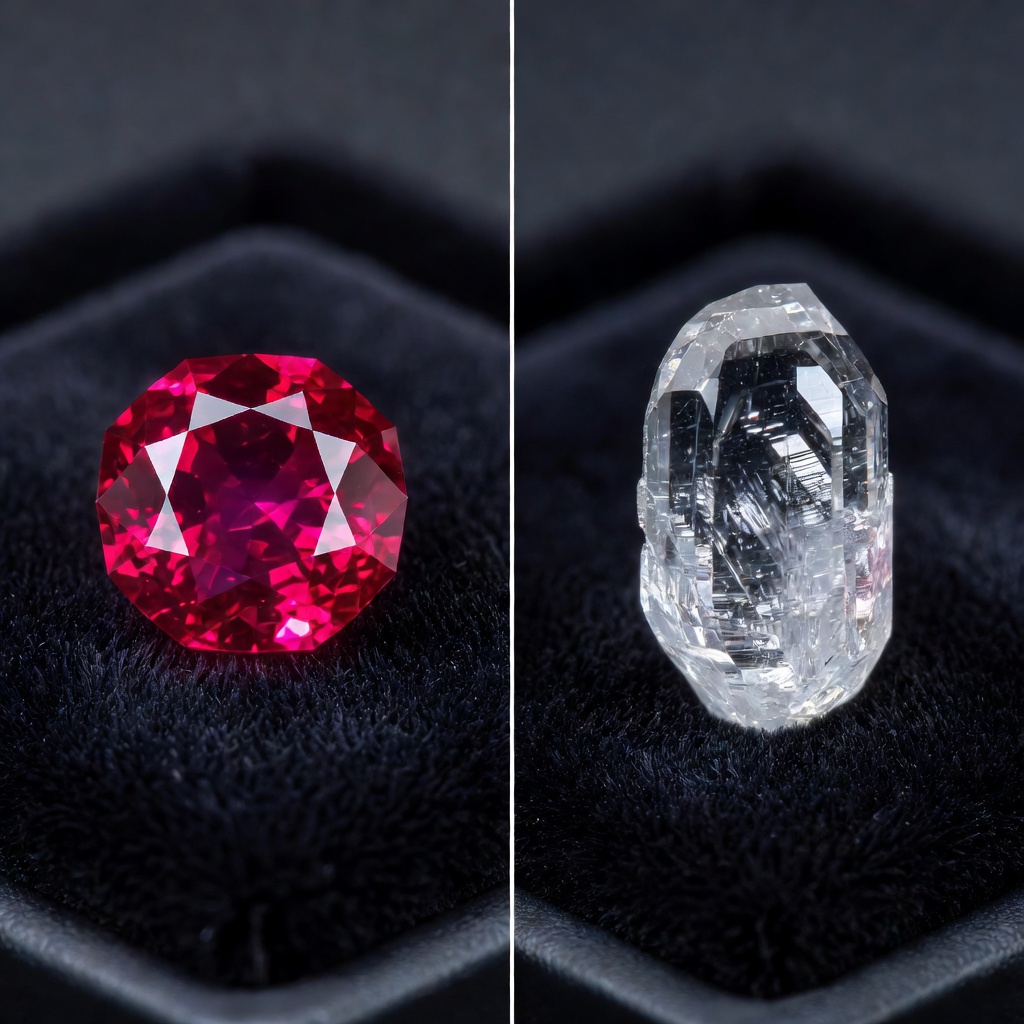
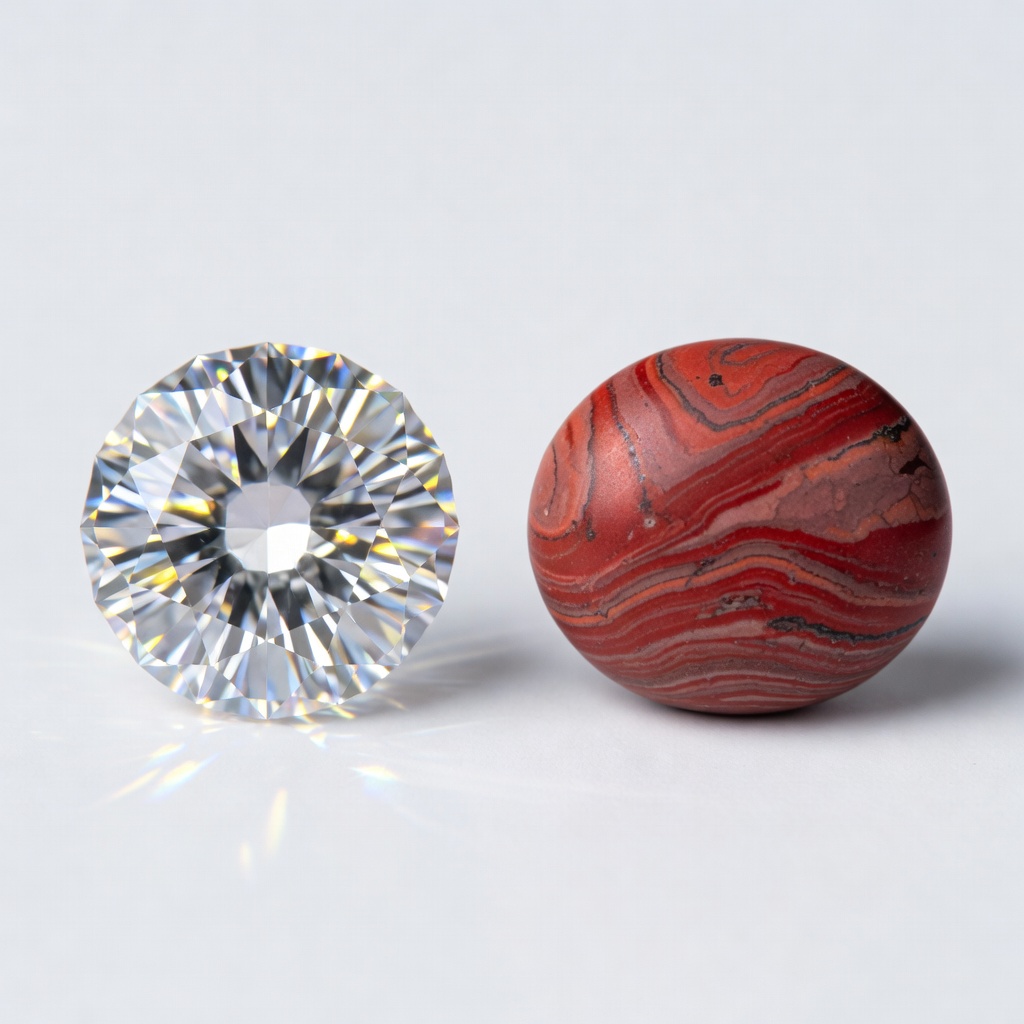
The aesthetic appeal of diamonds and jasper diverges dramatically, offering collectors two distinctly different expressions of natural beauty. Diamond brilliance derives from the stone's transparency and high refractive index, which allows cutters to manipulate light through precise faceting techniques. Gemologists evaluate diamonds based on their ability to return white light (brilliance), separate light into spectral colors (fire), and create sparkles when moved (scintillation). While most consumers associate diamonds with colorless stones, fancy colored diamonds in pink, blue, and yellow hues command even higher prices due to their rarity and unique light performance.
Jasper offers a completely different visual experience rooted in opacity and pattern rather than transparency and light play. This gemstone displays remarkable variety including banded patterns that flow like landscapes, orbicular formations featuring circular "eyes," picture jaspers that resemble desert scenes or wood grain, and brecciated types showing angular fragments cemented together. The color palette remains firmly in earth tones—rust reds, ochre yellows, forest greens, and sandy browns—reflecting the iron and mineral content absorbed during formation. Unlike diamonds where inclusions typically reduce value, jasper's inclusions create its distinctive character and desirability.
Cutting styles further emphasize these visual differences. Diamond cutters utilize brilliant faceting with precise angles calculated to maximize light return, typically employing 57 or 58 facets in round brilliant cuts. This mathematical precision ensures diamonds achieve their famous sparkle. Jasper artisans prefer cabochon cuts—smooth, rounded domes without facets—that showcase the stone's patterns and colors while providing a comfortable surface for jewelry settings. Some craftspeople carve jasper into intricate cameos, beads, or freeform shapes that highlight the material's organic nature, whereas diamonds rarely appear in anything but geometric faceted forms or occasionally rustic raw crystals for alternative jewelry designs.
Durability and Hardness: The Mohs Scale Reality
Understanding gemstone durability requires examining the Mohs hardness scale comparison between these two materials, as this metric determines how well stones withstand daily wear and environmental exposure. Diamond ranks as the hardest known natural substance with a perfect 10 on the Mohs scale, meaning only another diamond can scratch its surface. This exceptional hardness makes diamonds ideal for engagement rings and daily-wear jewelry that must resist abrasion from household dust, which contains microscopic quartz particles. However, diamond's perfect cleavage planes create planes of weakness where sharp impacts can cause chips or fractures, requiring protective settings despite the material's scratch resistance.
Jasper measures 6.5 to 7 on the Mohs hardness scale, placing it in the same range as quartz and steel. While this hardness provides adequate durability for many jewelry applications, jasper remains susceptible to scratching from harder materials including quartz, topaz, corundum, and obviously diamonds. This moderate hardness reflects jasper's microcrystalline quartz composition, which lacks the tightly bonded carbon lattice that gives diamonds their supremacy. When worn in rings, jasper may develop surface scratches over time from contact with door frames, countertops, or other hard surfaces, gradually dulling its polish.
Practical wearability considerations should guide your selection based on intended use. Diamond durability makes these stones perfect for engagement rings, wedding bands, and bracelets that experience constant contact with hard surfaces. Jewelers recommend diamonds for pieces intended to last generations without showing wear. Jasper works beautifully in pendants, earrings, and brooches where the stone faces less mechanical abrasion, or in rings designed for occasional wear rather than daily use. If you lead an active lifestyle involving manual labor, sports, or frequent hand contact with hard surfaces, diamonds provide significantly better longevity, while jasper suits those who appreciate artistic expression and can remove jewelry during strenuous activities.
Value, Pricing, and Investment Potential
The financial aspects of diamond value versus jasper jewelry value reveal two entirely different economic models within the gemstone trade. Diamond pricing follows the rigorous 4Cs framework established by the Gemological Institute of America (GIA), evaluating Carat weight, Cut quality, Color grade, and Clarity characteristics. Certified diamonds from GIA or the American Gem Society (AGS) typically command $2,000 to $20,000 or more per carat for quality stones, with exceptional fancy colors or large flawless specimens reaching astronomical prices at auction. This standardized grading system creates liquidity in the diamond market, allowing these stones to function as portable wealth stores and legitimate investments.
Jasper pricing operates in a completely different paradigm based on artistic merit rather than mineralogical metrics. Individual jasper pieces range from $1 for small tumbled stones to $100 or more for exceptional specimens featuring rare patterns like the orbicular formations found in Ocean Jasper or the dramatic landscapes in Picture Jasper. Unlike diamonds, no formal grading system evaluates jasper, and value depends on subjective factors including pattern uniqueness, color saturation, size, and the skill of the lapidary artist who shaped the stone. Rare varieties like Madagascar Ocean Jasper or Willow Creek Jasper command premium prices within collector circles, but these valuations remain niche rather than universal.
Investment outlooks differ substantially between these gemstones. Diamonds maintain established resale markets through dealers, auction houses, and private sales, with high-quality stones historically appreciating in value over decades. While retail diamonds often depreciate immediately after purchase, certified investment-grade diamonds can preserve or grow wealth. Jasper holds minimal investment value in financial terms, functioning instead as an affordable collectible or artistic medium. Serious collectors might seek rare jasper varieties for personal enjoyment, but these stones lack the liquidity, certification standards, and universal demand necessary for investment portfolios. Purchase jasper for its beauty and personal significance, while considering diamonds if you seek assets with potential long-term value retention.
Jewelry Applications and Design Versatility
The distinction between semi-precious vs precious stones becomes immediately apparent when examining how designers incorporate diamonds and jasper into wearable art. Diamonds dominate the fine jewelry sector, appearing in solitaire engagement rings that symbolize eternal commitment, diamond studs that serve as wardrobe staples for professional environments, tennis bracelets that offer understated luxury, and as accent stones in luxury watches. High-end designers typically pair diamonds with platinum or high-karat yellow and rose gold, creating pieces that signify status, achievement, and sophisticated taste. The versatility of diamonds allows them to transition seamlessly from boardroom meetings to black-tie galas.
Jasper excels in artisan, bohemian, and spiritual jewelry markets where individual expression takes precedence over traditional luxury. Jewelry designers favor jasper for statement pendants that showcase the stone's landscape patterns, long beaded necklaces featuring multiple jasper varieties, wide cuff bracelets that display broad surface areas of pattern, and carved rings where the material's workability allows for intricate designs. Unlike diamonds that demand precious metal settings to justify their value, jasper complements silver, copper, brass, leather, and macramé cords, appealing to consumers who prefer organic, earth-connected aesthetics over formal elegance.
Market positioning reflects cultural values associated with each stone. Diamonds traditionally symbolize marital commitment, financial success, and social status, making them appropriate for milestone celebrations and legacy gifts. Jasper represents earth-connected spirituality, grounding energy, and artistic individuality, attracting buyers interested in crystal healing, unique fashion statements, or handmade craftsmanship. Contemporary jewelry trends increasingly blend these categories, with designers setting small diamonds alongside jasper in mixed-media pieces that combine luxury with artistic expression, though such combinations remain specialty items rather than mainstream offerings.
Cultural Significance and Metaphysical Properties
Beyond their physical properties, both diamonds and jasper carry rich cultural histories and metaphysical associations that influence purchasing decisions. Diamonds have served as symbols of eternal love, invincible strength, and purity across numerous civilizations, with the ancient Greeks believing diamonds were tears of gods or splinters from falling stars. As the traditional April birthstone and the gemstone associated with 60th wedding anniversaries, diamonds connect to milestones of longevity and commitment. In crystal healing practices, diamonds associate with the crown chakra, promoting clarity of mind, spiritual illumination, and amplification of energy. Healers believe diamonds can clear emotional pain and enhance the properties of other stones when used in combination layouts.
Jasper meaning extends deeply into humanity's earliest civilizations, earning the designation "supreme nurturer" in metaphysical communities. Ancient Egyptians, Greeks, and Romans carved jasper into amulets, seals, and ceremonial objects, believing the stone provided protection during travel and battle. Different jasper varieties carry specific energetic signatures: Red Jasper activates the root chakra for grounding and vitality, Ocean Jasper promotes joy and relaxation, Picture Jasper enhances creative visualization and connection to the Earth's history, and Leopard Skin Jasper facilitates spiritual discovery. Unlike diamonds associated with transcendence and mental clarity, jasper energies focus on physical nurturing, environmental connection, and emotional stability.
Historical context reveals divergent accessibility patterns between these stones. Throughout history, diamonds remained reserved for royalty and the ultra-wealthy due to their scarcity and the difficulty of cutting them before modern technology. This exclusivity reinforced their association with power and privilege. Jasper remained accessible to broader populations across ancient civilizations, from Mesopotamian seals to Native American ceremonial objects, functioning as a democratic gemstone available to priests, artisans, and common people alike. Today, this historical accessibility continues to influence jasper's reputation as an inclusive, grounding stone for everyday spiritual practice rather than an elite status symbol.
Care, Cleaning, and Maintenance Requirements
Proper gemstone care ensures both diamonds and jasper maintain their beauty throughout years of enjoyment, though their maintenance protocols differ significantly due to their physical properties. Diamond care benefits from the stone's chemical inertness and exceptional hardness, allowing owners to use ultrasonic cleaners and steam cleaning systems that would damage softer gems. These aggressive cleaning methods effectively remove lotions, soaps, and environmental buildup from diamond surfaces and beneath settings. However, diamonds require annual professional inspections to check prong integrity, as worn or bent prongs risk losing these valuable stones. Store diamonds separately in soft cloth pouches or individual compartments to prevent them from scratching other jewelry pieces, including gold and platinum settings.
Jasper requires gentler handling due to its microcrystalline quartz structure and potential chemical sensitivities. Clean jasper jewelry using mild soap, warm water, and a soft brush with natural bristles, taking care to rinse thoroughly and dry immediately with a lint-free cloth. Avoid harsh chemicals including household cleaners, chlorine, and alcohol, which can damage jasper's surface or remove any dye treatments sometimes applied to enhance color. Prolonged exposure to direct sunlight may fade some jasper varieties, particularly those with vibrant red or yellow tones derived from iron oxides. Store jasper pieces in soft cloth pouches away from harder stones like diamonds, sapphires, or quartz that could scratch their surfaces during storage.
Maintenance frequency reflects their durability differences. Diamond owners should schedule yearly professional check-ups with jewelers who can inspect settings, polish away minor scratches on the metal, and professionally clean the stones. These annual visits prevent costly stone loss due to worn prongs. Jasper requires less formal maintenance but benefits from gentle cleaning before and after wear, particularly if exposed to perspiration, cosmetics, or environmental dust. Inspect jasper settings quarterly if worn regularly, checking for loose bezels or worn wire wraps common in artisan jewelry. While diamonds withstand the rigors of daily life with minimal intervention, jasper rewards mindful care with lasting beauty.
Making Your Choice: Lifestyle and Budget Considerations
Selecting between diamond and jasper requires honest assessment of your financial parameters and daily activities. Budget reality checks reveal that quality diamond jewelry typically starts at $1,000 for small solitaire studs or simple pendants, with engagement rings generally requiring $3,000 to $10,000 for stones with respectable size and quality. Conversely, beautiful jasper pieces range from $20 to $200, allowing collectors to acquire multiple varieties and statement pieces without financial strain. When using this gemstone buying guide, determine your financial comfort zone first, remembering that diamonds represent significant investments while jasper offers accessible luxury.
Lifestyle compatibility plays a crucial role in satisfaction with your purchase. Active individuals who work with their hands, participate in sports, or maintain busy households benefit from diamond's scratch resistance and durability. Medical professionals, fitness enthusiasts, and parents of young children often prefer diamonds because they withstand frequent washing and physical contact without showing wear. Artistic personalities, nature enthusiasts, and those seeking spiritual connection may find greater satisfaction in jasper's organic patterns and earthy energies. Consider whether you prefer jewelry that blends into professional environments or pieces that express individuality and creative flair.
Occasion appropriateness influences traditional versus alternative choices. Engagement rings, wedding anniversaries, and milestone birthday gifts traditionally call for diamonds due to their association with permanence and significant life events. Business gifts and formal occasions also favor diamond jewelry's universal recognition as a premium offering. Jasper suits everyday fashion accessorizing, spiritual practice tools, unique friendship gifts, and artistic self-expression. Some modern couples choose jasper engagement rings as ethical or personal statements, though they should understand the maintenance requirements and durability limitations before committing to daily wear. Ultimately, the right choice aligns the stone's properties with your values, activities, and the message you wish your jewelry to convey.
Final Verdict: Which Gemstone Is Right for You?
Determining whether diamond or jasper suits your needs requires synthesizing their distinct characteristics against your personal requirements. The following comparison table highlights the fundamental differences between these gemstones across key evaluation criteria:
| Characteristic | Diamond | Jasper |
|---|---|---|
| Mohs Hardness | 10 (Hardest natural substance) | 6.5-7 (Moderate hardness) |
| Price Range | $2,000-$20,000+ per carat | $1-$100 per piece |
| Appearance | Transparent, brilliant, faceted | Opaque, patterned, cabochon-cut |
| Durability | Excellent for daily wear, scratch-proof | Good for occasional wear, scratches possible |
| Investment Value | High, with established resale markets | Low, collectible but not appreciating |
| Best Applications | Engagement rings, fine jewelry, heirlooms | Pendants, earrings, artistic pieces, spiritual tools |
| Care Requirements | Ultrasonic safe, annual prong checks | Gentle hand cleaning, avoid chemicals/sun |
| Symbolism | Eternal love, purity, status | Grounding, nurturing, artistic expression |
Recommendations vary significantly by user profile. Brides-to-be seeking traditional engagement rings should choose diamonds for their durability, prestige, and symbolism of eternal commitment. Fashion jewelry collectors who enjoy variety and frequent style changes will find jasper offers affordable versatility for building diverse collections. Spiritual practitioners focused on crystal healing and energy work often prefer jasper for its grounding properties and connection to earth energies. Budget-conscious buyers who desire beautiful gemstones without financial strain can build impressive jasper collections or select small diamond accent pieces rather than solitaires.
Both gemstones hold legitimate value in their respective domains. Diamonds serve those seeking legacy pieces, investment potential, and symbols of achievement and commitment. Jasper fulfills needs for artistic expression, spiritual connection, and accessible beauty that reflects nature's artistry. Rather than viewing this as an either-or proposition, many collectors eventually incorporate both into their wardrobes—diamonds for significant milestones and daily staples, jasper for creative expression and energetic support. Your perfect gemstone choice depends on aligning these materials' inherent properties with your lifestyle demands, aesthetic preferences, and financial realities.
Frequently Asked Questions
Which is more valuable, diamond or jasper?
Diamonds are significantly more valuable, typically costing $2,000-$20,000+ per carat, while jasper pieces range from $1-$100. Diamonds are precious gemstones with established investment value, whereas jasper is an affordable semi-precious stone collected for beauty rather than monetary return.
Can jasper be used in engagement rings instead of diamonds?
While possible, jasper is not recommended for daily-wear engagement rings due to its 6.5-7 Mohs hardness, making it prone to scratching. Diamonds (10 Mohs) are superior for lifelong durability. Jasper works better for occasional-wear rings or as accent stones in engagement ring designs.
What is the main difference between diamond and jasper?
The primary difference is composition and classification: diamond is pure crystalline carbon (a precious gemstone) while jasper is microcrystalline quartz (a semi-precious stone). Diamonds are transparent, extremely hard (10 Mohs), and valuable; jasper is opaque, moderately hard (6.5-7 Mohs), and affordable.
How can I tell if my jasper stone is real?
Real jasper is opaque, cool to touch, and has a waxy luster. It should scratch glass (hardness test) but be scratchable by quartz. Genuine jasper displays natural, irregular patterns without repeating perfectly. Perform a streak test—jasper leaves a white streak on unglazed porcelain. When in doubt, consult a certified gemologist.
Is jasper a good investment compared to diamond?
No, jasper is not a financial investment like diamonds. Jasper's value lies in its artistic appeal and collectibility, not appreciation. Diamonds have established resale markets, certification standards, and historical value retention. Buy jasper for personal enjoyment, not as a wealth store.
What are the spiritual meanings of diamond versus jasper?
Diamonds symbolize clarity, eternal love, and spiritual illumination, associated with the crown chakra. Jasper is called the 'supreme nurturer,' promoting grounding, protection, and emotional healing. Red jasper activates the root chakra, while picture jasper enhances creative visualization. Both are used in crystal healing but serve different energetic purposes.
Which gemstone is better for everyday jewelry?
Diamond is superior for everyday jewelry due to its unmatched hardness (10 Mohs) and scratch resistance. It can withstand daily wear without damage. Jasper requires more careful handling and is better suited for occasional wear or protected settings like pendants and earrings rather than rings.
Do diamonds and jasper require different care routines?
Yes. Diamonds can be cleaned with ultrasonic and steam cleaners due to their durability. Jasper requires gentle hand cleaning with mild soap and water only, as harsh chemicals and heat can damage it. Both should be stored separately, but diamonds can scratch most other gems including jasper.